| Cruise Region : South America / Antarctica |
| Company : MSC Yacht Club |
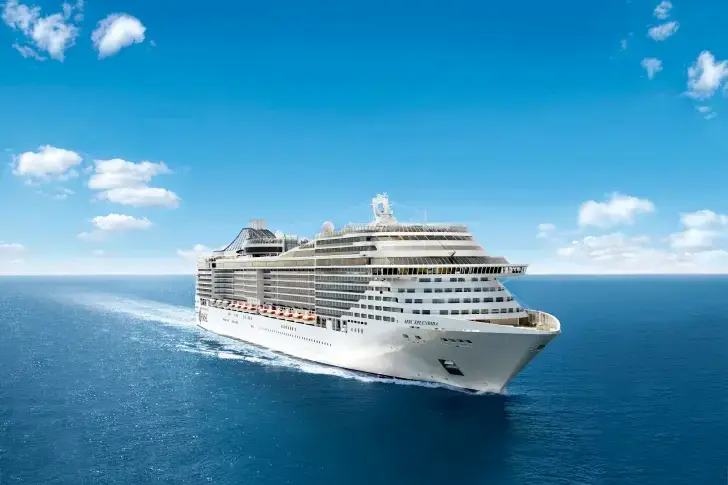
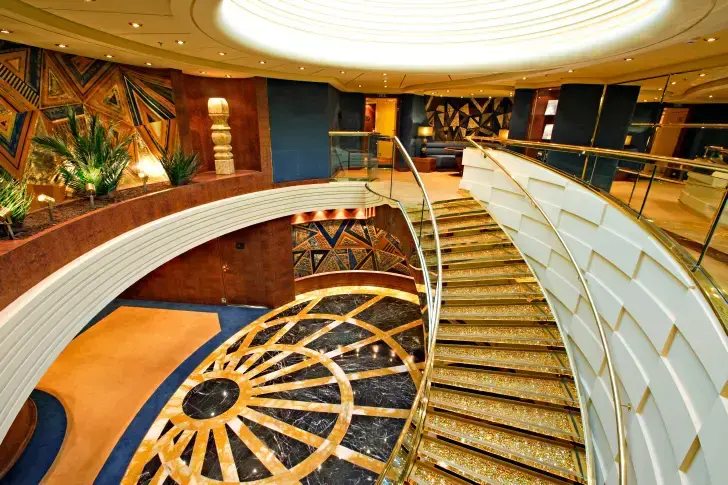
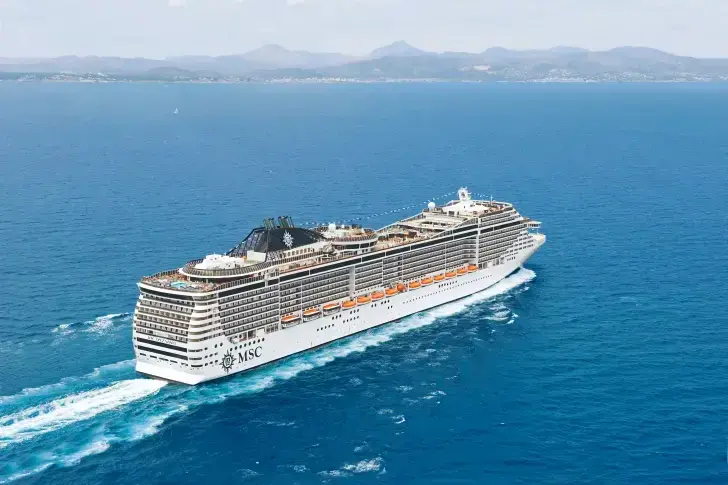
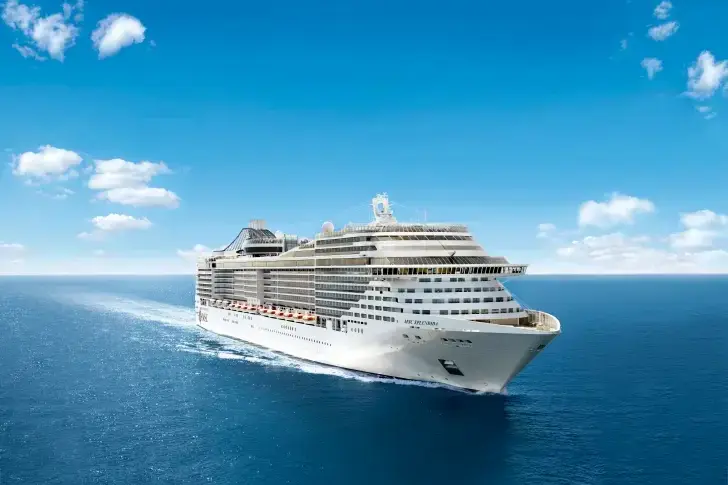
| Ship : MSC Yacht Club Splendida |
| Journey Start : Sat 01 Apr 2028 |
| Journey End : Fri 05 May 2028 |
| Count Nights : 34 nights |
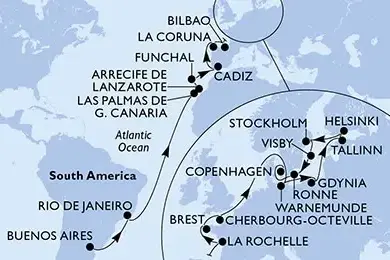
| Day | Date | Port | Arrival | Departure |
|---|---|---|---|---|
| 1 | 1.04 Sat | Buenos Aires / Argentina | 17:00 | |
| 2 | 2.04 Sun | Day at sea / Sea | ||
| 3 | 3.04 Mon | Day at sea / Sea | ||
| 4 | 4.04 Tue | Rio de Janeiro / Brazil | 08:00 | 17:00 |
| 5 | 5.04 Wed | Day at sea / Sea | ||
| 6 | 6.04 Thu | Day at sea / Sea | ||
| 7 | 7.04 Fri | Day at sea / Sea | ||
| 8 | 8.04 Sat | Day at sea / Sea | ||
| 9 | 9.04 Sun | Day at sea / Sea | ||
| 10 | 10.04 Mon | Day at sea / Sea | ||
| 11 | 11.04 Tue | Day at sea / Sea | ||
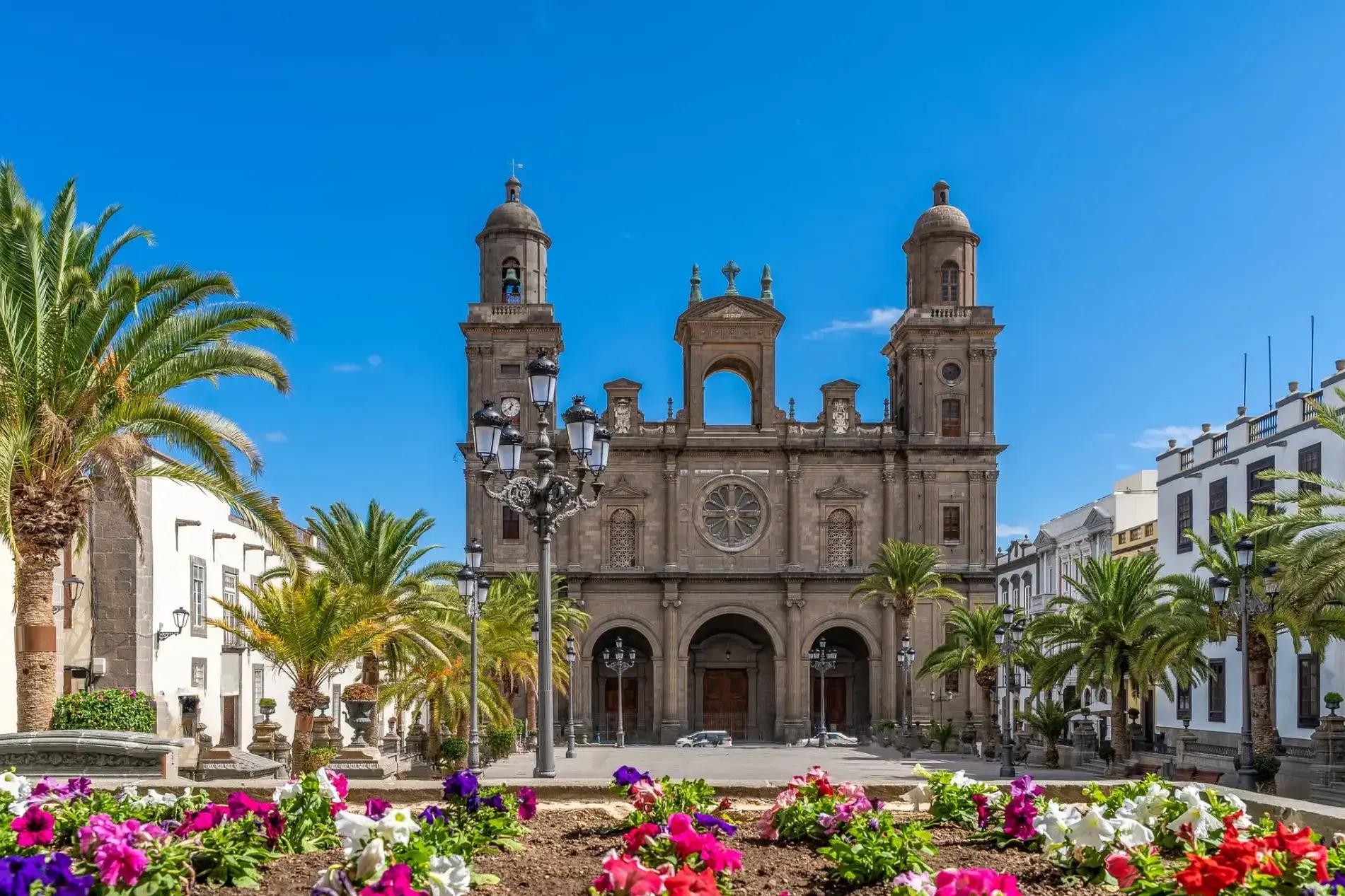
| 12 | 12.04 Wed | Las Palmas (Gran Canaria) / Spain | 11:00 | 20:00 |
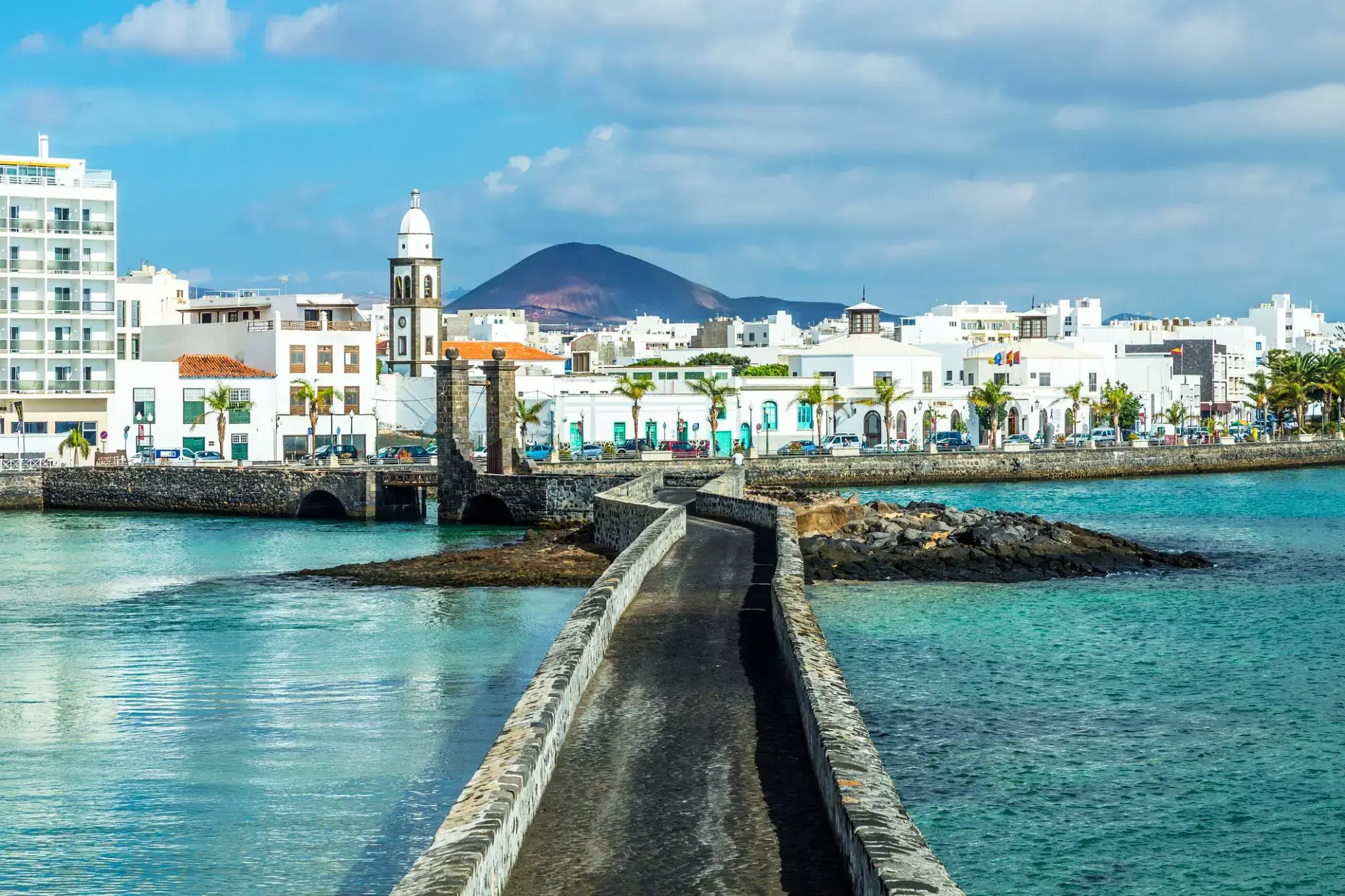
| 13 | 13.04 Thu | Arrecife / Spain | 08:00 | 16:00 |
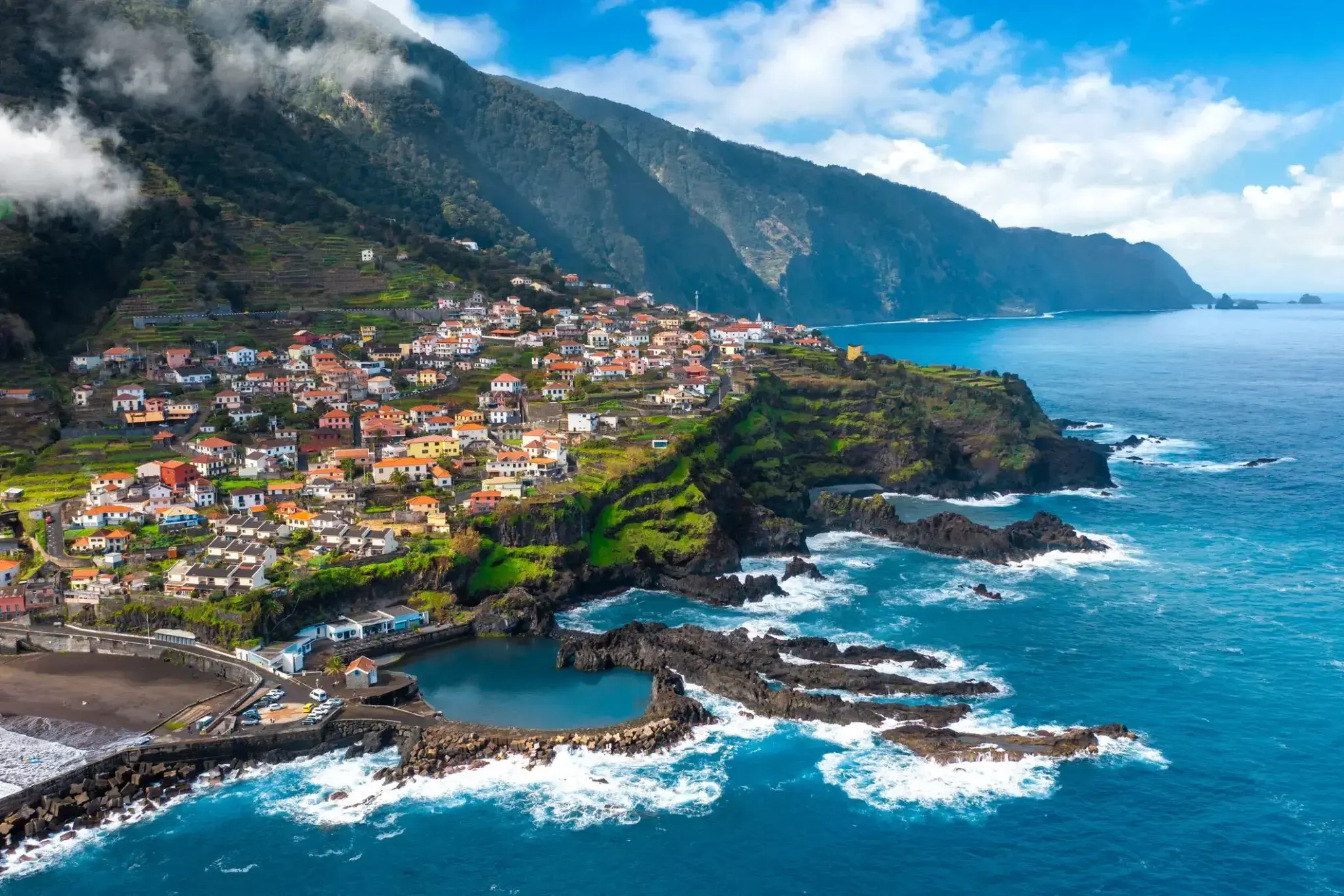
| 14 | 14.04 Fri | Madeira / Portugal | 09:00 | 18:00 |
| 15 | 15.04 Sat | Day at sea / Sea | ||
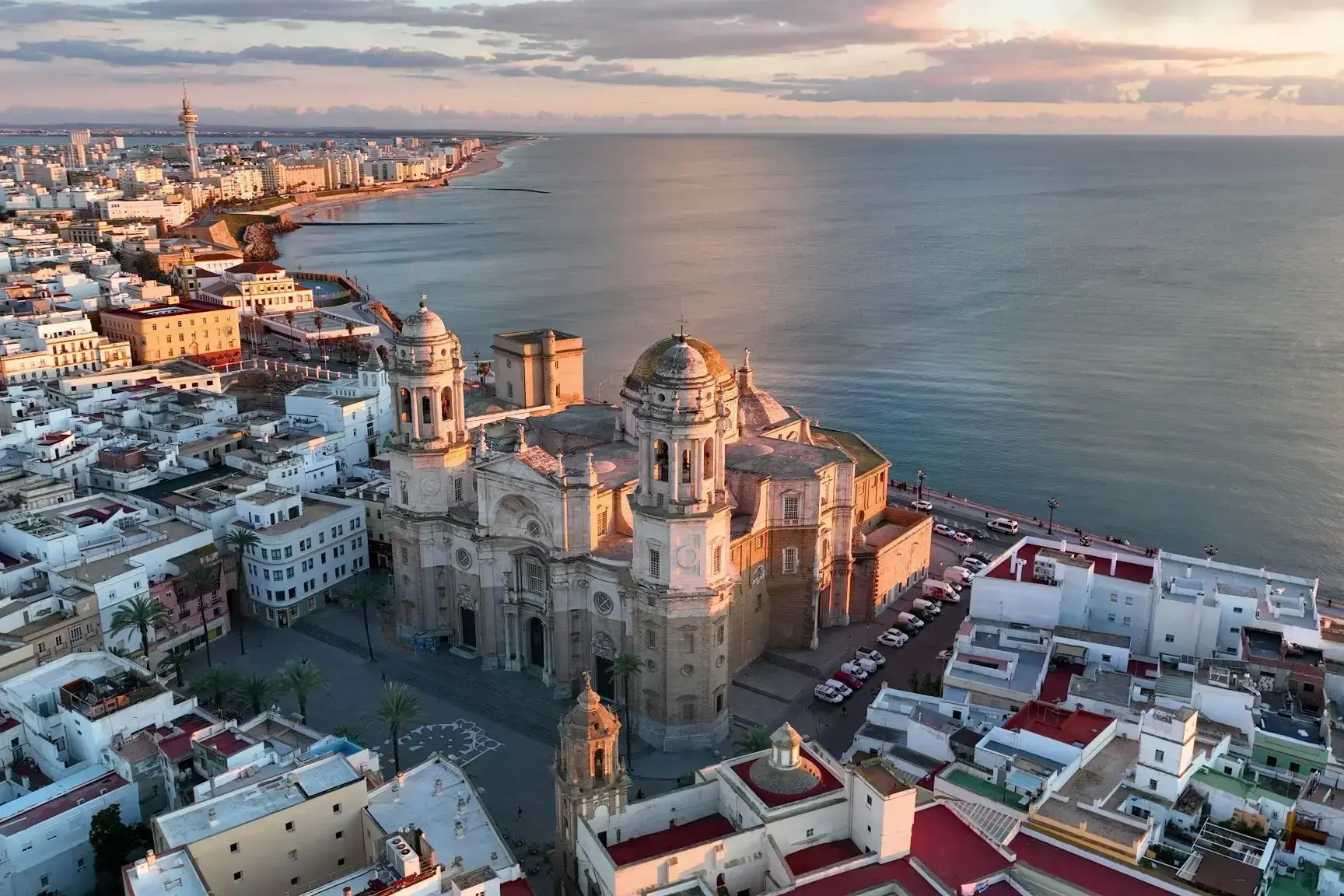
| 16 | 16.04 Sun | Cadiz / Spain | 07:00 | 18:00 |
| 17 | 17.04 Mon | Day at sea / Sea | ||
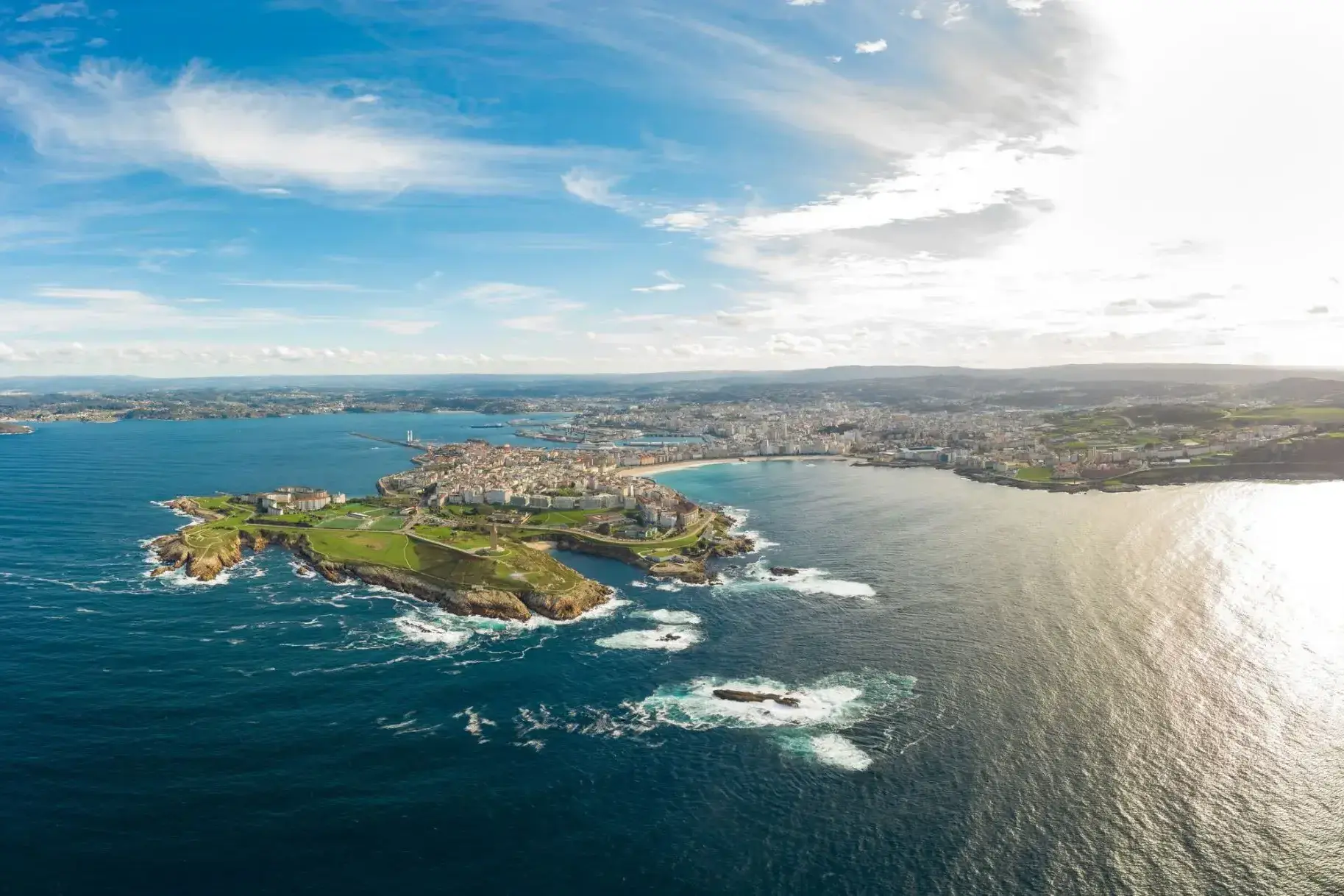
| 18 | 18.04 Tue | La Coruna / Spain | 07:00 | 17:00 |
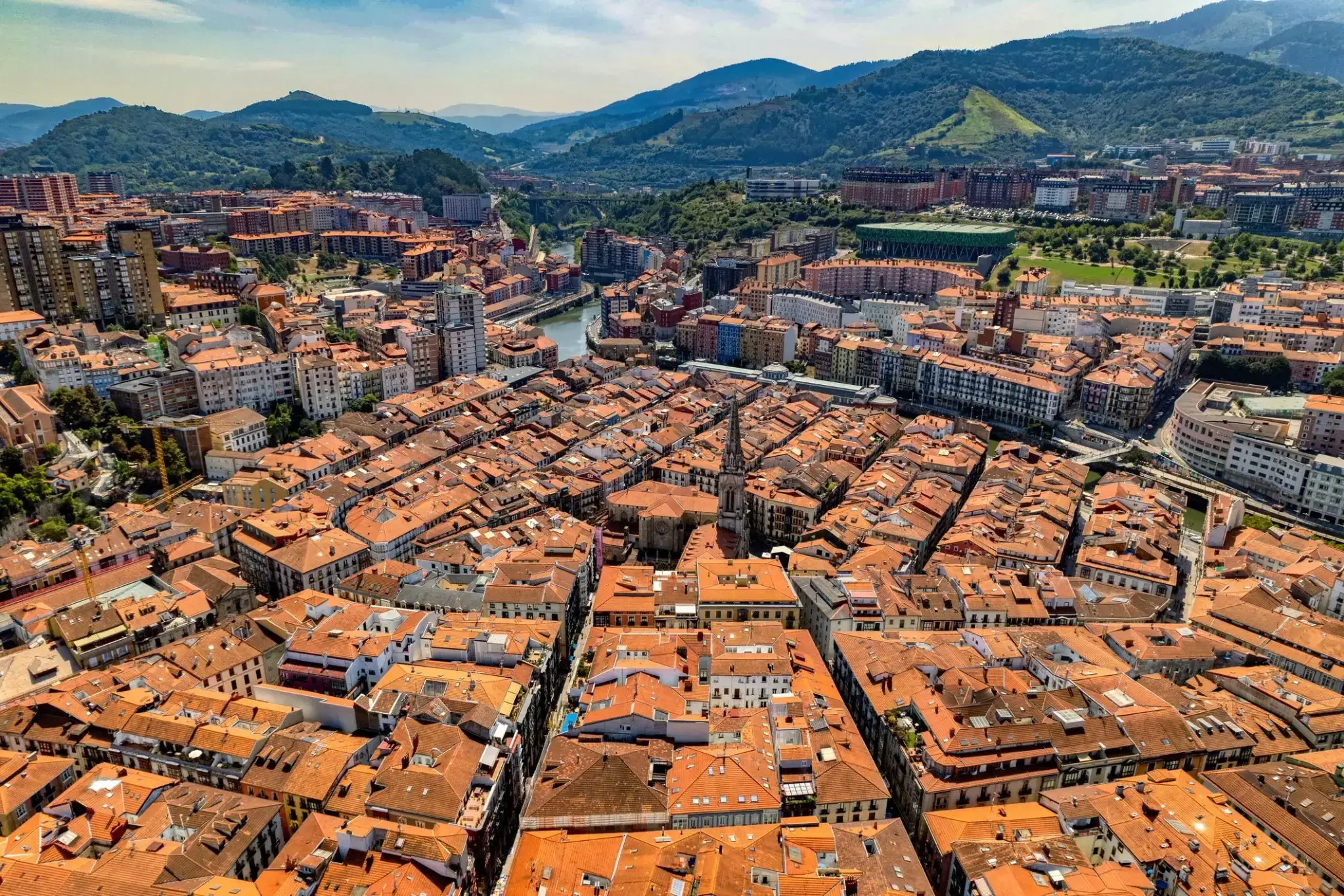
| 19 | 19.04 Wed | Bilbao / Spain | 09:00 | 18:00 |
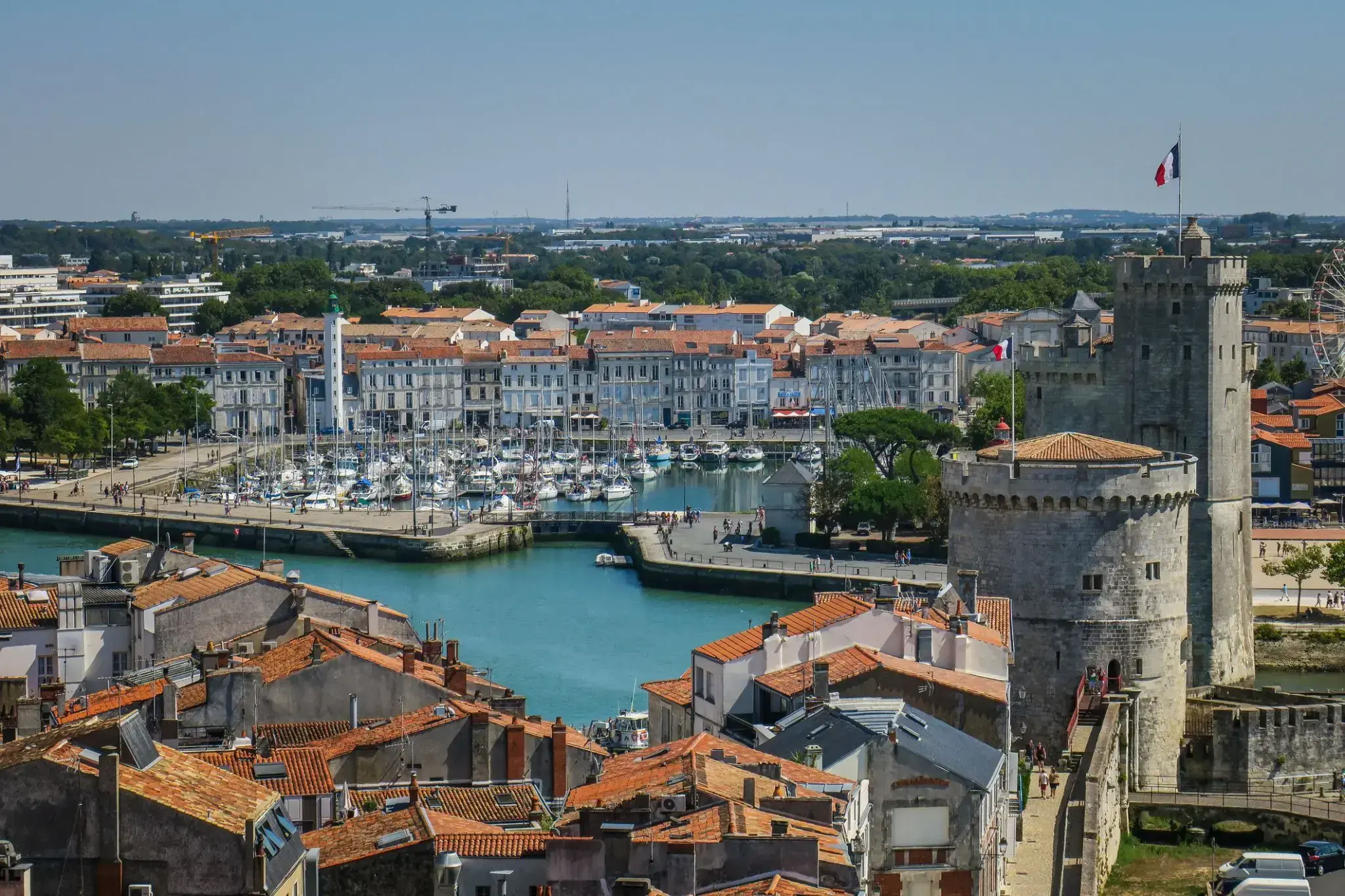
| 20 | 20.04 Thu | La Rochelle / France | 08:00 | 18:00 |
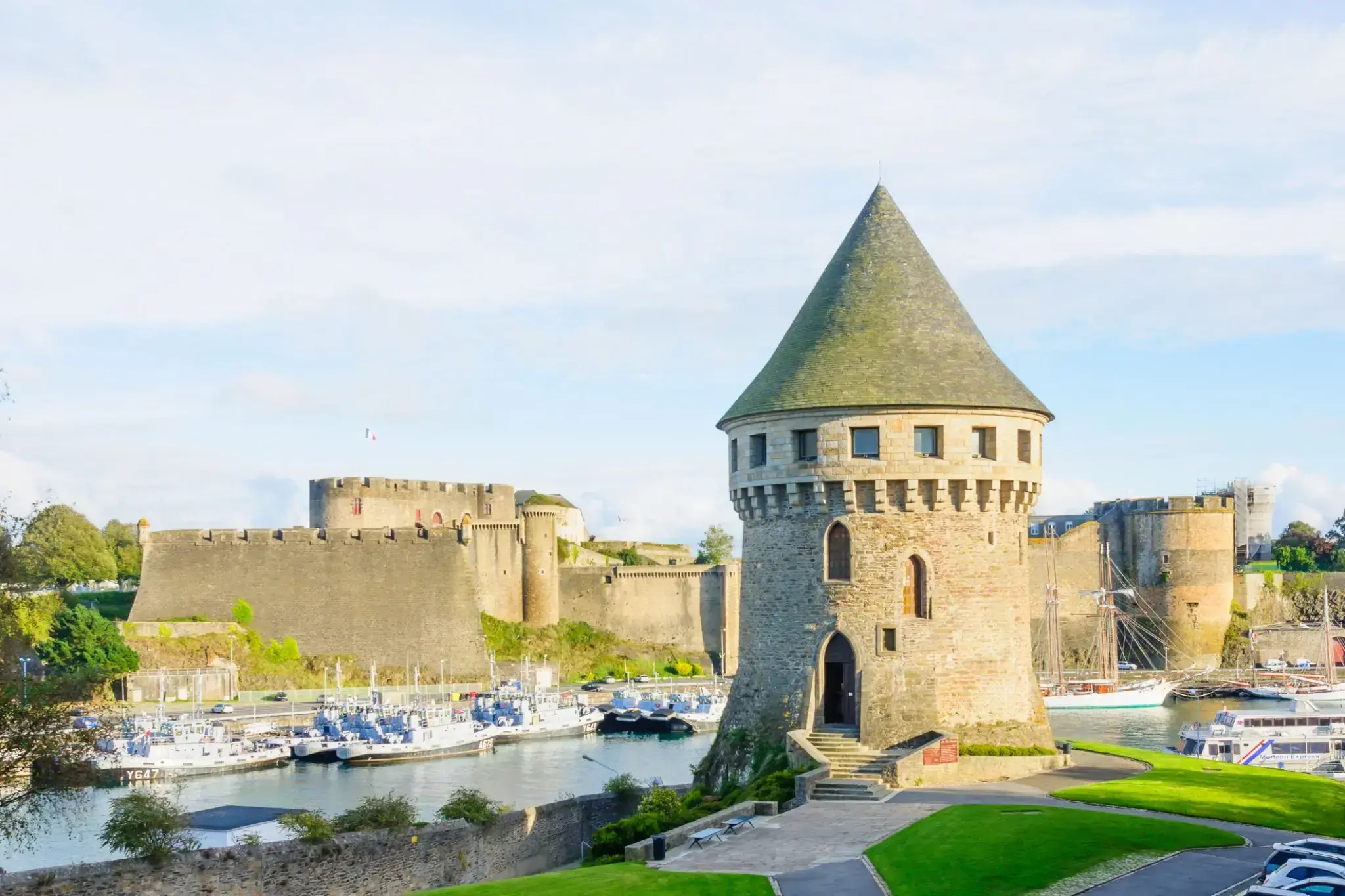
| 21 | 21.04 Fri | Brest / France | 09:00 | 18:00 |
| 22 | 22.04 Sat | Cherbourg-Octeville / France | 08:00 | 18:00 |
| 23 | 23.04 Sun | Day at sea / Sea | ||
| 24 | 24.04 Mon | Day at sea / Sea | ||
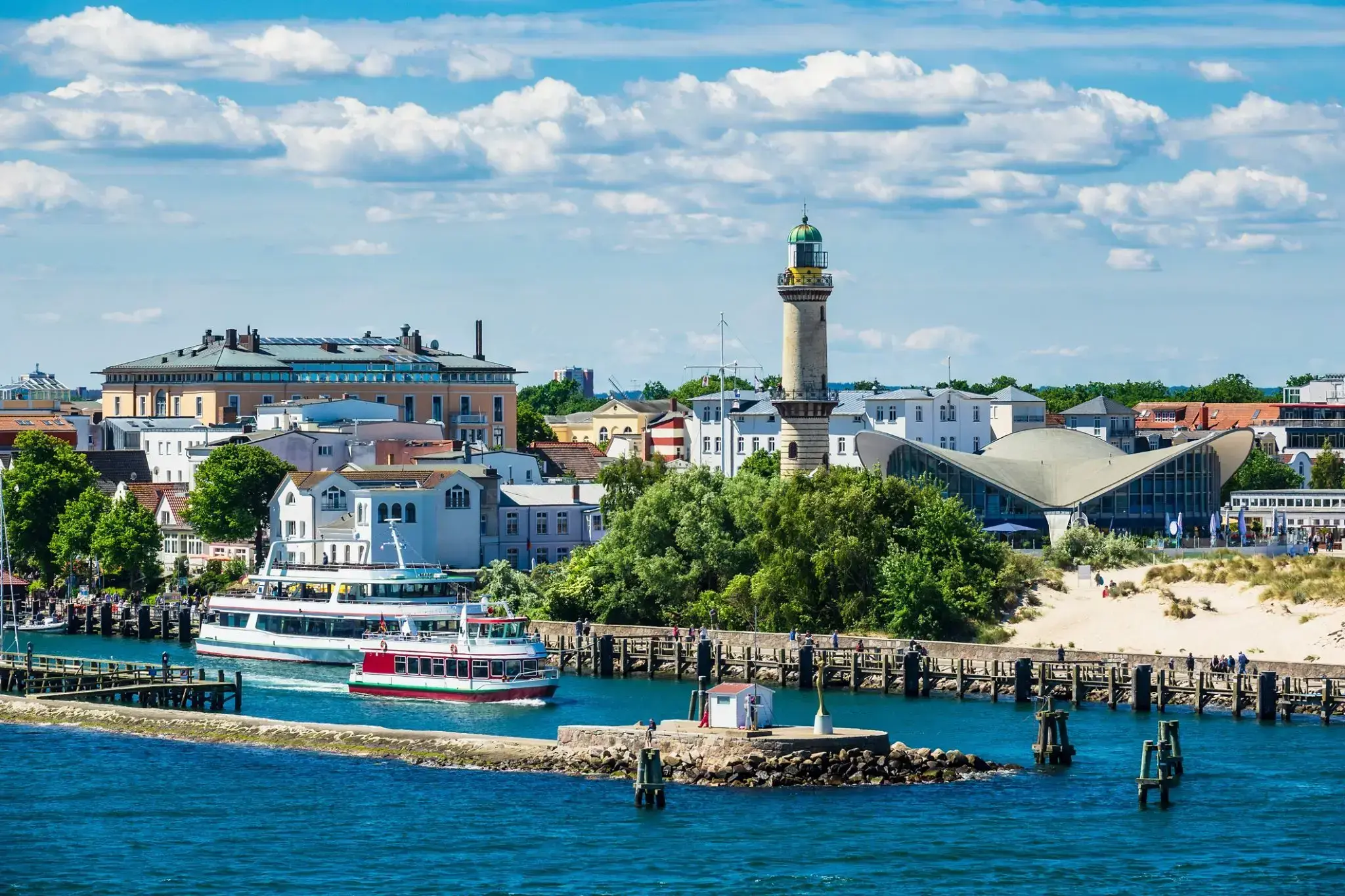
| 25 | 25.04 Tue | Warnemünde / Germany | 07:00 | 17:00 |
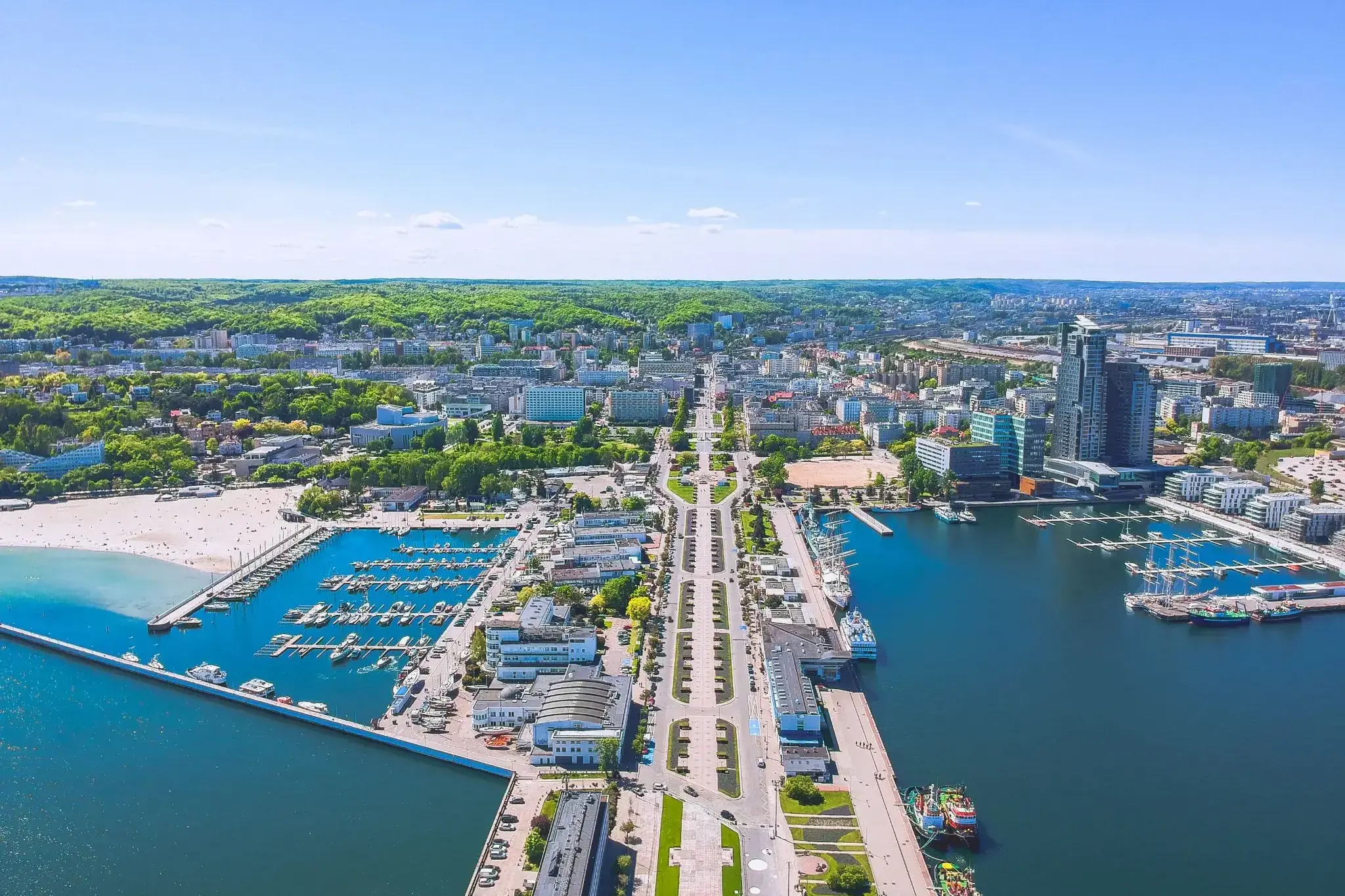
| 26 | 26.04 Wed | Gdynia / Poland | 09:00 | 18:00 |
| 27 | 27.04 Thu | Day at sea / Sea | ||
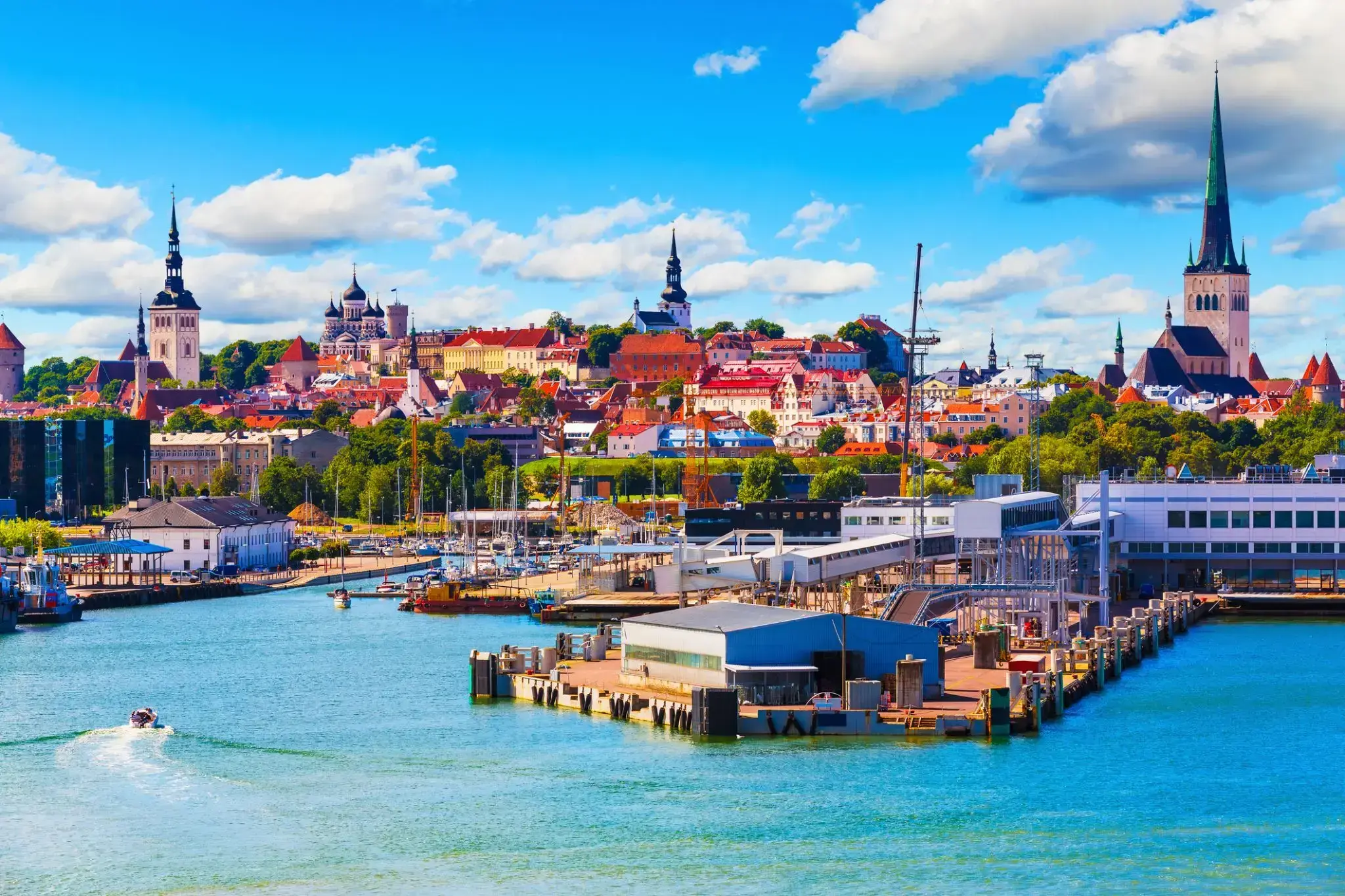
| 28 | 28.04 Fri | Tallinn / Estonia | 08:00 | 18:00 |
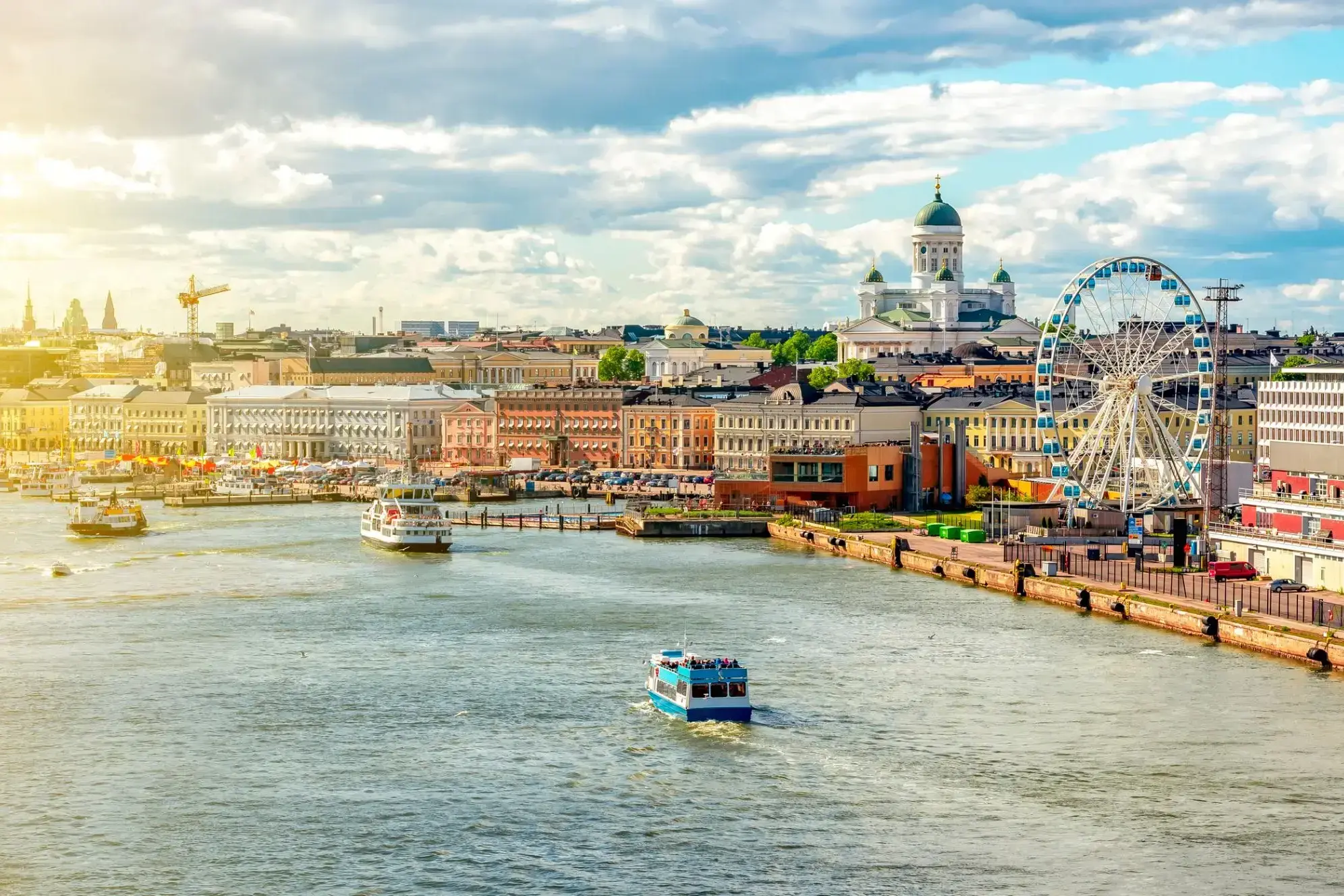
| 29 | 29.04 Sat | Helsinki / Finland | 08:00 | 18:00 |
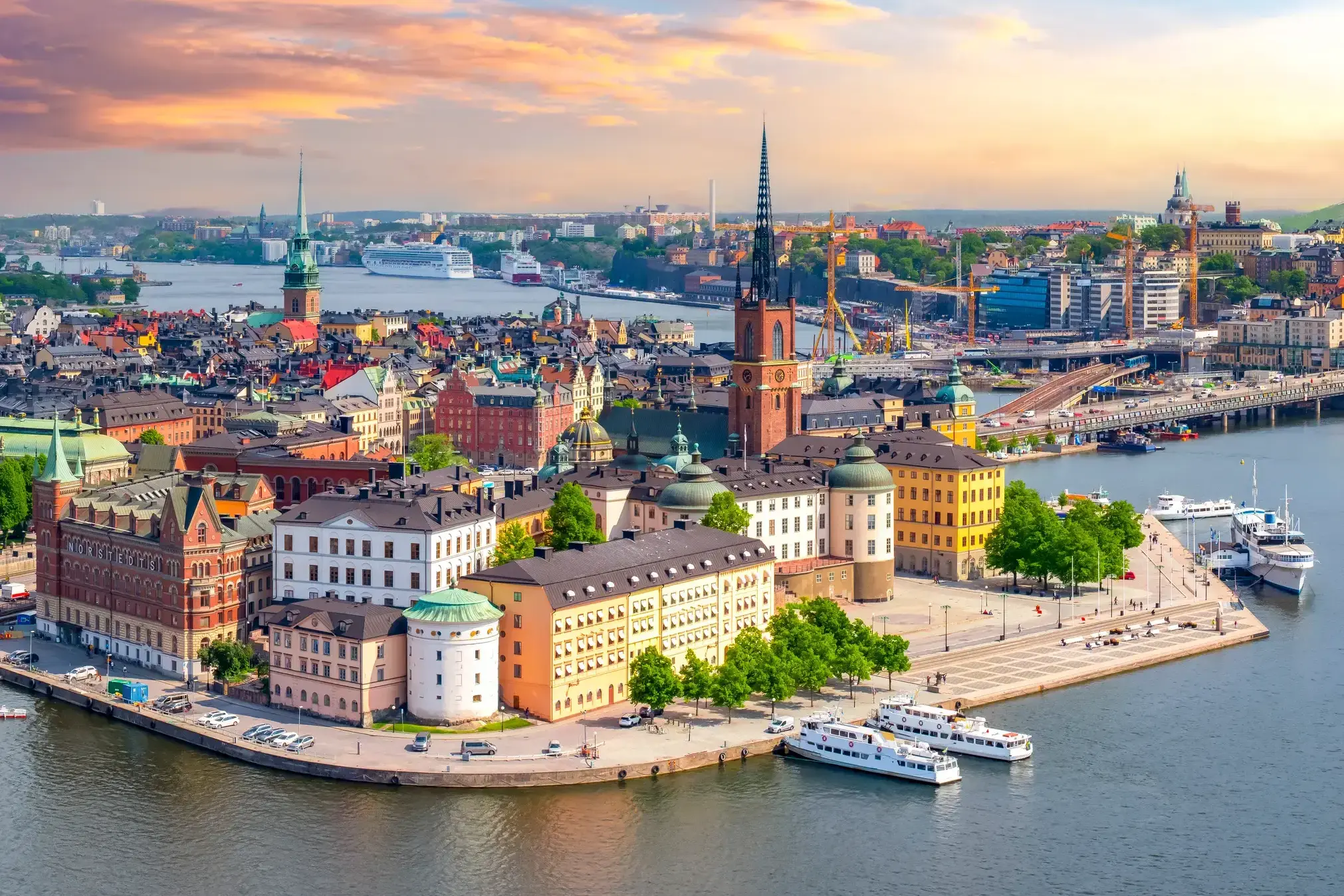
| 30 | 30.04 Sun | Stockholm / Sweden | 09:00 | 23:59 |
| 31 | 1.05 Mon | Stockholm / Sweden | 00:01 | 16:00 |
| 32 | 2.05 Tue | Visby / Sweden | 08:00 | 18:00 |
| 33 | 3.05 Wed | Ronne / Denmark | 08:00 | 18:00 |
| 34 | 4.05 Thu | Day at sea / Sea | ||
| 35 | 5.05 Fri | Copenhagen / Denmark | 08:00 |
MSC Yacht Club – Included Privileges
Privileges
As an MSC Yacht Club guest, you enjoy a wealth of included privileges designed to make every момент круиза максимально комфортным:
Dedicated priority check‑in and check‑out, as well as priority disembarkation and embarkation on excursion days.
24‑hour butler service and a dedicated concierge desk, available whenever you need assistance.
24‑hour Room Service, so you can dine in the privacy of your suite at any time of day or night.
Premium Extra Drink Package included, covering beverages priced up to €14 / $16 in all bars, lounges and restaurants across the ship, from classic cocktails and premium spirits to wines by the glass, beers, soft drinks, coffee and teas.
Browse Internet package (Unlimited Internet Package for 2 devices per guest), allowing you to stay connected throughout your voyage.
Complimentary access to the Thermal Suite in the MSC Aurea Spa for the duration of the cruise, offering saunas, steam rooms and relaxation areas.
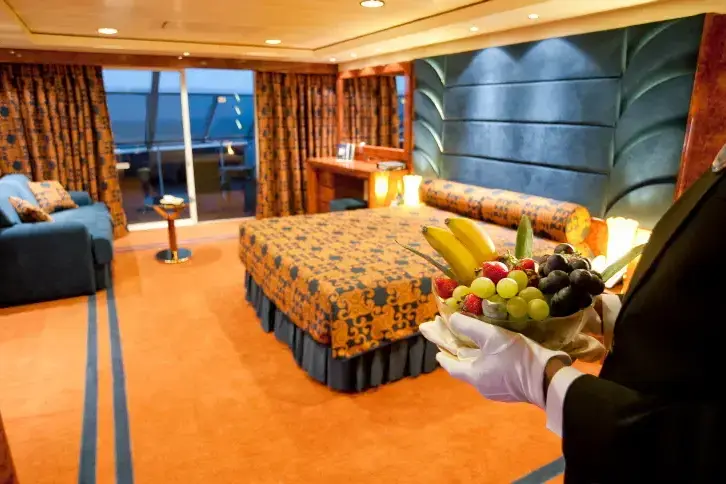
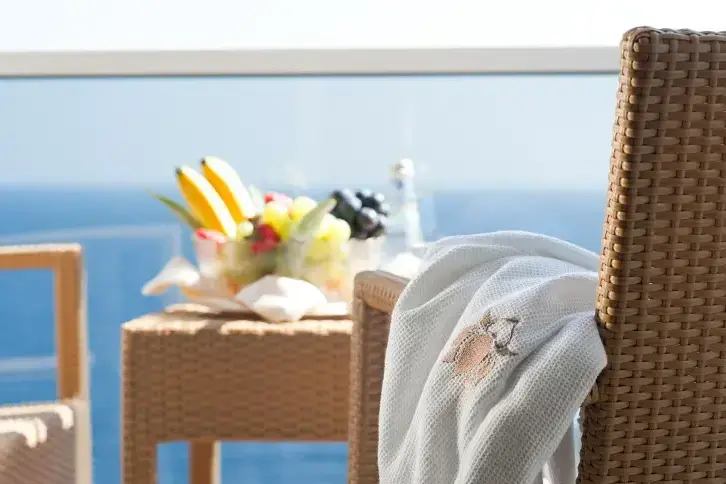
Relaxation amenities in each suite, including plush bathrobe and slippers, plus enhanced bathroom amenities.
Additional personal touches, such as luggage packing and unpacking service on request and newspaper delivery to your suite (where available).
MSC for Me wristband, giving convenient, hands‑free access to your suite and onboard purchases.
MSC Yacht Club – Exclusivity on Board
Exclusivity
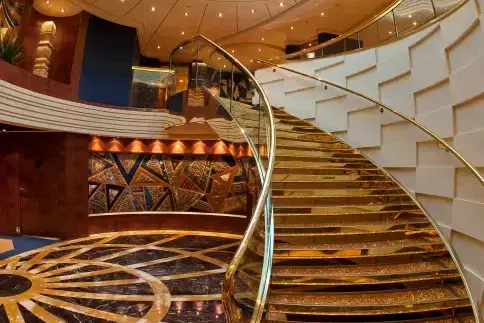
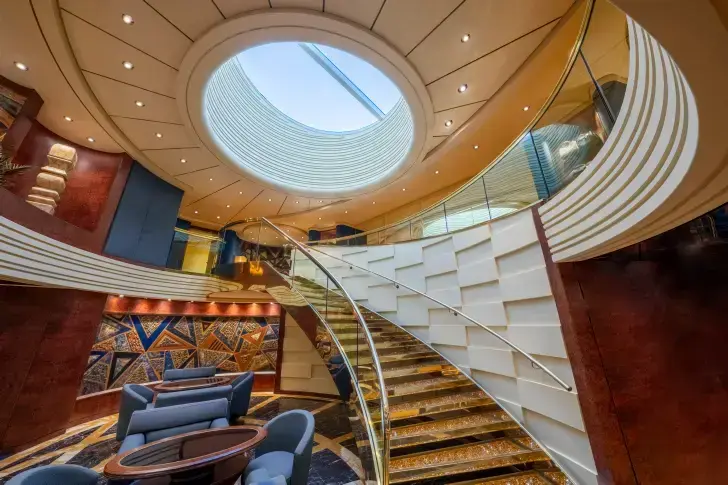
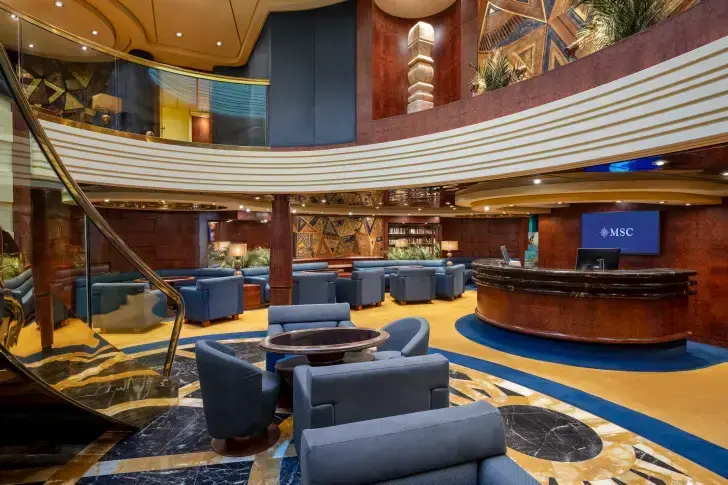
MSC Yacht Club is a private sanctuary of exclusivity at the top of the ship, reserved solely for its guests:
Dedicated and private area of the ship, accessible only with a Yacht Club key card.
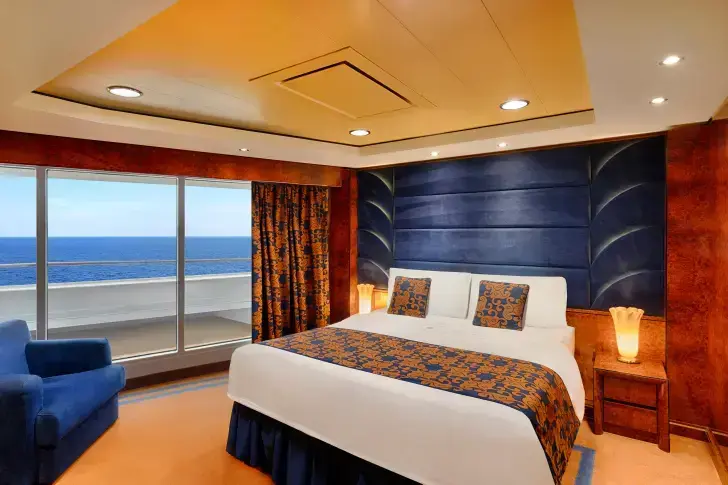
Lavishly appointed suites located on the foredecks, offering outstanding comfort and some of the best views on board.
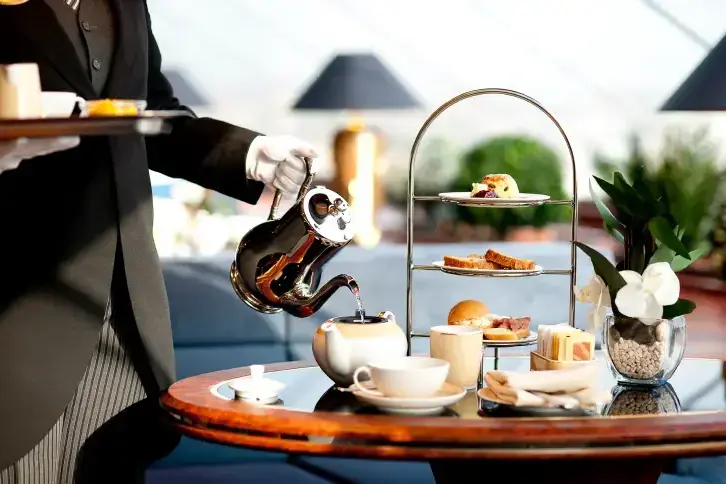
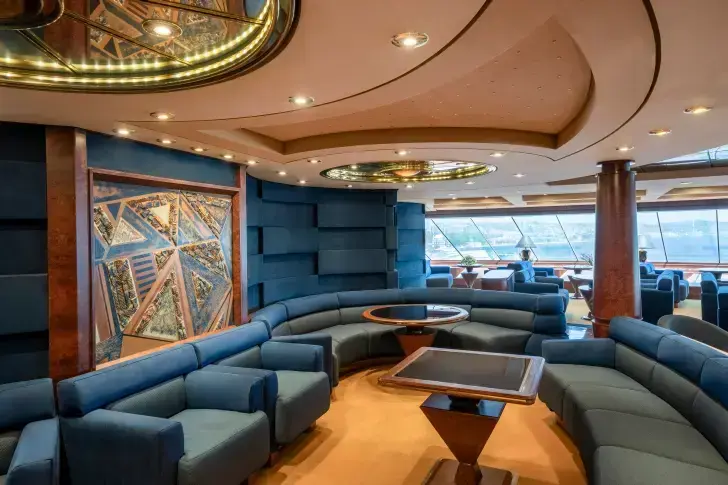
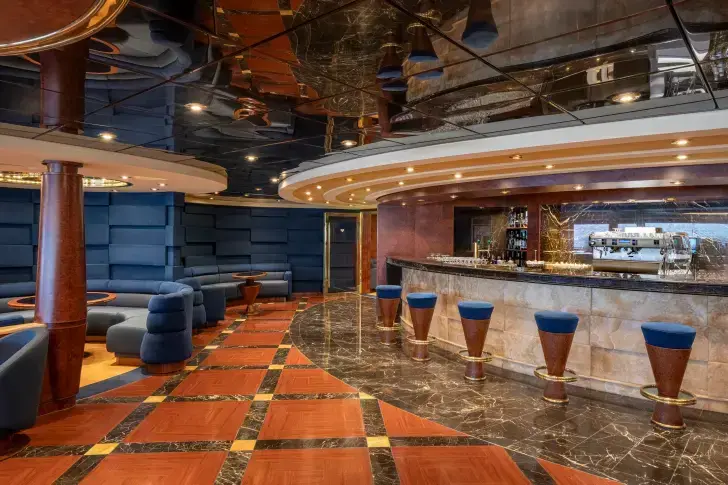
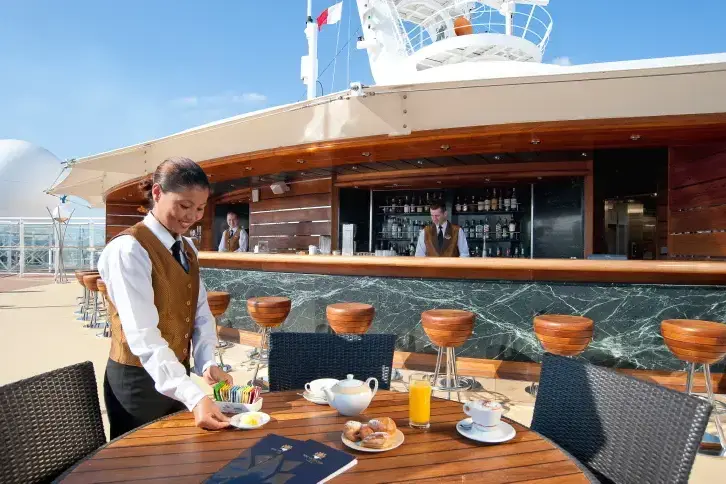
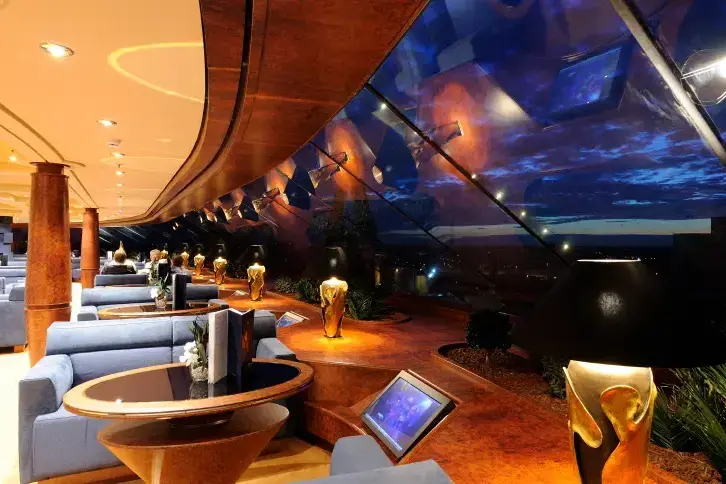
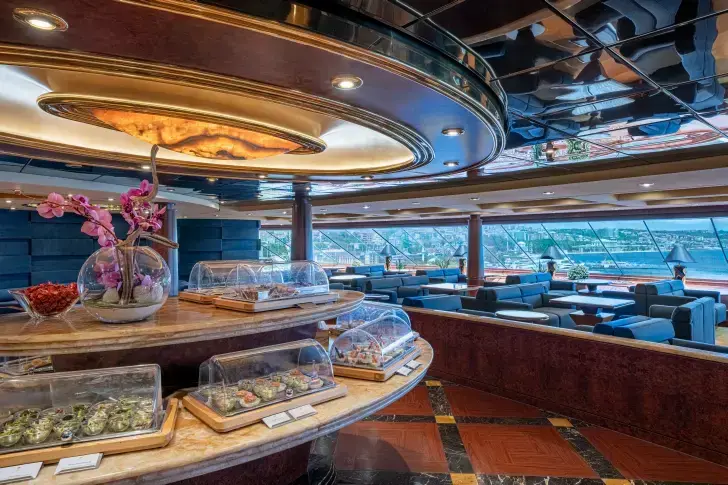
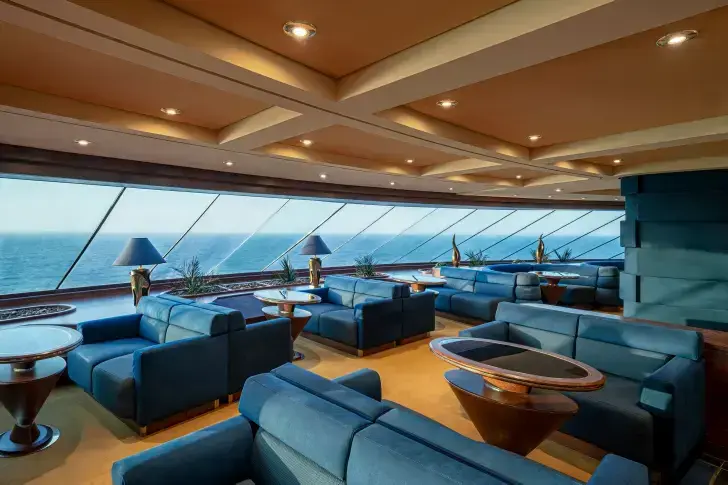
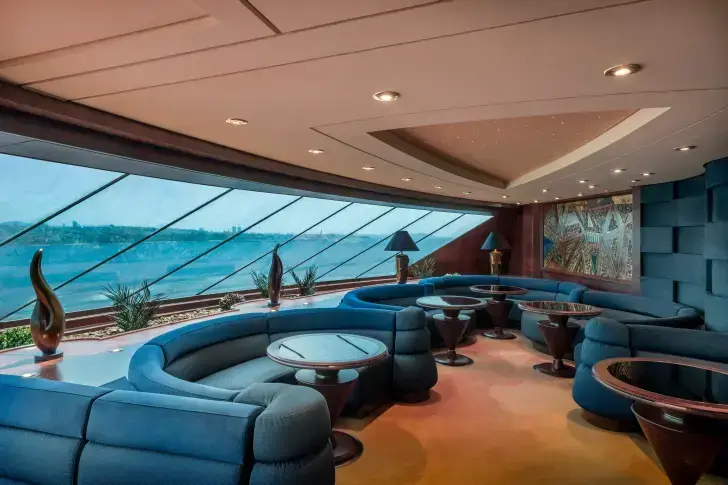
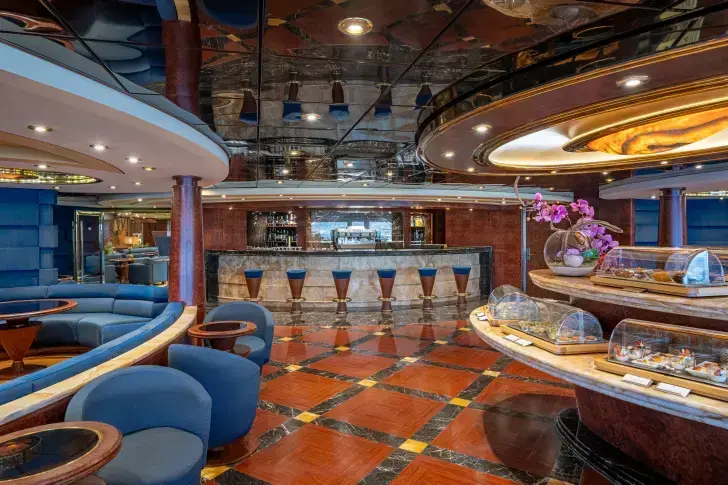
Panoramic Top Sail Lounge with a full‑service bar, afternoon tea service, light bites available throughout the day and night, and live entertainment in the evening.
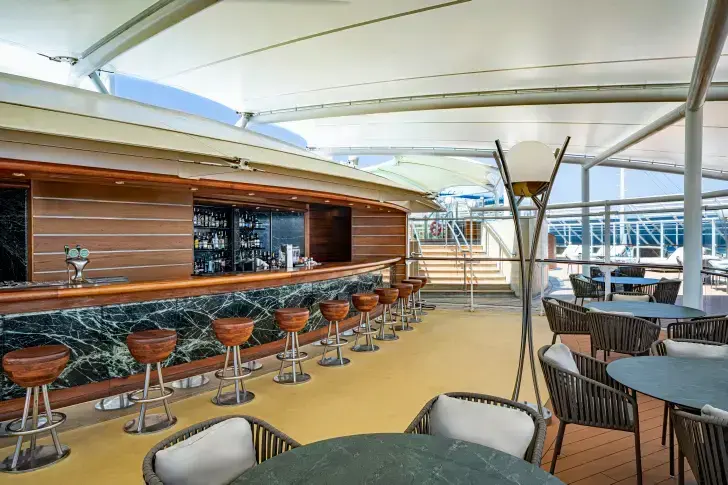
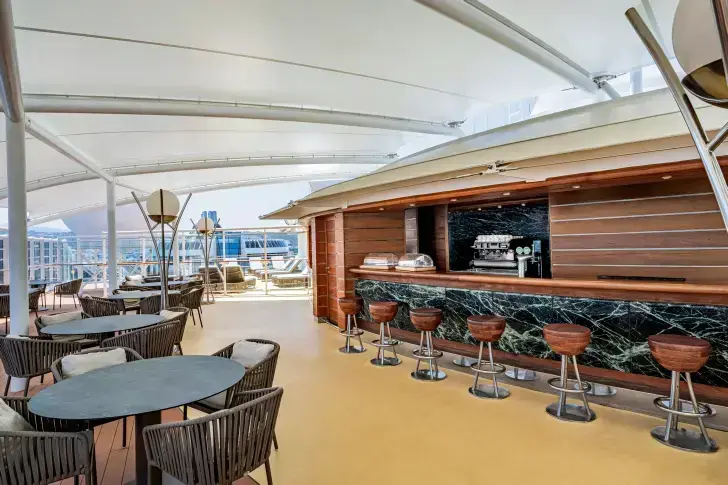
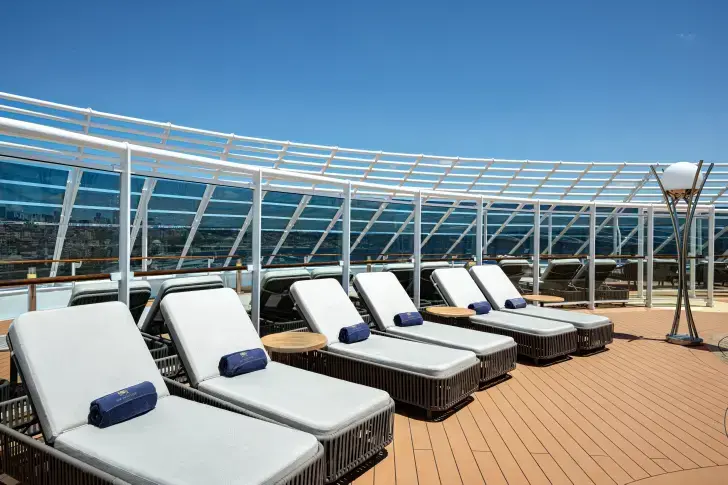
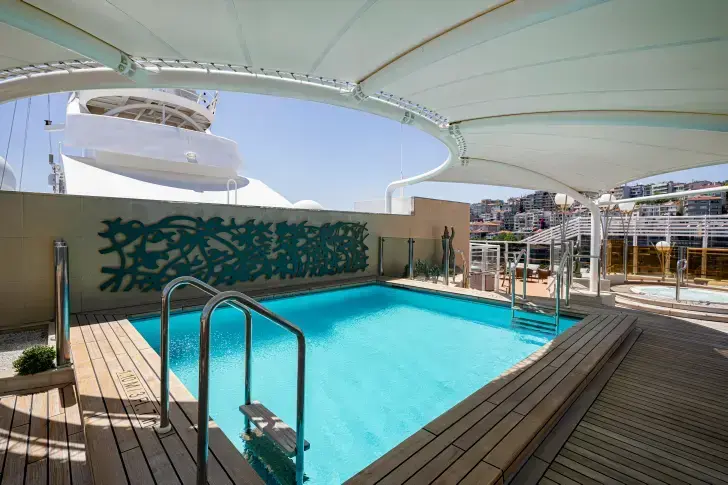
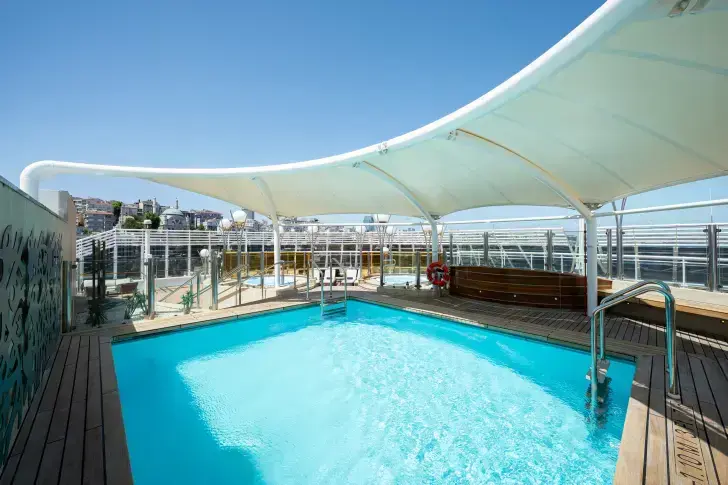
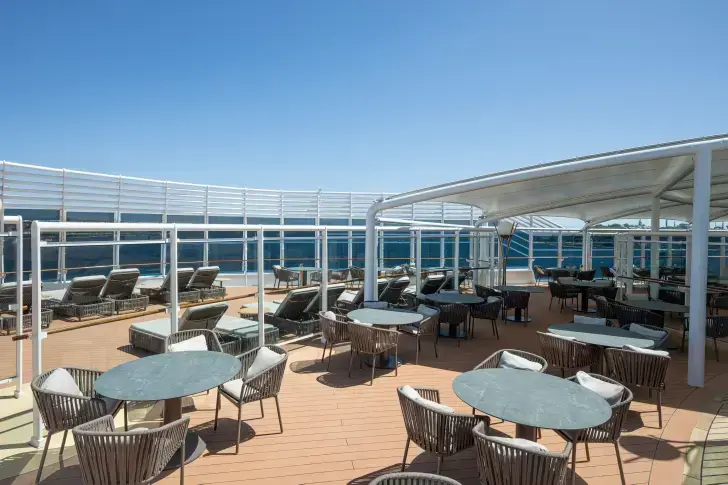
Private and spacious pool deck reserved for Yacht Club guests, featuring pool, whirlpool baths, dedicated sunbathing area and outdoor bar with exceptional sea views.
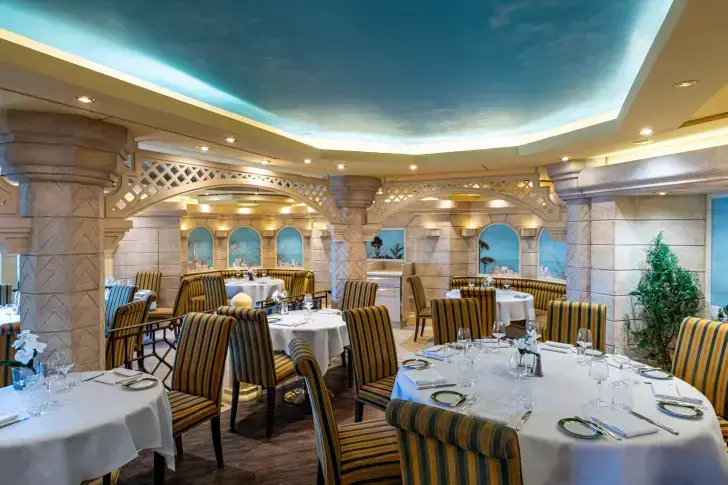
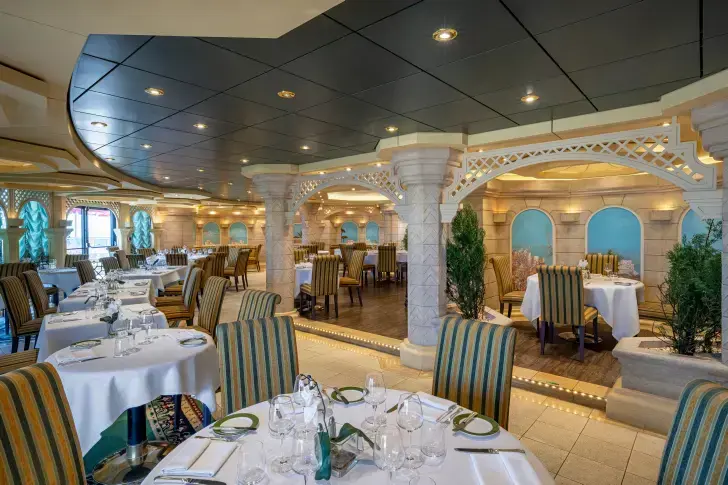
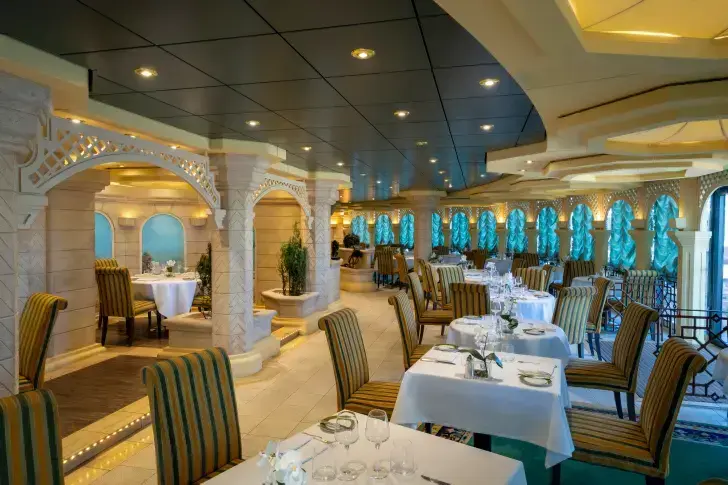
Gourmet restaurant exclusive to MSC Yacht Club, serving à la carte breakfast, lunch and dinner with flexible, open seating and no fixed dining times.
Tailor‑made experiences, from bespoke shopping assistance to curated shore excursions, organized by the Yacht Club concierge and butler team.
MSC Yacht Club – World of Choice
World of Choice
Beyond the private world of MSC Yacht Club, guests enjoy a full range of flexible benefits before and during their cruise:
Pre‑Cruise Benefits
1 free cruise change*, offering extra flexibility if your plans change.
Option to book discounted Specialty Restaurant packages at the time of cruise booking.
Option to pre‑book discounted Balinese massage packages in the MSC Aurea Spa.
The free cruise change must be requested at least 30 calendar days before departure and applied to a new sailing within 90 days of the original departure date.
Onboard Choice
Yacht Club guests also have full access to all facilities and entertainment across the entire ship:
A wide choice of bars and lounges, speciality restaurants, pools and open‑deck areas.
Premium buffet with extended opening hours and a variety of international dishes.
A rich programme of Broadway and Las Vegas‑style theatre shows every evening.
Recreational activities for children of all ages, including dedicated kids’ clubs.
Daytime and evening entertainment for adults, families and children.
A full menu of MSC Aurea Spa treatments, with complimentary access to the Thermal Suite for Yacht Club guests (treatments and spa packages charged separately).
Services Not Included for MSC Yacht Club Guests
Even with the extensive inclusions of MSC Yacht Club, some services remain at an extra charge:
Spa & beauty
All MSC Aurea Spa treatments: massages, body and facial treatments, rituals.
Hair & beauty salon: haircuts, styling, colouring, barber services, manicure and pedicure.
Spa packages and special wellness programs (even if offered at a discount for Yacht Club).
Shore excursions
All shore excursions (group and private), including premium/VIP experiences, boat trips, flightseeing, etc., are chargeable.
Speciality dining & gourmet concepts
Speciality restaurants such as steakhouses, sushi bars and other à la carte venues.
Tasting menus, wine and champagne pairing dinners, chef’s table experiences.
Certain high‑end items (fine wines/champagnes by the bottle, rare spirits, signature chocolates).
Bars, cafés & sweets
Purchases in chocolate bars, gelato counters, pastry shops, and some branded coffee specialties.
Internet upgrades & communication
Upgrade from Browse to Streaming Wi‑Fi (for video calls/streaming) is at an extra cost per device.
Satellite phone calls and some premium communication services.
Photo & video services
Professional photo packages, studio sessions, printed photos and photo books.
Video services and special event packages (weddings, celebrations).
Onboard entertainment & activities
Selected premium activities such as F1 simulators, VR games, bowling and similar attractions (varies by ship).
Paid workshops, games with prizes and some special themed events.
Shopping & onboard purchases
All purchases in duty free and onboard boutiques (fashion, jewellery, watches, perfume, cosmetics, souvenirs).
Laundry & housekeeping extras
Laundry and dry‑cleaning services, pressing and express options.
Service charges & gratuities
Hotel Service Charge / Gratuities (per person, per night) are usually not included in the cruise fare unless specified for a particular market.
Service charges (around 15%) are typically added to bar, restaurant and spa bills.
Passenger name change
The passenger may replace himself/herself with a third party, provided that:
The new guest meets all conditions to join the cruise (travel documents, visas, age, etc.).
A written request (via the sales agent or directly to MSC) is received by MSC no later than 7 calendar days before departure.
If these conditions are met, the name change is subject to an administration fee per guest:
YACHT CLUB – EUR 50 per passenger.
Name change requests made within 7 calendar days of departure are treated as a cancellation and subject to standard cancellation charges.
The original passenger and the new assignee are jointly liable for payment of the cruise fare and any additional costs arising from the change.
One free cruise change (Yacht Club)
In addition to the name change rules, MSC allows guests (except on World Cruise) to change their booked Holiday Package once, under the following conditions:
The departure date of the new cruise is later than the original one.
The request to substitute the New Holiday Package for the Original Holiday Package is received by MSC no later than 30 calendar days before the original departure date.
There is availability on the new cruise.
The departure date of the new cruise falls within 90 calendar days of the original departure date.
If all conditions are met, the change is subject to the following fee per passenger:
YACHT CLUB – one change free of charge; from the second change onward a fee (typically EUR 50 pp) applies.
You can formulate for the website as, for example:
1 free cruise change when requested at least 30 days before departure and when the new cruise departs within 90 days of the original sailing (subject to availability).
Cancellation by the passenger – MSC Yacht Club
For MSC Yacht Club, a specific cancellation scale applies (for all cruises, excluding World Cruise):
YACHT CLUB – Cancellation charges
120 days or more before departure – fixed fee EUR 100 (or loss of deposit, whichever is greater).
119–90 days before departure – 25% of the holiday package price.
89–60 days before departure – 40% of the holiday package price.
59–30 days before departure – 60% of the holiday package price.
29–15 days before departure – 80% of the holiday package price.
14–0 days before departure – 100% of the holiday package price.
If, after a cancellation, the cabin remains occupied by a single guest, then:
The withdrawing passenger is charged according to the scale above (but not less than EUR 100 plus any insurance premium).
The remaining passenger occupying the cabin for single use will be charged a single supplement of 100% (or a lower single supplement if in force at that time).
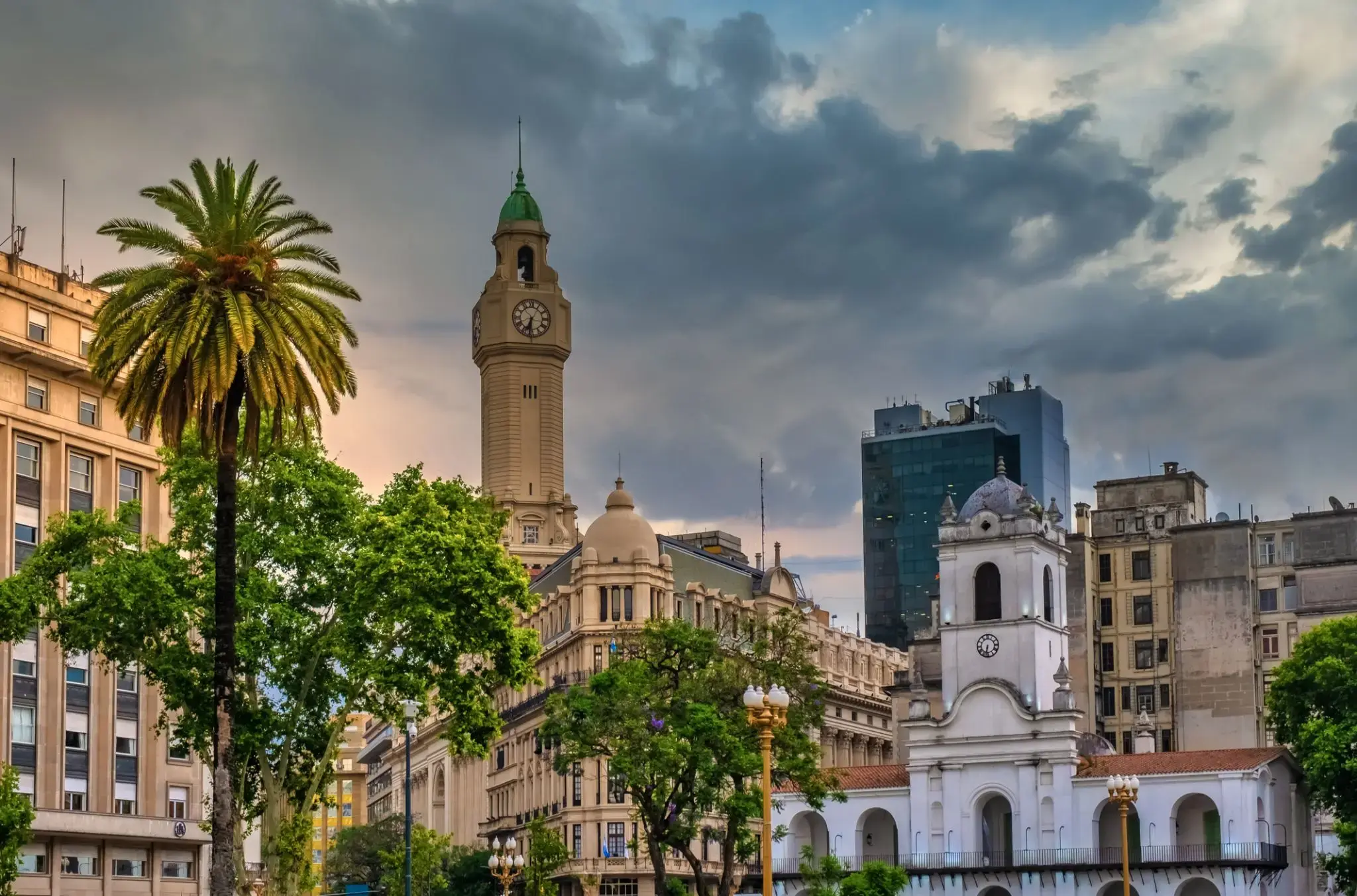
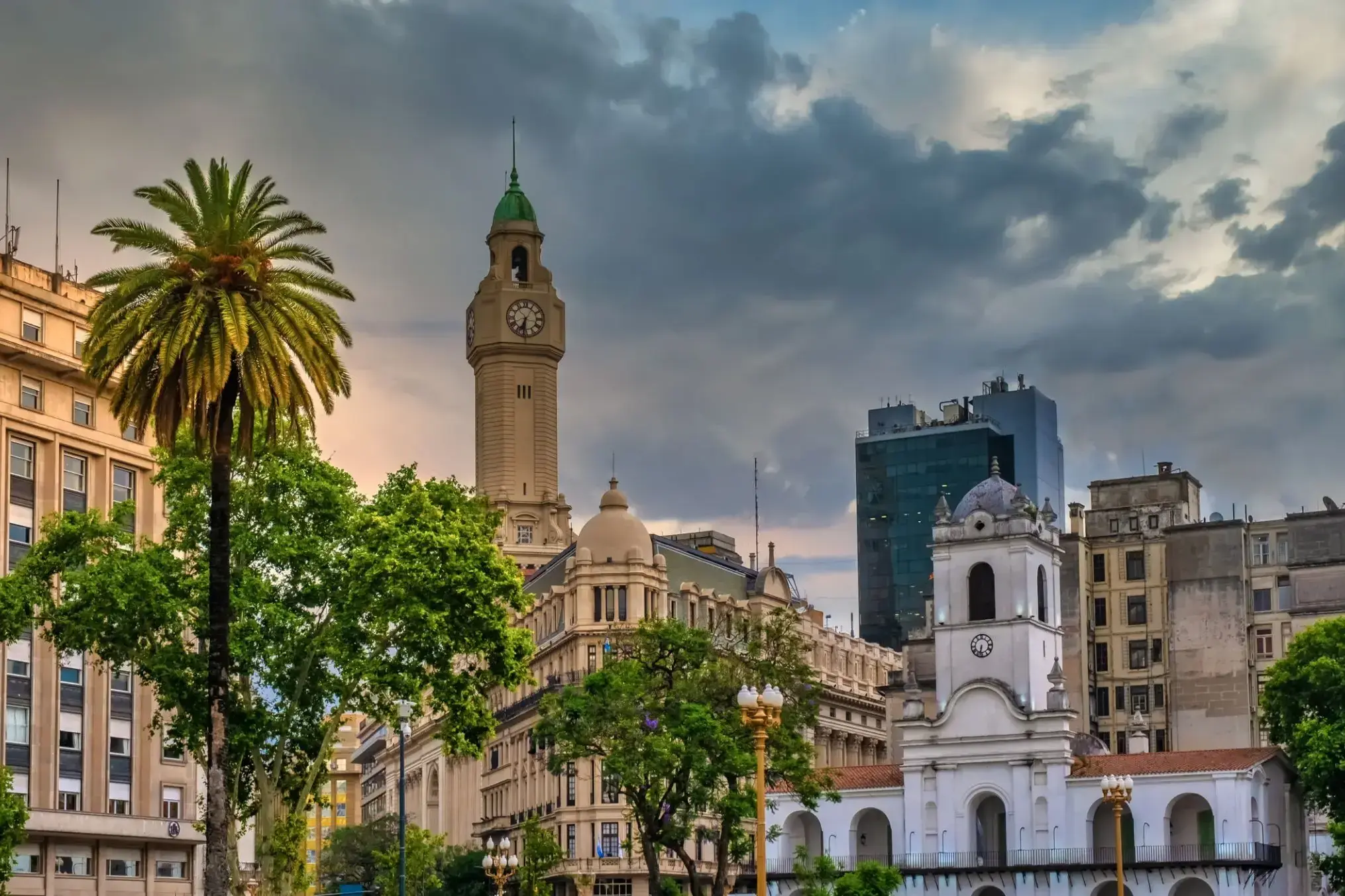
the capital city and chief port of Argentina, in the eastern central part of the country, on the Plata River; population 3,042,600 (est. 2008).
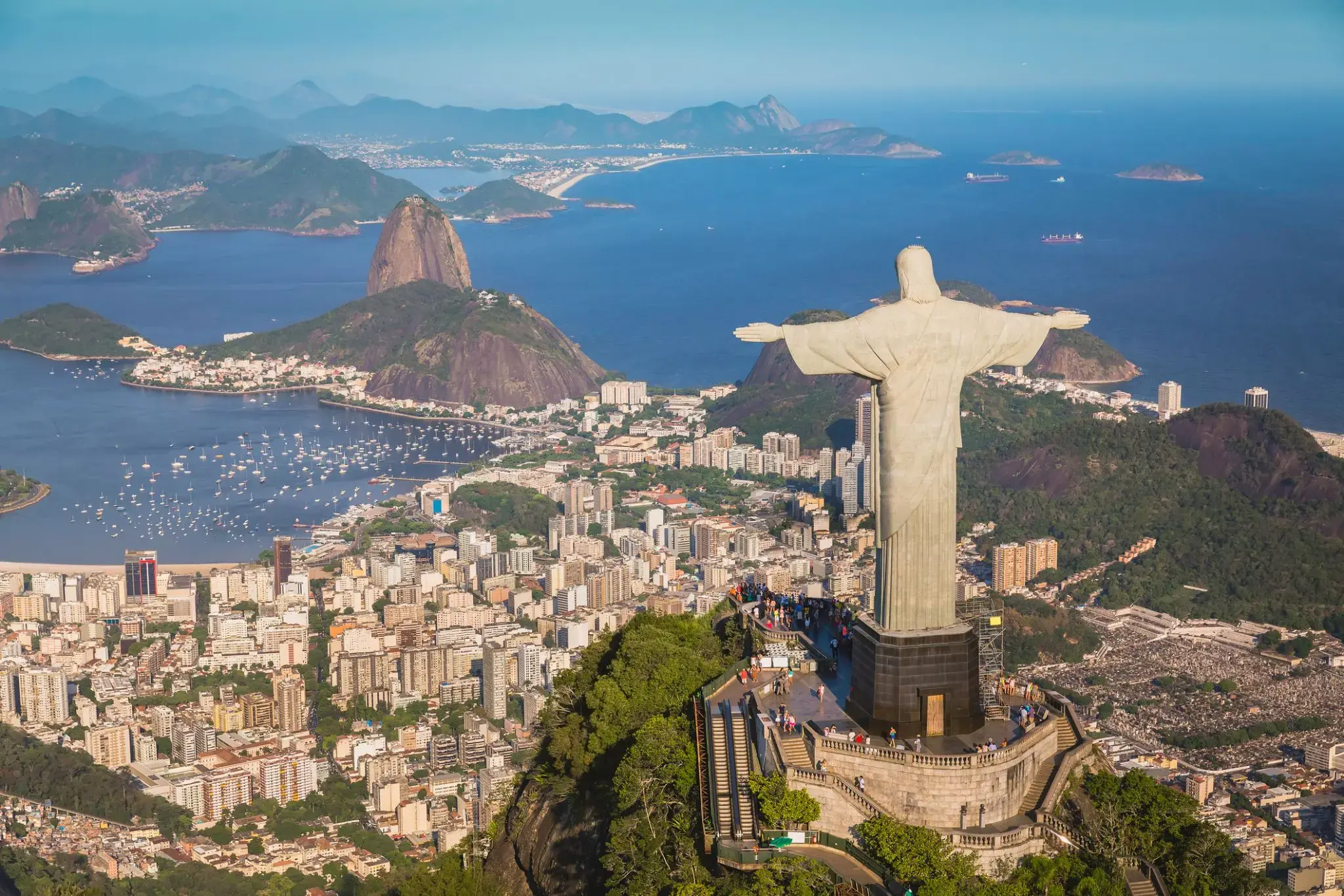
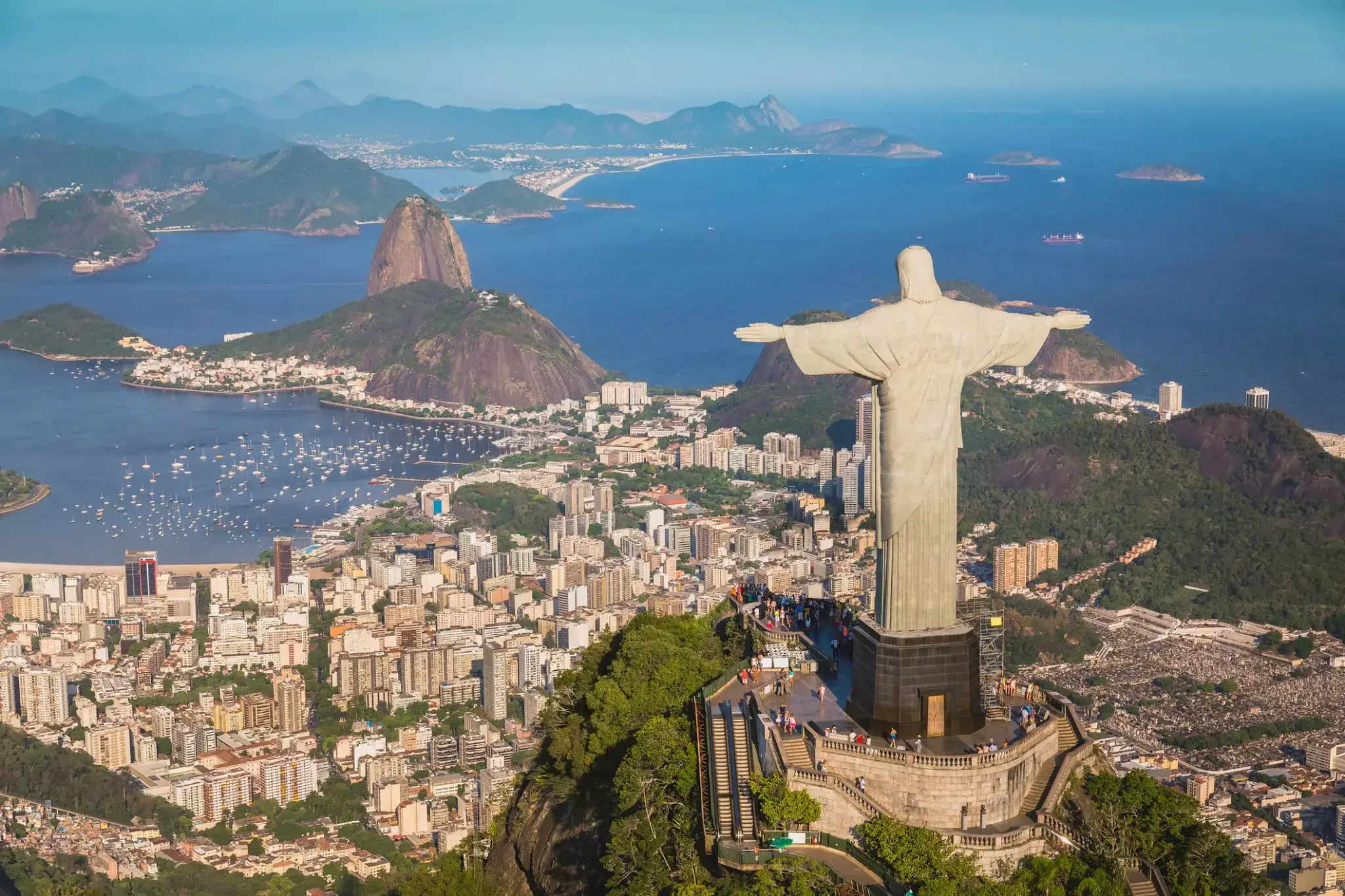
Rio de Janeiro is the second-most populous municipality in Brazil and the sixth-most populous in the Americas. The metropolis is anchor to the Rio de Janeiro metropolitan area, the second-most populous metropolitan area in Brazil and sixth-most populous in the Americas. Rio de Janeiro is the capital of the state of Rio de Janeiro, Brazil's third-most populous state. Part of the city has been designated as a World Heritage Site, named "Rio de Janeiro: CariocaLandscapes between the Mountain and the Sea", by UNESCO on 1 July 2012 as a Cultural Landscape.
Founded in 1565 by the Portuguese, the city was initially the seat of the Captaincy of Rio de Janeiro, a domain of the Portuguese Empire. Later, in 1763, it became the capital of the State of Brazil, a state of the Portuguese Empire. In 1808, when the Portuguese Royal Court transferred itself from Portugal to Brazil, Rio de Janeiro became the chosen seat of the court of Queen Maria I of Portugal, who subsequently, in 1815, under the leadership of her son, the Prince Regent, and future King João VI of Portugal, raised Brazil to the dignity of a kingdom, within the United Kingdom of Portugal, Brazil, and Algarves. Rio stayed the capital of the pluricontinental Lusitanian monarchy until 1822, when the War of Brazilian Independence began. This is one of the few instances in history that the capital of a colonising country officially shifted to a city in one of its colonies. Rio de Janeiro subsequently served as the capital of the independent monarchy, the Empire of Brazil, until 1889, and then the capital of a republican Brazil until 1960 when the capital was transferred to Brasília.
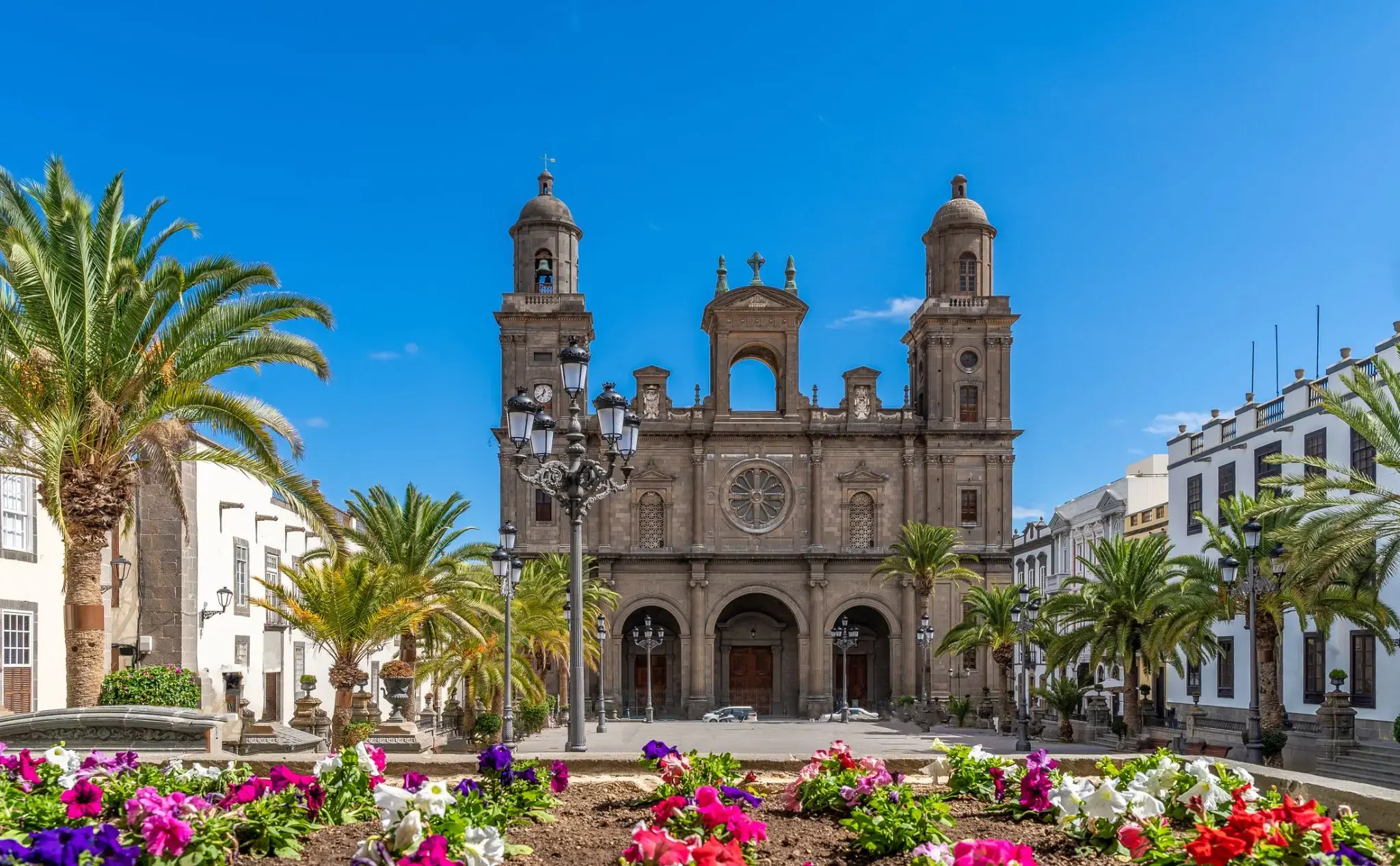

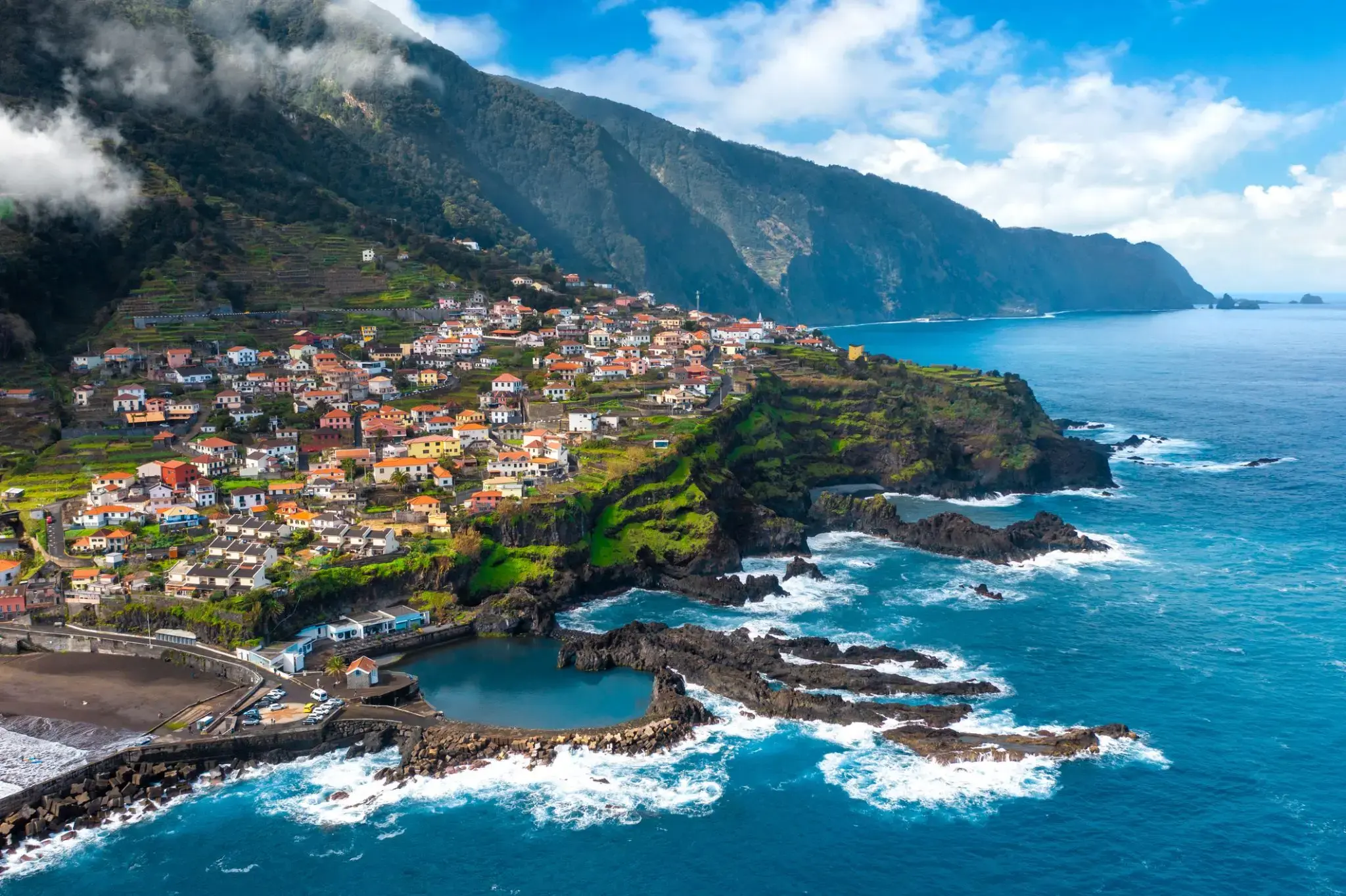
Madeira, officially the Autonomous Region of Madeira, is one of the two autonomous regions of Portugal (along with the Azores). It is an archipelago situated in the north Atlantic Ocean, southwest of Portugal. Its total population was estimated in 2011 at 267,785. The capital of Madeira is Funchal, which is located on the main island's south coast.
The archipelago is just under 400 kilometres (250 mi) north of Tenerife, Canary Islands. Bermuda and Madeira, a few time zones apart, are the only land in the Atlantic on the 32nd parallel north. It includes the islands of Madeira, Porto Santo, and the Desertas, administered together with the separate archipelago of the Savage Islands. The region has political and administrative autonomy through the Administrative Political Statue of the Autonomous Region of Madeiraprovided for in the Portuguese Constitution. The autonomous region is an integral part of the European Union as an outermost region.
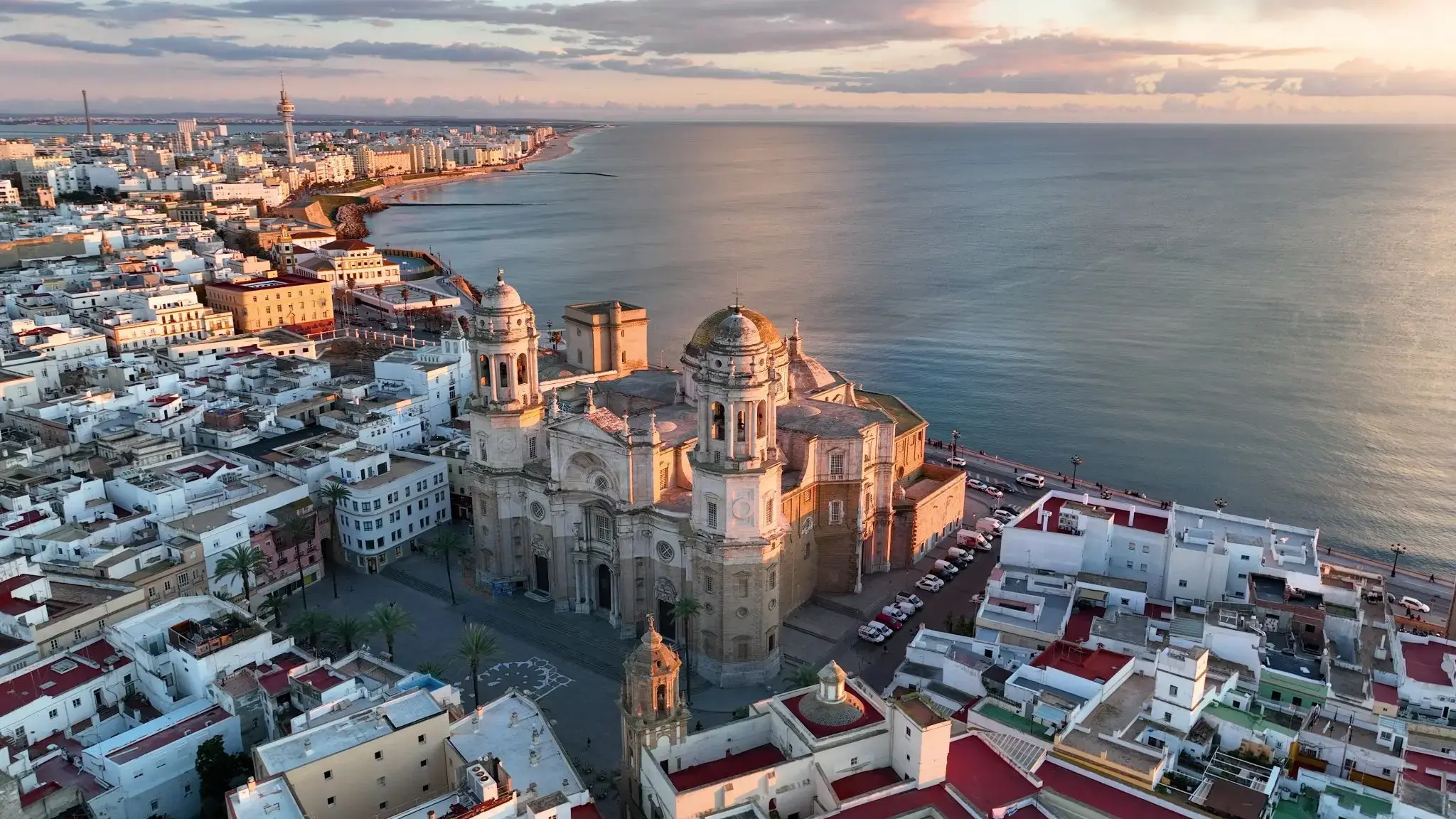
Cadiz is one of the oldest cities in Europe, located on the southwest coast of Spain in the heart of Andalusia. The city stands on a peninsula surrounded by the Atlantic Ocean, which gives it a unique atmosphere. Cadiz is known for its picturesque beaches, such as Playa de la Victoria, as well as its ancient streets with white houses and magnificent facades, reflecting its Moorish and colonial history. In the historic center of the city stands the famous cathedral, whose construction took more than a century, offering an impressive view of the ocean.
The city is also famous for its carnival traditions and delicious cuisine, which is dominated by seafood. The local carnival is considered one of the brightest in Spain, attracting thousands of tourists every year.
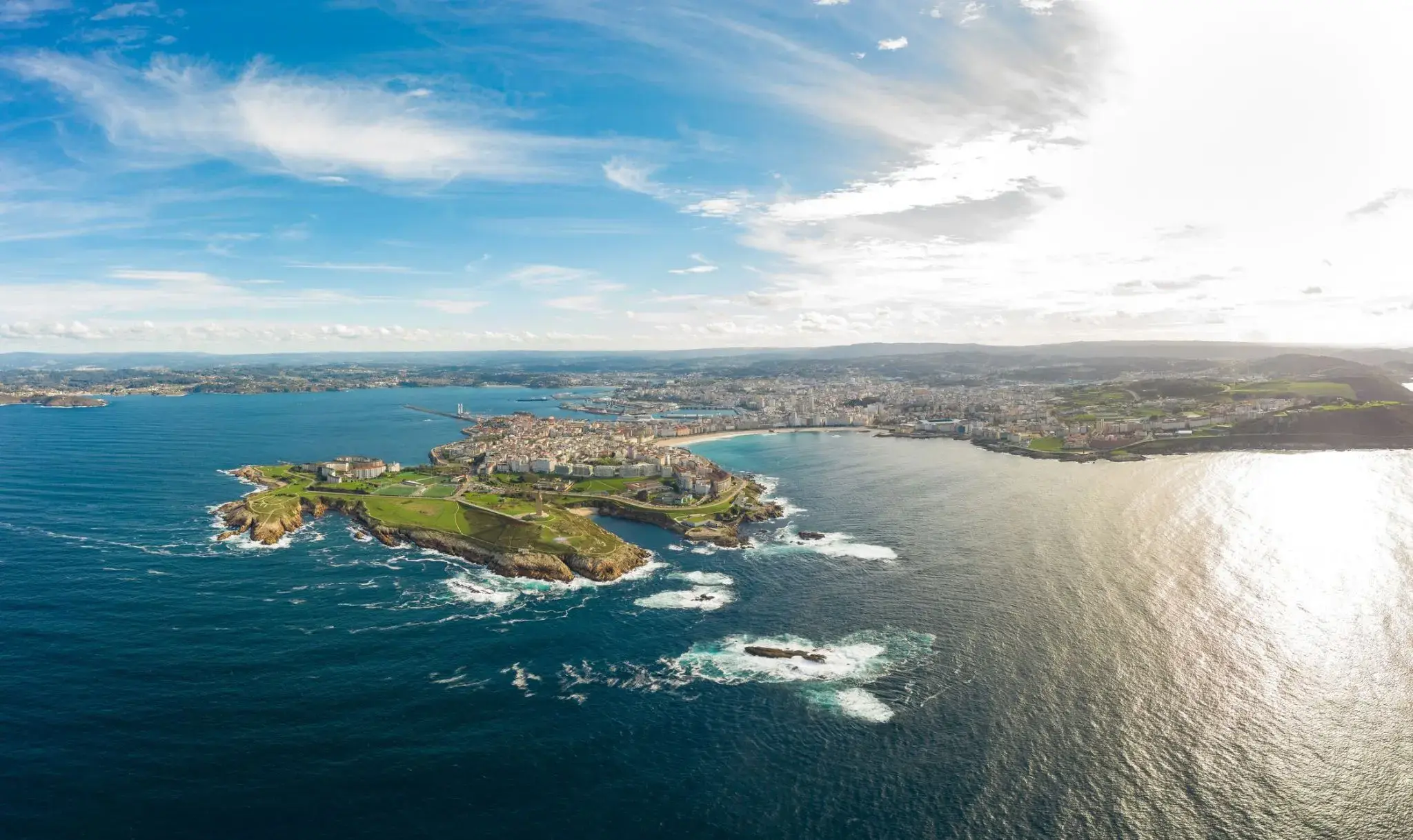
Travelers find in La Coruña the perfect place to experience the atmosphere of Spain’s Atlantic coast, where modern promenades meet historical landmarks and cozy beaches. The city is known for having the world’s oldest functioning Roman lighthouse – the Tower of Hercules, built nearly 2000 years ago and still guiding ships today. Here, you can enjoy a stroll along one of Europe’s longest seafront promenades, taking in ocean panoramas and the fresh breeze.
In La Coruña, guests discover the rich Galician gastronomic culture, with seafood served in traditional tapas bars and contemporary restaurants. Local markets delight with fresh products, while the city’s cultural life is filled with festivals, exhibitions, and live street music. This destination offers travelers a unique blend of historical depth, sea views, and warm Spanish atmosphere, leaving a sense of lightness and inspiration after the visit.
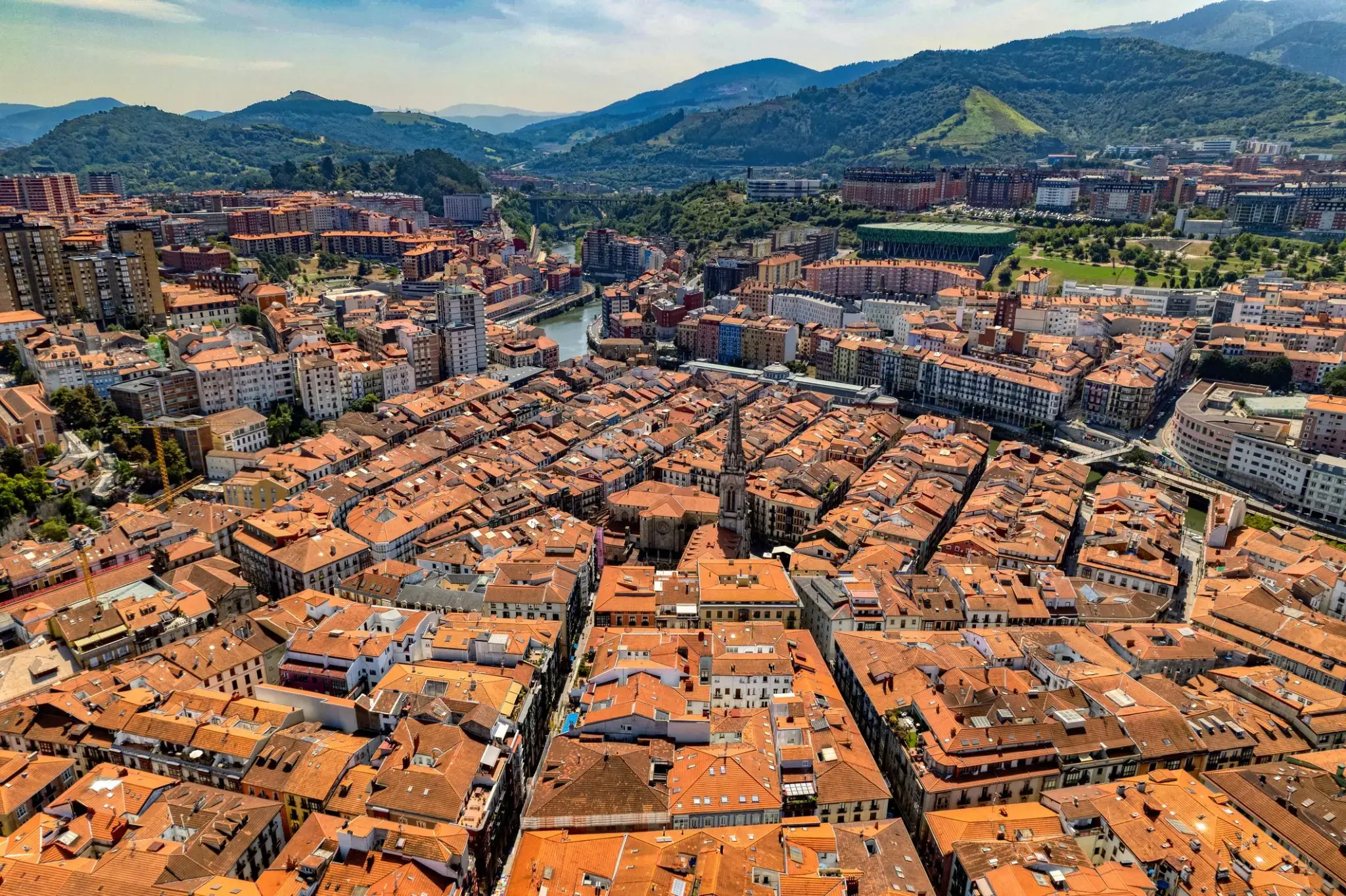
Bilbao is a city in northern Spain, the largest city in the province of Biscay and in the Basque Country as a whole. It is also the largest city proper in northern Spain. Bilbao is the tenth largest city in Spain, with a population of 345,141 as of 2015. The Bilbao metropolitan area has roughly 1 million inhabitants, making it one of the most populous metropolitan areas in northern Spain; with a population of 875,552 the comarca of Greater Bilbao is the fifth-largest urban area in Spain. Bilbao is also the main urban area in what is defined as the Greater Basque region.
Bilbao is situated in the north-central part of Spain, some 16 kilometres (10 mi) south of the Bay of Biscay, where the economic social development is located, where the estuary of Bilbao is formed. Its main urban core is surrounded by two small mountain ranges with an average elevation of 400 metres (1,300 ft). Its climate is shaped by the Bay of Biscay low-pressure systems and mild air, moderating summer temperatures by Iberian standards, with low sunshine and high rainfall. The annual temperature range is low for its latitude.
After its foundation in the early 14th century by Diego López V de Haro, head of the powerful Haro family, Bilbao was a commercial hub of the Basque Country that enjoyed significant importance in Green Spain. This was due to its port activity based on the export of iron extracted from the Biscayan quarries. Throughout the nineteenth century and the beginning of the twentieth, Bilbao experienced heavy industrialisation, making it the centre of the second-most industrialised region of Spain, behind Barcelona. At the same time an extraordinary population explosion prompted the annexation of several adjacent municipalities. Nowadays, Bilbao is a vigorous service city that is experiencing an ongoing social, economic, and aesthetic revitalisation process, started by the iconic Bilbao Guggenheim Museum, and continued by infrastructure investments, such as the airport terminal, the rapid transit system, the tram line, the Azkuna Zentroa, and the currently under development Abandoibarra and Zorrozaurrerenewal projects.
Bilbao is also home to football club Athletic Club de Bilbao, a significant symbol for Basque nationalism due to its promotion of only Basque players and one of the most successful clubs in Spanish football history.
On 19 May 2010, the city of Bilbao was recognised with the Lee Kuan Yew World City Prize, awarded by the city state of Singapore, in collaboration with the Swedish Nobel Academy. Considered the Nobel Prize for urbanism, it was handed out on 29 June 2010. On 7 January 2013, its mayor, Iñaki Azkuna, received the 2012 World Mayor Prize awarded every two years by the British foundation The City Mayors Foundation, in recognition of the urban transformation experienced by the Biscayan capital since the 1990s. On 8 November 2017, Bilbao was chosen the Best European City 2018 at The Urbanism Awards 2018, awarded by the international organisation The Academy of Urbanism.
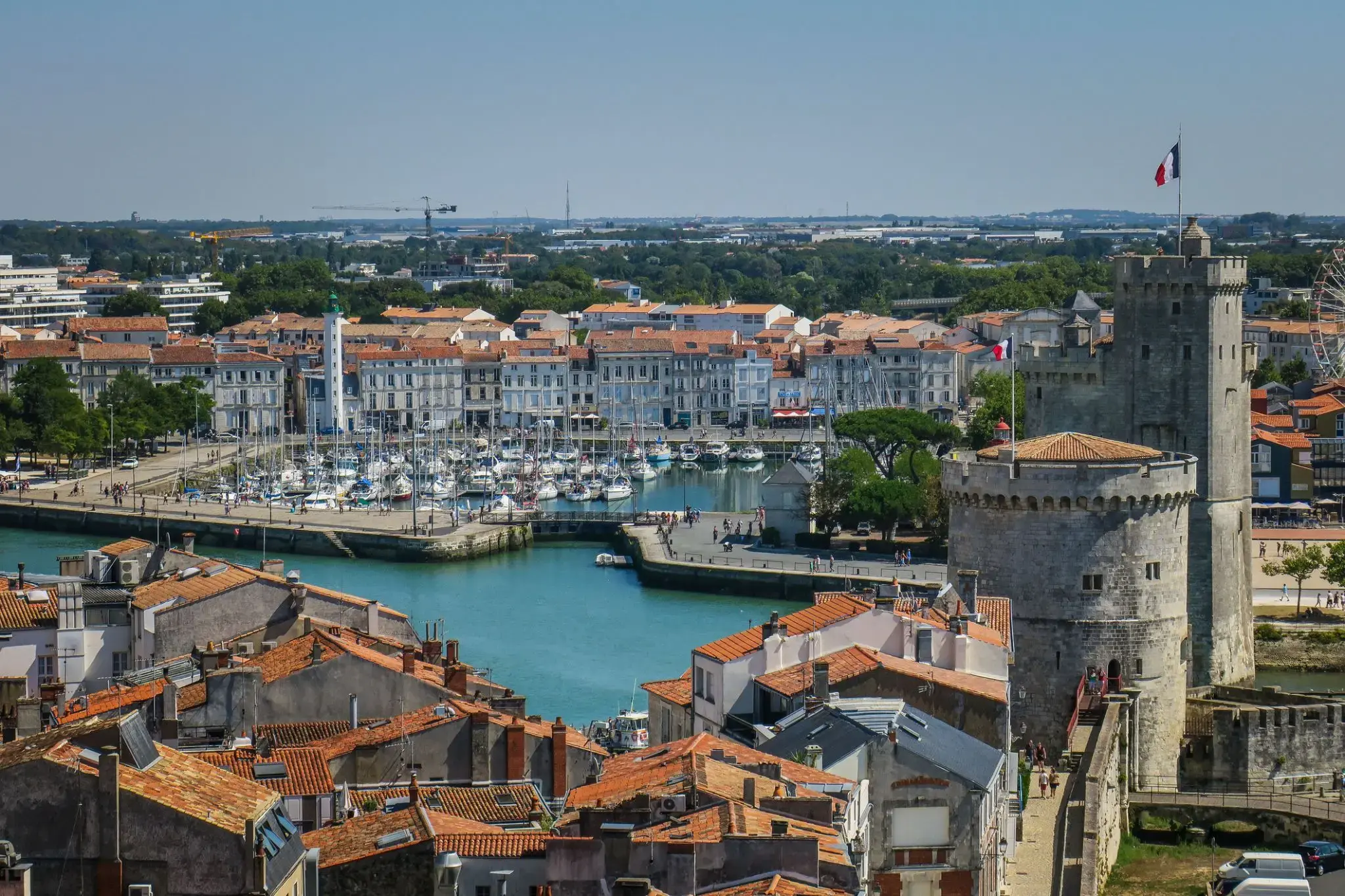
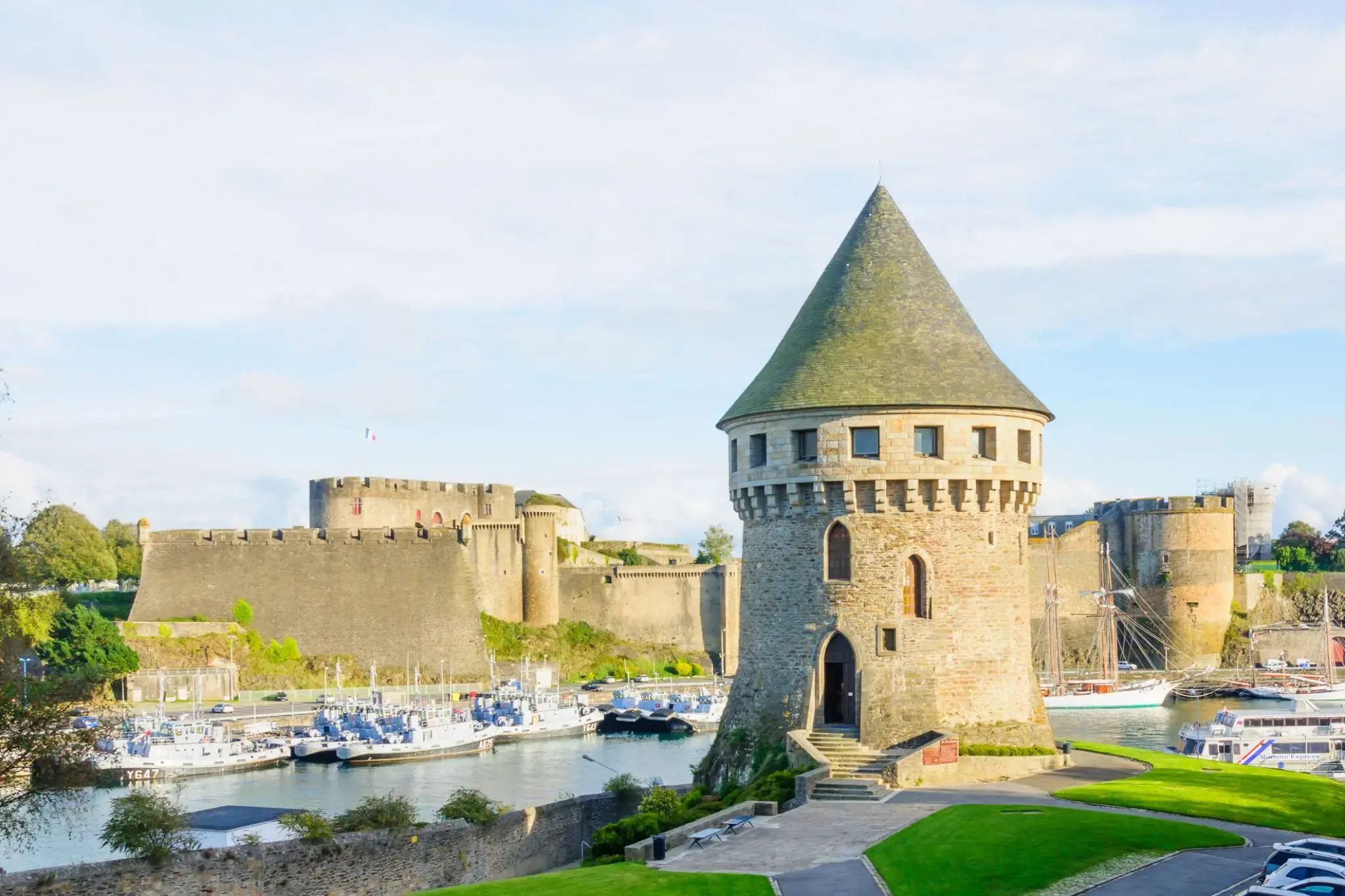
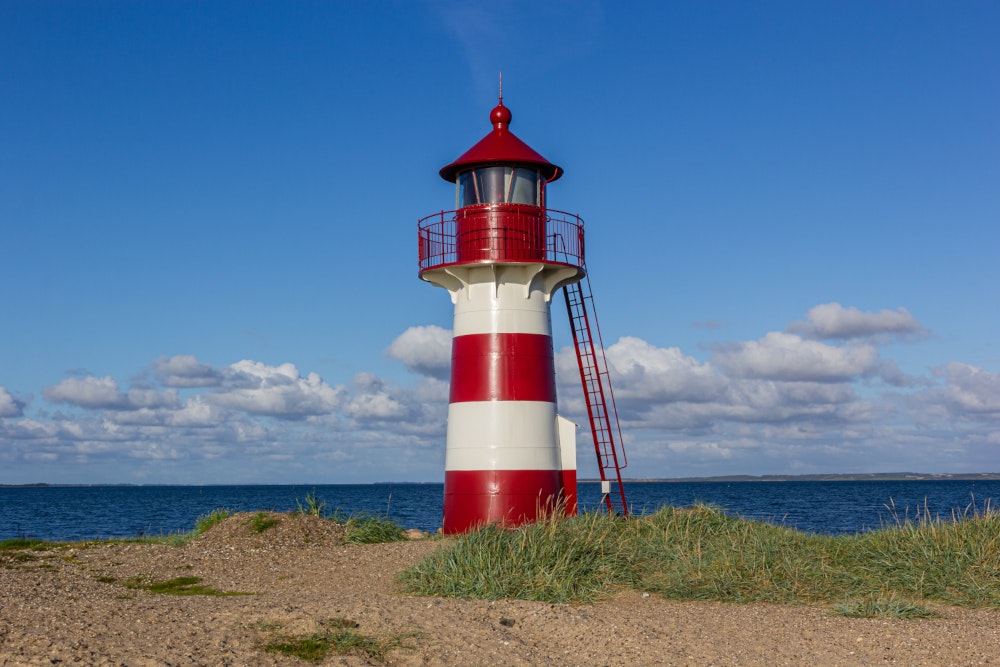
Cherbourg-Octeville, a charming port town in Normandy, is known for its rich maritime history and stunning views of the English Channel. It played a significant role during World War II, particularly as the site of the famous Allied landing in 1944. Visitors can explore its renowned port, which is one of the largest in France, and enjoy the picturesque Old Town with its cobbled streets and historic buildings. The city is also home to several museums, including the Cité de la Mer, dedicated to maritime exploration and the Titanic.
The town's dramatic coastline is perfect for strolls along the sea, with its cliffs offering breathtaking views. Visitors can also experience Cherbourg's cultural offerings, including its theaters, festivals, and galleries. The blend of natural beauty, historical significance, and cultural charm makes Cherbourg-Octeville a must-visit destination for travelers to Normandy.
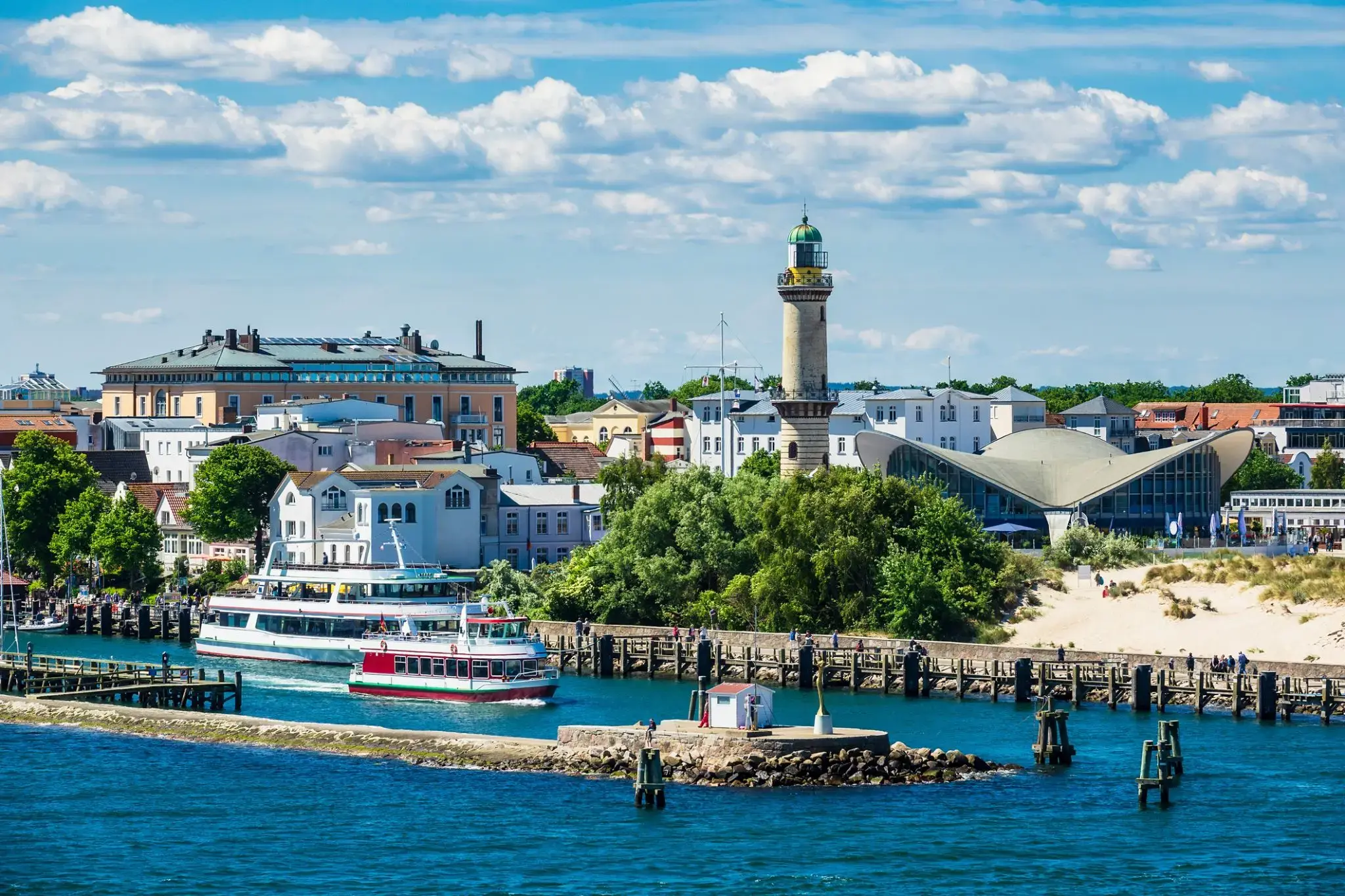
Baltic Sea resort in the northern part of the city of Rostock. The area was named along the Varnov River, which flows into the Baltic Sea here. The sandy beach is Germany's largest Baltic beach.
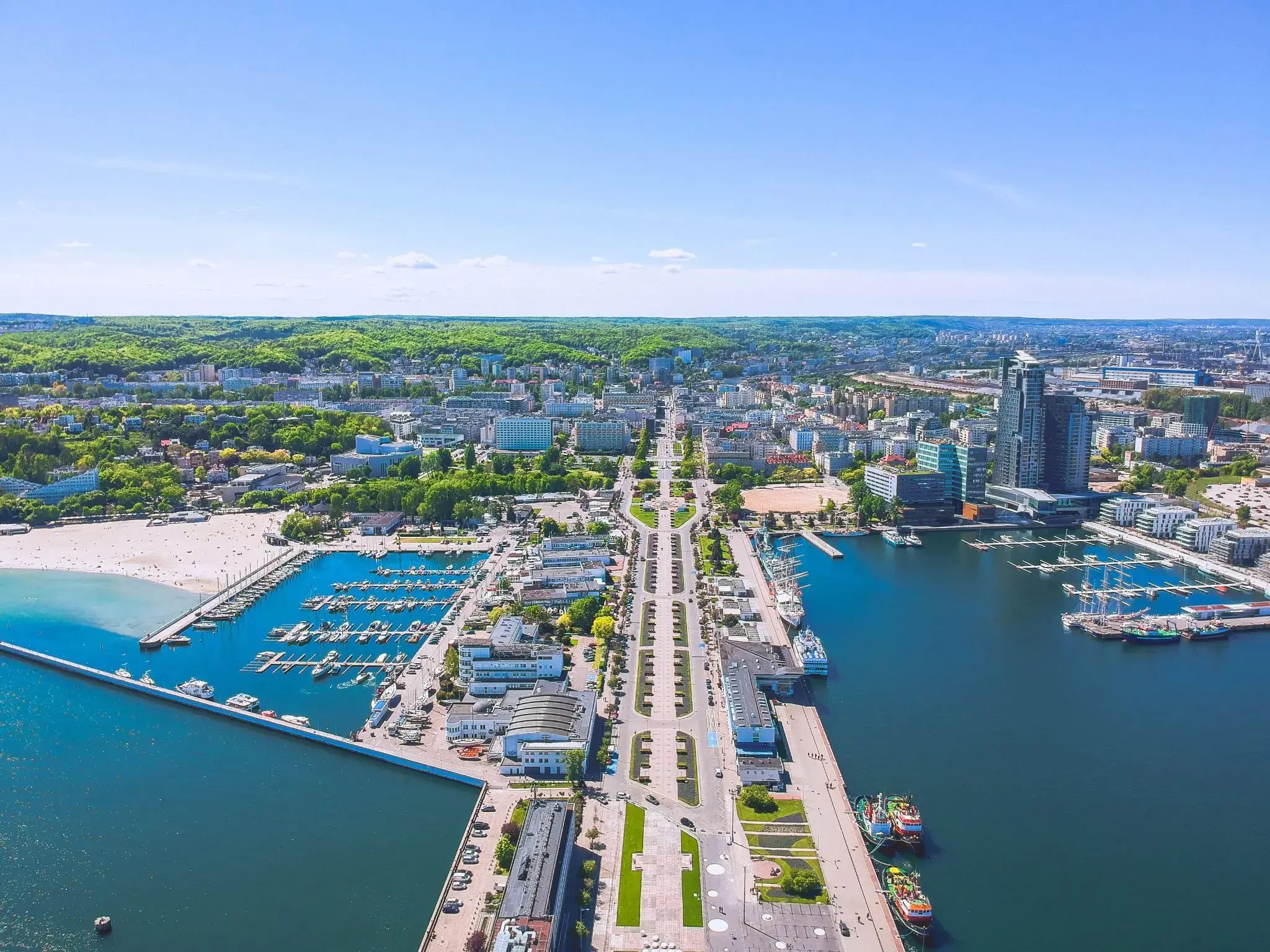
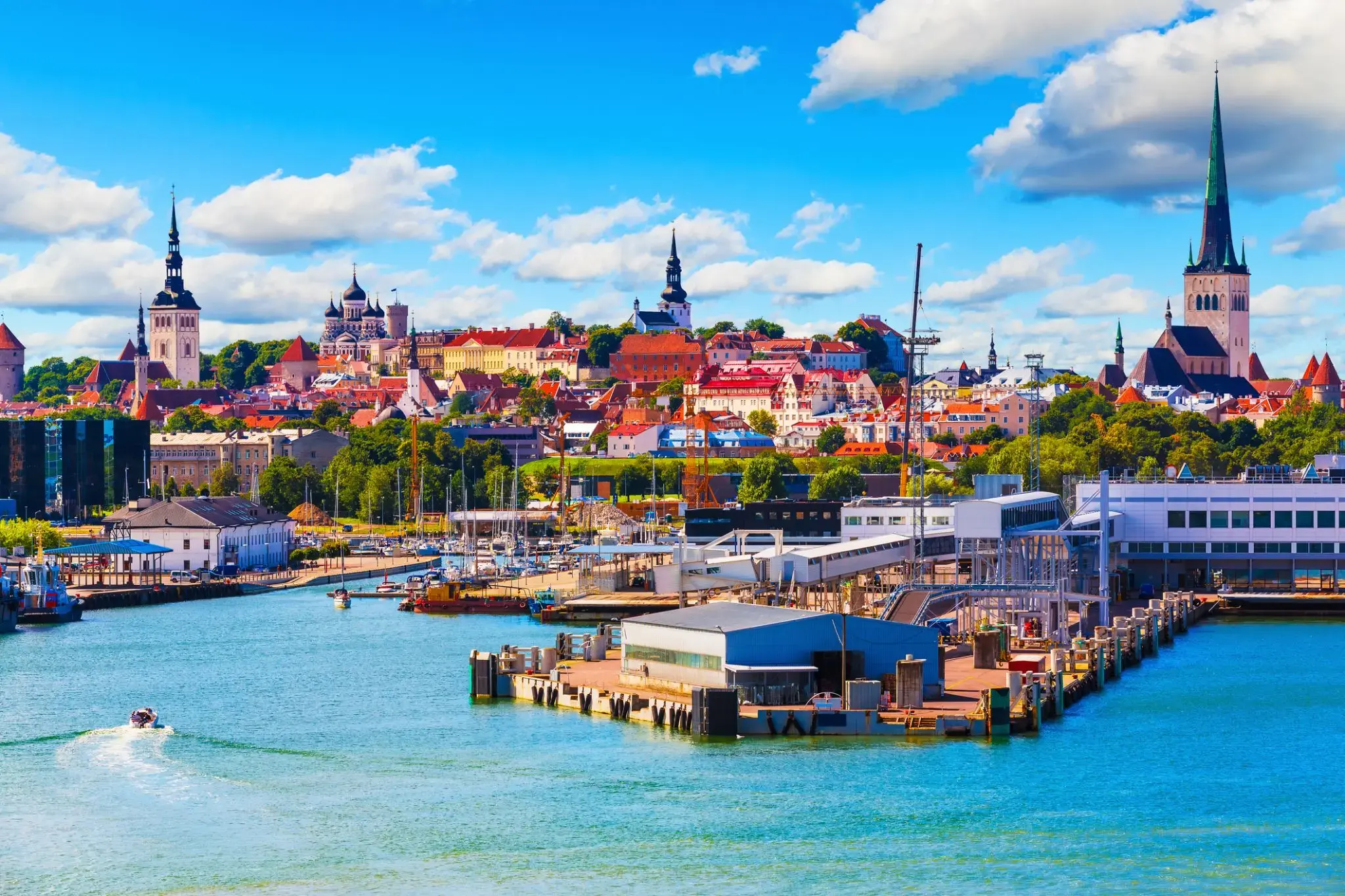
Tallinn is the capital and largest city of Estonia. It is on the northern coast of the country, on the shore of the Gulf of Finland in Harju County. From the 13th century until 1918 (and briefly during the Nazi occupation of Estonia from 1941 to 1944), the city was known as Reval. Tallinn occupies an area of 159.2 km2 (61.5 sq mi) and has a population of 453,033.
Tallinn, first mentioned in 1219, received city rights in 1248, but the earliest human settlements date back 5,000 years. The initial claim over the land was laid by the Danes in 1219, after a successful raid of Lindanise led by Valdemar II of Denmark, followed by a period of alternating Scandinavian and German rule. Due to its strategic location, the city became a major trade hub, especially from the 14th to the 16th century, when it grew in importance as part of the Hanseatic League.
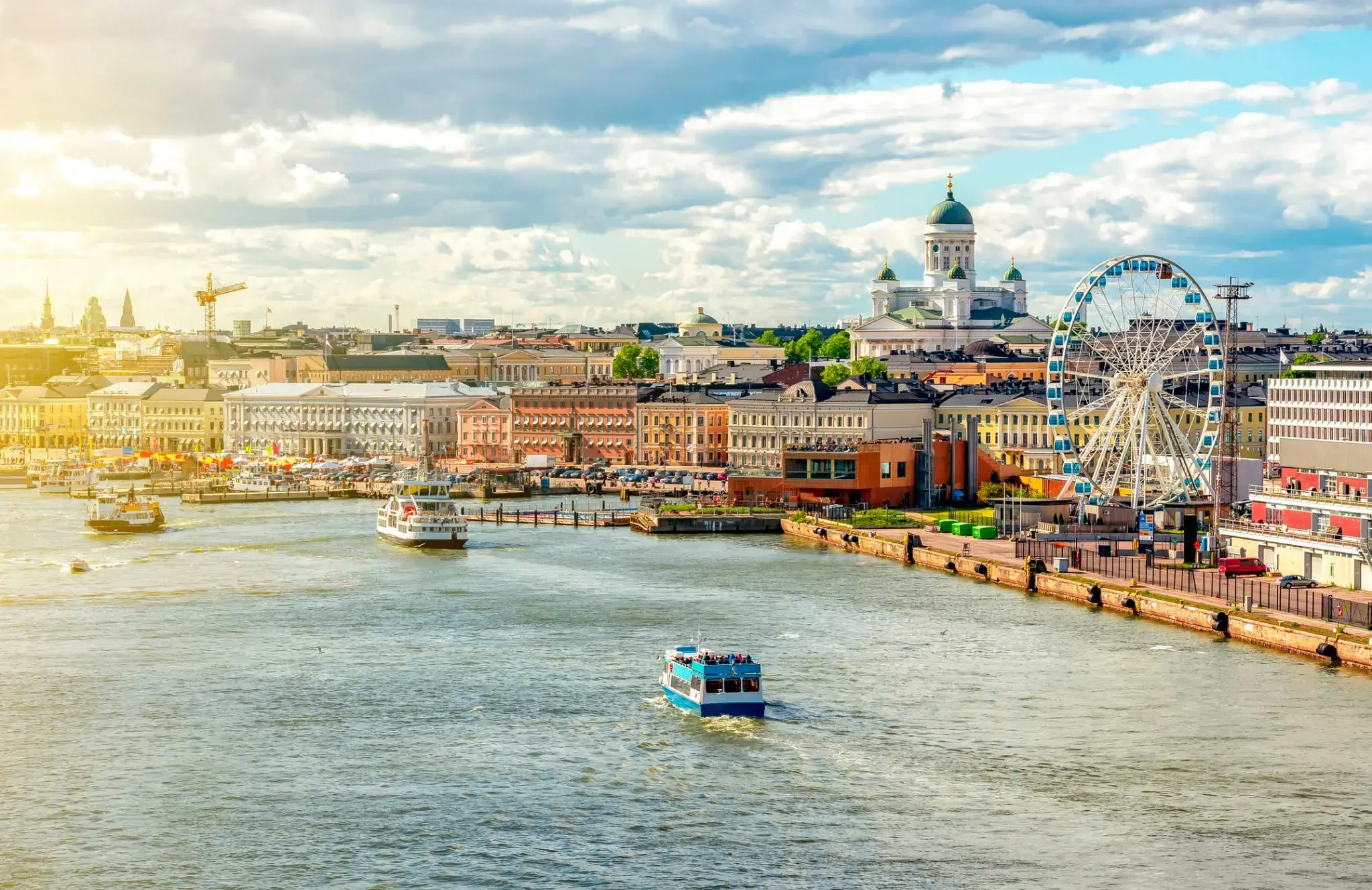
Helsinki located in the southern Finland, and has a population of 648,650. The city's urban area has a population of 1,268,296, it’s the most important center for politics, education, finance, culture, and research. Helsinki is located 80 kilometers (50 mi) north of Tallinn, Estonia, 400 km (250 mi) east of Stockholm, Sweden, and 390 km (240 mi) west of Saint Petersburg, Russia. It has close ties with these three cities.
Together with the cities of Espoo, Vantaa, and Kauniainen, and the surrounding commuter towns, Helsinki forms the Greater Helsinki metropolitan area, which has a population of nearly 1.5 million. Often being considered a metropolis of the EU member state. After Stockholm and Oslo, Helsinki is the third largest city in the Nordic countries. It is located in the city of Vantaa and is located in the city of Vantaa.
Helsinki was the World Design Capital for 2012, the 1952 Summer Olympics and the 52nd Eurovision Song Contest.
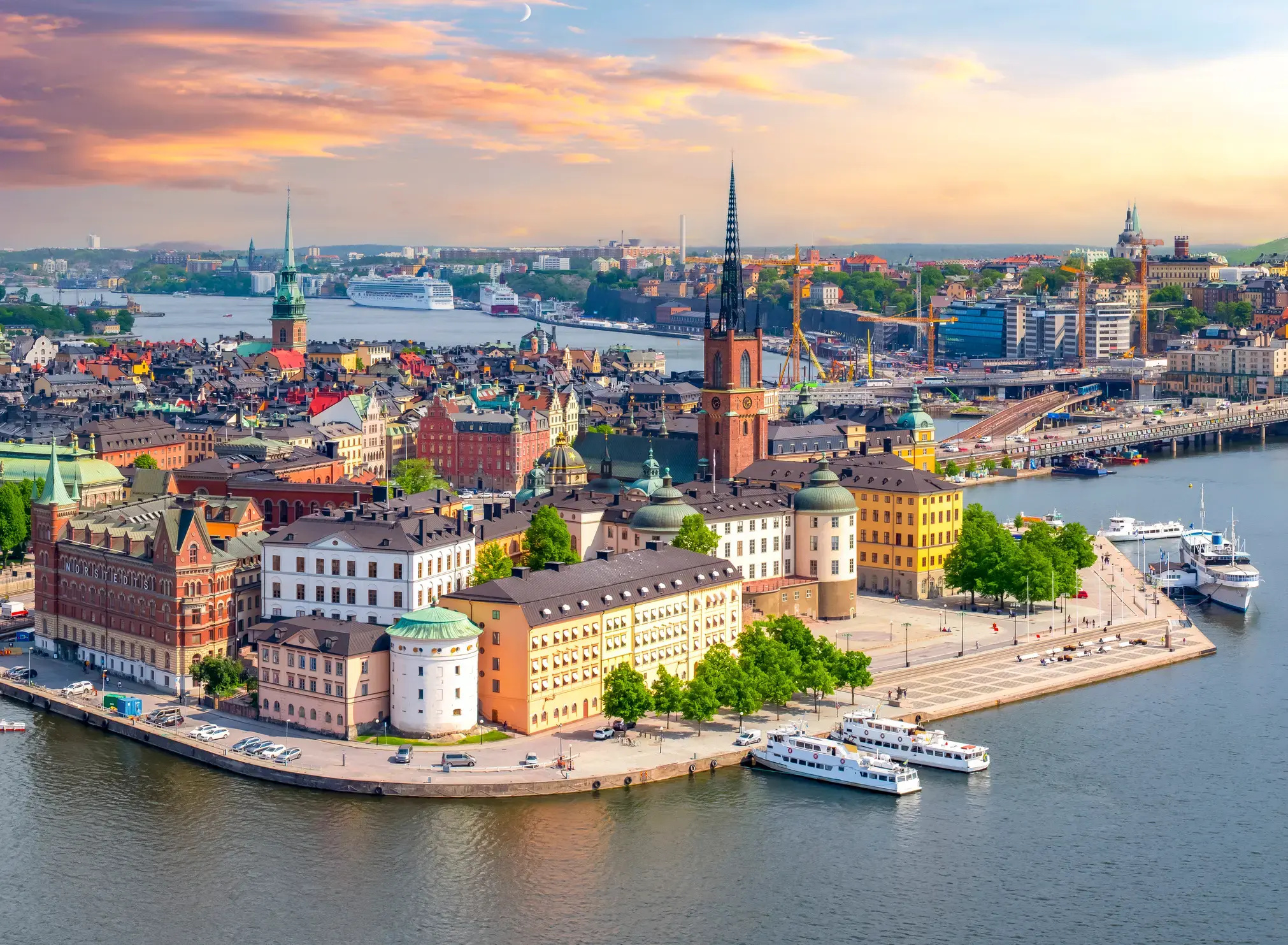
Stockholm is the capital of Sweden and the most populous urban area in the Nordic countries; 960,031 people live in the municipality, approximately 1.5 million in the urban area, and 2.3 million in the metropolitan area. The city stretches across fourteen islands where Lake Mälaren flows into the Baltic Sea. Just outside the city and along the coast is the island chain of the Stockholm archipelago. The area has been settled since the Stone Age, in the 6th millennium BC, and was founded as a city in 1252 by Swedish statesman Birger Jarl. It is also the capital of Stockholm County.
Stockholm is the cultural, media, political, and economic centre of Sweden. The Stockholm region alone accounts for over a third of the country's GDP, and is among the top 10 regions in Europe by GDP per capita. It is an important global city, and the main centre for corporate headquarters in the Nordic region. The city is home to some of Europe's top ranking universities, such as the Stockholm School of Economics, Karolinska Institute and Royal Institute of Technology (KTH). It hosts the annual Nobel Prize ceremonies and banquet at the Stockholm Concert Hall and Stockholm City Hall. One of the city's most prized museums, the Vasa Museum, is the most visited non-art museum in Scandinavia. The Stockholm metro, opened in 1950, is well known for the decor of its stations; it has been called the longest art gallery in the world. Sweden's national football arena is located north of the city centre, in Solna. Ericsson Globe, the national indoor arena, is in the southern part of the city. The city was the host of the 1912 Summer Olympics, and hosted the equestrian portion of the 1956 Summer Olympicsotherwise held in Melbourne, Victoria, Australia.
Stockholm is the seat of the Swedish government and most of its agencies, including the highest courts in the judiciary, and the official residencies of the Swedish monarch and the Prime Minister. The government has its seat in the Rosenbad building, the Riksdag (Swedish parliament) is seated in the Parliament House, and the Prime Minister's residence is adjacent at Sager House. Stockholm Palace is the official residence and principal workplace of the Swedish monarch, while Drottningholm Palace, a World Heritage Site on the outskirts of Stockholm, serves as the Royal Family's private residence.
Stockholm is the capital of Sweden and the most populous urban area in the Nordic countries; 960,031 people live in the municipality, approximately 1.5 million in the urban area, and 2.3 million in the metropolitan area. The city stretches across fourteen islands where Lake Mälaren flows into the Baltic Sea. Just outside the city and along the coast is the island chain of the Stockholm archipelago. The area has been settled since the Stone Age, in the 6th millennium BC, and was founded as a city in 1252 by Swedish statesman Birger Jarl. It is also the capital of Stockholm County.
Stockholm is the cultural, media, political, and economic centre of Sweden. The Stockholm region alone accounts for over a third of the country's GDP, and is among the top 10 regions in Europe by GDP per capita. It is an important global city, and the main centre for corporate headquarters in the Nordic region. The city is home to some of Europe's top ranking universities, such as the Stockholm School of Economics, Karolinska Institute and Royal Institute of Technology (KTH). It hosts the annual Nobel Prize ceremonies and banquet at the Stockholm Concert Hall and Stockholm City Hall. One of the city's most prized museums, the Vasa Museum, is the most visited non-art museum in Scandinavia. The Stockholm metro, opened in 1950, is well known for the decor of its stations; it has been called the longest art gallery in the world. Sweden's national football arena is located north of the city centre, in Solna. Ericsson Globe, the national indoor arena, is in the southern part of the city. The city was the host of the 1912 Summer Olympics, and hosted the equestrian portion of the 1956 Summer Olympicsotherwise held in Melbourne, Victoria, Australia.
Stockholm is the seat of the Swedish government and most of its agencies, including the highest courts in the judiciary, and the official residencies of the Swedish monarch and the Prime Minister. The government has its seat in the Rosenbad building, the Riksdag (Swedish parliament) is seated in the Parliament House, and the Prime Minister's residence is adjacent at Sager House. Stockholm Palace is the official residence and principal workplace of the Swedish monarch, while Drottningholm Palace, a World Heritage Site on the outskirts of Stockholm, serves as the Royal Family's private residence.
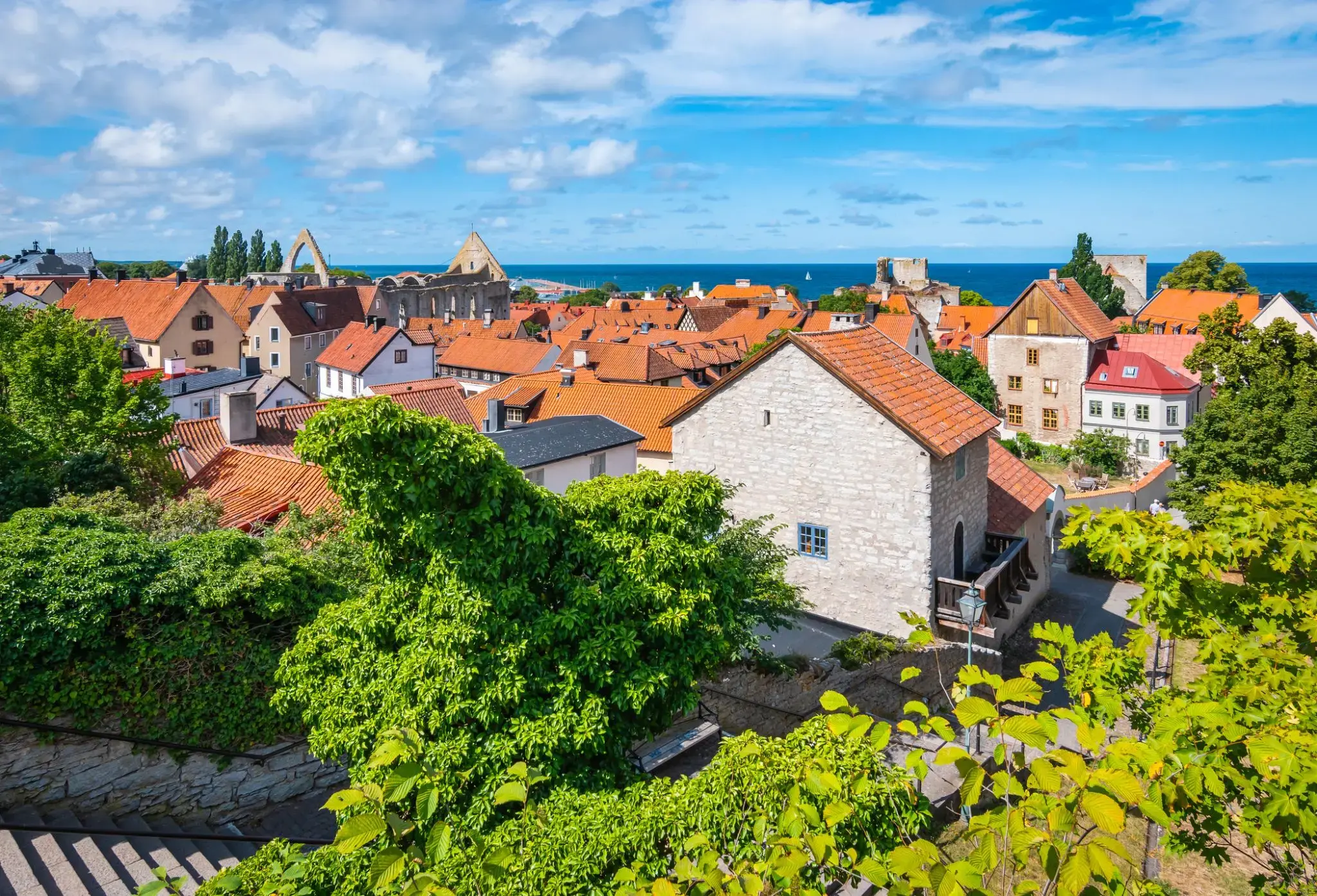
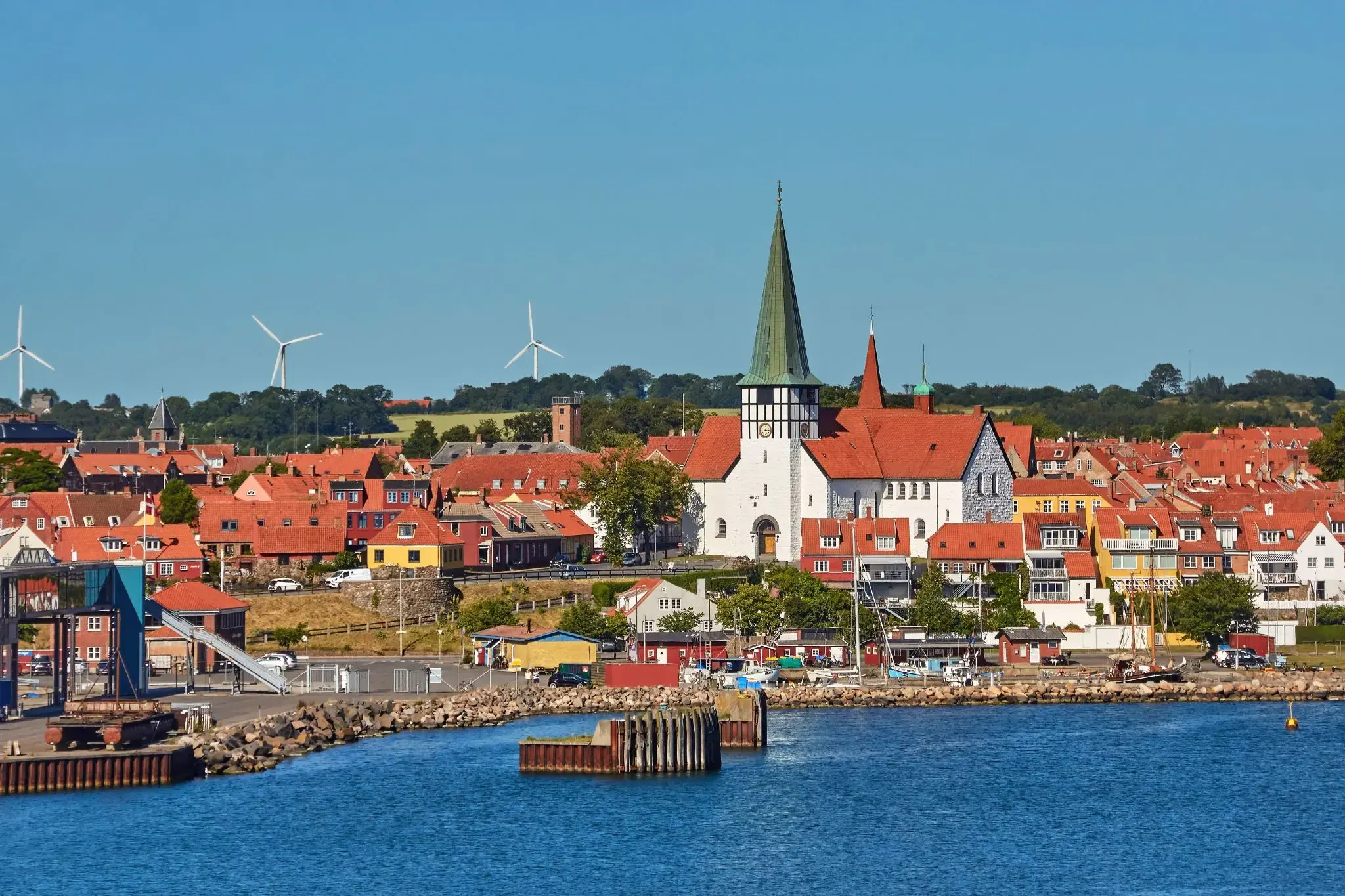
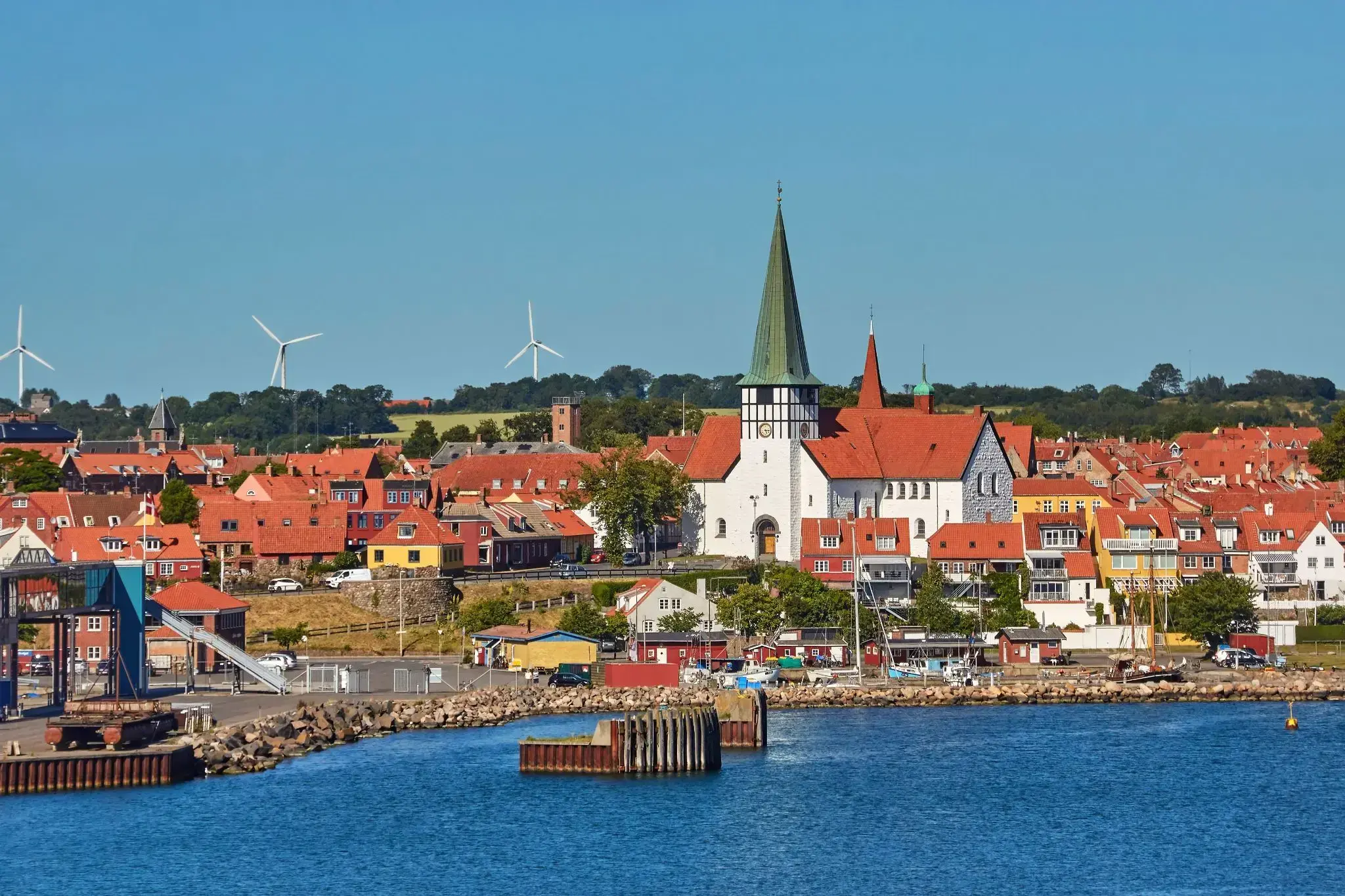
Quiet streets lined with half-timbered houses make Ronne (Rønne) a cozy corner on the Danish island of Bornholm, where every step is filled with the scent of the sea and fresh pastries from local bakeries. The town is known for its ceramics and glass workshops, as well as the cozy atmosphere of its fishing port, where you can taste freshly smoked herring while watching ships slowly enter the harbor. Here, time seems to slow down, allowing you to enjoy strolls through the old town with its cobblestone streets and picturesque houses that have preserved their 18th-century charm.
In Ronne, travelers will find a peaceful retreat with a touch of Danish coziness and the creative spirit of the island. The Bornholm Museum offers insights into the island's history and maritime traditions, while walks along the coast reveal rocky shores and clean beaches inviting relaxation year-round. This town is the perfect place for those who wish to experience authentic Denmark, breathe in the sea air, and discover the warm hospitality of Bornholm.
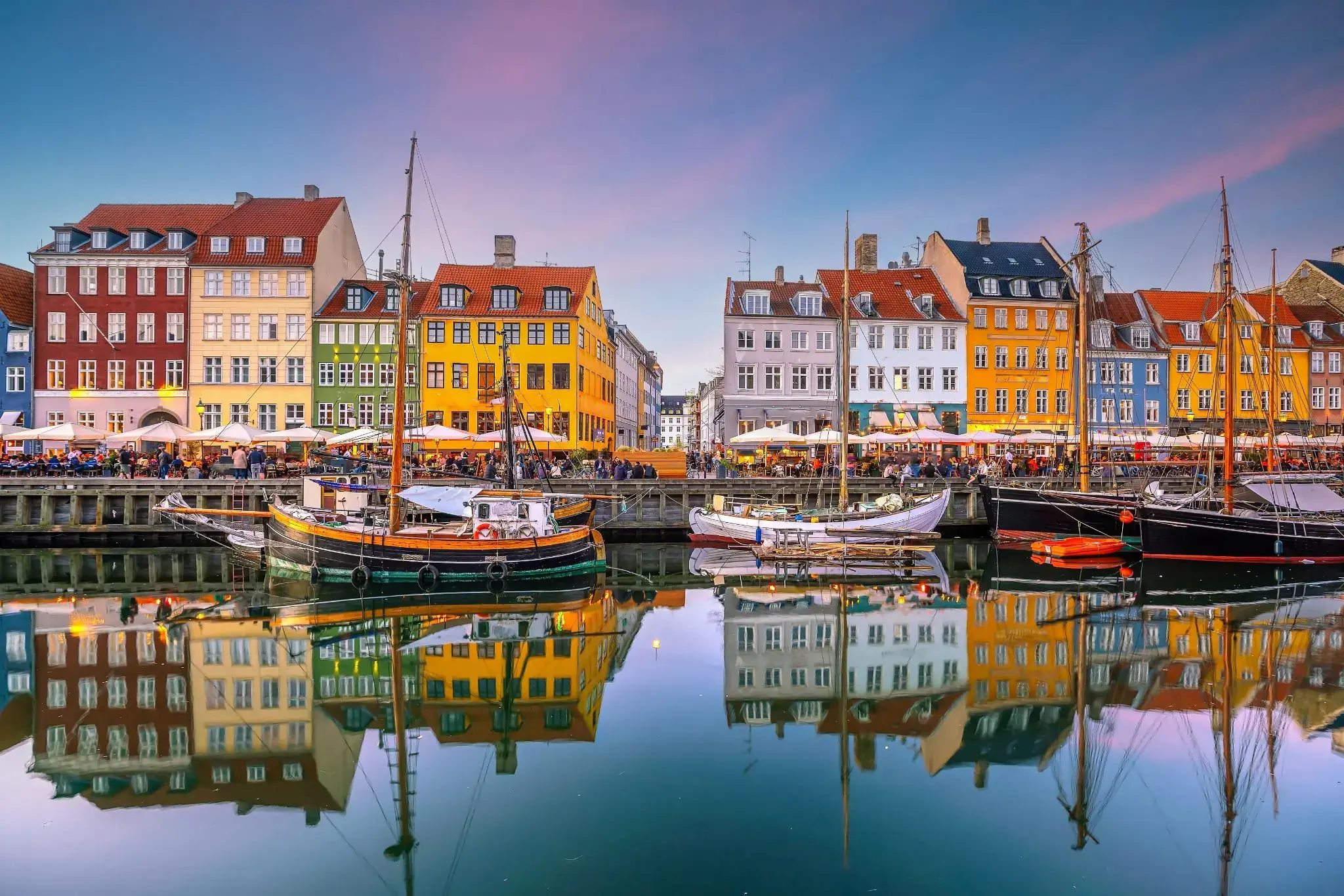
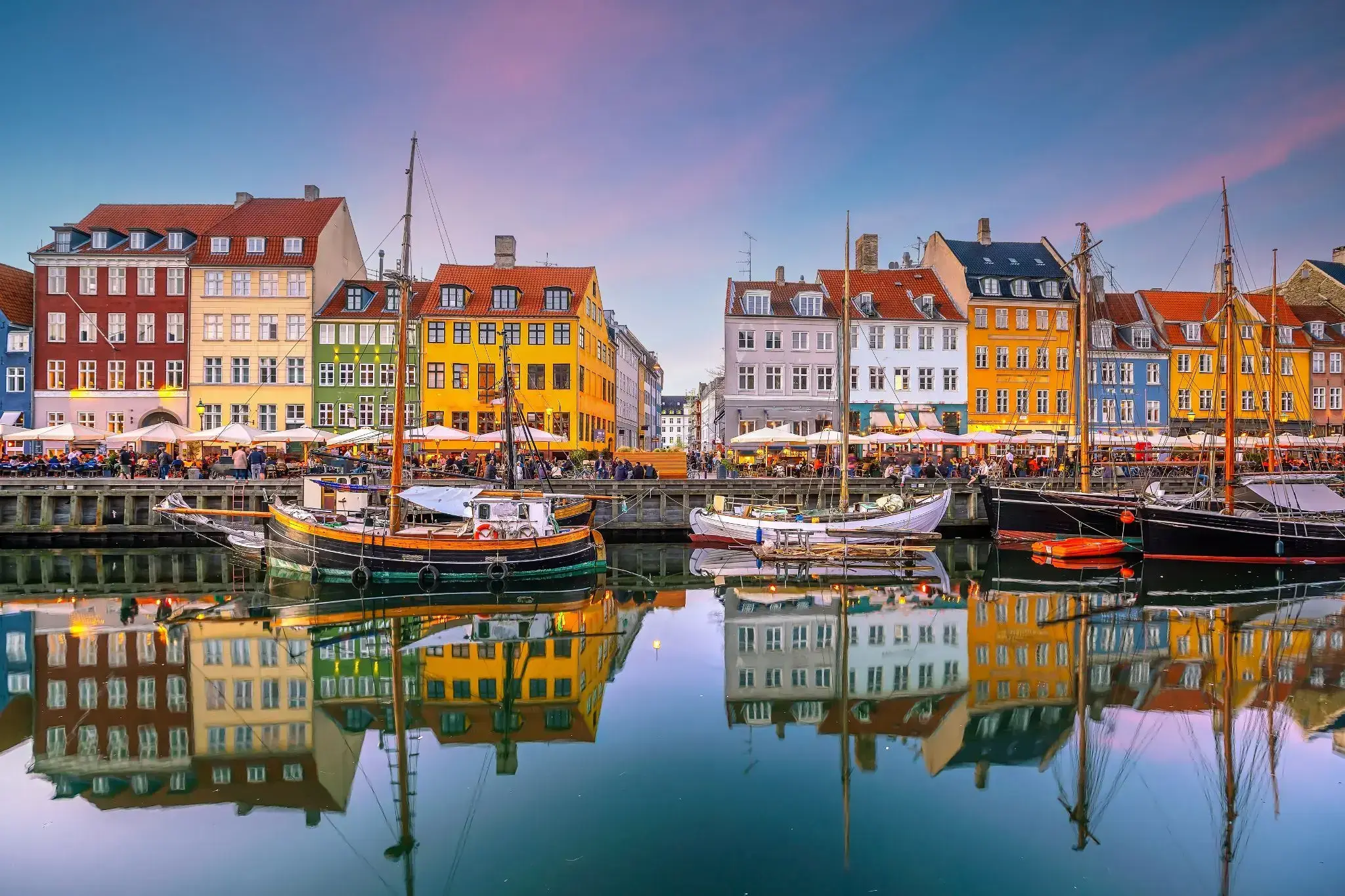
the capital and chief port of Denmark, a city that occupies the eastern part of Zealand and northern part of the island of Amager; population 518,574 (2009).