| Cruise Region : Asia |
| Company : Royal Caribbean International |
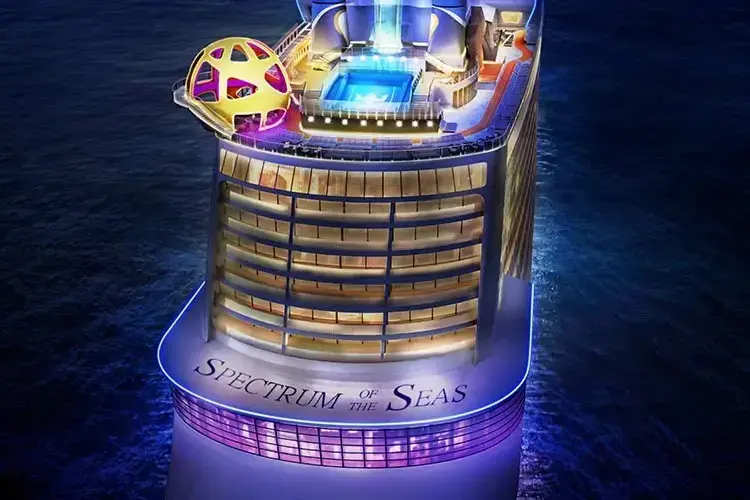
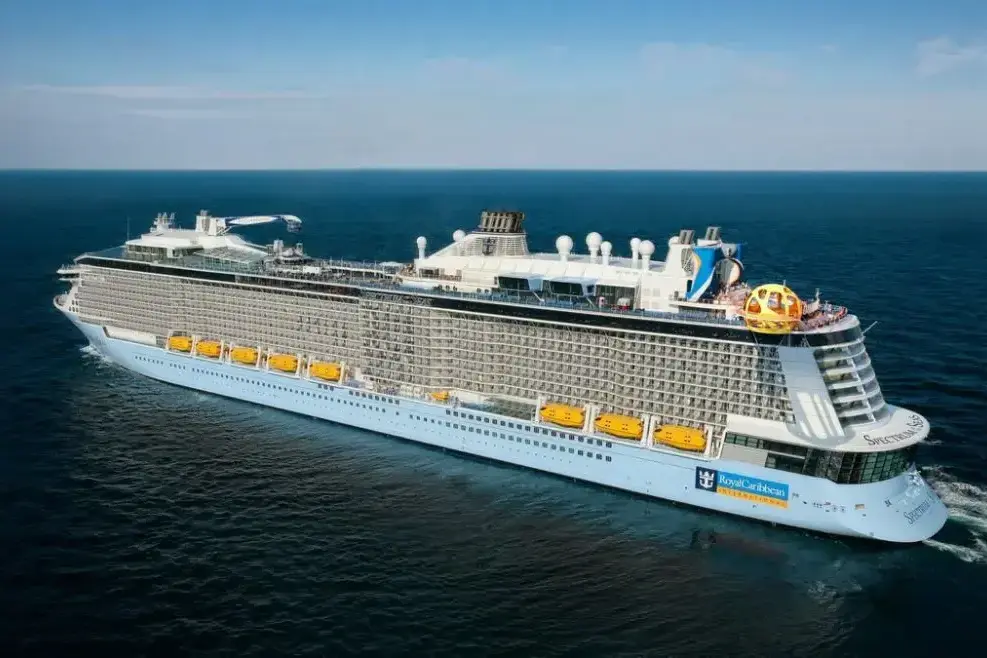
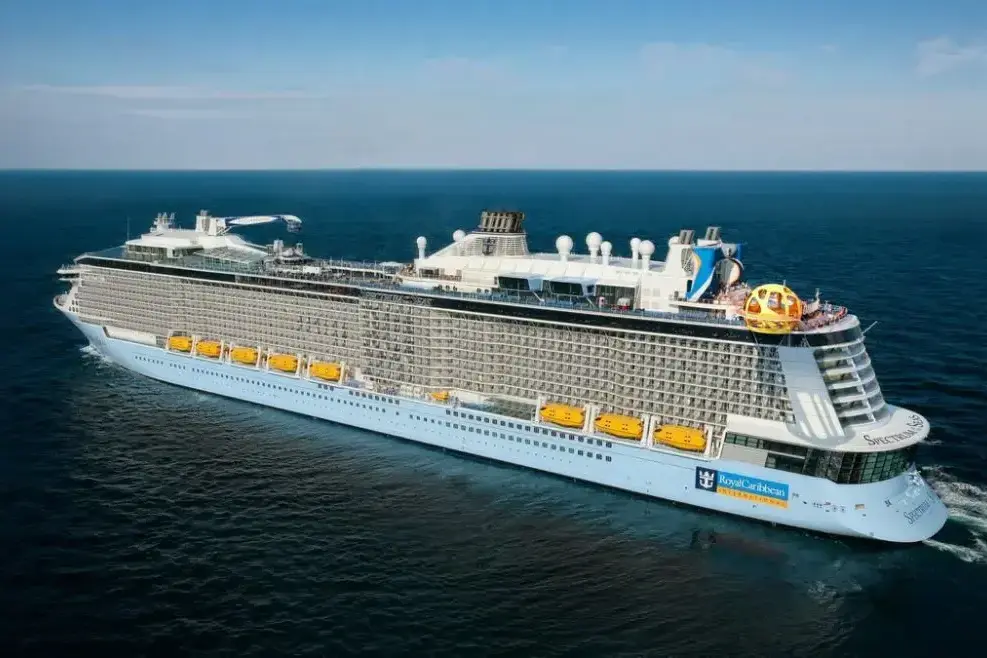
| Ship : Spectrum of the Seas |
| Journey Start : Mon 17 May 2027 |
| Journey End : Wed 26 May 2027 |
| Count Nights : 9 nights |
| Day | Date | Port | Arrival | Departure |
|---|---|---|---|---|
| 1 | 17.05 Mon | Yokohama (Tokyo) / Japan | 17:00 | |
| 2 | 18.05 Tue | Day at sea / Sea | ||
| 3 | 19.05 Wed | Kagoshima / Japan | 07:00 | 18:00 |
| 4 | 20.05 Thu | Nagasaki / Japan | 07:00 | 19:00 |
| 5 | 21.05 Fri | Day at sea / Sea | ||
| 6 | 22.05 Sat | Beijing / China | 10:00 | |
| 7 | 23.05 Sun | Beijing / China | 20:00 | |
| 8 | 24.05 Mon | Day at sea / Sea | ||
| 9 | 25.05 Tue | Day at sea / Sea | ||
| 10 | 26.05 Wed | Shanghai / China | 06:30 |
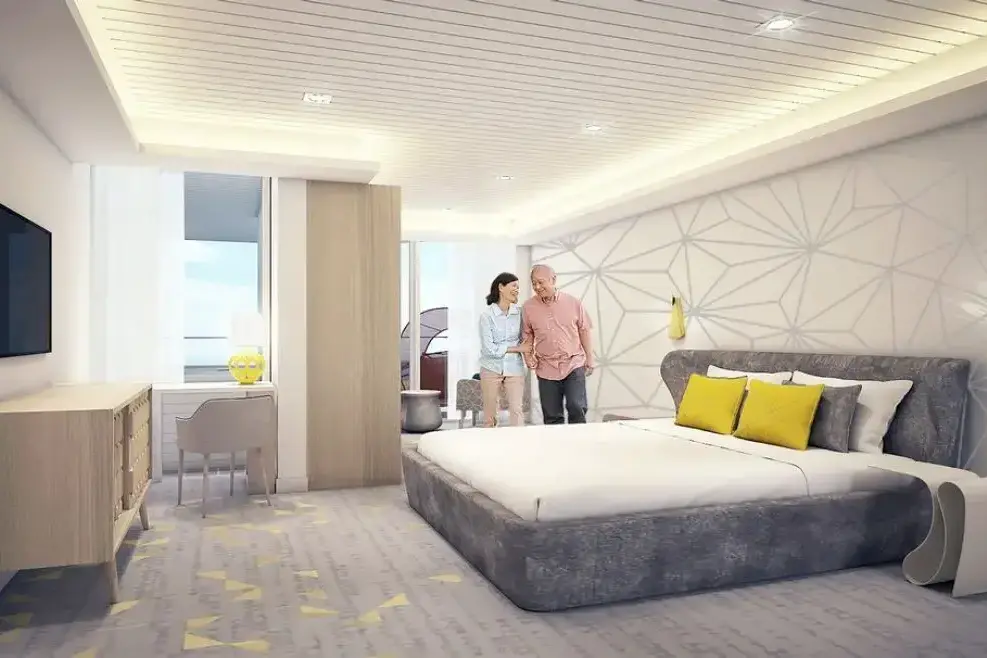
Accommodation in a cabin of the selected category;
All-inclusive meals (except for alternative restaurants);
non-ferrous drinks: water, tea, coffee at self-service points on the ship;
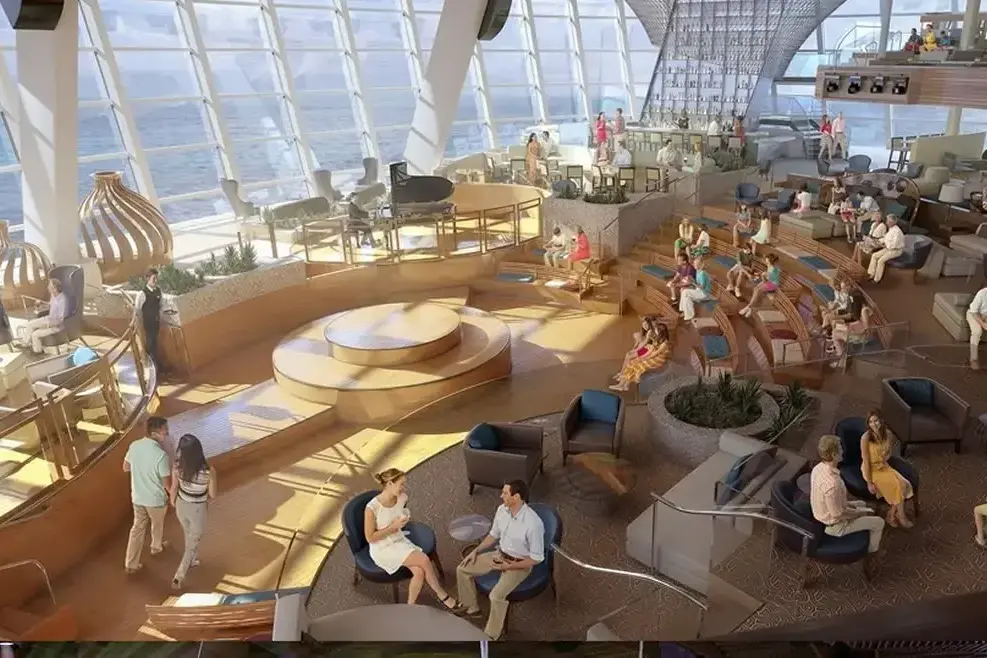
cultural program on board: evening shows, theater, live music, etc.;
visiting nightclubs and discos;
active entertainment on board;
visiting the library;
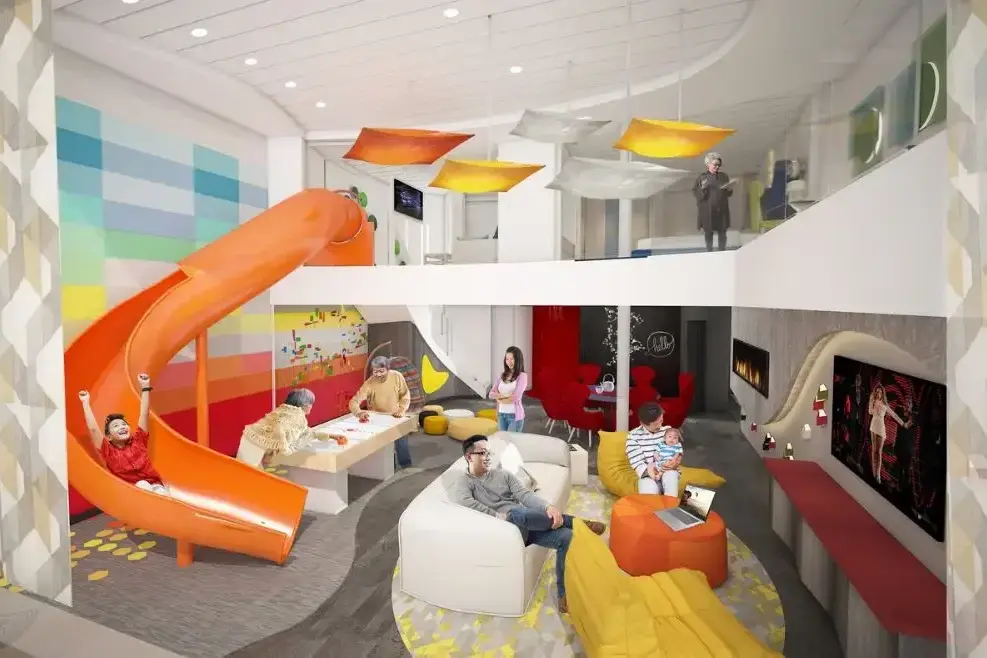
participation of children in children's clubs;
visiting swimming pools and jacuzzi;
gym and sports court;
steward services and cabin cleaning;
port fees and taxes.
Additionally paid: airfare; transfers; visas along the route; hotel before and after the cruise (if necessary); tips for staff; alternative restaurants; alcoholic and some non-alcoholic drinks; Internet on board; casino; laundry / dry cleaning services; beauty salon, SPA center; excursions in ports (optional).
The tip amount depends on the selected cabin category: Inside cabin/window/balcony/Junior suite – $18.50 /person/night Suites (except Junior suite) – $21.00 /person/night
Deluxe Beverage Package
If you want to drink several alcoholic drinks a day during the cruise, then the right option is to purchase this package.
The package includes:
- cocktails, spirits, liqueurs;
- beer;
- wine (by the glass);
- non-alcoholic cocktails;
- premium coffee and tea;
- fountain carbonated drinks / Coca-Cola Freestyle drinks;
- souvenir Coca-Cola cup included;
- bottled still and sparkling water;
- freshly squeezed juices.
Package price:
The price of the Deluxe package varies from ship to ship and is subject to change.
Additionally, when ordering a package, you will receive a -40% discount on bottled wines up to $100 and -20% on bottled wines over $100.
The price on board is currently $93/day.
Royal Refreshment
If alcohol is not your thing, or you are not old enough to drink it, then Refreshment is for you. It is ideal for cocktail lovers.
The package includes:
- non-alcoholic cocktails;
- carbonated soft drinks;
- souvenir Coca-Cola cup and Coca-Cola Freestyle drinks;
- sparkling and still bottled water;
- premium coffee and tea
- freshly squeezed juices
Package price:
The price of the Refreshment package varies from ship to ship and is subject to change.
The price on board is currently $36/day.
Classic Soda Package
Classic Soda Package. Enjoy cool sodas throughout the cruise ship.
Package includes:
- Coca-Cola Freestyle drinks;
- Fountain Soda and refills anywhere;
- Souvenir Coca-Cola cup included.
Package Price:
Soda package prices vary from ship to ship and are subject to change.
Onboard prices are currently starting at $13/day.
Water Bottle Package
Stay hydrated while cruising with Evian Natural Spring Water, a bottle of fresh water from the French Alps.
Package includes:
Evian Natural Spring Water (1L bottles) delivered to your cabin on boarding day (12 or 24 bottles).
Package Price:
Water Package Price - $20
In addition to beverage packages, guests can book a COFFE CARD, which gives access to 15 select varieties of coffee, tea, premium class and hot chocolate. When purchasing this card, you will save 50%. The cost of the card is $31.
Additional information on Royal Caribbean beverage packages
- Beverage packages are available for purchase on board the ship throughout the cruise, as well as in advance of departure.
- When purchasing a Deluxe Beverage Package for one guest, the same package must be added to all adult guests in the cabin.
- Non-alcoholic beverage packages may be purchased by individual guests, but are not transferable.
- Package prices listed reflect the daily cost per person and do not include an 18% gratuity, which will be added to the cost.
- Packages do not include beverages sold in gift shops, minibars or during cabin service.
- You must be at least 21 years of age to purchase and consume alcoholic beverages on Royal Caribbean ships.
Depending on the cruise date, a payment is required to confirm the cabin. After the prepayment is made, the manager confirms the application in the cruise system and notifies you by e-mail.
Cruise Duration Deposit (prepayment)
1-5 nights $100/person
6-9 nights $250/person
10 and more nights $450/person
Full payment
60 days before the cruise
Full payment (cruises from December 24-31)
90 days before the cruise
Standard Penalties for Royal Caribbean Intl. Cruises
Cancelation Period Cancellation Policy
1-5 Nights 6 Nights or More
90-61 Days Prior to Arrival $35/person $70/person
60-46 Days Prior to Arrival In the Amount of Deposit
45-31 Days Prior to Arrival 25% of the Full Cruise Cost, but no less than the Deposit
30-15 Days Prior to Arrival 50% of the Full Cruise Cost, but no less than the Deposit
14 Days Prior to Arrival/No-Show for Boarding 100% of the Cruise Cost
Penalties for Royal Caribbean Intl. New Year's Cruises (December 24-31)
Period in which the cancellation took place Cancellation conditions
1-5 nights 6 or more nights
90-61 days before arrival In the amount of the deposit
60-46 days before arrival 25% of the full cost of the cruise, but not less than the deposit amount
50% of the full cost of the cruise, but not less than the deposit amount
45-31 days before arrival 50% of the full cost of the cruise, but not less than the deposit amount
30-15 days before arrival 75% of the full cost of the cruise, but not less than the deposit amount
14 days before arrival/no show for boarding 100% of the cost of the cruise
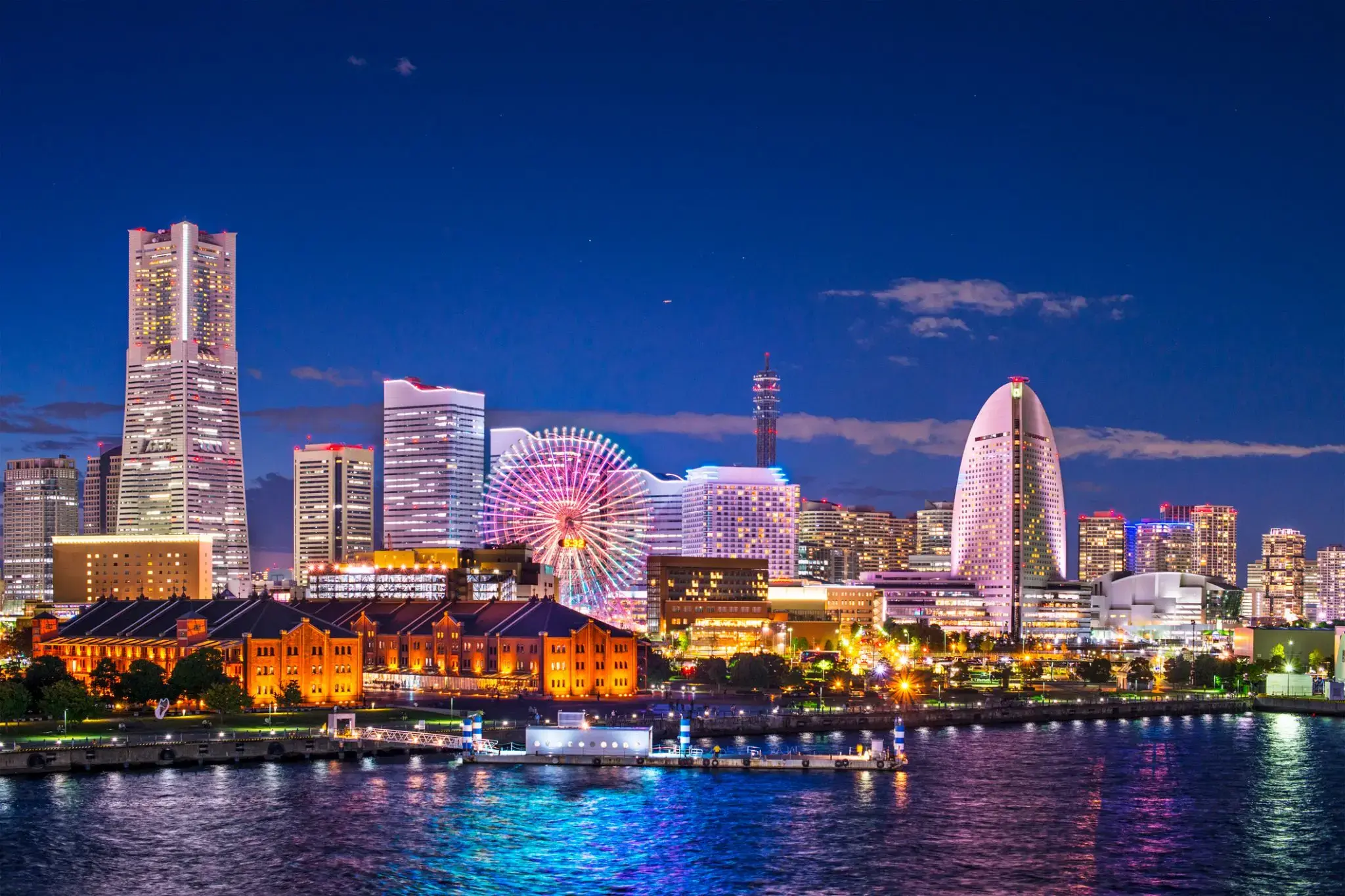
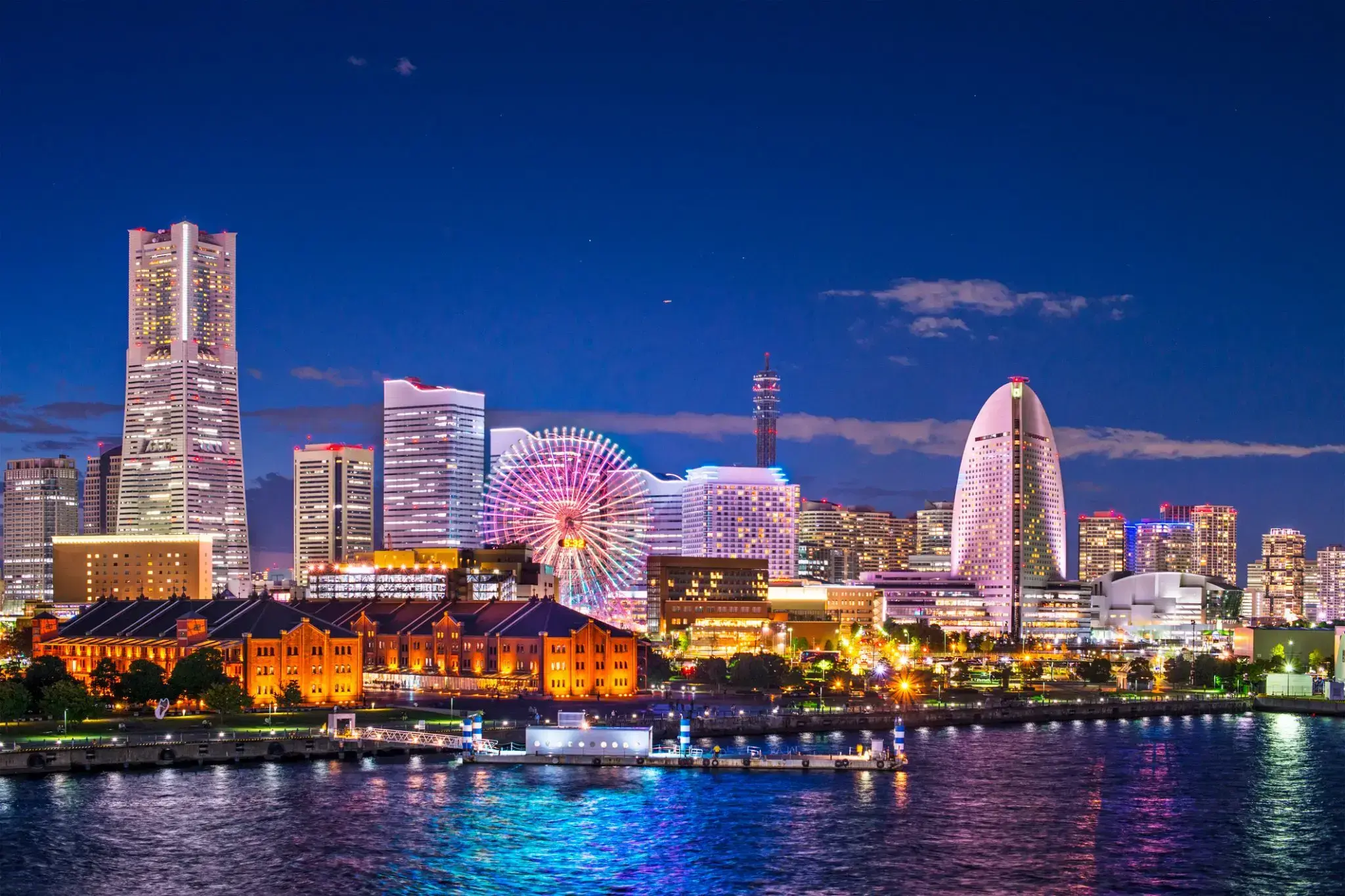
Tokyo, officially Tokyo Metropolis, one of the 47 prefectures of Japan, has served as the Japanese capital since 1869. As of 2014, the Greater Tokyo Arearanked as the most populous metropolitan area in the world. The urban area houses the seat of the Emperor of Japan, of the Japanese government and of the National Diet. Tokyo forms part of the Kantō region on the southeastern side of Japan's main island, Honshu, and includes the Izu Islands and Ogasawara Islands. Tokyo was formerly named Edo when Shōgun Tokugawa Ieyasu made the city his headquarters in 1603. It became the capital after Emperor Meiji moved his seat to the city from Kyoto in 1868; at that time Edo was renamed Tokyo. Tokyo Metropolis formed in 1943 from the merger of the former Tokyo Prefecture and the city of Tokyo. Tokyo is often referred to as a city but is officially known and governed as a "metropolitan prefecture", which differs from and combines elements of a city and a prefecture, a characteristic unique to Tokyo.
The 23 Special Wards of Tokyo were formerly Tokyo City. On July 1, 1943, it merged with Tokyo Prefecture and became Tokyo Metropolis with an additional 26 municipalities in the western part of the prefecture, and the Izu islandsand Ogasawara islands south of Tokyo. The population of the special wards is over 9 million people, with the total population of Tokyo Metropolis exceeding 13.8 million. The prefecture is part of the world's most populous metropolitan area called the Greater Tokyo Area with over 38 million people and the world's largest urban agglomeration economy. As of 2011, Tokyo hosted 51 of the Fortune Global 500 companies, the highest number of any city in the world at that time. Tokyo ranked third (twice) in the International Financial Centres Development Index. The city is home to various television networks such as Fuji TV, Tokyo MX, TV Tokyo, TV Asahi, Nippon Television, NHK and the Tokyo Broadcasting System.
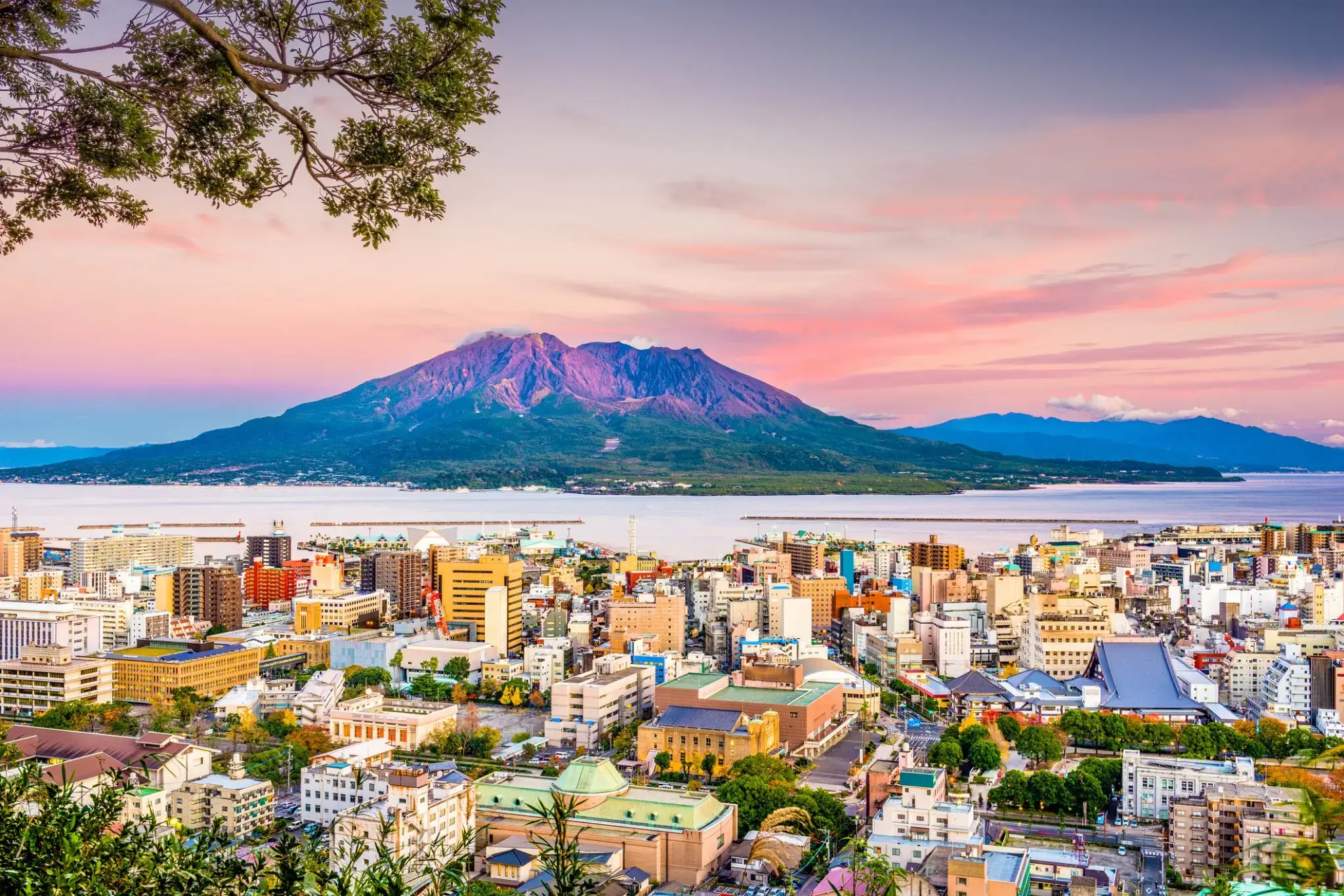
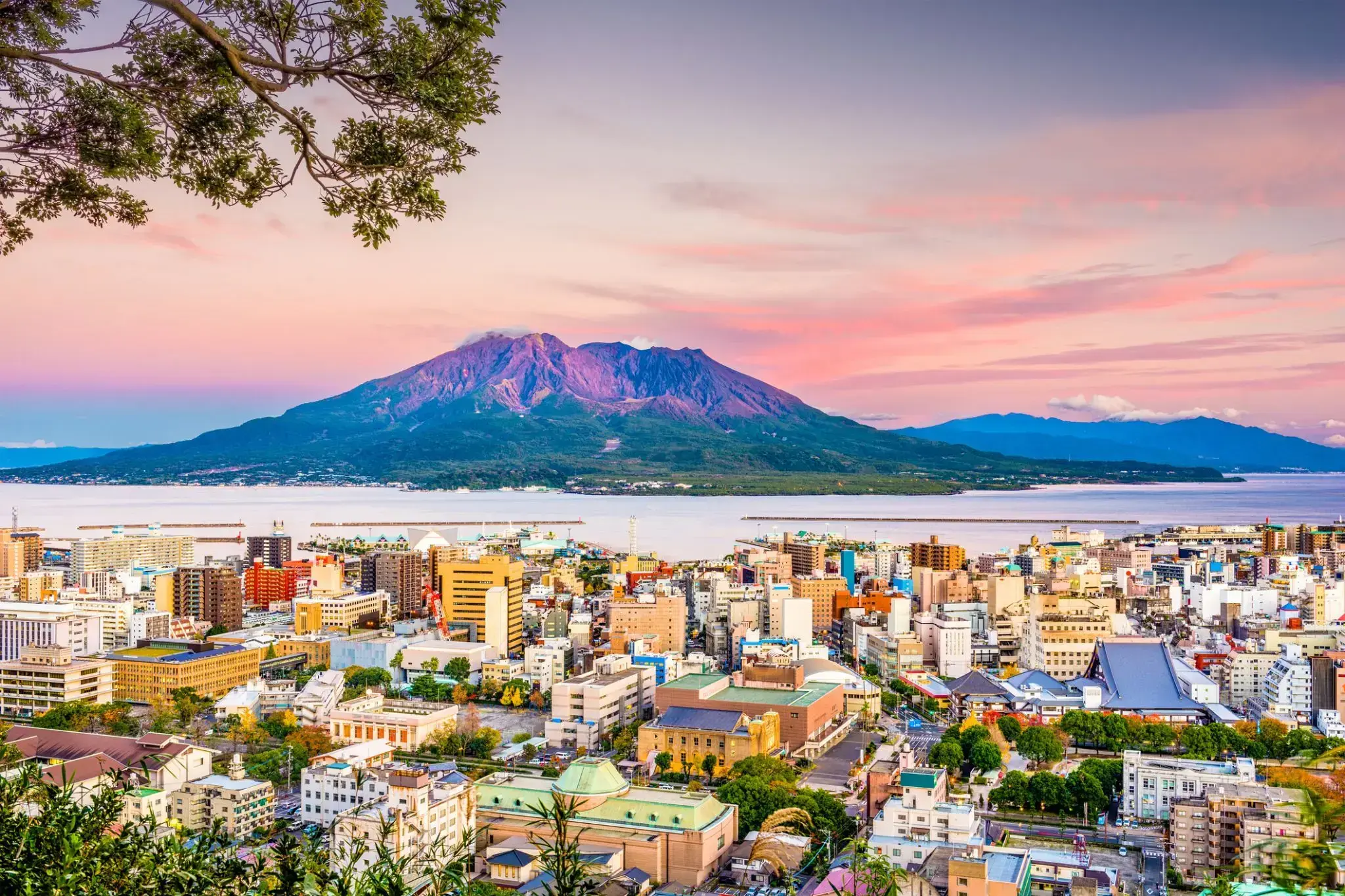
Kagoshima is the capital city of Kagoshima Prefecture at the south western tip of the island of Kyushu in Japan, and the largest city in the prefecture by some margin. It has been nicknamed the "Naples of the Eastern world" for its bay location (Aira Caldera), hot climate, and emblematic stratovolcano, Sakurajima. The city was officially founded on April 1, 1889.
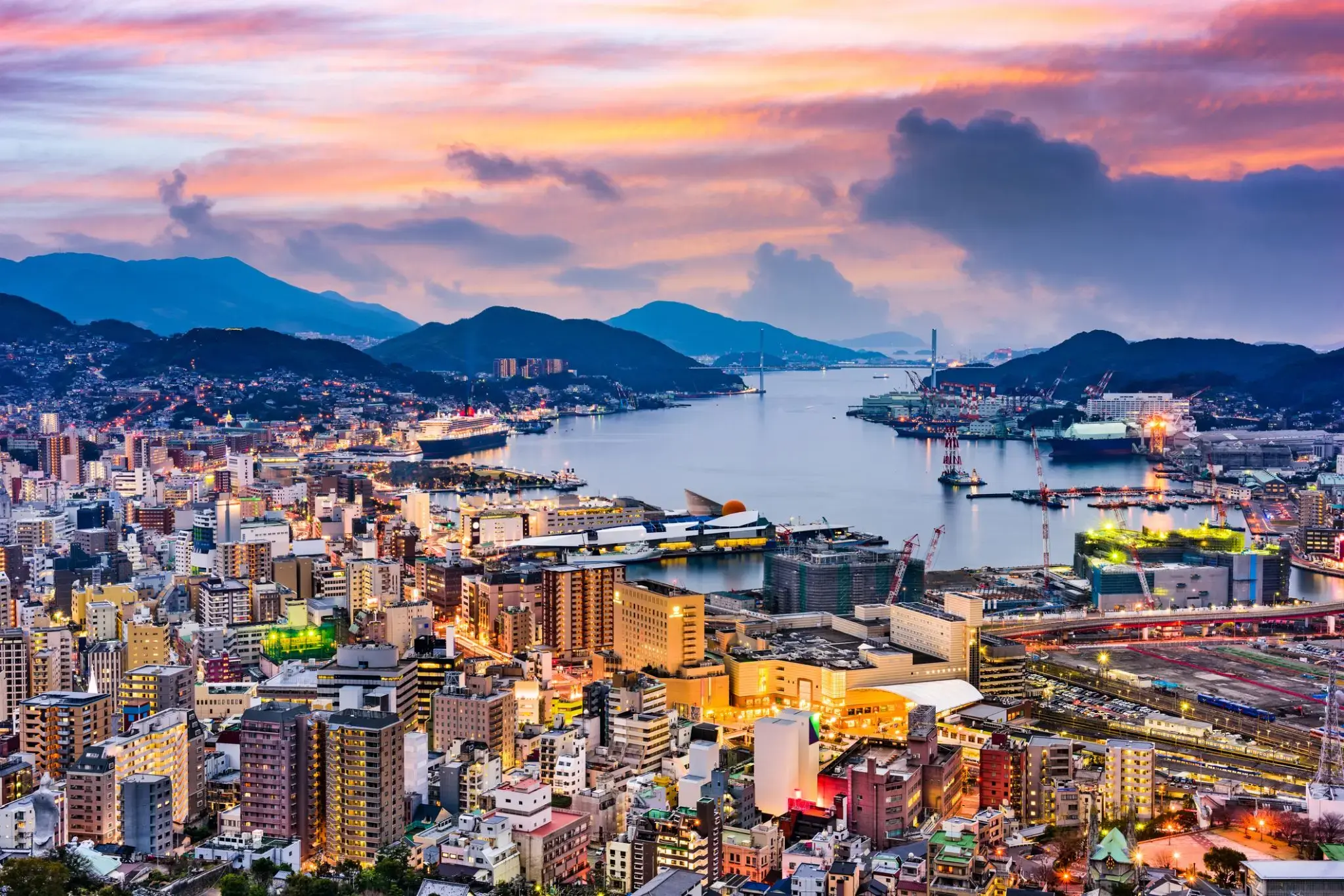
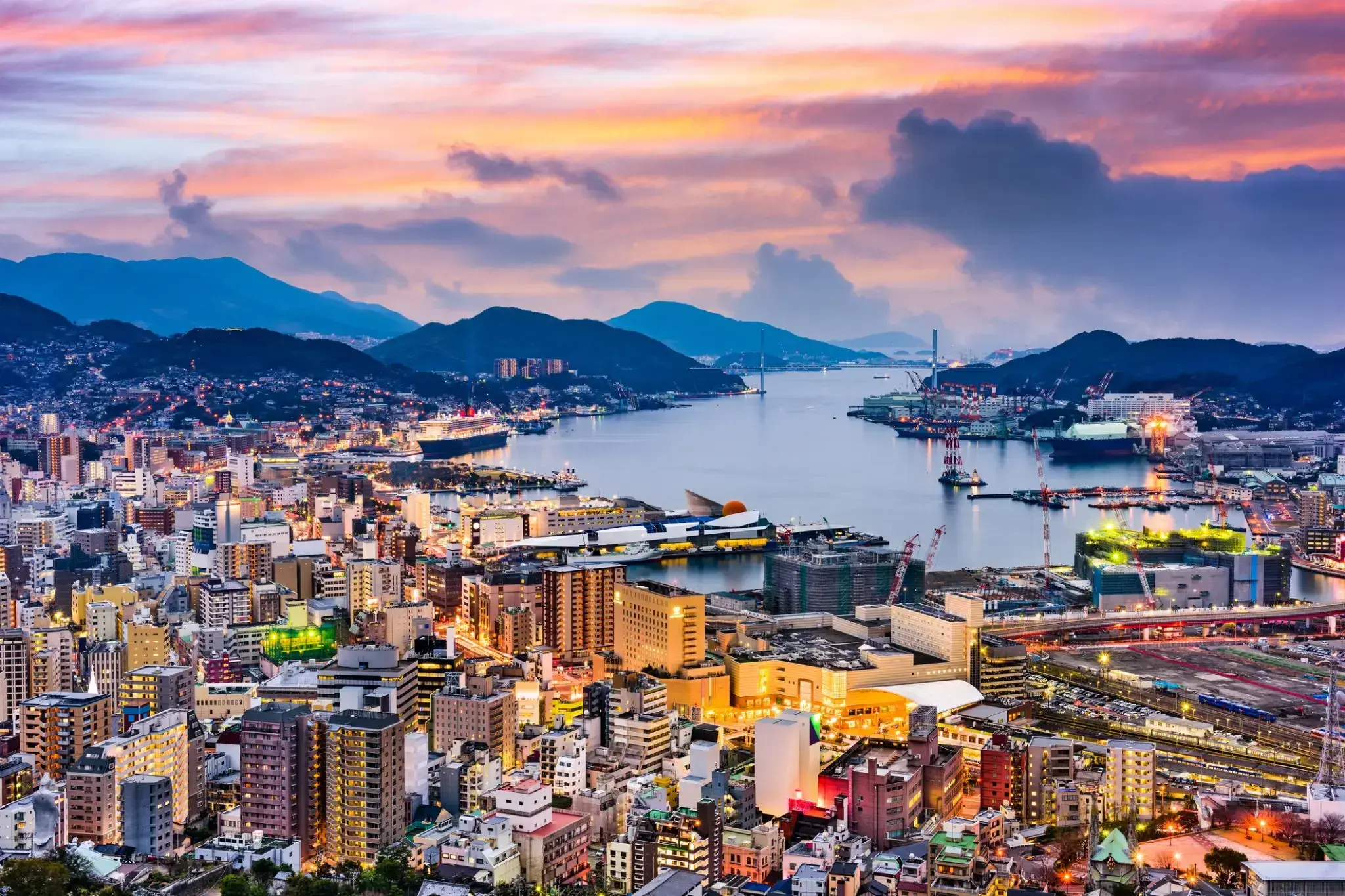
Nagasaki is the capital and the largest city of Nagasaki Prefecture on the island of Kyushu in Japan. The city's name means "long cape" in Japanese. Nagasaki became a centre of colonial Portuguese and Dutch influence in the 16th through 19th centuries, and the Hidden Christian Sites in the Nagasaki Region have been recognized and included in the UNESCO World Heritage List. Part of Nagasaki was home to a major Imperial Japanese Navy base during the First Sino-Japanese War and Russo-Japanese War.
During World War II, the American atomic bombings of Hiroshima and Nagasaki made Nagasaki the second and, to date, last city in the world to experience a nuclear attack (at 11:02 a.m., August 9, 1945 'Japan Standard Time (UTC+9)').
As of 1 March 2017, the city has an estimated population of 425,723 and a population density of 1,000 people per km2. The total area is 406.35 km2 (156.89 sq mi).
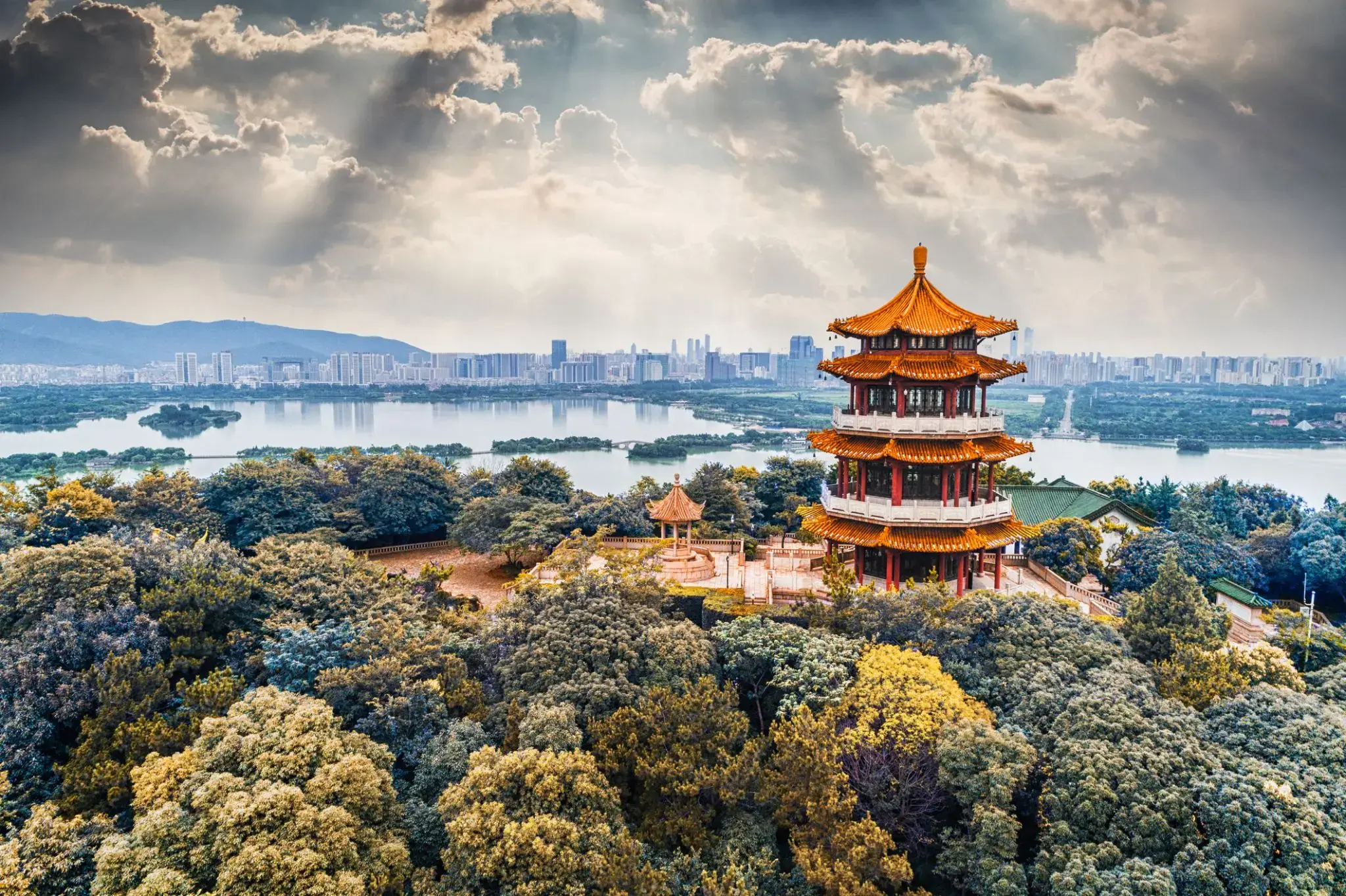
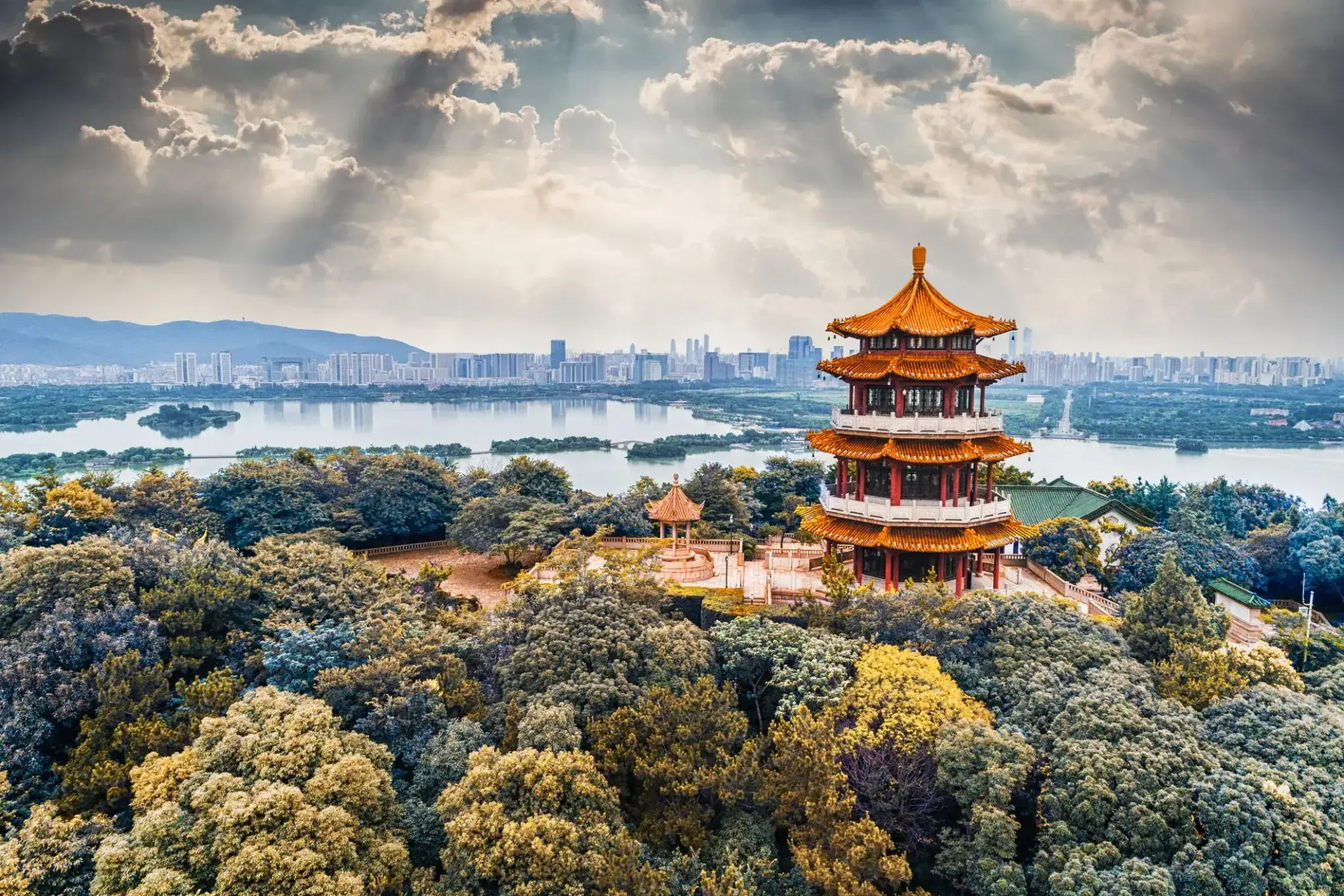
Beijing, formerly romanized as Peking, is the capital of the People's Republic of China, the world's third most populous city proper, and most populous capital city. The city, located in northern China, is governed as a municipality under the direct administration of central government with 16 urban, suburban, and rural districts. Beijing Municipality is surrounded by HebeiProvince with the exception of neighboring Tianjin Municipality to the southeast; together the three divisions form the Jingjinji metropolitan region and the national capital region of China.
Beijing is an important world capital and global power city, and one of the world's leading centers for politics, economy and business, finance, education, culture, innovation and technology, architecture, language, and diplomacy. A megacity, Beijing is the second largest Chinese city by urban population after Shanghai and is the nation's political, cultural, and educational center. It is home to the headquarters of most of China's largest state-owned companiesand houses the largest number of Fortune Global 500 companies in the world, as well as the world's four biggest financial institutions. It is also a major hub for the national highway, expressway, railway, and high-speed railnetworks. The Beijing Capital International Airport has been the second busiest in the world by passenger traffic since 2010, and, as of 2016, the city's subway network is the busiest and second longest in the world.
Combining both modern and traditional architecture, Beijing is one of the oldest cities in the world, with a rich historydating back three millennia. As the last of the Four Great Ancient Capitals of China, Beijing has been the political center of the country for most of the past eight centuries, and was the largest city in the world by population for much of the second millennium A.D. Encyclopædia Britannica notes that "few cities in the world have served for so long as the political headquarters and cultural center of an area as immense as China." With mountains surrounding the inland city on three sides, in addition to the old inner and outer city walls, Beijing was strategically poised and developed to be the residence of the emperor and thus was the perfect location for the imperial capital. The city is renowned for its opulent palaces, temples, parks, gardens, tombs, walls and gates. It has seven UNESCO World Heritage Sites—the Forbidden City, Temple of Heaven, Summer Palace, Ming Tombs, Zhoukoudian, and parts of the Great Wall and the Grand Canal— all popular locations for tourism. Siheyuans, the city's traditional housing style, and hutongs, the narrow alleys between siheyuans, are major tourist attractions and are common in urban Beijing.
Many of Beijing's 91 universities consistently rank among the best in China, such as the Peking University and Tsinghua University. Beijing CBD is a center for Beijing's economic expansion, with the ongoing or recently completed construction of multiple skyscrapers. Beijing's Zhongguancun area is known as China's Silicon Valley and a center of innovation and technology entrepreneurship.
Beijing, formerly romanized as Peking, is the capital of the People's Republic of China, the world's third most populous city proper, and most populous capital city. The city, located in northern China, is governed as a municipality under the direct administration of central government with 16 urban, suburban, and rural districts. Beijing Municipality is surrounded by HebeiProvince with the exception of neighboring Tianjin Municipality to the southeast; together the three divisions form the Jingjinji metropolitan region and the national capital region of China.
Beijing is an important world capital and global power city, and one of the world's leading centers for politics, economy and business, finance, education, culture, innovation and technology, architecture, language, and diplomacy. A megacity, Beijing is the second largest Chinese city by urban population after Shanghai and is the nation's political, cultural, and educational center. It is home to the headquarters of most of China's largest state-owned companiesand houses the largest number of Fortune Global 500 companies in the world, as well as the world's four biggest financial institutions. It is also a major hub for the national highway, expressway, railway, and high-speed railnetworks. The Beijing Capital International Airport has been the second busiest in the world by passenger traffic since 2010, and, as of 2016, the city's subway network is the busiest and second longest in the world.
Combining both modern and traditional architecture, Beijing is one of the oldest cities in the world, with a rich historydating back three millennia. As the last of the Four Great Ancient Capitals of China, Beijing has been the political center of the country for most of the past eight centuries, and was the largest city in the world by population for much of the second millennium A.D. Encyclopædia Britannica notes that "few cities in the world have served for so long as the political headquarters and cultural center of an area as immense as China." With mountains surrounding the inland city on three sides, in addition to the old inner and outer city walls, Beijing was strategically poised and developed to be the residence of the emperor and thus was the perfect location for the imperial capital. The city is renowned for its opulent palaces, temples, parks, gardens, tombs, walls and gates. It has seven UNESCO World Heritage Sites—the Forbidden City, Temple of Heaven, Summer Palace, Ming Tombs, Zhoukoudian, and parts of the Great Wall and the Grand Canal— all popular locations for tourism. Siheyuans, the city's traditional housing style, and hutongs, the narrow alleys between siheyuans, are major tourist attractions and are common in urban Beijing.
Many of Beijing's 91 universities consistently rank among the best in China, such as the Peking University and Tsinghua University. Beijing CBD is a center for Beijing's economic expansion, with the ongoing or recently completed construction of multiple skyscrapers. Beijing's Zhongguancun area is known as China's Silicon Valley and a center of innovation and technology entrepreneurship.
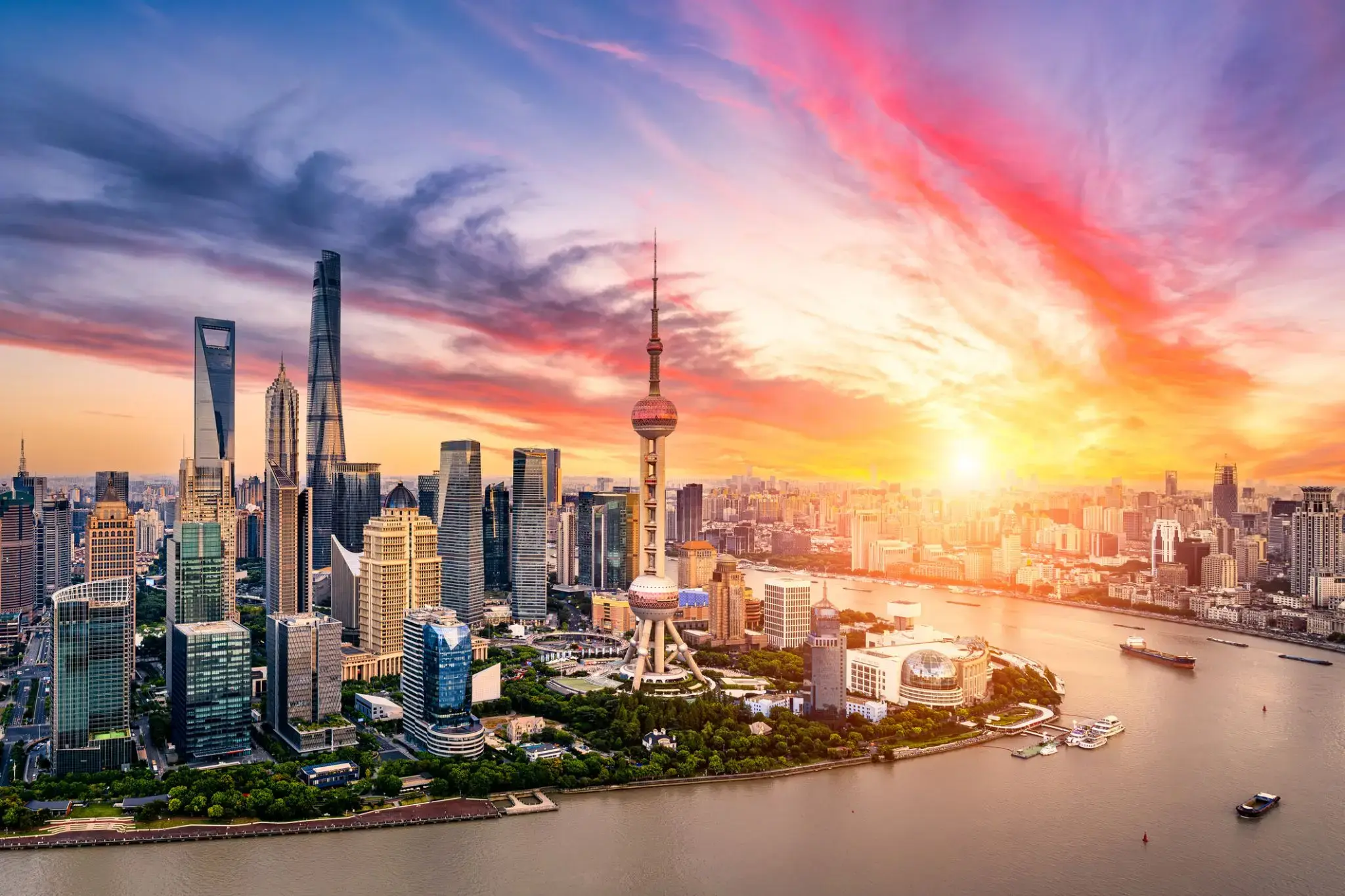
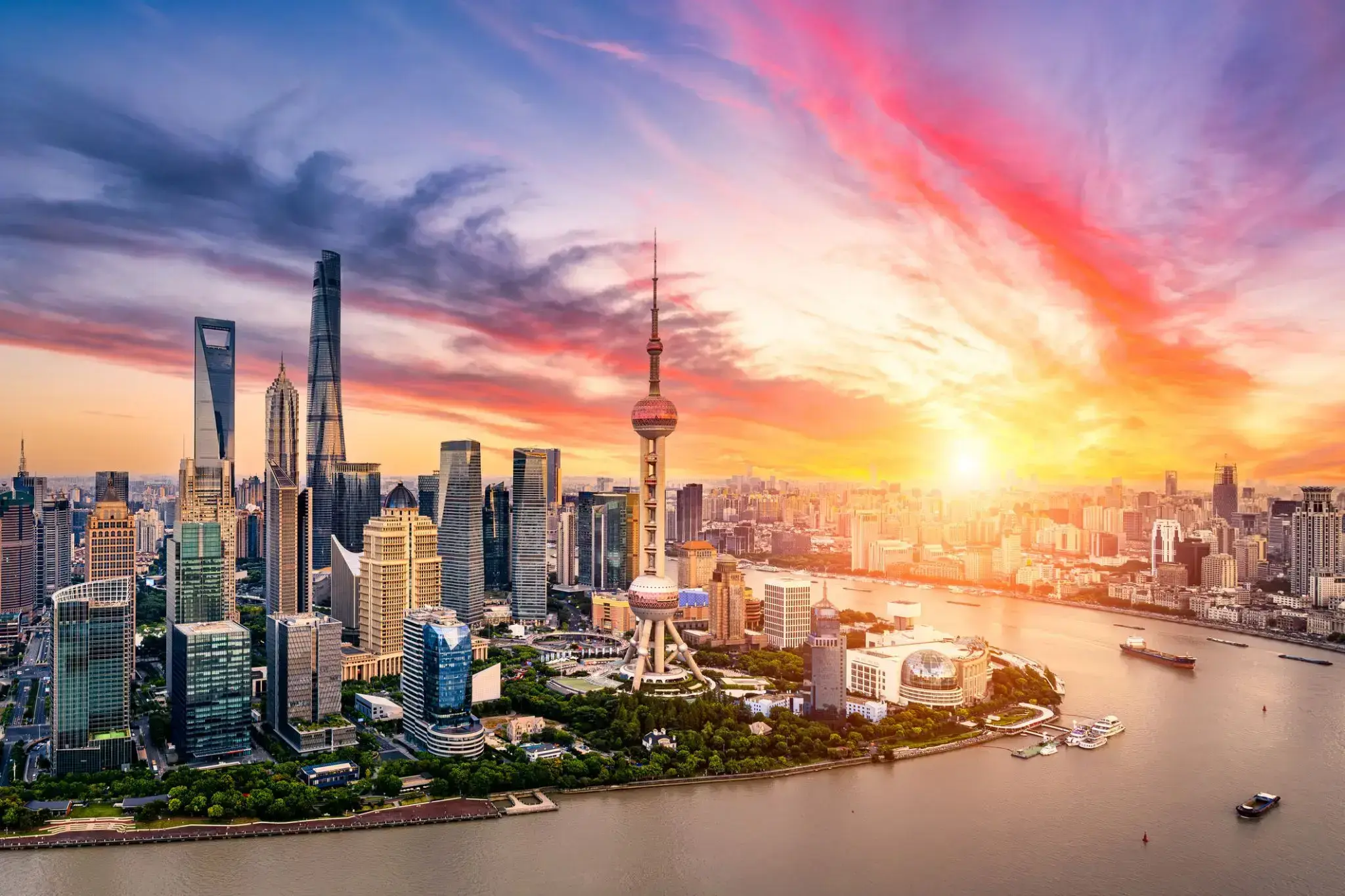
Shanghai is one of the four municipalities under the direct administration of the central government of the Republic of China, the largest city in China by population, and the second most populous city proper in the world, with a population of 24.18 million as of 2017. It is a global financial centre and transport hub, with the world's busiest container port. Located in the Yangtze River Delta, it sits on the south edge of the estuary of the Yangtze in the middle portion of the East Chinacoast. The municipality borders the provinces of Jiangsu and Zhejiang to the north, south and west, and is bounded to the east by the East China Sea.
As a major administrative, shipping and trading city, Shanghai grew in importance in the 19th century due to trade and recognition of its favourable port location and economic potential. The city was one of five treaty ports forced open to foreign trade following the British victory over China in the First Opium War. The subsequent 1842 Treaty of Nankingand 1844 Treaty of Whampoa allowed the establishment of the Shanghai International Settlement and the French Concession. The city then flourished as a centre of commerce between China and other parts of the world (predominantly the Occident), and became the primary financial hub of the Asia-Pacific region in the 1930s. However, with the Communist Party takeover of the mainland in 1949, trade was limited to other socialist countries, and the city's global influence declined. In the 1990s, the economic reforms introduced by Deng Xiaoping resulted in an intense re-development of the city, aiding the return of finance and foreign investment to the city. It has since re-emerged as a hub for international trade and finance; it is the home of the Shanghai Stock Exchange, one of the world's largest by market capitalization.
Shanghai has been described as the "showpiece" of the booming economy of mainland China; renowned for its Lujiazui skyline, and museums and historic buildings, such as those along The Bund, as well as the City God Templeand the Yu Garden.