| Cruise Region : Africa |
| Company : Azamara Cruises |
| Ship : Azamara Onward |
| Journey Start : Tue 28 Mar 2028 |
| Journey End : Tue 09 May 2028 |
| Count Nights : 42 nights |
| Day | Date | Port | Arrival | Departure |
|---|---|---|---|---|
| 1 | 28.03 Tue | Limbe / Cameroon | 20:00 | |
| 2 | 29.03 Wed | Day at sea / Sea | ||
| 3 | 30.03 Thu | Da Nang / Vietnam | 08:00 | 20:00 |
| 4 | 31.03 Fri | Day at sea / Sea | ||
| 5 | 1.04 Sat | Ho Chi Minh / Vietnam | 10:00 | |
| 6 | 2.04 Sun | Ho Chi Minh / Vietnam | 12:00 | |
| 7 | 3.04 Mon | Day at sea / Sea | ||
| 8 | 4.04 Tue | Bangkok / Thailand | 06:00 | |
| 9 | 5.04 Wed | Bangkok / Thailand | ||
| 10 | 6.04 Thu | Bangkok / Thailand | 14:00 | |
| 11 | 7.04 Fri | Samui Island / Koh Samui / Thailand | 08:00 | 14:00 |
| 12 | 8.04 Sat | Day at sea / Sea | ||
| 13 | 9.04 Sun | Singapore / Singapore | 08:00 | |
| 14 | 10.04 Mon | Singapore / Singapore | 09:00 | 17:00 |
| 15 | 11.04 Tue | Kuala Lumpur / Malaysia | 08:00 | 20:00 |
| 16 | 12.04 Wed | Day at sea / Sea | ||
| 17 | 13.04 Thu | Sabang / Indonesia | 08:00 | 17:00 |
| 18 | 14.04 Fri | Day at sea / Sea | ||
| 19 | 15.04 Sat | Day at sea / Sea | ||
| 20 | 16.04 Sun | Hambantota / Sri Lanka | 08:00 | 18:00 |
| 21 | 17.04 Mon | Colombo / Sri Lanka | 08:00 | 20:00 |
| 22 | 18.04 Tue | Kochi / India | 17:00 | |
| 23 | 19.04 Wed | Kochi / India | 22:00 | |
| 24 | 20.04 Thu | Day at sea / Sea | ||
| 25 | 21.04 Fri | Male / Maldives | 08:00 | 17:00 |
| 26 | 22.04 Sat | Day at sea / Sea | ||
| 27 | 23.04 Sun | Day at sea / Sea | ||
| 28 | 24.04 Mon | Day at sea / Sea | ||
| 29 | 25.04 Tue | Day at sea / Sea | ||
| 30 | 26.04 Wed | Port Louis / Mauritius | 13:00 | |
| 31 | 27.04 Thu | Port Louis / Mauritius | 08:00 | 21:00 |
| 32 | 28.04 Fri | PEBBLE POINT | 08:00 | 18:00 |
| 33 | 29.04 Sat | Day at sea / Sea | ||
| 34 | 30.04 Sun | Tolanaro Tolanaro / Madagascar | 08:00 | 18:00 |
| 35 | 1.05 Mon | Day at sea / Sea | ||
| 36 | 2.05 Tue | Day at sea / Sea | ||
| 37 | 3.05 Wed | Richards Bay / South Africa | 07:00 | 20:00 |
| 38 | 4.05 Thu | Durban / South Africa | 08:00 | 20:00 |
| 39 | 5.05 Fri | Day at sea / Sea | ||
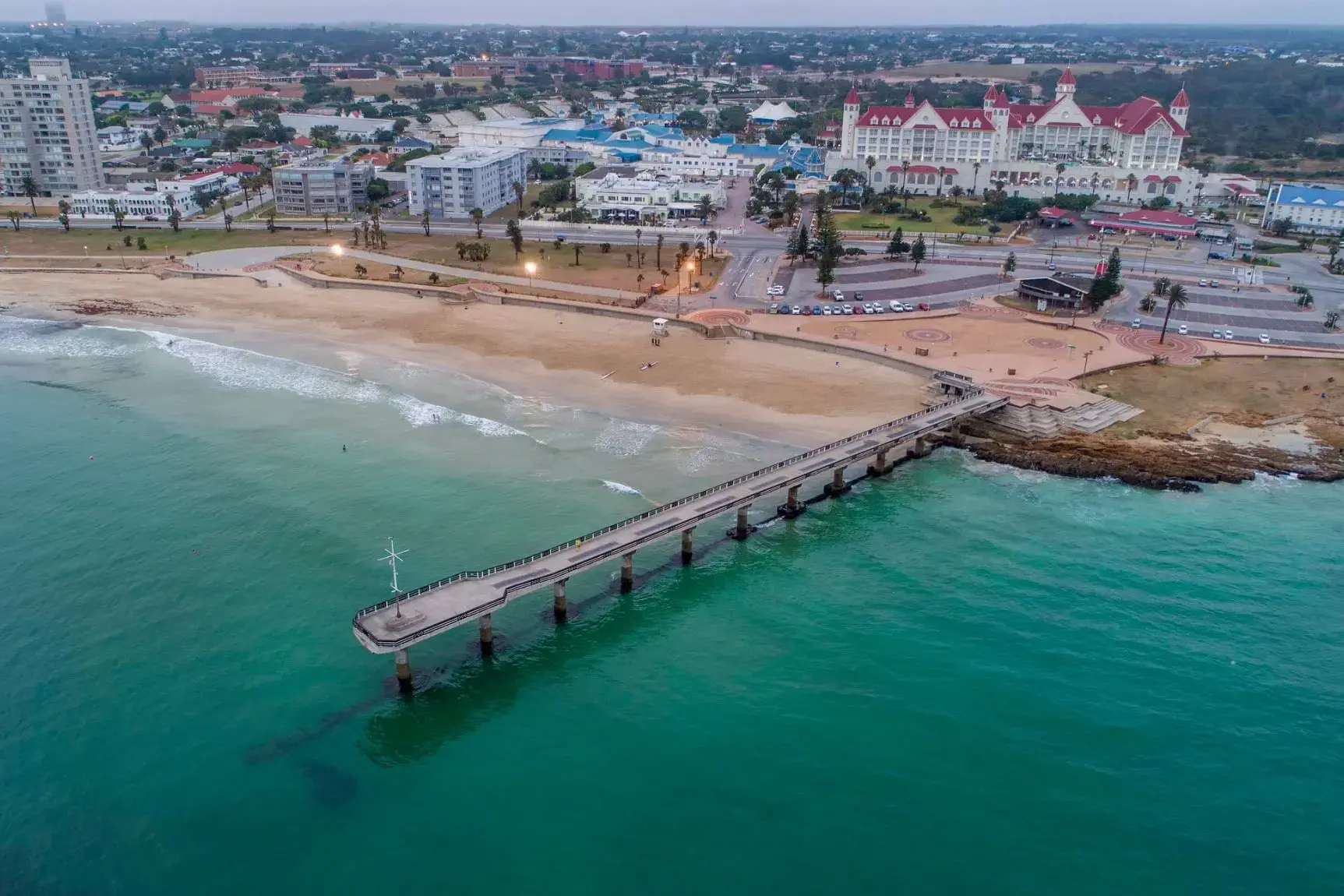
| 40 | 6.05 Sat | Port Elizabeth / South Africa | 07:00 | 20:00 |
| 41 | 7.05 Sun | Day at sea / Sea | ||
| 42 | 8.05 Mon | Cape Town / South Africa | 08:00 | |
| 43 | 9.05 Tue | Cape Town / South Africa | 07:00 |
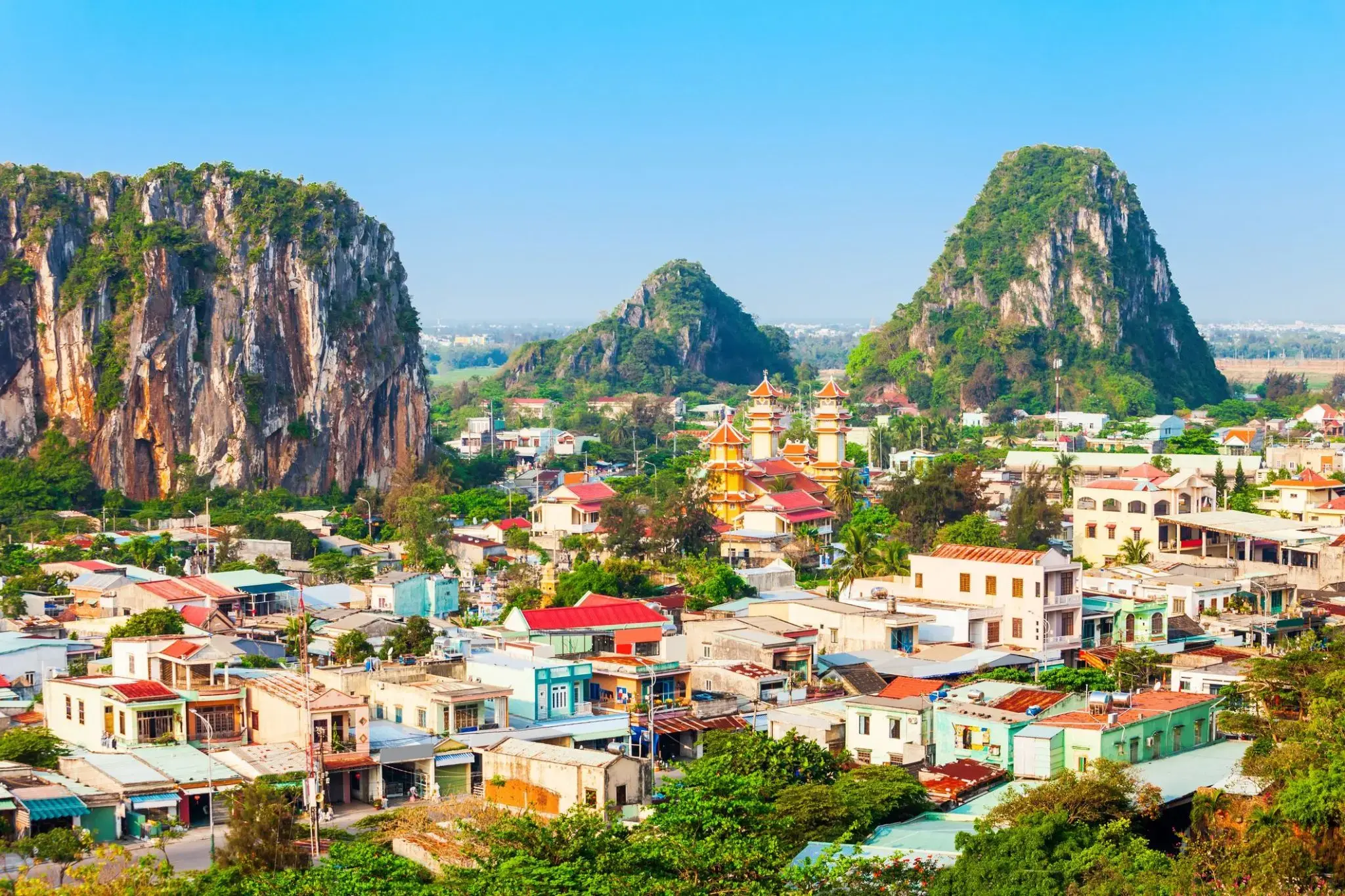
A warm sea breeze and soft sand make Da Nang the perfect place for those seeking seaside relaxation and lightness in every step. Here, modern cafés sit next to traditional markets, while the evening promenade fills with lights and the aroma of fresh seafood. You can enjoy long walks along My Khe and Non Nuoc beaches, ranked among Asia’s best, and discover cozy corners with Vietnamese coffee and the smiles of locals.
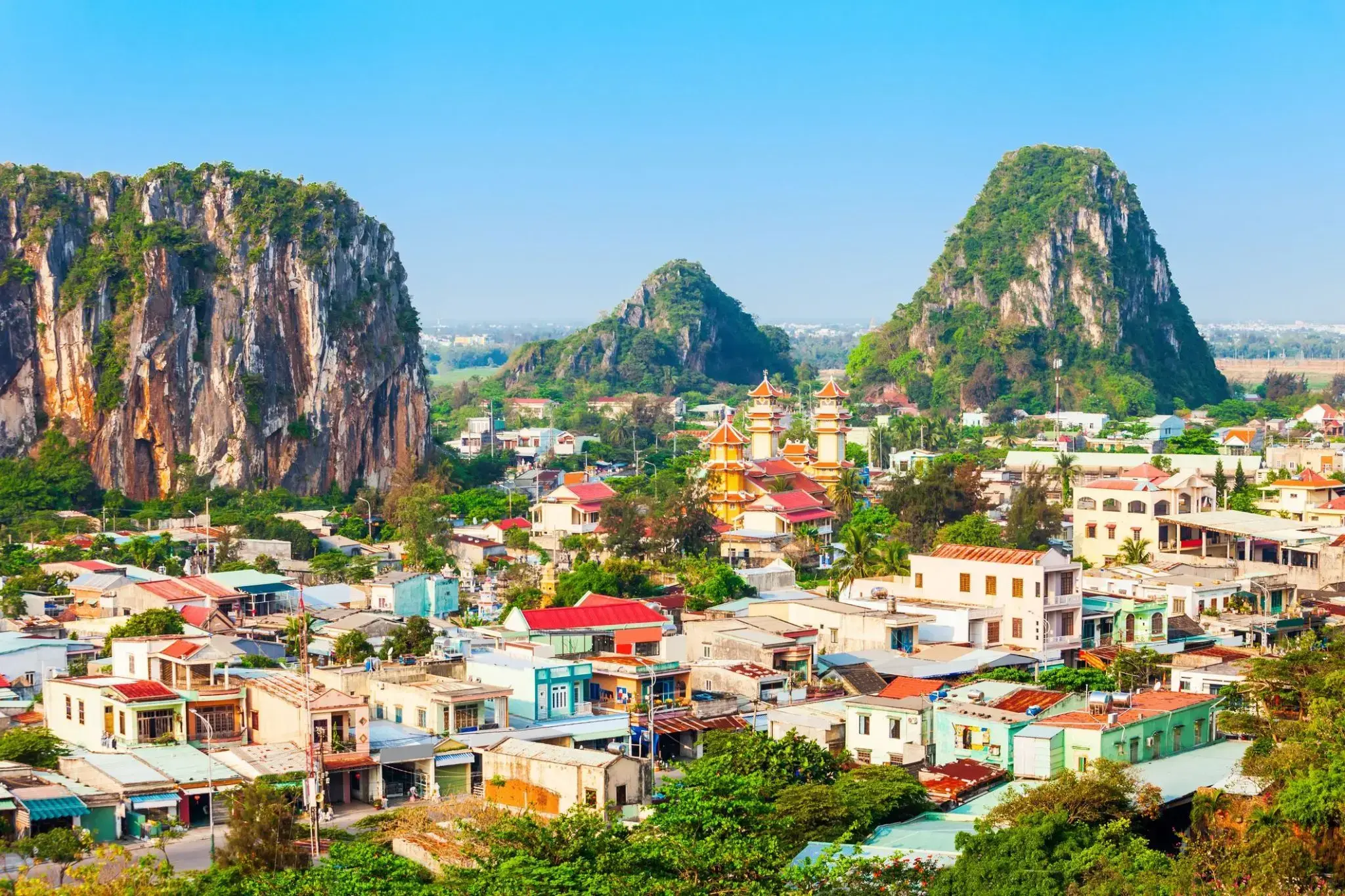
For lovers of history and nature, Da Nang offers unique routes to the Marble Mountains with caves and pagodas, providing breathtaking views of the coastline. From here, it is easy to reach the ancient town of Hoi An, preserving the atmosphere of the past, or to take a trip along the Hai Van Pass, where each turn reveals new panoramas of mountains and sea. The city combines a relaxing beach holiday with the chance to discover Vietnam’s beauty and breathe in the fresh sea air that fills you with energy and lightness.
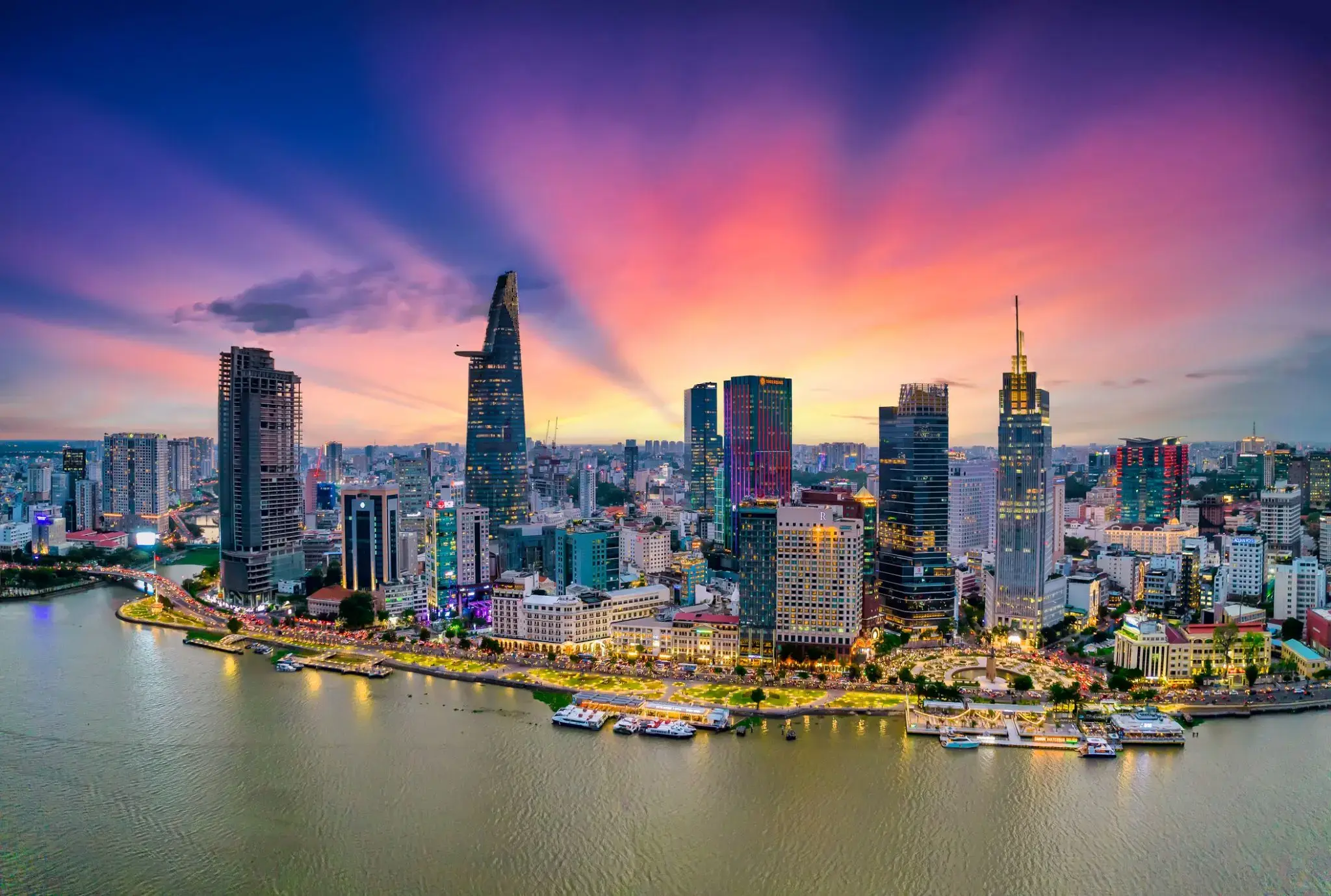
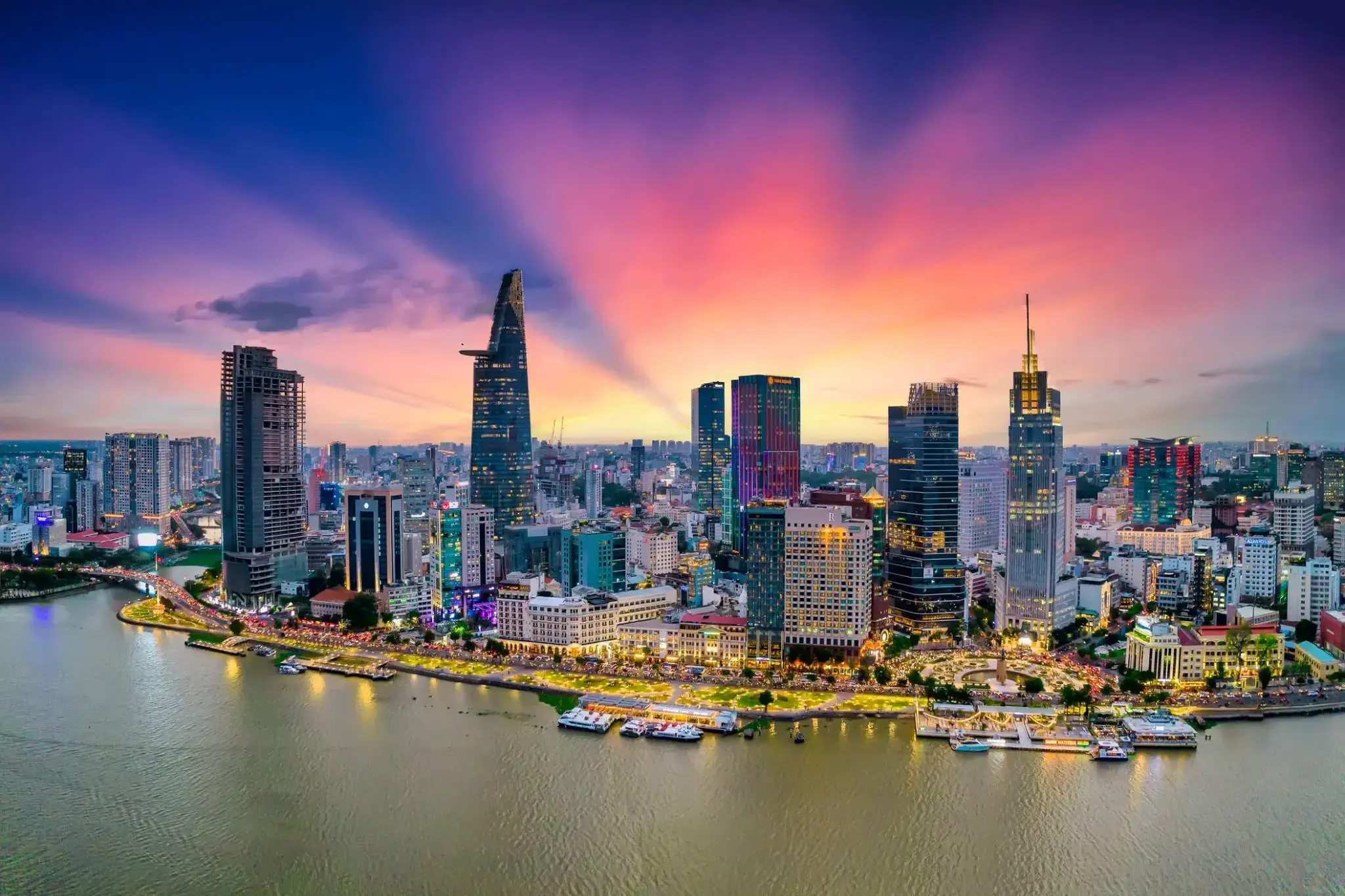
Ho Chi Minh City, also known by its former name of Saigon is the most populous city in Vietnam with a population of 8.4 million (13 million in the metropolitan area) as of 2017. Located in southeast Vietnam, the metropolis surrounds the Saigon River and covers about 2,061 square kilometres (796 square miles).
Under the name Saigon, it was the capital of French Indochina from 1887 to 1902 and again from 1945 to 1954. Saigon would later become the capital of South Vietnam from 1955 until its fall in 1975. On 2 July 1976, Saigon merged with the surrounding Gia Định Province and was officially renamed Ho Chi Minh City after revolutionary leader Hồ Chí Minh (although the name Sài Gòn is still widely used).
Ho Chi Minh City is the financial centre of Vietnam and is classifed as a Beta+ World City by Globalization and World Cities Research Network. It is home to the Ho Chi Minh City Stock Exchange, the largest stock exchange by total market capitalization in Vietnam and the headquarters of many national and international banks and companies.
Ho Chi Minh City is the most visited city in Vietnam, with 6.3 million visitors in 2017. Many of the city's landmarks which are well known to international visitors include the Bến Thành Market, Ho Chi Minh City Hall, Notre-Dame Cathedral Basilica of Saigon, Independence Palace and the Municipal Theatre. The main passenger airport serving the metropolitan area is Tan Son Nhat International Airport, it is the busiest airport in Vietnam handling 36 million passengers in 2017.
Ho Chi Minh City, also known by its former name of Saigon is the most populous city in Vietnam with a population of 8.4 million (13 million in the metropolitan area) as of 2017. Located in southeast Vietnam, the metropolis surrounds the Saigon River and covers about 2,061 square kilometres (796 square miles).
Under the name Saigon, it was the capital of French Indochina from 1887 to 1902 and again from 1945 to 1954. Saigon would later become the capital of South Vietnam from 1955 until its fall in 1975. On 2 July 1976, Saigon merged with the surrounding Gia Định Province and was officially renamed Ho Chi Minh City after revolutionary leader Hồ Chí Minh (although the name Sài Gòn is still widely used).
Ho Chi Minh City is the financial centre of Vietnam and is classifed as a Beta+ World City by Globalization and World Cities Research Network. It is home to the Ho Chi Minh City Stock Exchange, the largest stock exchange by total market capitalization in Vietnam and the headquarters of many national and international banks and companies.
Ho Chi Minh City is the most visited city in Vietnam, with 6.3 million visitors in 2017. Many of the city's landmarks which are well known to international visitors include the Bến Thành Market, Ho Chi Minh City Hall, Notre-Dame Cathedral Basilica of Saigon, Independence Palace and the Municipal Theatre. The main passenger airport serving the metropolitan area is Tan Son Nhat International Airport, it is the busiest airport in Vietnam handling 36 million passengers in 2017.
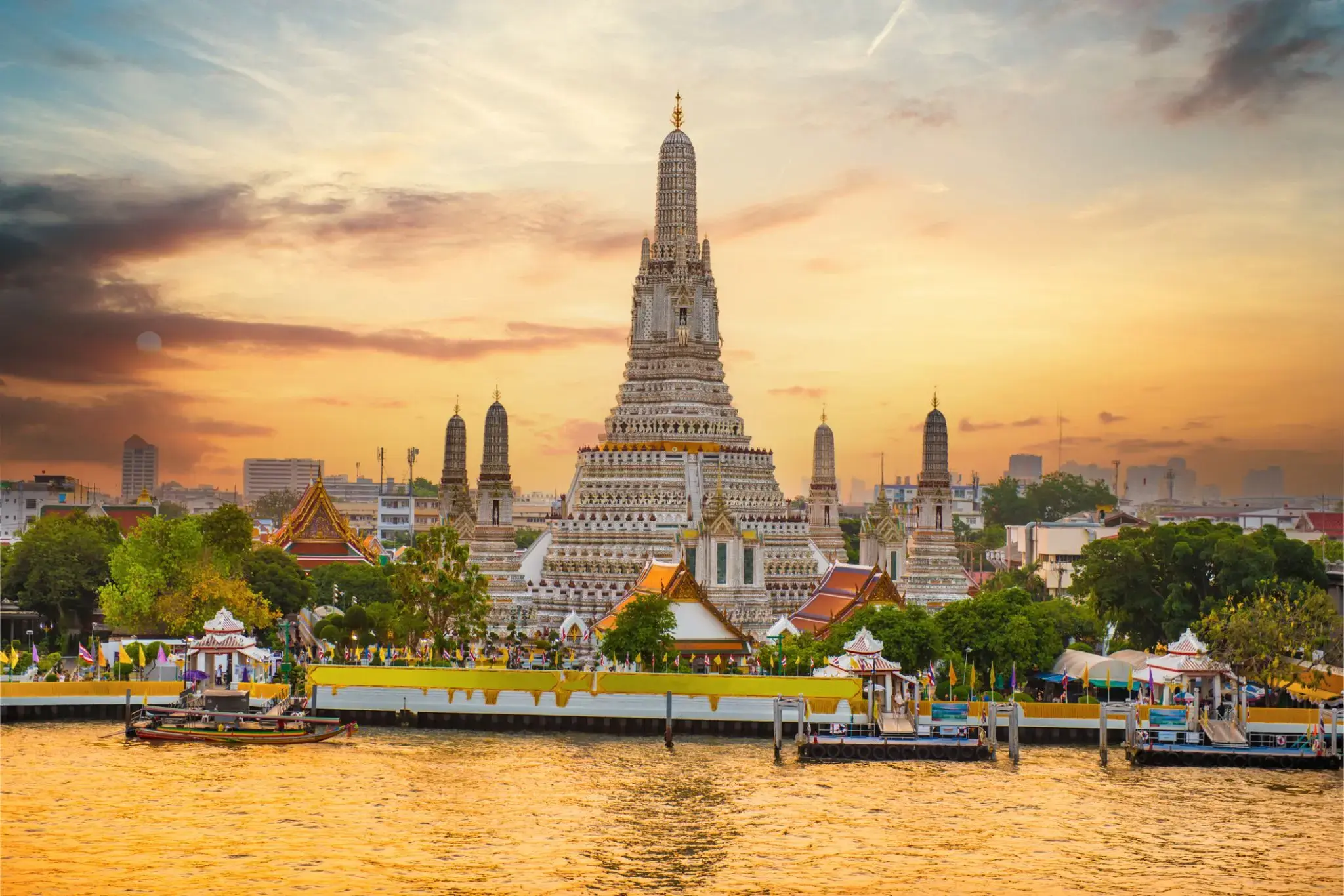
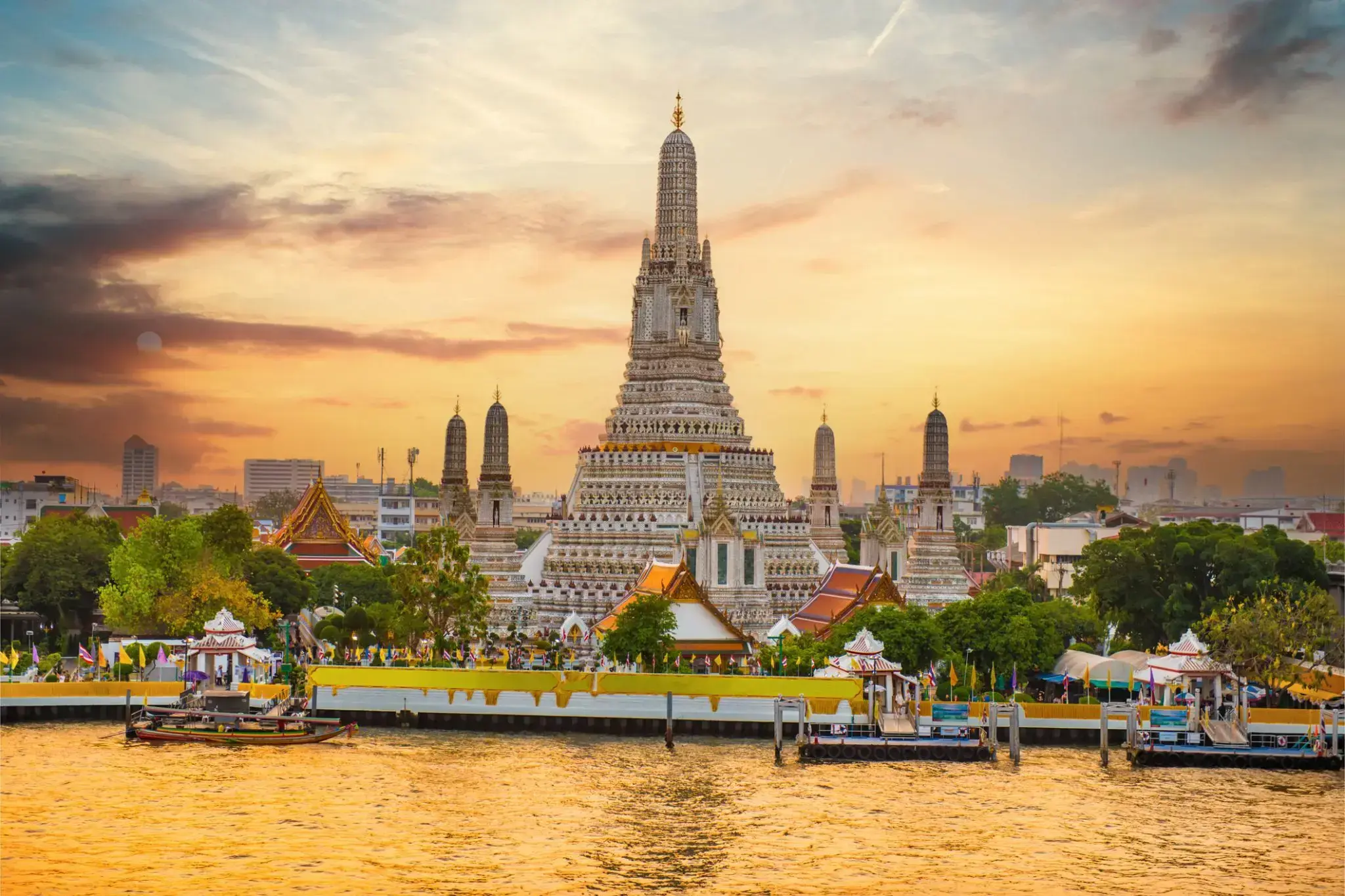
Bangkok is the capital and most populous city of Thailand. It is known in Thai as Krung Thep Maha Nakhon or simply Krung Thep. The city occupies 1,568.7 square kilometres (605.7 sq mi) in the Chao Phraya River delta in central Thailand, and has a population of over eight million, or 12.6 percent of the country's population. Over fourteen million people (22.2 percent) lived within the surrounding Bangkok Metropolitan Region at the 2010 census, making Bangkok the nation's primate city, significantly dwarfing Thailand's other urban centres in terms of importance.
Bangkok is the capital and most populous city of Thailand. It is known in Thai as Krung Thep Maha Nakhon or simply Krung Thep. The city occupies 1,568.7 square kilometres (605.7 sq mi) in the Chao Phraya River delta in central Thailand, and has a population of over eight million, or 12.6 percent of the country's population. Over fourteen million people (22.2 percent) lived within the surrounding Bangkok Metropolitan Region at the 2010 census, making Bangkok the nation's primate city, significantly dwarfing Thailand's other urban centres in terms of importance.
Bangkok is the capital and most populous city of Thailand. It is known in Thai as Krung Thep Maha Nakhon or simply Krung Thep. The city occupies 1,568.7 square kilometres (605.7 sq mi) in the Chao Phraya River delta in central Thailand, and has a population of over eight million, or 12.6 percent of the country's population. Over fourteen million people (22.2 percent) lived within the surrounding Bangkok Metropolitan Region at the 2010 census, making Bangkok the nation's primate city, significantly dwarfing Thailand's other urban centres in terms of importance.
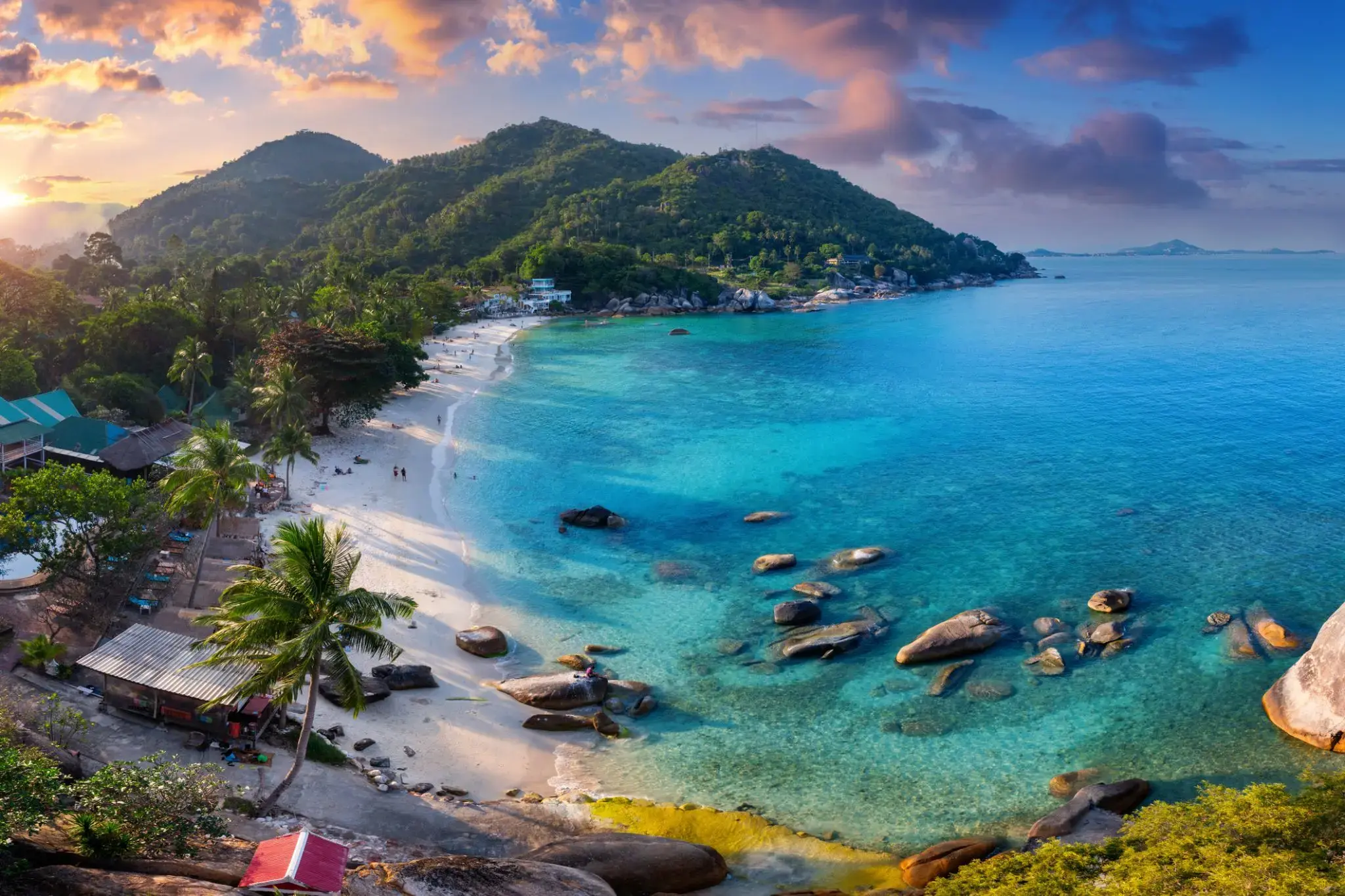
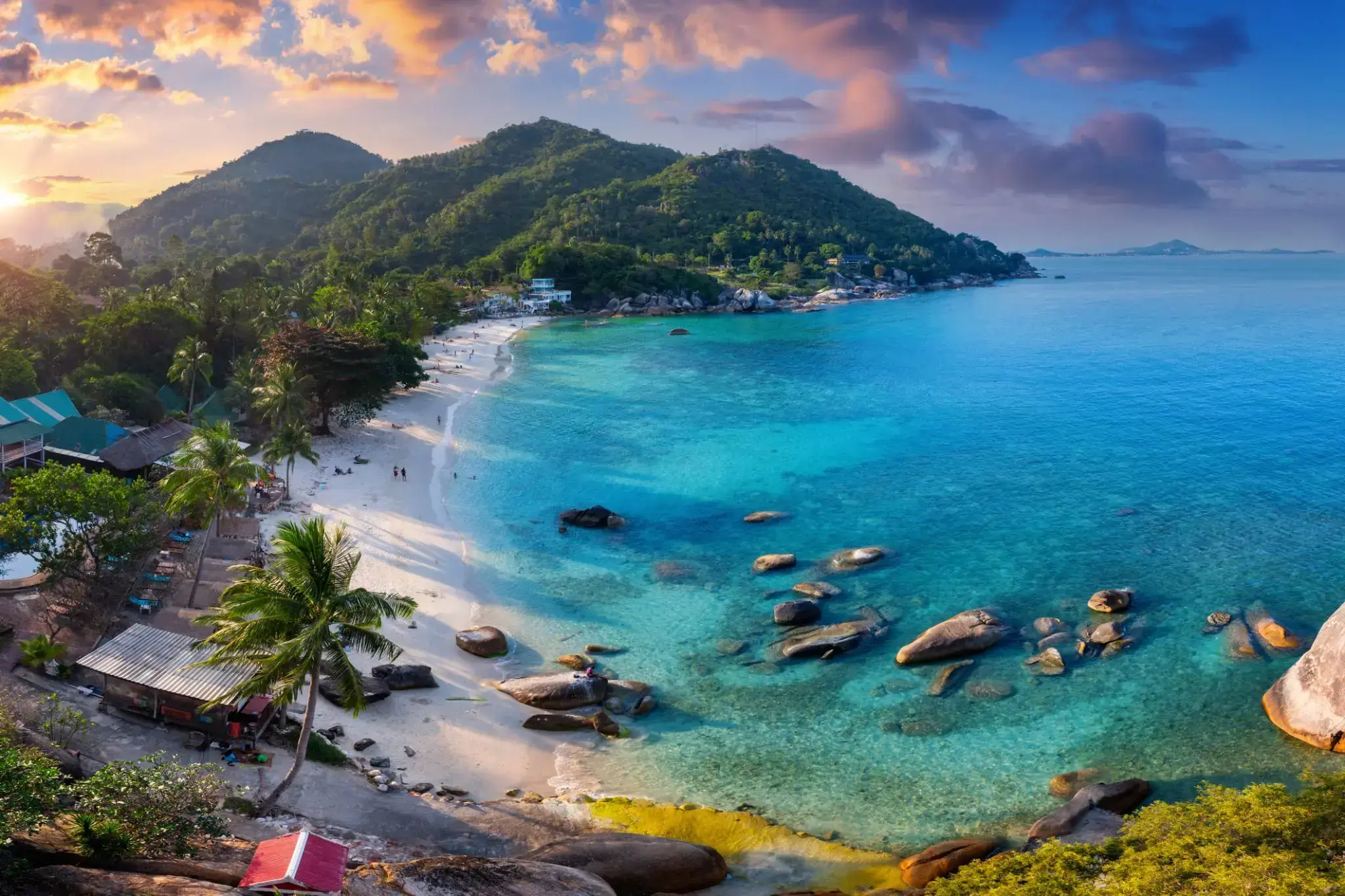
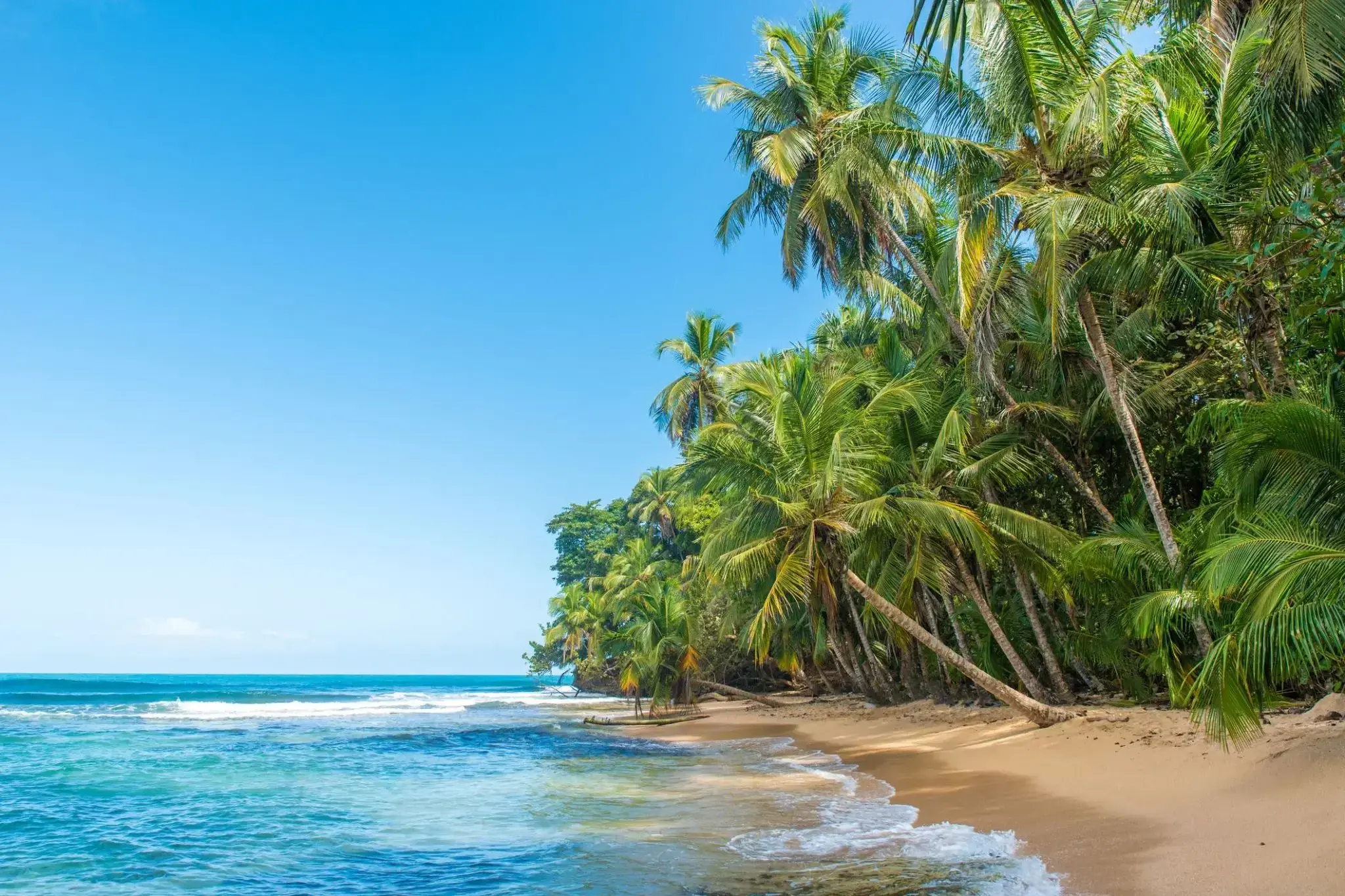
Among the tropical islands of Thailand, Koh Samui stands out with its unique nature and atmosphere. This island attracts travelers from all over the world with its white sandy beaches, picturesque waterfalls, and dense jungles. It's an ideal place for relaxation, whether it’s engaging in water sports, exploring nature, or simply enjoying peace and beauty.
Moreover, Koh Samui is known for its cultural heritage, including many Buddhist temples and sanctuaries. One of the most famous is the Big Buddha Temple, which is not only a religious center but also one of the island's main attractions. The local cuisine, featuring fresh seafood and exotic fruits, will make the trip even more exciting and delicious.
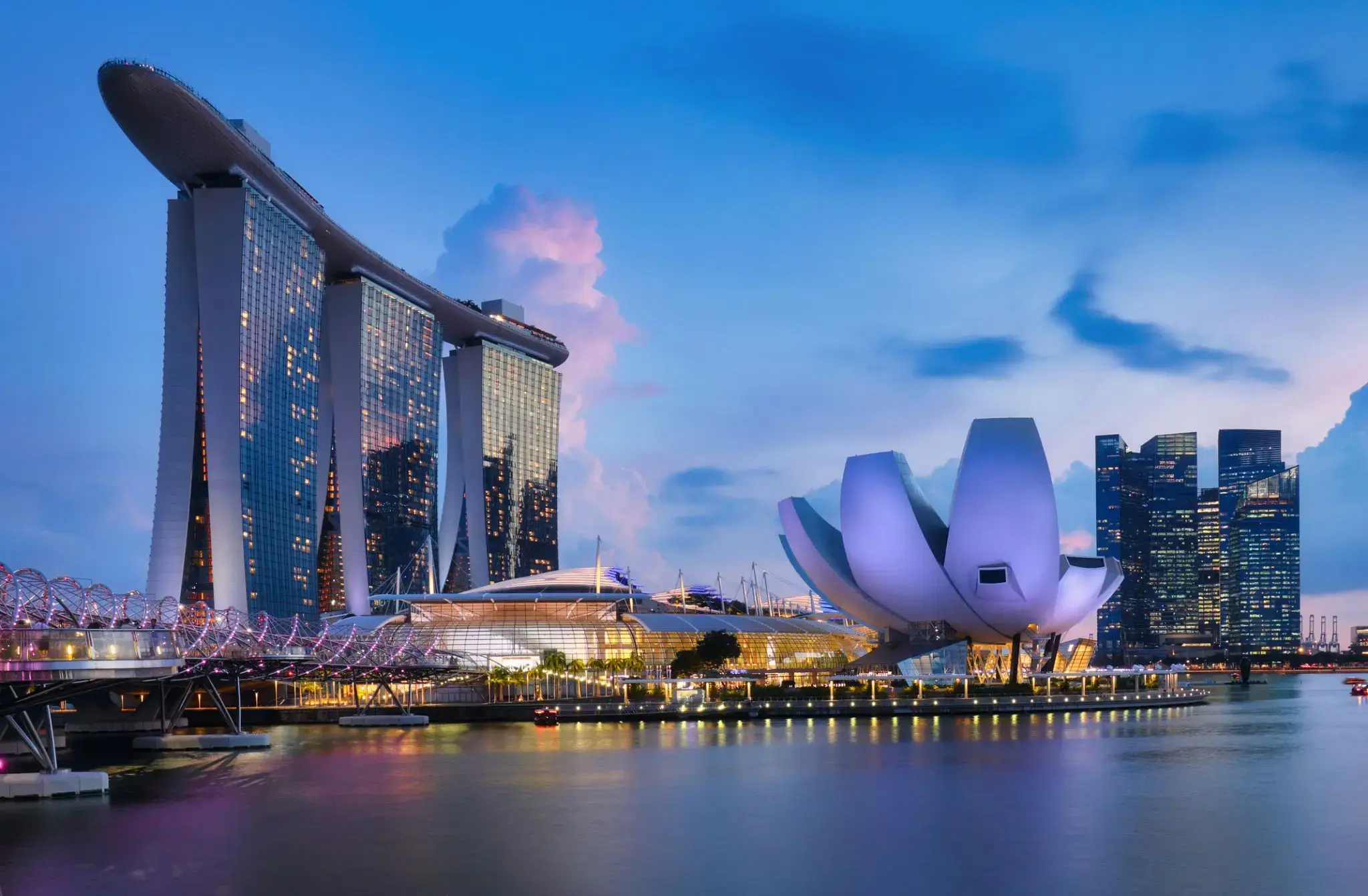
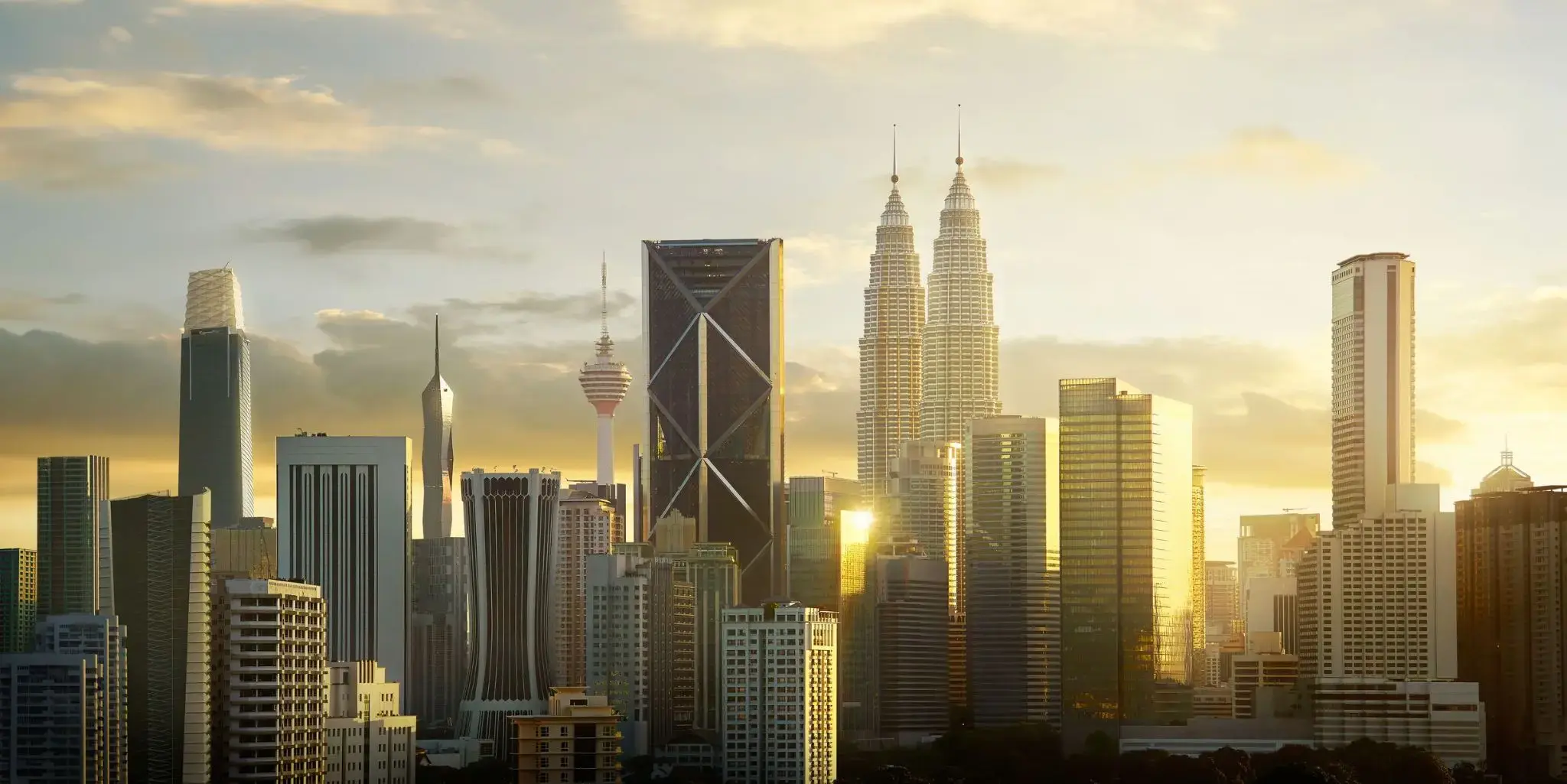
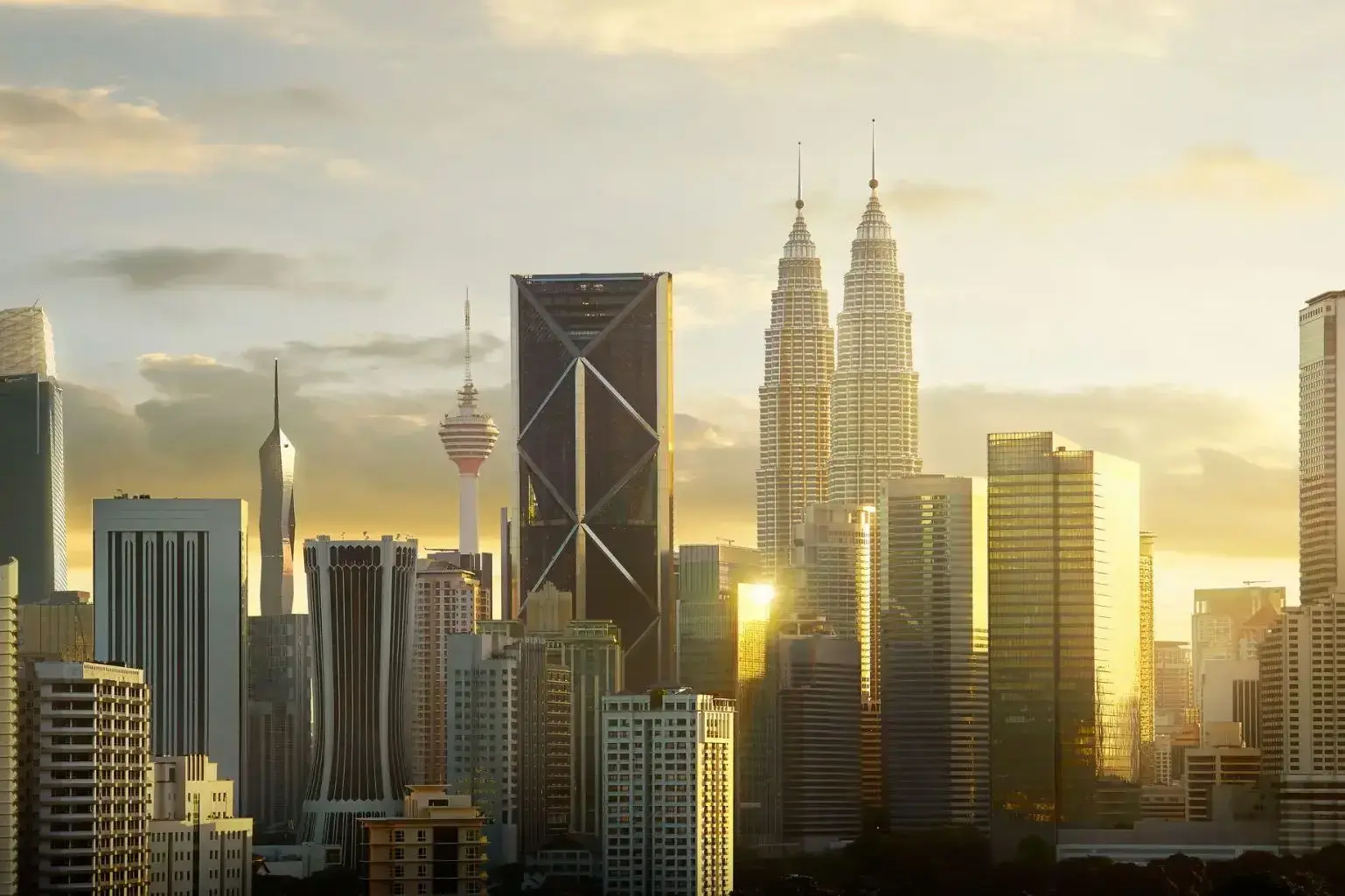
Kuala Lumpur is the dynamic capital of Malaysia, where futuristic skyscrapers stand alongside colonial buildings and traditional markets. The city emerged in the mid-19th century at the confluence of the Klang and Gombak rivers as a mining settlement and has since evolved into the nation's largest economic and cultural hub. Its iconic landmark is the Petronas Twin Towers, once the tallest buildings in the world, which remain a symbol of Malaysian progress and innovation.
For tourists, Kuala Lumpur offers a diverse array of experiences: from a morning stroll through the colonial-era Merdeka Square to evening shopping in the ultra-modern Bukit Bintang district. Visitors can explore the Islamic Arts Museum, savor street food in the Jalan Alor area, visit the Hindu temple in the Batu Caves, or relax under tropical trees in the Lake Gardens. The city, enriched by Malay, Chinese, and Indian cultures, invites exploration through its architecture, cuisine, and the rhythm of contemporary life.
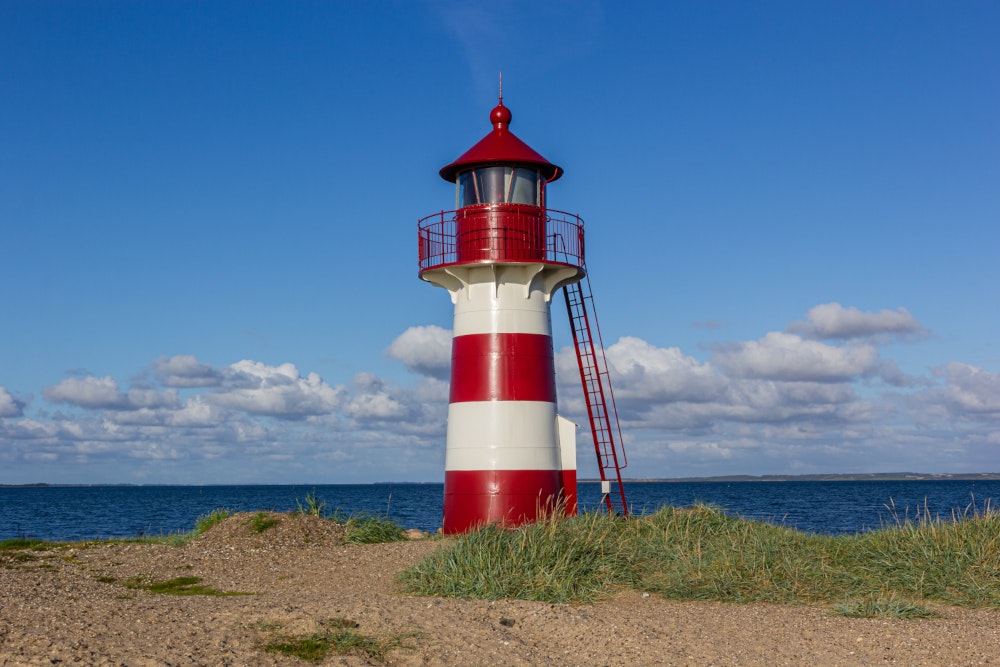
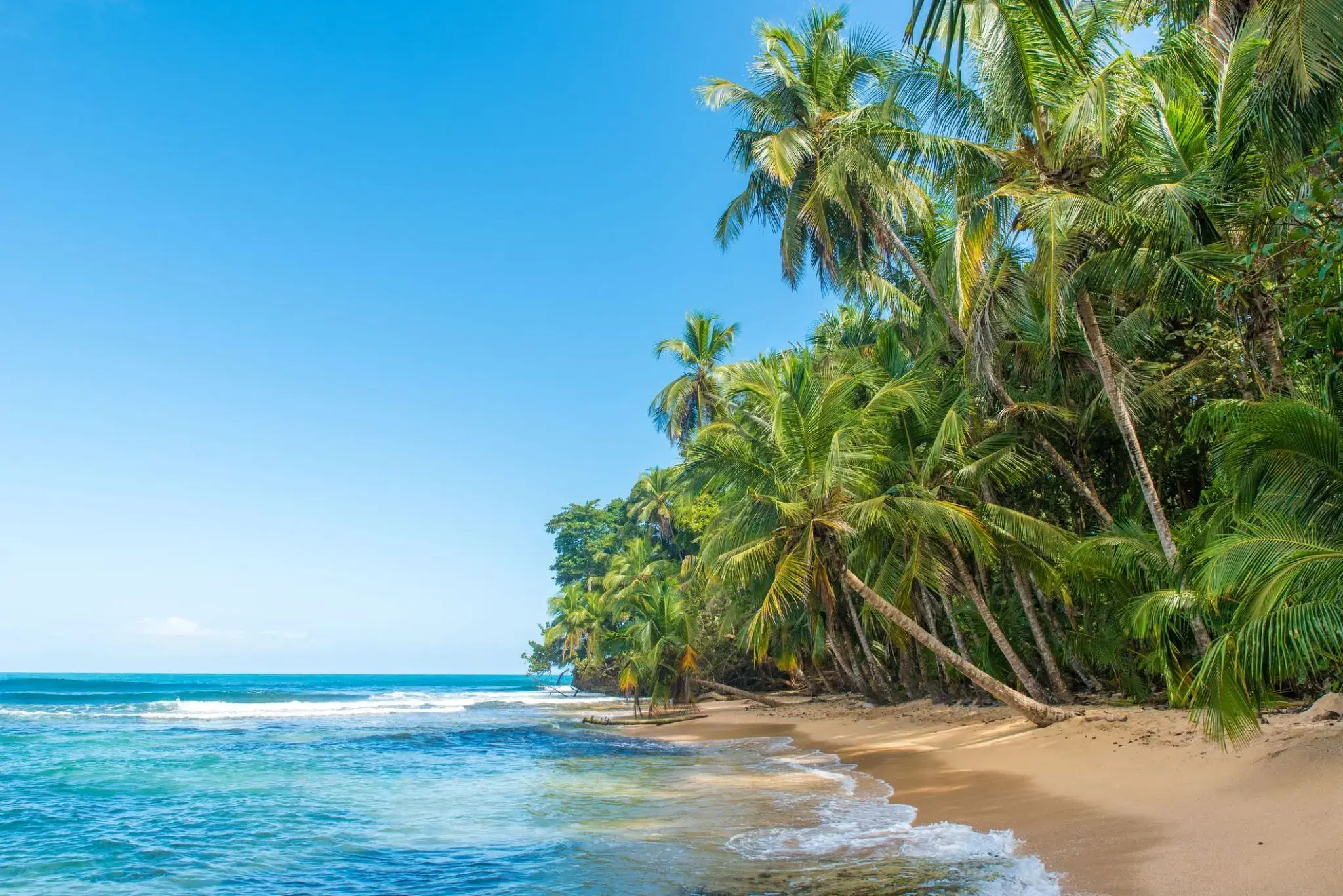
Hidden on the southern coast of Sri Lanka, Hambantota serves as a gateway to a region where exotic nature meets the country's modern ambitions. Deserted beaches give way to green hills, and cozy fishing villages sit alongside major infrastructure projects, including a modern port and airport, making the city a key strategic hub.
Hambantota is perfect for travelers seeking off-the-beaten-path adventures: safaris in nearby Yala National Park, birdwatching in the Bundala sanctuary, or exploring local Buddhist temples offer unforgettable experiences. The local cuisine, based on the freshest seafood and fragrant spices, completes the picture of an ideal retreat away from the tourist crowds.
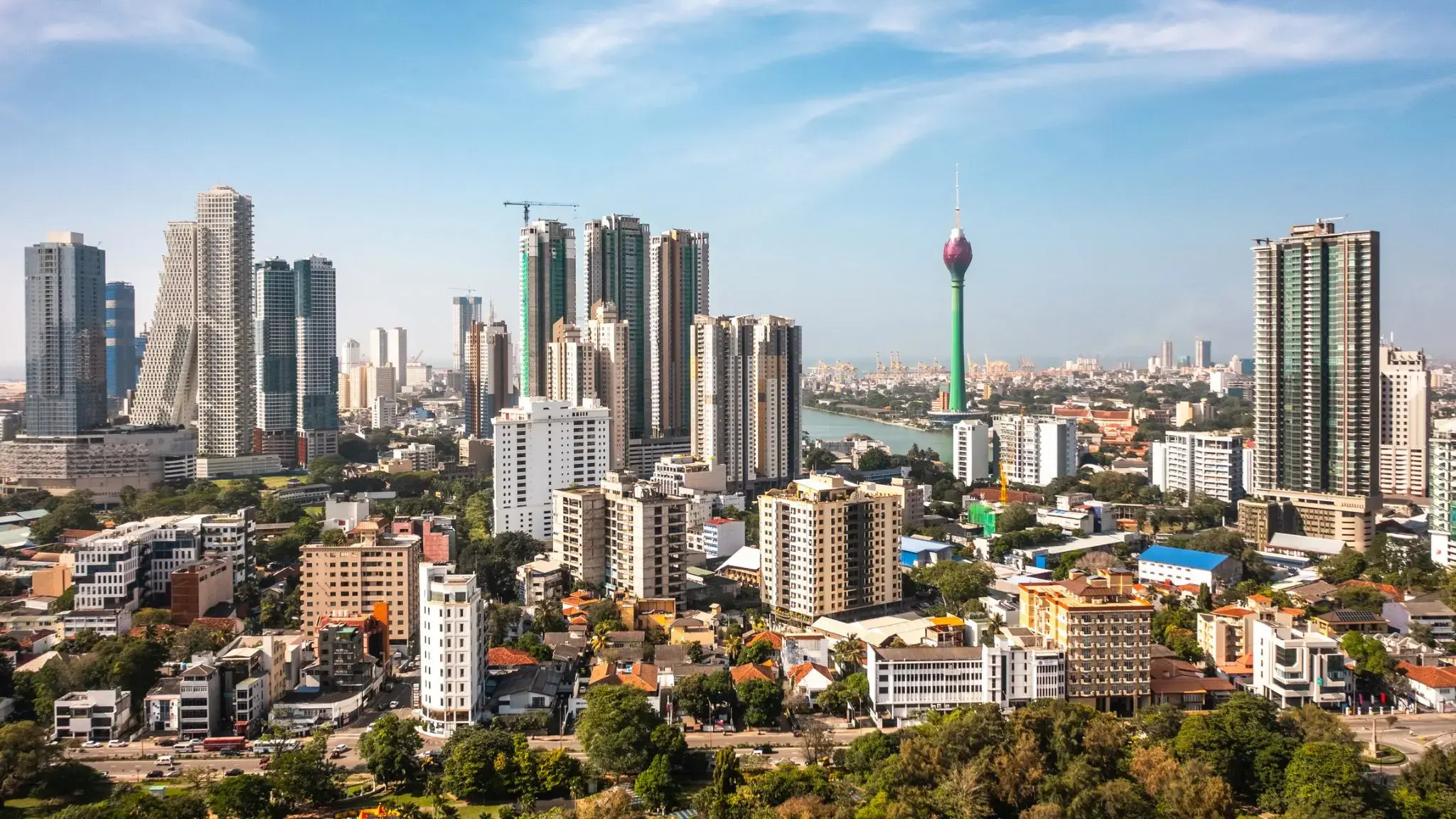
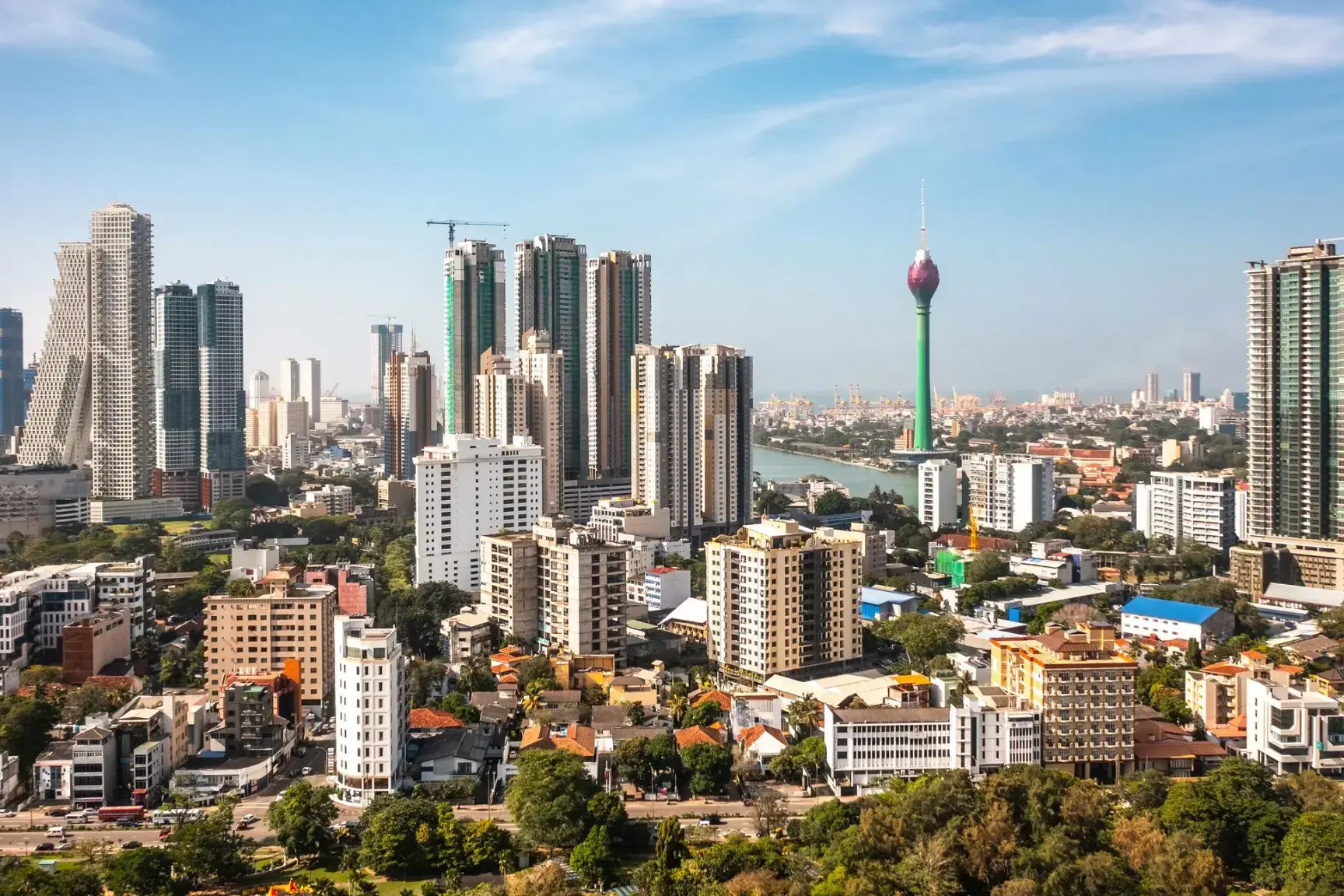
Colombo is the commercial capital and largest city of Sri Lanka. According to the Brookings Institution, Colombo metropolitan area has a population of 5.6 million, and 752,993 in the city proper. It is the financial centre of the island and a popular tourist destination. It is located on the west coast of the island and adjacent to the Greater Colombo area which includes Sri Jayawardenepura Kotte, the legislative capital of Sri Lanka and Dehiwala-Mount Lavinia. Colombo is often referred to as the capital since Sri Jayawardenepura Kotte is within the urban area of, and a suburb of, Colombo. It is also the administrative capital of the Western Province and the district capital of Colombo District. Colombo is a busy and vibrant place with a mixture of modern life and colonial buildings and ruins. It was the legislative capital of Sri Lanka until 1982.
Due to its large harbour and its strategic position along the East-West sea trade routes, Colombo was known to ancient traders 2,000 years ago. It was made the capital of the island when Sri Lanka was ceded to the British Empire in 1815, and its status as capital was retained when the nation became independent in 1948. In 1978, when administrative functions were moved to Sri Jayawardenepura Kotte, Colombo was designated as the commercial capital of Sri Lanka.
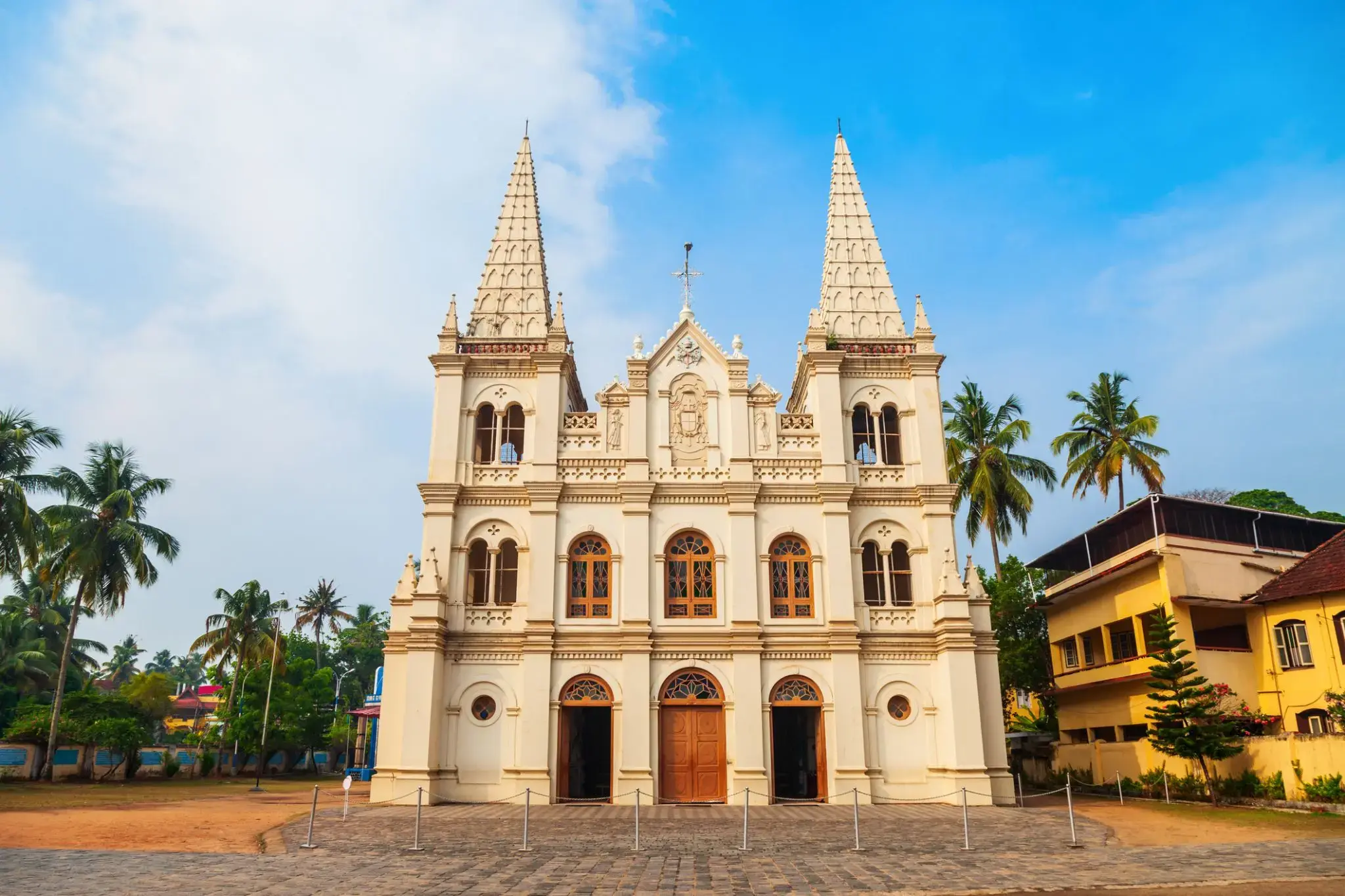
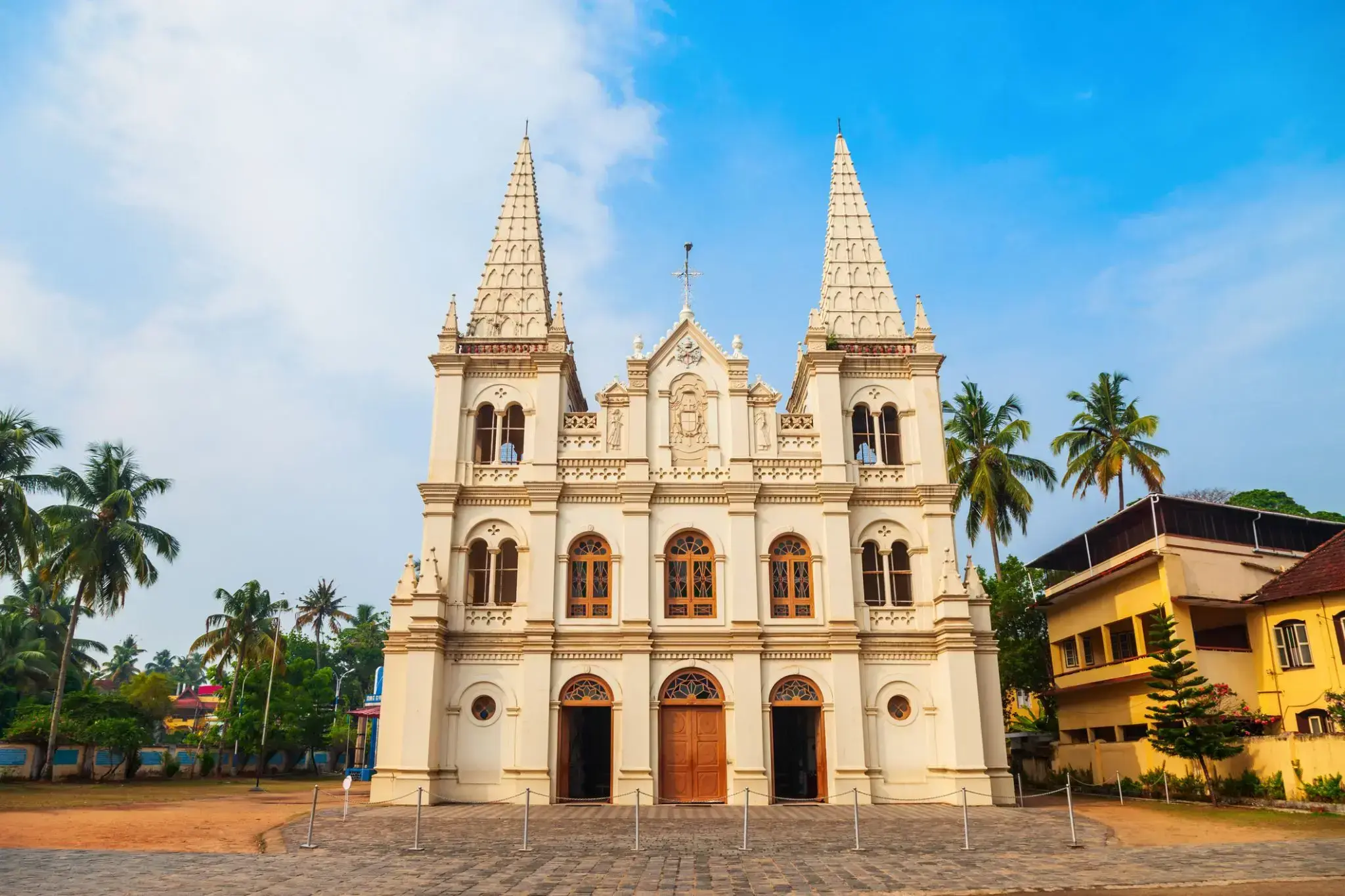
a seaport and naval base on the Malabar Coast of southwestern India, in the state of Kerala; population 254,500 (est. 2009).
a seaport and naval base on the Malabar Coast of southwestern India, in the state of Kerala; population 254,500 (est. 2009).
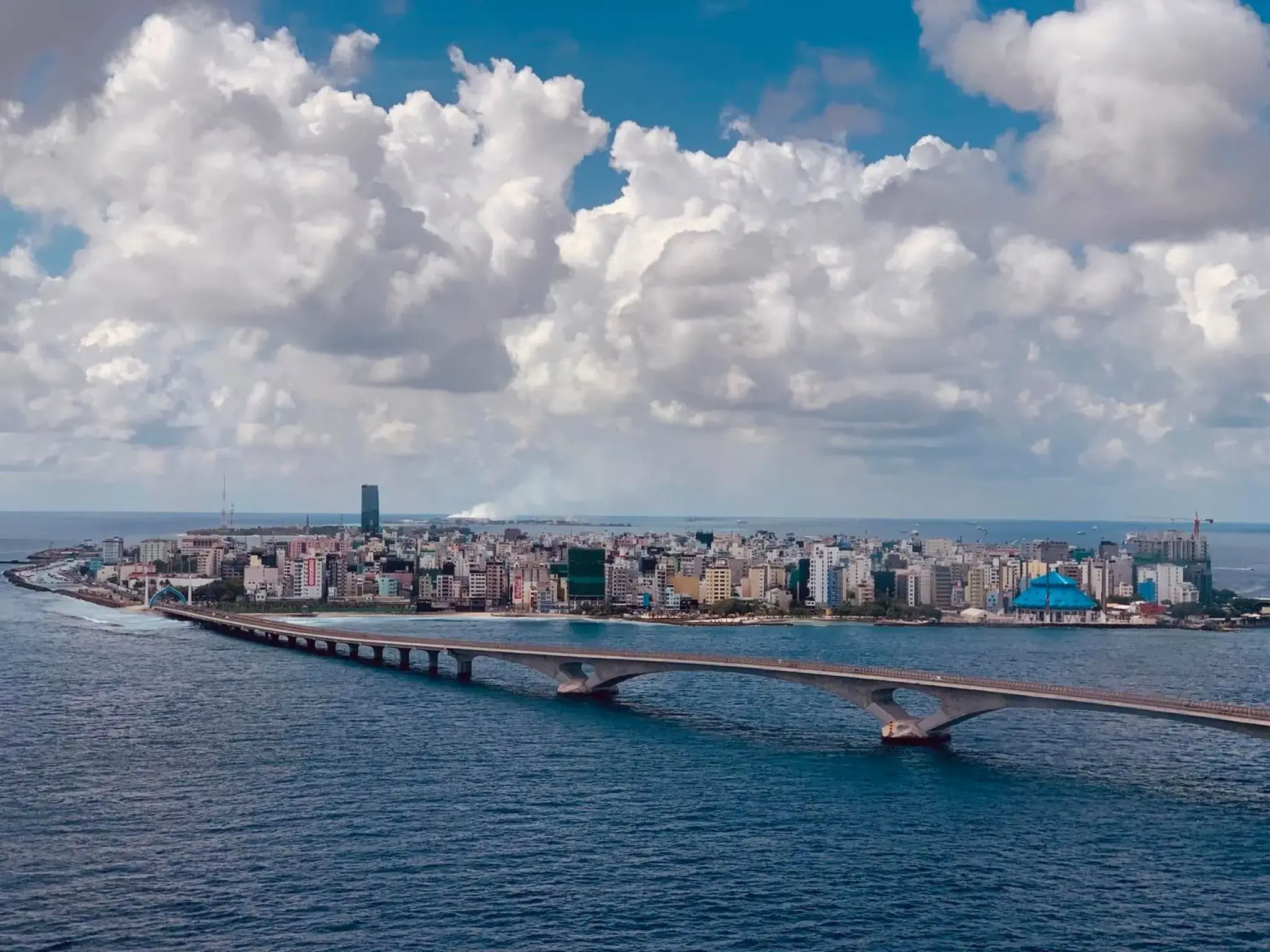
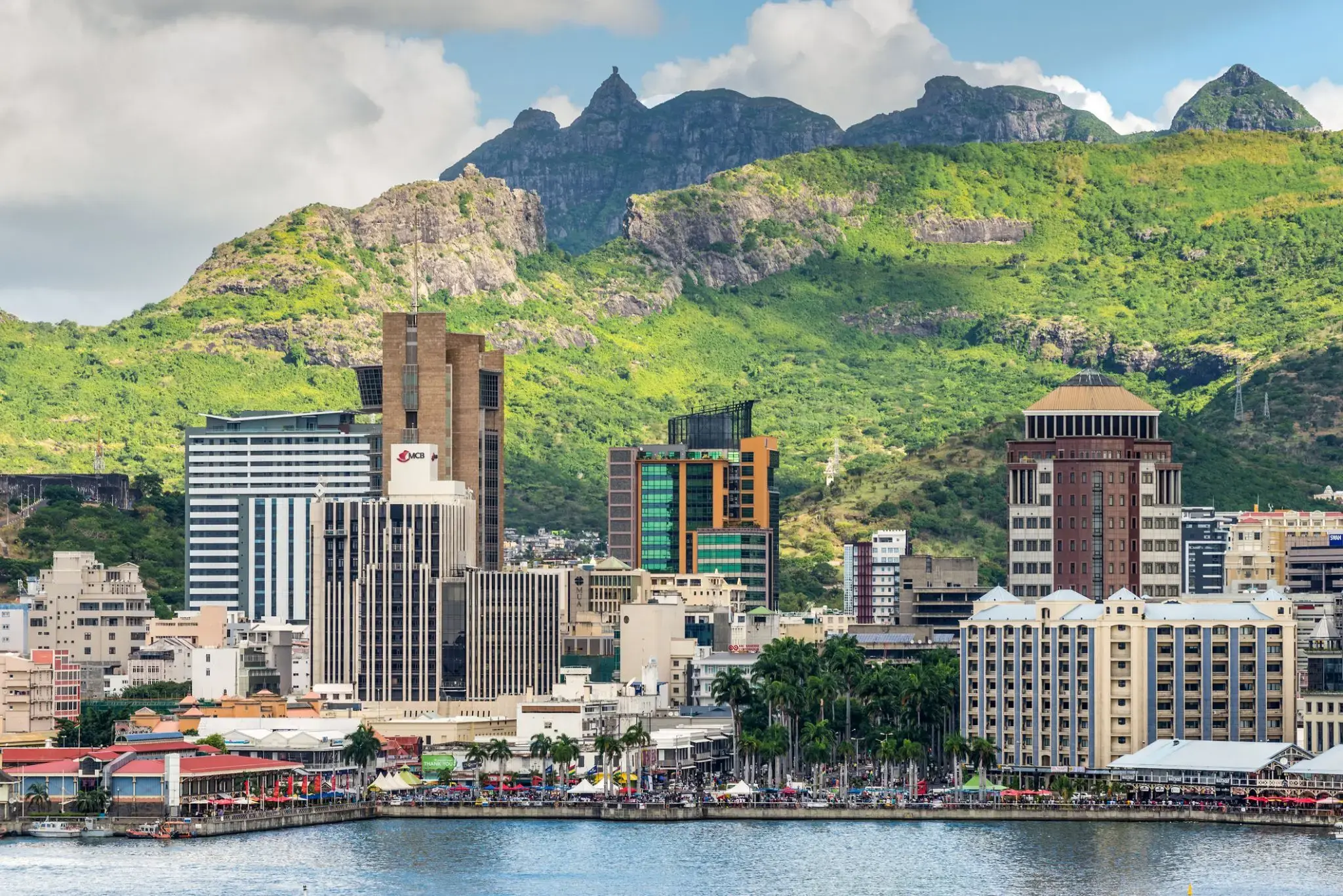
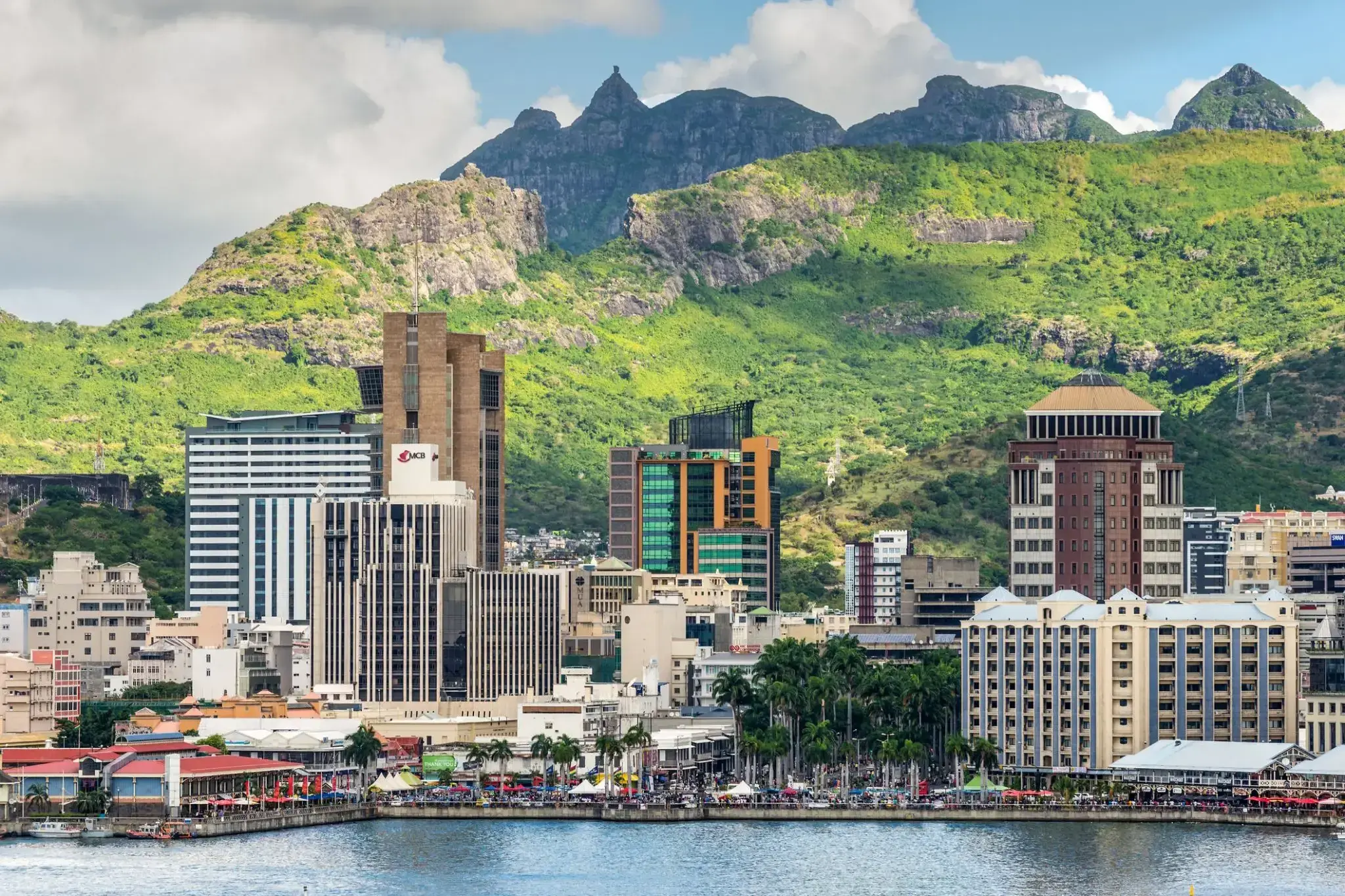
Port Louis is the capital and main port of Mauritius, located on the island’s northwest coast. This lively city combines colonial heritage, modern business hubs, and vibrant Creole culture. The historic center of Port Louis preserves buildings from the French and British eras, with Fort Adelaide (also known as the Citadel) standing out as a key attraction offering panoramic views of the city and harbor. Nearby is the Port Louis Market, a colorful center of local life where visitors can find spices, fruits, textiles, and handcrafted goods.
The city is also renowned for its museums, including the Mauritius Postal Museum, which displays the island’s first postage stamp — the famous “Blue Mauritius.” In addition to its cultural landmarks, Port Louis offers a wide range of culinary experiences influenced by Indian, Chinese, African, and European traditions. In the evening, the Caudan Waterfront becomes a favorite spot for strolls, shopping, and enjoying the vibrant atmosphere.
Port Louis is the capital and main port of Mauritius, located on the island’s northwest coast. This lively city combines colonial heritage, modern business hubs, and vibrant Creole culture. The historic center of Port Louis preserves buildings from the French and British eras, with Fort Adelaide (also known as the Citadel) standing out as a key attraction offering panoramic views of the city and harbor. Nearby is the Port Louis Market, a colorful center of local life where visitors can find spices, fruits, textiles, and handcrafted goods.
The city is also renowned for its museums, including the Mauritius Postal Museum, which displays the island’s first postage stamp — the famous “Blue Mauritius.” In addition to its cultural landmarks, Port Louis offers a wide range of culinary experiences influenced by Indian, Chinese, African, and European traditions. In the evening, the Caudan Waterfront becomes a favorite spot for strolls, shopping, and enjoying the vibrant atmosphere.
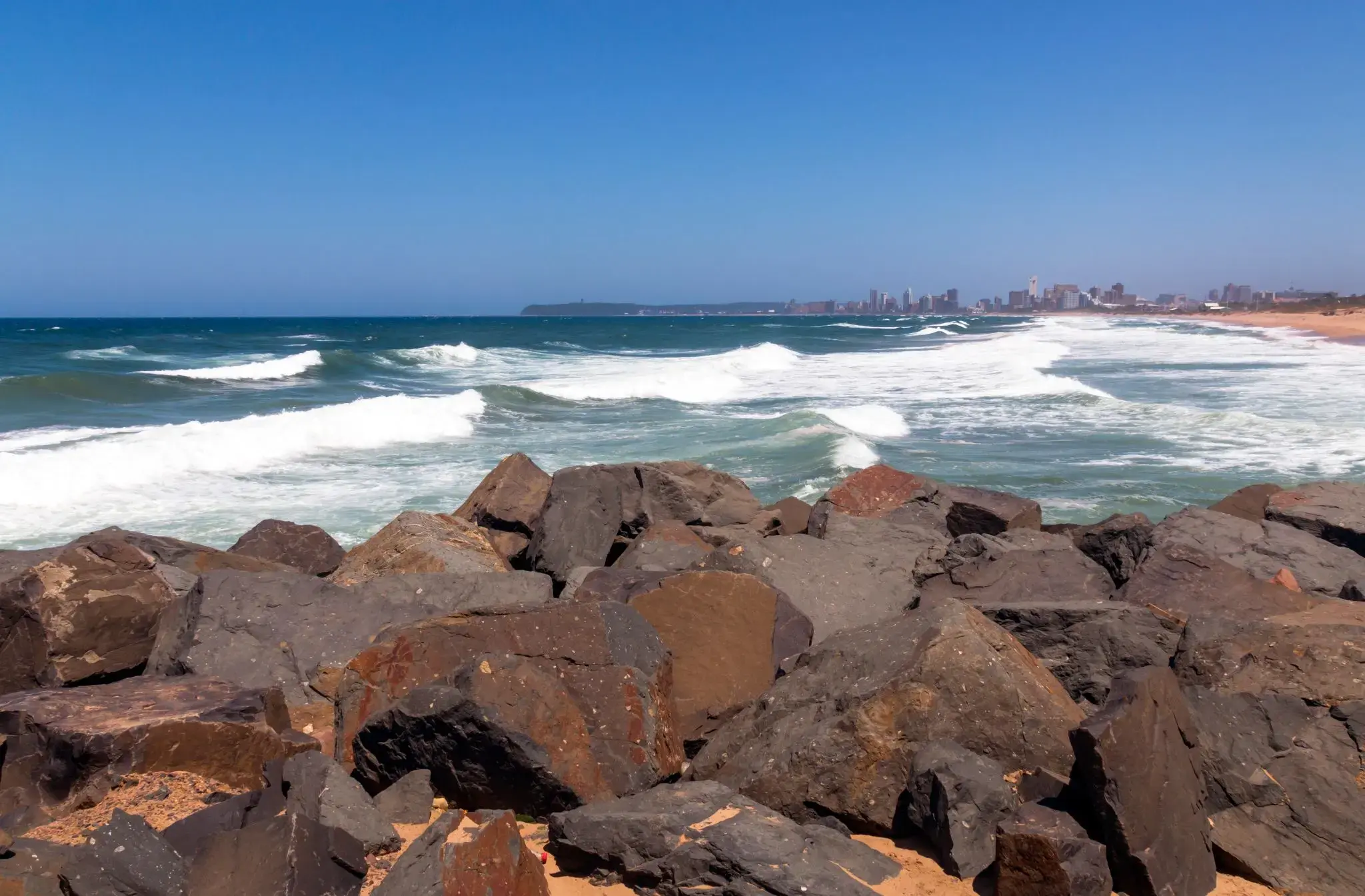
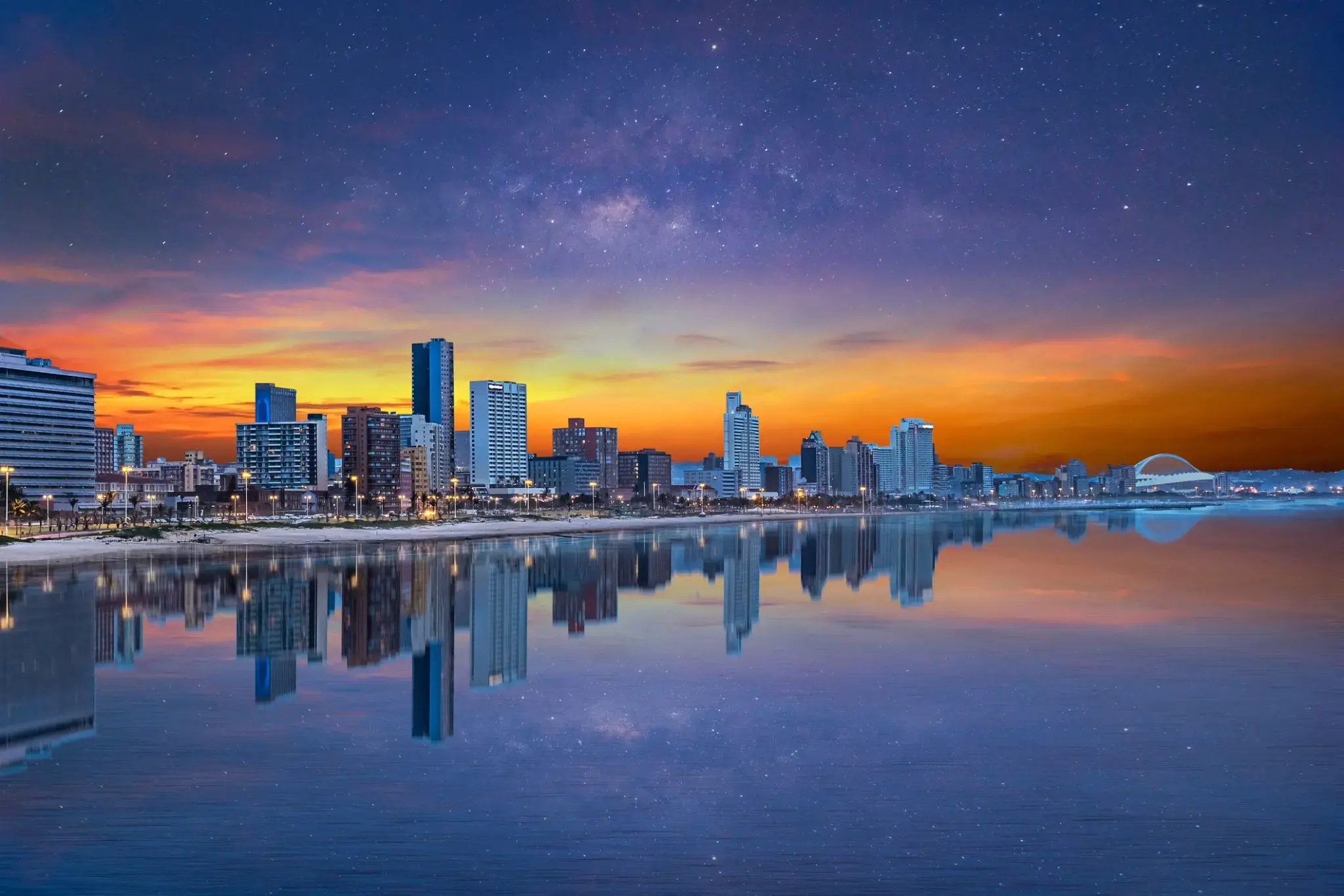
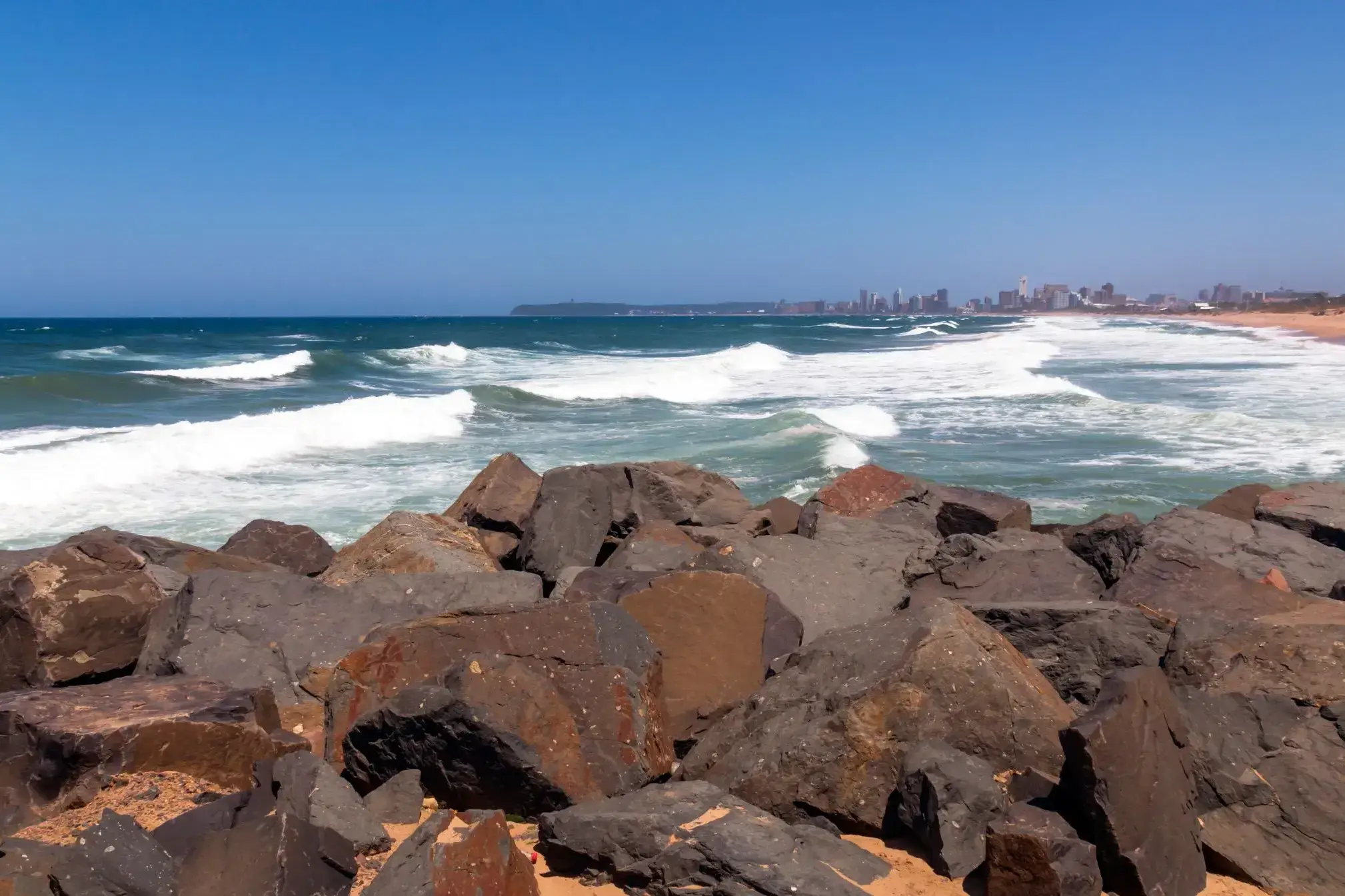
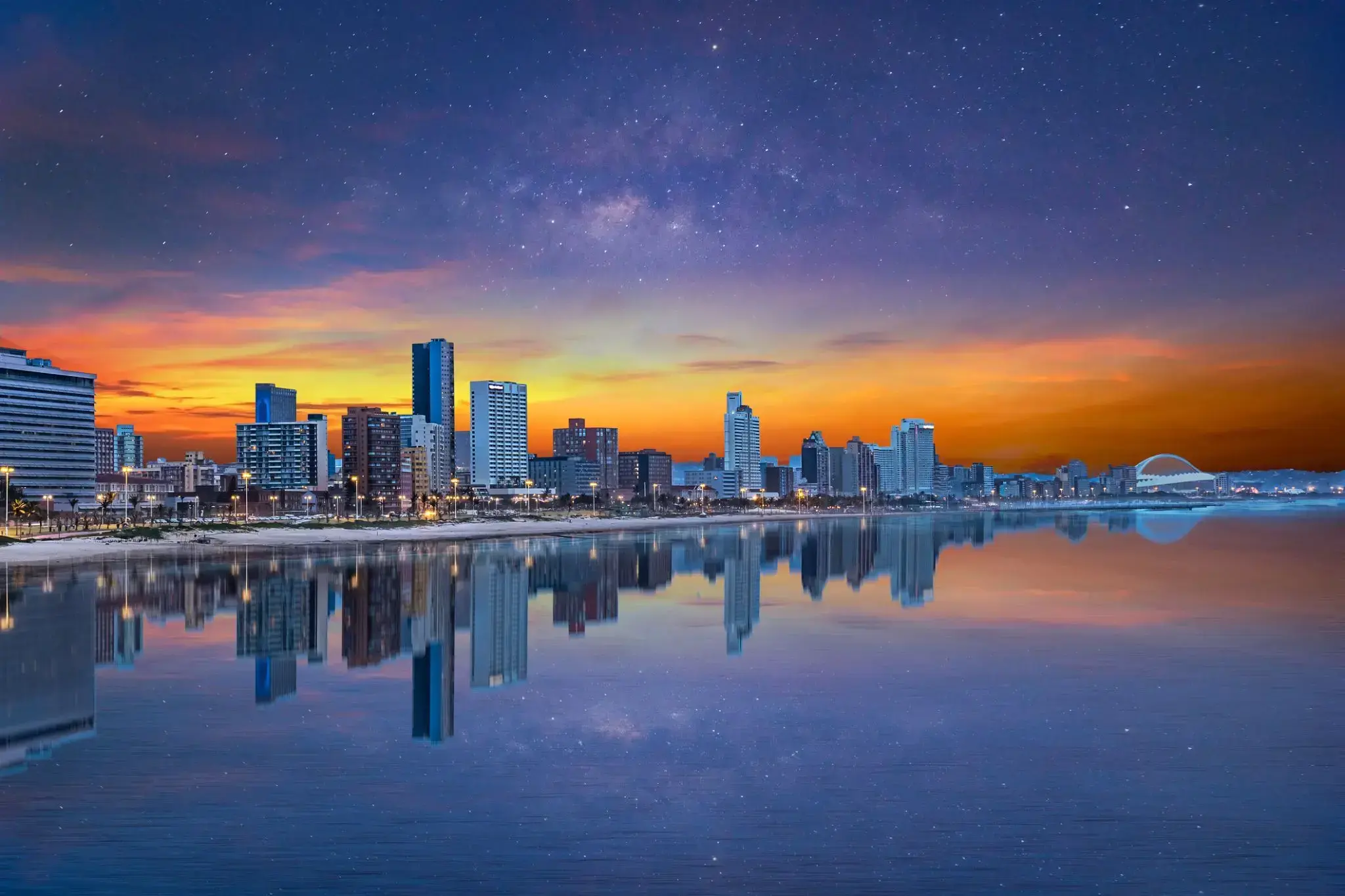
Durban is the third most populous city in South Africa—after Johannesburg and Cape Town—and the largest city in the South African province of KwaZulu-Natal. Located on the east coast of South Africa, Durban is famous for being the busiest port in the country. It is also seen as one of the major centres of tourism because of the city's warm subtropical climate and extensive beaches. Durban forms part of the eThekwini Metropolitan Municipality, which includes neighboring towns and has a population of about 3.44 million, making the combined municipality one of the biggest cities on the Indian Ocean coast of the African continent. It is also the second most important manufacturing hub in South Africa after Johannesburg. In 2015, Durban was recognised as one of the New7Wonders Cities (along with Vigan, Doha, La Paz, Havana, Beirut, and Kuala Lumpur).
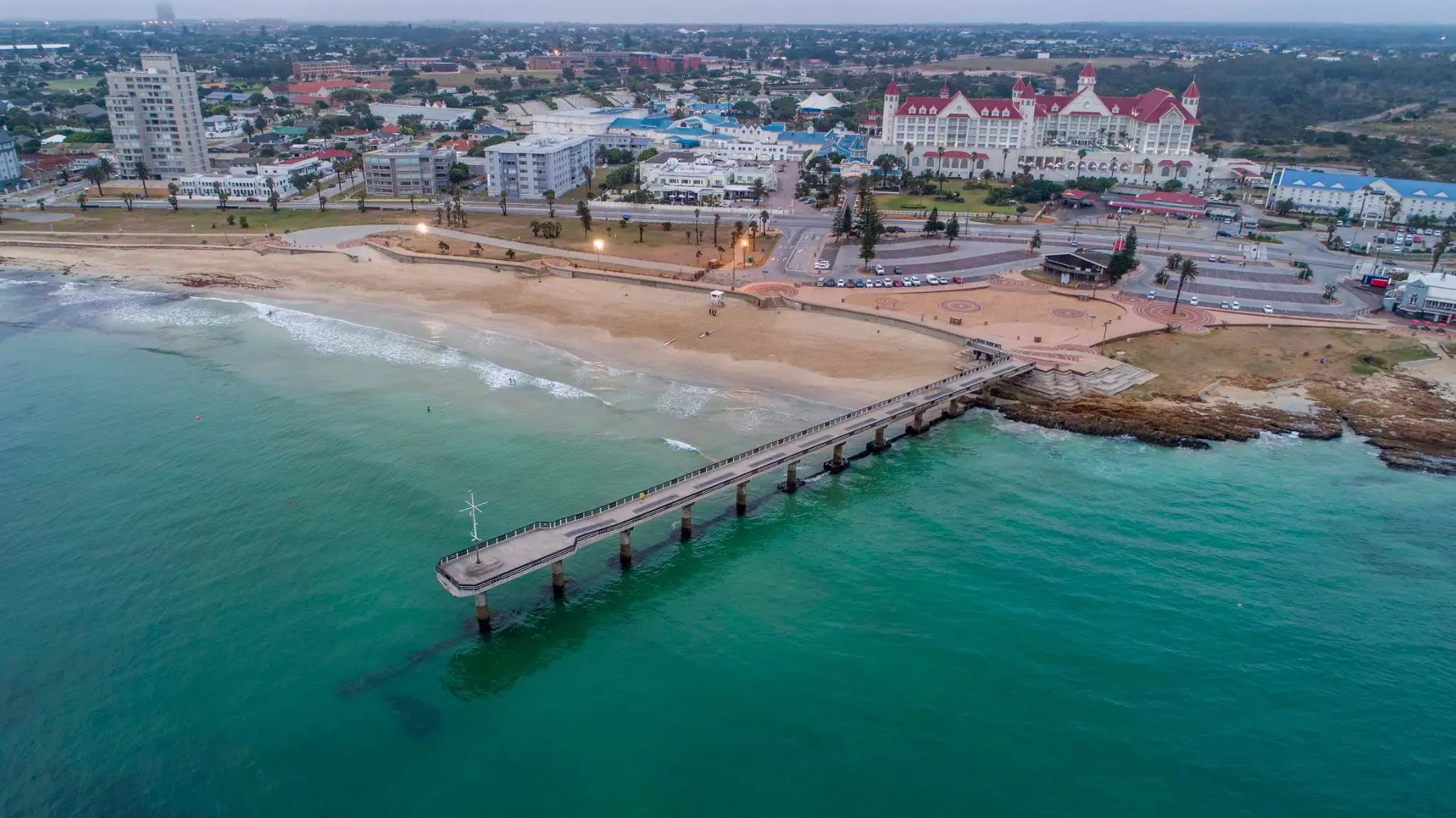
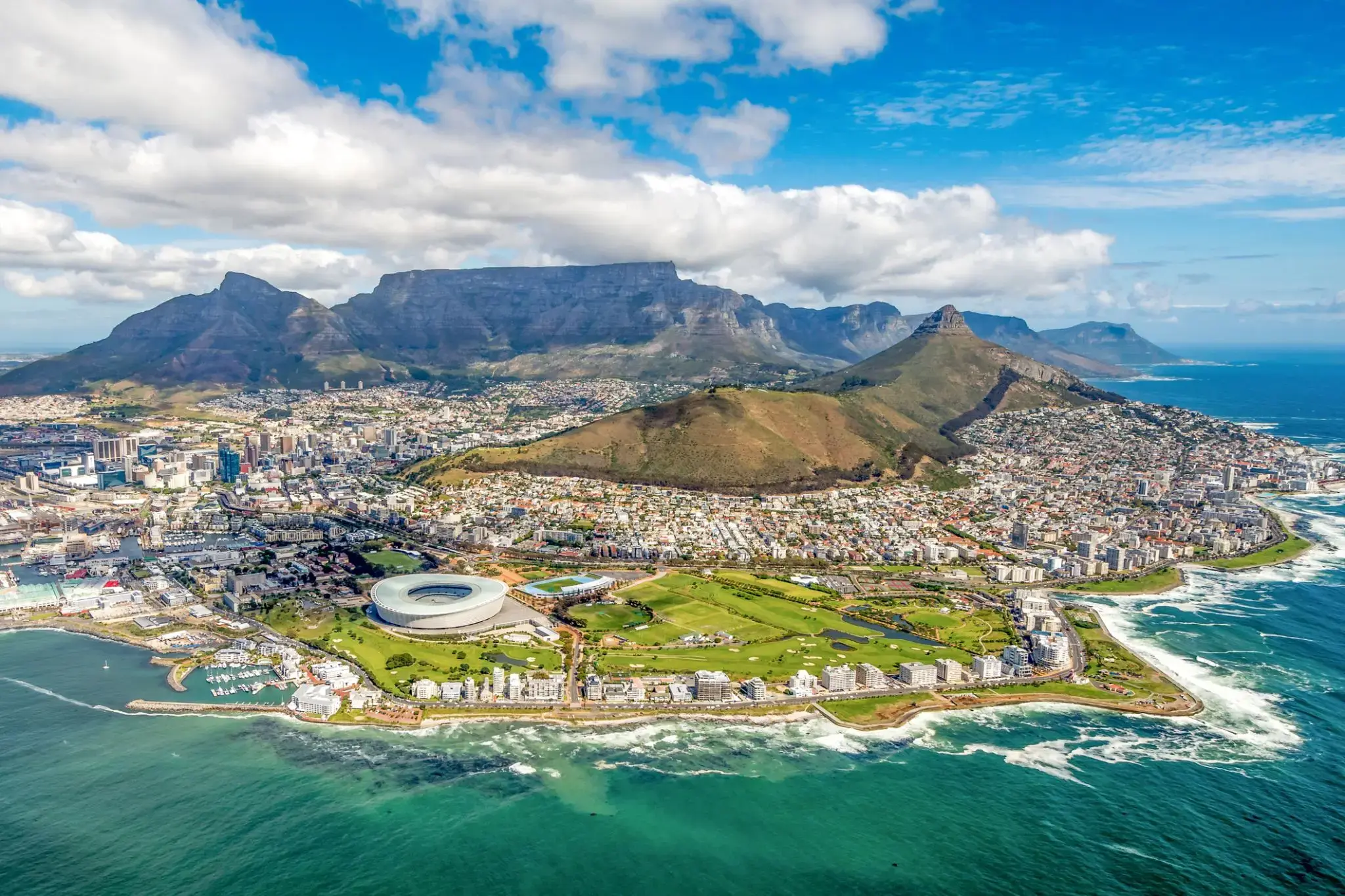
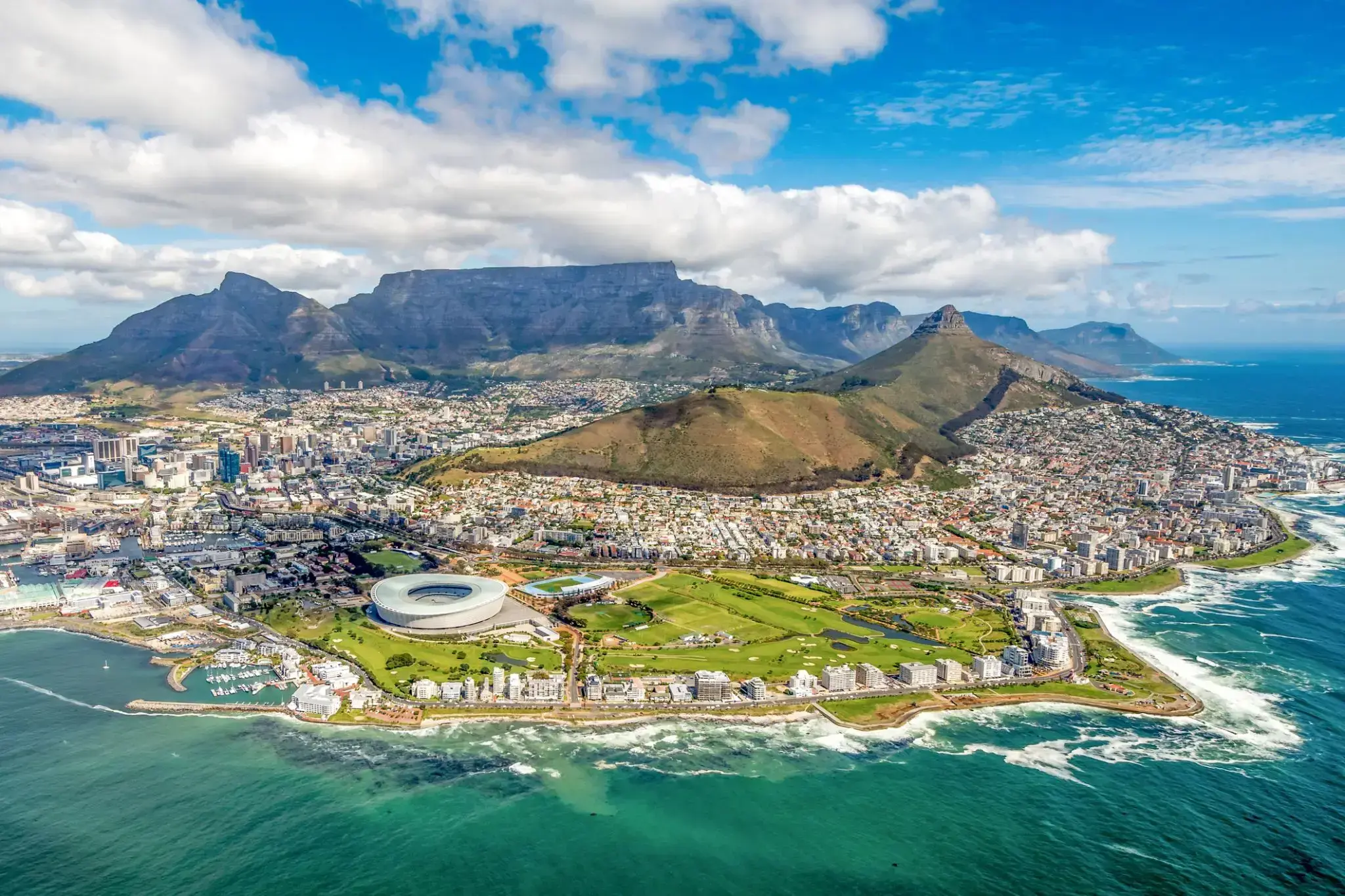
Cape Town is the oldest city in South Africa, colloquially named the Mother City. It is the legislative capital of South Africa and primate city of the Western Cape province. It forms part of the City of Cape Town metropolitan municipality.
The Parliament of South Africa sits in Cape Town. The other two capitals are located in Pretoria (the administrative capital where the Presidency is based) and Bloemfontein (the judicial capital where the Supreme Court of Appeal is located). The city is known for its harbour, for its natural setting in the Cape Floristic Region, and for landmarks such as Table Mountain and Cape Point. As of 2014, it is the 10th most populous city in Africa and home to 64% of the Western Cape's population. It is one of the most multicultural cities in the world, reflecting its role as a major destination for immigrants and expatriates to South Africa. The city was named the World Design Capital for 2014 by the International Council of Societies of Industrial Design. In 2014, Cape Town was named the best place in the world to visit by both The New York Times and The Daily Telegraph.
Located on the shore of Table Bay, Cape Town, as the oldest urban area in South Africa, was developed by the Dutch East India Company (VOC) as a supply station for Dutch ships sailing to East Africa, India, and the Far East. Jan van Riebeeck's arrival on 6 April 1652 established Dutch Cape Colony, the first permanent European settlement in South Africa. Cape Town outgrew its original purpose as the first European outpost at the Castle of Good Hope, becoming the economic and cultural hub of the Cape Colony. Until the Witwatersrand Gold Rush and the development of Johannesburg, Cape Town was the largest city in South Africa.
Cape Town is the oldest city in South Africa, colloquially named the Mother City. It is the legislative capital of South Africa and primate city of the Western Cape province. It forms part of the City of Cape Town metropolitan municipality.
The Parliament of South Africa sits in Cape Town. The other two capitals are located in Pretoria (the administrative capital where the Presidency is based) and Bloemfontein (the judicial capital where the Supreme Court of Appeal is located). The city is known for its harbour, for its natural setting in the Cape Floristic Region, and for landmarks such as Table Mountain and Cape Point. As of 2014, it is the 10th most populous city in Africa and home to 64% of the Western Cape's population. It is one of the most multicultural cities in the world, reflecting its role as a major destination for immigrants and expatriates to South Africa. The city was named the World Design Capital for 2014 by the International Council of Societies of Industrial Design. In 2014, Cape Town was named the best place in the world to visit by both The New York Times and The Daily Telegraph.
Located on the shore of Table Bay, Cape Town, as the oldest urban area in South Africa, was developed by the Dutch East India Company (VOC) as a supply station for Dutch ships sailing to East Africa, India, and the Far East. Jan van Riebeeck's arrival on 6 April 1652 established Dutch Cape Colony, the first permanent European settlement in South Africa. Cape Town outgrew its original purpose as the first European outpost at the Castle of Good Hope, becoming the economic and cultural hub of the Cape Colony. Until the Witwatersrand Gold Rush and the development of Johannesburg, Cape Town was the largest city in South Africa.