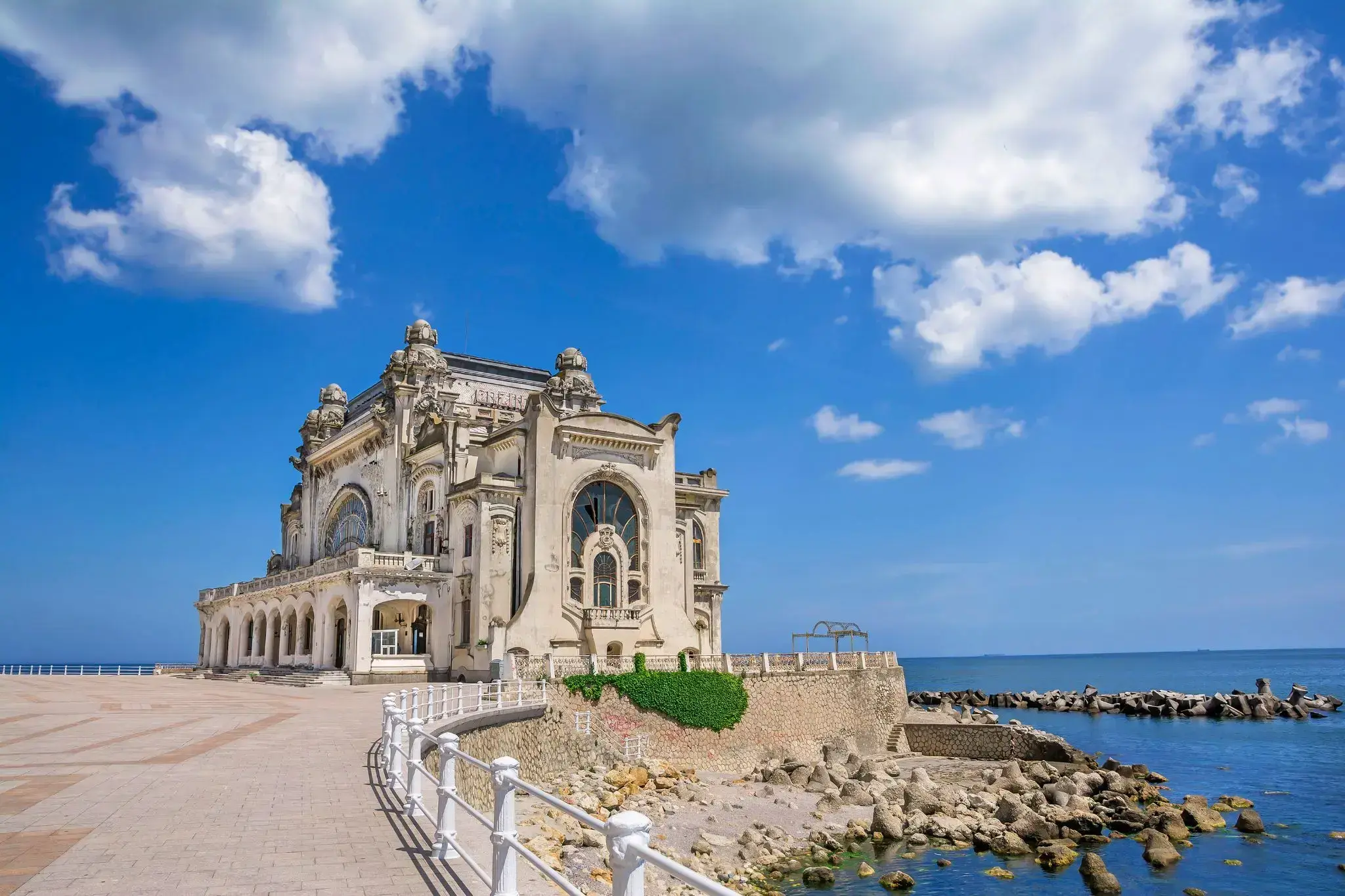
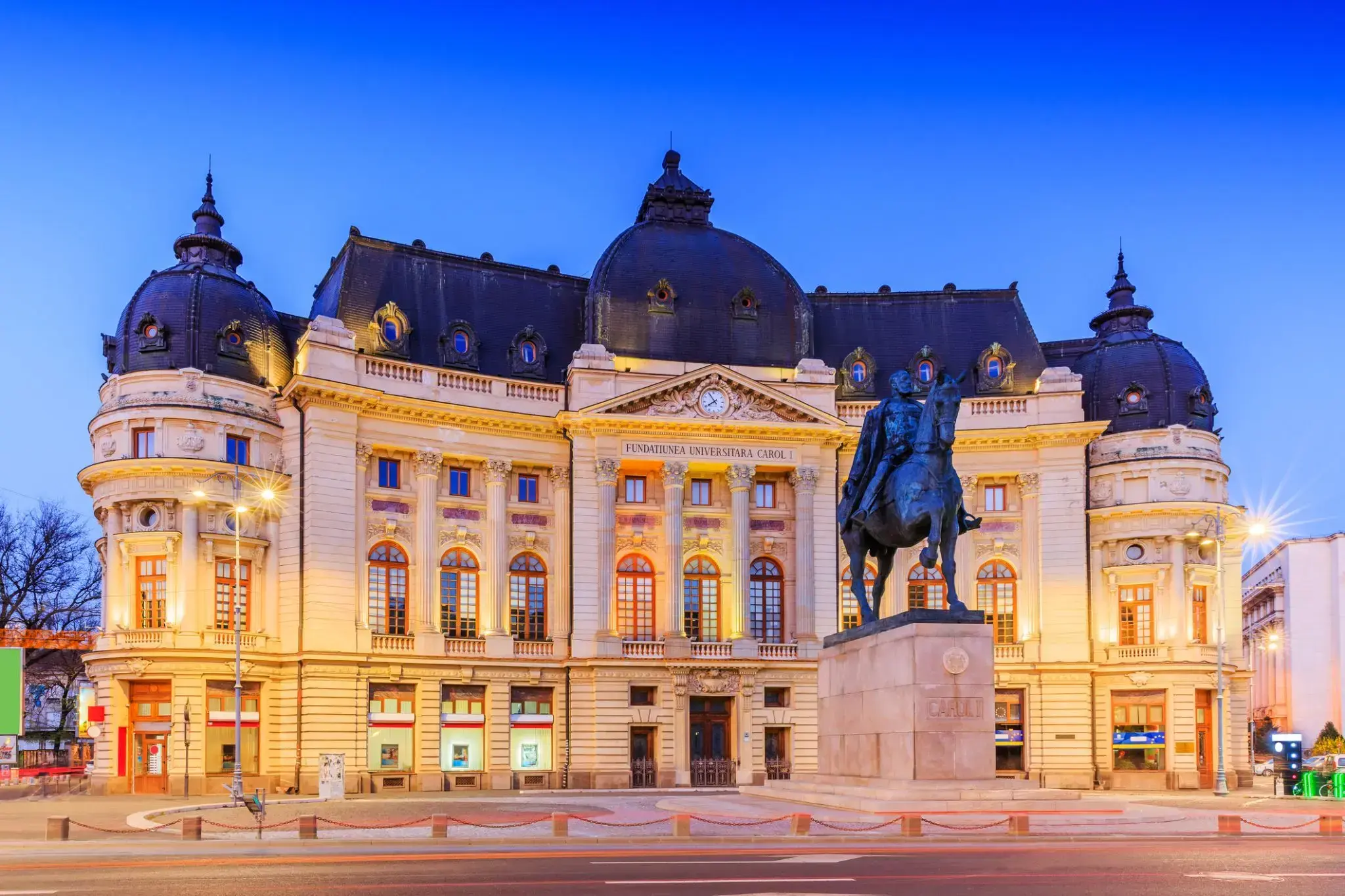
| Cruise Region : Northern Europe, Europe |
| Company : Uniworld |
| Ship : S.S. Helen |
| Journey Start : շբթ 23 սեպ 2028 |
| Journey End : կիր 22 հոկ 2028 |
| Count Nights : 29 nights |
| Day | Date | Port |
|---|---|---|
| 1 | 23.09 շբթ | Ամստերդամ / Netherlands |
| 2 | 24.09 կիր | Ամստերդամ / Netherlands |
| 3 | 25.09 երկ | Դյուսելդորֆ / Germany |
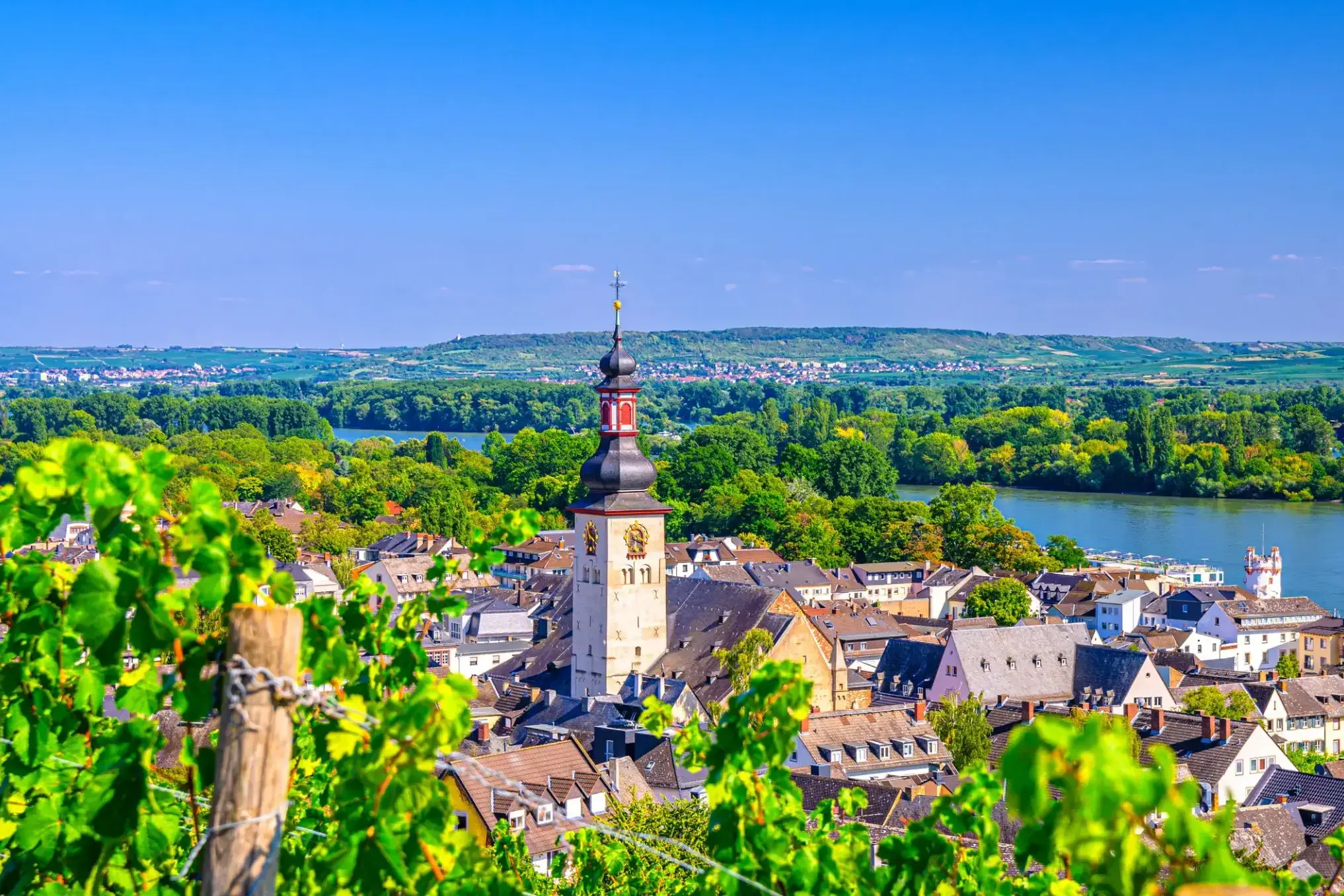
| 4 | 26.09 երք | Ռուդեշայմ / Germany |
| 5 | 27.09 չրք | Միլտենբերգ / Germany |
| 6 | 28.09 հնգ | Վյուրզբուրգ / Germany |
| 7 | 29.09 ուր | Վոլկաչ / Germany |
| 8 | 30.09 շբթ | Բամբերգ / Germany |
| 9 | 1.10 կիր | Նյուրնբերգ / Germany |
| 10 | 2.10 երկ | Ռեգենսբուրգ / Germany |
| 11 | 3.10 երք | Պասաու / Germany |
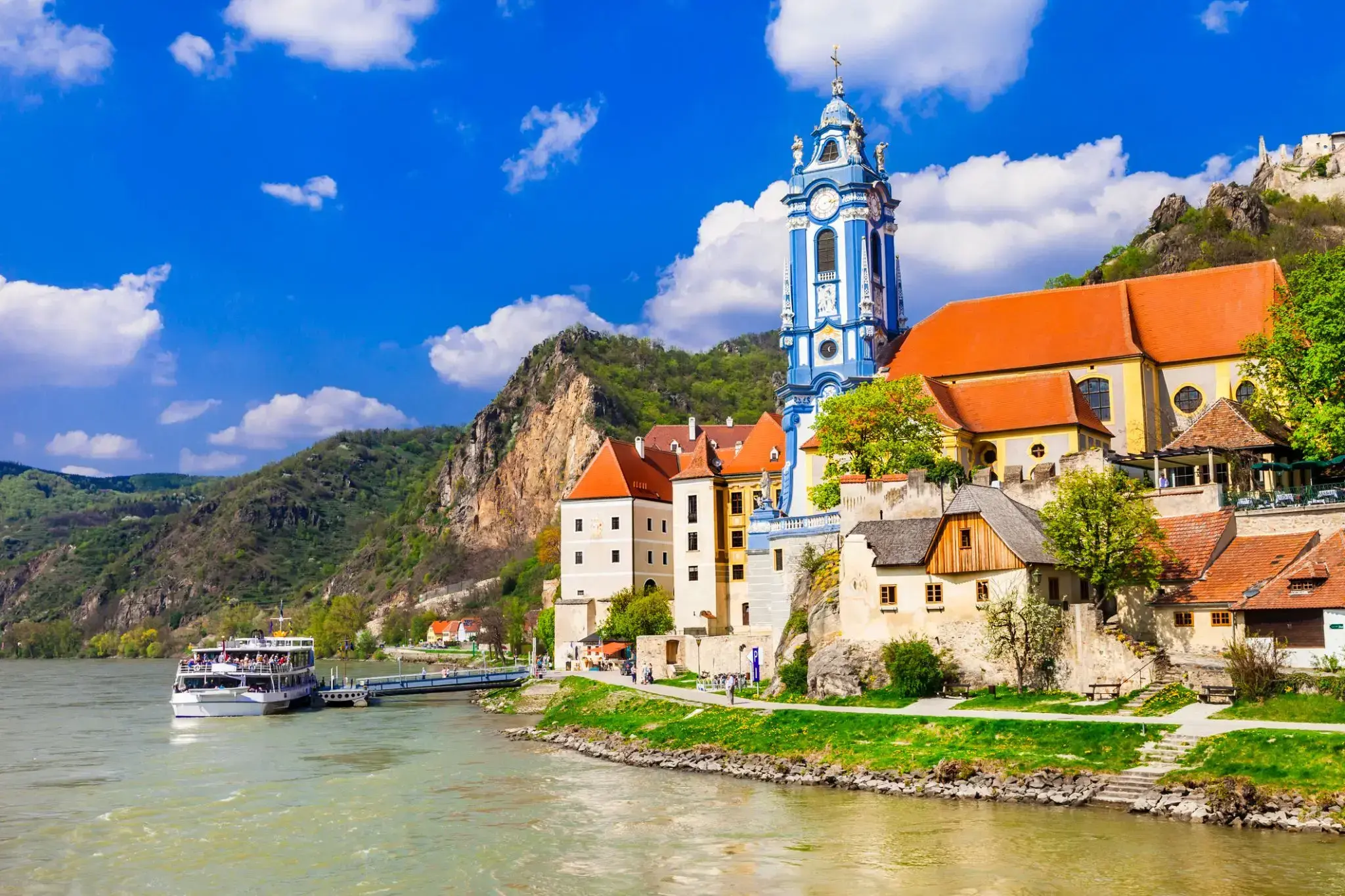
| 12 | 4.10 չրք | Դուրնշտեյնը / Austria |
| 13 | 5.10 հնգ | Երակային / Austria |
| 14 | 6.10 ուր | Երակային / Austria |
| 15 | 7.10 շբթ | Երակային / Austria |
| 16 | 8.10 կիր | Երակային / Austria |
| 17 | 9.10 երկ | Բրատիսլավա / Slovakia |
| 18 | 10.10 երք | Բուդապեշտ / Hungary |
| 19 | 11.10 չրք | Իլոկ / Croatia |
| 20 | 12.10 հնգ | Նովի Սադ / Serbia |
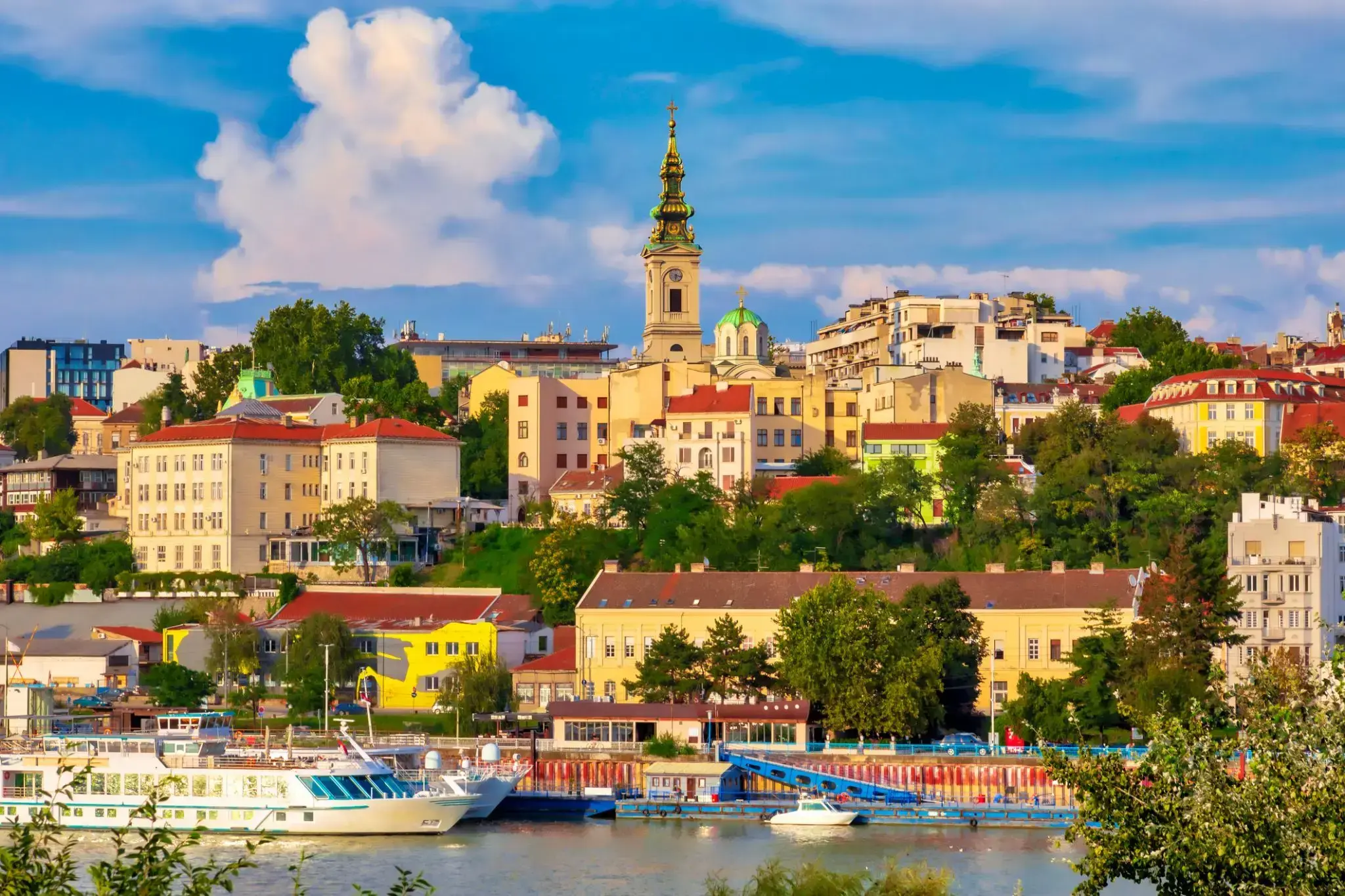
| 21 | 13.10 ուր | Բելգրադ / Serbia |
| 22 | 14.10 շբթ | Բելգրադ / Serbia |
| 23 | 15.10 կիր | Բելգրադ / Serbia |
| 24 | 16.10 երկ | Գոլուբաց / Serbia |
| 25 | 17.10 երք | Տեսած / Bulgaria |
| 26 | 18.10 չրք | Ֆետեշտի / Romania |
| 27 | 19.10 հնգ | Հարսովա |
| 28 | 20.10 ուր | Կոնստանցիա / Romania |
| 29 | 21.10 շբթ | Բուխարեստ / Romania |
| 30 | 22.10 կիր | Բուխարեստ / Romania |
DINING
All meals onboard, prepared using the finest and freshest ingredients
Captain’s Welcome and Farewell Receptions
Welcome and Farewell Gala Dinners
Unlimited beverages onboard, including fine wine, beer, spirits, specialty coffee and tea, soft drinks, and mineral water
EXCURSIONS
all fully hosted by English-speaking local experts
Guided “Let's Go” and “Village Day” programs
State-of-the-art Quietvox portable audio-headset system on all excursions
Use of bicycles and Nordic walking sticks
ACCOMMODATIONS
Lavishly appointed riverview staterooms and suites have handcrafted Savoir® Beds of England, high thread count 100% Egyptian cotton sheets and European duvets, and a menu of pillow options
Free Wi-Fi
EXPERIENCES
Services of an experienced Uniworld Cruise Manager
Cultural enrichment, including captivating onboard local entertainment
Gratuities for onboard personnel (ship staff, crew, Cruise/Tour Manager) are included during the cruise/tour
Reservations and Payments
A deposit of at least 10% of the cruise-tour fare (cruise-tour plus port charge plus pre and or post land extensions, less applicable discounts), per person
is required at time of booking. Final payment is due at least 120 days prior to departure. For new bookings a courtesy hold of up to 72 hours is allowed
but can not extend past the final payment due date. For bookings made within 120 days of departure full payment is due at time of booking.
Reservations will be canceled if payments are not received in a timely manner.
Cancellation Notice Received Before
Cruise-Tour Start Date
Cancellation Charges Per Person
• 120 days or more $200 per person for cruise-tour*
• 119 - 90 days 20% of the fare **
• 89 - 60 days 35% of the fare **
• 59 - 30 days 50% of the fare **
• No Show 100% of the fare **
• Less than 30 days 100% of the fare **
**Fare is defined as the cost of any cruise, or land, element purchased from
Uniworld.
If air is cancelled one hundred and nineteen (119) days prior to departure or
less, the full price of your air is non-refundable. Please see Air Cancellations for
details.
These cancellation fees are in addition to any cancellation fees that might be
levied by your travel agent. There is no refund for unused services or for
unused portions of the trip.
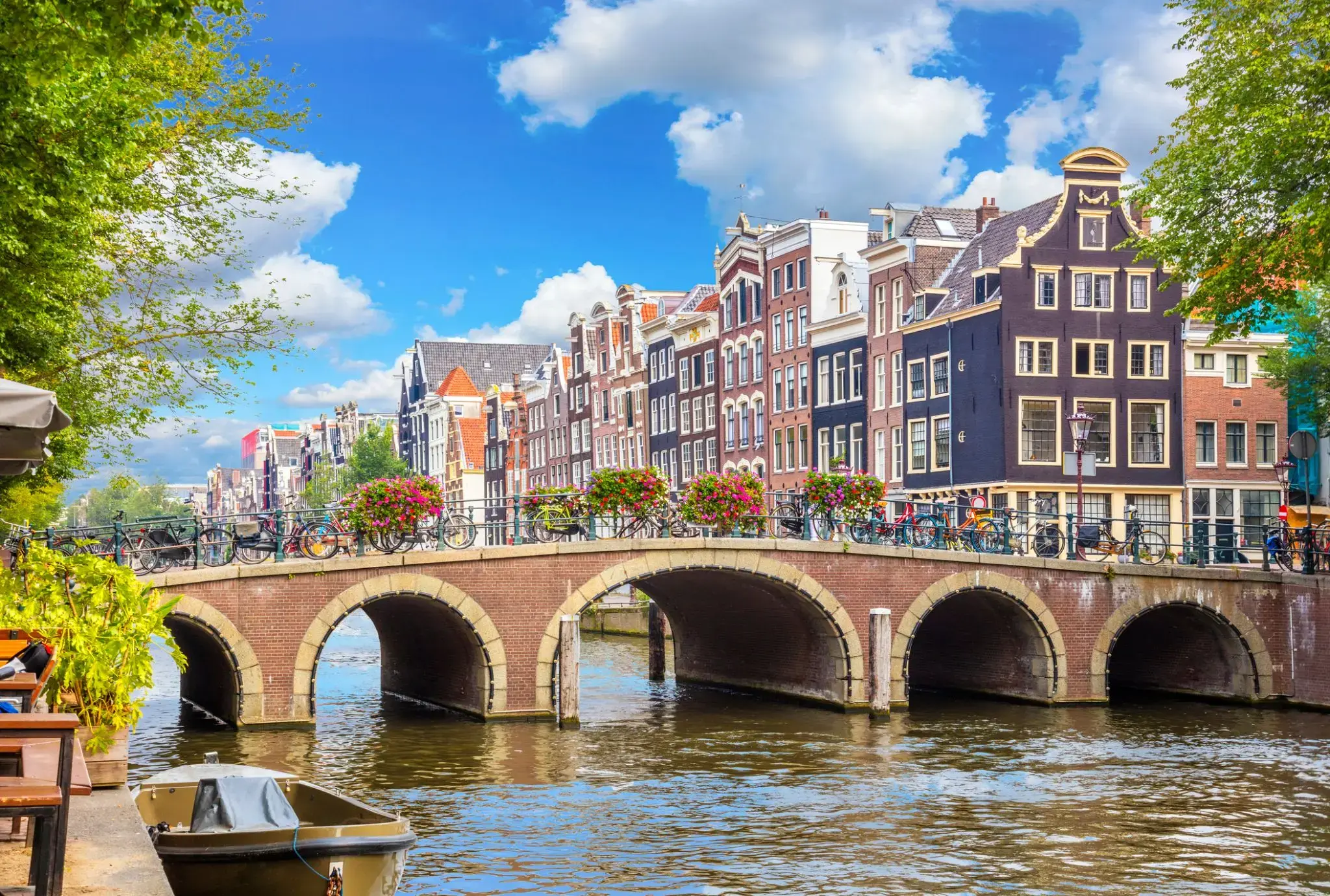
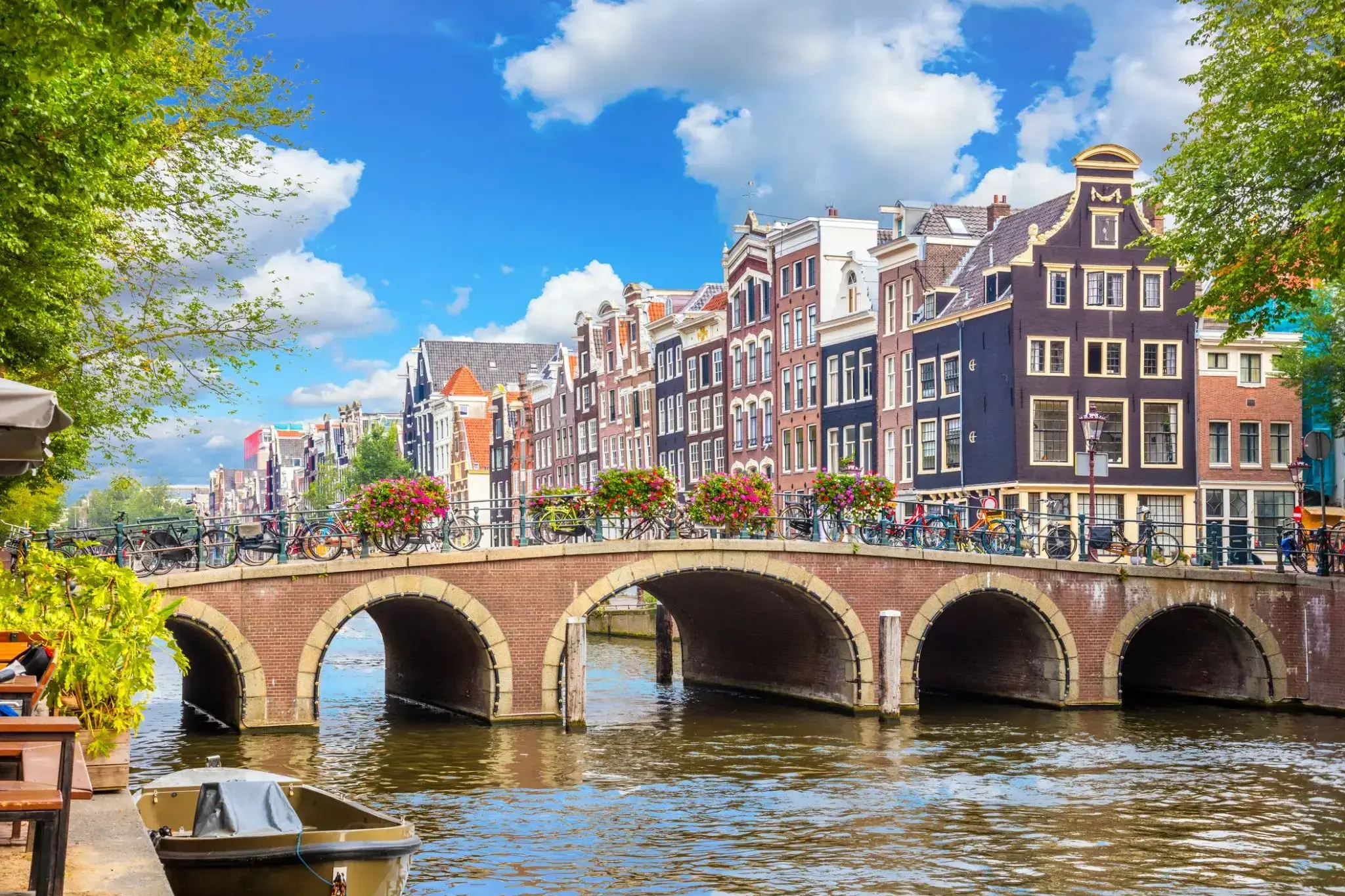
Amsterdam is the capital city and most populous municipality of the Netherlands. Its status as the capital is mandated by the Constitution of the Netherlands, although it is not the seat of the government, which is The Hague. Amsterdam has a population of 851,373 within the city proper, 1,351,587 in the urban area] and 2,410,960 in the metropolitan area. The city is located in the province of North Holland in the west of the country but is not its capital, which is Haarlem. The metropolitan area comprises much of the northern part of the Randstad, one of the larger conurbations in Europe, with a population of approximately 8 million.
Amsterdam is the capital city and most populous municipality of the Netherlands. Its status as the capital is mandated by the Constitution of the Netherlands, although it is not the seat of the government, which is The Hague. Amsterdam has a population of 851,373 within the city proper, 1,351,587 in the urban area] and 2,410,960 in the metropolitan area. The city is located in the province of North Holland in the west of the country but is not its capital, which is Haarlem. The metropolitan area comprises much of the northern part of the Randstad, one of the larger conurbations in Europe, with a population of approximately 8 million.
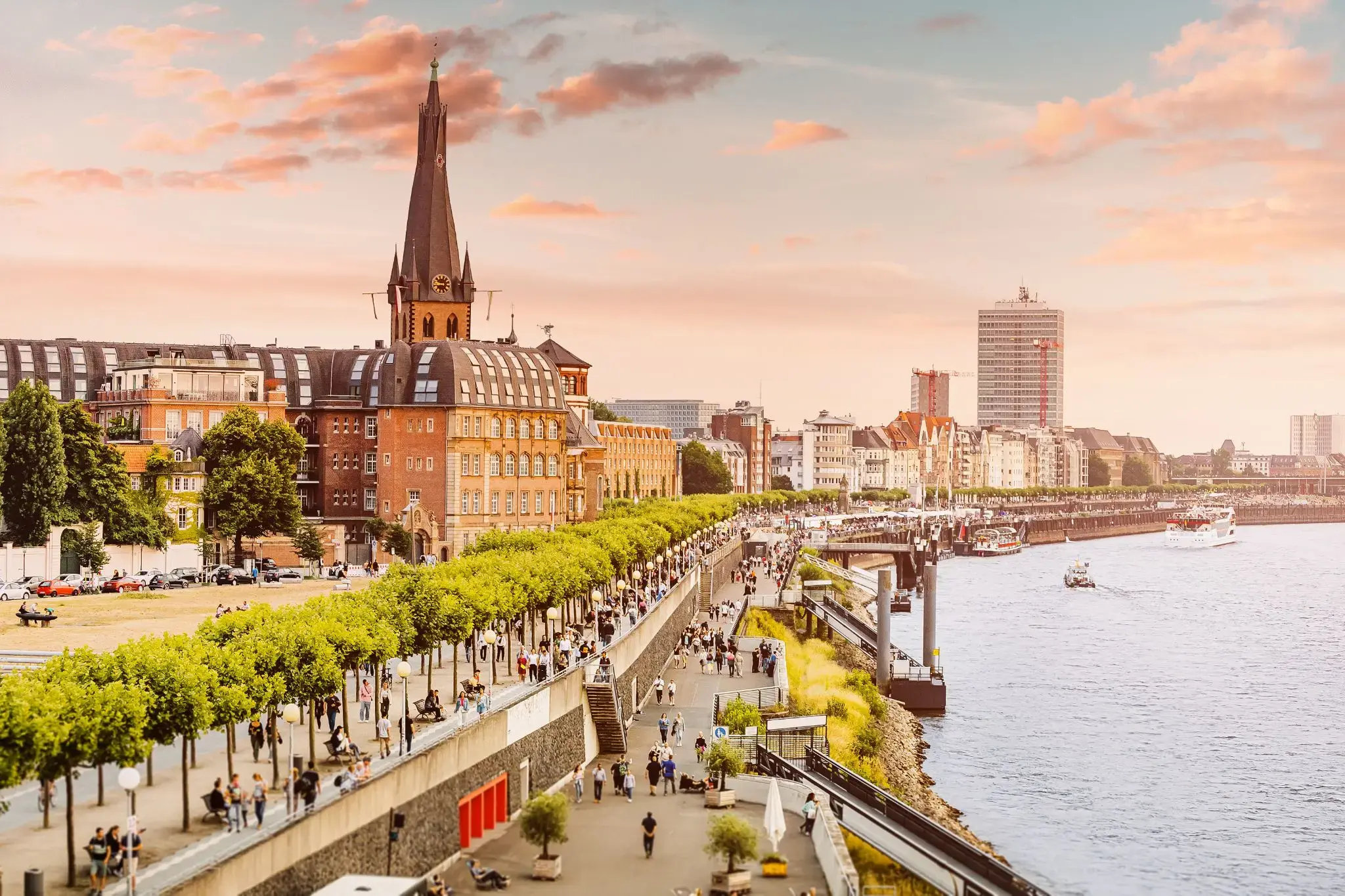
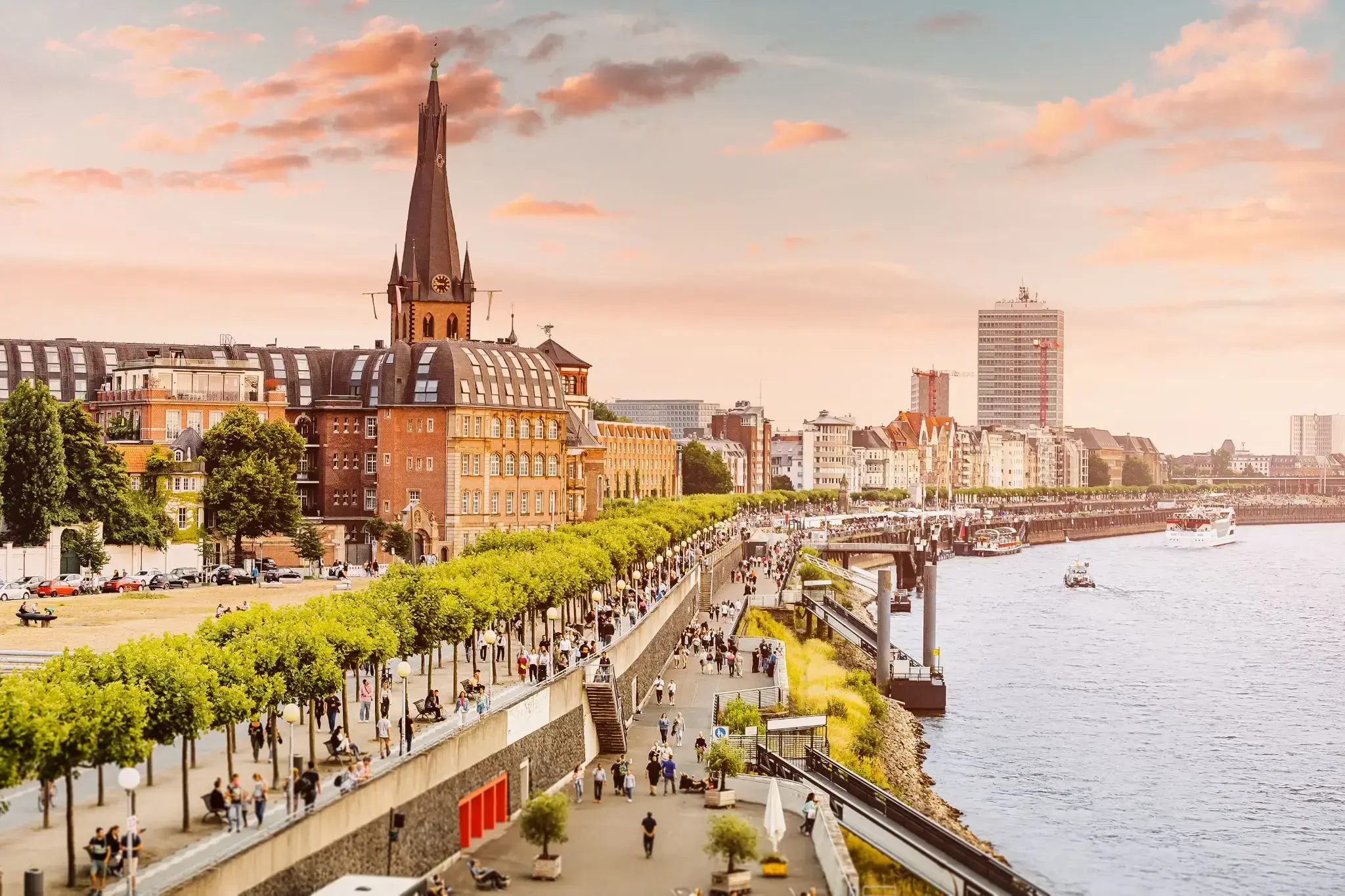
Düsseldorf is the capital and second-largest city of the most populous German federal state of North Rhine-Westphalia after Cologne, as well as the seventh-largest city in Germany. with a population of 617,280. At the confluence of the Rhine and its tributary Düssel, the city lies in the centre of both the Rhine-Ruhr and the Rhineland Metropolitan Regions with the Cologne Bonn region to its south and the Ruhr to its north. Most of the city lies on the right bank of the Rhine (as opposed to Cologne, whose city centre lies on the river's left bank). The city is the largest in the German Low Franconian dialect area (closely related to Dutch). "Dorf" meaning "village" in German, the "-dorf" suffix (English cognate: thorp) is unusual in the German-speaking area for a settlement of Düsseldorf's size.
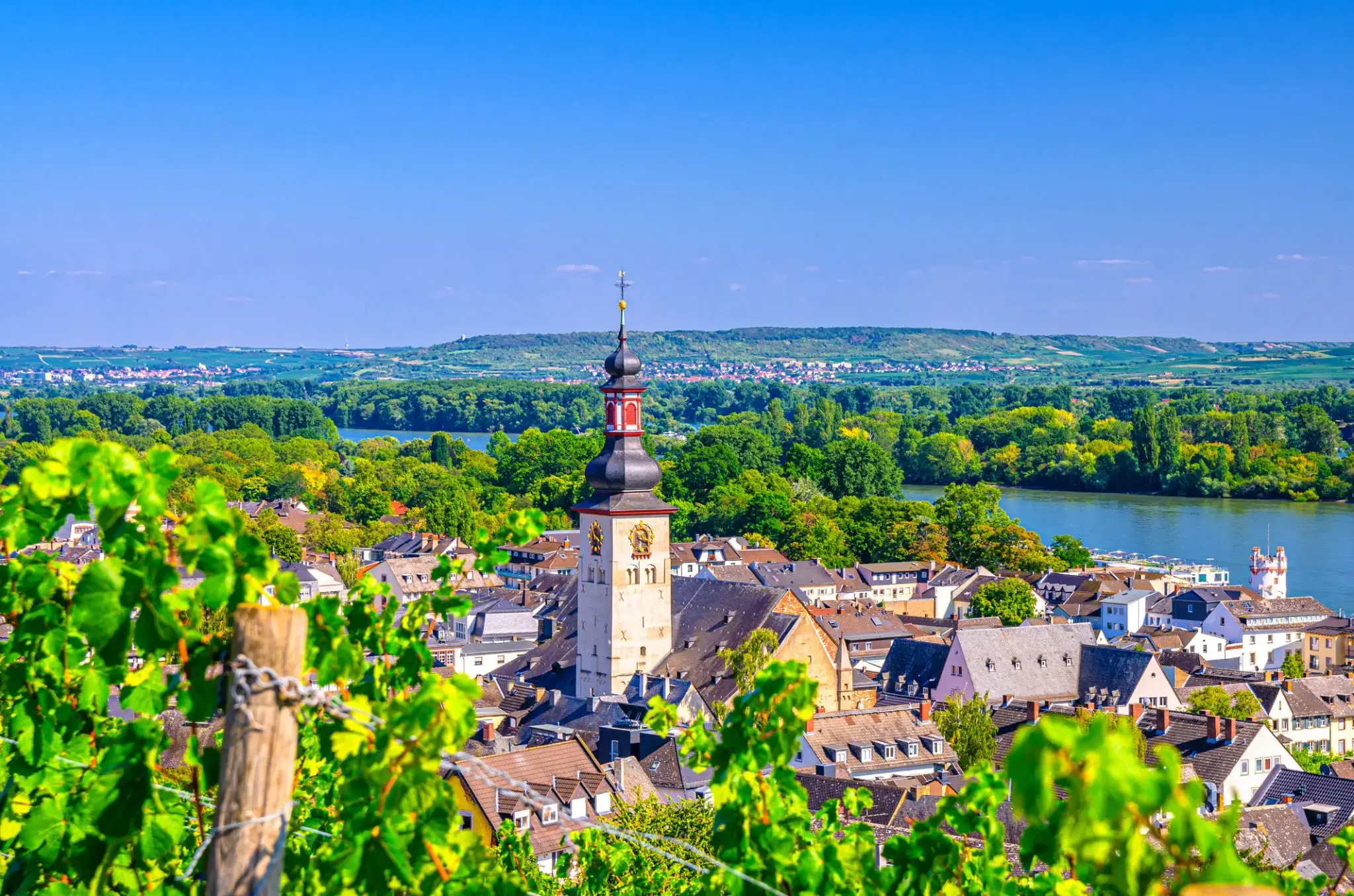
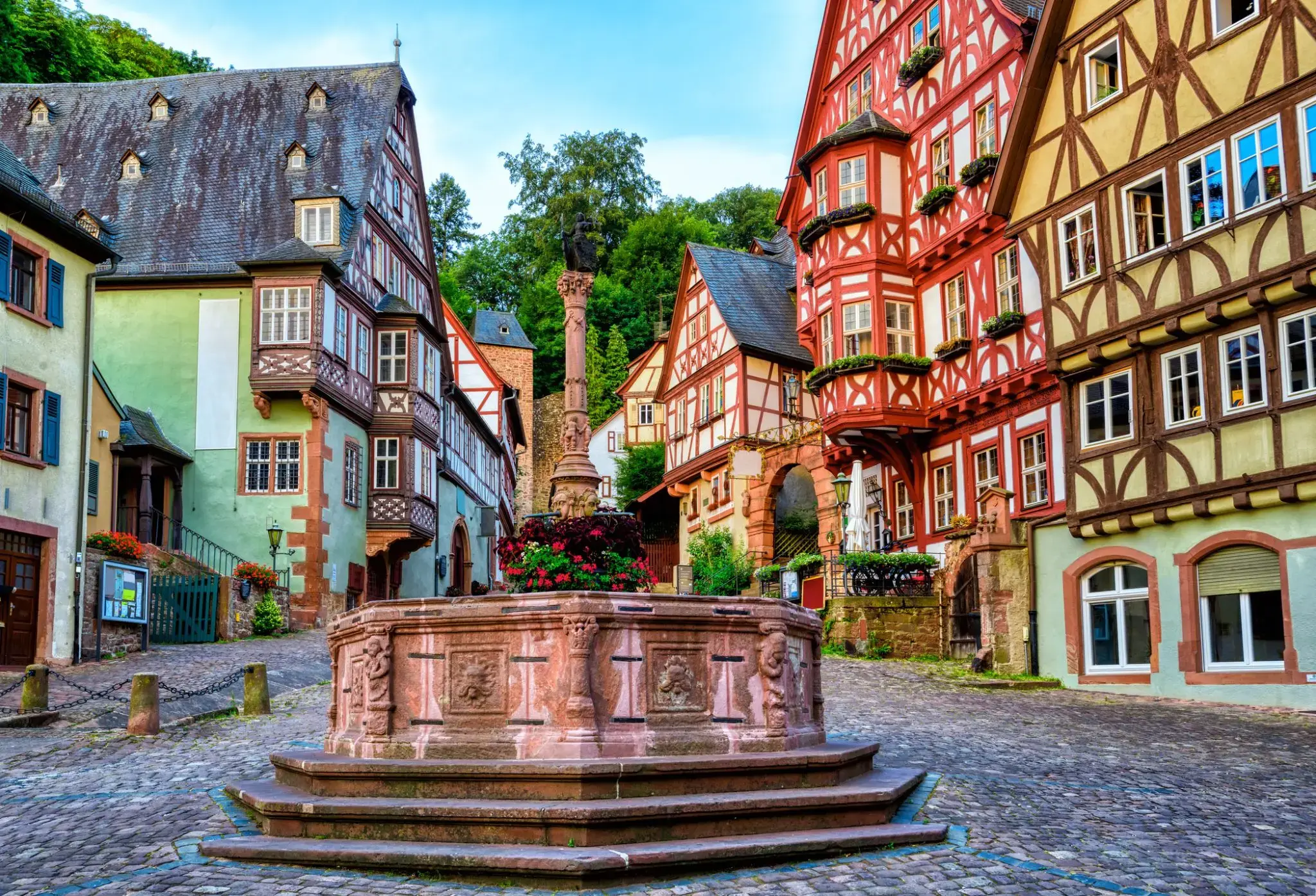
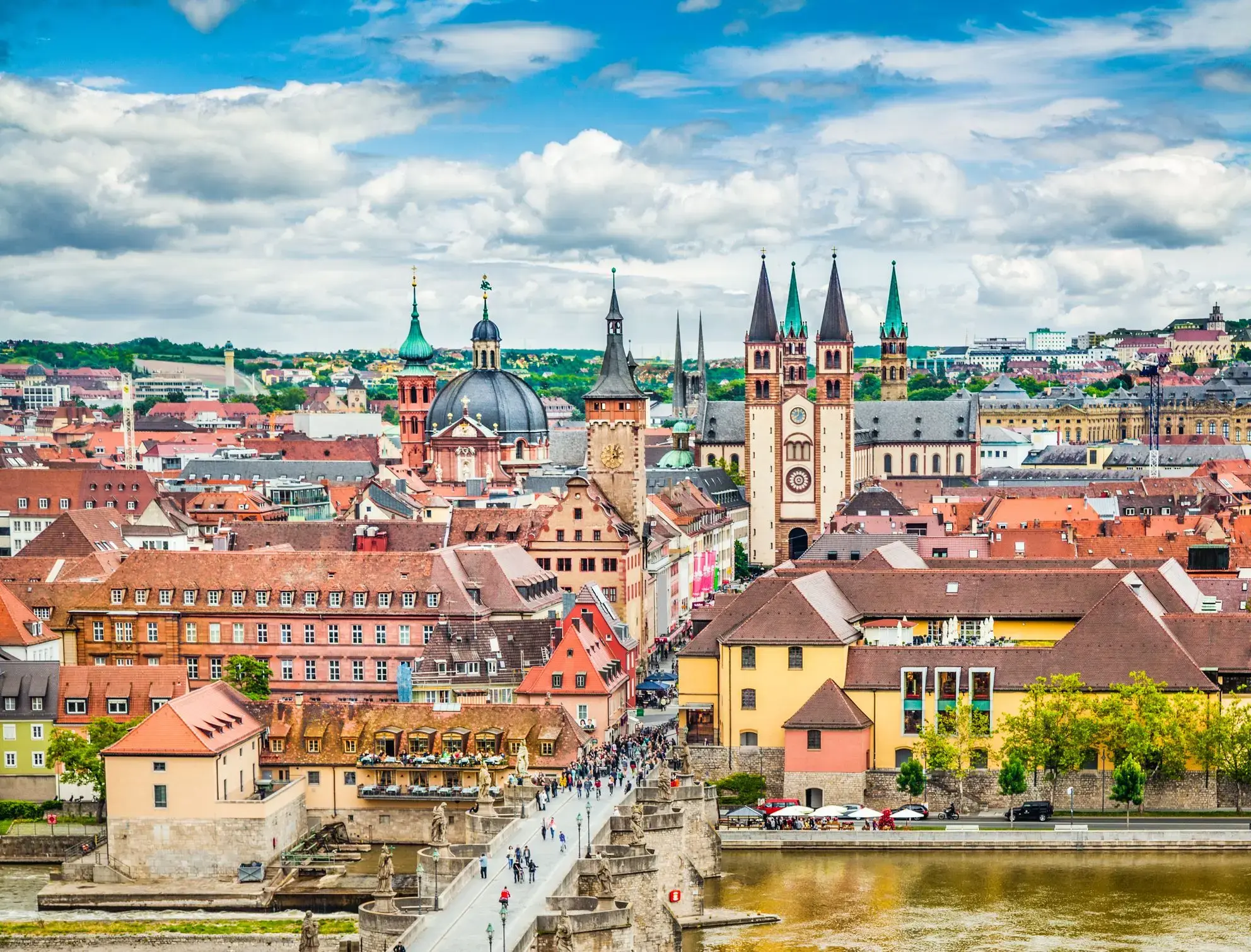
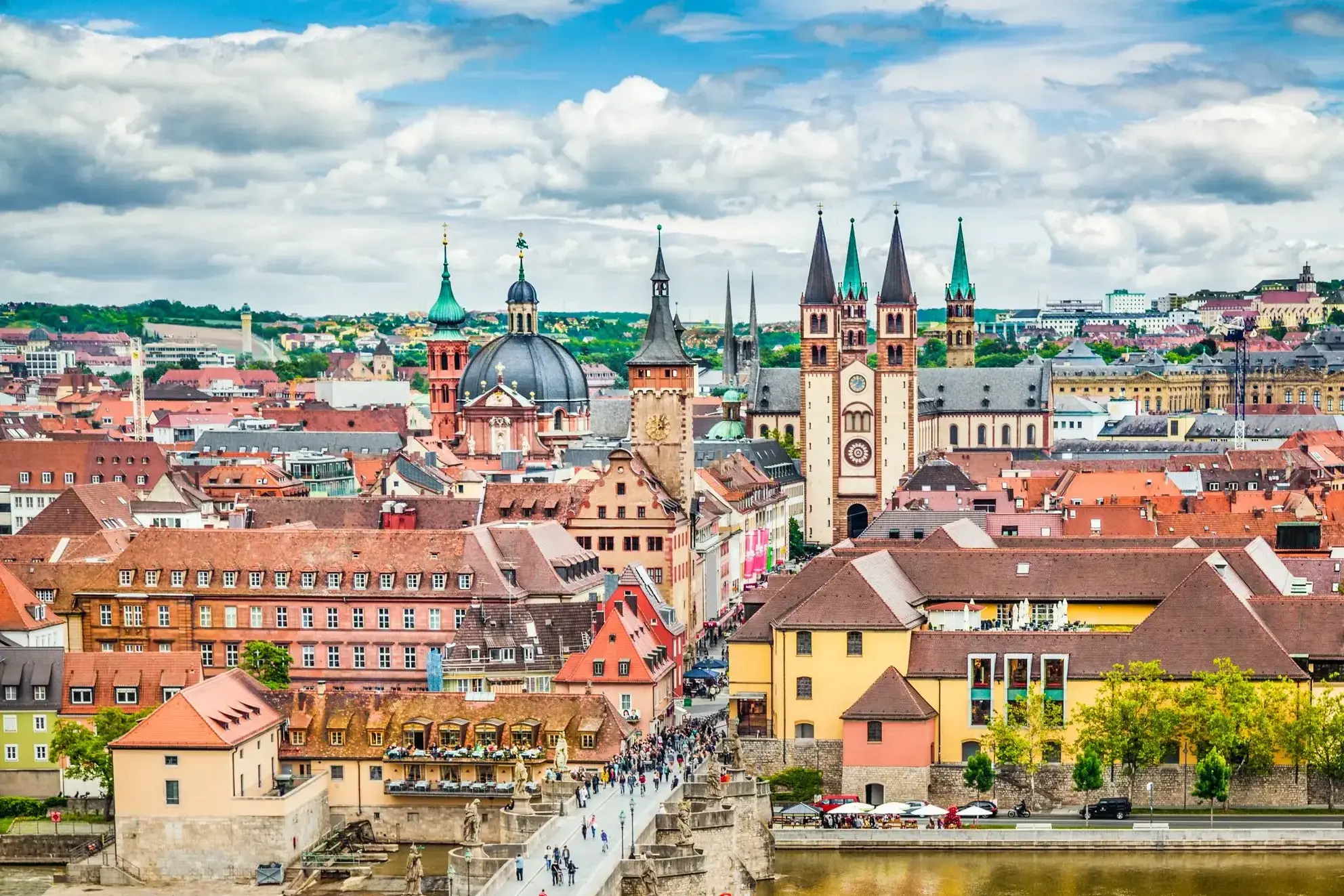
Վյուրզբուրգը պատմական քաղաք է Մայն գետի ափին Հարավային Գերմանիայում, որը հայտնի է իր մշակութային ժառանգությամբ և գեղեցիկ լանդշաֆտներով: Քաղաքը հիմնադրվել է դեռևս ռոմեական դարաշրջանում, և դրա հարուստ պատմությունը արտահայտվում է ճարտարապետության և հուշարձանների մեջ: Մայրաքաղաքային նշանավոր վայրերից մեկն է Վյուրզբուրգի արքեպիսկոպոսների նախկին նստավայրը՝ Ռեզիդենցիան, որը ներառվել է ՅՈՒՆԵՍԿՈ-ի Համաշխարհային ժառանգության ցանկում: Այս հոյակապ բարոկկո ոճով շինությունը իր շքեղ ինտերիերով և գեղեցիկ այգիներով գրավում է զբոսաշրջիկներին ողջ աշխարհից: Բացի այդ, քաղաքը հայտնի է իր հին ամրոցներով, ինչպիսիք են Կեփելսբուրգը, որտեղից բացվում է տեսարան քաղաքի և գետի վրա:
Վյուրզբուրգը նաև հայտնի է իր գինեգործությամբ, և քաղաքի շուրջը գտնվող տարածաշրջանը հայտնի է իր խաղողի այգիներով, որտեղ արտադրում են հանրահայտ ռիսլինգ գինին: Քաղաքը տպավորիչ է բազմաթիվ հարմարավետ գինու բարերով և ռեստորաններով, որտեղ զբոսաշրջիկները կարող են վայելել տեղական գինիներ: Վյուրզբուրգը համարվում է իդեալական վայր այն մարդկանց համար, ովքեր գնահատում են պատմությունը, ճարտարապետությունը և գաստրոնոմիկ ուրախությունները, ինչպես նաև այն մարդկանց համար, ովքեր ցանկանում են վայելել փոքր քաղաքի հանգիստ մթնոլորտը՝ հարուստ մշակութային ավանդույթներով:
Վերին Ֆրանկոնիայի յոթ բլուրների վրա տեղակայված այս քաղաքը հմայում է միջնադարյան հմայքով, փայտաշեն տներով և ոլորուն սալահատակ փողոցներով։ Բամբերգը, որը ՅՈՒՆԵՍԿՕ-ի համաշխարհային ժառանգության օբյեկտ է, ունի ավելի քան հազար պահպանված շինություն, ներառյալ խորհրդանշական Հին քաղաքապետարանը, որը կարծես լողում է Ռեգնից գետի վրա։ "Փոքր Վենետիկ" թաղամասը՝ 17-րդ դարի ձկնորսների տներով գետի ափերին, հիշեցնում է իր իտալական համանունը։
Բամբերգը հայտնի է նաև իր յուրահատուկ ապխտած գարեջրով՝ Rauchbier-ով, որի ավանդույթը պահպանում են Schlenkerla-ի նման գարեջրագործները 1405 թվականից։ Այս յուրահատուկ ըմպելիքը, որը պատրաստվում է բոխու փայտի կրակի վրա չորացրած մաղձով, տալիս է ծխոտ համ, որը իդեալական համադրվում է տարածաշրջանի հարուստ խոհանոցի հետ։ Անկախ նրանից՝ ուսումնասիրում եք պատմական տաճարները, վայելում եք գոնդոլայով զբոսանքը ջրանցքներով, թե համտեսում եք տեղական ուտեստները, Բամբերգը առաջարկում է անմոռանալի փորձ։
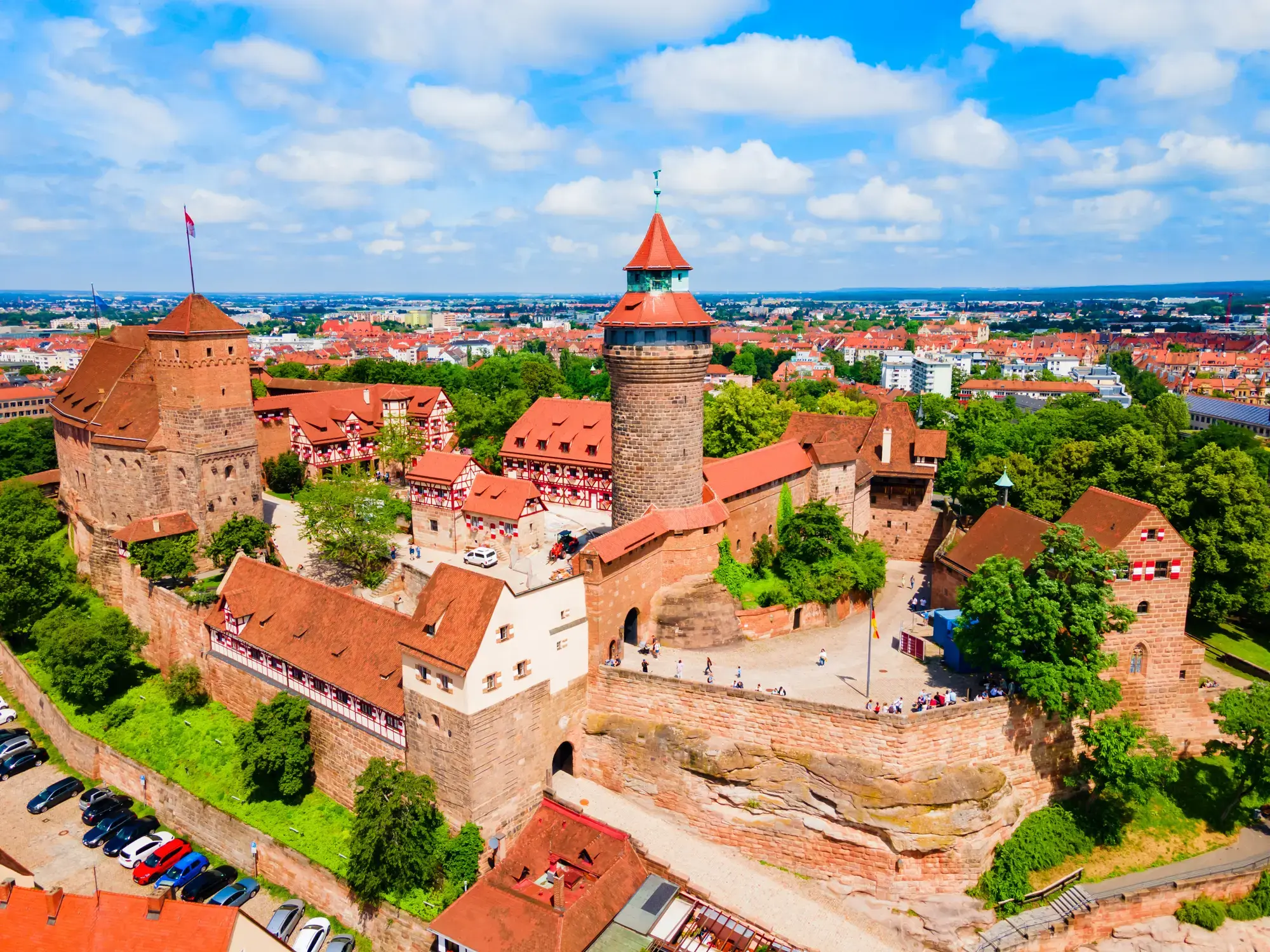
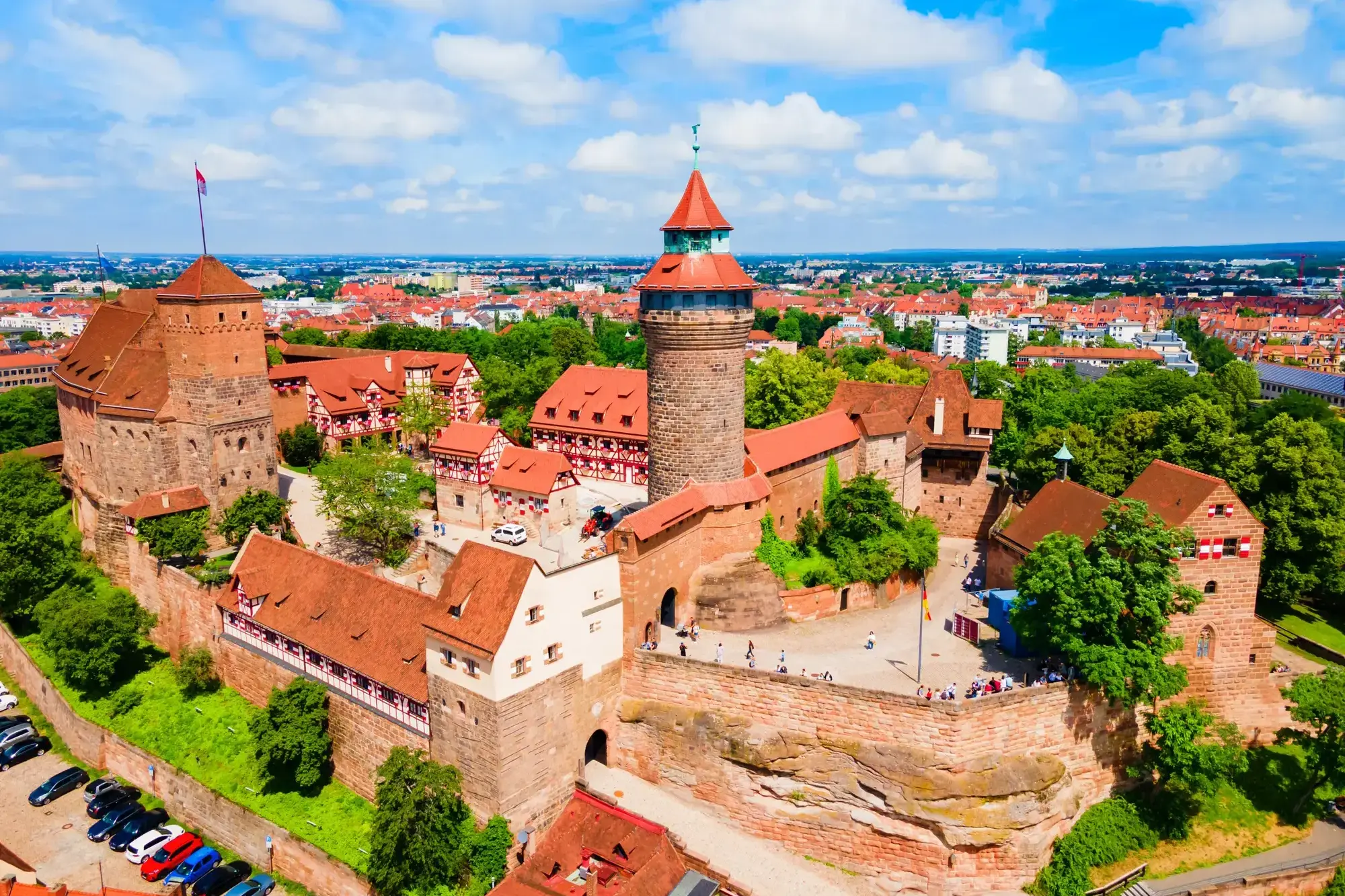
Նյուրնբերգը պատմական քաղաք է Գերմանիայի հարավում, Բավարիա նահանգում: Այն հայտնի է միջնադարյան մթնոլորտով և որպես Գերմանիայի մշակույթի և պատմության կենտրոն: Քաղաքը դարձել է կարևոր առևտրի և մշակույթի կենտրոն դեռևս միջնադարում, իսկ այսօր նրա պատմական կենտրոնը գրավում է զբոսաշրջիկների ուշադրությունը ամբողջ աշխարհից: Մայրաքաղաքի հիմնական տեսարժան վայրերից մեկն է Նյուրնբերգի ամրոցը, որը վեր է բարձրանում քաղաքից և առաջարկում է շնչակորոց տեսարան նրա փողոցներին ու հրապարակներին: Այնպես որ, ուշադրություն դարձնելու է նաև համբավալի շուկան, որտեղ կարելի է գնել եզակի ապրանքներ և համտեսել ավանդական գերմանական ուտեստներ:
Նյուրնբերգը նաև կարևոր նշանակություն ունի համաշխարհային պատմության մեջ, քանի որ հենց այստեղ անցկացվել են Նյուրնբերգյան դատավարությունները Երկրորդ համաշխարհային պատերազմից հետո: Այսօր քաղաքը պահպանել է այդ ժամանակի հիշատակը բազմաթիվ թանգարանների և հուշարձանների միջոցով, որոնք նվիրված են այդ իրադարձություններին: Նյուրնբերգը նաև կարևոր մշակութային կենտրոն է, որտեղ կան շուտափույթ թատրոն, երաժշտություն և արվեստի փառատոններ: Այս քաղաքը կատարյալ վայր է նրանց համար, ովքեր ցանկանում են վայելել հին պատմություն, ժամանակակից մշակույթ և Բավարիայի յուրահատուկ մթնոլորտը:

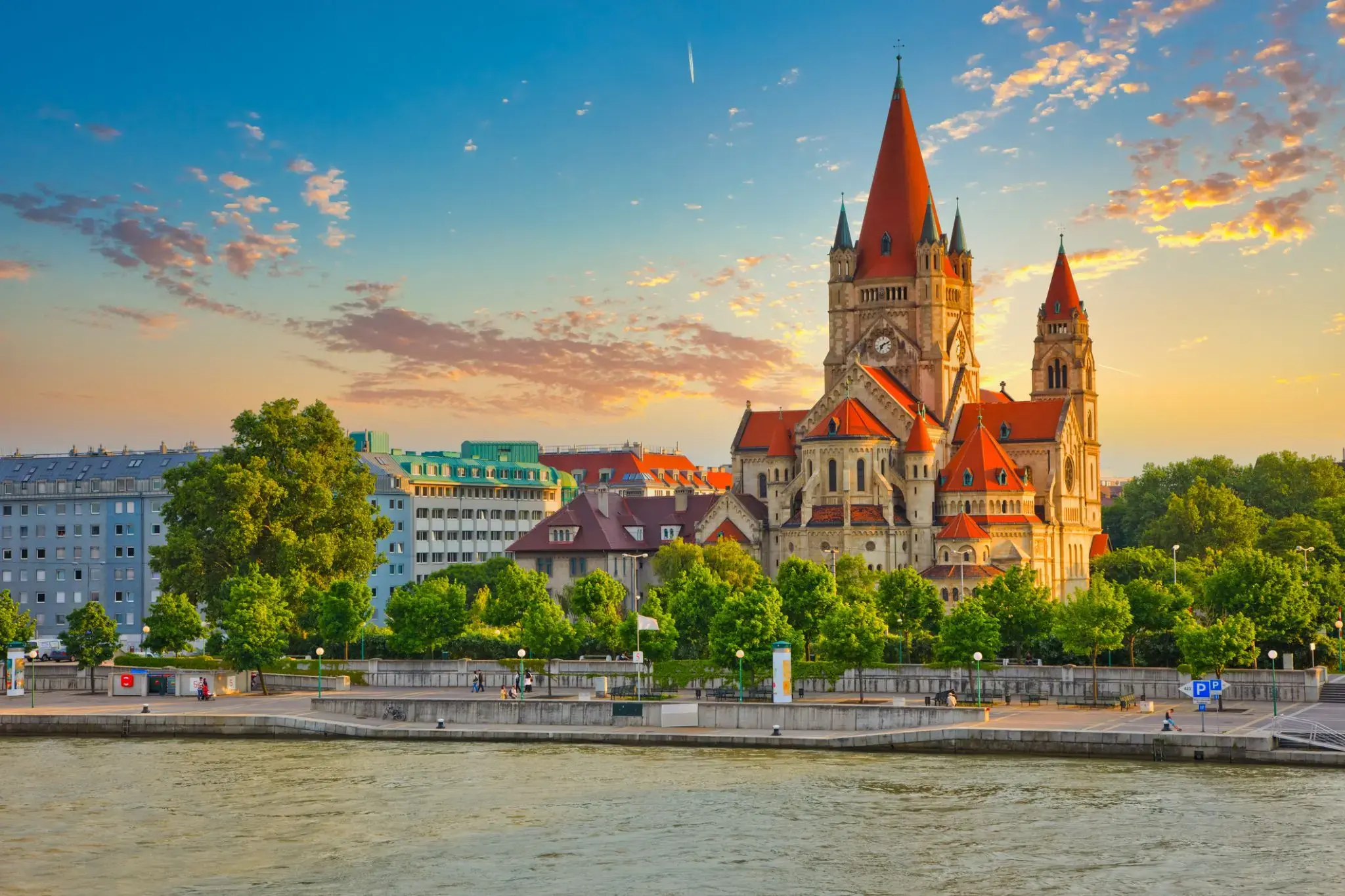
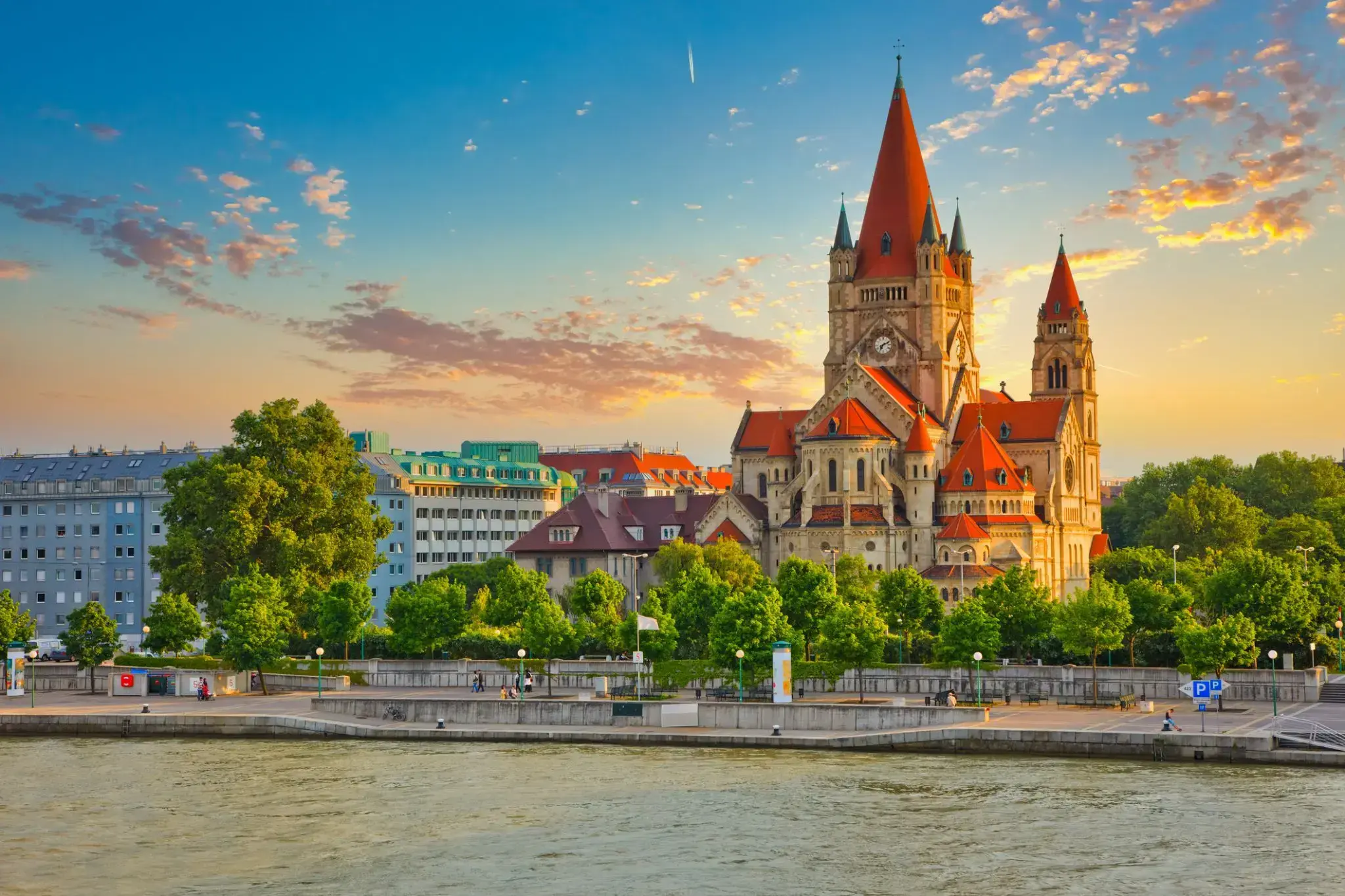
Vienna is the federal capital and largest city of Austria, and one of the nine states of Austria. Vienna is Austria's primate city, with a population of about 1.9 million (2.6 million within the metropolitan area, nearly one third of Austria's population), and its cultural, economic, and political centre. It is the 7th-largest city by population within city limits in the European Union. Until the beginning of the 20th century, it was the largest German-speaking city in the world, and before the splitting of the Austro-Hungarian Empire in World War I, the city had 2 million inhabitants. Today, it has the second largest number of German speakers after Berlin.Vienna is host to many major international organizations, including the United Nations and OPEC. The city is located in the eastern part of Austria and is close to the borders of the Czech Republic, Slovakia, and Hungary. These regions work together in a European Centrope border region. Along with nearby Bratislava, Vienna forms a metropolitan region with 3 million inhabitants. In 2001, the city centre was designated a UNESCO World Heritage Site. In July 2017 it was moved to the list of World Heritage in Danger.
Apart from being regarded as the City of Music[ because of its musical legacy, Vienna is also said to be "The City of Dreams" because it was home to the world's first psychoanalyst – Sigmund Freud. The city's roots lie in early Celticand Roman settlements that transformed into a Medieval and Baroque city, and then the capital of the Austro-Hungarian Empire. It is well known for having played an essential role as a leading European music centre, from the great age of Viennese Classicism through the early part of the 20th century. The historic centre of Vienna is rich in architectural ensembles, including Baroque castles and gardens, and the late-19th-century Ringstraße lined with grand buildings, monuments and parks.
Vienna is known for its high quality of life. In a 2005 study of 127 world cities, the Economist Intelligence Unit ranked the city first (in a tie with Vancouver and San Francisco) for the world's most liveable cities. Between 2011 and 2015, Vienna was ranked second, behind Melbourne. In 2018, it replaced Melbourne as the number one spot. For eight consecutive years (2009–2016), the human-resource-consulting firm Mercer ranked Vienna first in its annual "Quality of Living" survey of hundreds of cities around the world, a title the city still held in 2016. Monocle's 2015 "Quality of Life Survey" ranked Vienna second on a list of the top 25 cities in the world "to make a base within."
The UN-Habitat classified Vienna as the most prosperous city in the world in 2012/2013. The city was ranked 1st globally for its culture of innovation in 2007 and 2008, and sixth globally (out of 256 cities) in the 2014 Innovation Cities Index, which analyzed 162 indicators in covering three areas: culture, infrastructure, and markets. Vienna regularly hosts urban planning conferences and is often used as a case study by urban planners.
Between 2005 and 2010, Vienna was the world's number-one destination for international congresses and conventions. It attracts over 6.8 million tourists a year.
Vienna is the federal capital and largest city of Austria, and one of the nine states of Austria. Vienna is Austria's primate city, with a population of about 1.9 million (2.6 million within the metropolitan area, nearly one third of Austria's population), and its cultural, economic, and political centre. It is the 7th-largest city by population within city limits in the European Union. Until the beginning of the 20th century, it was the largest German-speaking city in the world, and before the splitting of the Austro-Hungarian Empire in World War I, the city had 2 million inhabitants. Today, it has the second largest number of German speakers after Berlin.Vienna is host to many major international organizations, including the United Nations and OPEC. The city is located in the eastern part of Austria and is close to the borders of the Czech Republic, Slovakia, and Hungary. These regions work together in a European Centrope border region. Along with nearby Bratislava, Vienna forms a metropolitan region with 3 million inhabitants. In 2001, the city centre was designated a UNESCO World Heritage Site. In July 2017 it was moved to the list of World Heritage in Danger.
Apart from being regarded as the City of Music[ because of its musical legacy, Vienna is also said to be "The City of Dreams" because it was home to the world's first psychoanalyst – Sigmund Freud. The city's roots lie in early Celticand Roman settlements that transformed into a Medieval and Baroque city, and then the capital of the Austro-Hungarian Empire. It is well known for having played an essential role as a leading European music centre, from the great age of Viennese Classicism through the early part of the 20th century. The historic centre of Vienna is rich in architectural ensembles, including Baroque castles and gardens, and the late-19th-century Ringstraße lined with grand buildings, monuments and parks.
Vienna is known for its high quality of life. In a 2005 study of 127 world cities, the Economist Intelligence Unit ranked the city first (in a tie with Vancouver and San Francisco) for the world's most liveable cities. Between 2011 and 2015, Vienna was ranked second, behind Melbourne. In 2018, it replaced Melbourne as the number one spot. For eight consecutive years (2009–2016), the human-resource-consulting firm Mercer ranked Vienna first in its annual "Quality of Living" survey of hundreds of cities around the world, a title the city still held in 2016. Monocle's 2015 "Quality of Life Survey" ranked Vienna second on a list of the top 25 cities in the world "to make a base within."
The UN-Habitat classified Vienna as the most prosperous city in the world in 2012/2013. The city was ranked 1st globally for its culture of innovation in 2007 and 2008, and sixth globally (out of 256 cities) in the 2014 Innovation Cities Index, which analyzed 162 indicators in covering three areas: culture, infrastructure, and markets. Vienna regularly hosts urban planning conferences and is often used as a case study by urban planners.
Between 2005 and 2010, Vienna was the world's number-one destination for international congresses and conventions. It attracts over 6.8 million tourists a year.
Vienna is the federal capital and largest city of Austria, and one of the nine states of Austria. Vienna is Austria's primate city, with a population of about 1.9 million (2.6 million within the metropolitan area, nearly one third of Austria's population), and its cultural, economic, and political centre. It is the 7th-largest city by population within city limits in the European Union. Until the beginning of the 20th century, it was the largest German-speaking city in the world, and before the splitting of the Austro-Hungarian Empire in World War I, the city had 2 million inhabitants. Today, it has the second largest number of German speakers after Berlin.Vienna is host to many major international organizations, including the United Nations and OPEC. The city is located in the eastern part of Austria and is close to the borders of the Czech Republic, Slovakia, and Hungary. These regions work together in a European Centrope border region. Along with nearby Bratislava, Vienna forms a metropolitan region with 3 million inhabitants. In 2001, the city centre was designated a UNESCO World Heritage Site. In July 2017 it was moved to the list of World Heritage in Danger.
Apart from being regarded as the City of Music[ because of its musical legacy, Vienna is also said to be "The City of Dreams" because it was home to the world's first psychoanalyst – Sigmund Freud. The city's roots lie in early Celticand Roman settlements that transformed into a Medieval and Baroque city, and then the capital of the Austro-Hungarian Empire. It is well known for having played an essential role as a leading European music centre, from the great age of Viennese Classicism through the early part of the 20th century. The historic centre of Vienna is rich in architectural ensembles, including Baroque castles and gardens, and the late-19th-century Ringstraße lined with grand buildings, monuments and parks.
Vienna is known for its high quality of life. In a 2005 study of 127 world cities, the Economist Intelligence Unit ranked the city first (in a tie with Vancouver and San Francisco) for the world's most liveable cities. Between 2011 and 2015, Vienna was ranked second, behind Melbourne. In 2018, it replaced Melbourne as the number one spot. For eight consecutive years (2009–2016), the human-resource-consulting firm Mercer ranked Vienna first in its annual "Quality of Living" survey of hundreds of cities around the world, a title the city still held in 2016. Monocle's 2015 "Quality of Life Survey" ranked Vienna second on a list of the top 25 cities in the world "to make a base within."
The UN-Habitat classified Vienna as the most prosperous city in the world in 2012/2013. The city was ranked 1st globally for its culture of innovation in 2007 and 2008, and sixth globally (out of 256 cities) in the 2014 Innovation Cities Index, which analyzed 162 indicators in covering three areas: culture, infrastructure, and markets. Vienna regularly hosts urban planning conferences and is often used as a case study by urban planners.
Between 2005 and 2010, Vienna was the world's number-one destination for international congresses and conventions. It attracts over 6.8 million tourists a year.
Vienna is the federal capital and largest city of Austria, and one of the nine states of Austria. Vienna is Austria's primate city, with a population of about 1.9 million (2.6 million within the metropolitan area, nearly one third of Austria's population), and its cultural, economic, and political centre. It is the 7th-largest city by population within city limits in the European Union. Until the beginning of the 20th century, it was the largest German-speaking city in the world, and before the splitting of the Austro-Hungarian Empire in World War I, the city had 2 million inhabitants. Today, it has the second largest number of German speakers after Berlin.Vienna is host to many major international organizations, including the United Nations and OPEC. The city is located in the eastern part of Austria and is close to the borders of the Czech Republic, Slovakia, and Hungary. These regions work together in a European Centrope border region. Along with nearby Bratislava, Vienna forms a metropolitan region with 3 million inhabitants. In 2001, the city centre was designated a UNESCO World Heritage Site. In July 2017 it was moved to the list of World Heritage in Danger.
Apart from being regarded as the City of Music[ because of its musical legacy, Vienna is also said to be "The City of Dreams" because it was home to the world's first psychoanalyst – Sigmund Freud. The city's roots lie in early Celticand Roman settlements that transformed into a Medieval and Baroque city, and then the capital of the Austro-Hungarian Empire. It is well known for having played an essential role as a leading European music centre, from the great age of Viennese Classicism through the early part of the 20th century. The historic centre of Vienna is rich in architectural ensembles, including Baroque castles and gardens, and the late-19th-century Ringstraße lined with grand buildings, monuments and parks.
Vienna is known for its high quality of life. In a 2005 study of 127 world cities, the Economist Intelligence Unit ranked the city first (in a tie with Vancouver and San Francisco) for the world's most liveable cities. Between 2011 and 2015, Vienna was ranked second, behind Melbourne. In 2018, it replaced Melbourne as the number one spot. For eight consecutive years (2009–2016), the human-resource-consulting firm Mercer ranked Vienna first in its annual "Quality of Living" survey of hundreds of cities around the world, a title the city still held in 2016. Monocle's 2015 "Quality of Life Survey" ranked Vienna second on a list of the top 25 cities in the world "to make a base within."
The UN-Habitat classified Vienna as the most prosperous city in the world in 2012/2013. The city was ranked 1st globally for its culture of innovation in 2007 and 2008, and sixth globally (out of 256 cities) in the 2014 Innovation Cities Index, which analyzed 162 indicators in covering three areas: culture, infrastructure, and markets. Vienna regularly hosts urban planning conferences and is often used as a case study by urban planners.
Between 2005 and 2010, Vienna was the world's number-one destination for international congresses and conventions. It attracts over 6.8 million tourists a year.
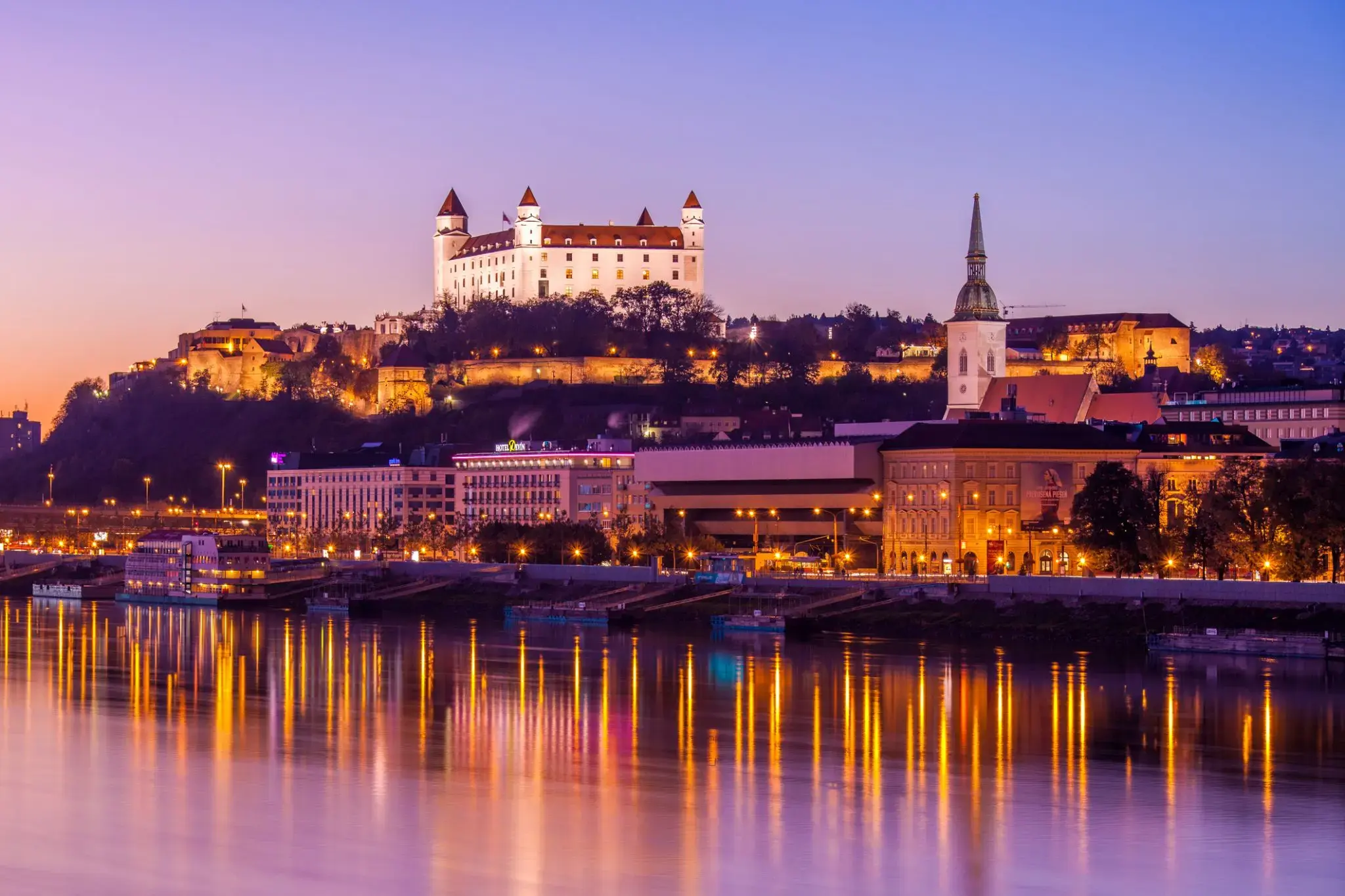
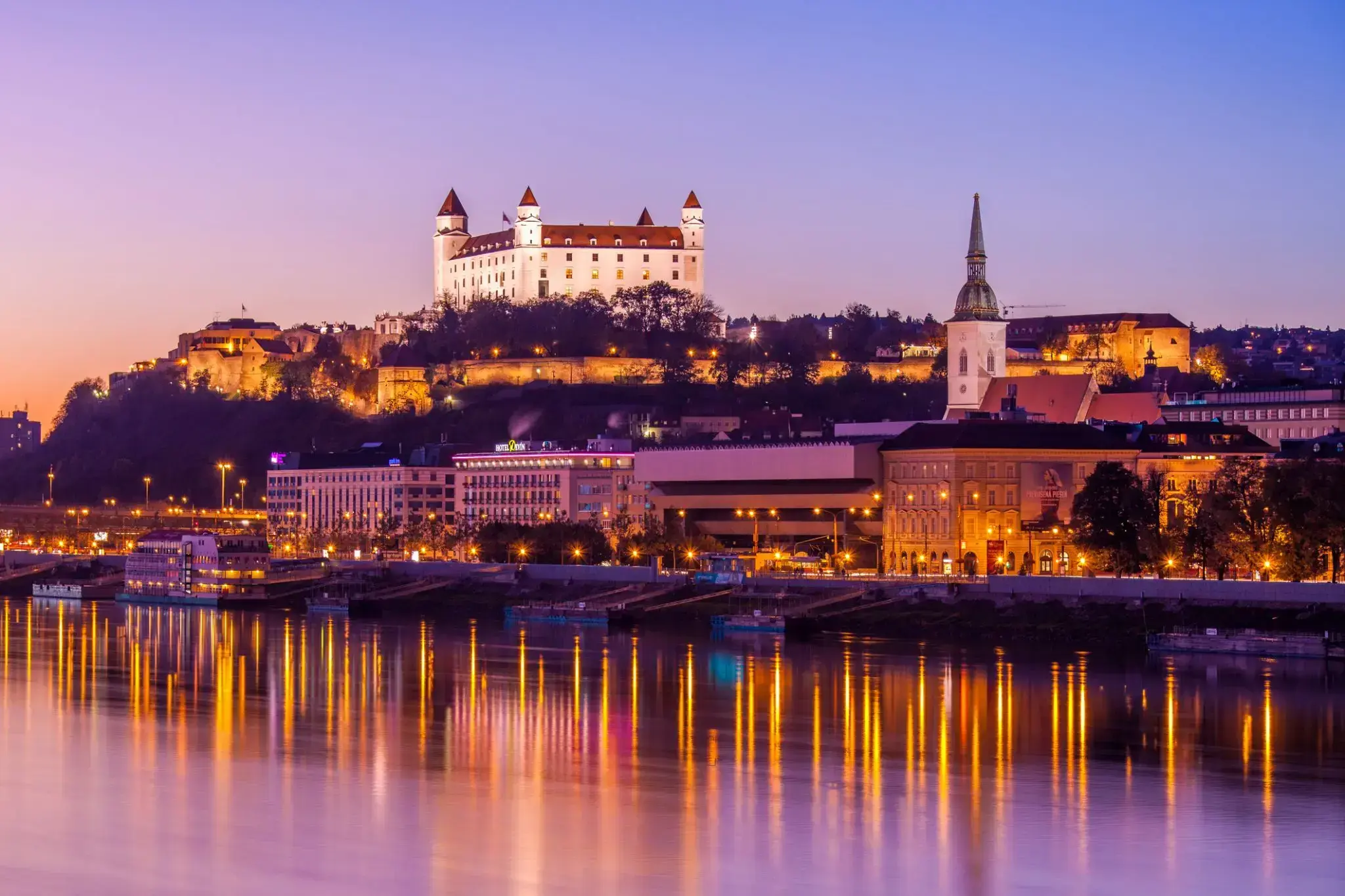
Bratislava is the capital of Slovakia. With a population of about 425,000, it is one of the smaller capitals of Europe but still the country's largest city. The greater metropolitan area is home to more than 650,000 people. Bratislava is in southwestern Slovakia, occupying both banks of the River Danube and the left bank of the River Morava. Bordering Austria and Hungary, it is the only national capital that borders two sovereign states.
The city's history has been strongly influenced by people of different nations and religions, namely (in alphabetical order) Austrians, Bulgarians, Croats, Czechs, Germans, Hungarians, Jews, Serbs and Slovaks. It was the coronation site and legislative center of the Kingdom of Hungary from 1536 to 1783, and has been home to many Slovak, Hungarian and German historical figures.
Bratislava is the political, cultural and economic centre of Slovakia. It is the seat of the Slovak president, the parliamentand the Slovak Executive. It has several universities, and many museums, theatres, galleries and other cultural and educational institutions. Many of Slovakia's large businesses and financial institutions have headquarters there.
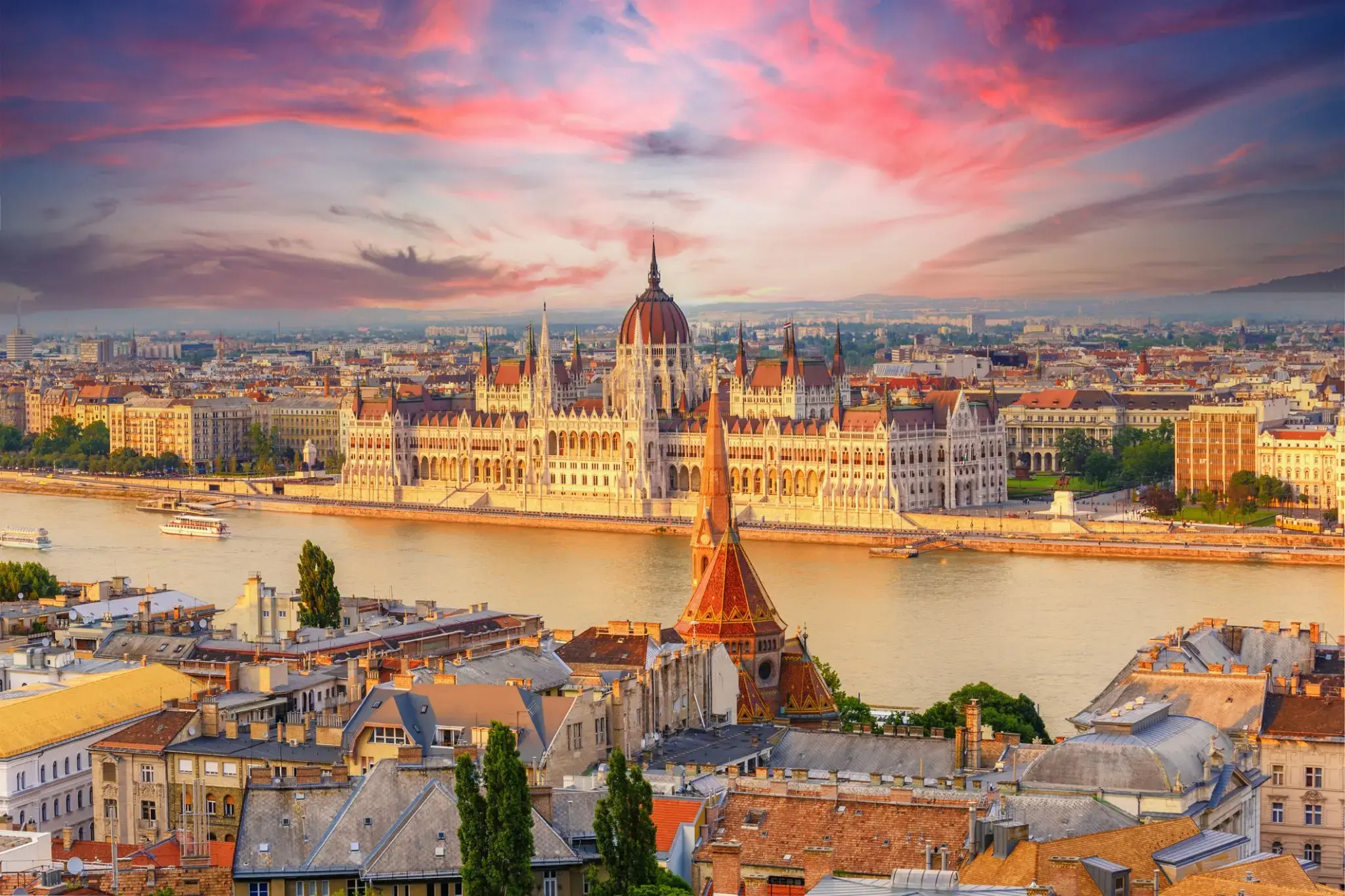
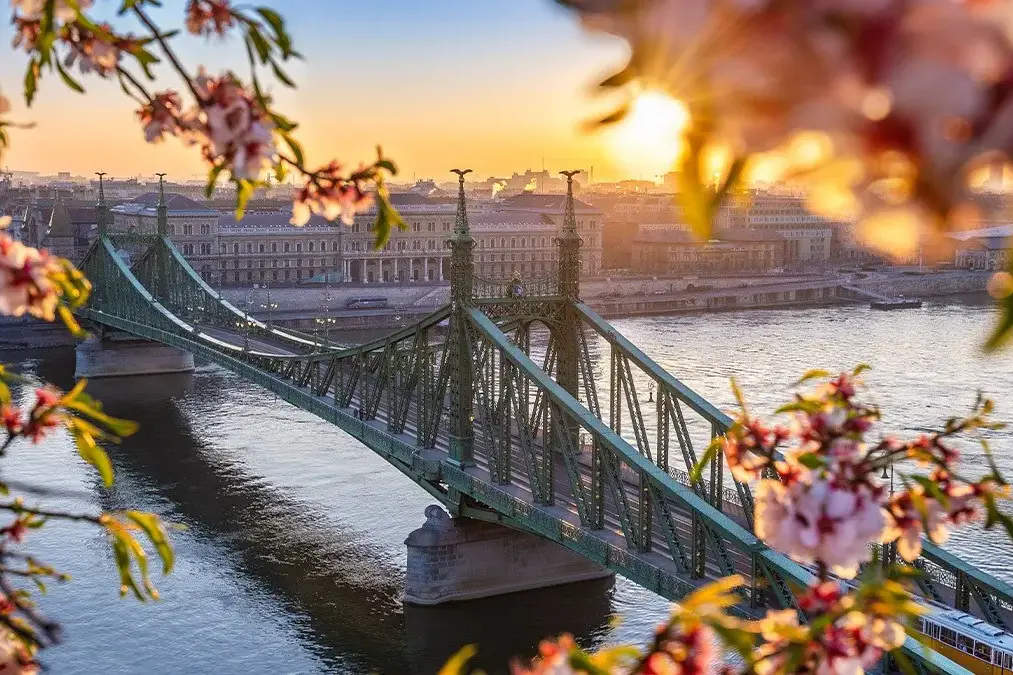
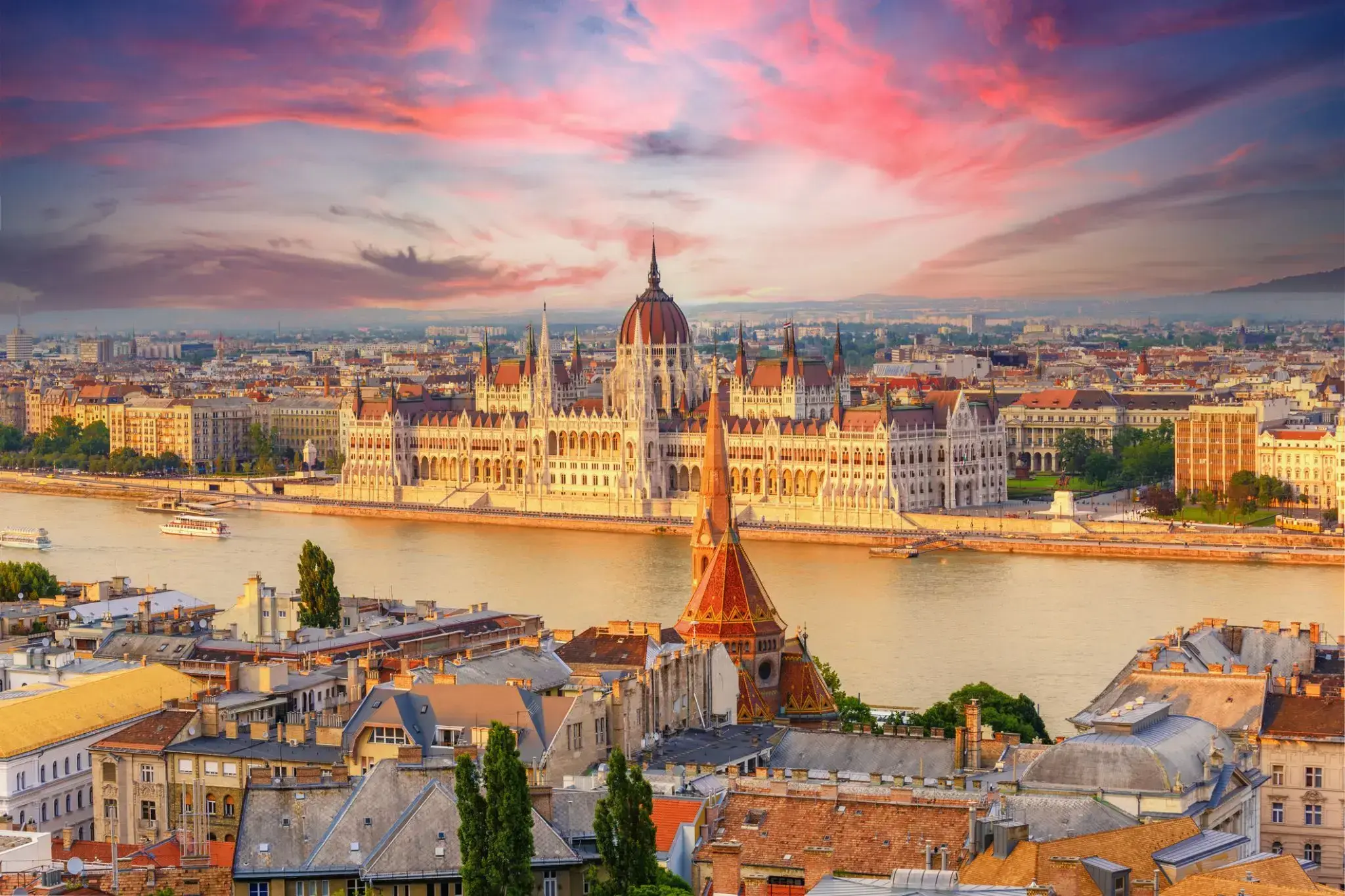
the capital of Hungary, in the northern central part of the country; population 1,712,210 (2009). It was formed in 1873 by the union of the city of Buda on the right bank of the Danube River with the city of Pest on the left.
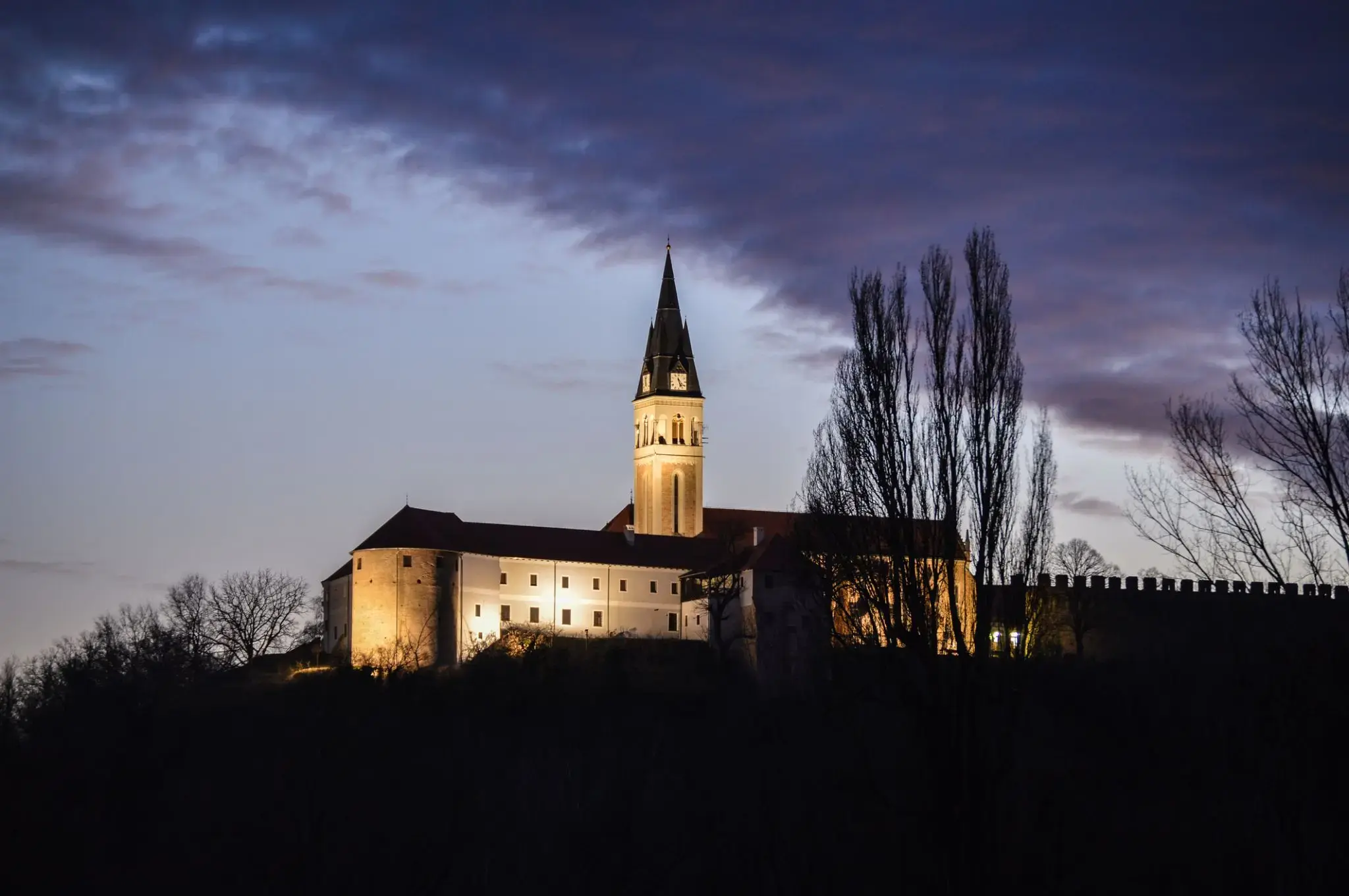
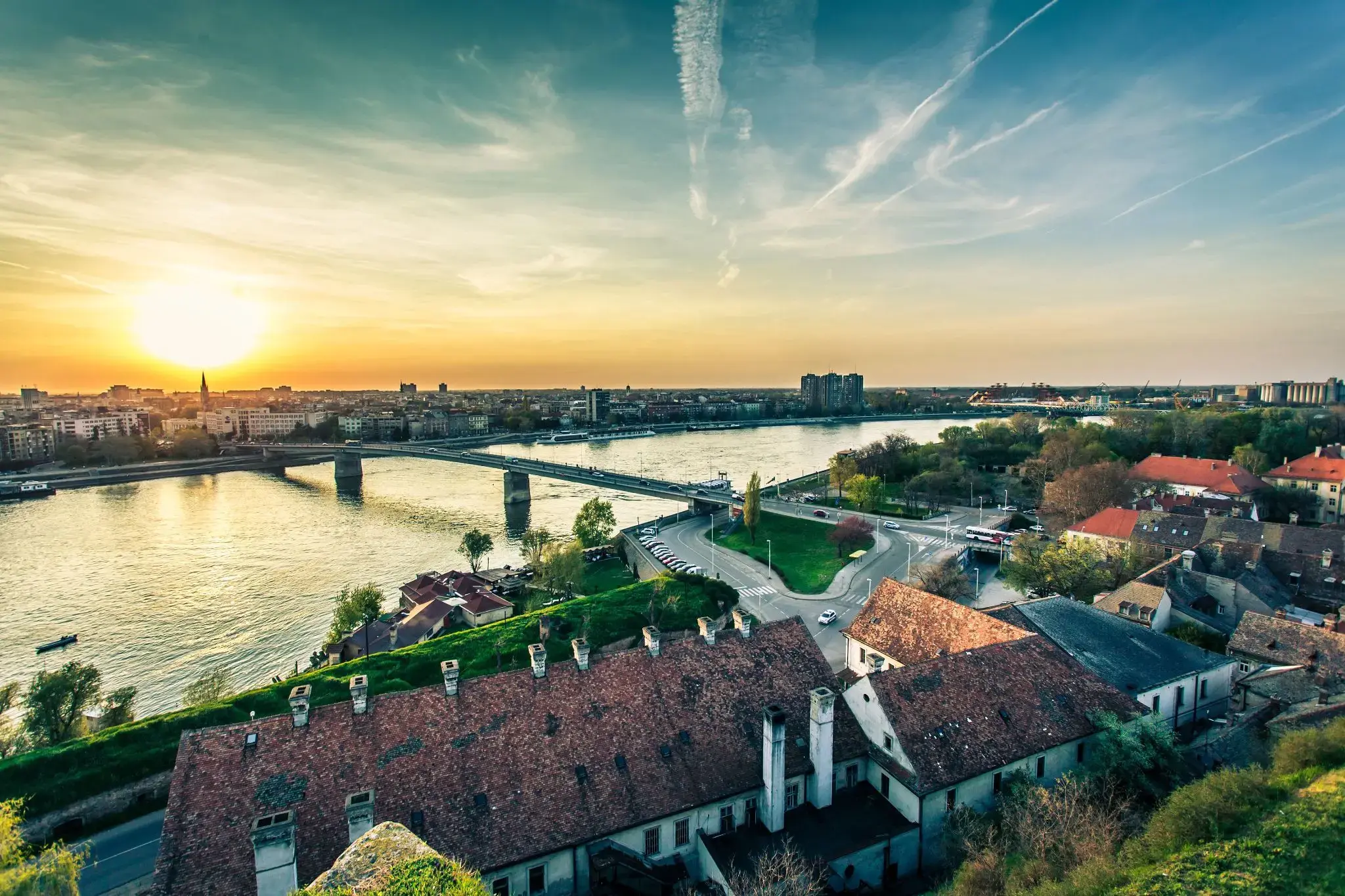
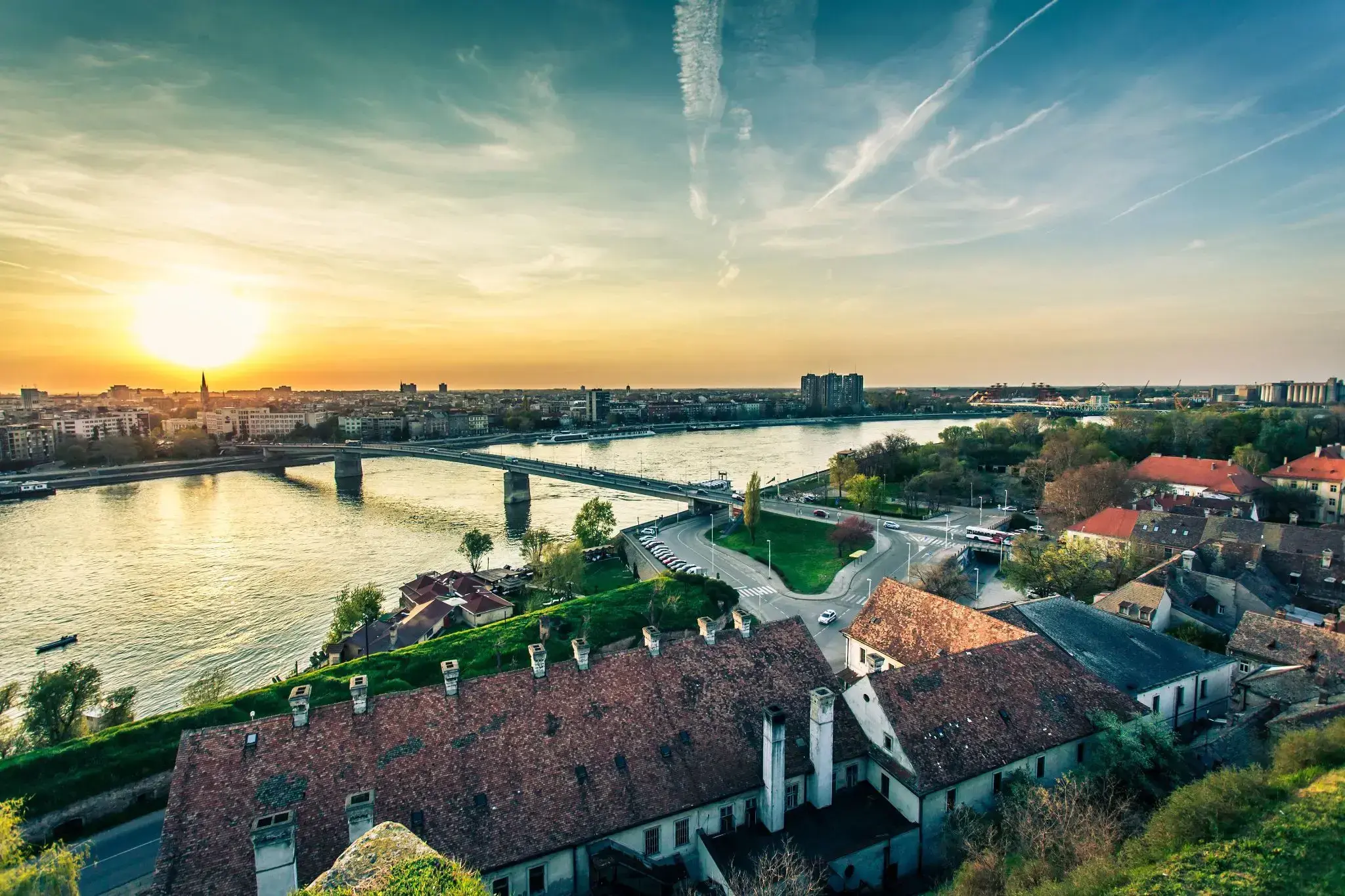
Այնտեղ, որտեղ Դանուբը նրբորեն ծածկում է հին ամրոցները, Նովի Սադը դիմավորում է այցելուներին իր հմայիչ հին փողոցներով և հանգիստ բոհեմական մթնոլորտով: Սա սերբական քաղաք է, որը գտնվում է Ֆրուշկա-Գորա լեռան ստորոտում, և հայտնի է իր պատմության, մշակույթի և բնության համակցությամբ: Նովի Սադը ոչ միայն երկրի մշակութային մայրաքաղաքն է, այլ նաև Սերբիայի ամենամեծ կանաչ քաղաքներից մեկը, որտեղ կան հանգիստ այգիներ և պանորամային տեսարաններ գետին:
Հատուկ ուշադրություն պետք է դարձնել Պետրովարադին ամրոցին՝ XVIII դարի հոյակապ կառույցին, որը ոչ պաշտոնապես կոչվում է «Դանուբի Գիբրալթարը»: Ամեն տարի այստեղ տեղի է ունենում հայտնի EXIT երաժշտական փառատոնը, որը հավաքում է ժամանակակից երաժշտության սիրահարներին ամբողջ աշխարհից: Նովի Սադի կենտրոնում զբոսնելիս, զբոսաշրջիկները բացահայտում են հունգարական, ավստրիական և Բալկանյան ժառանգությունը, որն արտացոլվում է ճարտարապետության, խոհանոցի և տեղական բնակիչների հյուրասիրության մեջ:
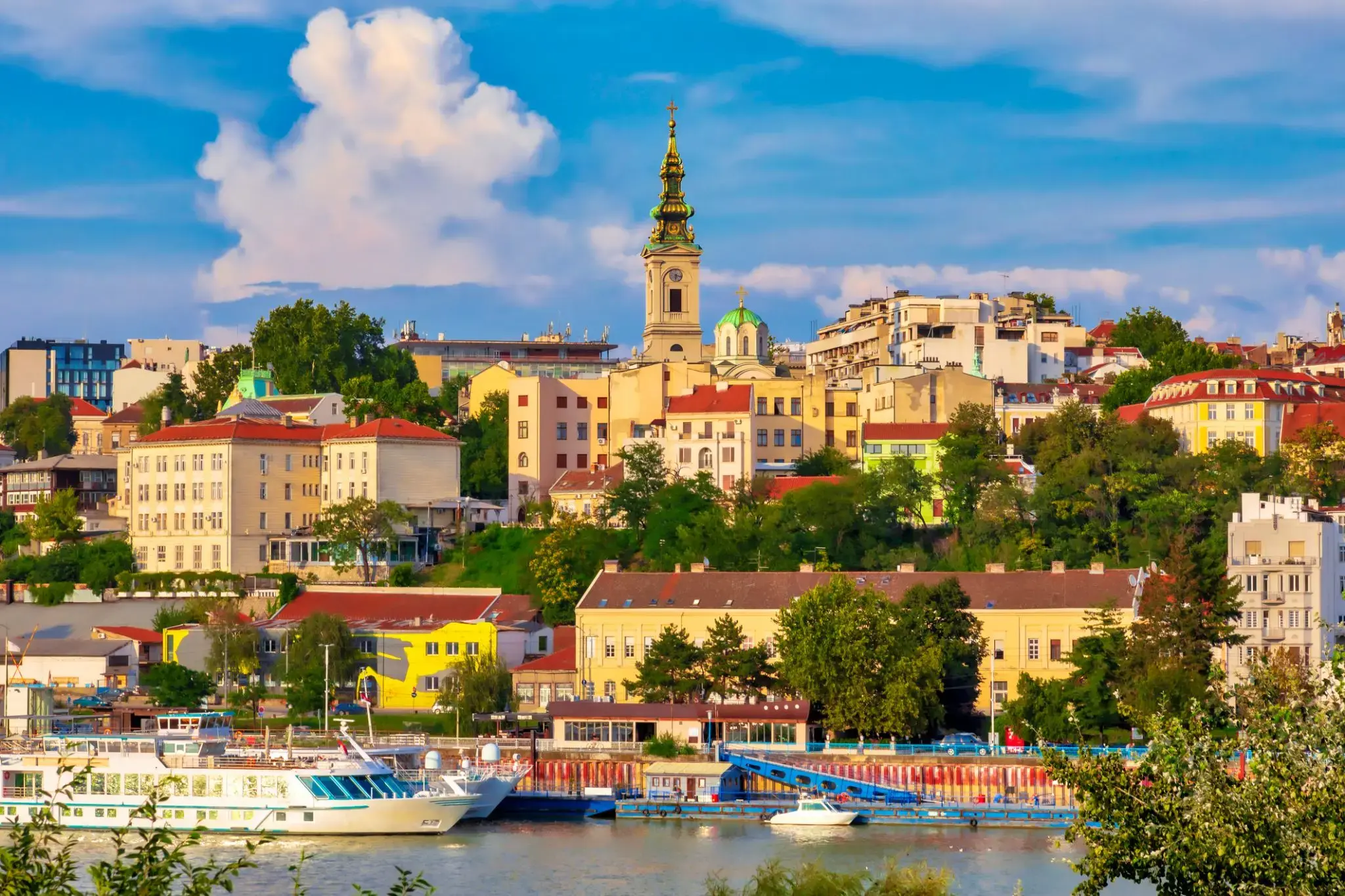
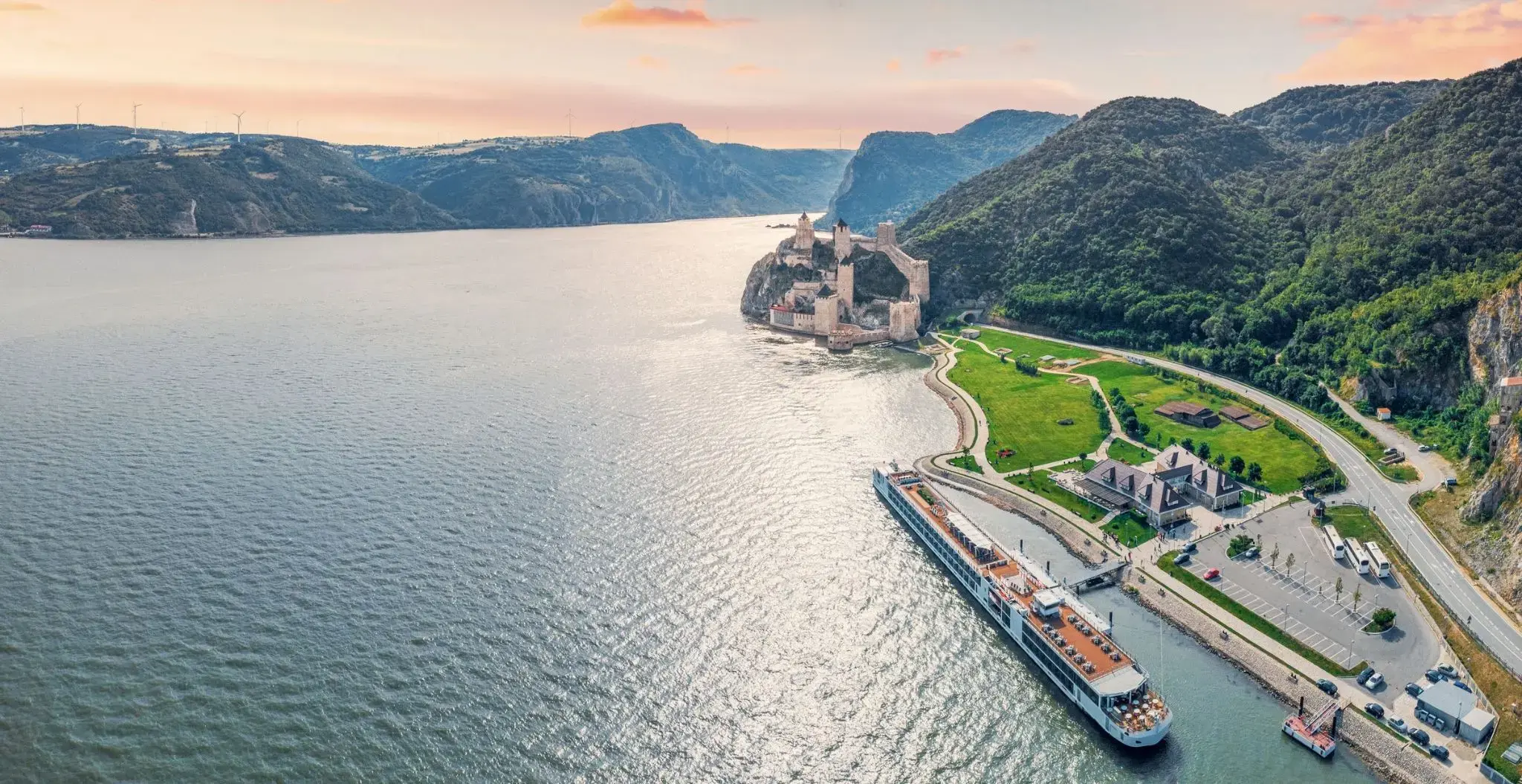
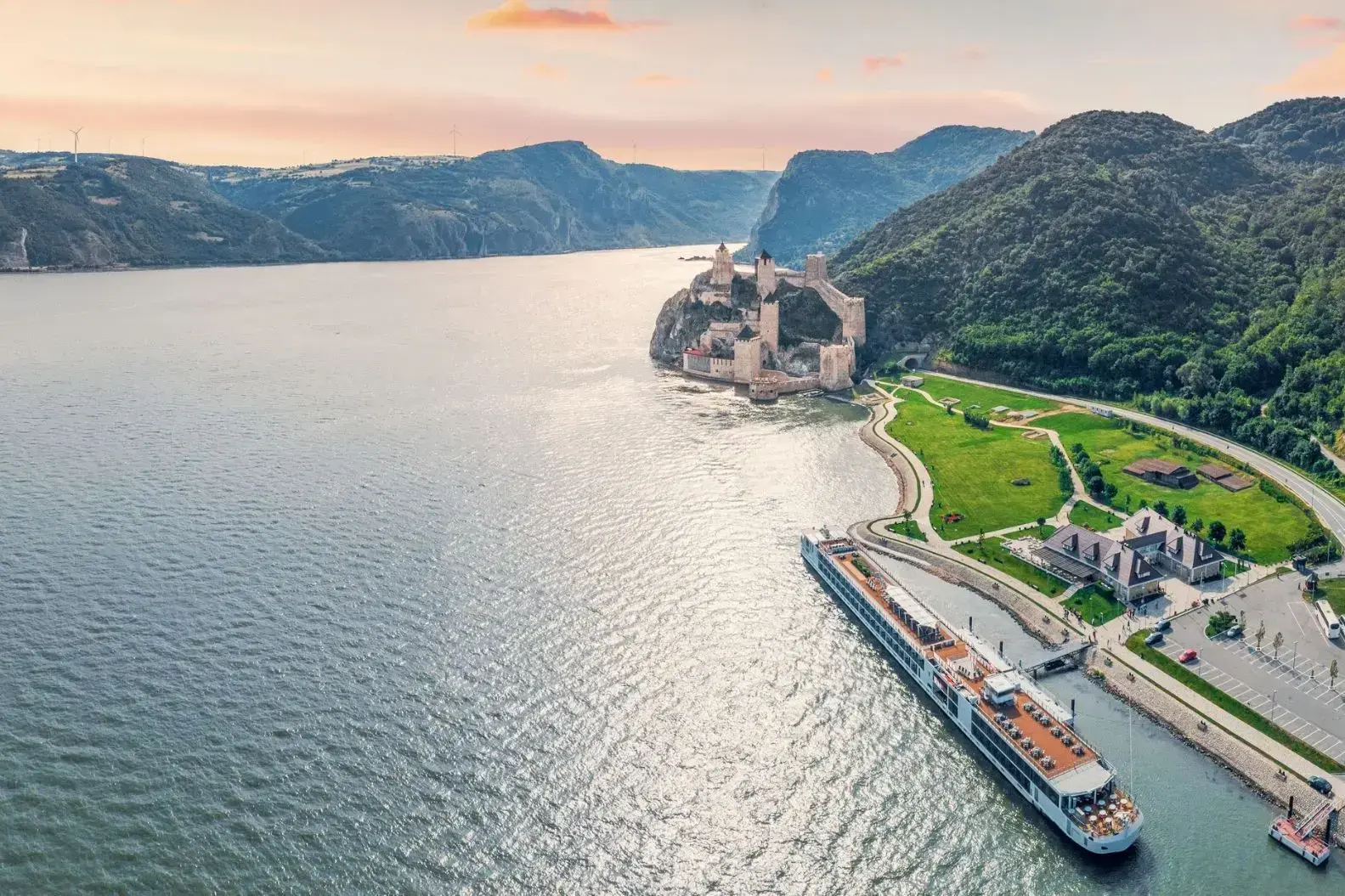
Այստեղ, որտեղ Դանուբ գետը հանդիպում է Երկաթե Դարպասների հզոր ժայռերին, սկսվում է ժամանակի ճանապարհորդություն՝ միջնադարյան ամրոցի պատերի ներքո։ Հրաշալի Գոլուբացի ամրոցը՝ Սերբիայի ամենապատկերավորներից մեկը, կանգնած է հպարտությամբ՝ զգուշորեն վերականգնված և բաց այցելուների համար։ Այս հզոր բերդը, կառուցված 14-րդ դարում, պաշտպանել է կարևոր ռազմավարական անցում, իսկ այսօր բացում է տեսարան դեպի գետն ու Ռումինիայի լեռները։
Գոլուբացը միայն պատմություն չէ, այլև բնություն։ Այն գտնվում է Ջերդապ ազգային պարկի տարածքում՝ հարմար քայլելու, թռչունների դիտարկման կամ հեծանվավազքի համար։ Հյուրընկալ սրճարանները, տեղական խոհանոցը և բնակիչների ջերմ ընդունելությունը դարձնում են այս վայրը հիանալի կանգառ կամ հանգիստ հանգստի վայր՝ հին Սերբիայի մթնոլորտով։
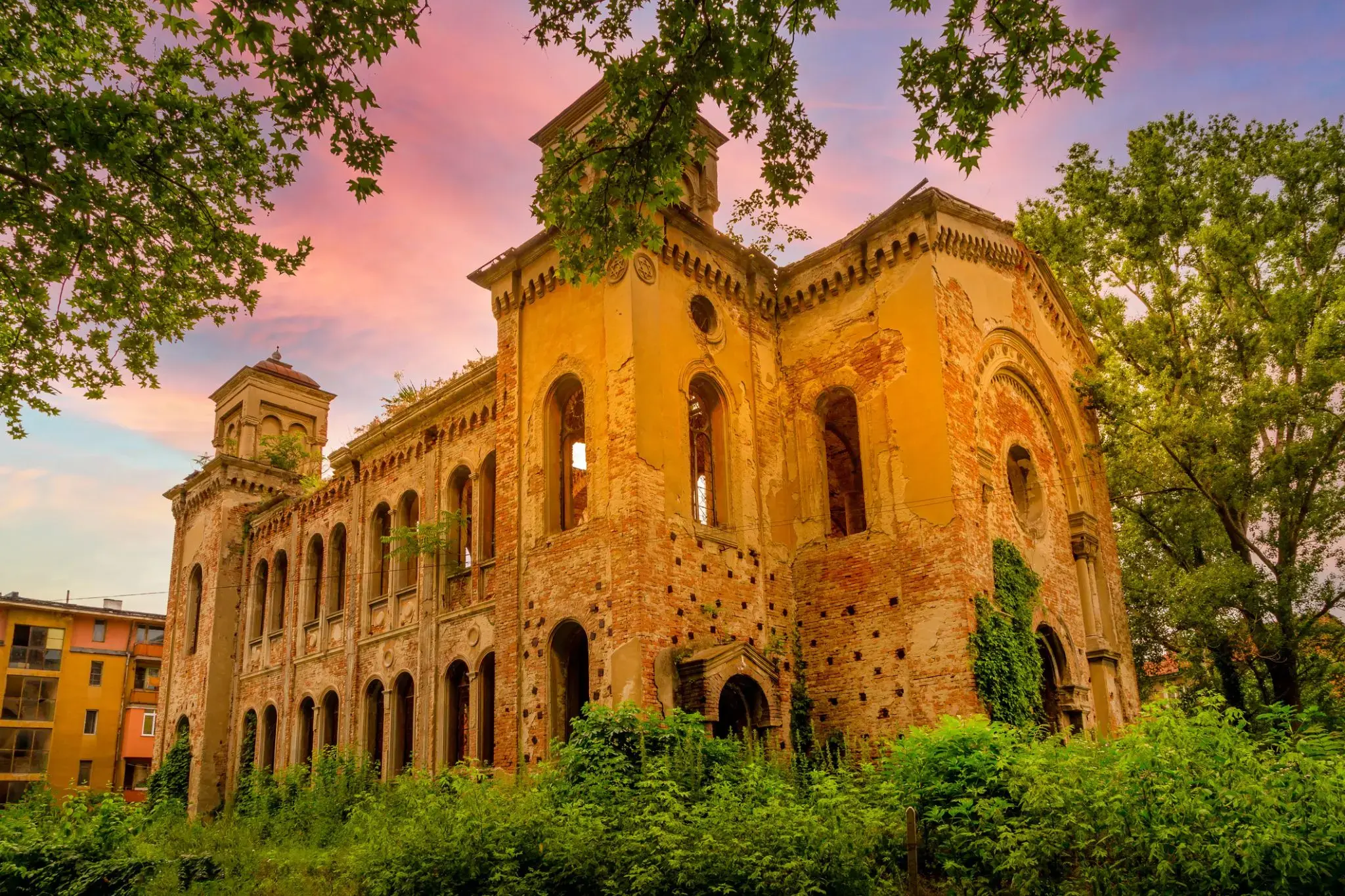
Ֆետեշտին գտնվում է Ռումինիայի հարավ-արևելքում՝ Դանուբ գետի մոտակայքում և կարևոր տրանսպորտային հանգույց է Վալախիայի և Դոբրուջայի միջև։ Քաղաքը հայտնի է իր պատմական կապերով երկաթուղու և կամուրջների հետ։ Դանուբի երկաթուղային կամուրջը, որը կառուցվել է ինժեներ Անգել Սալիգնիի կողմից, երկար տարիներ համարվել է Եվրոպայի ամենաերկարներից մեկը։ Տարածքը հայտնի է նաև իր գեղեցիկ բնությամբ և Դանուբի ափերին գտնվող բնապահպանական արգելանոցներով։
Քաղաքը միավորում է արդյունաբերական և գյուղական տարրերը, ստեղծելով յուրահատուկ մթնոլորտ։ Զբոսաշրջիկները կարող են վայելել տեղական խոհանոցը, որտեղ արտացոլված են թե՛ ռումինական, թե՛ դոբրուջյան ավանդույթները։ Ֆետեշտին հարմար է այն ճանապարհորդների համար, ովքեր փնտրում են իսկական վայրեր, հեռու զանգվածային զբոսաշրջությունից, և հետաքրքրվում են տրանսպորտի պատմությամբ ու XX դարի սկզբի ինժեներական կառույցներով։
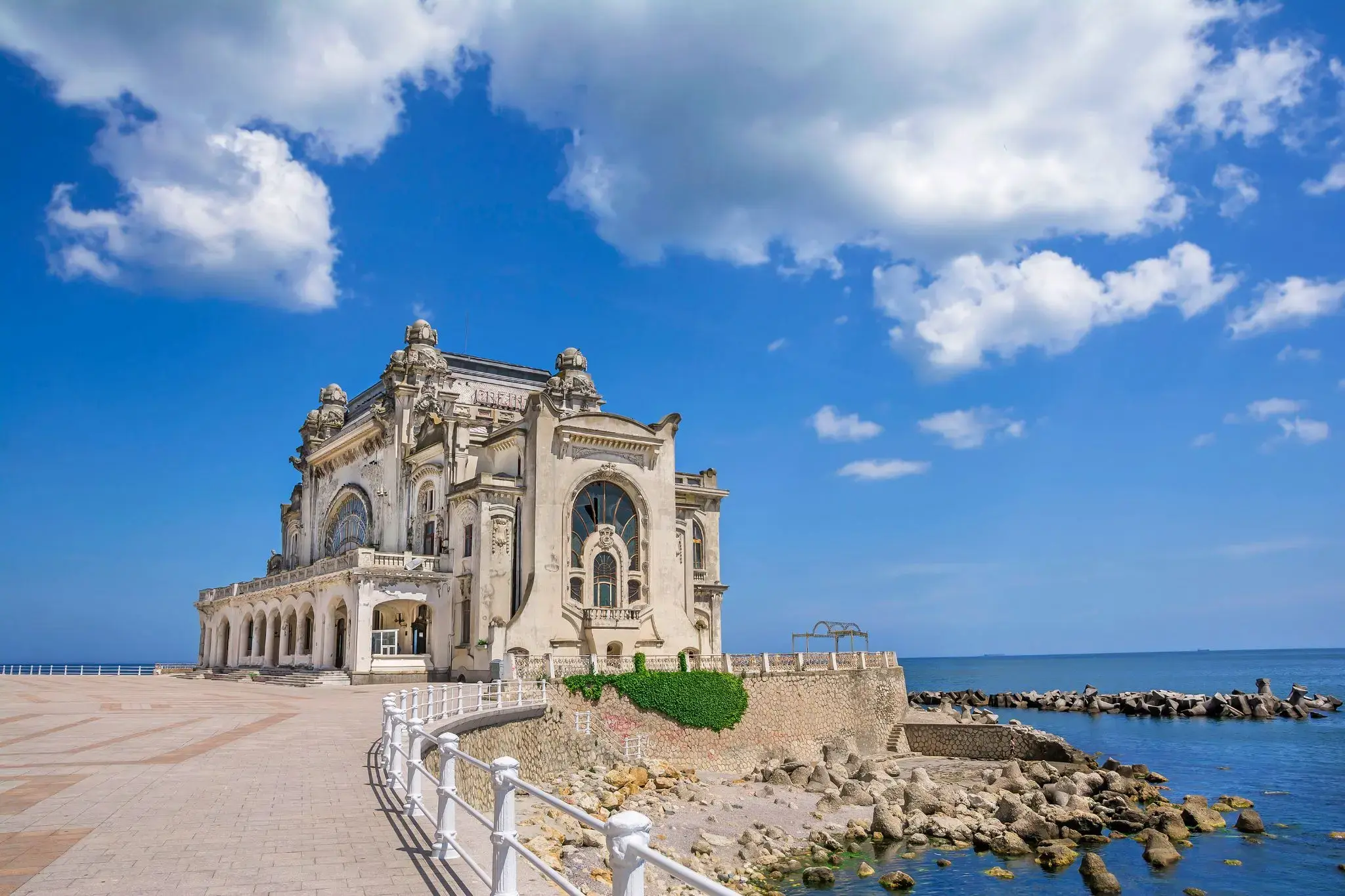
Constanța historically known as Tomis (Ancient Greek: Τόμις), is the oldest continuously inhabited city in Romania. It was founded around 600 BC. The city is located in the Dobruja region of Romania, on the Black Sea coast. It is the capital of Constanța County and the largest city in the region.
As of the 2011 census, Constanța has a population of 283,872, making it the fifth most populous city in Romania. The Constanța metropolitan area includes 14 localities within 30 km (19 mi) of the city, and with a total population of 425,916 inhabitants, it is one of the largest metropolitan areas in Romania.
The Port of Constanța has an area of 39.26 km2 (15.16 sq mi) and a length of about 30 km (19 mi). It is the largest port on the Black Sea, and one of the largest ports in Europe.
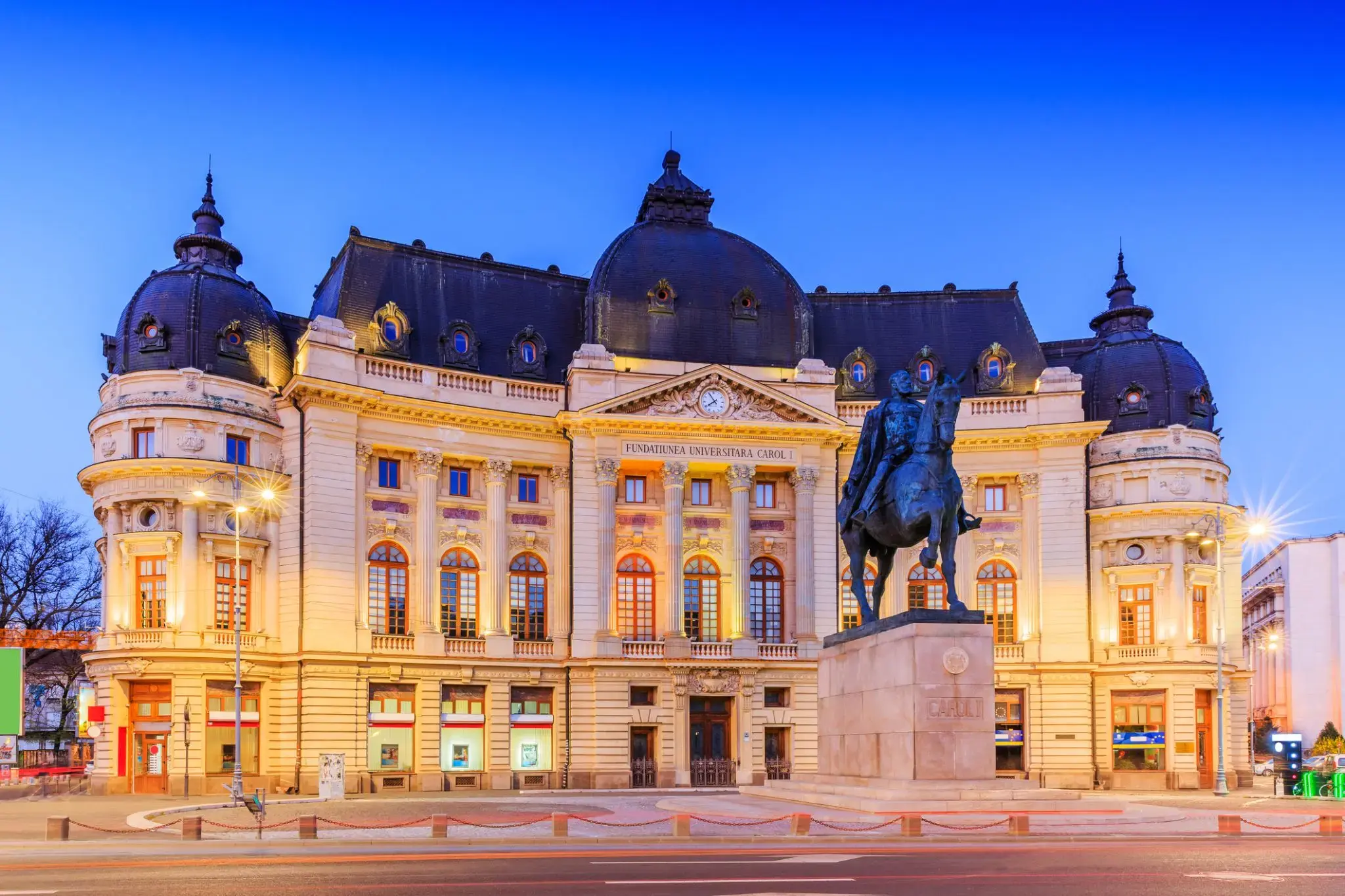
Բուխարեստը, Ռումինիայի աշխույժ մայրաքաղաքը, հետաքրքիր միաձուլում է պատմություն, արդիականություն և մշակույթ։ Անկախ նրանից, թե դուք քայլում եք մեծ փողոցներով, թե ուսումնասիրում պատմական հին քաղաքը, քաղաքը չի կարող չհիացնել իր հրապուրիչությունը։ Այդպիսի տեսարժան վայրերից են Առաջնորդության պալատը, որը աշխարհում ամենամեծ վարչական շենքերից մեկն է, և Ազգային արվեստի թանգարանը, որը տեղակայված է նախկին թագավորական պալատում, և որը հետաքրքիր կլինի պատմության կամ արվեստի սիրահարների համար։ Քաղաքի բազմազան ճարտարապետությունը՝ նեոկլասիցիզմից մինչև կոմունիստական ժամանակների շենքեր՝ ստեղծում է յուրահատուկ կապույտ երկնք, որը պատմում է Ռումինիայի պատմությունը՝ անցյալից մինչև ներկա։
Բայց Բուխարեստը միայն պատմական վայրերի մասին չէ։ Քաղաքն ունի ակտիվ մշակութային կյանք և հարուստ գիշերային կյանք։ Տեղական շուկաները, նորաձև սրճարաններն ու ռեստորանները մատուցում են ավանդական ռումինական ուտեստներ՝ ժամանակակից շեշտադրումներով, որոնք հյուրերին կներկայացնեն երկրի հարուստ խոհարարական ժառանգությունը։ Քաղաքի կանաչ տարածքները՝ Հերաստրաու պարկը, ապահովում են հանգիստ և թարմացնող մթնոլորտ, իսկ Բուխարեստը դարձնում է այն ուղղություն, որը հարմար է մշակույթի և հանգստի համատեղելիության համար։ Независимо от того, посещаете ли вы город на выходные или на более длительный срок, Բուխարեստը կիսում է իր յուրահատուկ համադրությունը՝ հին համեմվածություն և ժամանակակից էներգիա։
Բուխարեստը, Ռումինիայի աշխույժ մայրաքաղաքը, հետաքրքիր միաձուլում է պատմություն, արդիականություն և մշակույթ։ Անկախ նրանից, թե դուք քայլում եք մեծ փողոցներով, թե ուսումնասիրում պատմական հին քաղաքը, քաղաքը չի կարող չհիացնել իր հրապուրիչությունը։ Այդպիսի տեսարժան վայրերից են Առաջնորդության պալատը, որը աշխարհում ամենամեծ վարչական շենքերից մեկն է, և Ազգային արվեստի թանգարանը, որը տեղակայված է նախկին թագավորական պալատում, և որը հետաքրքիր կլինի պատմության կամ արվեստի սիրահարների համար։ Քաղաքի բազմազան ճարտարապետությունը՝ նեոկլասիցիզմից մինչև կոմունիստական ժամանակների շենքեր՝ ստեղծում է յուրահատուկ կապույտ երկնք, որը պատմում է Ռումինիայի պատմությունը՝ անցյալից մինչև ներկա։
Բայց Բուխարեստը միայն պատմական վայրերի մասին չէ։ Քաղաքն ունի ակտիվ մշակութային կյանք և հարուստ գիշերային կյանք։ Տեղական շուկաները, նորաձև սրճարաններն ու ռեստորանները մատուցում են ավանդական ռումինական ուտեստներ՝ ժամանակակից շեշտադրումներով, որոնք հյուրերին կներկայացնեն երկրի հարուստ խոհարարական ժառանգությունը։ Քաղաքի կանաչ տարածքները՝ Հերաստրաու պարկը, ապահովում են հանգիստ և թարմացնող մթնոլորտ, իսկ Բուխարեստը դարձնում է այն ուղղություն, որը հարմար է մշակույթի և հանգստի համատեղելիության համար։ Независимо от того, посещаете ли вы город на выходные или на более длительный срок, Բուխարեստը կիսում է իր յուրահատուկ համադրությունը՝ հին համեմվածություն և ժամանակակից էներգիա։