| Cruise Region : Asia |
| Company : MSC Cruises |
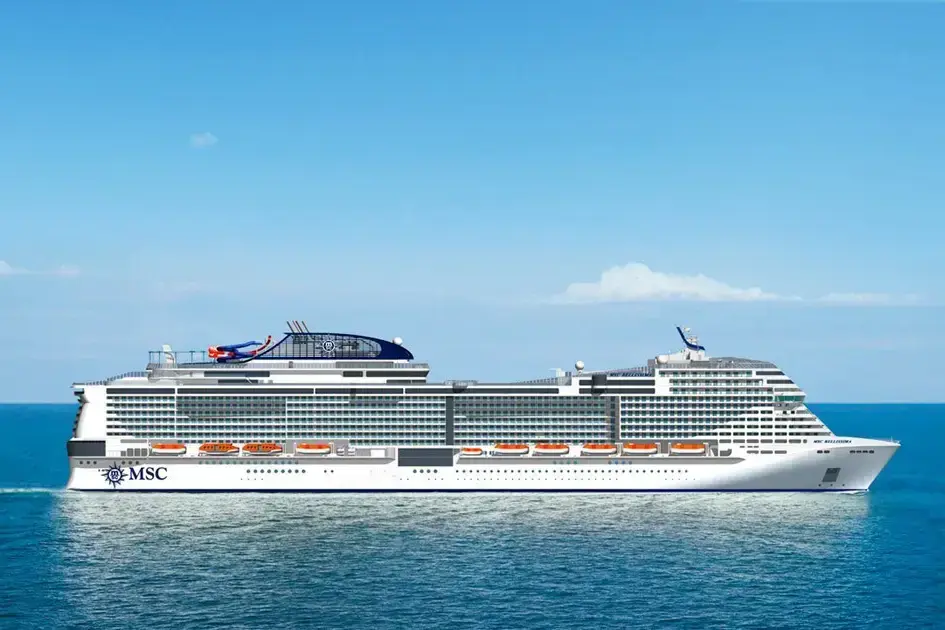
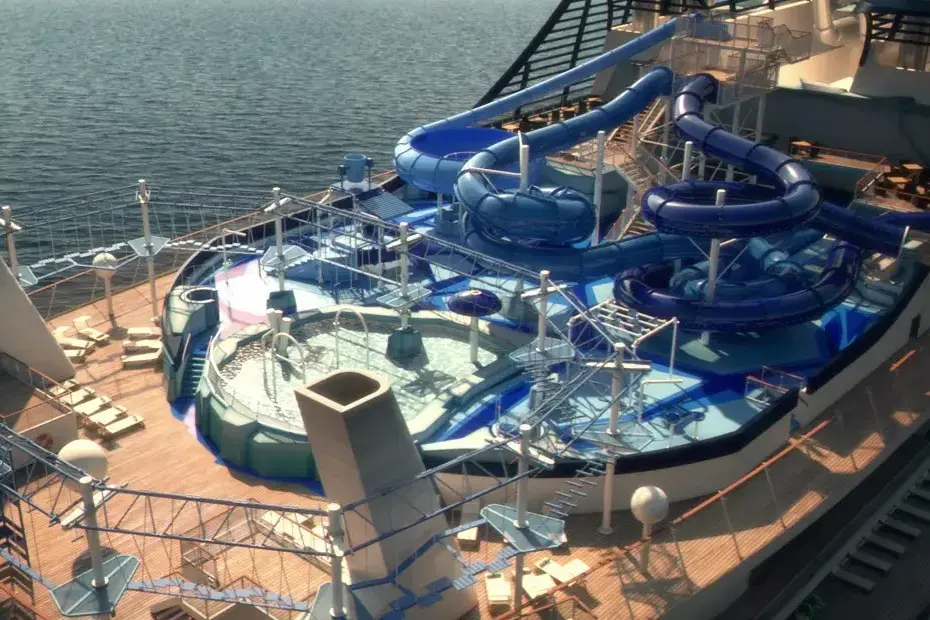
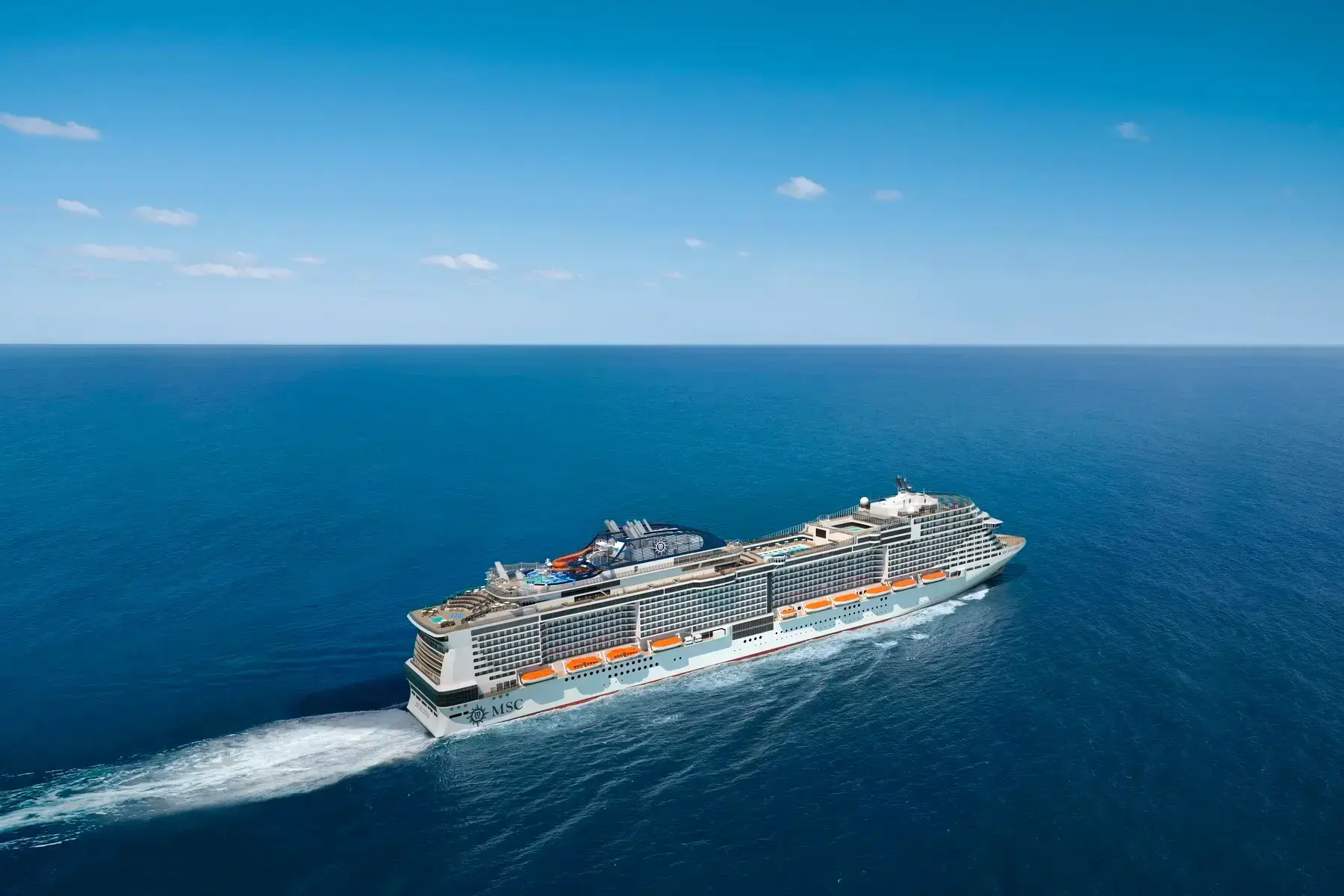
| Ship : MSC Bellissima |
| Journey Start : երք 11 ապր 2028 |
| Journey End : հնգ 20 ապր 2028 |
| Count Nights : 9 nights |
| Day | Date | Port | Arrival | Departure |
|---|---|---|---|---|
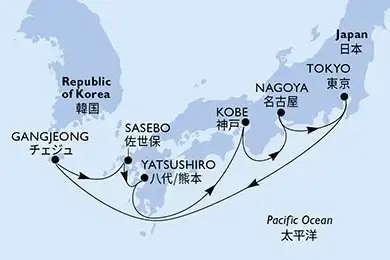
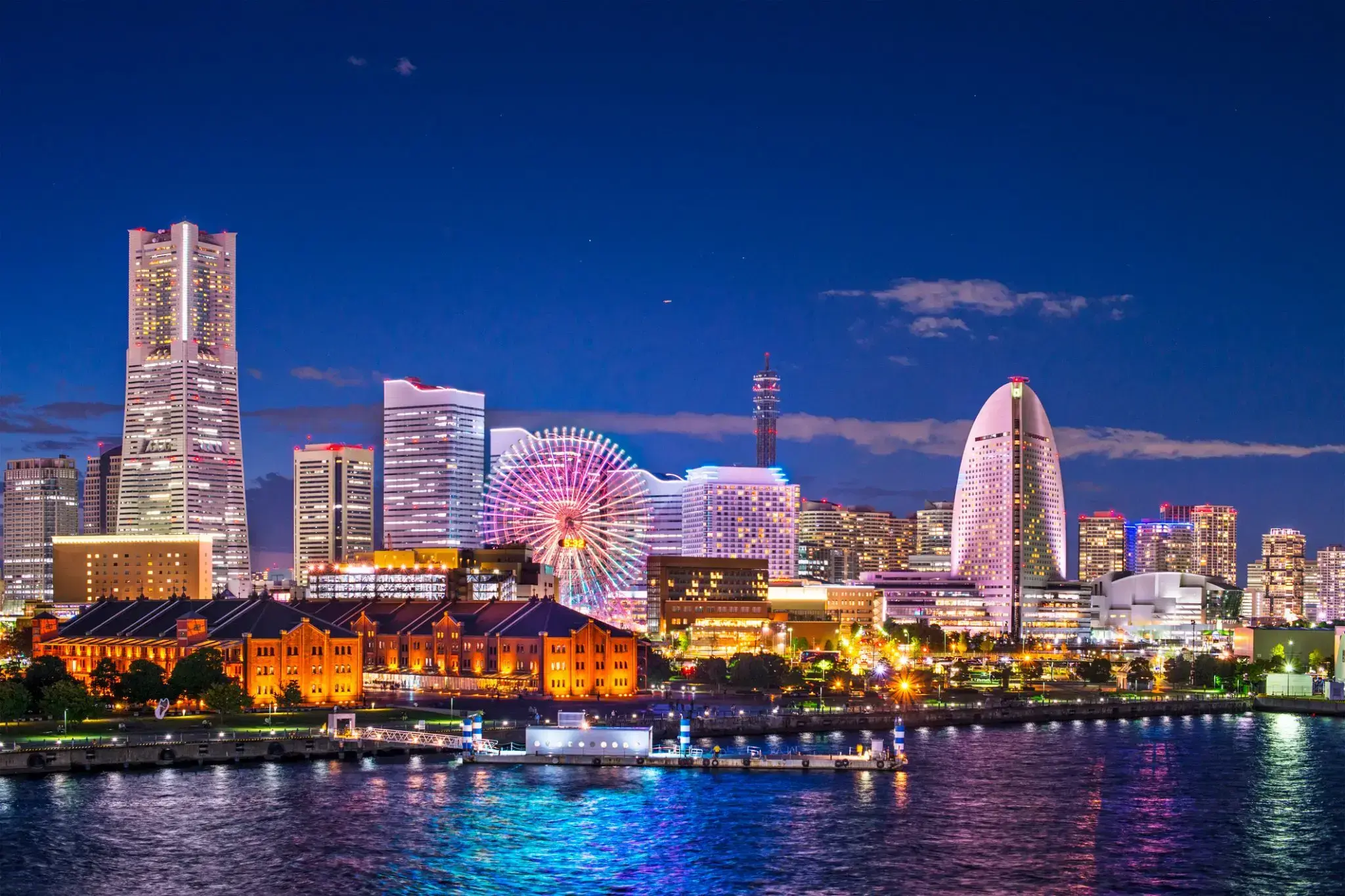
| 1 | 11.04 երք | Յոկոհամա (Տոկիո) / Japan | 16:30 | |
| 2 | 12.04 չրք | Օր ծովում / Sea | ||
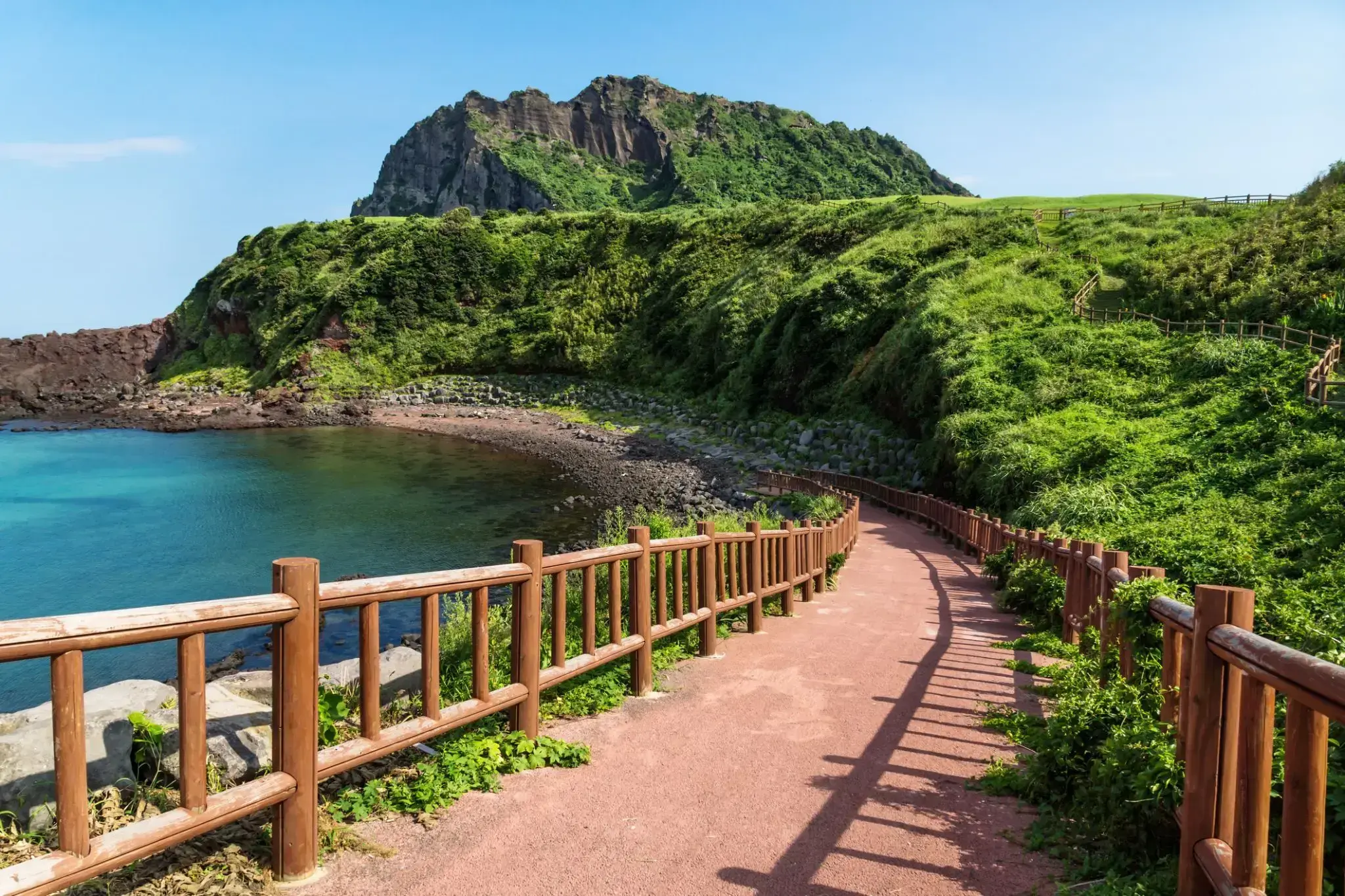
| 3 | 13.04 հնգ | Ջեջու (Gangjeong) / Korea | 13:30 | 21:00 |
| 4 | 14.04 ուր | Սասեբո / Japan | 08:00 | 19:00 |
| 5 | 15.04 շբթ | Կումամոտո / Japan | 07:00 | 17:00 |
| 6 | 16.04 կիր | Օր ծովում / Sea | ||
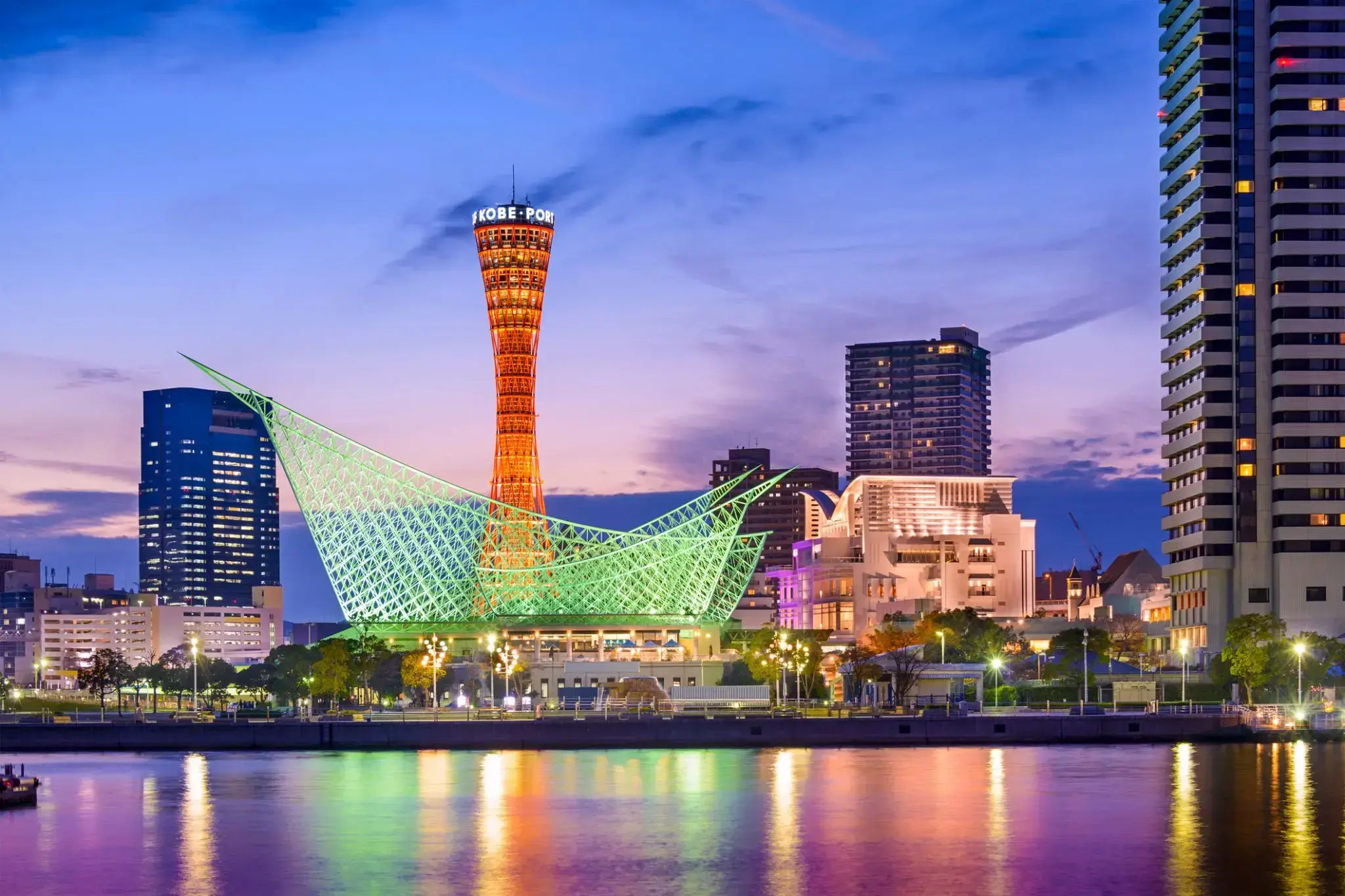
| 7 | 17.04 երկ | Կոբի / Japan | 07:00 | 19:30 |
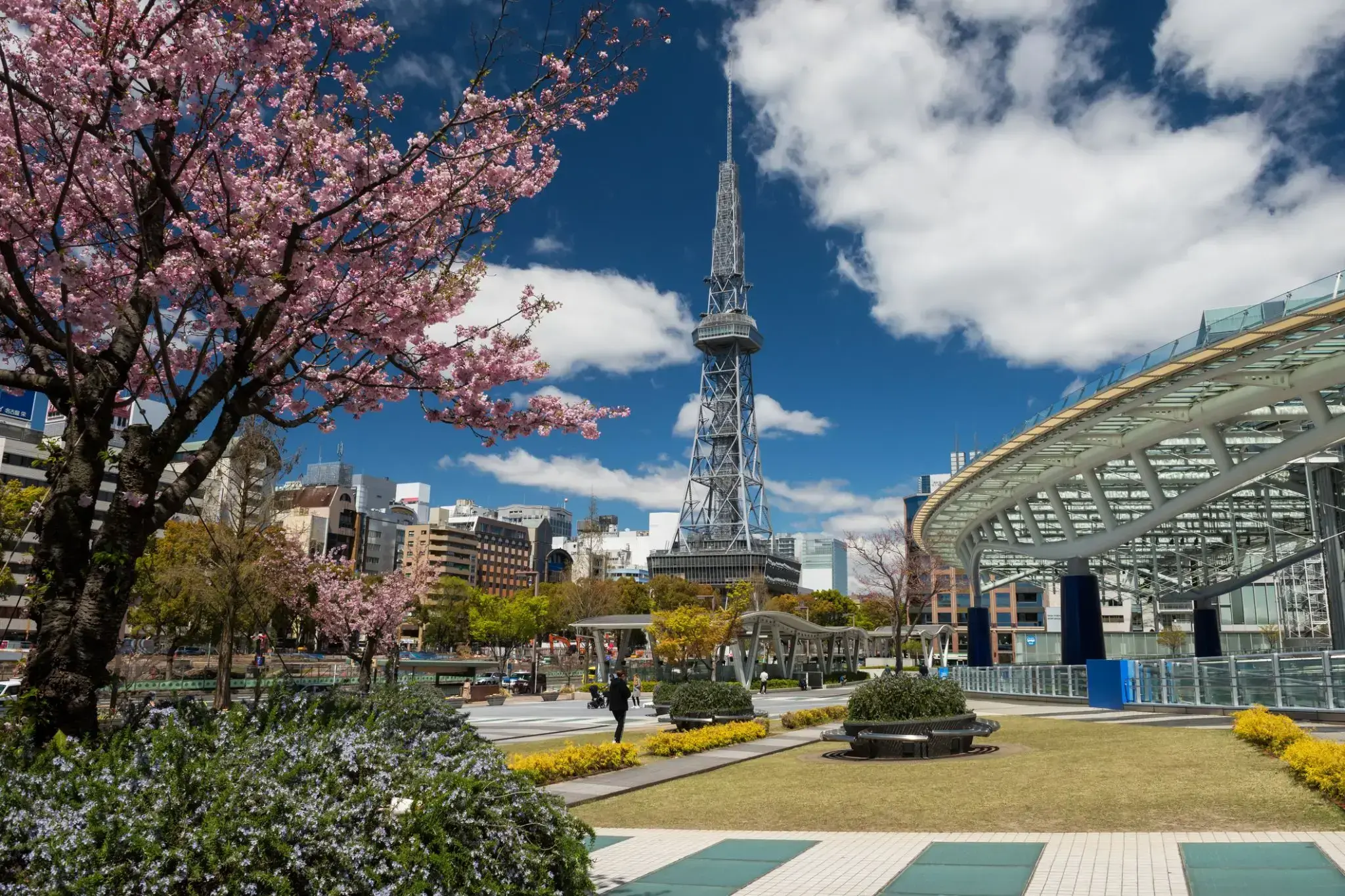
| 8 | 18.04 երք | Նագոյա / Japan | 11:00 | 20:00 |
| 9 | 19.04 չրք | Օր ծովում / Sea | ||
| 10 | 20.04 հնգ | Յոկոհամա (Տոկիո) / Japan | 08:00 |
Կարևոր. MSC-ն իրավունք ունի փոխարինել նույն կատեգորիայի կամ ավելի բարձր խցիկը: Այնուամենայնիվ, MSC-ն կգործադրի բոլոր ջանքերը խցիկի փոփոխություններից խուսափելու համար:
Լրացուցիչ ծախսեր.
Լրացուցիչ վճարվում է գծի վրա.
Բարերում, ռեստորաններում, խանութներում, սպա կենտրոնում, վարսավիրանոցում և այլն ծառայությունների ցանկացած գնման համար ձեզանից կգանձվի սպասարկման վճար, որը միջինը կկազմի գնման գնի 15%-ը :
Տուգանքի պայմանները.
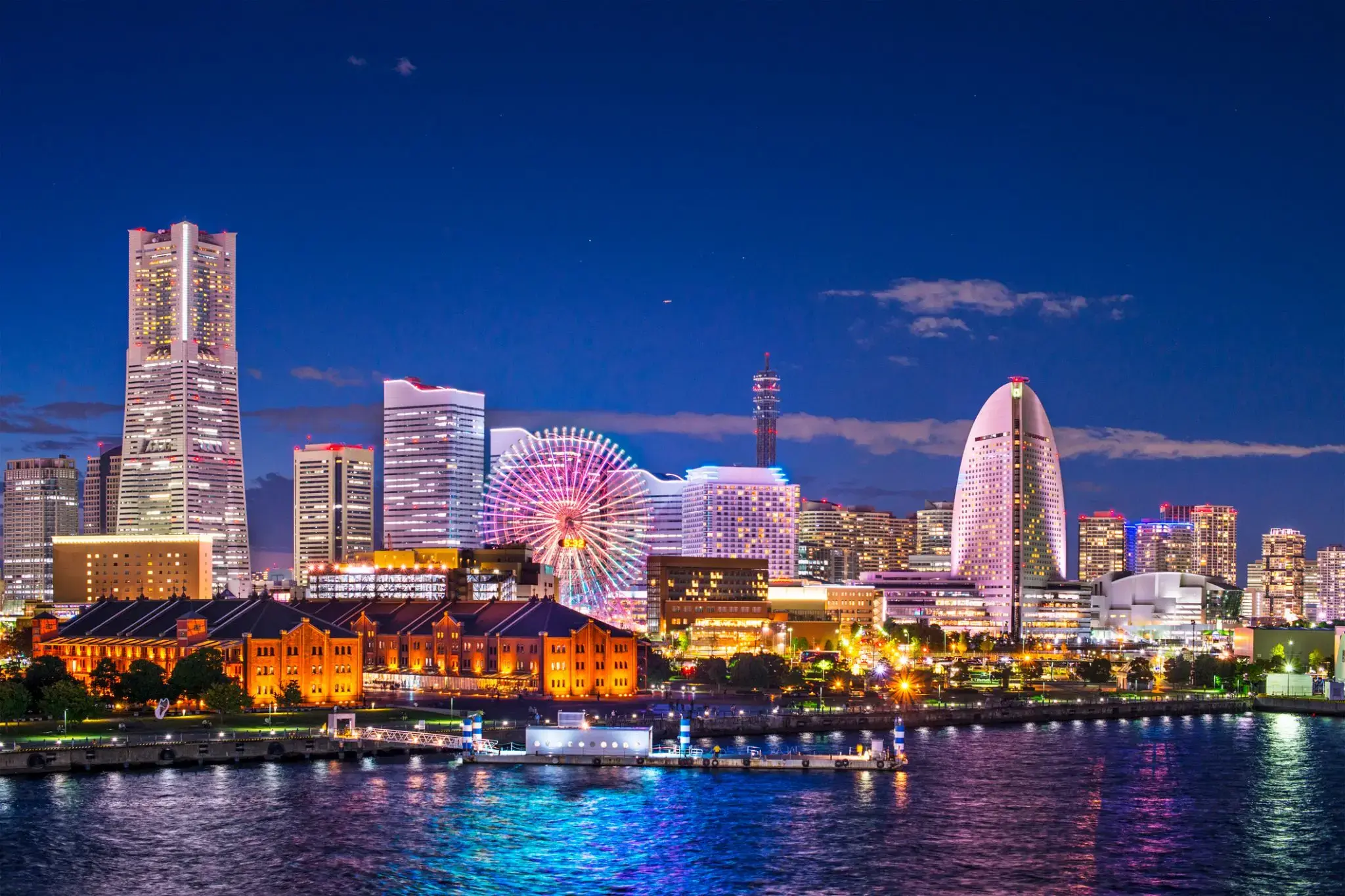
Tokyo, officially Tokyo Metropolis, one of the 47 prefectures of Japan, has served as the Japanese capital since 1869. As of 2014, the Greater Tokyo Arearanked as the most populous metropolitan area in the world. The urban area houses the seat of the Emperor of Japan, of the Japanese government and of the National Diet. Tokyo forms part of the Kantō region on the southeastern side of Japan's main island, Honshu, and includes the Izu Islands and Ogasawara Islands. Tokyo was formerly named Edo when Shōgun Tokugawa Ieyasu made the city his headquarters in 1603. It became the capital after Emperor Meiji moved his seat to the city from Kyoto in 1868; at that time Edo was renamed Tokyo. Tokyo Metropolis formed in 1943 from the merger of the former Tokyo Prefecture and the city of Tokyo. Tokyo is often referred to as a city but is officially known and governed as a "metropolitan prefecture", which differs from and combines elements of a city and a prefecture, a characteristic unique to Tokyo.
The 23 Special Wards of Tokyo were formerly Tokyo City. On July 1, 1943, it merged with Tokyo Prefecture and became Tokyo Metropolis with an additional 26 municipalities in the western part of the prefecture, and the Izu islandsand Ogasawara islands south of Tokyo. The population of the special wards is over 9 million people, with the total population of Tokyo Metropolis exceeding 13.8 million. The prefecture is part of the world's most populous metropolitan area called the Greater Tokyo Area with over 38 million people and the world's largest urban agglomeration economy. As of 2011, Tokyo hosted 51 of the Fortune Global 500 companies, the highest number of any city in the world at that time. Tokyo ranked third (twice) in the International Financial Centres Development Index. The city is home to various television networks such as Fuji TV, Tokyo MX, TV Tokyo, TV Asahi, Nippon Television, NHK and the Tokyo Broadcasting System.
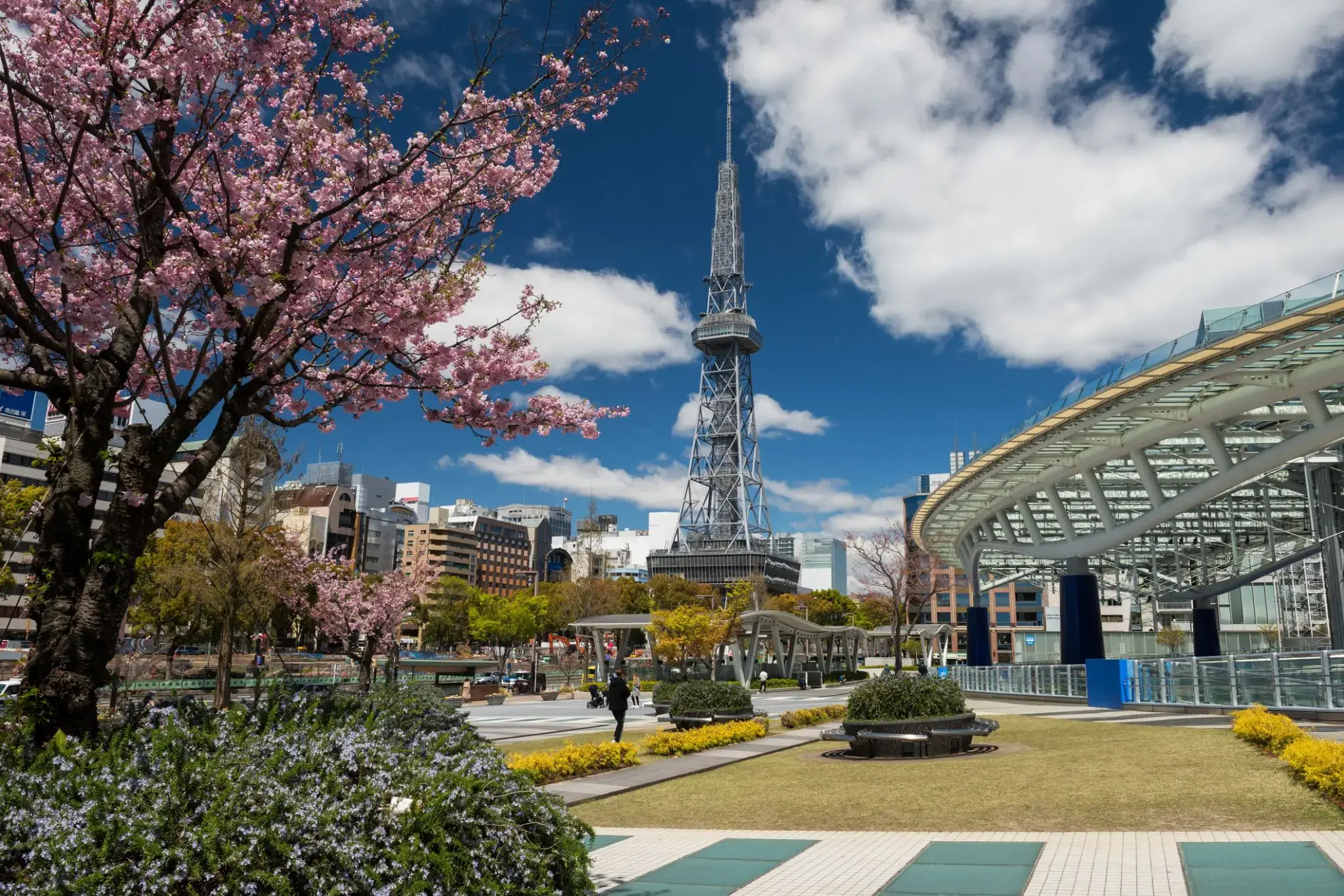
Nagoya is the largest city in the Chūbu region of Japan. It is Japan's fourth-largest incorporated city and the third-most-populous urban area. It is located on the Pacific coast on central Honshu. It is the capital of Aichi Prefectureand is one of Japan's major ports along with those of Tokyo, Osaka, Kobe, Yokohama, Chiba, and Kitakyushu. It is also the center of Japan's third-largest metropolitan region, known as the Chūkyō metropolitan area. As of 2015, 2.28 million people lived in the city, part of Chūkyō Metropolitan Area's 10.11 million people. It is also one of the 50 largest urban areas in the world.
Tokyo, officially Tokyo Metropolis, one of the 47 prefectures of Japan, has served as the Japanese capital since 1869. As of 2014, the Greater Tokyo Arearanked as the most populous metropolitan area in the world. The urban area houses the seat of the Emperor of Japan, of the Japanese government and of the National Diet. Tokyo forms part of the Kantō region on the southeastern side of Japan's main island, Honshu, and includes the Izu Islands and Ogasawara Islands. Tokyo was formerly named Edo when Shōgun Tokugawa Ieyasu made the city his headquarters in 1603. It became the capital after Emperor Meiji moved his seat to the city from Kyoto in 1868; at that time Edo was renamed Tokyo. Tokyo Metropolis formed in 1943 from the merger of the former Tokyo Prefecture and the city of Tokyo. Tokyo is often referred to as a city but is officially known and governed as a "metropolitan prefecture", which differs from and combines elements of a city and a prefecture, a characteristic unique to Tokyo.
The 23 Special Wards of Tokyo were formerly Tokyo City. On July 1, 1943, it merged with Tokyo Prefecture and became Tokyo Metropolis with an additional 26 municipalities in the western part of the prefecture, and the Izu islandsand Ogasawara islands south of Tokyo. The population of the special wards is over 9 million people, with the total population of Tokyo Metropolis exceeding 13.8 million. The prefecture is part of the world's most populous metropolitan area called the Greater Tokyo Area with over 38 million people and the world's largest urban agglomeration economy. As of 2011, Tokyo hosted 51 of the Fortune Global 500 companies, the highest number of any city in the world at that time. Tokyo ranked third (twice) in the International Financial Centres Development Index. The city is home to various television networks such as Fuji TV, Tokyo MX, TV Tokyo, TV Asahi, Nippon Television, NHK and the Tokyo Broadcasting System.