| Cruise Region : Mediterranean Sea |
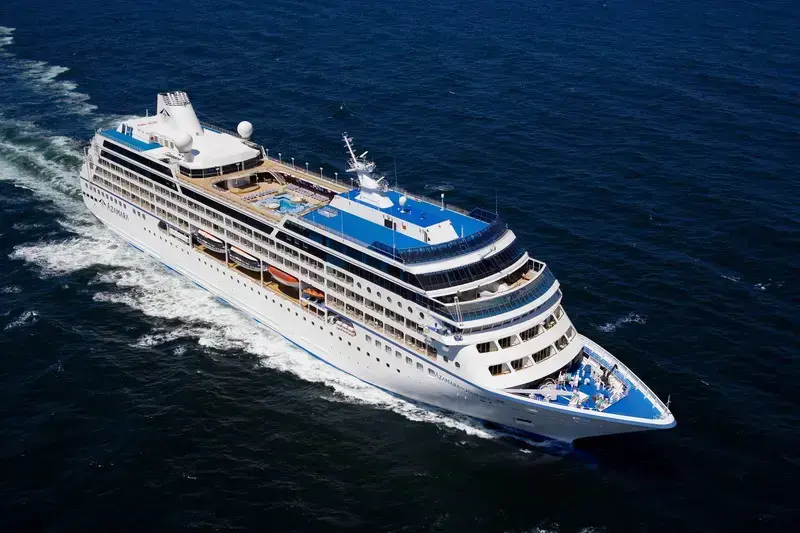
| Company : Azamara Cruises |
| Ship : Azamara Quest |
| Journey Start : շբթ 29 ապր 2028 |
| Journey End : շբթ 20 մյս 2028 |
| Count Nights : 21 night |
| Day | Date | Port | Arrival | Departure |
|---|---|---|---|---|
| 1 | 29.04 շբթ | Հռոմ (Civitavecchia) / Italy | 17:00 | |
| 2 | 30.04 կիր | Անթալիա / Turkey | 07:00 | 17:30 |
| 3 | 1.05 երկ | Նավահանգիստ Mahon / Spain | 13:30 | 20:00 |
| 4 | 2.05 երք | Պալմա դե Մայորկա / Spain | 08:00 | 18:00 |
| 5 | 3.05 չրք | Կարթախենա (Բոլիվար) / Colombia | 10:00 | 17:00 |
| 6 | 4.05 հնգ | Մալագա / Spain | 08:00 | 22:00 |
| 7 | 5.05 ուր | Ջիբրալթար / Great Britain | 08:00 | 22:00 |
| 8 | 6.05 շբթ | Սևիլիա / Spain | 14:00 | |
| 9 | 7.05 կիր | Սևիլիա / Spain | ||
| 10 | 8.05 երկ | Սևիլիա / Spain | 08:00 | |
| 11 | 9.05 երք | Լիսաբոն / Portugal | 06:00 | 17:00 |
| 12 | 10.05 չրք | Պորտու / Portugal | 09:00 | 17:00 |
| 13 | 11.05 հնգ | Լա Կորունյա / Spain | 10:30 | 20:00 |
| 14 | 12.05 ուր | Խիխոն / Spain | 08:00 | 20:00 |
| 15 | 13.05 շբթ | Բիլբաո / Spain | 08:00 | 19:00 |
| 16 | 14.05 կիր | Բորդո / France | 12:30 | |
| 17 | 15.05 երկ | Բորդո / France | ||
| 18 | 16.05 երք | Բորդո / France | 13:00 | |
| 19 | 17.05 չրք | Օր ծովում / Sea | 15:00 | |
| 20 | 18.05 հնգ | Սեն-Մալո / France | 08:00 | 20:00 |
| 22 | 20.05 շբթ | Պորտսմութ / Dominica | 06:00 |

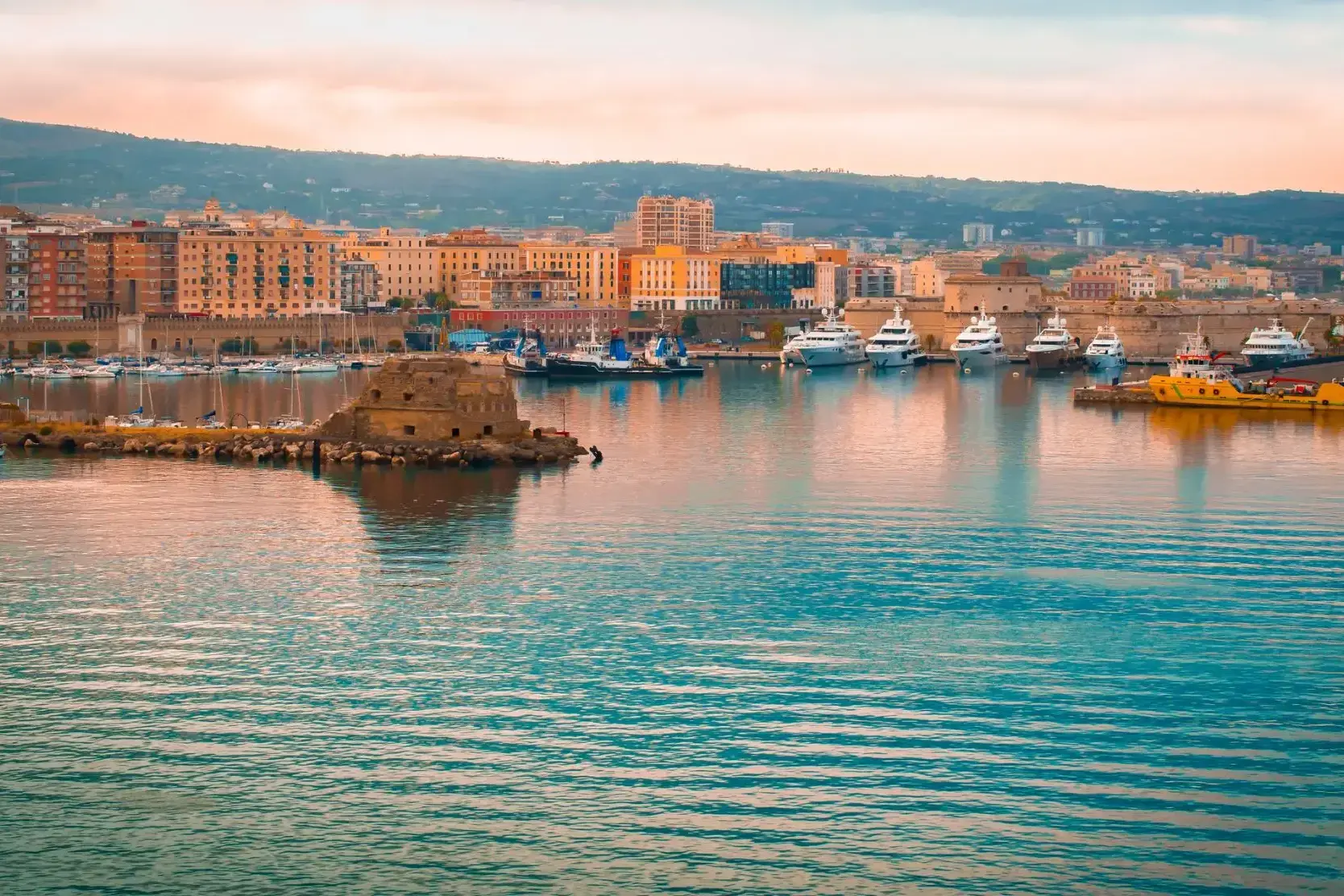
Rome is the capital city and a special comune of Italy (named Comune di Roma Capitale). Rome also serves as the capital of the Lazio region. With 2,872,800 residents in 1,285 km2(496.1 sq mi), it is also the country's most populated comune. It is the fourth-most populous city in the European Union by population within city limits. It is the centre of the Metropolitan City of Rome, which has a population of 4,355,725 residents, thus making it the most populous metropolitan city in Italy. Rome is located in the central-western portion of the Italian Peninsula, within Lazio (Latium), along the shores of the Tiber. The Vatican City (the smallest country in the world) is an independent country inside the city boundaries of Rome, the only existing example of a country within a city: for this reason Rome has been often defined as capital of two states.
Rome's history spans 28 centuries. While Roman mythology dates the founding of Rome at around 753 BC, the site has been inhabited for much longer, making it one of the oldest continuously occupied sites in Europe. The city's early population originated from a mix of Latins, Etruscans, and Sabines. Eventually, the city successively became the capital of the Roman Kingdom, the Roman Republic and the Roman Empire, and is regarded as the birthplace of Western civilization and by some as the first ever metropolis. It was first called The Eternal City (Latin: Urbs Aeterna; Italian: La Città Eterna) by the Roman poet Tibullus in the 1st century BC, and the expression was also taken up by Ovid, Virgil, and Livy. Rome is also called the "Caput Mundi" (Capital of the World). After the fall of the Western Empire, which marked the beginning of the Middle Ages, Rome slowly fell under the political control of the Papacy, which had settled in the city since the 1st century AD, until in the 8th century it became the capital of the Papal States, which lasted until 1870. Beginning with the Renaissance, almost all the popes since Nicholas V (1447–1455) pursued over four hundred years a coherent architectural and urban programme aimed at making the city the artistic and cultural centre of the world. In this way, Rome became first one of the major centres of the Italian Renaissance, and then the birthplace of both the Baroque style and Neoclassicism. Famous artists, painters, sculptors and architects made Rome the centre of their activity, creating masterpieces throughout the city. In 1871, Rome became the capital of the Kingdom of Italy, which, in 1946, became the Italian Republic.
Rome has the status of a global city. In 2016, Rome ranked as the 14th-most-visited city in the world, 3rd most visited in the European Union, and the most popular tourist attraction in Italy. Its historic centre is listed by UNESCO as a World Heritage Site. The famous Vatican Museums are among the world's most visited museums while the Colosseum was the most popular tourist attraction in world with 7.4 million visitors in 2018. Host city for the 1960 Summer Olympics, Rome is the seat of several specialized agencies of the United Nations, such as the Food and Agriculture Organization (FAO), the World Food Programme (WFP) and the International Fund for Agricultural Development (IFAD). The city also hosts the Secretariat of the Parliamentary Assembly of the Union for the Mediterranean (UfM) as well as the headquarters of many international business companies such as Eni, Enel, TIM, Leonardo S.p.A., and national and international banks such as Unicredit and BNL. Its business district, called EUR, is the base of many companies involved in the oil industry, the pharmaceutical industry, and financial services. Rome is also an important fashion and design centre thanks to renowned international brands centered in the city. Rome's Cinecittà Studios have been the set of many Academy Award–winning movies.
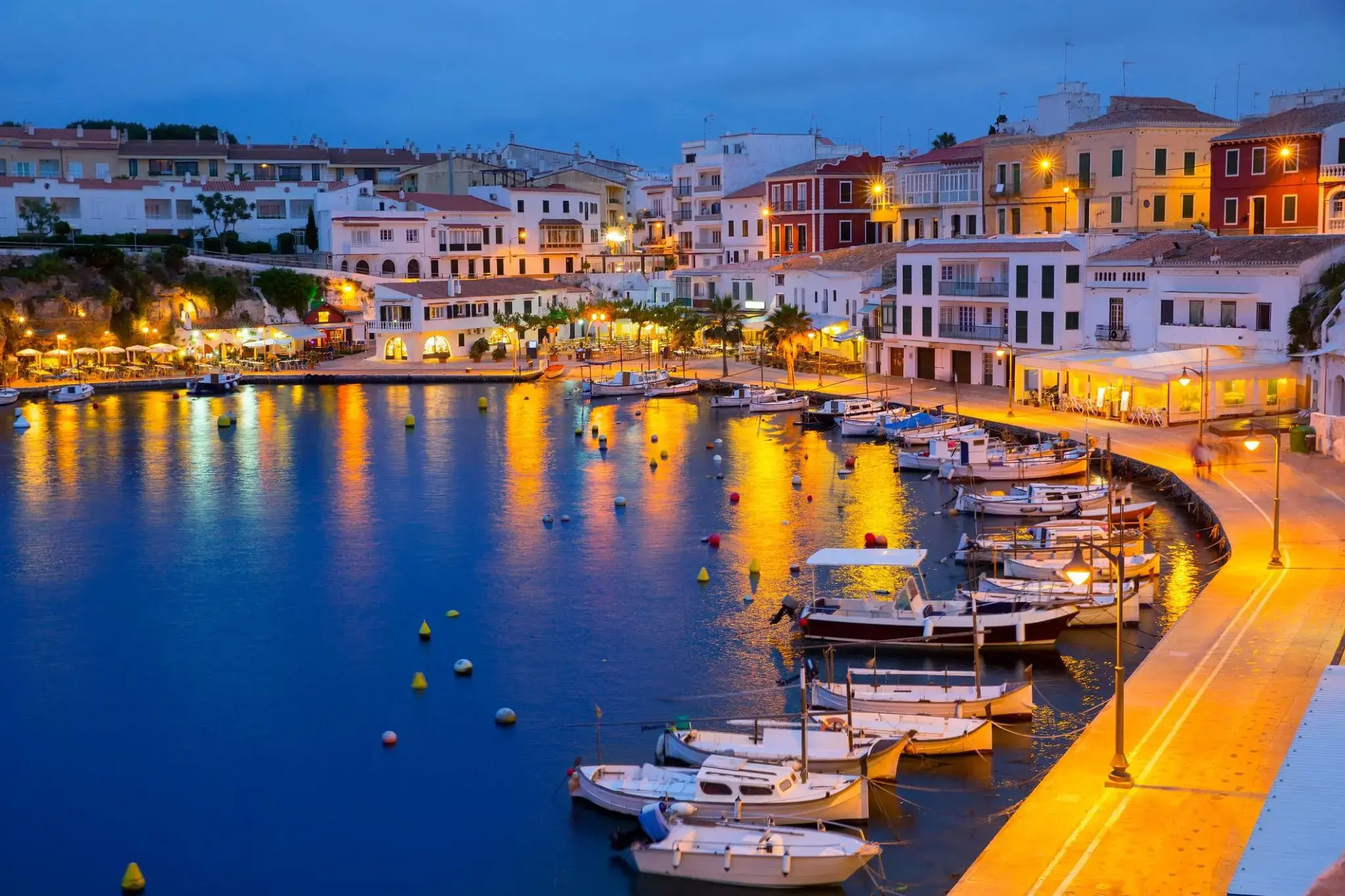
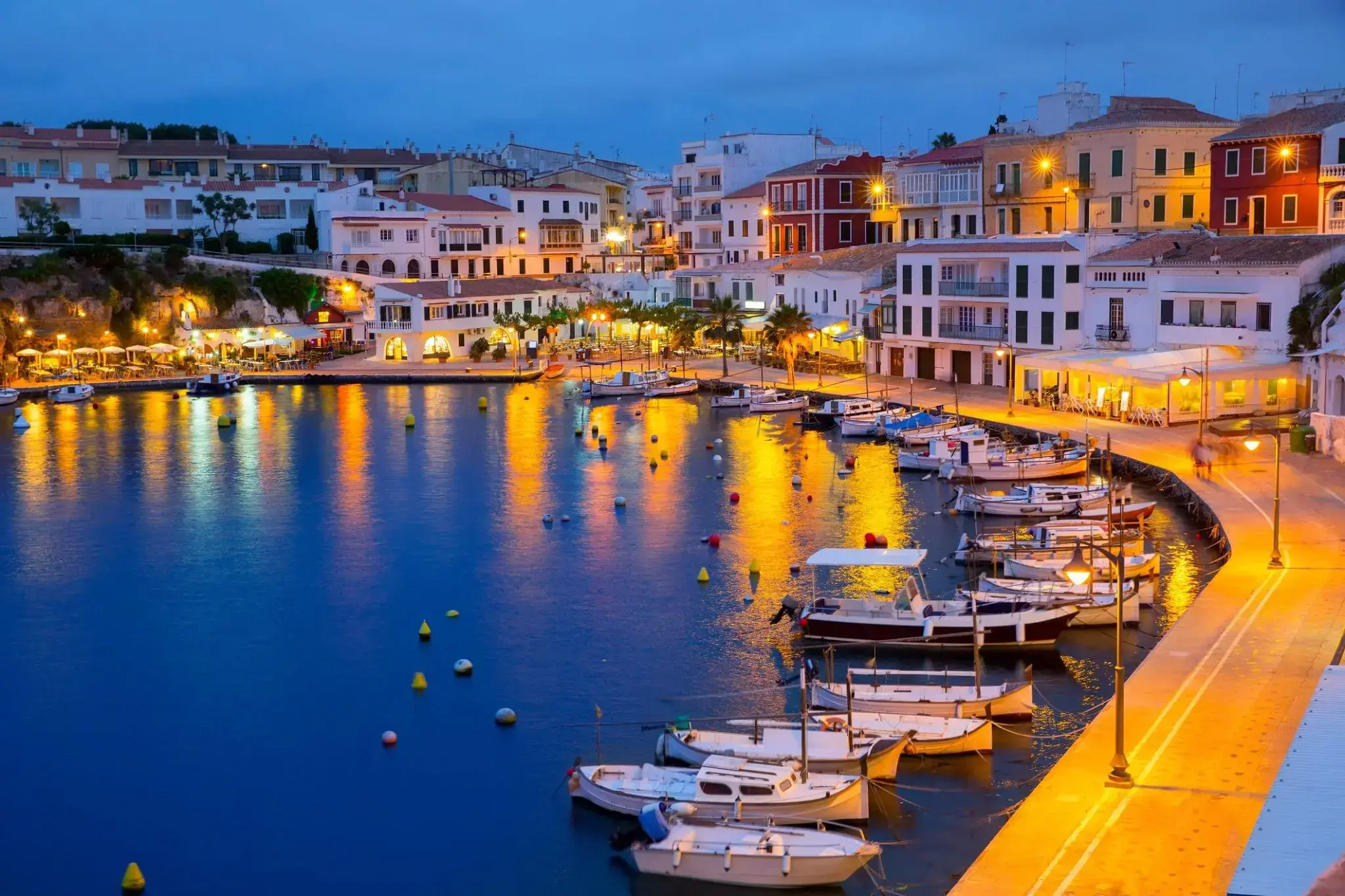
Փիրուզագույն ջրերն ու պատմական բերդերը Մաոնի նավահանգիստը Մենորկայում դարձնում են յուրահատուկ վայր, որը գրավում է ճանապարհորդների ամբողջ աշխարհից։ Այս նավահանգիստը համարվում է աշխարհի ամենախորը բնական նավահանգիստներից մեկը, և ավելի քան 5 կմ երկարությունը հնարավորություն է տալիս հիանալու հոյակապ տեսարաններով՝ ինչպես նավահանգստի ափամերձ հատվածներից, այնպես էլ նավարկությունների ընթացքում։ Ճանապարհին բացվում են գեղատեսիլ շինություններ, որոնք հիշեցնում են բրիտանական ազդեցության մասին, ինչպես նաև հյուրընկալ սրճարաններ՝ թարմ պատրաստված սուրճի և Մենորկայի ավանդական էնսայմադայի բույրով։
Մաոնի նավահանգիստը առաջարկում է բացառիկ հնարավորություն՝ նավարկությունը համատեղելու պատմական տեսարժան վայրերի ուսումնասիրության հետ, այդ թվում՝ հին Լա Մոլա բերդը և 18-րդ դարի հոսպիտալով փոքր կղզին, որտեղ կարելի է հասնել նավակով։ Միջերկրածովյան քաղաքների մթնոլորտը սիրող այցելուների համար նավահանգիստը առաջարկում է նեղ փողոցներ արհեստագործական խանութներով, ջրեզերքի ռեստորաններում թարմ ծովամթերք և հանգստության զգացում, որն ընձեռում է Մենորկան յուրաքանչյուր այցելուին։
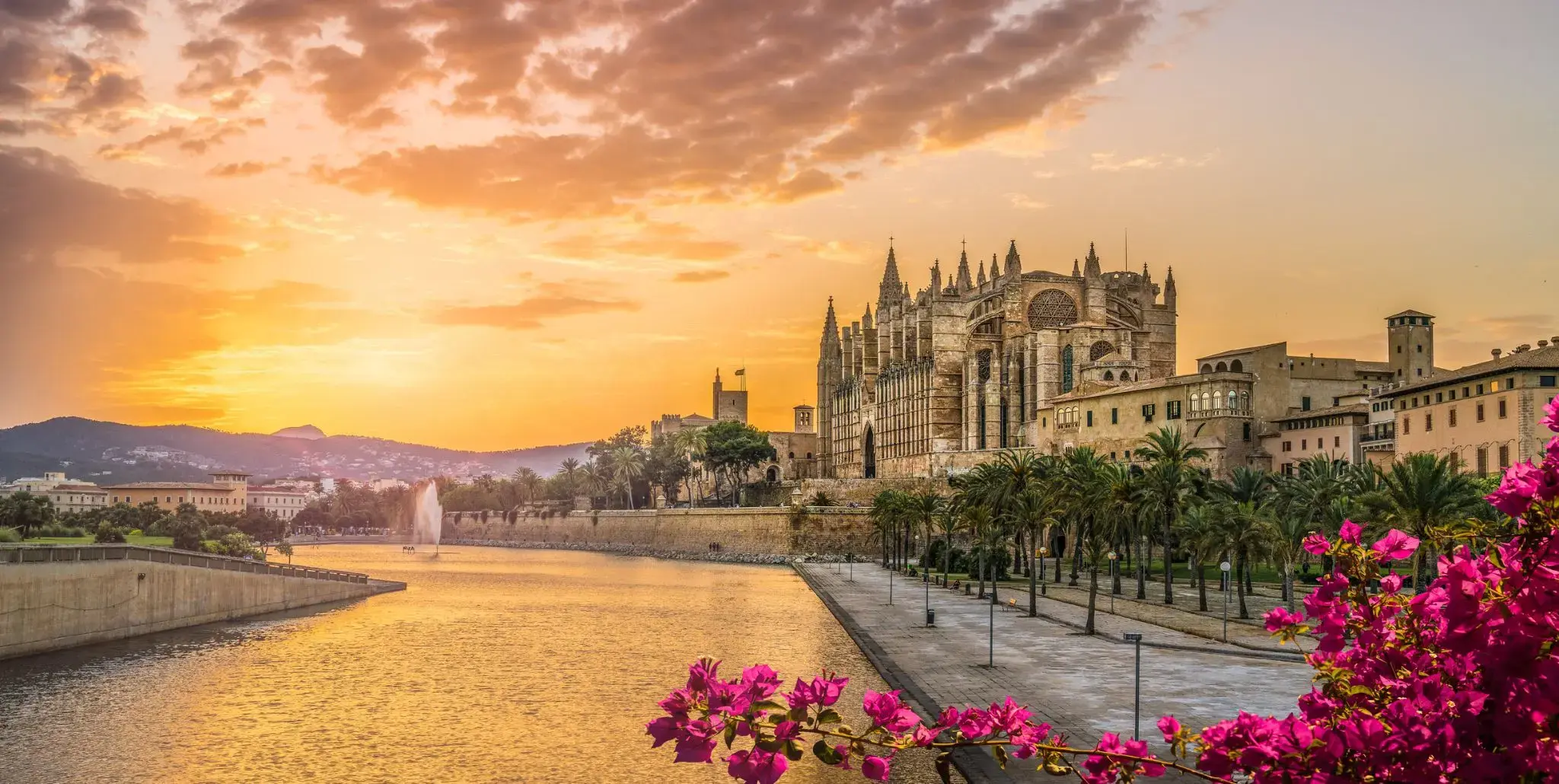
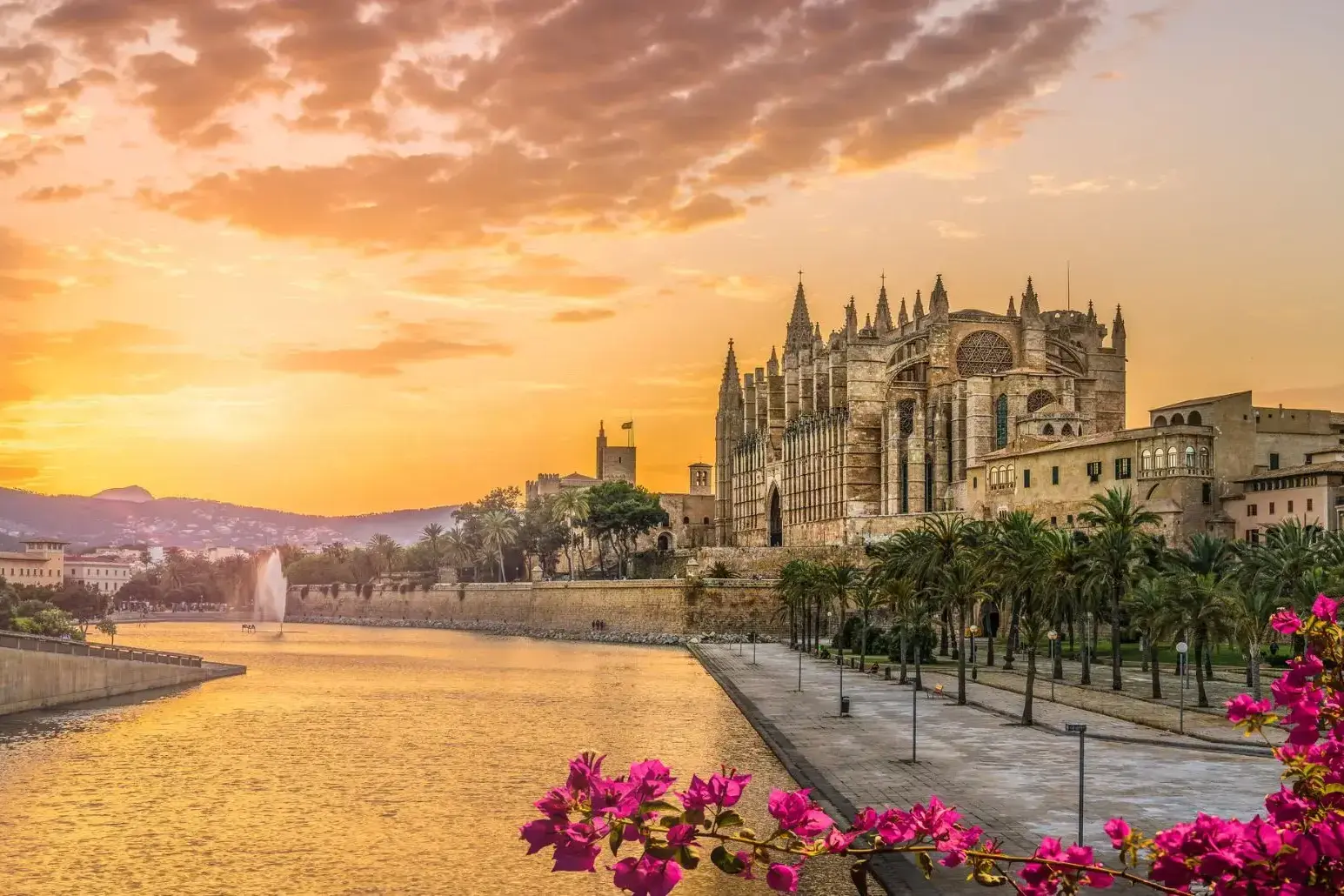
Mallorca is the largest island in the Balearic Islands, which are part of Spain and located in the Mediterranean. The native language, as on the rest of the Balearic Islands, is Catalan, which is co-official with Spanish.
The capital of the island, Palma, is also the capital of the autonomous community of the Balearic Islands. The Balearic Islands have been an autonomous region of Spain since 1983. There are two small islands off the coast of Mallorca: Cabrera (southeast of Palma) and Dragonera (west of Palma). The anthem of Mallorca is "La Balanguera".
Like the other Balearic Islands of Menorca, Ibiza and Formentera, the island is an extremely popular holiday destination, particularly for tourists from Germany and the United Kingdom. The international airport, Palma de Mallorca Airport, is one of the busiest in Spain; it was used by 28.0 million passengers in 2017, increasing every year since 2012.
The name derives from Classical Latin insula maior, "larger island". Later, in Medieval Latin, this became Maiorica, "the larger one", in comparison to Menorca, "the smaller one".
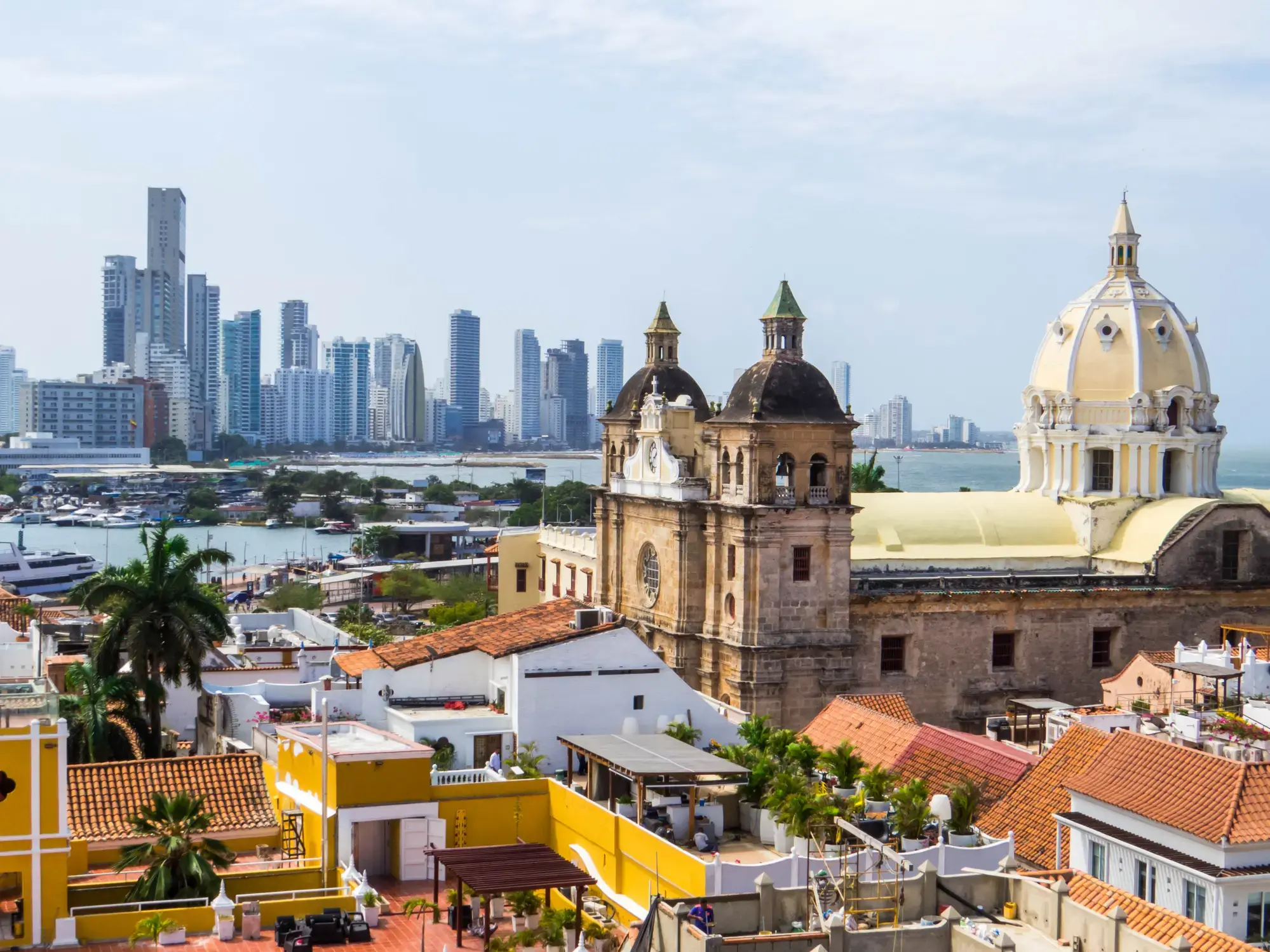
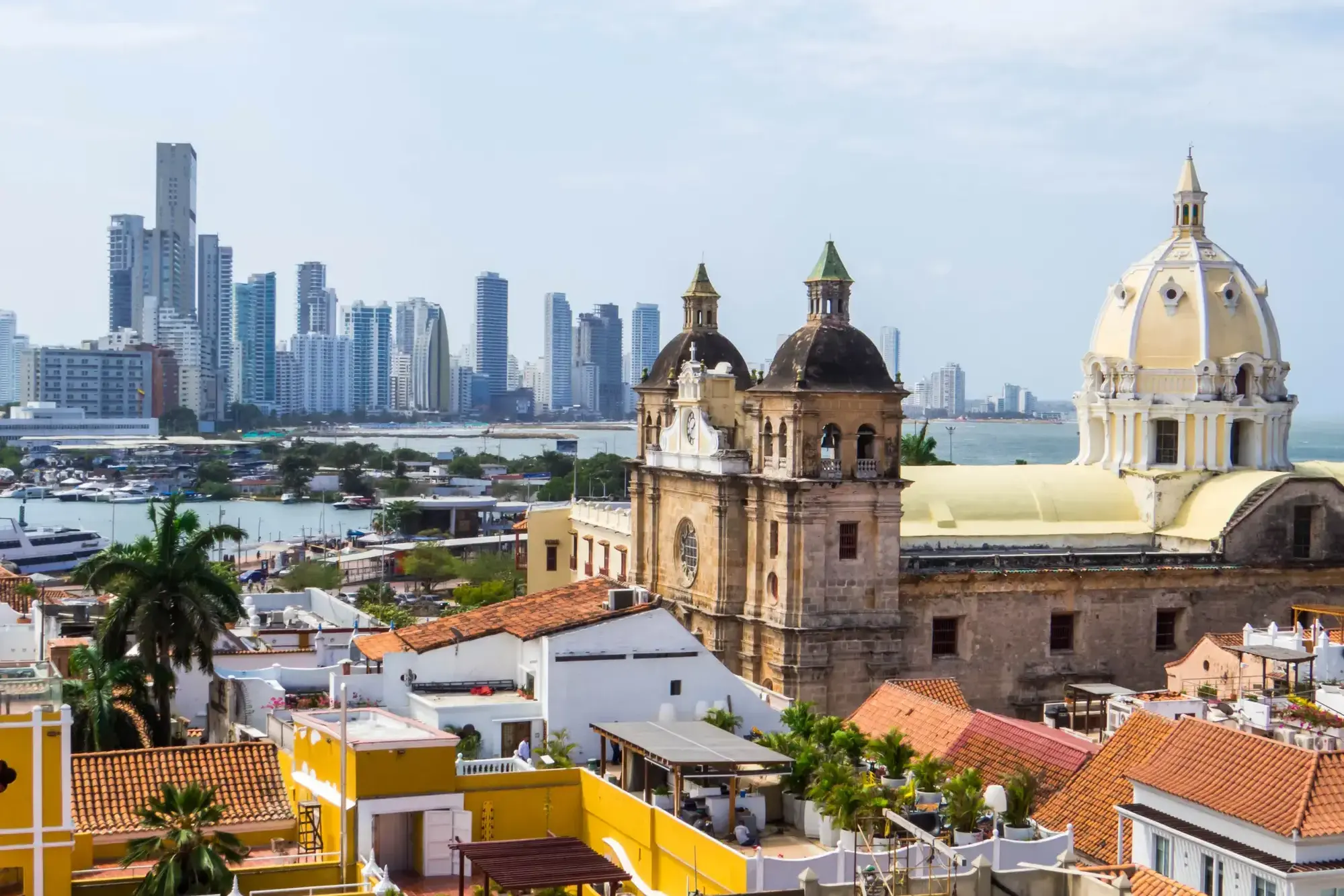
Հին ամրոցի պատերը, փողոցի երաժիշտները և Կարիբյան արևը ստեղծում են անզուգական մթնոլորտ Կարթախենայում (Բոլիվար)՝ Կոլումբիայի ափի մարգարիտում։ Այս քաղաքը, որը ներառված է ՅՈՒՆԵՍԿՕ-ի Համաշխարհային ժառանգության ցանկում, հմայում է այցելուներին իր գաղութային ճարտարապետությամբ, հարմարավետ բակերով և թարմ սուրճի բույրով, որը տարածվում է անթիվ սրճարաններից։
Ներծծվեք Կարթախենայի կենդանի ռիթմի մեջ՝ զբոսնելով Հին քաղաքի քարե փողոցներով, որտեղ յուրաքանչյուր անկյունը կրում է ծովահենների ու իսպանացի նվաճողների պատմությունները։ Միջնադարյան Castillo San Felipe de Barajas ամրոցի մոտ արևամուտը իդեալական ավարտ է լի մշակույթով, պատմությամբ և արևադարձային ռոմանտիկայով օրվա։

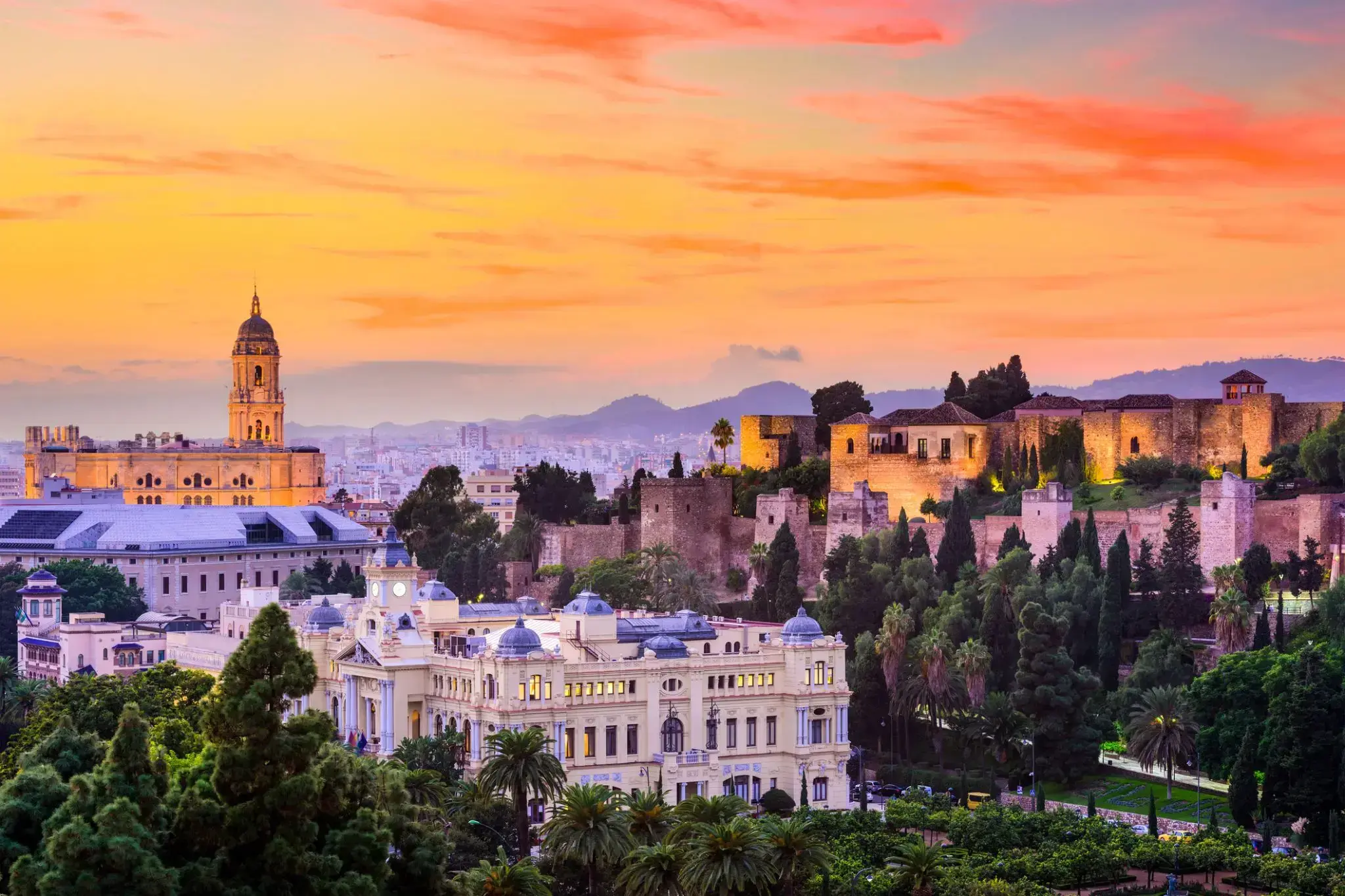
Málaga is a municipality, capital of the Province of Málaga, in the Autonomous Community of Andalusia, Spain. With a population of 569,130 in 2015, it is the second-most populous city of Andalusia and the sixth-largest in Spain. The southernmost large city in Europe, it lies on the Costa del Sol (Coast of the Sun) of the Mediterranean, about 100 kilometres (62.14 miles) east of the Strait of Gibraltar and about 130 km (80.78 mi) north of Africa.
Málaga's history spans about 2,800 years, making it one of the oldest cities in the world. According to most scholars, it was founded about 770 BC by the Phoenicians as Malaka From the 6th century BC the city was under the hegemony of Ancient Carthage, and from 218 BC, it was ruled by the Roman Republic and then empire as Malaca (Latin). After the fall of the empire and the end of Visigothic rule, it was under Islamic rule as Mālaqah for 800 years, but in 1487, the Crown of Castille gained control after the Reconquista. The archaeological remains and monuments from the Phoenician, Roman, Arabic and Christian eras make the historic center of the city an "open museum", displaying its history of nearly 3,000 years.
This important cultural infrastructure and the artistic heritage have culminated in the nomination of Málaga as a candidate for the 2016 European Capital of Culture.
The painter and sculptor Pablo Picasso, Hebrew poet and Jewish philosopher Solomon Ibn Gabirol and the actor Antonio Banderas were born in Málaga. The magnum opus of Cuban composer Ernesto Lecuona, "Malagueña", is named after the music of this region of Spain.
The most important business sectors in Málaga are tourism, construction and technology services, but other sectors such as transportation and logistics are beginning to expand. The Andalusia Technology Park (PTA), located in Málaga, has enjoyed significant growth since its inauguration in 1992. Málaga is the main economic and financial centre of southern Spain, home of the region's largest bank, Unicaja, and the fourth-ranking city in economic activity in Spain behind Madrid, Barcelona and Valencia.
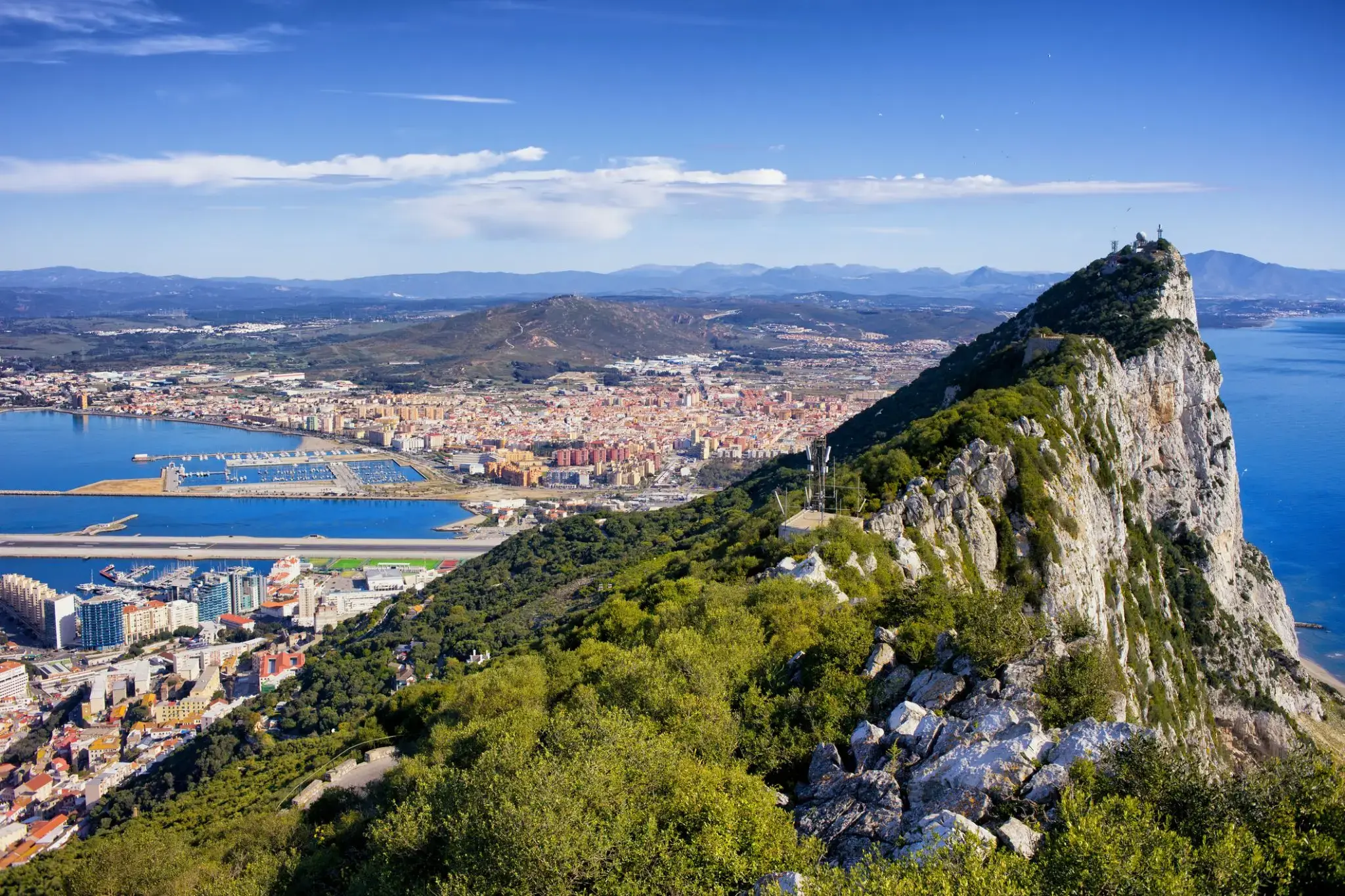
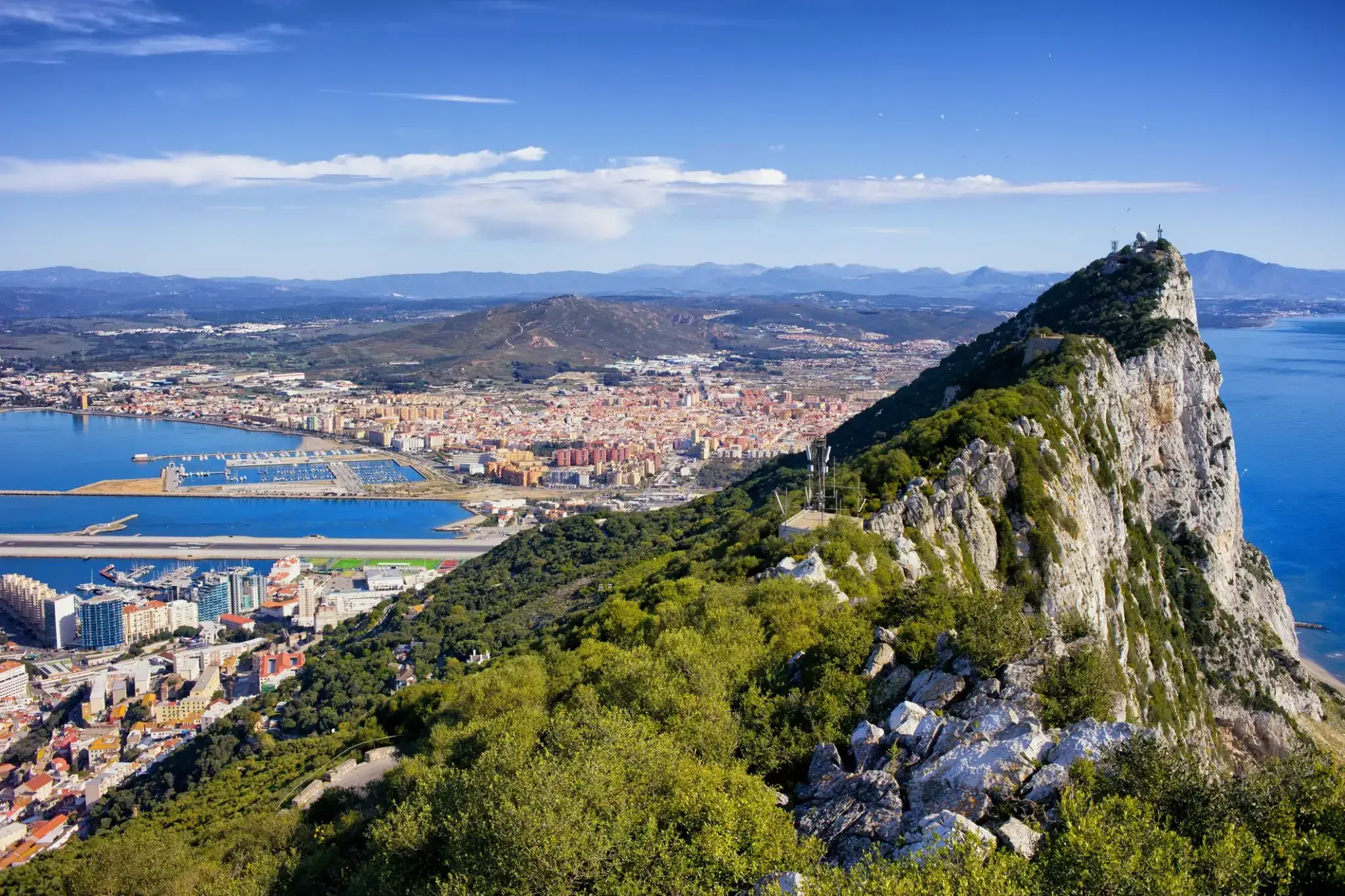
Gibraltar is a British Overseas Territory located at the southern tip of the Iberian Peninsula. It has an area of 6.7 km2 (2.6 sq mi) and is bordered to the north by Spain. The landscape is dominated by the Rock of Gibraltar at the foot of which is a densely populated town area, home to over 30,000 people, primarily Gibraltarians. It shares a maritime border with Morocco.
In 1704, Anglo-Dutch forces captured Gibraltar from Spain during the War of the Spanish Succession on behalf of the Habsburg claim to the Spanish throne. The territory was ceded to Great Britain in perpetuity under the Treaty of Utrechtin 1713. During World War II it was an important base for the Royal Navy as it controlled the entrance and exit to the Mediterranean Sea, which is only 8 miles (13 km) wide at this naval choke point. It remains strategically important, with half the world's seaborne trade passing through the strait. Today Gibraltar's economy is based largely on tourism, online gambling, financial services and cargo ship refuelling.
The sovereignty of Gibraltar is a point of contention in Anglo-Spanish relations because Spain asserts a claim to the territory. Gibraltarians rejected proposals for Spanish sovereignty in a 1967 referendum and, in a 2002 referendum, the idea of shared sovereignty was also rejected.
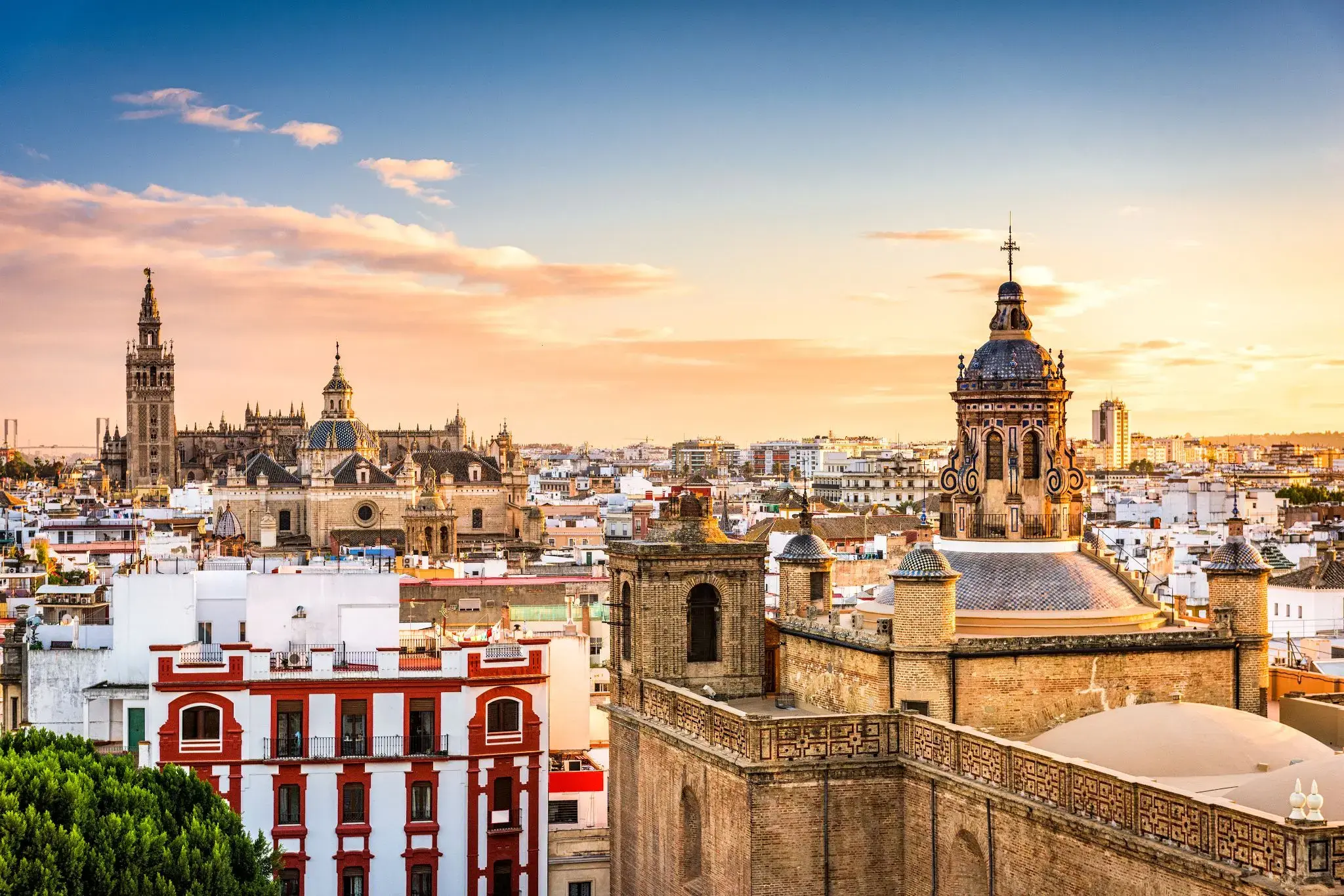
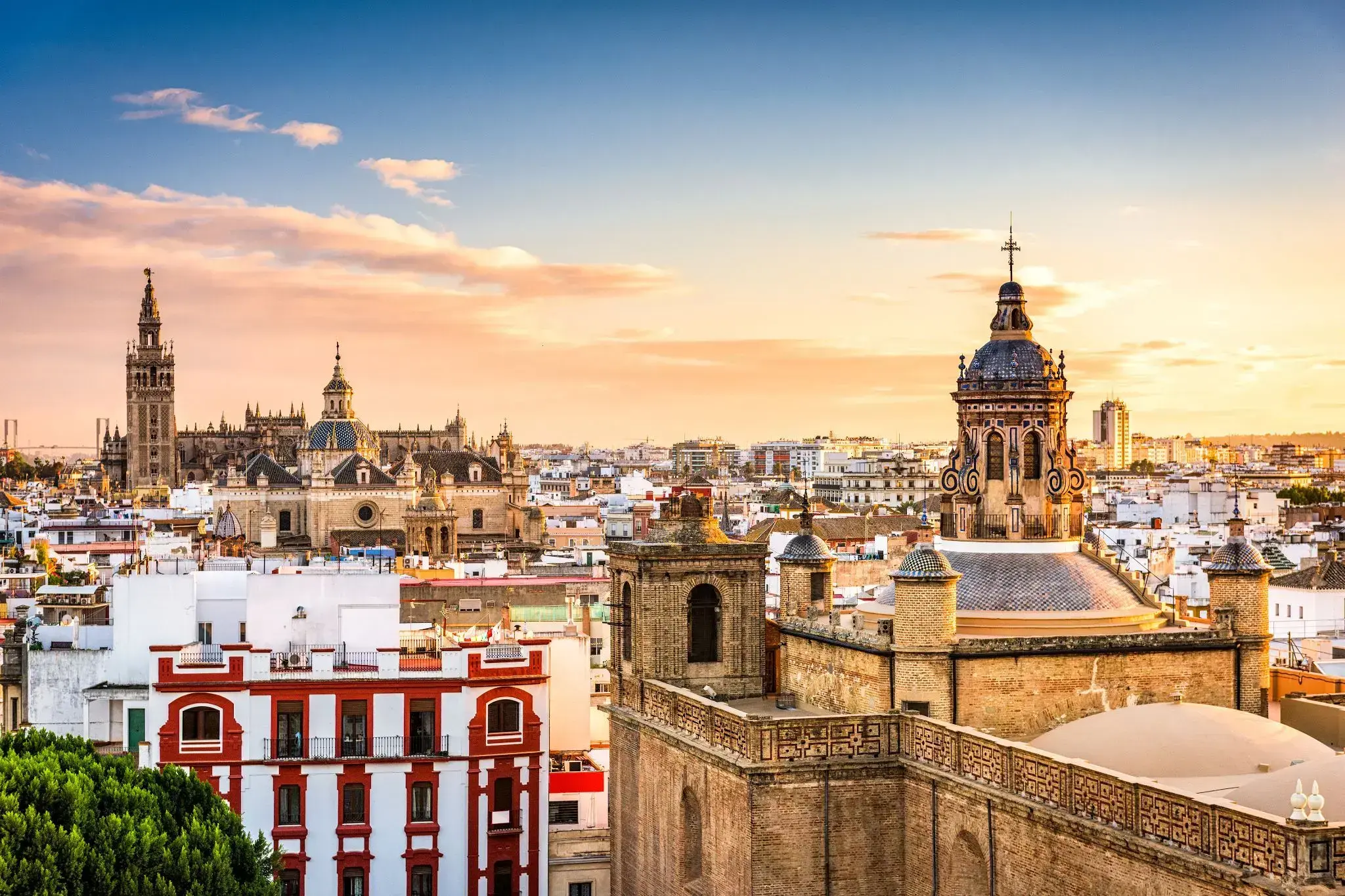
Seville is the capital and largest city of the autonomous community of Andalusia and the province of Seville, Spain. It is situated on the plain of the river Guadalquivir. The inhabitants of the city are known as sevillanos (feminine form: sevillanas) or hispalenses, after the Roman name of the city, Hispalis. Seville has a municipal population of about 690,000 as of 2016, and a metropolitan population of about 1.5 million, making it the fourth-largest city in Spain and the 30th most populous municipality in the European Union. Its Old Town, with an area of 4 square kilometres (2 sq mi), contains three UNESCO World Heritage Sites: the Alcázar palace complex, the Cathedral and the General Archive of the Indies. The Seville harbour, located about 80 kilometres (50 miles) from the Atlantic Ocean, is the only river port in Spain. Seville is also the hottest major metropolitan area in the geographical Southwestern Europe, with summer average high temperatures of above 35 °C (95 °F).
Seville was founded as the Roman city of Hispalis. It later became known as Ishbiliyya after the Muslim conquest in 712. During the Muslim rule in Spain, Seville came under the jurisdiction of the Caliphate of Córdoba before becoming the independent Taifa of Seville; later it was ruled by the Muslim Almoravids and the Almohads until finally being incorporated into the Christian Kingdom of Castile under Ferdinand III in 1248. After the discovery of the Americas, Seville became one of the economic centres of the Spanish Empire as its port monopolised the trans-oceanic trade and the Casa de Contratación (House of Trade) wielded its power, opening a Golden Age of arts and literature. In 1519, Ferdinand Magellan departed from Seville for the first circumnavigation of the Earth. Coinciding with the Baroque period of European history, the 17th century in Seville represented the most brilliant flowering of the city's culture; then began a gradual economic and demographic decline as silting in the Guadalquivirforced the trade monopoly to relocate to the nearby port of Cádiz.
The 20th century in Seville saw the tribulations of the Spanish Civil War, decisive cultural milestones such as the Ibero-American Exposition of 1929 and Expo '92, and the city's election as the capital of the Autonomous Community of Andalusia.
Seville is the capital and largest city of the autonomous community of Andalusia and the province of Seville, Spain. It is situated on the plain of the river Guadalquivir. The inhabitants of the city are known as sevillanos (feminine form: sevillanas) or hispalenses, after the Roman name of the city, Hispalis. Seville has a municipal population of about 690,000 as of 2016, and a metropolitan population of about 1.5 million, making it the fourth-largest city in Spain and the 30th most populous municipality in the European Union. Its Old Town, with an area of 4 square kilometres (2 sq mi), contains three UNESCO World Heritage Sites: the Alcázar palace complex, the Cathedral and the General Archive of the Indies. The Seville harbour, located about 80 kilometres (50 miles) from the Atlantic Ocean, is the only river port in Spain. Seville is also the hottest major metropolitan area in the geographical Southwestern Europe, with summer average high temperatures of above 35 °C (95 °F).
Seville was founded as the Roman city of Hispalis. It later became known as Ishbiliyya after the Muslim conquest in 712. During the Muslim rule in Spain, Seville came under the jurisdiction of the Caliphate of Córdoba before becoming the independent Taifa of Seville; later it was ruled by the Muslim Almoravids and the Almohads until finally being incorporated into the Christian Kingdom of Castile under Ferdinand III in 1248. After the discovery of the Americas, Seville became one of the economic centres of the Spanish Empire as its port monopolised the trans-oceanic trade and the Casa de Contratación (House of Trade) wielded its power, opening a Golden Age of arts and literature. In 1519, Ferdinand Magellan departed from Seville for the first circumnavigation of the Earth. Coinciding with the Baroque period of European history, the 17th century in Seville represented the most brilliant flowering of the city's culture; then began a gradual economic and demographic decline as silting in the Guadalquivirforced the trade monopoly to relocate to the nearby port of Cádiz.
The 20th century in Seville saw the tribulations of the Spanish Civil War, decisive cultural milestones such as the Ibero-American Exposition of 1929 and Expo '92, and the city's election as the capital of the Autonomous Community of Andalusia.
Seville is the capital and largest city of the autonomous community of Andalusia and the province of Seville, Spain. It is situated on the plain of the river Guadalquivir. The inhabitants of the city are known as sevillanos (feminine form: sevillanas) or hispalenses, after the Roman name of the city, Hispalis. Seville has a municipal population of about 690,000 as of 2016, and a metropolitan population of about 1.5 million, making it the fourth-largest city in Spain and the 30th most populous municipality in the European Union. Its Old Town, with an area of 4 square kilometres (2 sq mi), contains three UNESCO World Heritage Sites: the Alcázar palace complex, the Cathedral and the General Archive of the Indies. The Seville harbour, located about 80 kilometres (50 miles) from the Atlantic Ocean, is the only river port in Spain. Seville is also the hottest major metropolitan area in the geographical Southwestern Europe, with summer average high temperatures of above 35 °C (95 °F).
Seville was founded as the Roman city of Hispalis. It later became known as Ishbiliyya after the Muslim conquest in 712. During the Muslim rule in Spain, Seville came under the jurisdiction of the Caliphate of Córdoba before becoming the independent Taifa of Seville; later it was ruled by the Muslim Almoravids and the Almohads until finally being incorporated into the Christian Kingdom of Castile under Ferdinand III in 1248. After the discovery of the Americas, Seville became one of the economic centres of the Spanish Empire as its port monopolised the trans-oceanic trade and the Casa de Contratación (House of Trade) wielded its power, opening a Golden Age of arts and literature. In 1519, Ferdinand Magellan departed from Seville for the first circumnavigation of the Earth. Coinciding with the Baroque period of European history, the 17th century in Seville represented the most brilliant flowering of the city's culture; then began a gradual economic and demographic decline as silting in the Guadalquivirforced the trade monopoly to relocate to the nearby port of Cádiz.
The 20th century in Seville saw the tribulations of the Spanish Civil War, decisive cultural milestones such as the Ibero-American Exposition of 1929 and Expo '92, and the city's election as the capital of the Autonomous Community of Andalusia.
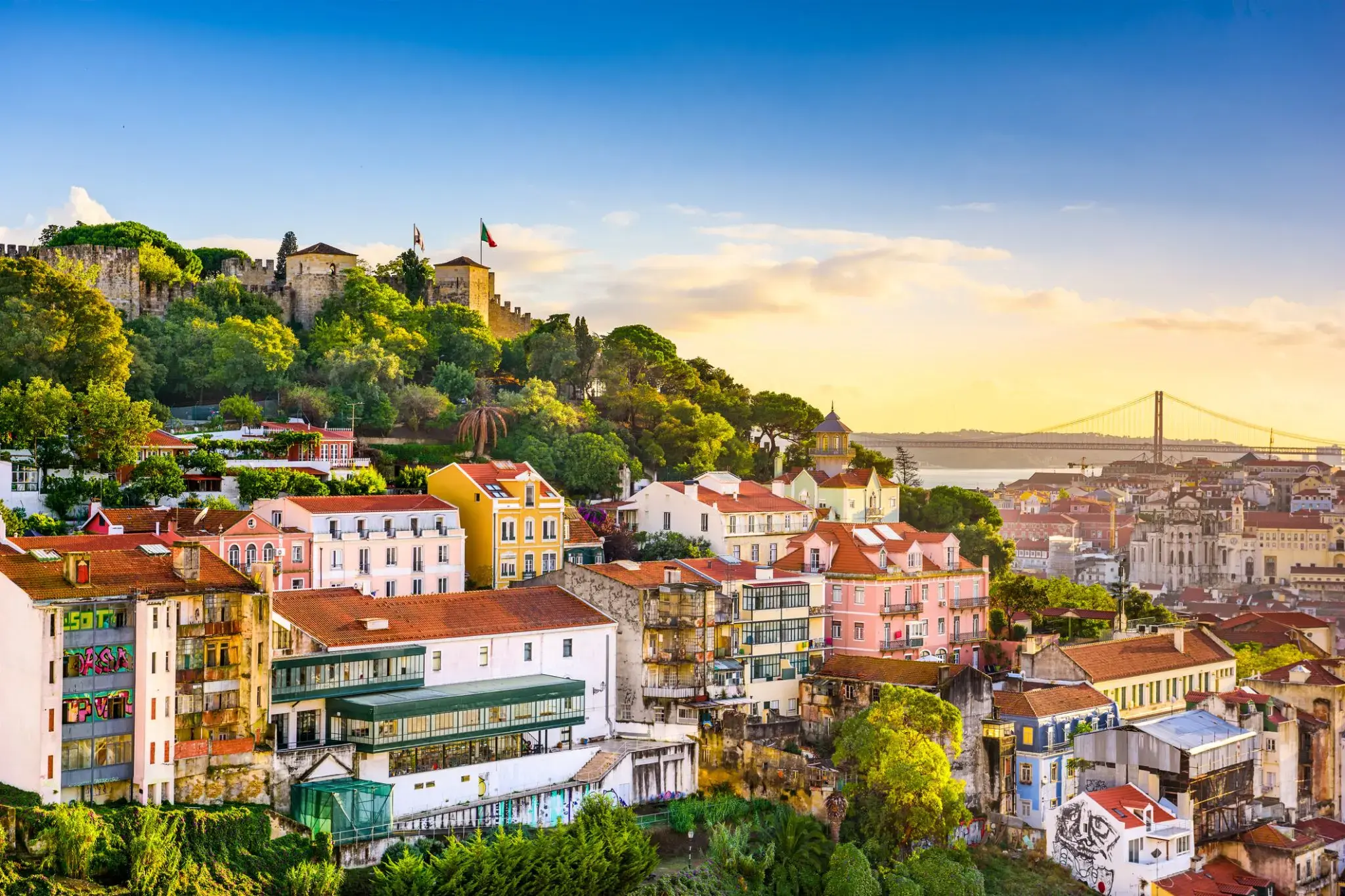
Lisbon is the capital and the largest city of Portugal, with an estimated population of 505,526 within its administrative limits in an area of 100.05 km2. Its urban area extends beyond the city's administrative limits with a population of around 2.8 million people, being the 11th-most populous urban area in the European Union. About 3 million people live in the Lisbon Metropolitan Area (which represents approximately 27% of the country's population). It is mainland Europe's westernmost capital city and the only one along the Atlantic coast. Lisbon lies in the western Iberian Peninsula on the Atlantic Ocean and the River Tagus. The westernmost areas of its metro area form the westernmost point of Continental Europe, which is known as Cabo da Roca, located in the Sintra Mountains.
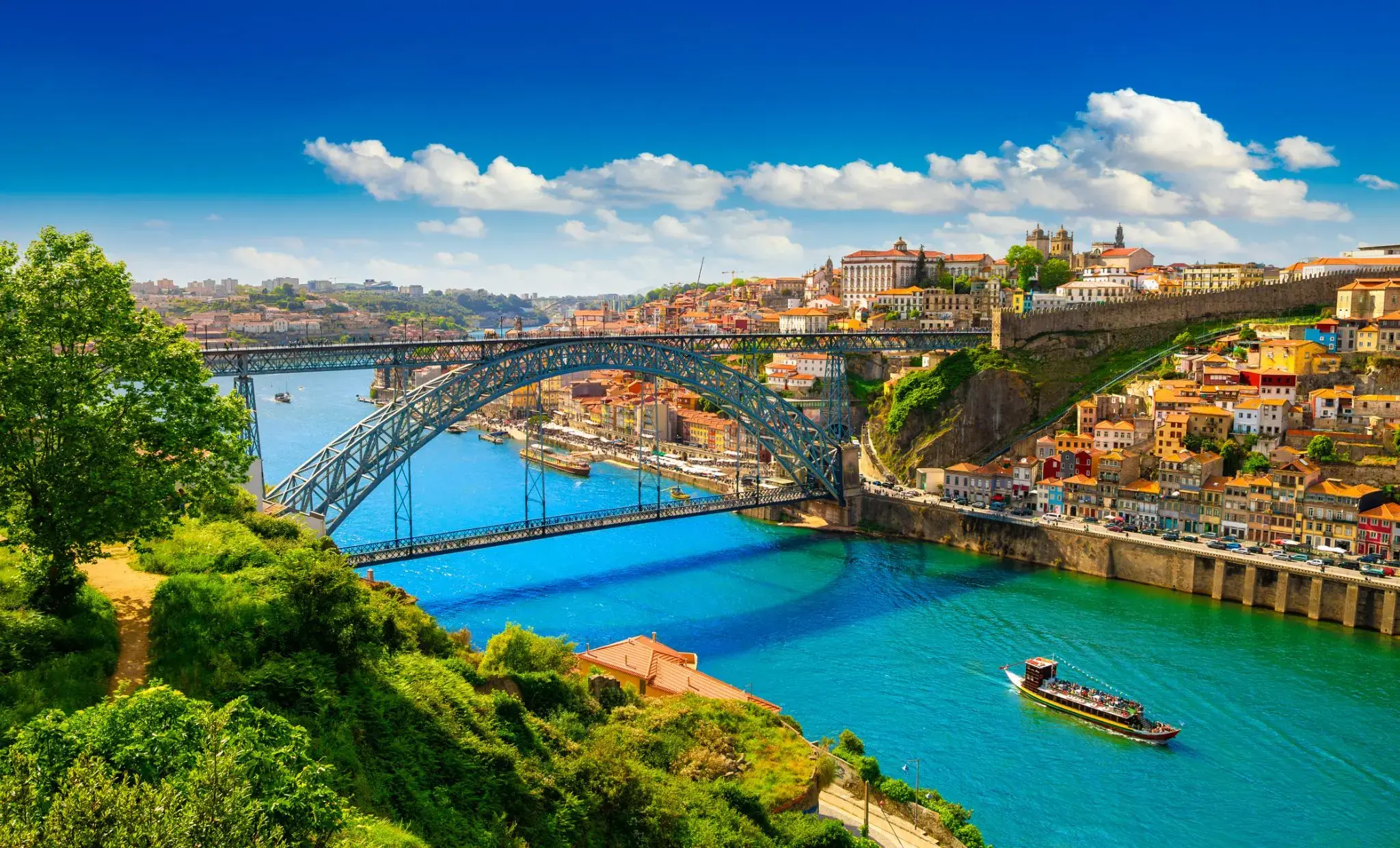
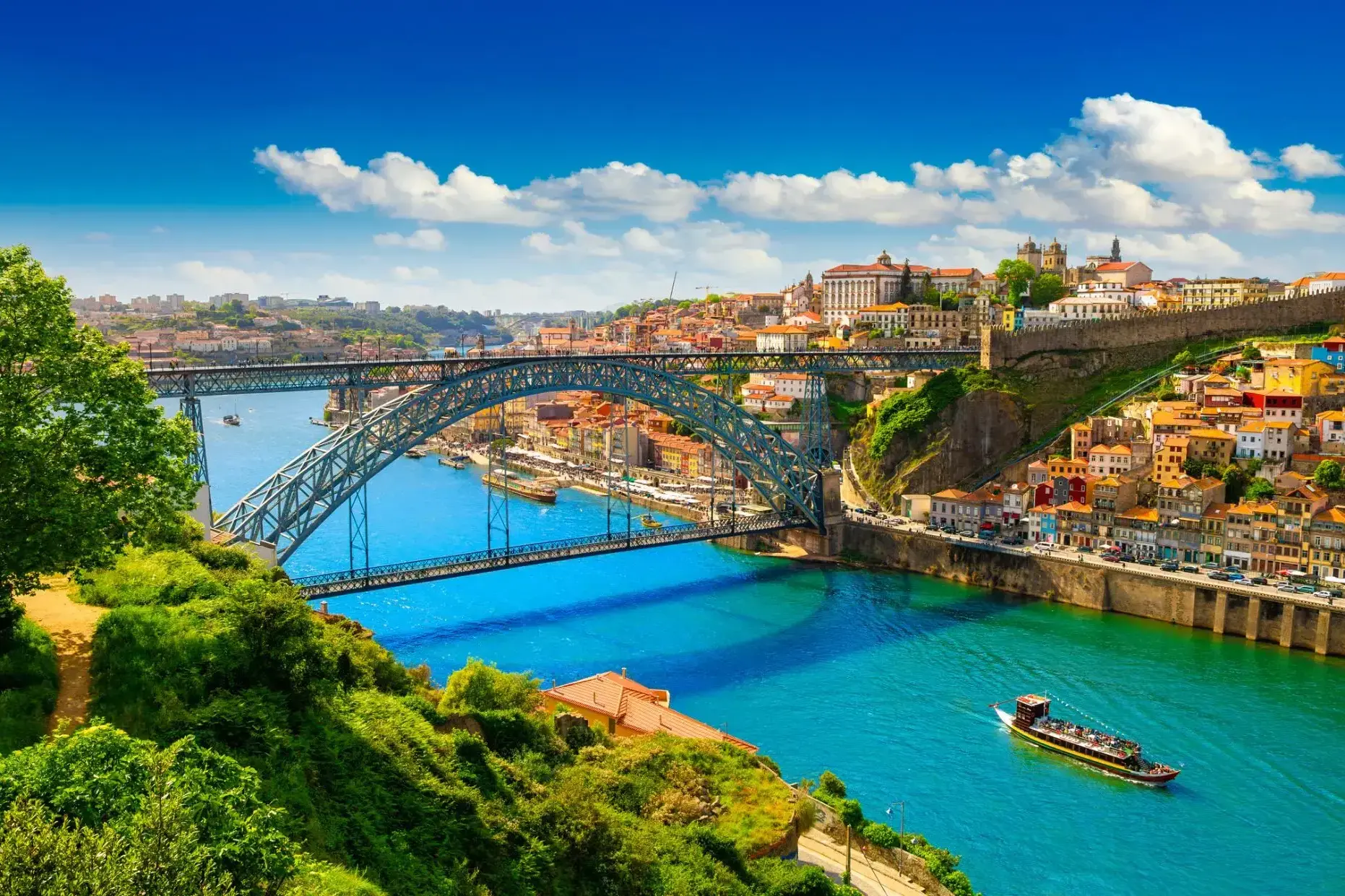
Порту является вторым по величине городом Португалии после Лиссабона и одним из крупных городских районов Пиренейского полуострова. Население самого города составляет 237 591 человек, а в столичном районе Порту, который выходит за административные пределы города, проживает 1,9 миллиона человек (2011 год) на площади 2 395 км2 (925 кв. Миль), что делает его вторым самый большой городской район в Португалии. Он признан глобальным городом гамма-уровня Исследовательской группой по глобализации и глобальным городам (GaWC), единственным португальским городом, кроме Лиссабона, который был признан глобальным городом.
Расположенный вдоль устья реки Дору на севере Португалии, Порту является одним из старейших европейских центров, и его историческое ядро было объявлено ЮНЕСКО объектом Всемирного наследия в 1996 году. Западная часть его городской территории простирается до береговой линии Атлантического океана. Его поселение датируется много веков, когда он был форпостом Римской империи. Его объединенное кельтско-латинское имя, Portus Cale, было названо происхождением названия «Португалия», основанного на транслитерации и устной эволюции от латыни. На португальском языке название города пишется с определенной статьей о Порту ; следовательно, его английское название произошло от неправильного толкования устного произношения и упоминается как Опорто в современной литературе и многими ораторами.
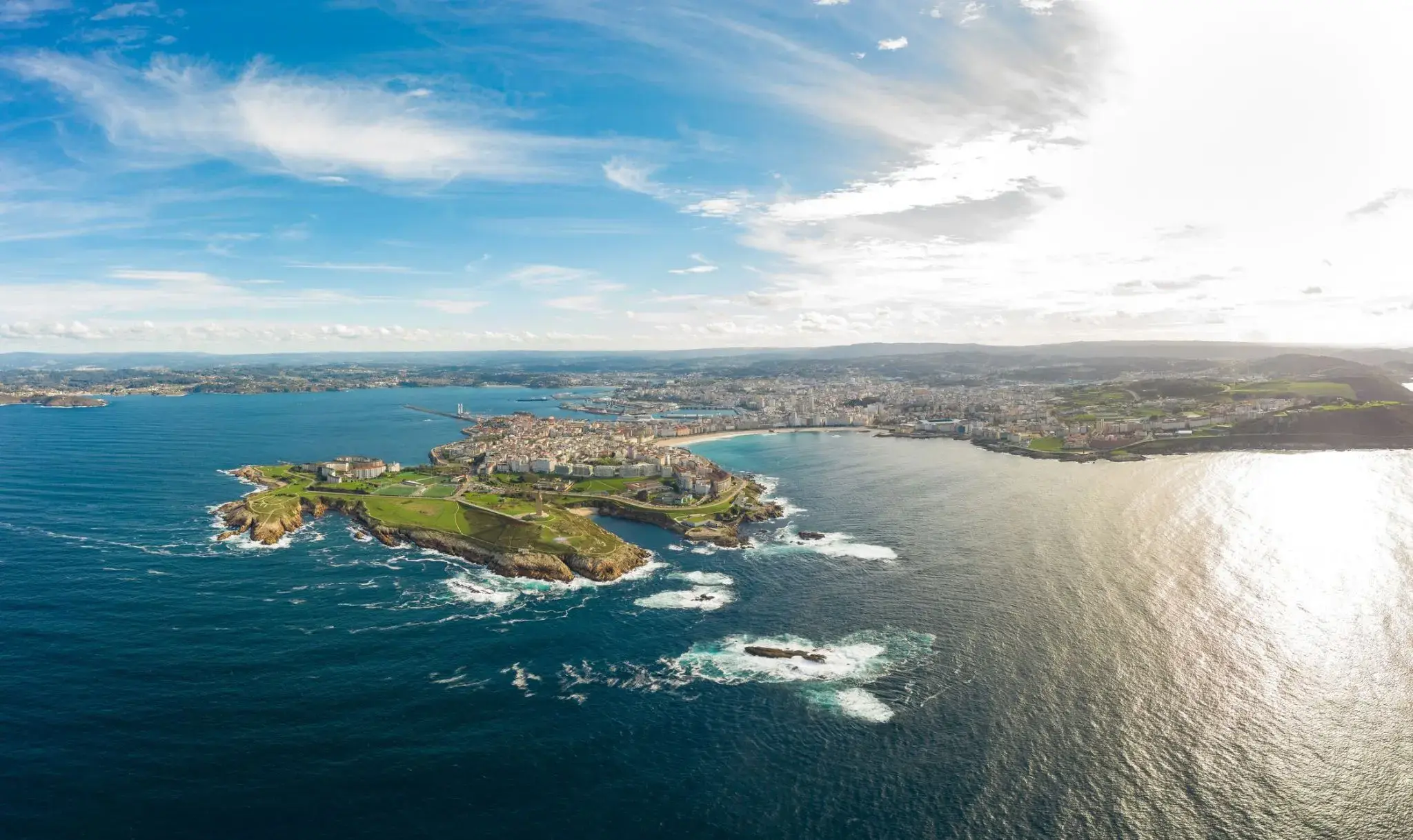
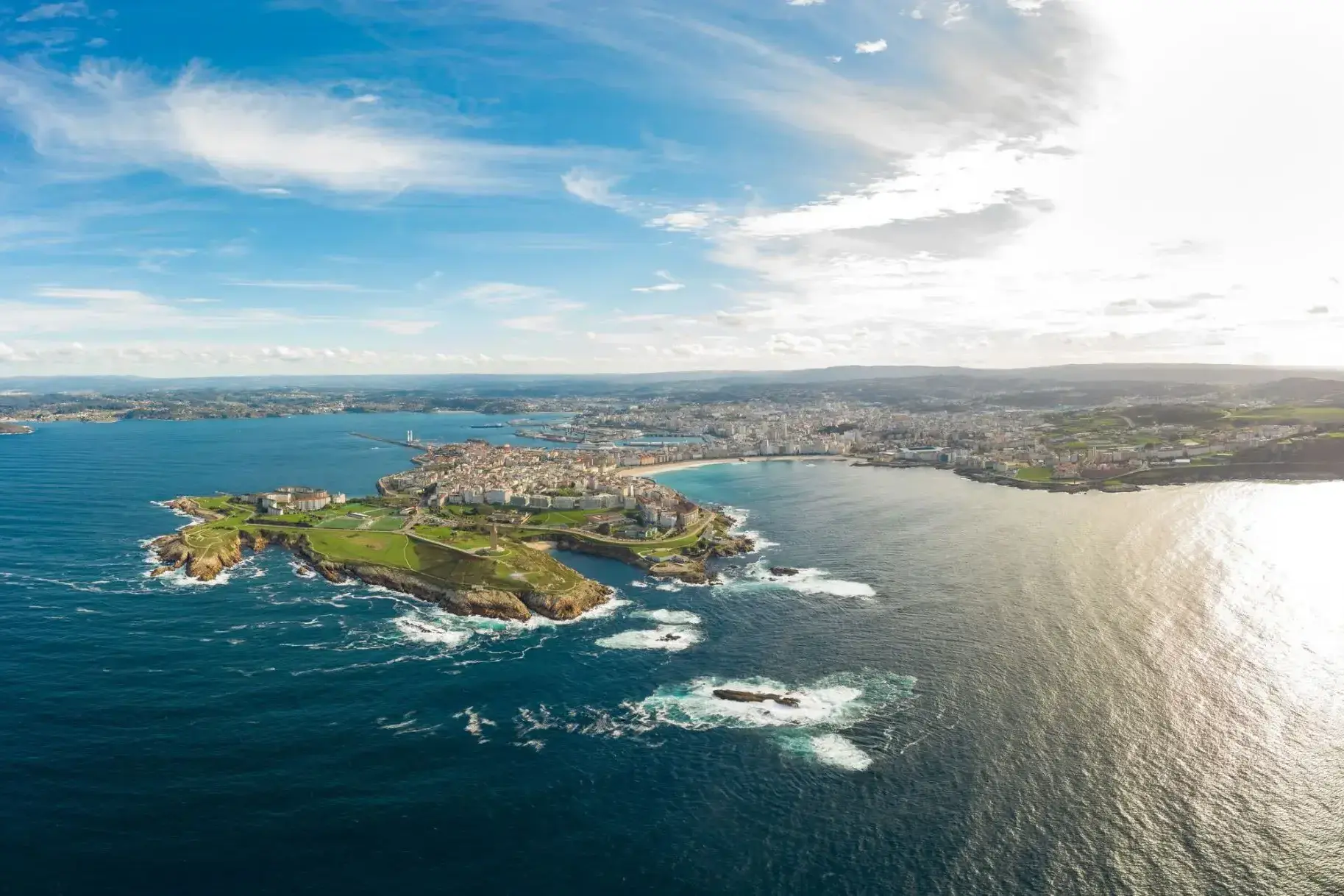
Ճանապարհորդները Լա Կորունյա-ում գտնում են իդեալական վայր Իսպանիայի Ատլանտյան ափի մթնոլորտը զգալու համար, որտեղ ժամանակակից ծովափնյա պոմենադները միախառնվում են պատմական հուշարձանների և հարմարավետ լողափերի հետ։ Քաղաքը հայտնի է աշխարհի ամենահին գործող հռոմեական փարոսով՝ Հերակլեսի աշտարակով, որը կառուցվել է գրեթե 2000 տարի առաջ և մինչ օրս նավերին ուղի է ցույց տալիս։ Այստեղ կարելի է զբոսնել Եվրոպայի ամենաերկար ծովափնյա պոմենադներից մեկով՝ վայելելով օվկիանոսի տեսարանը և թարմ օդը։
Լա Կորունյա-ում հյուրերին սպասում է Գալիսիայի հարուստ գաստրոնոմիական մշակույթը՝ ծովամթերքով, որոնք մատուցվում են ինչպես ավանդական տապաս-բարերում, այնպես էլ ժամանակակից ռեստորաններում։ Տեղական շուկաները հիացնում են թարմ արտադրանքով, իսկ քաղաքի մշակութային կյանքը լցված է փառատոններով, ցուցահանդեսներով և կենդանի փողոցային երաժշտությամբ։ Այս վայրը հյուրերին կտա պատմական խորության, ծովափնյա տեսարանների և ջերմ իսպանական մթնոլորտի յուրահատուկ համադրություն, թողնելով թեթևության և ոգեշնչման զգացում ուղևորությունից հետո։
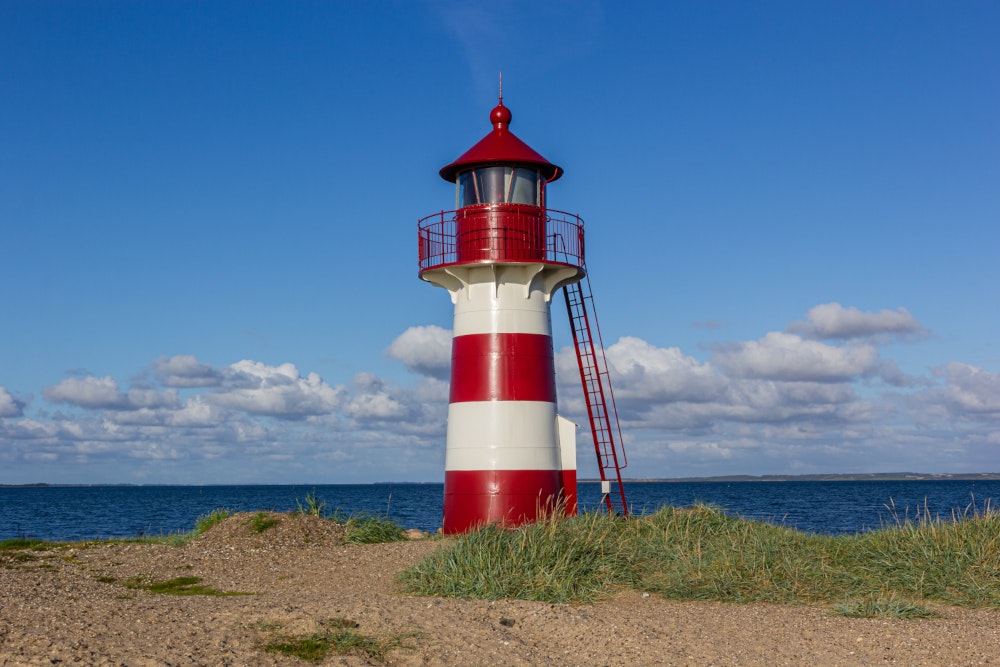
Իսպանիայի Աստուրիայի տարածաշրջանում, Բիսկայան ծոցի malownicափողին, գտնվում է հմայիչ Ջիխոնը, որը գրավում է այցելուներին իր մշակույթի, բնության և գաստրոնոմիայի յուրահատուկ համադրությամբ։ Այստեղ կարելի է զբոսնել Սան Լորենցո գեղեցիկ լողափերով, այցելել ժամանակակից արվեստի բազմաթիվ թանգարաններ և համտեսել հայտնի աստուրիական խնձորաշարարը՝ ավանդական «չիգրես»-ում։
Ջիխոնը հիանալի վայր է նրանց համար, ովքեր գնահատում են պատմության և արդիական կյանքի համադրման։ Բացի գեղեցիկ լողափերից և հարմարավետ փողոցներից, քաղաքը հայտնի է իր փառատոններով՝ ինչպես Ծովի փառատոնը և Երգի փառատոնը, որոնք վառ գույներ են բերում ցանկացած ճանապարհորդության։ Կարող են վայելել ակտիվ հանգիստ սիրողներ ջրային մարզաձևերը և հիասքանչ ծովափնյա զբոսանքները։
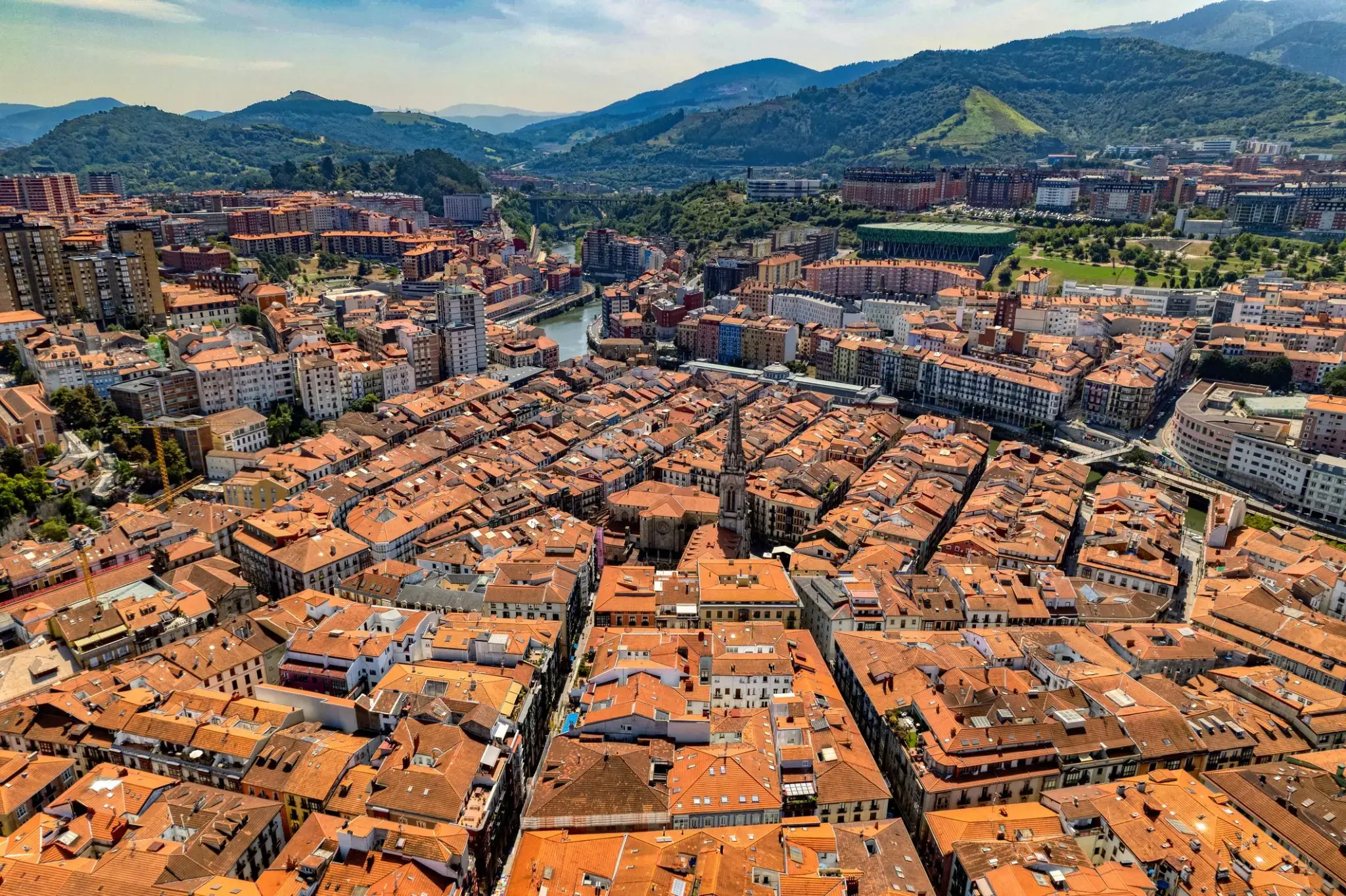
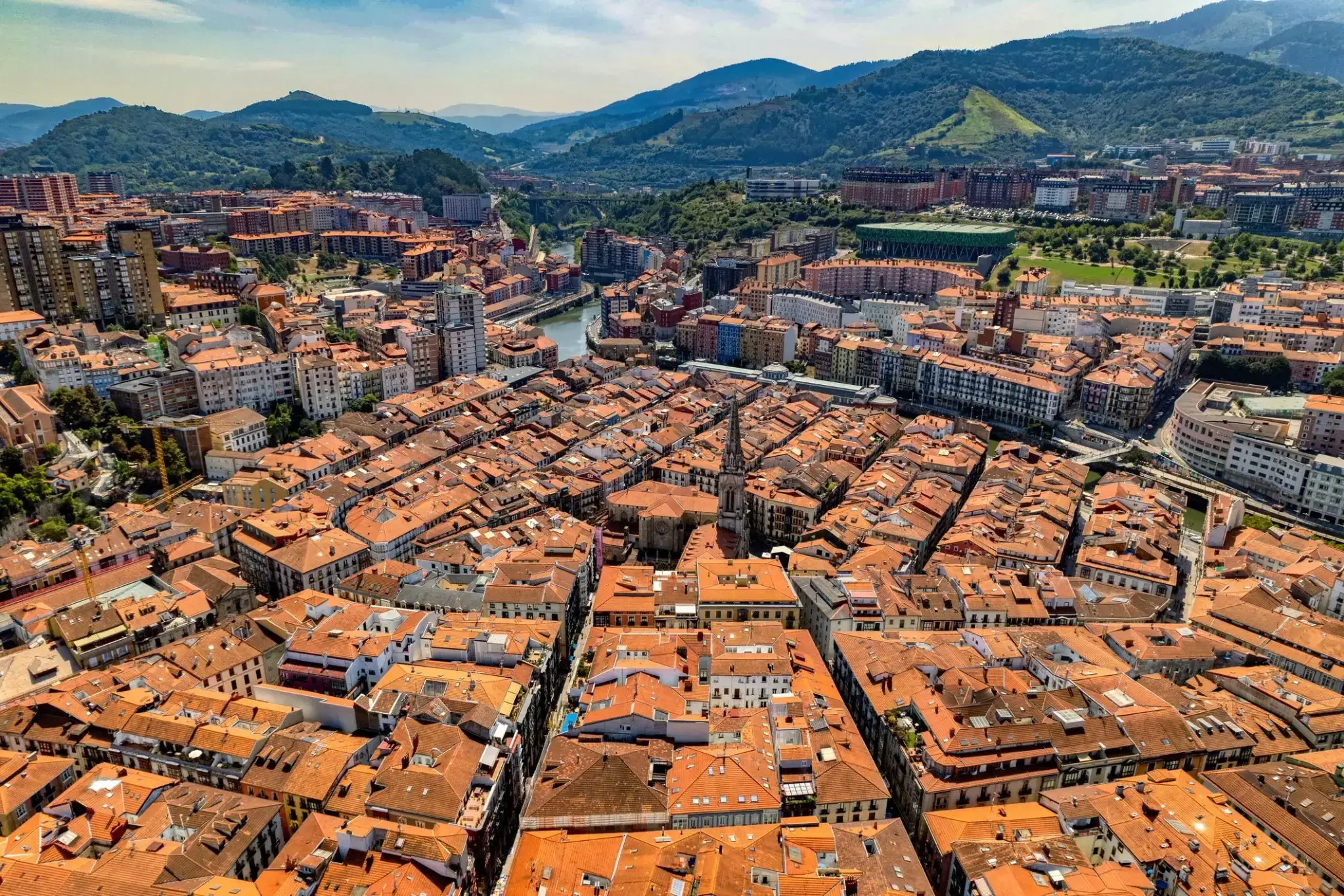
Bilbao is a city in northern Spain, the largest city in the province of Biscay and in the Basque Country as a whole. It is also the largest city proper in northern Spain. Bilbao is the tenth largest city in Spain, with a population of 345,141 as of 2015. The Bilbao metropolitan area has roughly 1 million inhabitants, making it one of the most populous metropolitan areas in northern Spain; with a population of 875,552 the comarca of Greater Bilbao is the fifth-largest urban area in Spain. Bilbao is also the main urban area in what is defined as the Greater Basque region.
Bilbao is situated in the north-central part of Spain, some 16 kilometres (10 mi) south of the Bay of Biscay, where the economic social development is located, where the estuary of Bilbao is formed. Its main urban core is surrounded by two small mountain ranges with an average elevation of 400 metres (1,300 ft). Its climate is shaped by the Bay of Biscay low-pressure systems and mild air, moderating summer temperatures by Iberian standards, with low sunshine and high rainfall. The annual temperature range is low for its latitude.
After its foundation in the early 14th century by Diego López V de Haro, head of the powerful Haro family, Bilbao was a commercial hub of the Basque Country that enjoyed significant importance in Green Spain. This was due to its port activity based on the export of iron extracted from the Biscayan quarries. Throughout the nineteenth century and the beginning of the twentieth, Bilbao experienced heavy industrialisation, making it the centre of the second-most industrialised region of Spain, behind Barcelona. At the same time an extraordinary population explosion prompted the annexation of several adjacent municipalities. Nowadays, Bilbao is a vigorous service city that is experiencing an ongoing social, economic, and aesthetic revitalisation process, started by the iconic Bilbao Guggenheim Museum, and continued by infrastructure investments, such as the airport terminal, the rapid transit system, the tram line, the Azkuna Zentroa, and the currently under development Abandoibarra and Zorrozaurrerenewal projects.
Bilbao is also home to football club Athletic Club de Bilbao, a significant symbol for Basque nationalism due to its promotion of only Basque players and one of the most successful clubs in Spanish football history.
On 19 May 2010, the city of Bilbao was recognised with the Lee Kuan Yew World City Prize, awarded by the city state of Singapore, in collaboration with the Swedish Nobel Academy. Considered the Nobel Prize for urbanism, it was handed out on 29 June 2010. On 7 January 2013, its mayor, Iñaki Azkuna, received the 2012 World Mayor Prize awarded every two years by the British foundation The City Mayors Foundation, in recognition of the urban transformation experienced by the Biscayan capital since the 1990s. On 8 November 2017, Bilbao was chosen the Best European City 2018 at The Urbanism Awards 2018, awarded by the international organisation The Academy of Urbanism.
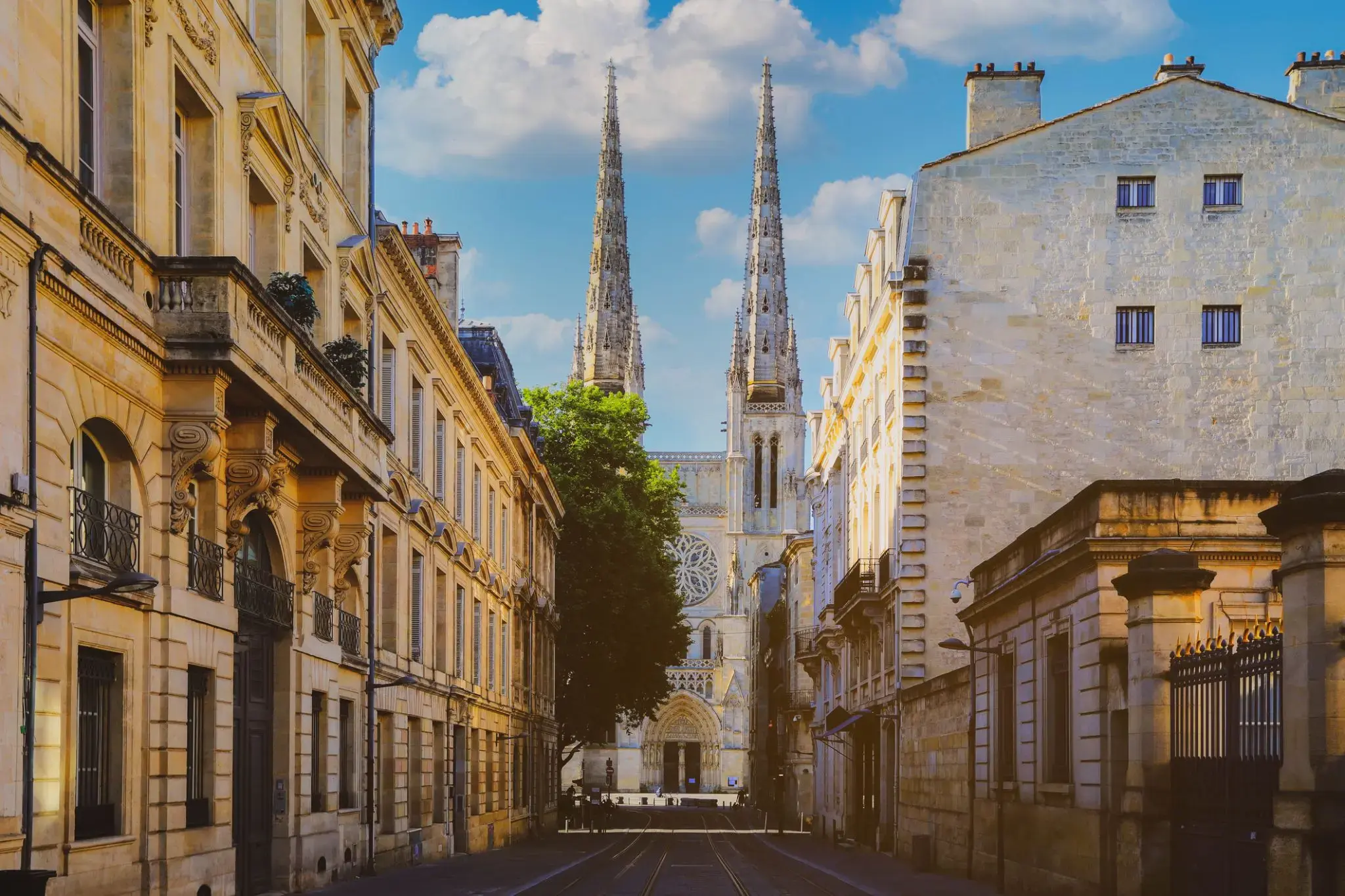
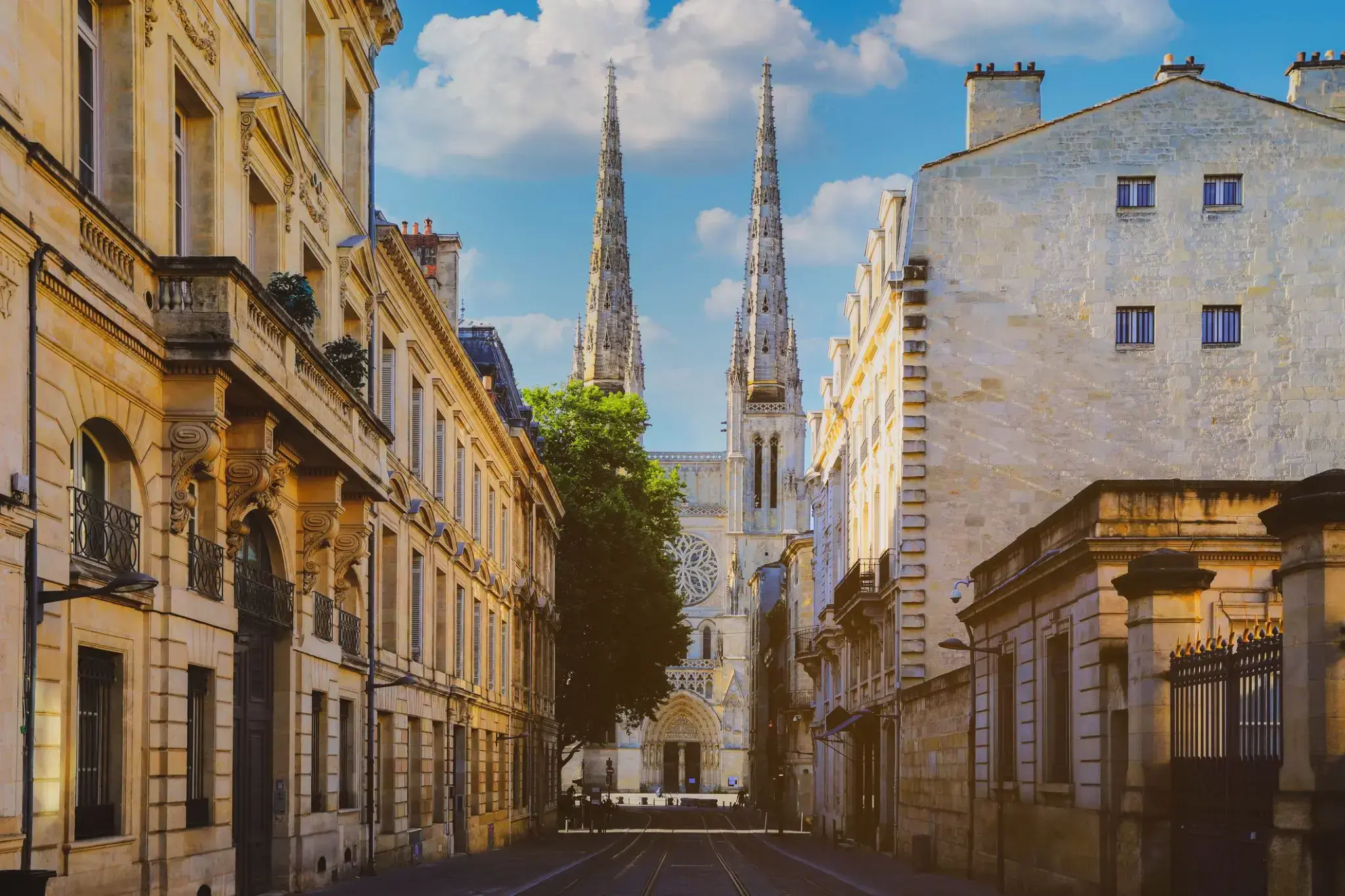
Bordeaux is a port city on the Garonne in the Gironde department in Southwestern France.
The municipality (commune) of Bordeaux proper has a population of 246,586 (2014). Together with its suburbs and satellite towns, Bordeaux is the centre of the Bordeaux Métropole. With 1,195,335 in the metropolitan area, it is the sixth-largest in France, after Paris, Marseille, Lyon, Toulouse, and Lille. It is the capital of the Nouvelle-Aquitaineregion, as well as the prefecture of the Gironde department. Its inhabitants are called "Bordelais" (for men) or "Bordelaises" (women). The term "Bordelais" may also refer to the city and its surrounding region.
Being at the center of a major wine-growing and wine-producing region, Bordeaux remains a prominent powerhouse and exercises significant influence on the world wine industry although no wine production is conducted within the city limits. It is home to the world's main wine fair, Vinexpo, and the wine economy in the metro area takes in 14.5 billion euros each year. Bordeaux wine has been produced in the region since the 8th century. The historic part of the city is on the UNESCO World Heritage List as "an outstanding urban and architectural ensemble" of the 18th century.[7] After Paris, Bordeaux has the highest number of preserved historical buildings of any city in France.
Bordeaux is a port city on the Garonne in the Gironde department in Southwestern France.
The municipality (commune) of Bordeaux proper has a population of 246,586 (2014). Together with its suburbs and satellite towns, Bordeaux is the centre of the Bordeaux Métropole. With 1,195,335 in the metropolitan area, it is the sixth-largest in France, after Paris, Marseille, Lyon, Toulouse, and Lille. It is the capital of the Nouvelle-Aquitaineregion, as well as the prefecture of the Gironde department. Its inhabitants are called "Bordelais" (for men) or "Bordelaises" (women). The term "Bordelais" may also refer to the city and its surrounding region.
Being at the center of a major wine-growing and wine-producing region, Bordeaux remains a prominent powerhouse and exercises significant influence on the world wine industry although no wine production is conducted within the city limits. It is home to the world's main wine fair, Vinexpo, and the wine economy in the metro area takes in 14.5 billion euros each year. Bordeaux wine has been produced in the region since the 8th century. The historic part of the city is on the UNESCO World Heritage List as "an outstanding urban and architectural ensemble" of the 18th century.[7] After Paris, Bordeaux has the highest number of preserved historical buildings of any city in France.
Bordeaux is a port city on the Garonne in the Gironde department in Southwestern France.
The municipality (commune) of Bordeaux proper has a population of 246,586 (2014). Together with its suburbs and satellite towns, Bordeaux is the centre of the Bordeaux Métropole. With 1,195,335 in the metropolitan area, it is the sixth-largest in France, after Paris, Marseille, Lyon, Toulouse, and Lille. It is the capital of the Nouvelle-Aquitaineregion, as well as the prefecture of the Gironde department. Its inhabitants are called "Bordelais" (for men) or "Bordelaises" (women). The term "Bordelais" may also refer to the city and its surrounding region.
Being at the center of a major wine-growing and wine-producing region, Bordeaux remains a prominent powerhouse and exercises significant influence on the world wine industry although no wine production is conducted within the city limits. It is home to the world's main wine fair, Vinexpo, and the wine economy in the metro area takes in 14.5 billion euros each year. Bordeaux wine has been produced in the region since the 8th century. The historic part of the city is on the UNESCO World Heritage List as "an outstanding urban and architectural ensemble" of the 18th century.[7] After Paris, Bordeaux has the highest number of preserved historical buildings of any city in France.
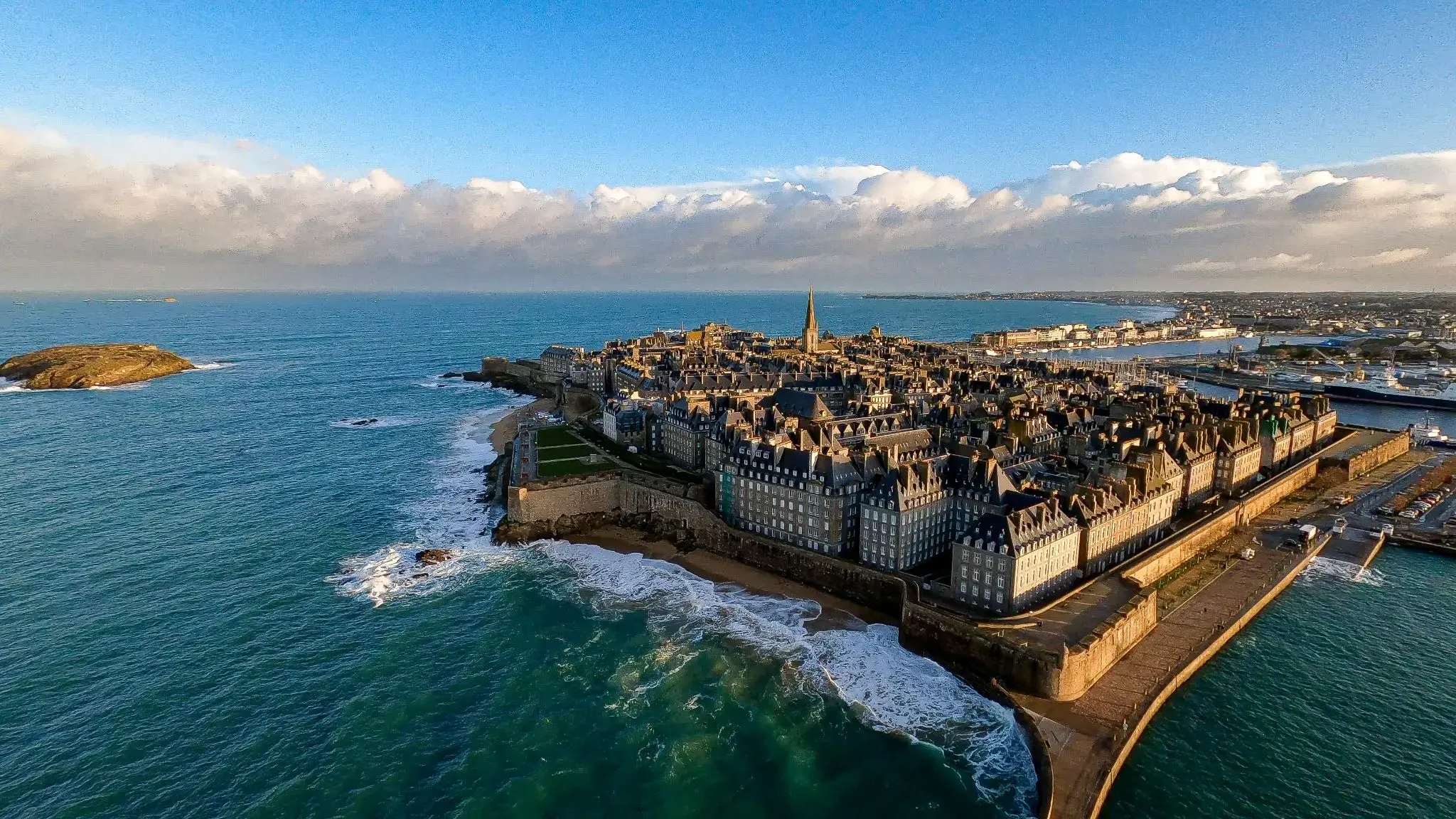
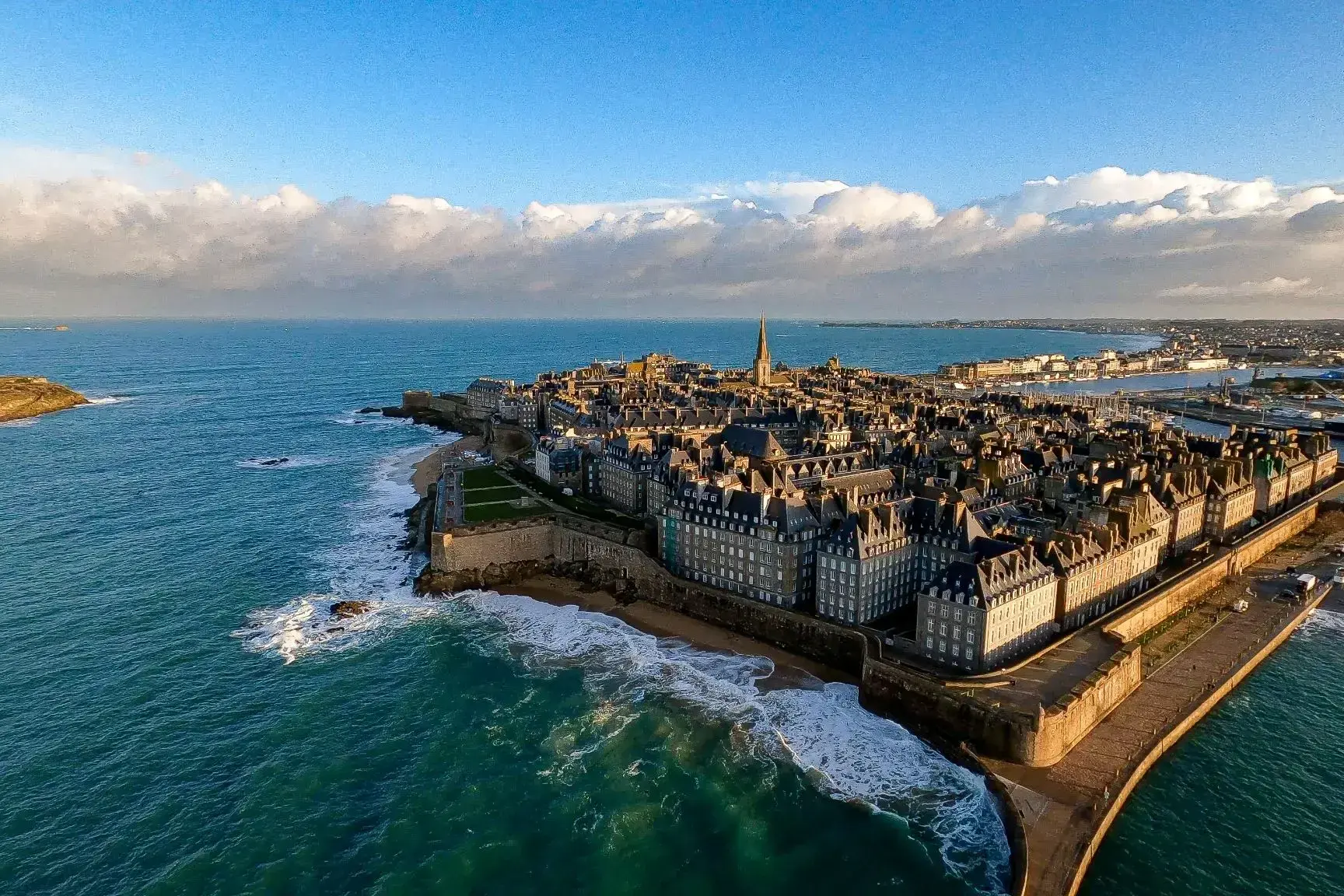
Ծովի զով քամին և ճայերի ճիչերը ուղեկցում են ձեզ Սեն-Մալո քաղաքում, որը գտնվում է Բրետանի ափին և պահպանել է ծովային արկածախնդրության և անկախության ոգին: Այստեղ բարձր պարիսպները գրկում են նեղ փողոցները, իսկ քարե ճանապարհները տանում են հարմարավետ սրճարաններ, որտեղից բացվում է տեսարան օվկիանոսի վրա: Ջրահարսների և ծովագնացների պատմությունը կենդանանում է, երբ քայլում եք բաստիոններով, հետևում եք ինչպես ալիքները փոխում են ափը կամ նավակով ուղևորվում եք հայտնի Գրանդ Բե կղզի, որտեղ թաղված է գրող Շատոբրիանը:
Սեն-Մալո-ում կարող եք վայելել թարմ ծովամթերք տեղական ռեստորաններում, համտեսել ուրցեր, որոնք որսացել են մոտակա ջրերում, կամ պարզապես պիկնիկ անել ավազոտ լողափերում, որոնք բացվում են մակընթացության ժամանակ: Քաղաքը միաժամանակ տալիս է հարմարավետության և ազատության զգացում՝ միախառնելով գեղատեսիլ ճարտարապետությունը Ատլանտյան օվկիանոսի էներգիայի հետ, իսկ ծովի քամին և աղի հոտը հիշեցնում են, որ այստեղ պատմությունը և բնությունը միշտ կողքին են: