| Cruise Region : Mediterranean Sea |
| Company : Azamara Cruises |
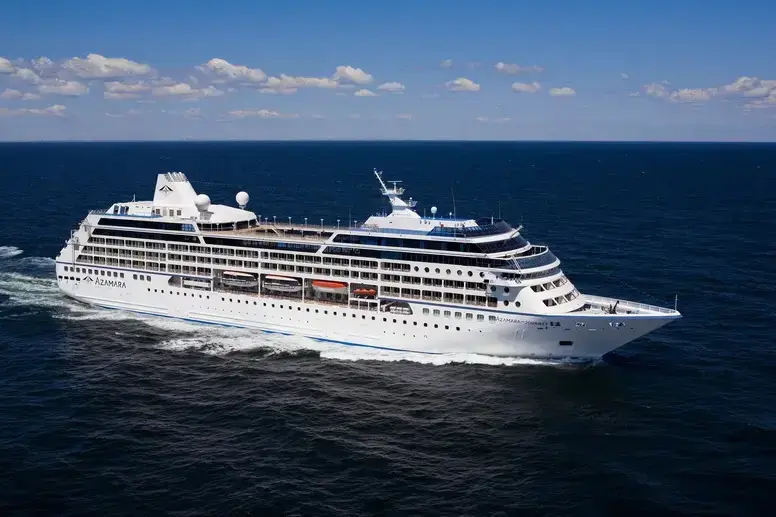
| Ship : Azamara Journey |
| Journey Start : շբթ 25 մրտ 2028 |
| Journey End : շբթ 08 ապր 2028 |
| Count Nights : 14 nights |
| Day | Date | Port | Arrival | Departure |
|---|---|---|---|---|
| 1 | 25.03 շբթ | Լիսաբոն / Portugal | 17:00 | |
| 2 | 26.03 կիր | Պորտման / Portugal | 08:00 | 20:00 |
| 3 | 27.03 երկ | Սևիլիա / Spain | 16:00 | |
| 4 | 28.03 երք | Սևիլիա / Spain | ||
| 5 | 29.03 չրք | Սևիլիա / Spain | 18:00 | |
| 6 | 30.03 հնգ | Կադիս / Spain | 08:00 | 22:00 |
| 7 | 31.03 ուր | Տանջեր / Morocco | 08:00 | 18:00 |
| 8 | 1.04 շբթ | Մալագա / Spain | 06:00 | 20:00 |
| 9 | 2.04 կիր | Ջիբրալթար / Great Britain | 08:00 | 20:00 |
| 10 | 3.04 երկ | Ալմերիա / Spain | 08:00 | 18:00 |
| 11 | 4.04 երք | Ալիկանտե / Spain | 08:00 | 20:00 |
| 12 | 5.04 չրք | Վալենսիա / Spain | 08:00 | 20:00 |
| 13 | 6.04 հնգ | Պալմա դե Մայորկա / Spain | 08:00 | 22:00 |
| 14 | 7.04 ուր | Նավահանգիստ Mahon / Spain | 08:00 | 16:00 |
| 15 | 8.04 շբթ | Տարագոնա / Spain | 06:00 |
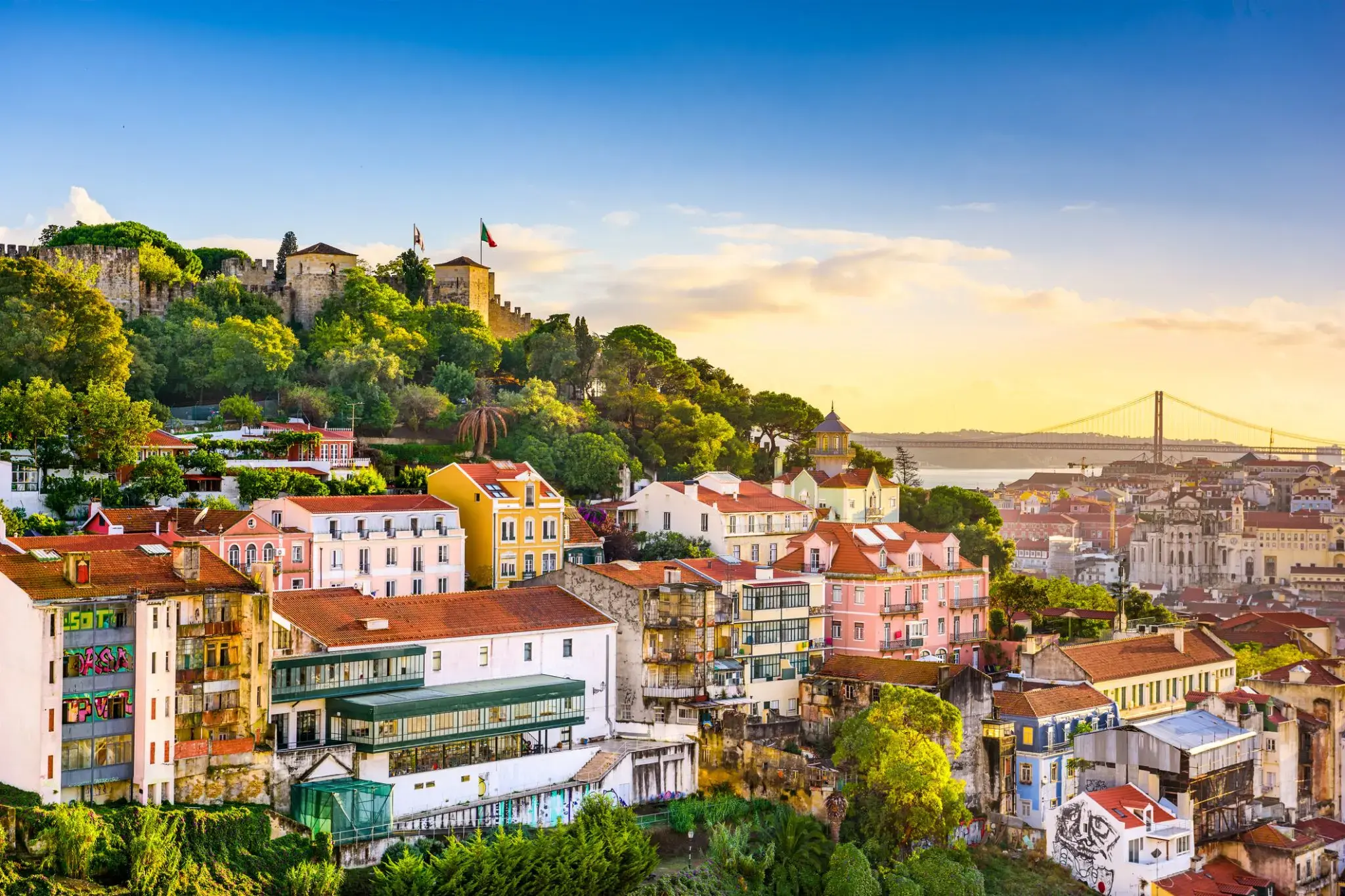
Lisbon is the capital and the largest city of Portugal, with an estimated population of 505,526 within its administrative limits in an area of 100.05 km2. Its urban area extends beyond the city's administrative limits with a population of around 2.8 million people, being the 11th-most populous urban area in the European Union. About 3 million people live in the Lisbon Metropolitan Area (which represents approximately 27% of the country's population). It is mainland Europe's westernmost capital city and the only one along the Atlantic coast. Lisbon lies in the western Iberian Peninsula on the Atlantic Ocean and the River Tagus. The westernmost areas of its metro area form the westernmost point of Continental Europe, which is known as Cabo da Roca, located in the Sintra Mountains.
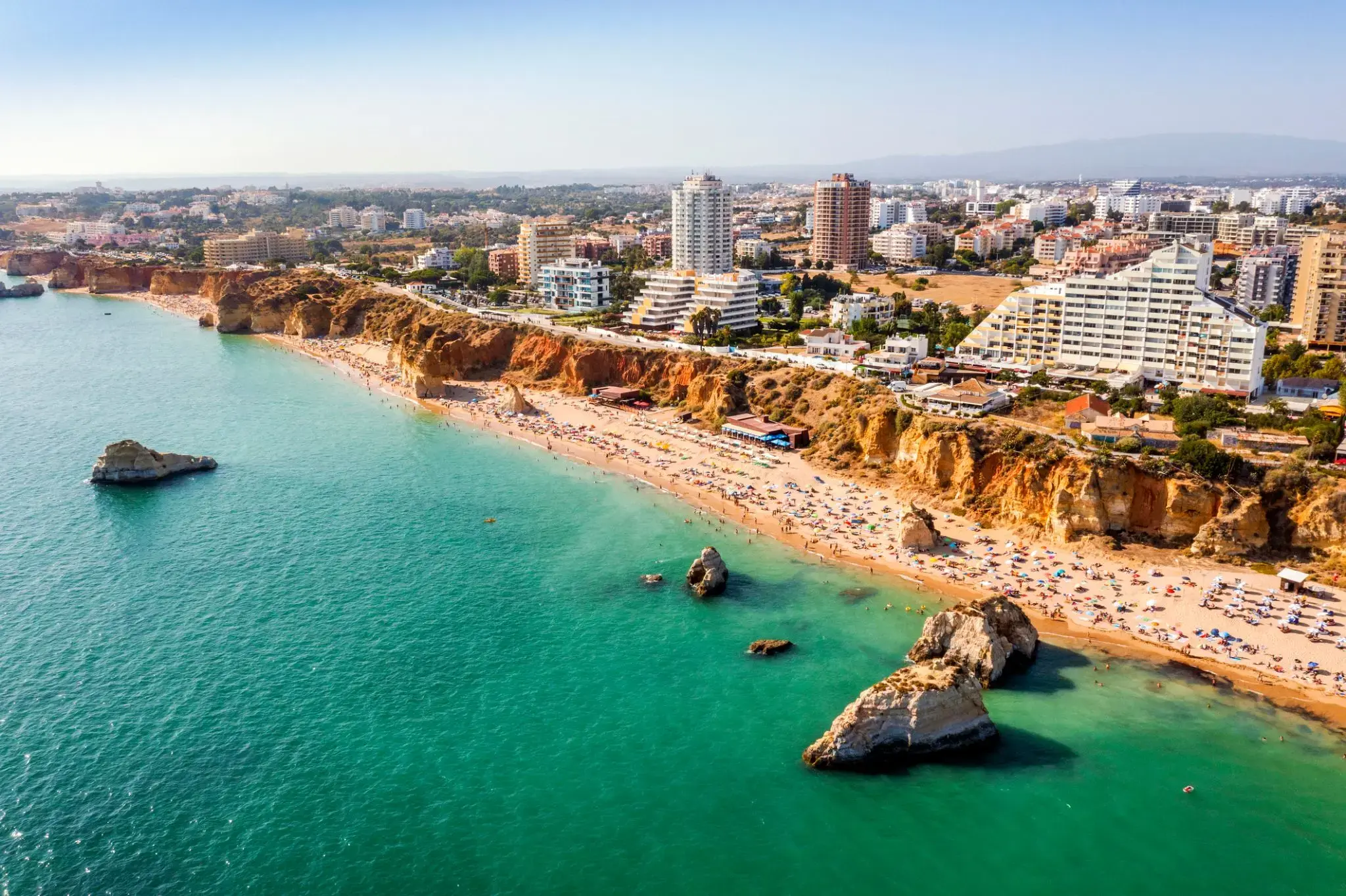
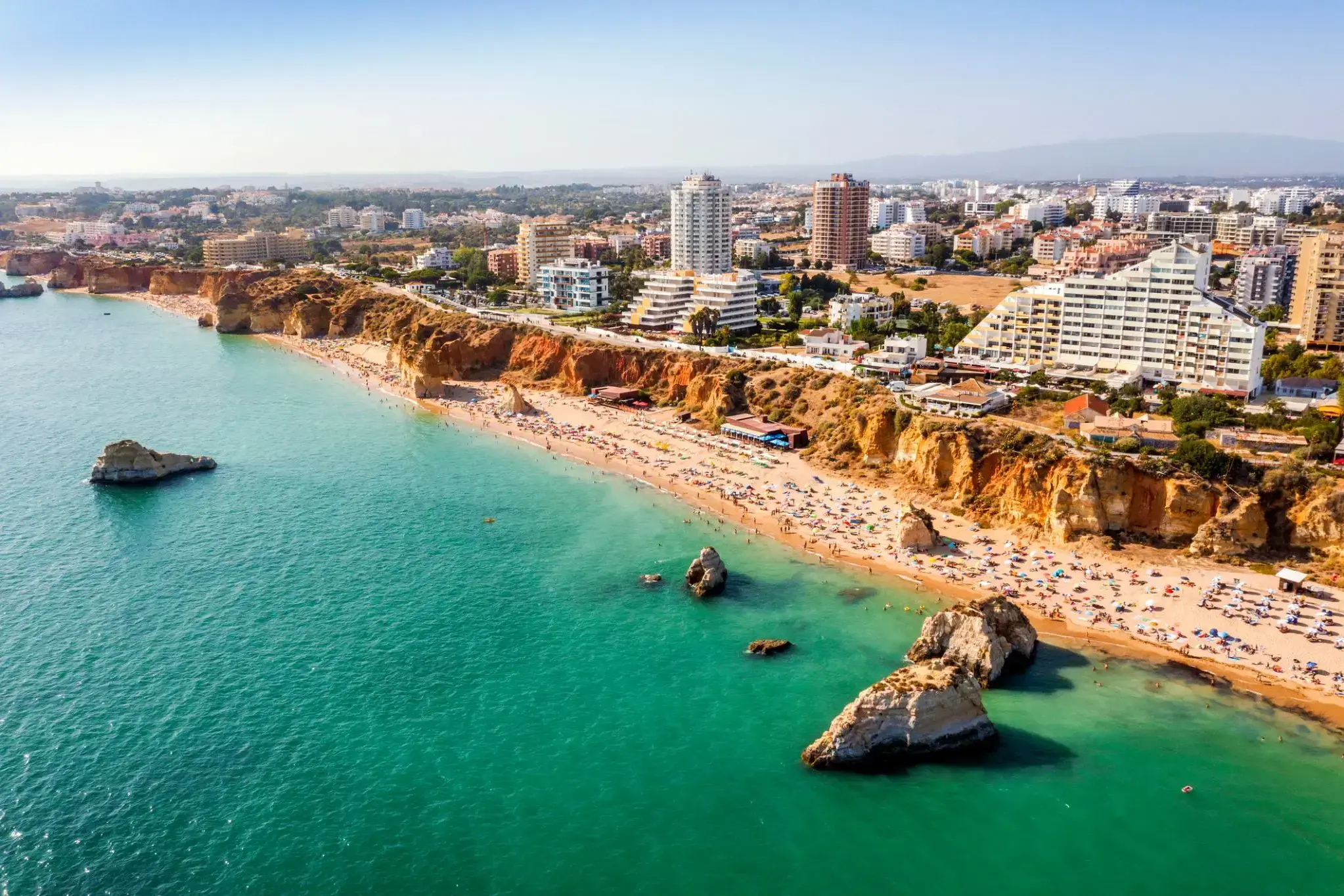
Portimão is a town and a municipality in the district of Faro, in the Algarve region of southern Portugal. The population in 2011 was 55,614, in an area of 182.06 km². It was formerly known as Vila Nova de Portimão. In 1924, it was incorporated as a cidadeand became known merely as Portimão. Historically a fishing and shipbuilding centre, it has nonetheless developed into a strong tourist centre oriented along its beaches and southern coast. The two most populous towns in the Algarve are Portimão and Faro.
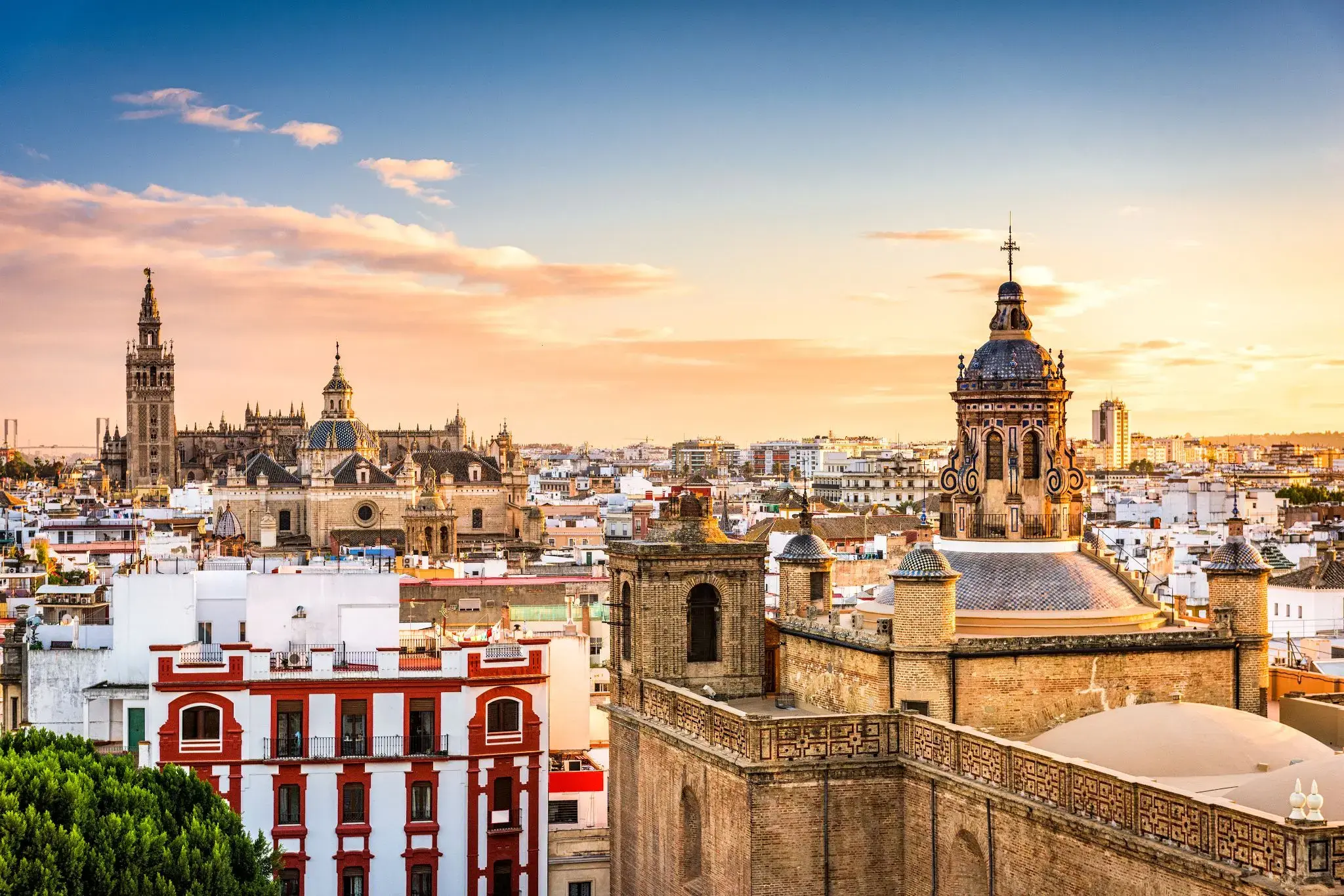
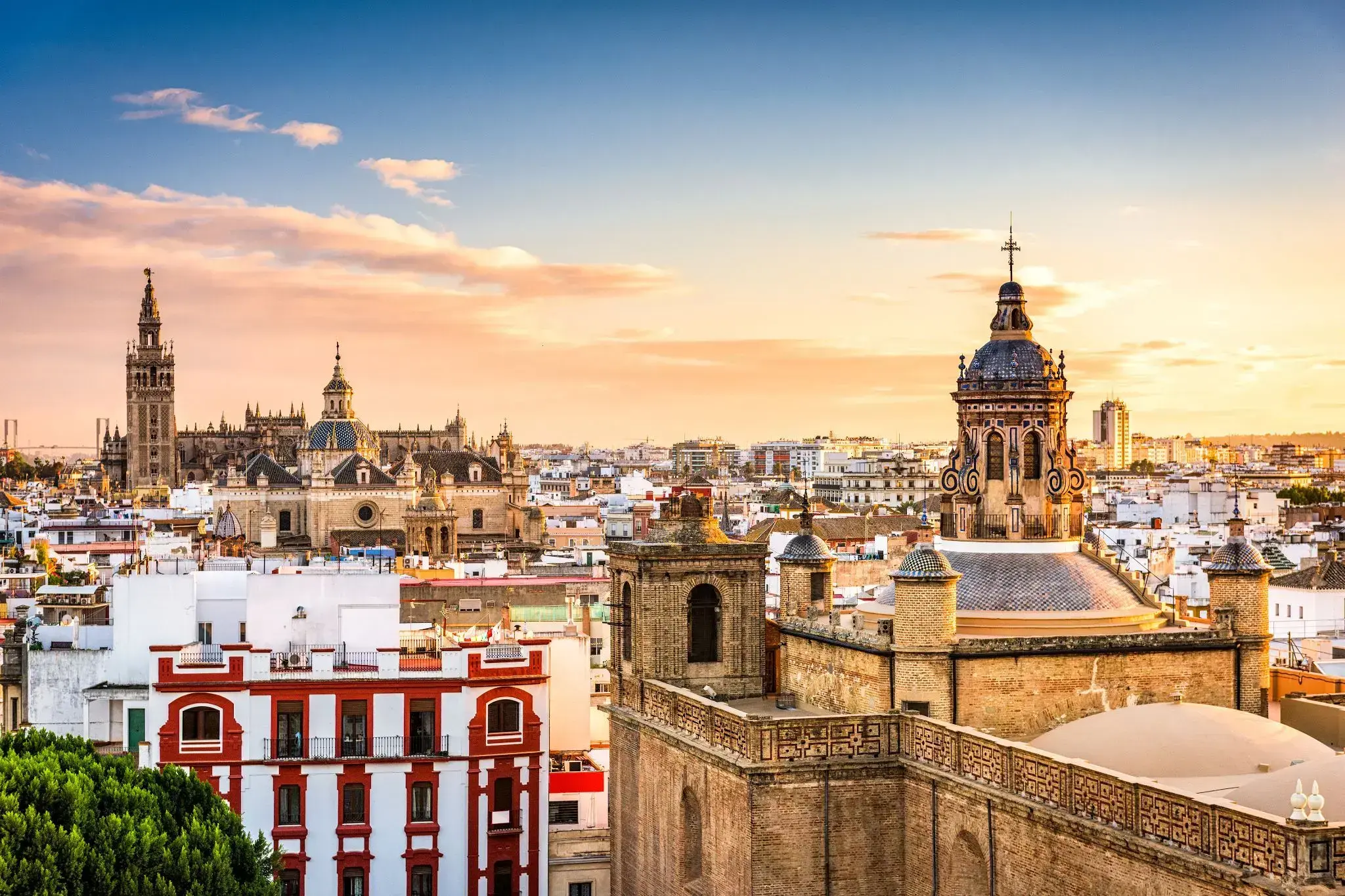
Seville is the capital and largest city of the autonomous community of Andalusia and the province of Seville, Spain. It is situated on the plain of the river Guadalquivir. The inhabitants of the city are known as sevillanos (feminine form: sevillanas) or hispalenses, after the Roman name of the city, Hispalis. Seville has a municipal population of about 690,000 as of 2016, and a metropolitan population of about 1.5 million, making it the fourth-largest city in Spain and the 30th most populous municipality in the European Union. Its Old Town, with an area of 4 square kilometres (2 sq mi), contains three UNESCO World Heritage Sites: the Alcázar palace complex, the Cathedral and the General Archive of the Indies. The Seville harbour, located about 80 kilometres (50 miles) from the Atlantic Ocean, is the only river port in Spain. Seville is also the hottest major metropolitan area in the geographical Southwestern Europe, with summer average high temperatures of above 35 °C (95 °F).
Seville was founded as the Roman city of Hispalis. It later became known as Ishbiliyya after the Muslim conquest in 712. During the Muslim rule in Spain, Seville came under the jurisdiction of the Caliphate of Córdoba before becoming the independent Taifa of Seville; later it was ruled by the Muslim Almoravids and the Almohads until finally being incorporated into the Christian Kingdom of Castile under Ferdinand III in 1248. After the discovery of the Americas, Seville became one of the economic centres of the Spanish Empire as its port monopolised the trans-oceanic trade and the Casa de Contratación (House of Trade) wielded its power, opening a Golden Age of arts and literature. In 1519, Ferdinand Magellan departed from Seville for the first circumnavigation of the Earth. Coinciding with the Baroque period of European history, the 17th century in Seville represented the most brilliant flowering of the city's culture; then began a gradual economic and demographic decline as silting in the Guadalquivirforced the trade monopoly to relocate to the nearby port of Cádiz.
The 20th century in Seville saw the tribulations of the Spanish Civil War, decisive cultural milestones such as the Ibero-American Exposition of 1929 and Expo '92, and the city's election as the capital of the Autonomous Community of Andalusia.
Seville is the capital and largest city of the autonomous community of Andalusia and the province of Seville, Spain. It is situated on the plain of the river Guadalquivir. The inhabitants of the city are known as sevillanos (feminine form: sevillanas) or hispalenses, after the Roman name of the city, Hispalis. Seville has a municipal population of about 690,000 as of 2016, and a metropolitan population of about 1.5 million, making it the fourth-largest city in Spain and the 30th most populous municipality in the European Union. Its Old Town, with an area of 4 square kilometres (2 sq mi), contains three UNESCO World Heritage Sites: the Alcázar palace complex, the Cathedral and the General Archive of the Indies. The Seville harbour, located about 80 kilometres (50 miles) from the Atlantic Ocean, is the only river port in Spain. Seville is also the hottest major metropolitan area in the geographical Southwestern Europe, with summer average high temperatures of above 35 °C (95 °F).
Seville was founded as the Roman city of Hispalis. It later became known as Ishbiliyya after the Muslim conquest in 712. During the Muslim rule in Spain, Seville came under the jurisdiction of the Caliphate of Córdoba before becoming the independent Taifa of Seville; later it was ruled by the Muslim Almoravids and the Almohads until finally being incorporated into the Christian Kingdom of Castile under Ferdinand III in 1248. After the discovery of the Americas, Seville became one of the economic centres of the Spanish Empire as its port monopolised the trans-oceanic trade and the Casa de Contratación (House of Trade) wielded its power, opening a Golden Age of arts and literature. In 1519, Ferdinand Magellan departed from Seville for the first circumnavigation of the Earth. Coinciding with the Baroque period of European history, the 17th century in Seville represented the most brilliant flowering of the city's culture; then began a gradual economic and demographic decline as silting in the Guadalquivirforced the trade monopoly to relocate to the nearby port of Cádiz.
The 20th century in Seville saw the tribulations of the Spanish Civil War, decisive cultural milestones such as the Ibero-American Exposition of 1929 and Expo '92, and the city's election as the capital of the Autonomous Community of Andalusia.
Seville is the capital and largest city of the autonomous community of Andalusia and the province of Seville, Spain. It is situated on the plain of the river Guadalquivir. The inhabitants of the city are known as sevillanos (feminine form: sevillanas) or hispalenses, after the Roman name of the city, Hispalis. Seville has a municipal population of about 690,000 as of 2016, and a metropolitan population of about 1.5 million, making it the fourth-largest city in Spain and the 30th most populous municipality in the European Union. Its Old Town, with an area of 4 square kilometres (2 sq mi), contains three UNESCO World Heritage Sites: the Alcázar palace complex, the Cathedral and the General Archive of the Indies. The Seville harbour, located about 80 kilometres (50 miles) from the Atlantic Ocean, is the only river port in Spain. Seville is also the hottest major metropolitan area in the geographical Southwestern Europe, with summer average high temperatures of above 35 °C (95 °F).
Seville was founded as the Roman city of Hispalis. It later became known as Ishbiliyya after the Muslim conquest in 712. During the Muslim rule in Spain, Seville came under the jurisdiction of the Caliphate of Córdoba before becoming the independent Taifa of Seville; later it was ruled by the Muslim Almoravids and the Almohads until finally being incorporated into the Christian Kingdom of Castile under Ferdinand III in 1248. After the discovery of the Americas, Seville became one of the economic centres of the Spanish Empire as its port monopolised the trans-oceanic trade and the Casa de Contratación (House of Trade) wielded its power, opening a Golden Age of arts and literature. In 1519, Ferdinand Magellan departed from Seville for the first circumnavigation of the Earth. Coinciding with the Baroque period of European history, the 17th century in Seville represented the most brilliant flowering of the city's culture; then began a gradual economic and demographic decline as silting in the Guadalquivirforced the trade monopoly to relocate to the nearby port of Cádiz.
The 20th century in Seville saw the tribulations of the Spanish Civil War, decisive cultural milestones such as the Ibero-American Exposition of 1929 and Expo '92, and the city's election as the capital of the Autonomous Community of Andalusia.
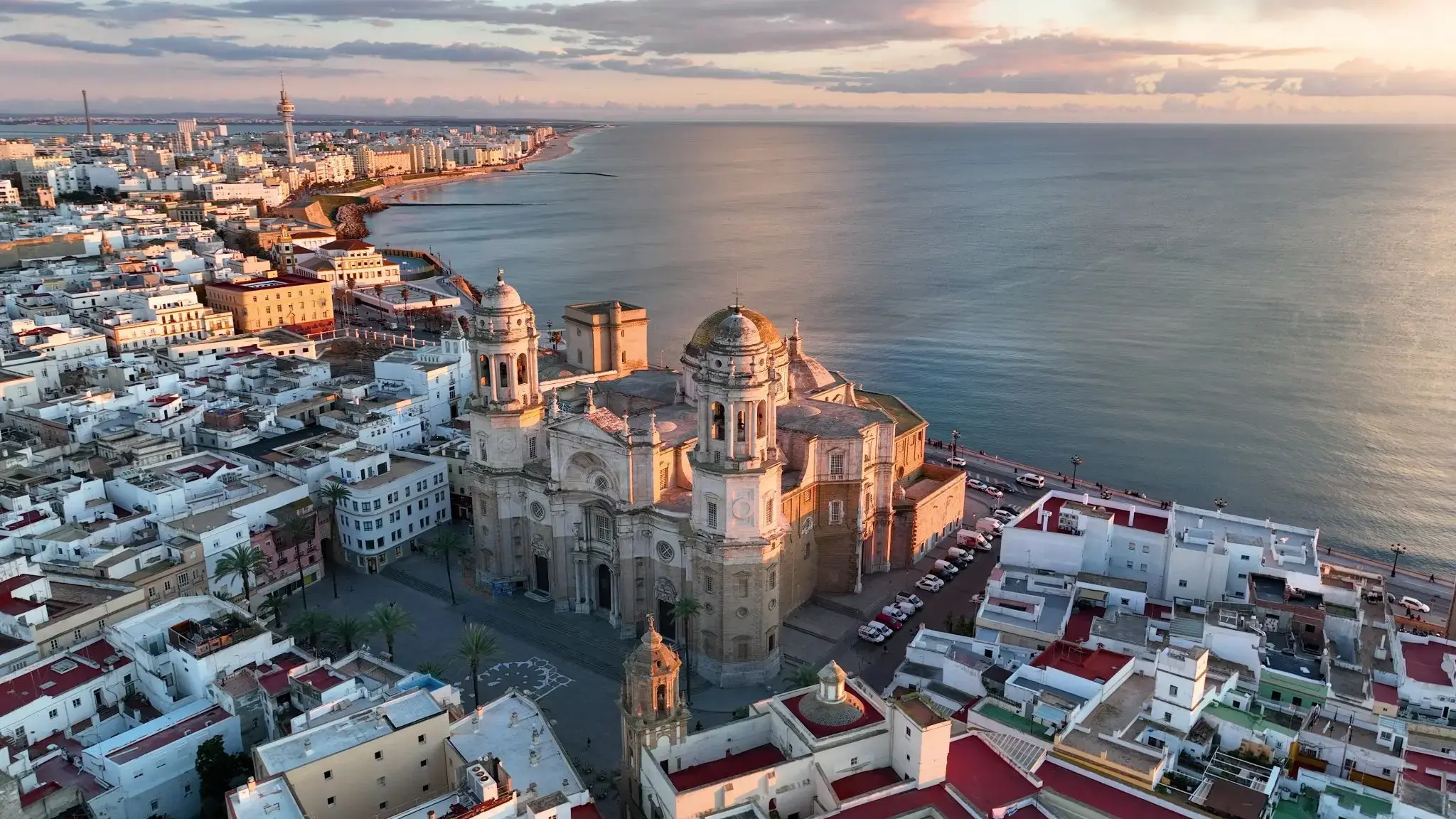
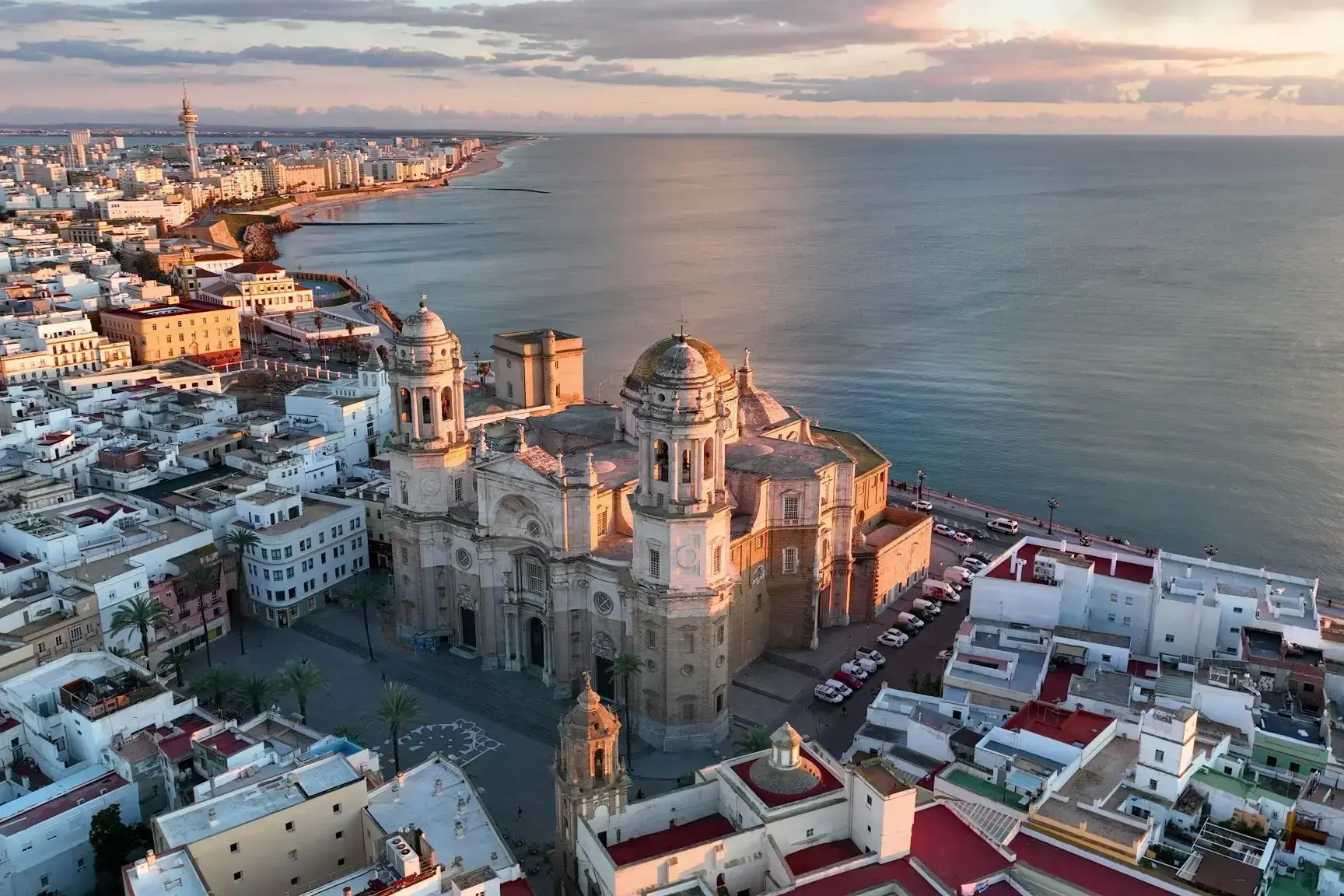
Կադիսը Եվրոպայի ամենահին քաղաքներից մեկն է, որը գտնվում է Իսպանիայի հարավարևմտյան ափին, Անդալուսիայի կենտրոնում: Քաղաքը գտնվում է կղզում, շրջապատված է Ատլանտյան օվկիանոսով, ինչը հաղորդում է այն բացառիկ մթնոլորտ: Կադիսը հայտնի է իր գեղեցիկ լողափերով, ինչպիսիք են Playa de la Victoria-ը, ինչպես նաև իր հնագույն փողոցներով՝ սպիտակ տներում և շքեղ ֆասադներով, որոնք հիշեցնում են մավրիտանական և գաղութային պատմություն: Քաղաքի պատմական կենտրոնում գտնվում է հանրահայտ կաթեդրալը, որի շինարարությունը տևել է ավելի քան հարյուր տարի, և որի գագաթից բացվում է փայլուն տեսարան օվկիանոսին:
Քաղաքը նաև հայտնի է իր կարմիր ավանդույթներով և համեղ խոհանոցով, որտեղ գերիշխում են ծովամթերքները: Այստեղյան կարմիր ավանդույթը համարվում է Իսպանիայում ամենաառողջներից մեկը, որը ամեն տարի գրավում է հազարավոր զբոսաշրջիկներ:
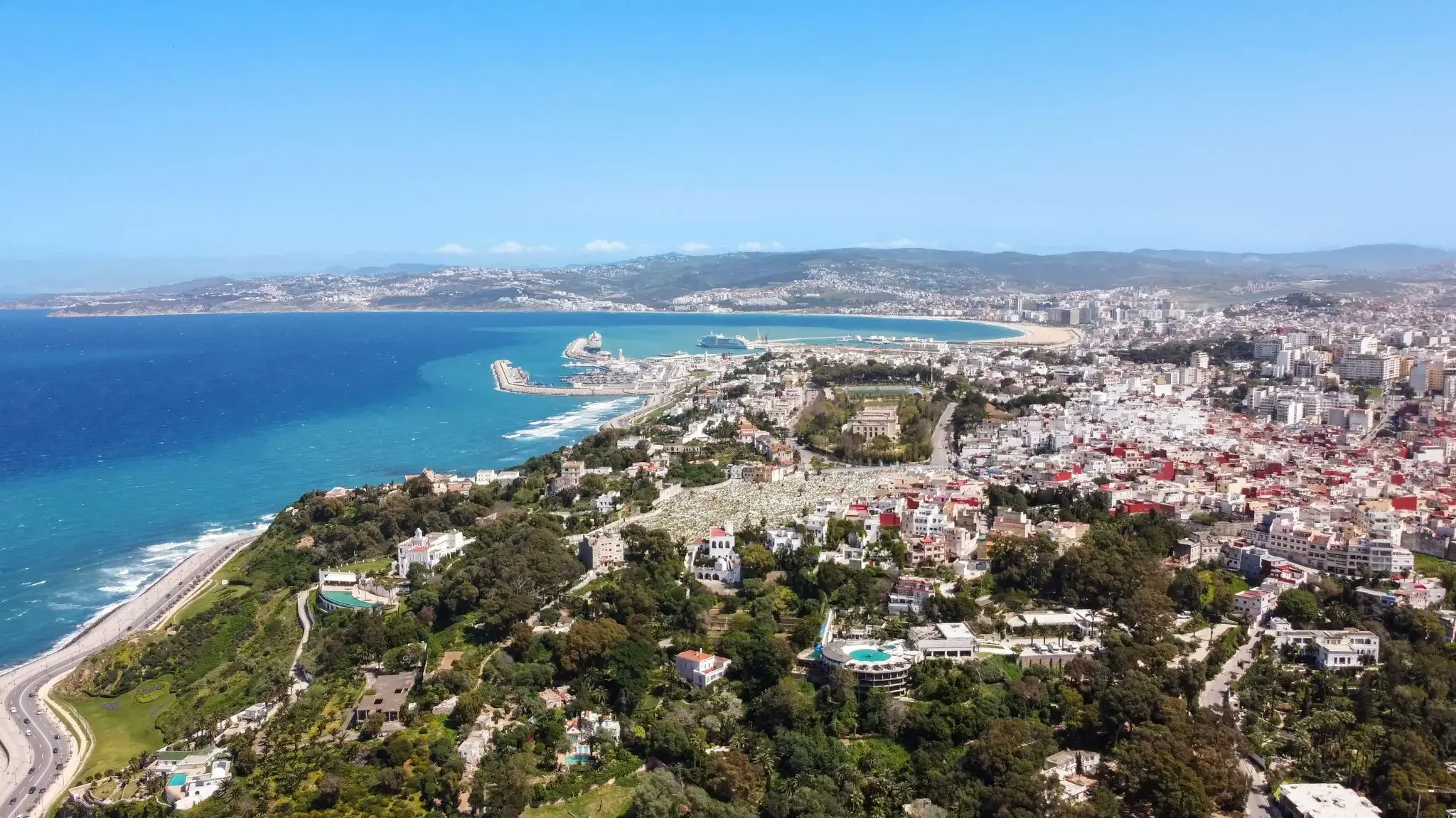
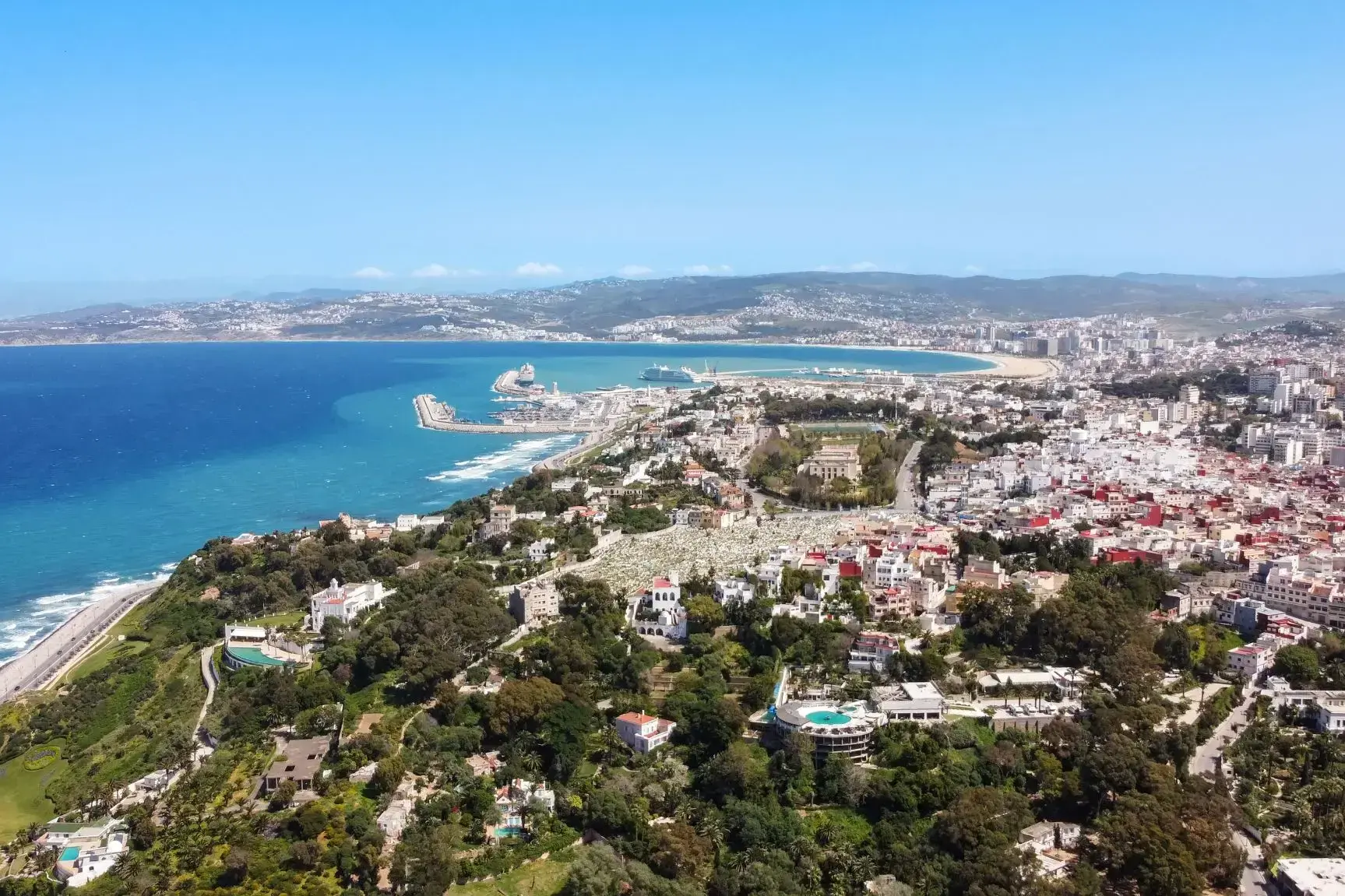
Տանժեր – Մշակույթների և ծովային ուղիների խաչմերուկ
Տանժեր, որը գտնվում է Մարոկկոյի հյուսիսում, միավորում է Եվրոպան և Աֆրիկան։ Քաղաքը հայտնի է իր մավրական ճարտարապետությամբ և պատմությամբ, իսկ նրա հին քաղաքը (մեդինա) ընդգրկված է ՅՈՒՆԵՍԿՕ-ի Համաշխարհային ժառանգության ցանկում։ Այստեղ կարելի է վայելել կենդանի շուկաներ, գեղեցիկ լողափեր և շնչահեղձ vistas, ինչպես նաև զգալ մթնոլորտ, որտեղ խաչվում են տարբեր մշակույթներ։
Մեկնորդների համար Տանժերը բացառիկ հնարավորություններ է առաջարկում բացահայտելու մարոկկյան մշակույթը, պատմությունն ու խոհանոցը։ Մեդինայում զբոսանքները, Կասբայի այցելությունները և շուկաներում գնումներ կատարելը թույլ են տալիս զգալ քաղաքի ոգին, որտեղ Արևելքը հանդիպում է Արևմուտքին։

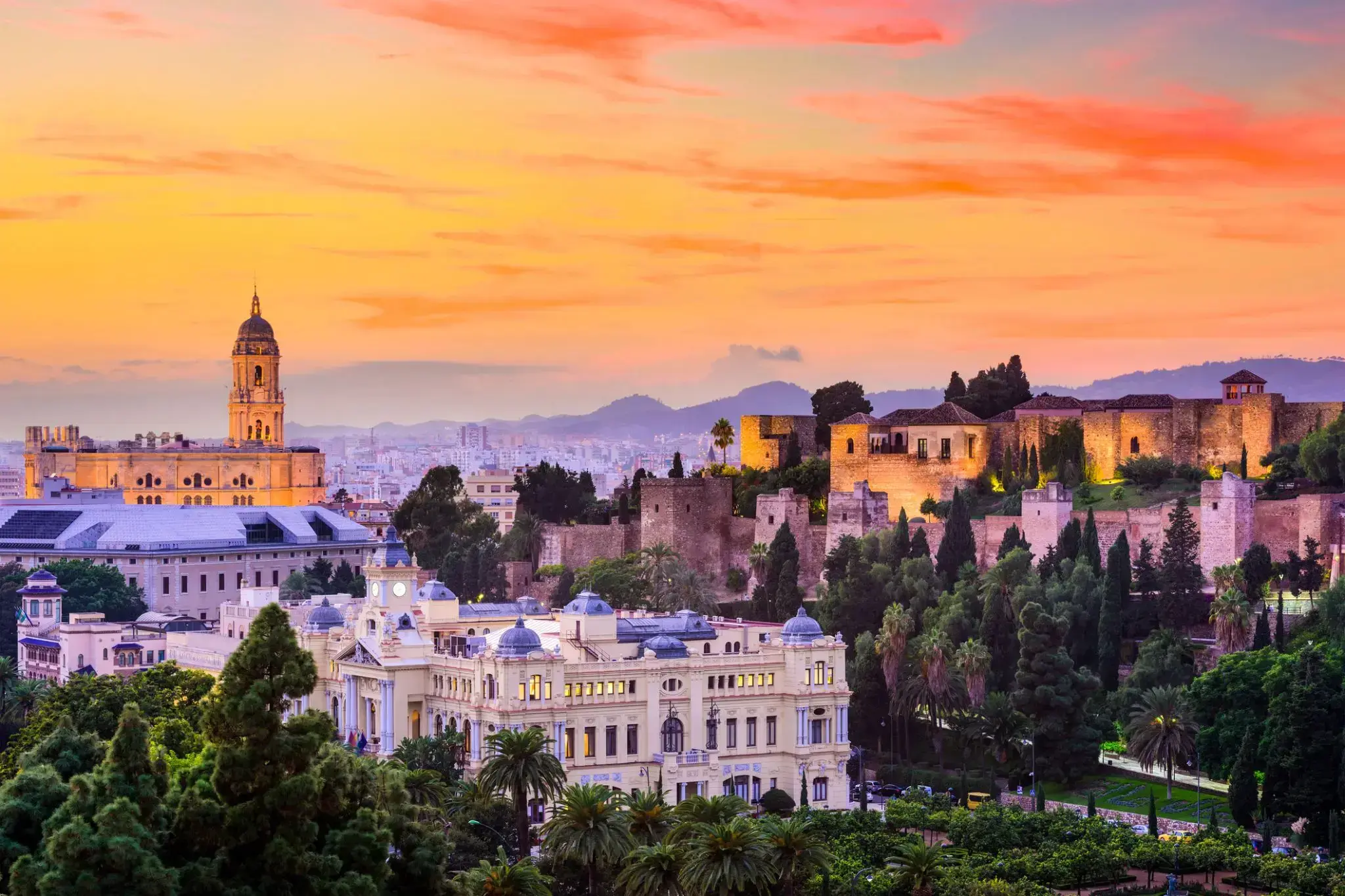
Málaga is a municipality, capital of the Province of Málaga, in the Autonomous Community of Andalusia, Spain. With a population of 569,130 in 2015, it is the second-most populous city of Andalusia and the sixth-largest in Spain. The southernmost large city in Europe, it lies on the Costa del Sol (Coast of the Sun) of the Mediterranean, about 100 kilometres (62.14 miles) east of the Strait of Gibraltar and about 130 km (80.78 mi) north of Africa.
Málaga's history spans about 2,800 years, making it one of the oldest cities in the world. According to most scholars, it was founded about 770 BC by the Phoenicians as Malaka From the 6th century BC the city was under the hegemony of Ancient Carthage, and from 218 BC, it was ruled by the Roman Republic and then empire as Malaca (Latin). After the fall of the empire and the end of Visigothic rule, it was under Islamic rule as Mālaqah for 800 years, but in 1487, the Crown of Castille gained control after the Reconquista. The archaeological remains and monuments from the Phoenician, Roman, Arabic and Christian eras make the historic center of the city an "open museum", displaying its history of nearly 3,000 years.
This important cultural infrastructure and the artistic heritage have culminated in the nomination of Málaga as a candidate for the 2016 European Capital of Culture.
The painter and sculptor Pablo Picasso, Hebrew poet and Jewish philosopher Solomon Ibn Gabirol and the actor Antonio Banderas were born in Málaga. The magnum opus of Cuban composer Ernesto Lecuona, "Malagueña", is named after the music of this region of Spain.
The most important business sectors in Málaga are tourism, construction and technology services, but other sectors such as transportation and logistics are beginning to expand. The Andalusia Technology Park (PTA), located in Málaga, has enjoyed significant growth since its inauguration in 1992. Málaga is the main economic and financial centre of southern Spain, home of the region's largest bank, Unicaja, and the fourth-ranking city in economic activity in Spain behind Madrid, Barcelona and Valencia.
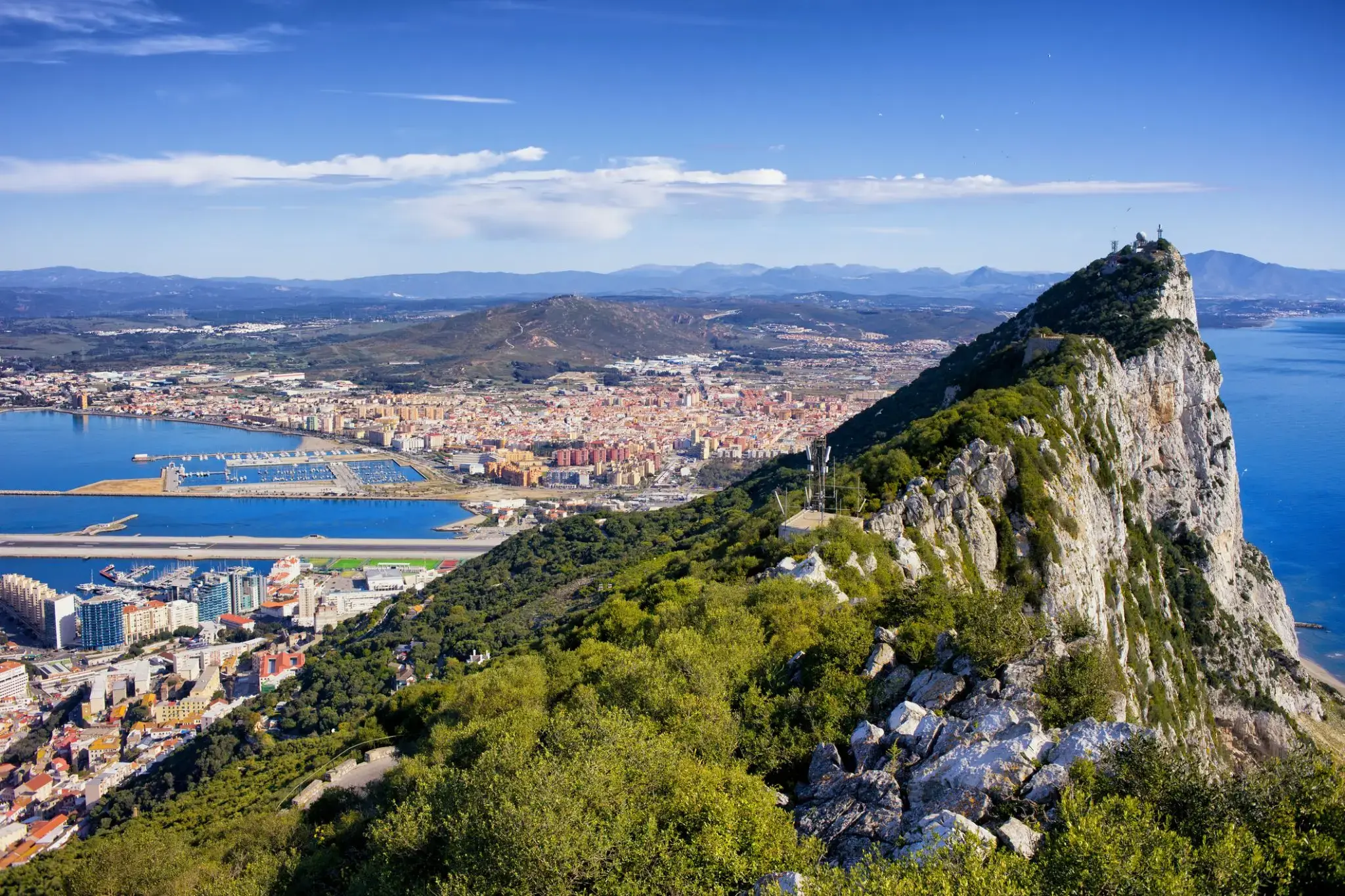
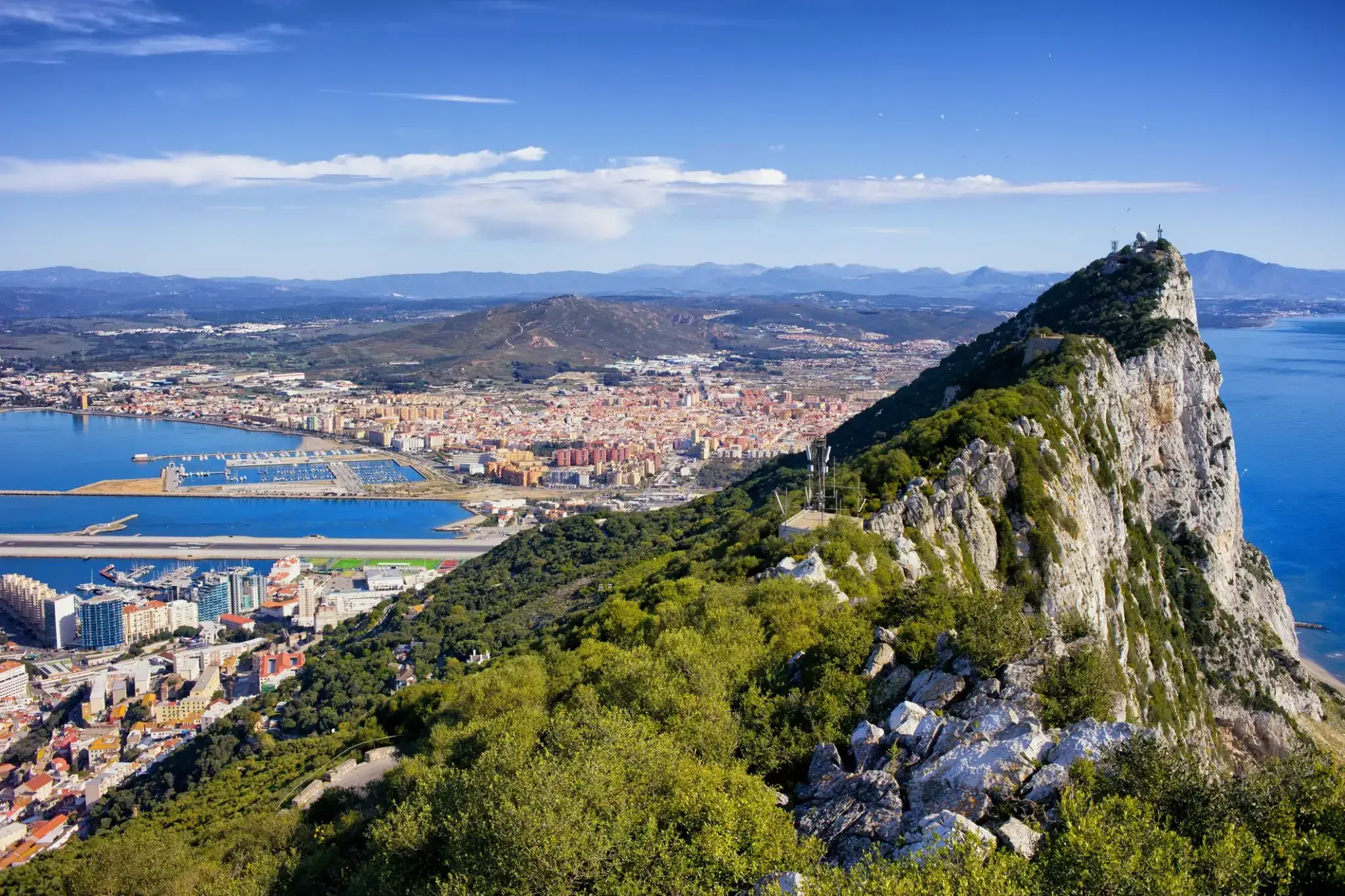
Gibraltar is a British Overseas Territory located at the southern tip of the Iberian Peninsula. It has an area of 6.7 km2 (2.6 sq mi) and is bordered to the north by Spain. The landscape is dominated by the Rock of Gibraltar at the foot of which is a densely populated town area, home to over 30,000 people, primarily Gibraltarians. It shares a maritime border with Morocco.
In 1704, Anglo-Dutch forces captured Gibraltar from Spain during the War of the Spanish Succession on behalf of the Habsburg claim to the Spanish throne. The territory was ceded to Great Britain in perpetuity under the Treaty of Utrechtin 1713. During World War II it was an important base for the Royal Navy as it controlled the entrance and exit to the Mediterranean Sea, which is only 8 miles (13 km) wide at this naval choke point. It remains strategically important, with half the world's seaborne trade passing through the strait. Today Gibraltar's economy is based largely on tourism, online gambling, financial services and cargo ship refuelling.
The sovereignty of Gibraltar is a point of contention in Anglo-Spanish relations because Spain asserts a claim to the territory. Gibraltarians rejected proposals for Spanish sovereignty in a 1967 referendum and, in a 2002 referendum, the idea of shared sovereignty was also rejected.
Ալմերիա հանգստավայրն գտնվում է Իսպանիայի հարավ-արևելքում։ Դա նույնանուն ափամերձ պրովինցիայի մայրաքաղաքն է՝ Կոստա-դել-Ալմերիայի տարածաշրջանում, որը պատկանում է Անդալուսիայի ինքնավար օջախին։ Թեկուզ այս հանգստավայրը դեռ համեմատաբար երիտասարդ է, այն պարբերաբար զարգանում է և ծաղկում է, ամեն տարի ավելի ու ավելի շատ զբոսաշրջիկներ ներգրավելով։ Այցելուները գալիս են այստեղ հիանալի հանգստի համար, որը ապահովվում է գեղեցիկ ծովափերով, մեղմ կլիմայով, հիասքանչ բնությամբ, զարգացած զբոսաշրջային ենթակառուցվածքներով և տարածաշրջանի յուրահատուկ պատմությամբ։ Ալմերիան նախընտրում են ակտիվ հանգստի սիրահարները, ինչպես նաև վայելում են բազմազան զվարճանքներն ու տեսարժան վայրերի այցելությունները։
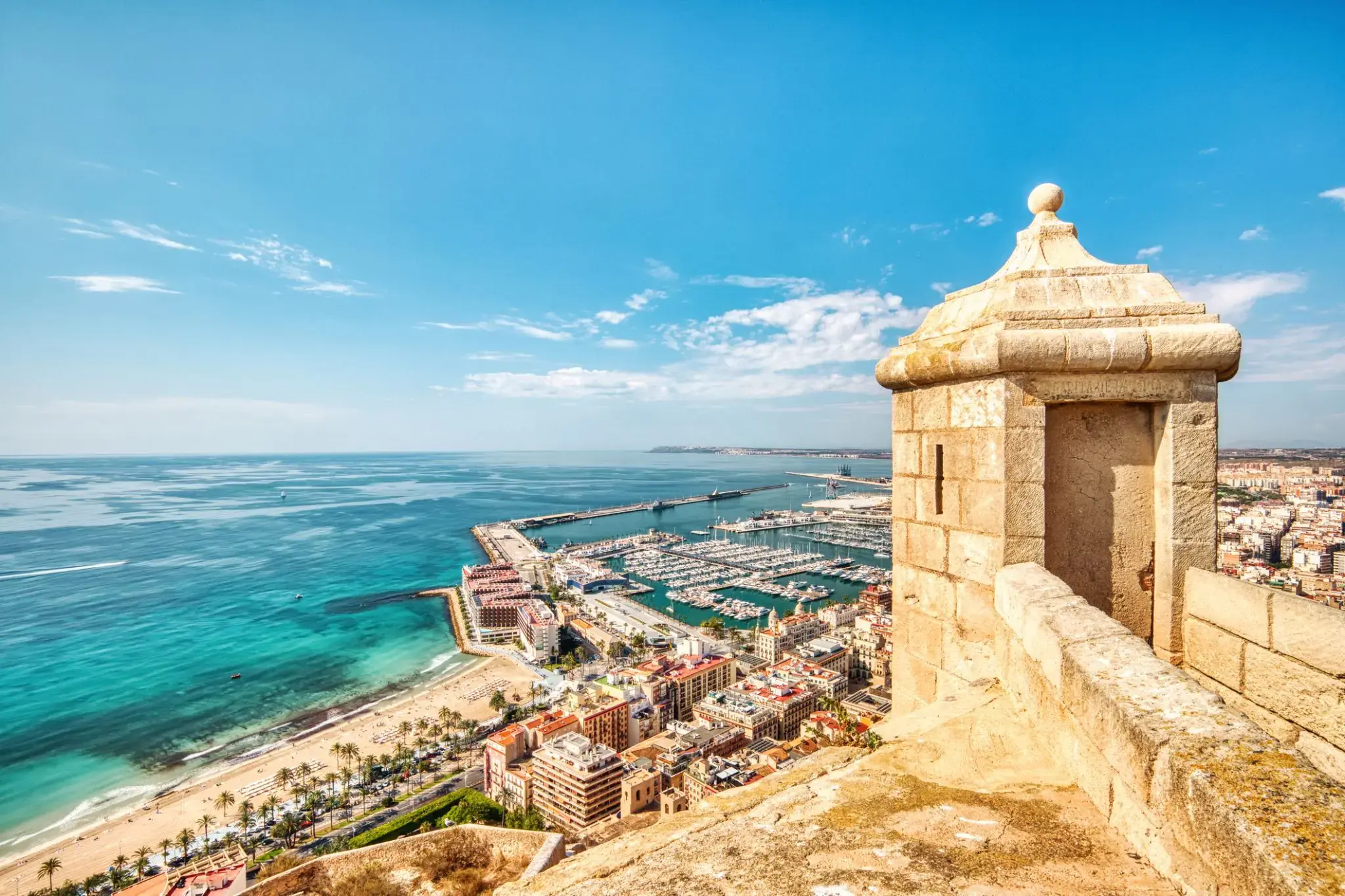
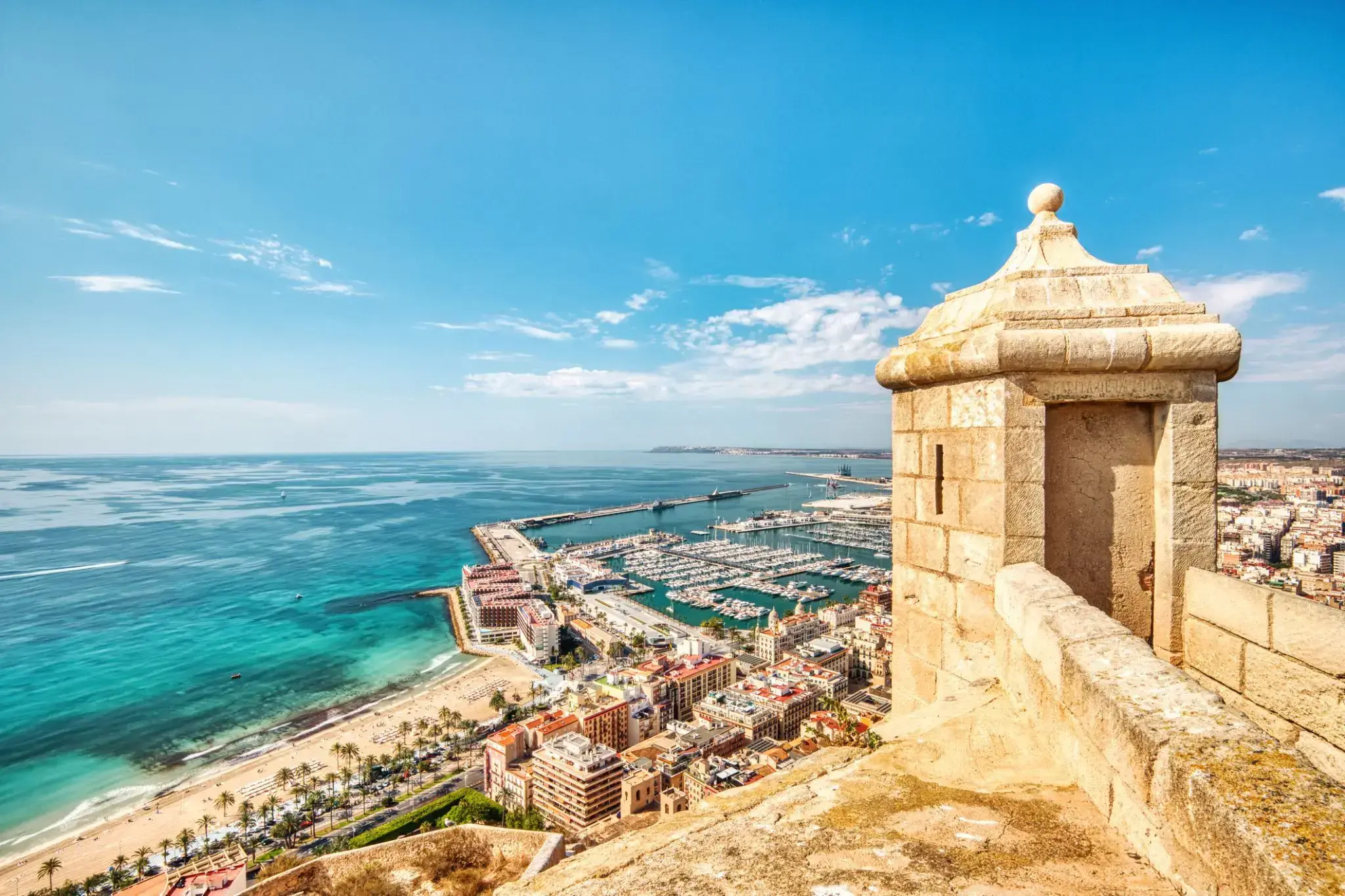
Alicante, or Alacant , both the Spanish and Valencian being official names, is a city and port in Spain on the Costa Blanca, the capital of the province of Alicante and of the comarca of Alacantí, in the south of the Valencian Community. It is also a historic Mediterranean port. The population of the city of Alicante proper was 330,525, estimated as of 2016, ranking as the second-largest Valencian city. Including nearby municipalities, the Alicante conurbation had 452,462 residents. The population of the metropolitan area (including Elche and satellite towns) was 757,085 as of 2014 estimates, ranking as the eighth-largest metropolitan area of Spain.
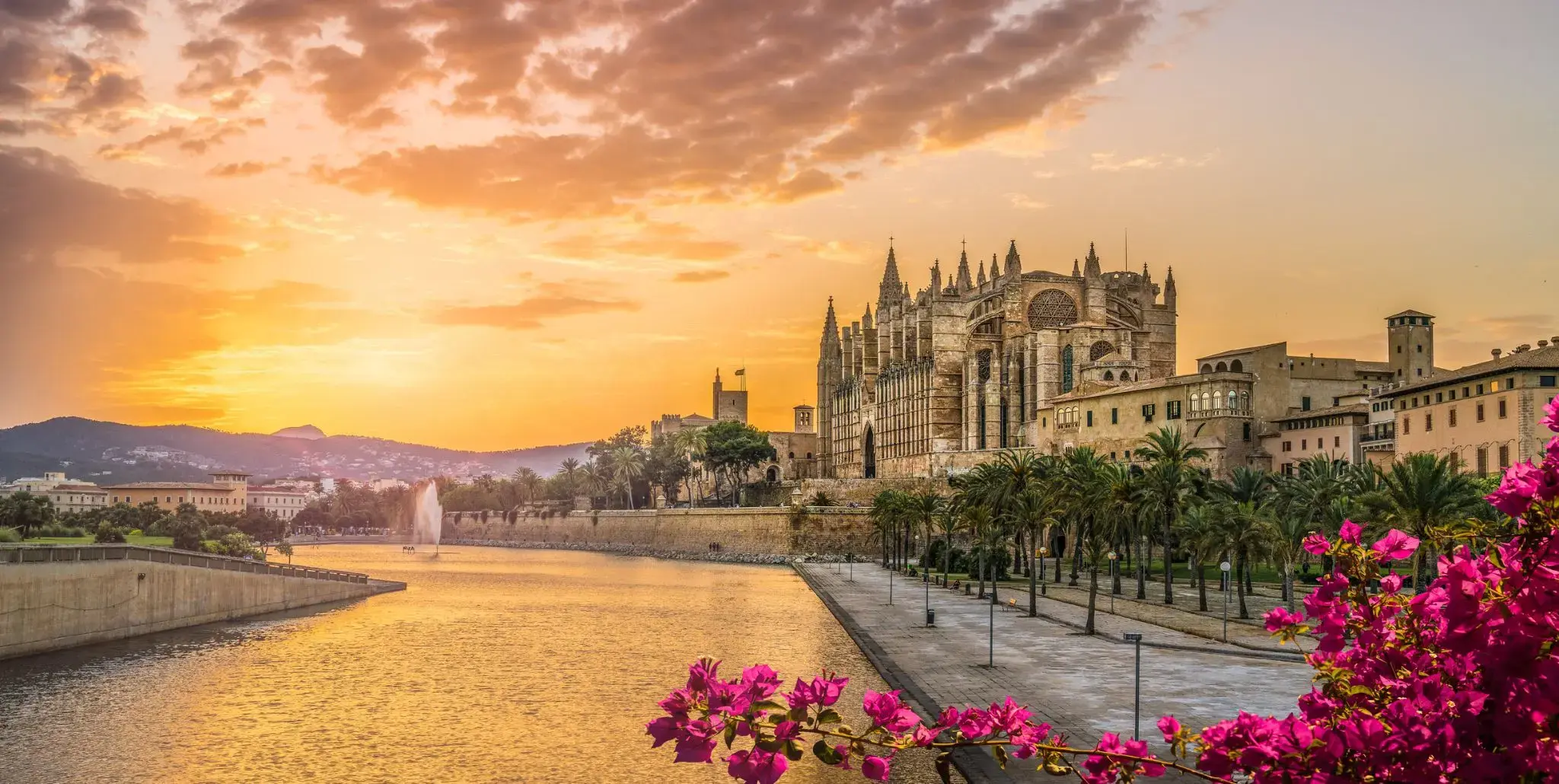
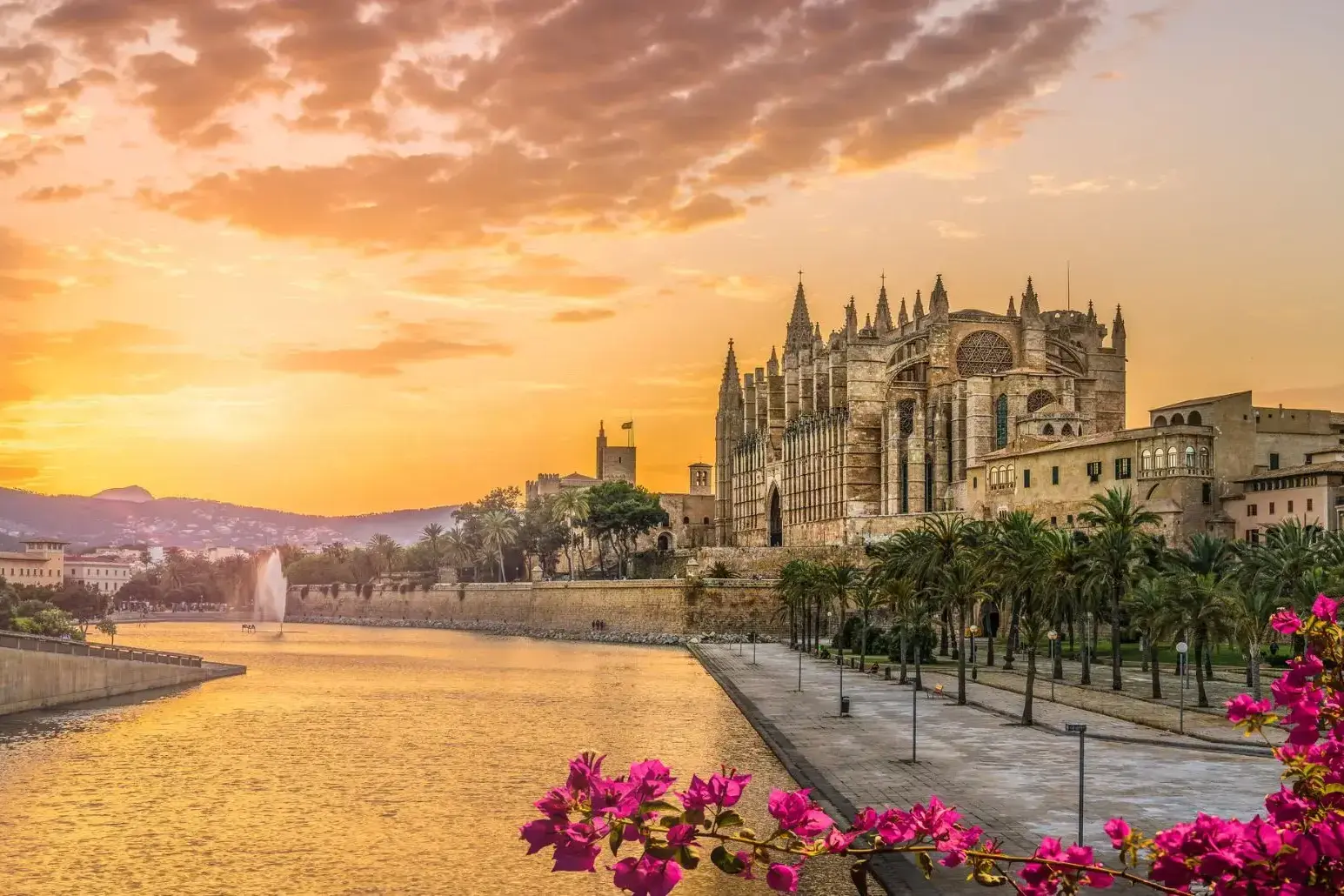
Mallorca is the largest island in the Balearic Islands, which are part of Spain and located in the Mediterranean. The native language, as on the rest of the Balearic Islands, is Catalan, which is co-official with Spanish.
The capital of the island, Palma, is also the capital of the autonomous community of the Balearic Islands. The Balearic Islands have been an autonomous region of Spain since 1983. There are two small islands off the coast of Mallorca: Cabrera (southeast of Palma) and Dragonera (west of Palma). The anthem of Mallorca is "La Balanguera".
Like the other Balearic Islands of Menorca, Ibiza and Formentera, the island is an extremely popular holiday destination, particularly for tourists from Germany and the United Kingdom. The international airport, Palma de Mallorca Airport, is one of the busiest in Spain; it was used by 28.0 million passengers in 2017, increasing every year since 2012.
The name derives from Classical Latin insula maior, "larger island". Later, in Medieval Latin, this became Maiorica, "the larger one", in comparison to Menorca, "the smaller one".
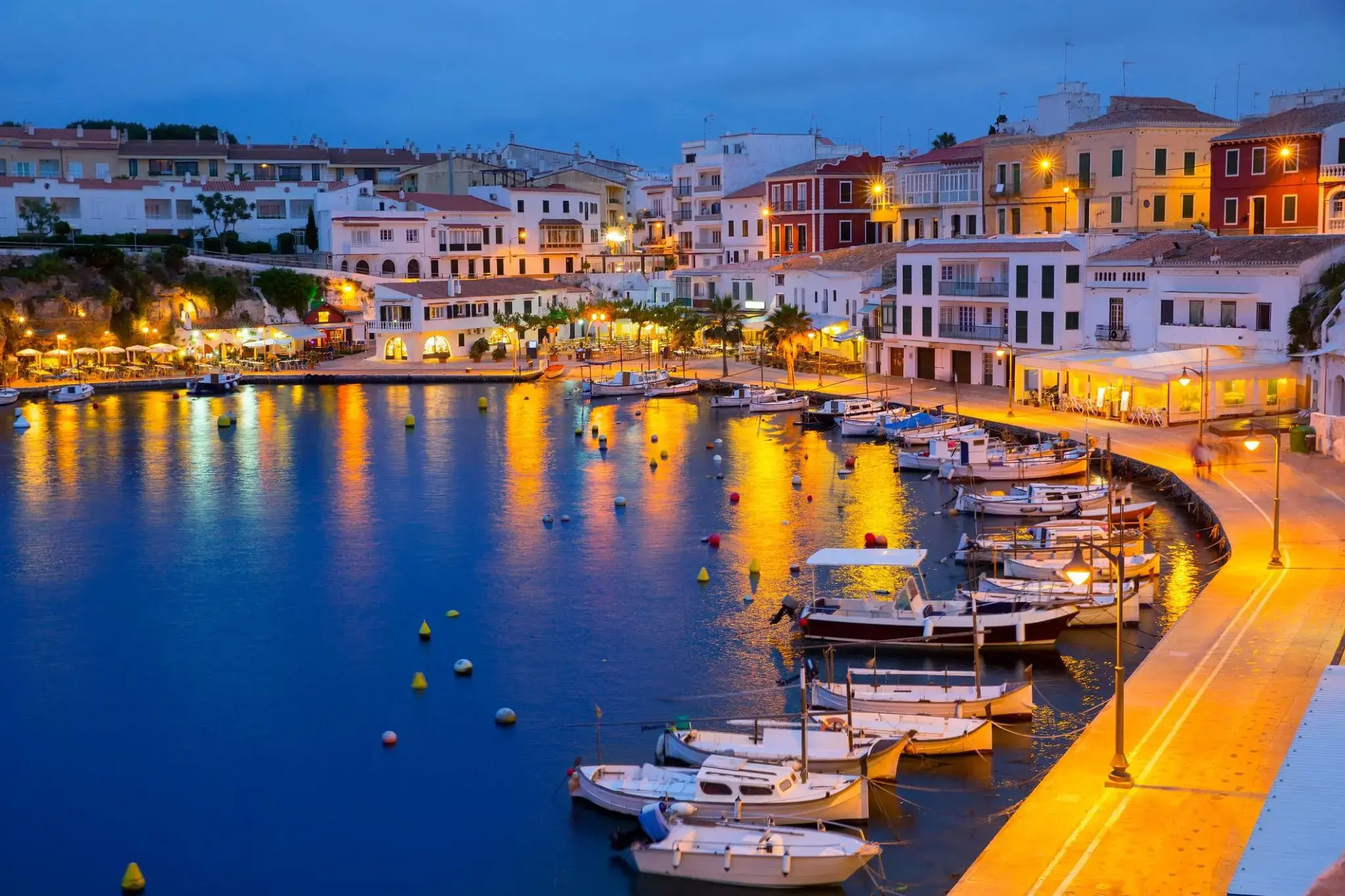
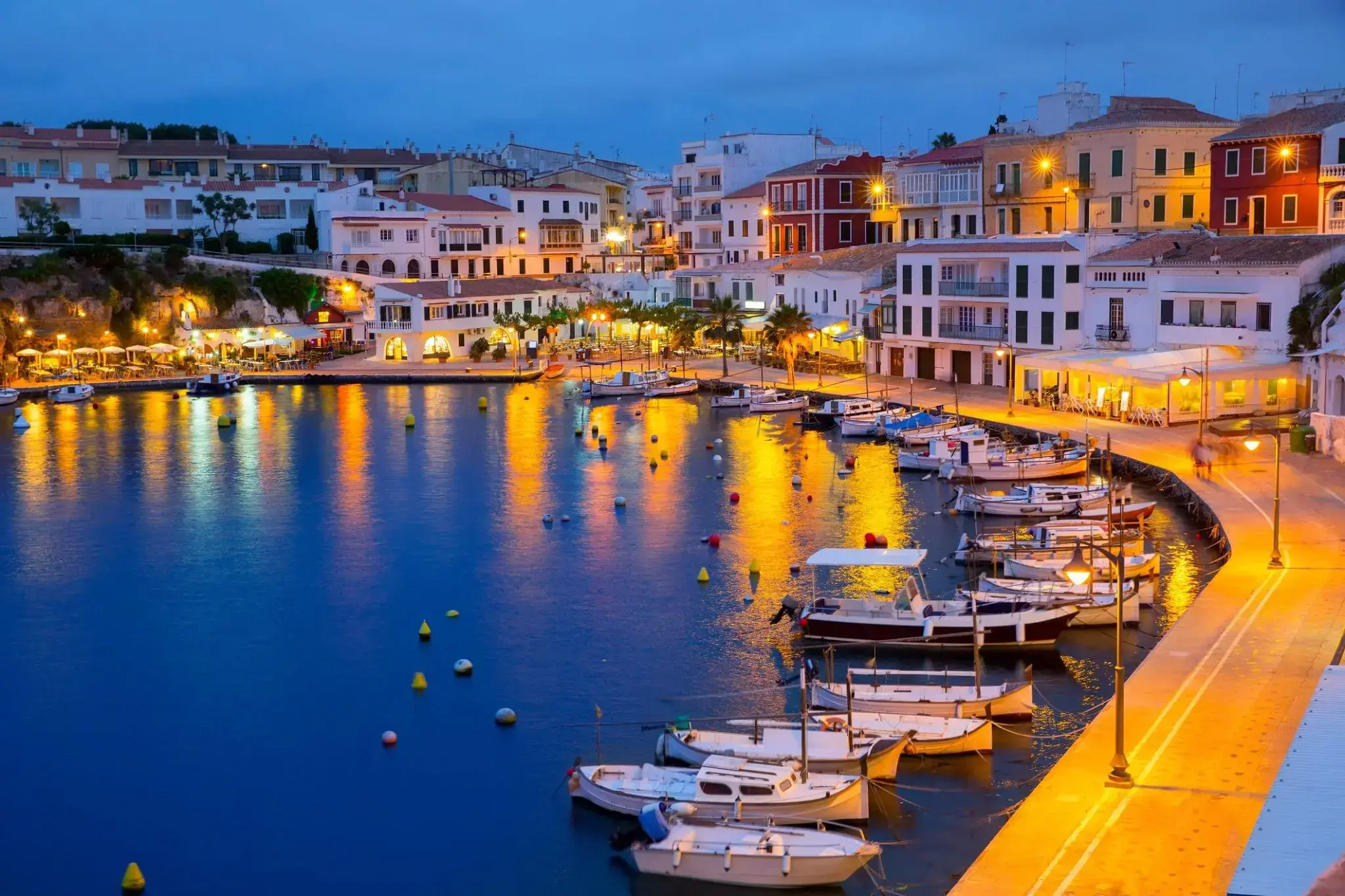
Փիրուզագույն ջրերն ու պատմական բերդերը Մաոնի նավահանգիստը Մենորկայում դարձնում են յուրահատուկ վայր, որը գրավում է ճանապարհորդների ամբողջ աշխարհից։ Այս նավահանգիստը համարվում է աշխարհի ամենախորը բնական նավահանգիստներից մեկը, և ավելի քան 5 կմ երկարությունը հնարավորություն է տալիս հիանալու հոյակապ տեսարաններով՝ ինչպես նավահանգստի ափամերձ հատվածներից, այնպես էլ նավարկությունների ընթացքում։ Ճանապարհին բացվում են գեղատեսիլ շինություններ, որոնք հիշեցնում են բրիտանական ազդեցության մասին, ինչպես նաև հյուրընկալ սրճարաններ՝ թարմ պատրաստված սուրճի և Մենորկայի ավանդական էնսայմադայի բույրով։
Մաոնի նավահանգիստը առաջարկում է բացառիկ հնարավորություն՝ նավարկությունը համատեղելու պատմական տեսարժան վայրերի ուսումնասիրության հետ, այդ թվում՝ հին Լա Մոլա բերդը և 18-րդ դարի հոսպիտալով փոքր կղզին, որտեղ կարելի է հասնել նավակով։ Միջերկրածովյան քաղաքների մթնոլորտը սիրող այցելուների համար նավահանգիստը առաջարկում է նեղ փողոցներ արհեստագործական խանութներով, ջրեզերքի ռեստորաններում թարմ ծովամթերք և հանգստության զգացում, որն ընձեռում է Մենորկան յուրաքանչյուր այցելուին։
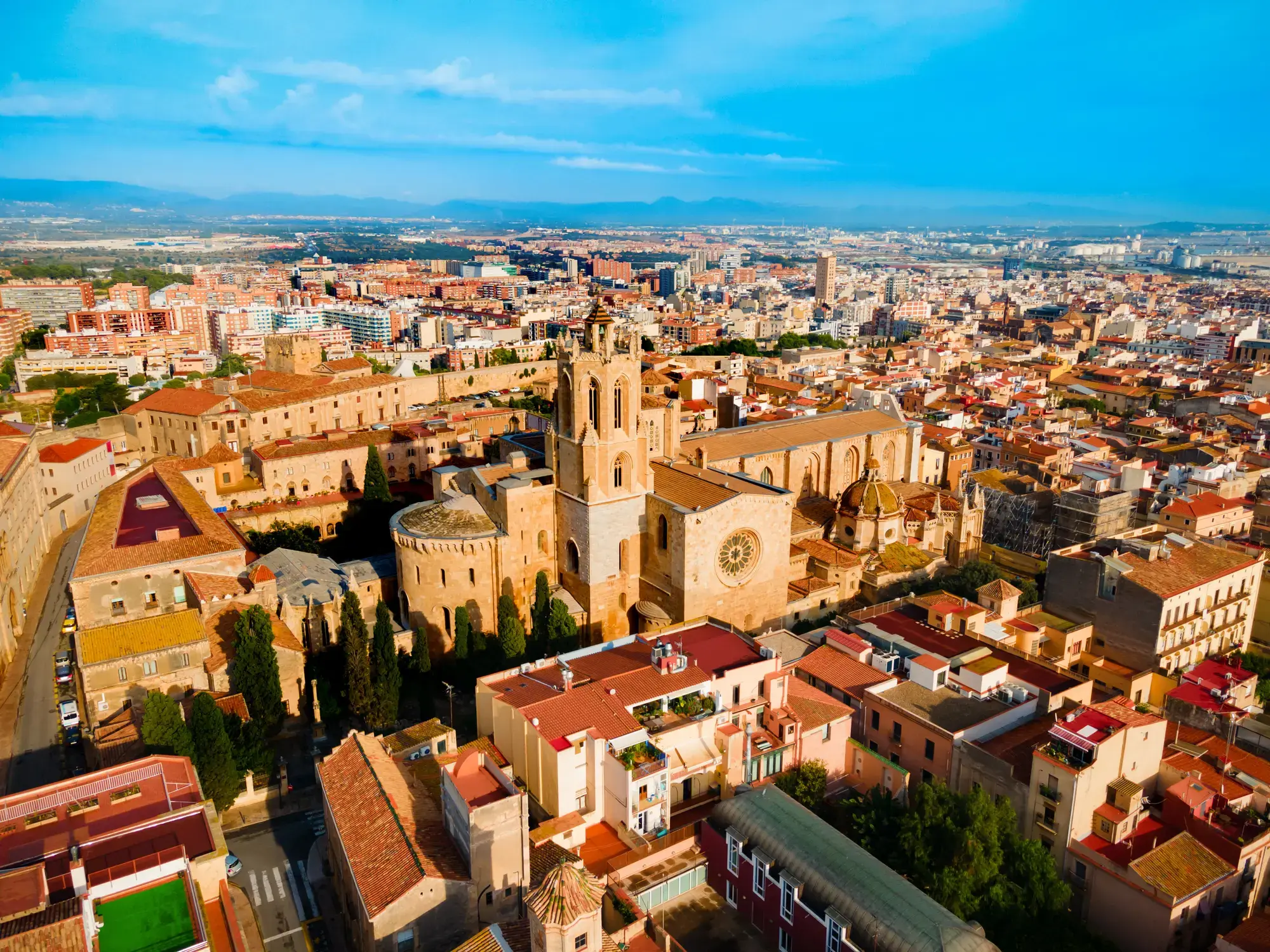
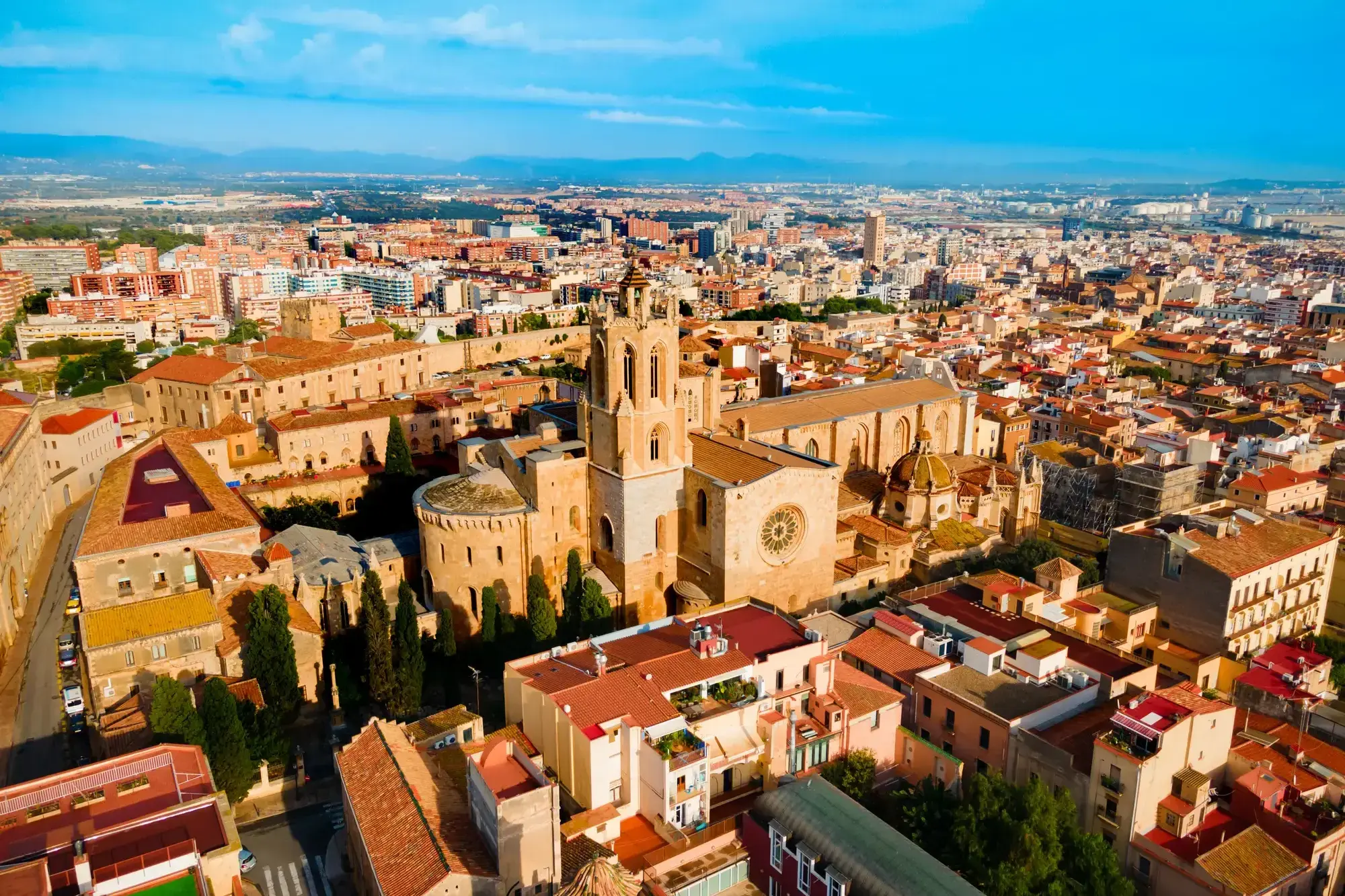
Tarragona is a port city located in northeast Spain on the Costa Daurada by the Mediterranean Sea. Founded before the 5th century BC, it is the capital of the Province of Tarragona, and part of Tarragonès and Catalonia. Geographically, it is bordered on the north by the Province of Barcelona and the Province of Lleida. The city has a population of 201,199 (2014).