| Cruise Region : Mediterranean Sea |
| Company : Azamara Cruises |
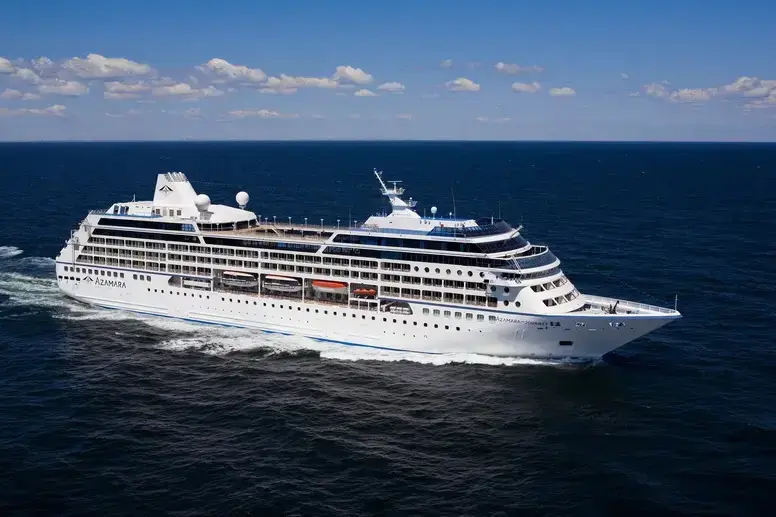
| Ship : Azamara Journey |
| Journey Start : երք 06 հնս 2028 |
| Journey End : կիր 23 հլս 2028 |
| Count Nights : 47 nights |
| Day | Date | Port | Arrival | Departure |
|---|---|---|---|---|
| 1 | 6.06 երք | Բարսելոնա / Spain | 18:00 | |
| 2 | 7.06 չրք | Վալենսիա / Spain | 07:30 | 22:00 |
| 3 | 8.06 հնգ | Կարթախենա (Բոլիվար) / Colombia | 11:00 | 18:00 |
| 4 | 9.06 ուր | Մալագա / Spain | 08:30 | 22:00 |
| 5 | 10.06 շբթ | Ջիբրալթար / Great Britain | 08:00 | 20:00 |
| 6 | 11.06 կիր | Սևիլիա / Spain | 13:30 | |
| 7 | 12.06 երկ | Սևիլիա / Spain | ||
| 8 | 13.06 երք | Սևիլիա / Spain | 16:00 | |
| 9 | 14.06 չրք | Պորտման / Portugal | 08:00 | 16:00 |
| 10 | 15.06 հնգ | Լիսաբոն / Portugal | 06:00 | 17:00 |
| 11 | 16.06 ուր | Պորտու / Portugal | 09:00 | 20:00 |
| 12 | 17.06 շբթ | Օր ծովում / Sea | 15:00 | |
| 13 | 18.06 կիր | Բիլբաո / Spain | 08:00 | 22:00 |
| 14 | 19.06 երկ | Պասայա Պասաիա / Spain | 06:45 | 15:00 |
| 15 | 20.06 երք | Բորդո / France | 07:00 | |
| 16 | 21.06 չրք | Բորդո / France | 19:00 | |
| 17 | 22.06 հնգ | Օր ծովում / Sea | 15:00 | |
| 18 | 23.06 ուր | Սեն-Մալո / France | 08:00 | 20:00 |
| 19 | 24.06 շբթ | Լե-Ավր / France | 08:00 | 18:00 |
| 20 | 25.06 կիր | Դուվր / Great Britain | 07:00 | 17:00 |
| 21 | 26.06 երկ | Ամստերդամ / Netherlands | 08:00 | 20:00 |
| 22 | 27.06 երք | Օր ծովում / Sea | 15:00 | |
| 23 | 28.06 չրք | Ռոզենդալ / Norway | 08:00 | 17:00 |
| 24 | 29.06 հնգ | Օլդեն / Norway | 09:00 | 20:00 |
| 25 | 30.06 ուր | Օլեսից / Norway | 08:00 | 22:00 |
| 26 | 1.07 շբթ | Օր ծովում / Sea | 15:00 | |
| 27 | 2.07 կիր | Սվոլվեր / Norway | 07:00 | 17:00 |
| 28 | 3.07 երկ | ՏՐՈԼ ՖՅՈՐԴ | 18:30 | 19:00 |
| 29 | 4.07 երք | Տրոմսյո / Norway | 09:00 | 22:00 |
| 30 | 5.07 չրք | Հոննինսվոգ / Norway | 14:00 | 20:00 |
| 31 | 6.07 հնգ | Հոննինսվոգ / Norway | 23:59 | |
| 32 | 7.07 ուր | Ալթա / Norway | 09:00 | 17:00 |
| 33 | 8.07 շբթ | Հոննինսվոգ / Norway | 06:00 | |
| 34 | 9.07 կիր | Հարստադ / Norway | 08:00 | 22:00 |
| 35 | 10.07 երկ | Բոդո / Norway | 08:30 | 17:00 |
| 36 | 11.07 երք | Տրոնհեյմ / Norway | 13:30 | 22:00 |
| 37 | 12.07 չրք | Քրիստիանսանդ / Norway | 08:00 | 20:00 |
| 38 | 13.07 հնգ | Օր ծովում / Sea | 15:00 | |
| 39 | 14.07 ուր | Արենդալ / Norway | 08:00 | 22:00 |
| 40 | 15.07 շբթ | Սկագեն / Denmark | 08:00 | 17:00 |
| 41 | 16.07 կիր | Կոպենհագեն / Denmark | 07:00 | 17:00 |
| 42 | 17.07 երկ | Warnemünde / Germany | 07:30 | 21:00 |
| 43 | 18.07 երք | Ռոննե / Denmark | 08:00 | 17:00 |
| 44 | 19.07 չրք | Գդանսկ / Poland | 08:00 | 22:00 |
| 45 | 20.07 հնգ | Կլայպեդա (Մեմել) / Lithuania | 08:30 | 14:30 |
| 46 | 21.07 ուր | Ռիգա / Latvia | 08:00 | 22:00 |
| 47 | 22.07 շբթ | Օր ծովում / Sea | 15:00 | |
| 48 | 23.07 կիր | Տալլին / Estonia | 08:00 | 22:00 |
| 49 | 24.07 երկ | Հելսինկի / Finland | 08:00 | 18:00 |
| 50 | 25.07 երք | Ստոկհոլմ / Sweden | 13:00 | |
| 51 | 26.07 չրք | Ստոկհոլմ / Sweden | 09:00 |
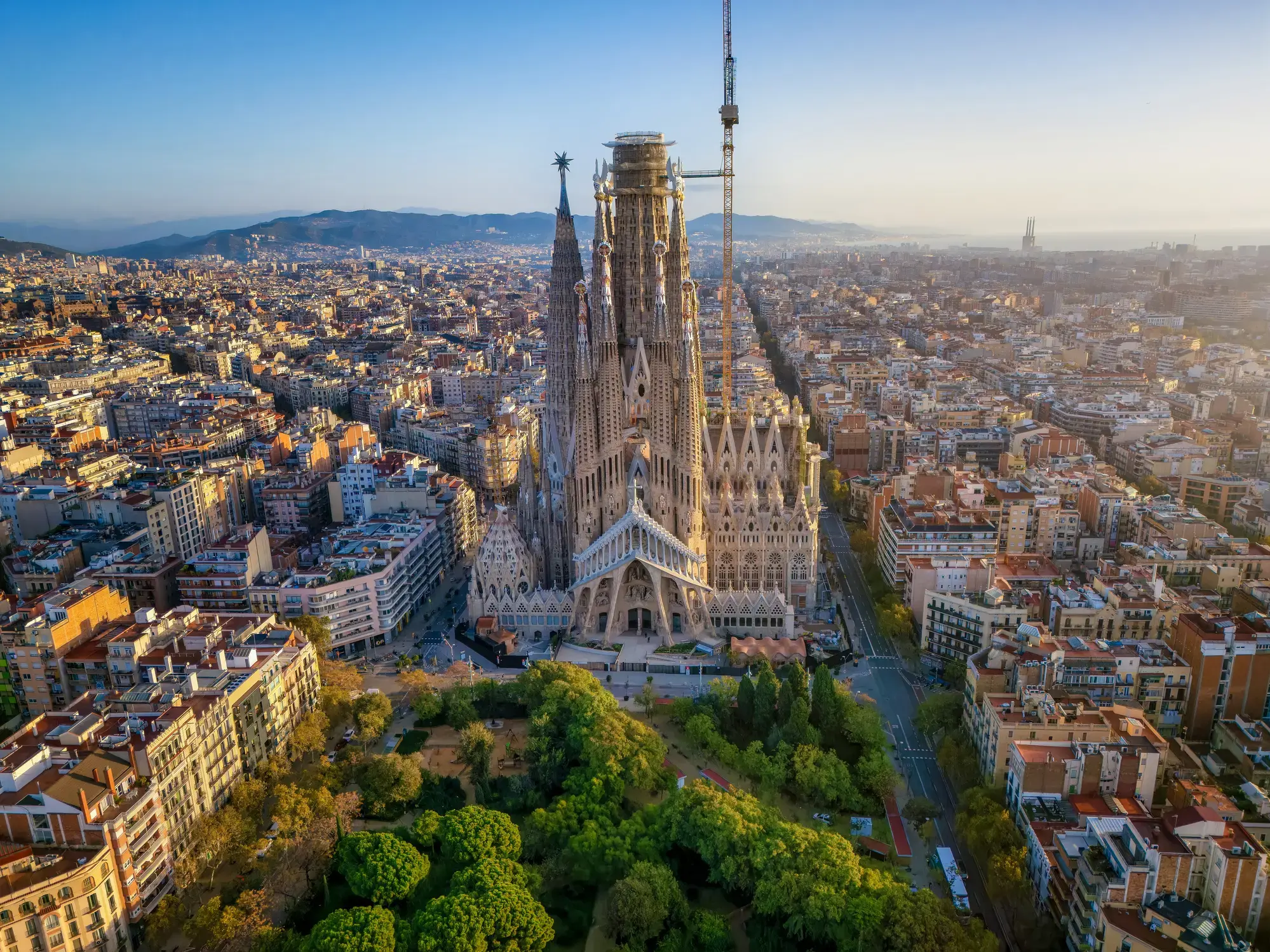
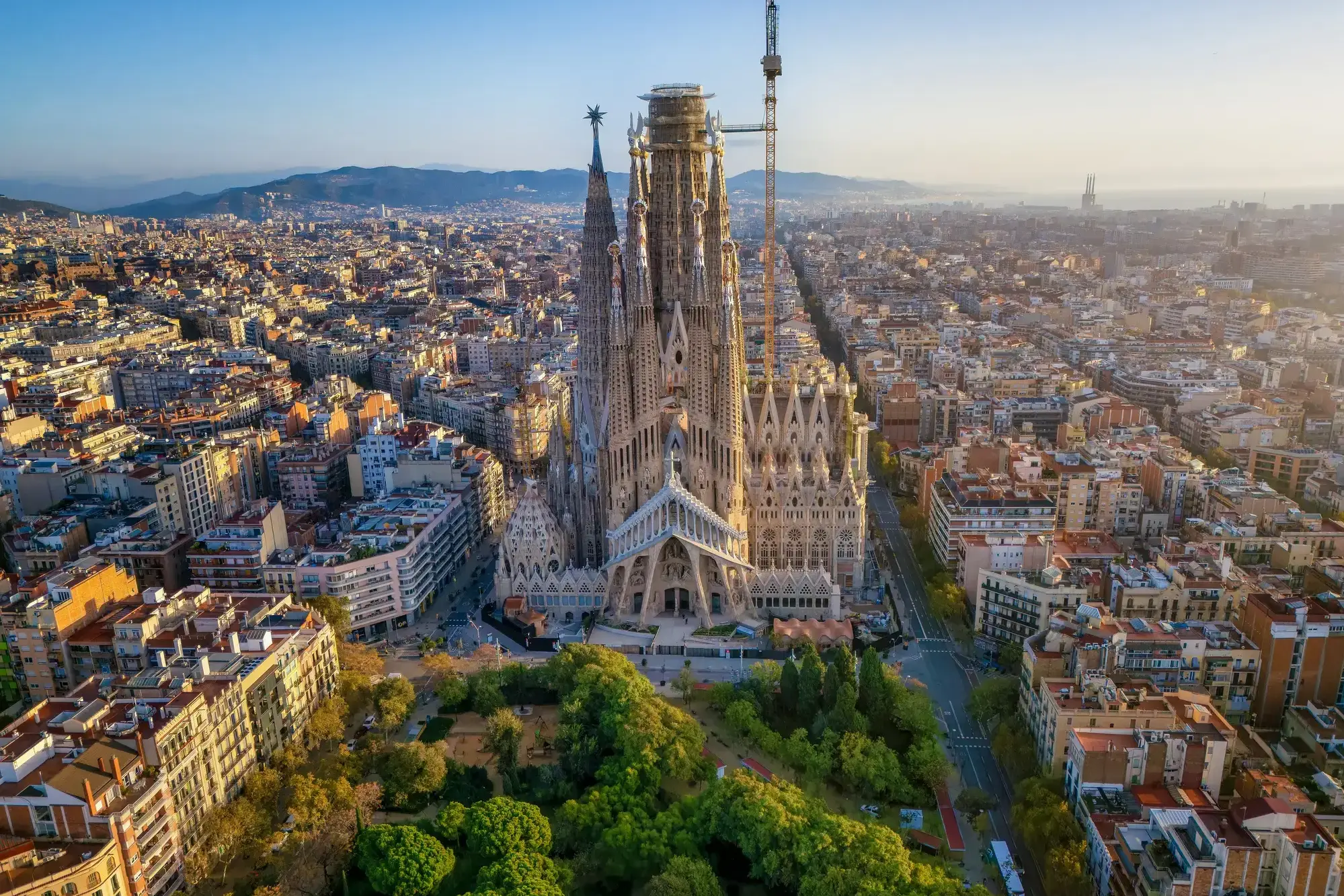
Barcelona is a city in Spain. It is the capital and largest city of Catalonia, as well as the second most populous municipality of Spain. With a population of 1.6 million within city limits, its urban area extends to numerous neighbouring municipalities within the Province of Barcelona and is home to around 4.8 million people, making it the sixth most populous urban area in the European Union after Paris, London, Madrid, the Ruhr area and Milan. It is one of the largest metropolises on the Mediterranean Sea, located on the coast between the mouths of the rivers Llobregat and Besòs, and bounded to the west by the Serra de Collserola mountain range, the tallest peak of which is 512 metres (1,680 feet) high.
Founded as a Roman city, in the Middle Ages Barcelona became the capital of the County of Barcelona. After merging with the Kingdom of Aragon, Barcelona continued to be an important city in the Crown of Aragon as an economic and administrative centre of this Crown and the capital of the Principality of Catalonia. Barcelona has a rich cultural heritage and is today an important cultural centre and a major tourist destination. Particularly renowned are the architectural works of Antoni Gaudí and Lluís Domènech i Montaner, which have been designated UNESCO World Heritage Sites. The headquarters of the Union for the Mediterranean are located in Barcelona. The city is known for hosting the 1992 Summer Olympics as well as world-class conferences and expositions and also many international sport tournaments.
Barcelona is one of the world's leading tourist, economic, trade fair and cultural centres, and its influence in commerce, education, entertainment, media, fashion, science, and the arts all contribute to its status as one of the world's major global cities. It is a major cultural and economic centre in southwestern Europe, 24th in the world (before Zürich, after Frankfurt) and a financial centre. In 2008 it was the fourth most economically powerful city by GDP in the European Union and 35th in the world with GDP amounting to €177 billion. In 2012 Barcelona had a GDP of $170 billion; and it was leading Spain in employment rate in that moment.
In 2009 the city was ranked Europe's third and one of the world's most successful as a city brand. In the same year the city was ranked Europe's fourth best city for business and fastest improving European city, with growth improved by 17% per year, and the city has been experiencing strong and renewed growth for the past three years. Since 2011 Barcelona has been a leading smart city in Europe. Barcelona is a transport hub, with the Port of Barcelona being one of Europe's principal seaports and busiest European passenger port, an international airport, Barcelona–El Prat Airport, which handles over 50 million passengers per year, an extensive motorway network, and a high-speed rail line with a link to France and the rest of Europe.
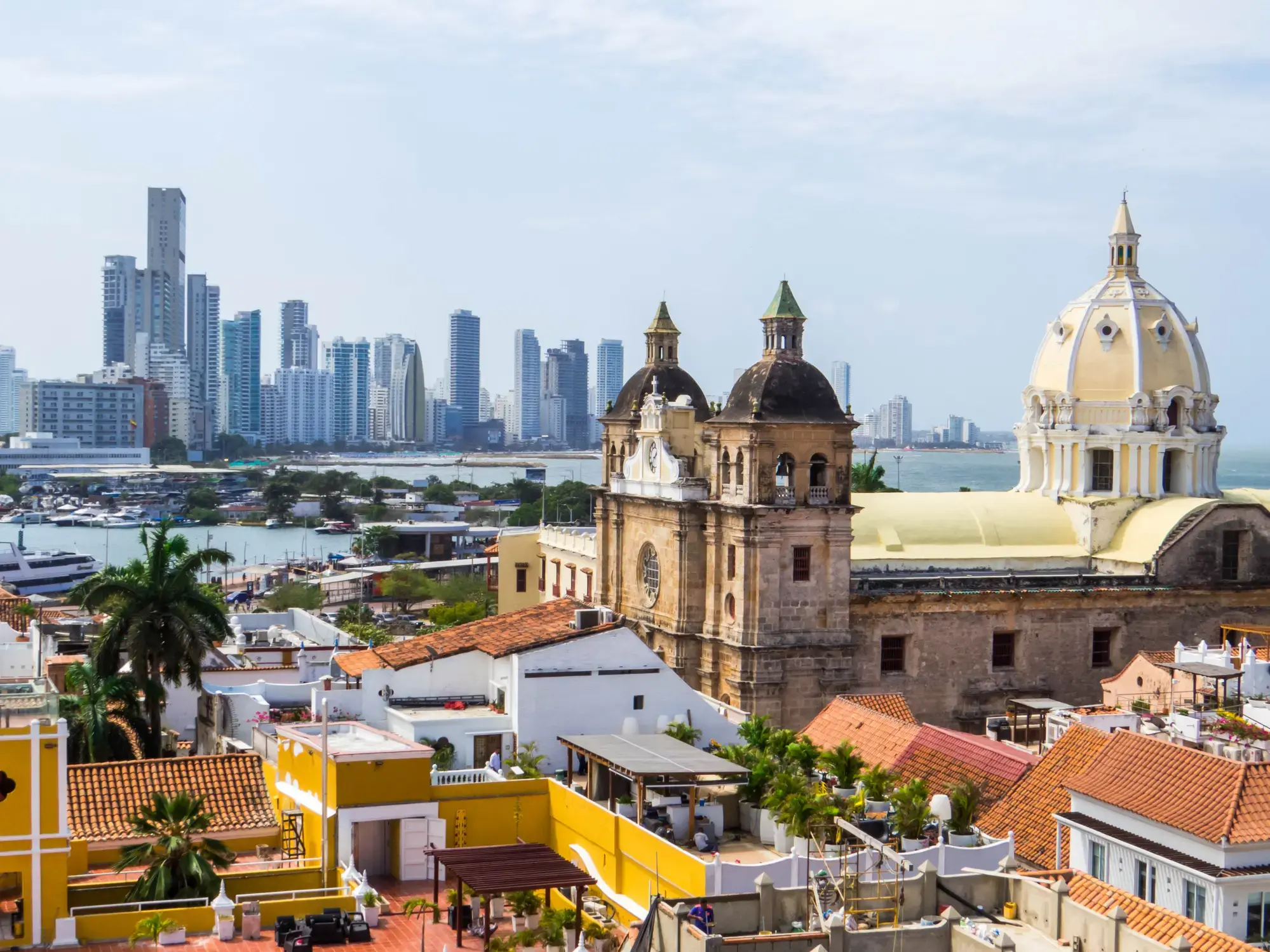
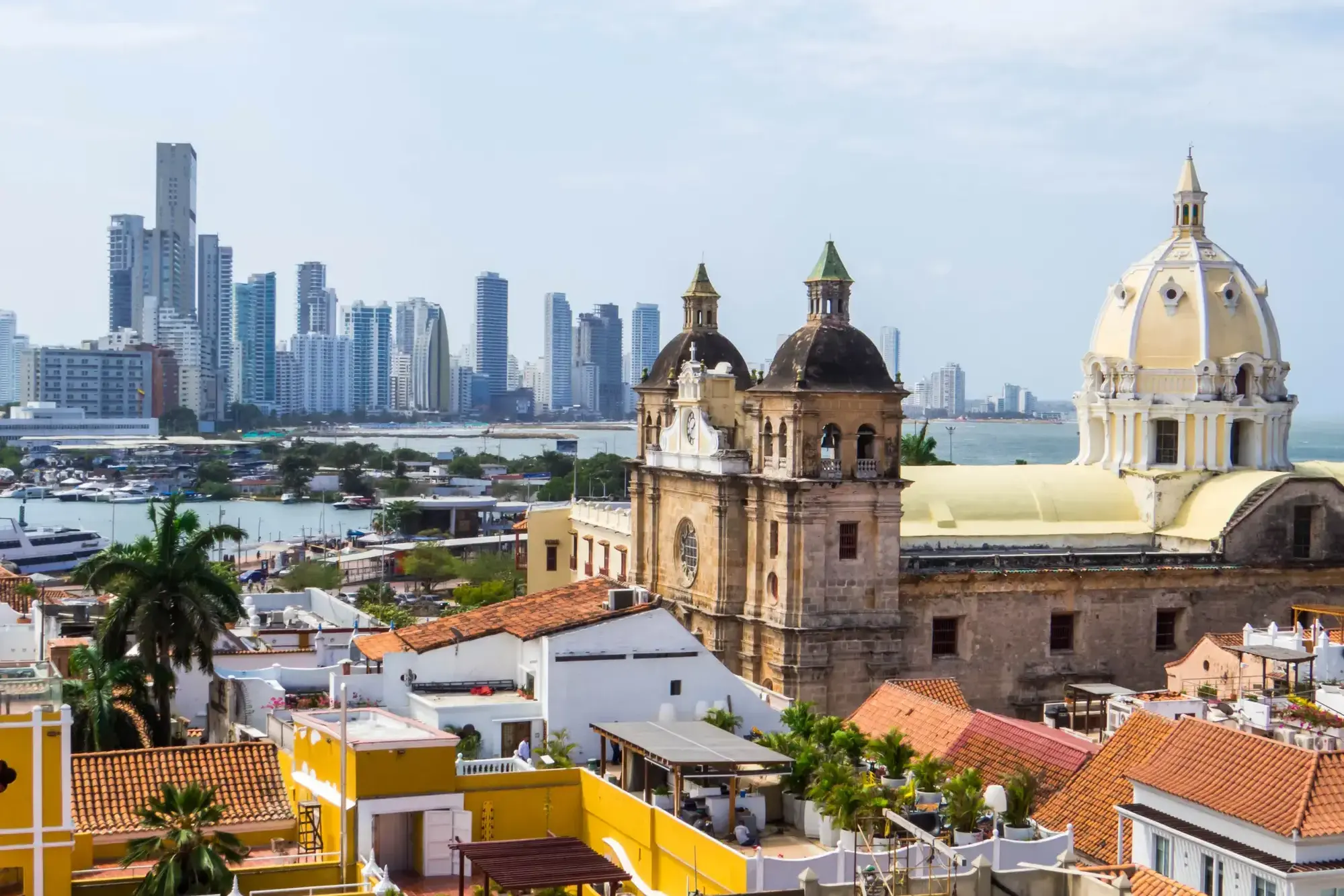
Հին ամրոցի պատերը, փողոցի երաժիշտները և Կարիբյան արևը ստեղծում են անզուգական մթնոլորտ Կարթախենայում (Բոլիվար)՝ Կոլումբիայի ափի մարգարիտում։ Այս քաղաքը, որը ներառված է ՅՈՒՆԵՍԿՕ-ի Համաշխարհային ժառանգության ցանկում, հմայում է այցելուներին իր գաղութային ճարտարապետությամբ, հարմարավետ բակերով և թարմ սուրճի բույրով, որը տարածվում է անթիվ սրճարաններից։
Ներծծվեք Կարթախենայի կենդանի ռիթմի մեջ՝ զբոսնելով Հին քաղաքի քարե փողոցներով, որտեղ յուրաքանչյուր անկյունը կրում է ծովահենների ու իսպանացի նվաճողների պատմությունները։ Միջնադարյան Castillo San Felipe de Barajas ամրոցի մոտ արևամուտը իդեալական ավարտ է լի մշակույթով, պատմությամբ և արևադարձային ռոմանտիկայով օրվա։

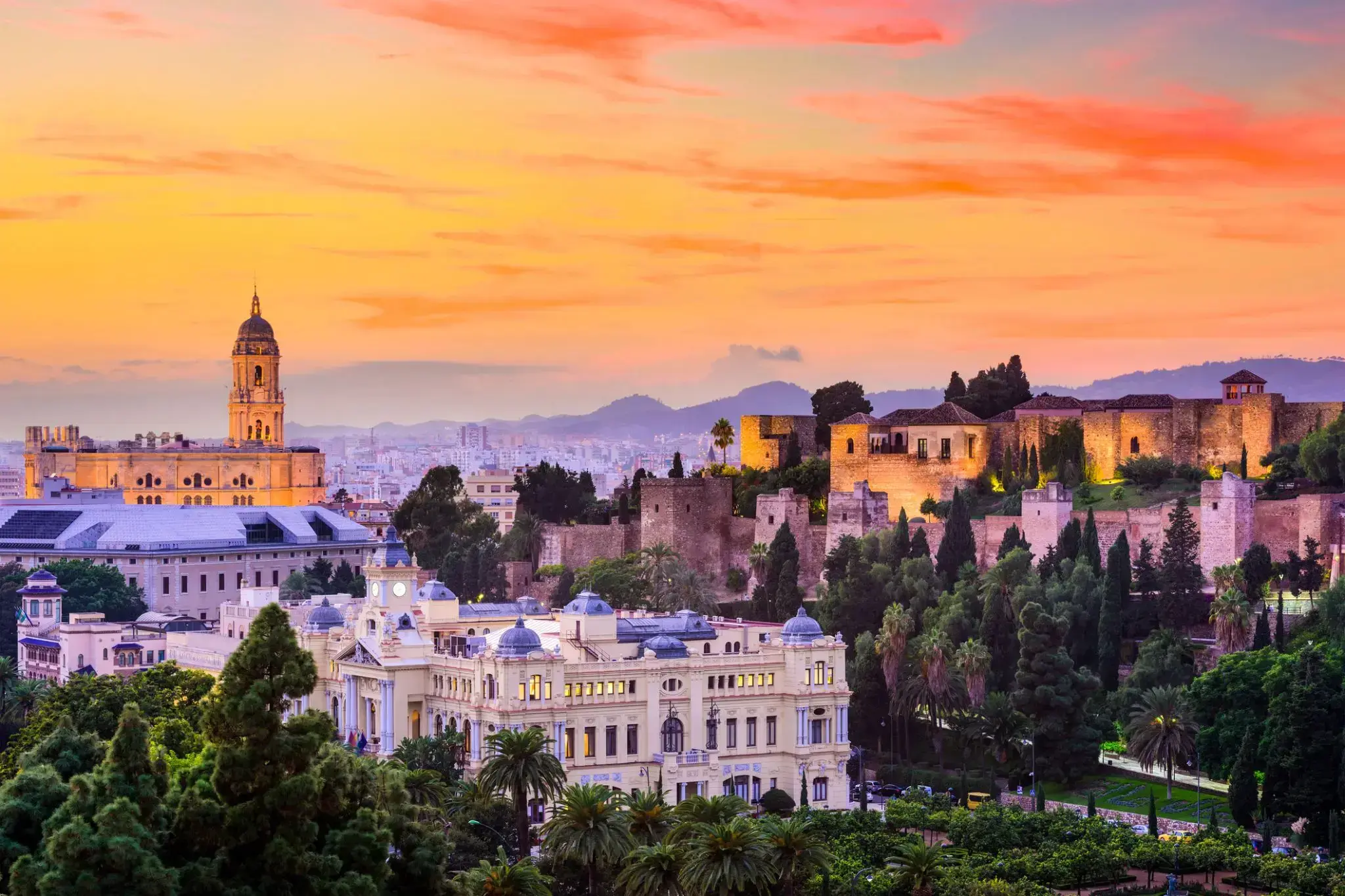
Málaga is a municipality, capital of the Province of Málaga, in the Autonomous Community of Andalusia, Spain. With a population of 569,130 in 2015, it is the second-most populous city of Andalusia and the sixth-largest in Spain. The southernmost large city in Europe, it lies on the Costa del Sol (Coast of the Sun) of the Mediterranean, about 100 kilometres (62.14 miles) east of the Strait of Gibraltar and about 130 km (80.78 mi) north of Africa.
Málaga's history spans about 2,800 years, making it one of the oldest cities in the world. According to most scholars, it was founded about 770 BC by the Phoenicians as Malaka From the 6th century BC the city was under the hegemony of Ancient Carthage, and from 218 BC, it was ruled by the Roman Republic and then empire as Malaca (Latin). After the fall of the empire and the end of Visigothic rule, it was under Islamic rule as Mālaqah for 800 years, but in 1487, the Crown of Castille gained control after the Reconquista. The archaeological remains and monuments from the Phoenician, Roman, Arabic and Christian eras make the historic center of the city an "open museum", displaying its history of nearly 3,000 years.
This important cultural infrastructure and the artistic heritage have culminated in the nomination of Málaga as a candidate for the 2016 European Capital of Culture.
The painter and sculptor Pablo Picasso, Hebrew poet and Jewish philosopher Solomon Ibn Gabirol and the actor Antonio Banderas were born in Málaga. The magnum opus of Cuban composer Ernesto Lecuona, "Malagueña", is named after the music of this region of Spain.
The most important business sectors in Málaga are tourism, construction and technology services, but other sectors such as transportation and logistics are beginning to expand. The Andalusia Technology Park (PTA), located in Málaga, has enjoyed significant growth since its inauguration in 1992. Málaga is the main economic and financial centre of southern Spain, home of the region's largest bank, Unicaja, and the fourth-ranking city in economic activity in Spain behind Madrid, Barcelona and Valencia.
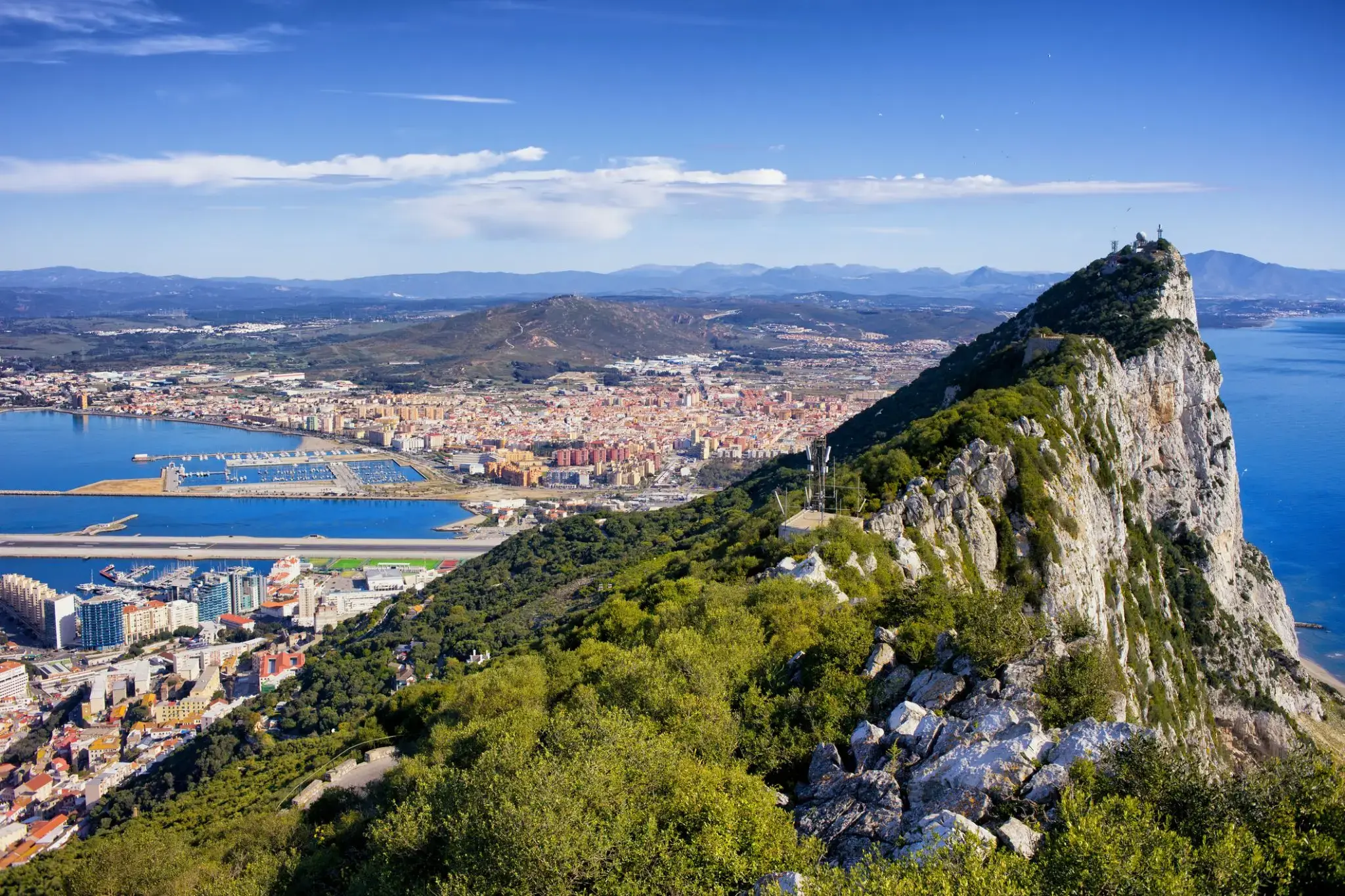
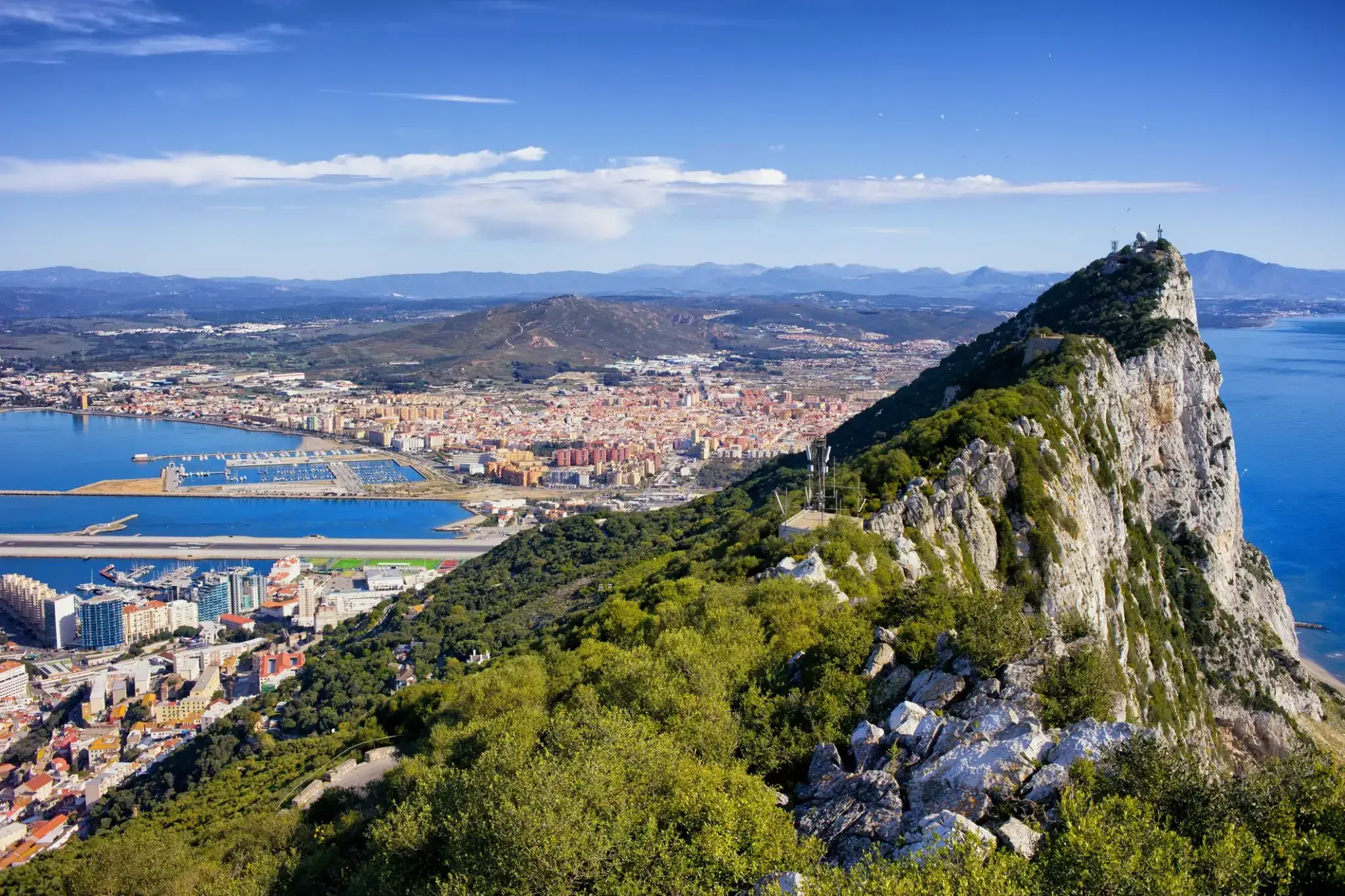
Gibraltar is a British Overseas Territory located at the southern tip of the Iberian Peninsula. It has an area of 6.7 km2 (2.6 sq mi) and is bordered to the north by Spain. The landscape is dominated by the Rock of Gibraltar at the foot of which is a densely populated town area, home to over 30,000 people, primarily Gibraltarians. It shares a maritime border with Morocco.
In 1704, Anglo-Dutch forces captured Gibraltar from Spain during the War of the Spanish Succession on behalf of the Habsburg claim to the Spanish throne. The territory was ceded to Great Britain in perpetuity under the Treaty of Utrechtin 1713. During World War II it was an important base for the Royal Navy as it controlled the entrance and exit to the Mediterranean Sea, which is only 8 miles (13 km) wide at this naval choke point. It remains strategically important, with half the world's seaborne trade passing through the strait. Today Gibraltar's economy is based largely on tourism, online gambling, financial services and cargo ship refuelling.
The sovereignty of Gibraltar is a point of contention in Anglo-Spanish relations because Spain asserts a claim to the territory. Gibraltarians rejected proposals for Spanish sovereignty in a 1967 referendum and, in a 2002 referendum, the idea of shared sovereignty was also rejected.
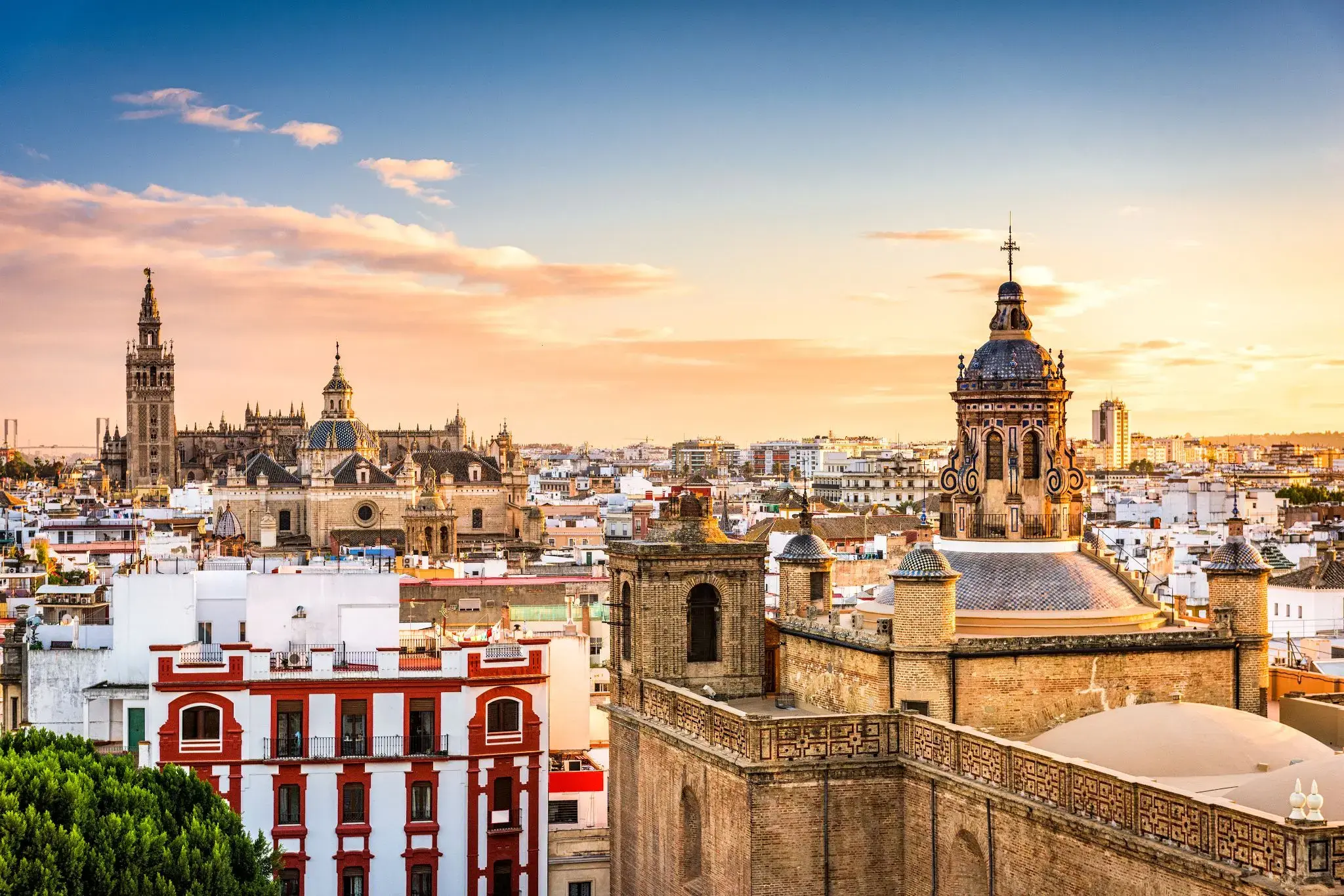
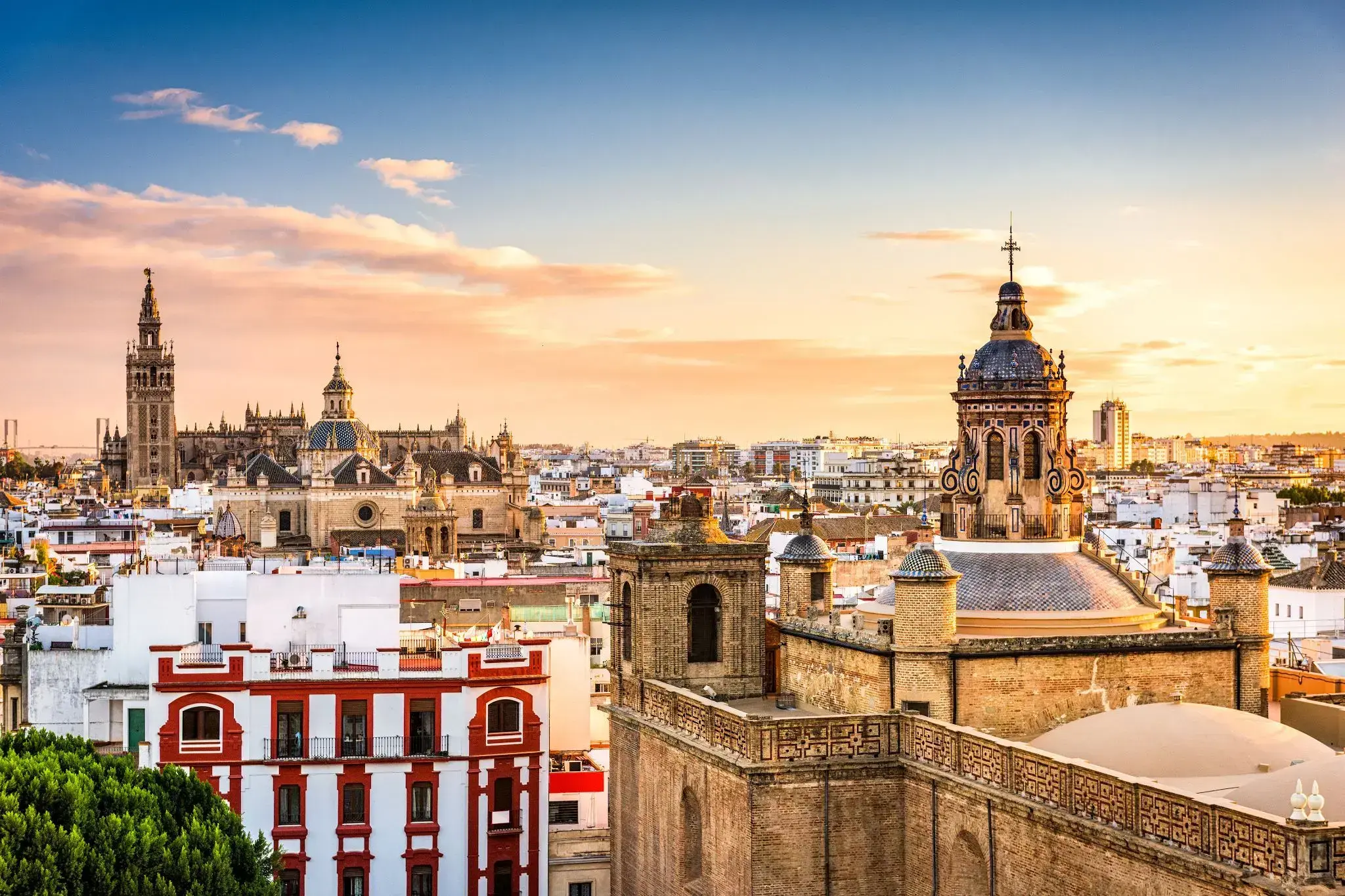
Seville is the capital and largest city of the autonomous community of Andalusia and the province of Seville, Spain. It is situated on the plain of the river Guadalquivir. The inhabitants of the city are known as sevillanos (feminine form: sevillanas) or hispalenses, after the Roman name of the city, Hispalis. Seville has a municipal population of about 690,000 as of 2016, and a metropolitan population of about 1.5 million, making it the fourth-largest city in Spain and the 30th most populous municipality in the European Union. Its Old Town, with an area of 4 square kilometres (2 sq mi), contains three UNESCO World Heritage Sites: the Alcázar palace complex, the Cathedral and the General Archive of the Indies. The Seville harbour, located about 80 kilometres (50 miles) from the Atlantic Ocean, is the only river port in Spain. Seville is also the hottest major metropolitan area in the geographical Southwestern Europe, with summer average high temperatures of above 35 °C (95 °F).
Seville was founded as the Roman city of Hispalis. It later became known as Ishbiliyya after the Muslim conquest in 712. During the Muslim rule in Spain, Seville came under the jurisdiction of the Caliphate of Córdoba before becoming the independent Taifa of Seville; later it was ruled by the Muslim Almoravids and the Almohads until finally being incorporated into the Christian Kingdom of Castile under Ferdinand III in 1248. After the discovery of the Americas, Seville became one of the economic centres of the Spanish Empire as its port monopolised the trans-oceanic trade and the Casa de Contratación (House of Trade) wielded its power, opening a Golden Age of arts and literature. In 1519, Ferdinand Magellan departed from Seville for the first circumnavigation of the Earth. Coinciding with the Baroque period of European history, the 17th century in Seville represented the most brilliant flowering of the city's culture; then began a gradual economic and demographic decline as silting in the Guadalquivirforced the trade monopoly to relocate to the nearby port of Cádiz.
The 20th century in Seville saw the tribulations of the Spanish Civil War, decisive cultural milestones such as the Ibero-American Exposition of 1929 and Expo '92, and the city's election as the capital of the Autonomous Community of Andalusia.
Seville is the capital and largest city of the autonomous community of Andalusia and the province of Seville, Spain. It is situated on the plain of the river Guadalquivir. The inhabitants of the city are known as sevillanos (feminine form: sevillanas) or hispalenses, after the Roman name of the city, Hispalis. Seville has a municipal population of about 690,000 as of 2016, and a metropolitan population of about 1.5 million, making it the fourth-largest city in Spain and the 30th most populous municipality in the European Union. Its Old Town, with an area of 4 square kilometres (2 sq mi), contains three UNESCO World Heritage Sites: the Alcázar palace complex, the Cathedral and the General Archive of the Indies. The Seville harbour, located about 80 kilometres (50 miles) from the Atlantic Ocean, is the only river port in Spain. Seville is also the hottest major metropolitan area in the geographical Southwestern Europe, with summer average high temperatures of above 35 °C (95 °F).
Seville was founded as the Roman city of Hispalis. It later became known as Ishbiliyya after the Muslim conquest in 712. During the Muslim rule in Spain, Seville came under the jurisdiction of the Caliphate of Córdoba before becoming the independent Taifa of Seville; later it was ruled by the Muslim Almoravids and the Almohads until finally being incorporated into the Christian Kingdom of Castile under Ferdinand III in 1248. After the discovery of the Americas, Seville became one of the economic centres of the Spanish Empire as its port monopolised the trans-oceanic trade and the Casa de Contratación (House of Trade) wielded its power, opening a Golden Age of arts and literature. In 1519, Ferdinand Magellan departed from Seville for the first circumnavigation of the Earth. Coinciding with the Baroque period of European history, the 17th century in Seville represented the most brilliant flowering of the city's culture; then began a gradual economic and demographic decline as silting in the Guadalquivirforced the trade monopoly to relocate to the nearby port of Cádiz.
The 20th century in Seville saw the tribulations of the Spanish Civil War, decisive cultural milestones such as the Ibero-American Exposition of 1929 and Expo '92, and the city's election as the capital of the Autonomous Community of Andalusia.
Seville is the capital and largest city of the autonomous community of Andalusia and the province of Seville, Spain. It is situated on the plain of the river Guadalquivir. The inhabitants of the city are known as sevillanos (feminine form: sevillanas) or hispalenses, after the Roman name of the city, Hispalis. Seville has a municipal population of about 690,000 as of 2016, and a metropolitan population of about 1.5 million, making it the fourth-largest city in Spain and the 30th most populous municipality in the European Union. Its Old Town, with an area of 4 square kilometres (2 sq mi), contains three UNESCO World Heritage Sites: the Alcázar palace complex, the Cathedral and the General Archive of the Indies. The Seville harbour, located about 80 kilometres (50 miles) from the Atlantic Ocean, is the only river port in Spain. Seville is also the hottest major metropolitan area in the geographical Southwestern Europe, with summer average high temperatures of above 35 °C (95 °F).
Seville was founded as the Roman city of Hispalis. It later became known as Ishbiliyya after the Muslim conquest in 712. During the Muslim rule in Spain, Seville came under the jurisdiction of the Caliphate of Córdoba before becoming the independent Taifa of Seville; later it was ruled by the Muslim Almoravids and the Almohads until finally being incorporated into the Christian Kingdom of Castile under Ferdinand III in 1248. After the discovery of the Americas, Seville became one of the economic centres of the Spanish Empire as its port monopolised the trans-oceanic trade and the Casa de Contratación (House of Trade) wielded its power, opening a Golden Age of arts and literature. In 1519, Ferdinand Magellan departed from Seville for the first circumnavigation of the Earth. Coinciding with the Baroque period of European history, the 17th century in Seville represented the most brilliant flowering of the city's culture; then began a gradual economic and demographic decline as silting in the Guadalquivirforced the trade monopoly to relocate to the nearby port of Cádiz.
The 20th century in Seville saw the tribulations of the Spanish Civil War, decisive cultural milestones such as the Ibero-American Exposition of 1929 and Expo '92, and the city's election as the capital of the Autonomous Community of Andalusia.
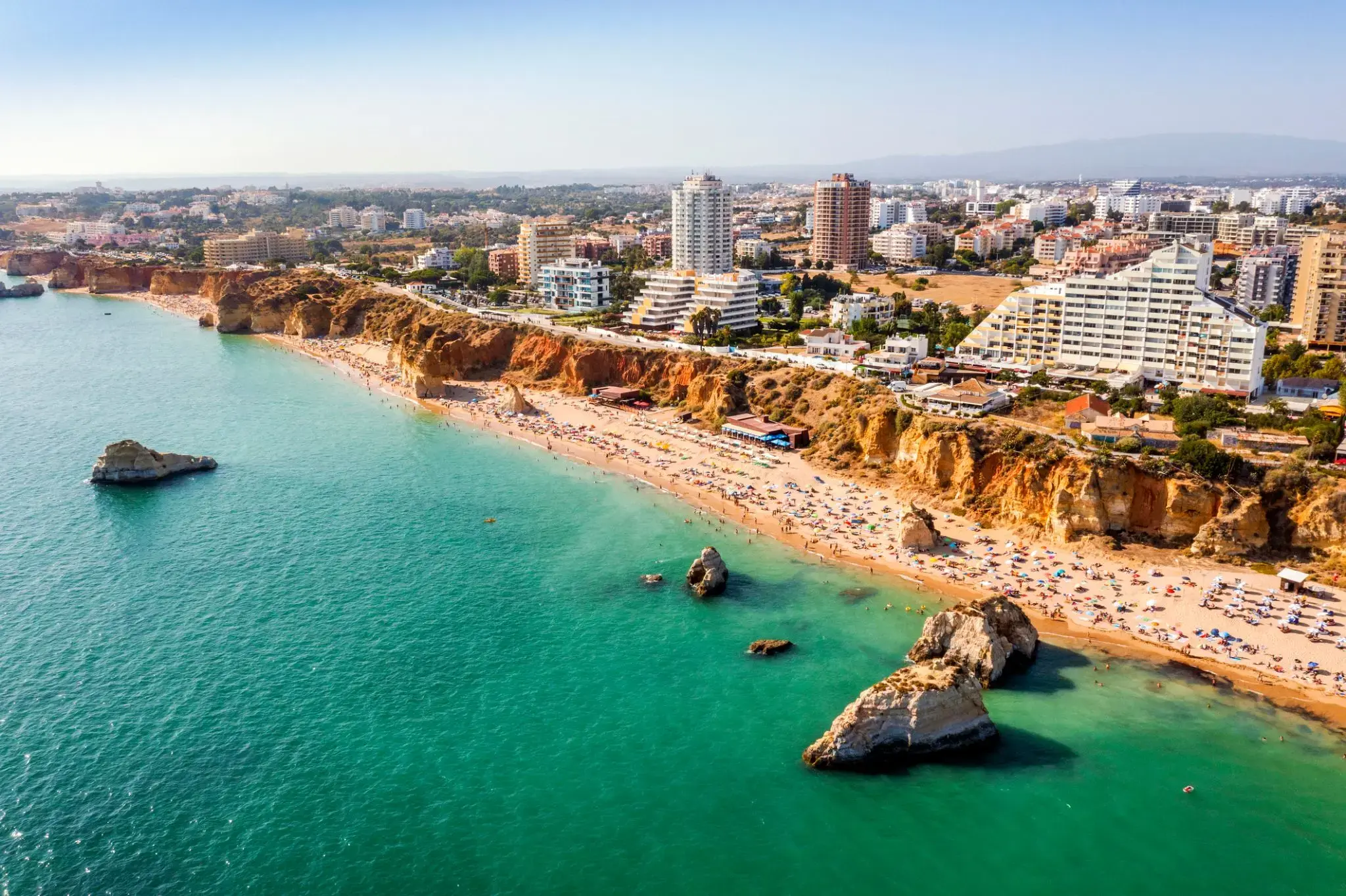
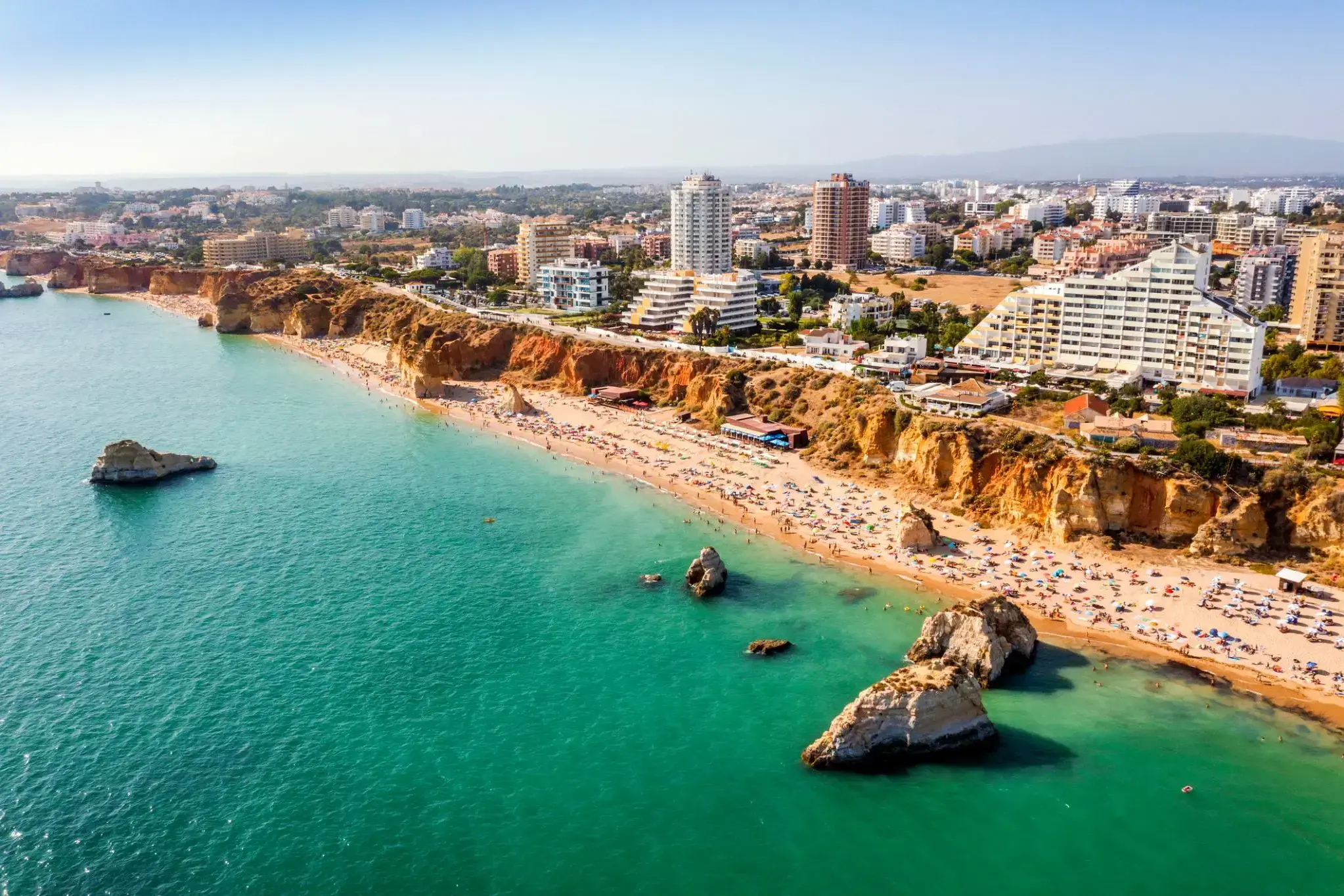
Portimão is a town and a municipality in the district of Faro, in the Algarve region of southern Portugal. The population in 2011 was 55,614, in an area of 182.06 km². It was formerly known as Vila Nova de Portimão. In 1924, it was incorporated as a cidadeand became known merely as Portimão. Historically a fishing and shipbuilding centre, it has nonetheless developed into a strong tourist centre oriented along its beaches and southern coast. The two most populous towns in the Algarve are Portimão and Faro.
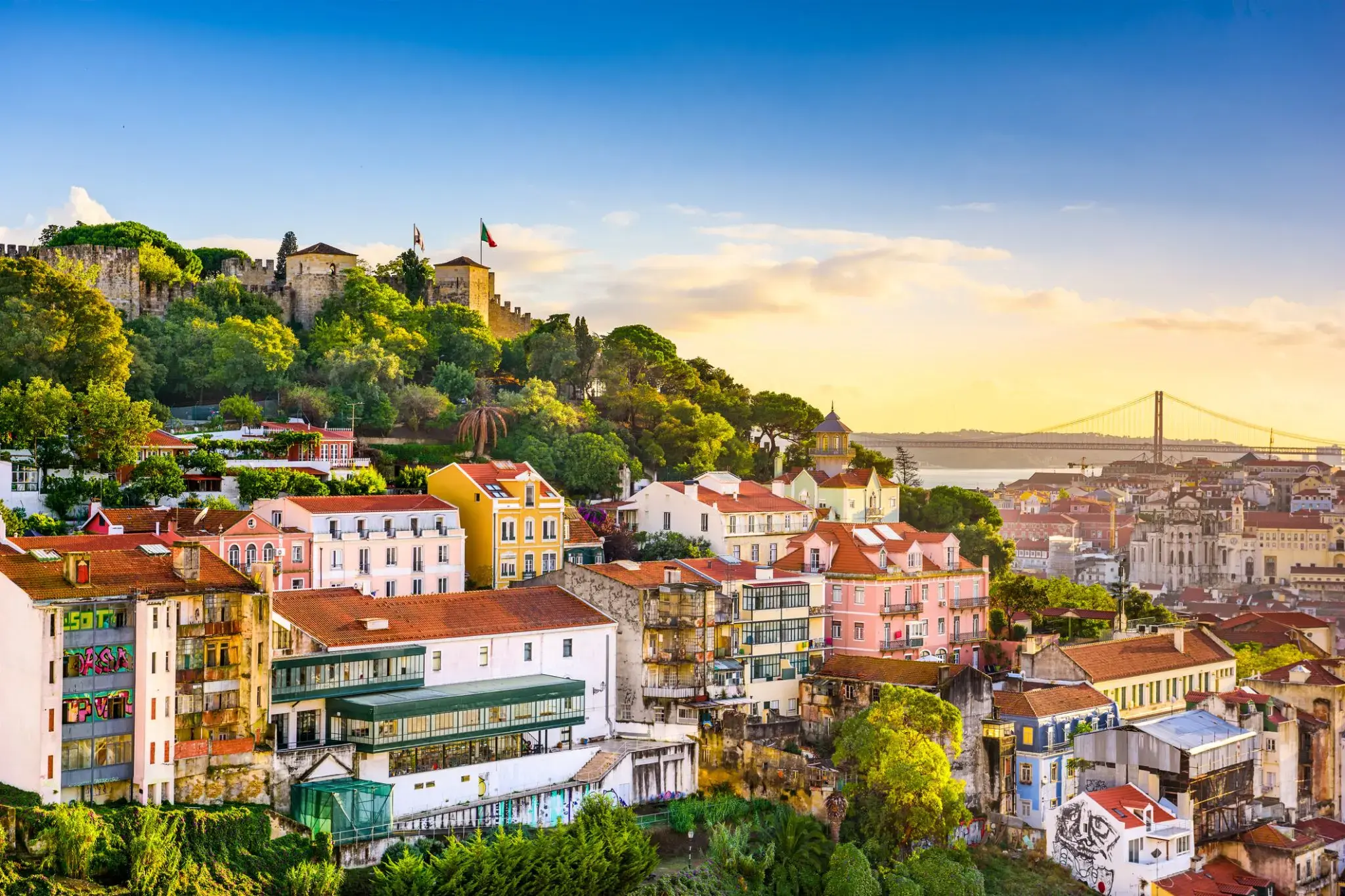
Lisbon is the capital and the largest city of Portugal, with an estimated population of 505,526 within its administrative limits in an area of 100.05 km2. Its urban area extends beyond the city's administrative limits with a population of around 2.8 million people, being the 11th-most populous urban area in the European Union. About 3 million people live in the Lisbon Metropolitan Area (which represents approximately 27% of the country's population). It is mainland Europe's westernmost capital city and the only one along the Atlantic coast. Lisbon lies in the western Iberian Peninsula on the Atlantic Ocean and the River Tagus. The westernmost areas of its metro area form the westernmost point of Continental Europe, which is known as Cabo da Roca, located in the Sintra Mountains.
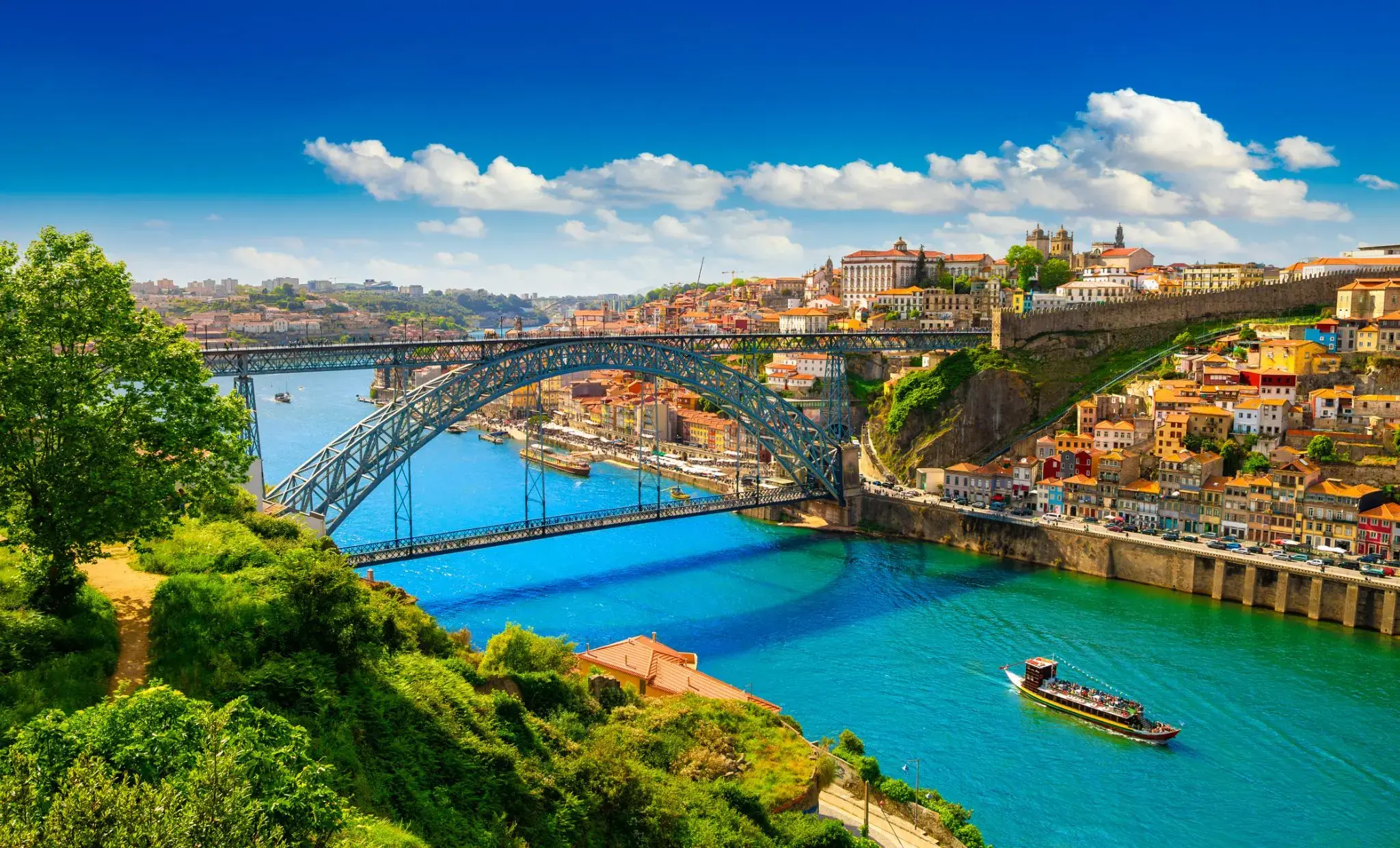
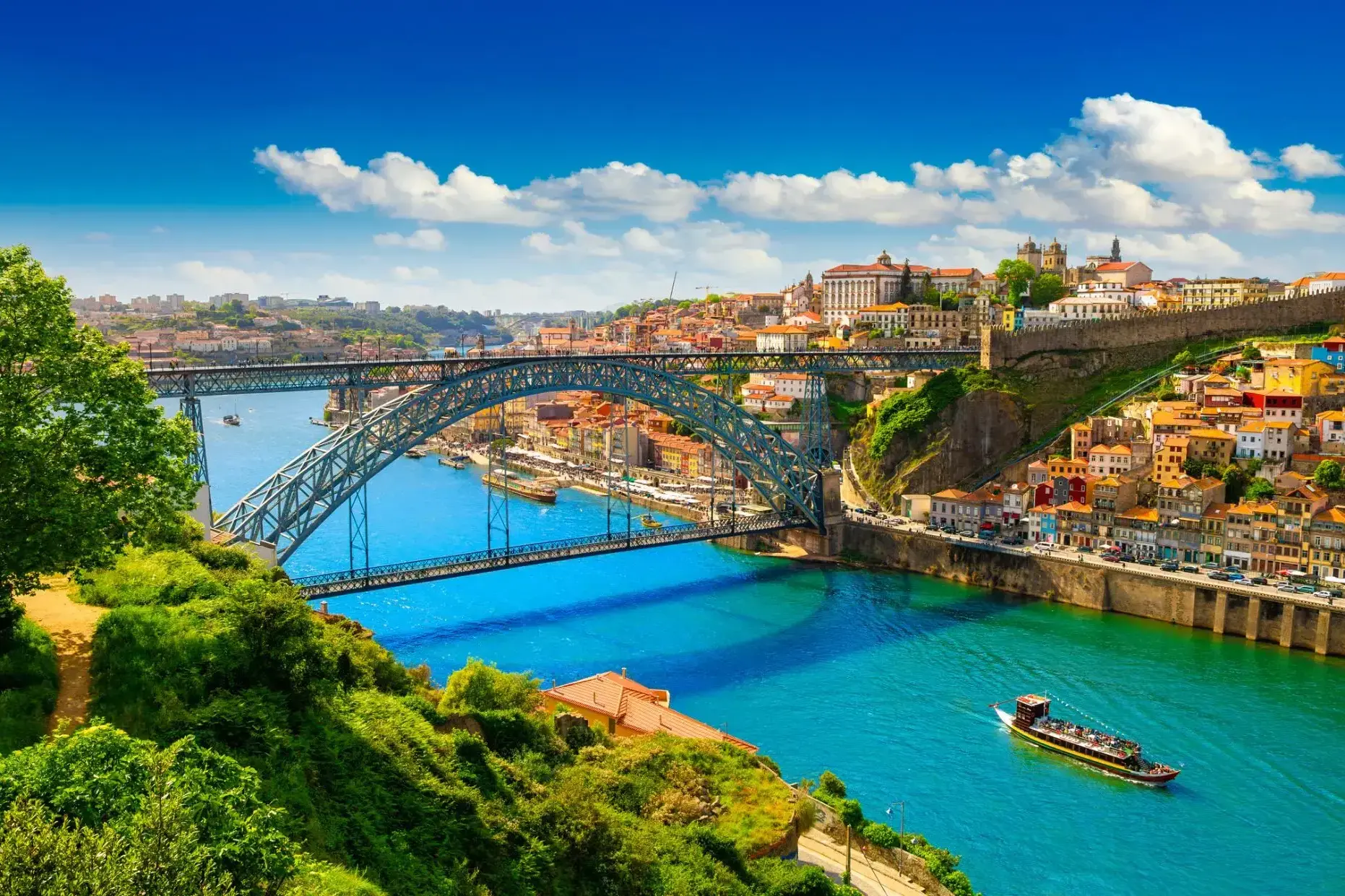
Порту является вторым по величине городом Португалии после Лиссабона и одним из крупных городских районов Пиренейского полуострова. Население самого города составляет 237 591 человек, а в столичном районе Порту, который выходит за административные пределы города, проживает 1,9 миллиона человек (2011 год) на площади 2 395 км2 (925 кв. Миль), что делает его вторым самый большой городской район в Португалии. Он признан глобальным городом гамма-уровня Исследовательской группой по глобализации и глобальным городам (GaWC), единственным португальским городом, кроме Лиссабона, который был признан глобальным городом.
Расположенный вдоль устья реки Дору на севере Португалии, Порту является одним из старейших европейских центров, и его историческое ядро было объявлено ЮНЕСКО объектом Всемирного наследия в 1996 году. Западная часть его городской территории простирается до береговой линии Атлантического океана. Его поселение датируется много веков, когда он был форпостом Римской империи. Его объединенное кельтско-латинское имя, Portus Cale, было названо происхождением названия «Португалия», основанного на транслитерации и устной эволюции от латыни. На португальском языке название города пишется с определенной статьей о Порту ; следовательно, его английское название произошло от неправильного толкования устного произношения и упоминается как Опорто в современной литературе и многими ораторами.
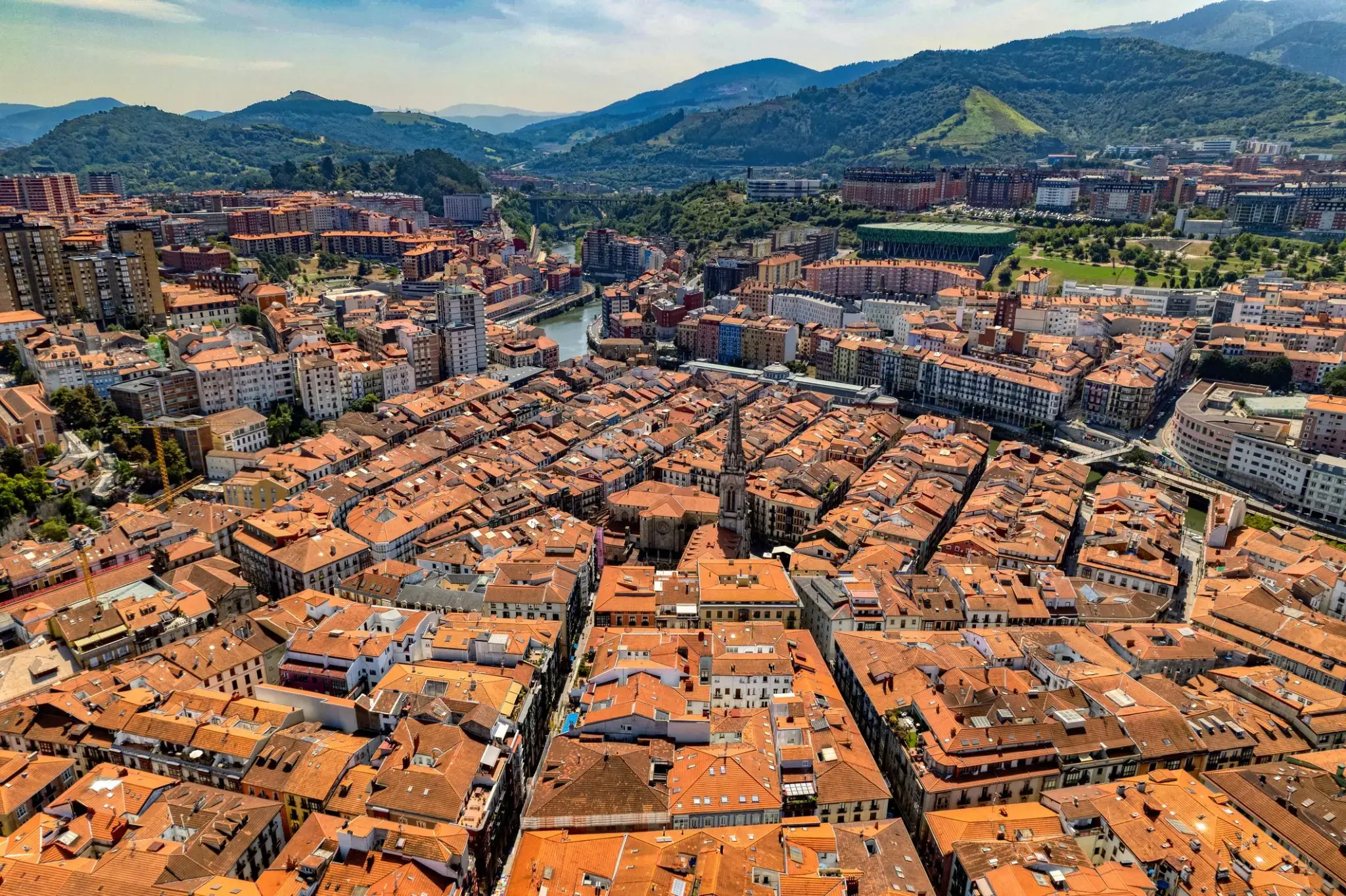
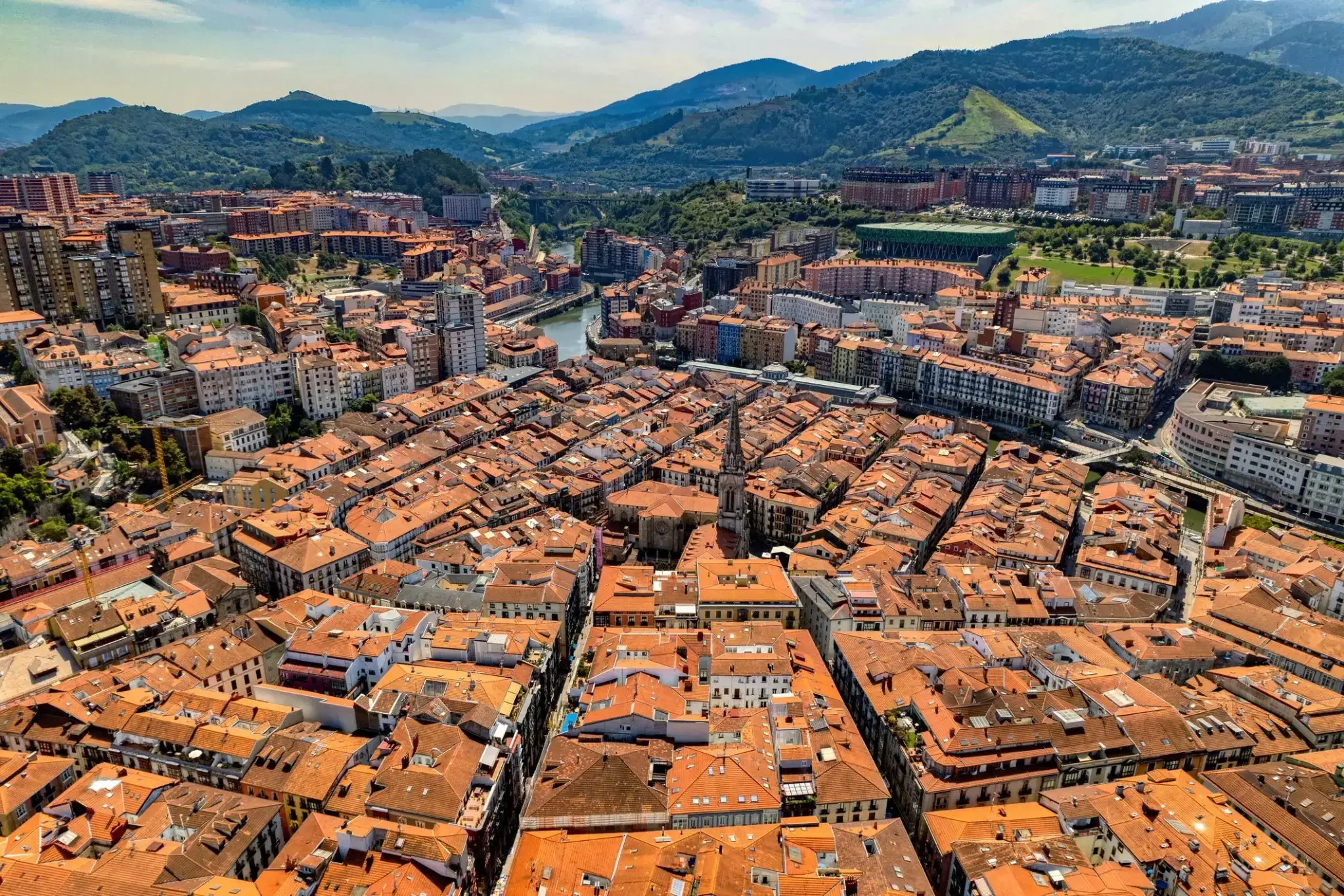
Bilbao is a city in northern Spain, the largest city in the province of Biscay and in the Basque Country as a whole. It is also the largest city proper in northern Spain. Bilbao is the tenth largest city in Spain, with a population of 345,141 as of 2015. The Bilbao metropolitan area has roughly 1 million inhabitants, making it one of the most populous metropolitan areas in northern Spain; with a population of 875,552 the comarca of Greater Bilbao is the fifth-largest urban area in Spain. Bilbao is also the main urban area in what is defined as the Greater Basque region.
Bilbao is situated in the north-central part of Spain, some 16 kilometres (10 mi) south of the Bay of Biscay, where the economic social development is located, where the estuary of Bilbao is formed. Its main urban core is surrounded by two small mountain ranges with an average elevation of 400 metres (1,300 ft). Its climate is shaped by the Bay of Biscay low-pressure systems and mild air, moderating summer temperatures by Iberian standards, with low sunshine and high rainfall. The annual temperature range is low for its latitude.
After its foundation in the early 14th century by Diego López V de Haro, head of the powerful Haro family, Bilbao was a commercial hub of the Basque Country that enjoyed significant importance in Green Spain. This was due to its port activity based on the export of iron extracted from the Biscayan quarries. Throughout the nineteenth century and the beginning of the twentieth, Bilbao experienced heavy industrialisation, making it the centre of the second-most industrialised region of Spain, behind Barcelona. At the same time an extraordinary population explosion prompted the annexation of several adjacent municipalities. Nowadays, Bilbao is a vigorous service city that is experiencing an ongoing social, economic, and aesthetic revitalisation process, started by the iconic Bilbao Guggenheim Museum, and continued by infrastructure investments, such as the airport terminal, the rapid transit system, the tram line, the Azkuna Zentroa, and the currently under development Abandoibarra and Zorrozaurrerenewal projects.
Bilbao is also home to football club Athletic Club de Bilbao, a significant symbol for Basque nationalism due to its promotion of only Basque players and one of the most successful clubs in Spanish football history.
On 19 May 2010, the city of Bilbao was recognised with the Lee Kuan Yew World City Prize, awarded by the city state of Singapore, in collaboration with the Swedish Nobel Academy. Considered the Nobel Prize for urbanism, it was handed out on 29 June 2010. On 7 January 2013, its mayor, Iñaki Azkuna, received the 2012 World Mayor Prize awarded every two years by the British foundation The City Mayors Foundation, in recognition of the urban transformation experienced by the Biscayan capital since the 1990s. On 8 November 2017, Bilbao was chosen the Best European City 2018 at The Urbanism Awards 2018, awarded by the international organisation The Academy of Urbanism.
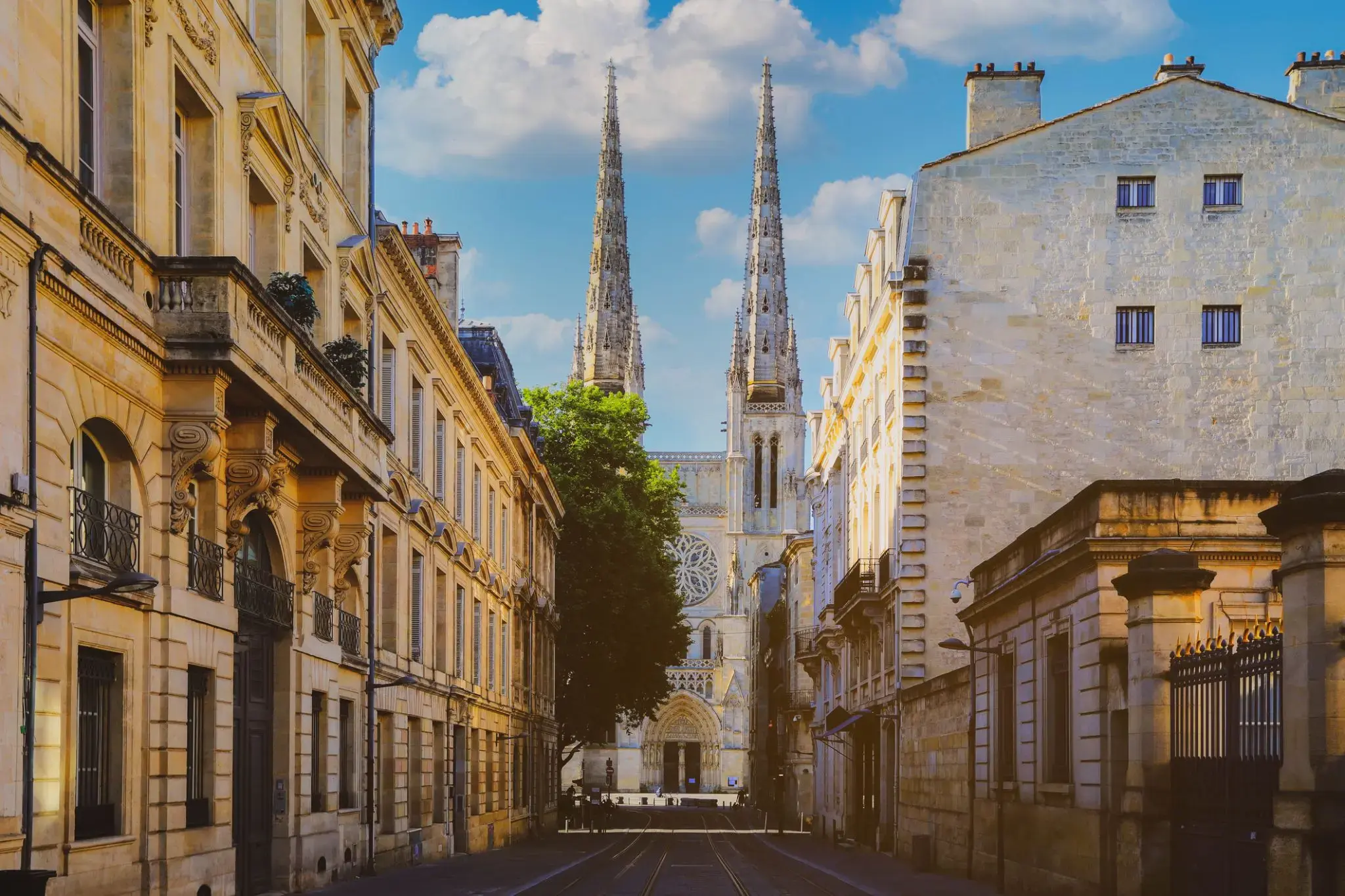
Bordeaux is a port city on the Garonne in the Gironde department in Southwestern France.
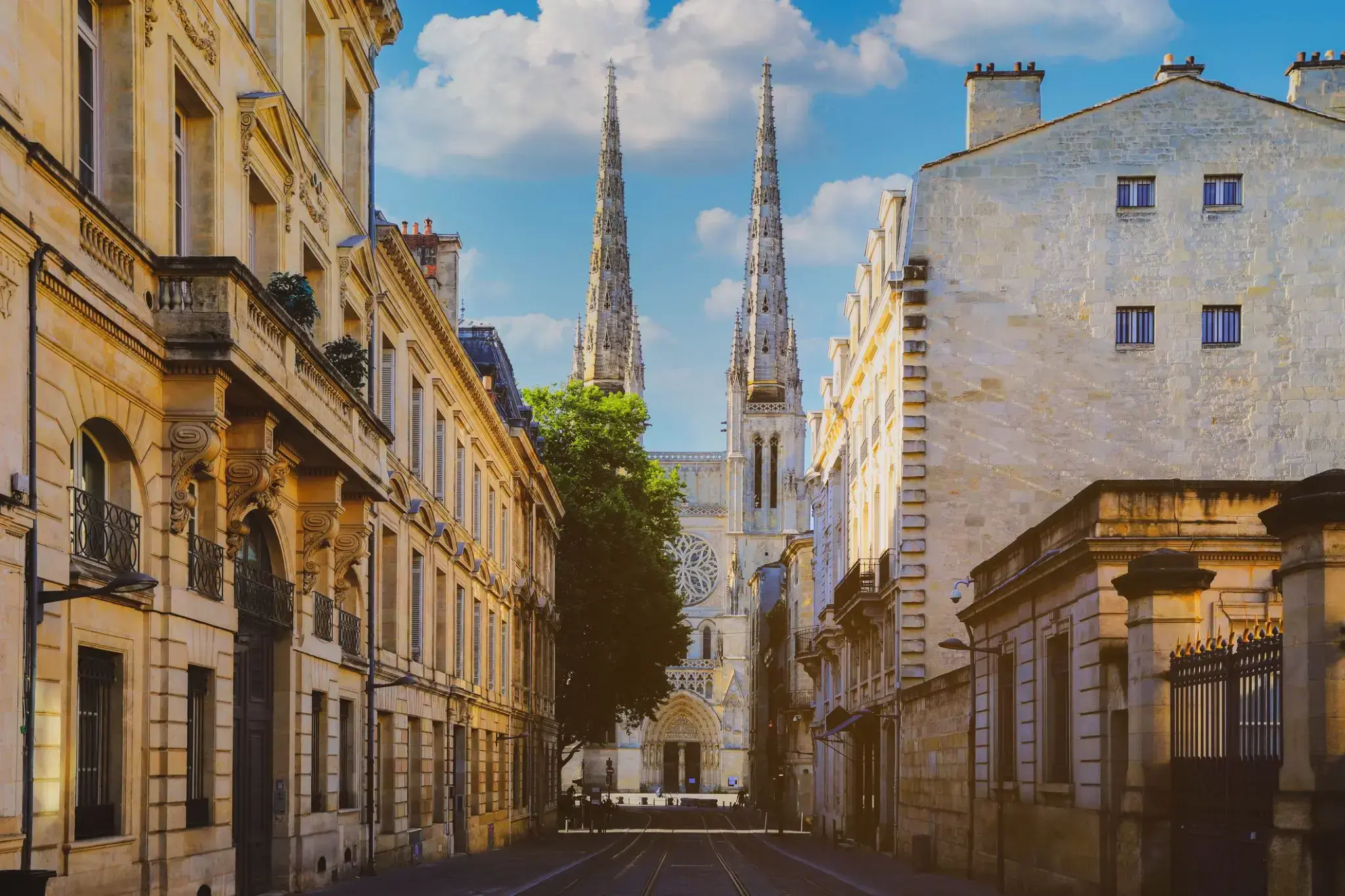
The municipality (commune) of Bordeaux proper has a population of 246,586 (2014). Together with its suburbs and satellite towns, Bordeaux is the centre of the Bordeaux Métropole. With 1,195,335 in the metropolitan area, it is the sixth-largest in France, after Paris, Marseille, Lyon, Toulouse, and Lille. It is the capital of the Nouvelle-Aquitaineregion, as well as the prefecture of the Gironde department. Its inhabitants are called "Bordelais" (for men) or "Bordelaises" (women). The term "Bordelais" may also refer to the city and its surrounding region.
Being at the center of a major wine-growing and wine-producing region, Bordeaux remains a prominent powerhouse and exercises significant influence on the world wine industry although no wine production is conducted within the city limits. It is home to the world's main wine fair, Vinexpo, and the wine economy in the metro area takes in 14.5 billion euros each year. Bordeaux wine has been produced in the region since the 8th century. The historic part of the city is on the UNESCO World Heritage List as "an outstanding urban and architectural ensemble" of the 18th century.[7] After Paris, Bordeaux has the highest number of preserved historical buildings of any city in France.
Bordeaux is a port city on the Garonne in the Gironde department in Southwestern France.
The municipality (commune) of Bordeaux proper has a population of 246,586 (2014). Together with its suburbs and satellite towns, Bordeaux is the centre of the Bordeaux Métropole. With 1,195,335 in the metropolitan area, it is the sixth-largest in France, after Paris, Marseille, Lyon, Toulouse, and Lille. It is the capital of the Nouvelle-Aquitaineregion, as well as the prefecture of the Gironde department. Its inhabitants are called "Bordelais" (for men) or "Bordelaises" (women). The term "Bordelais" may also refer to the city and its surrounding region.
Being at the center of a major wine-growing and wine-producing region, Bordeaux remains a prominent powerhouse and exercises significant influence on the world wine industry although no wine production is conducted within the city limits. It is home to the world's main wine fair, Vinexpo, and the wine economy in the metro area takes in 14.5 billion euros each year. Bordeaux wine has been produced in the region since the 8th century. The historic part of the city is on the UNESCO World Heritage List as "an outstanding urban and architectural ensemble" of the 18th century.[7] After Paris, Bordeaux has the highest number of preserved historical buildings of any city in France.
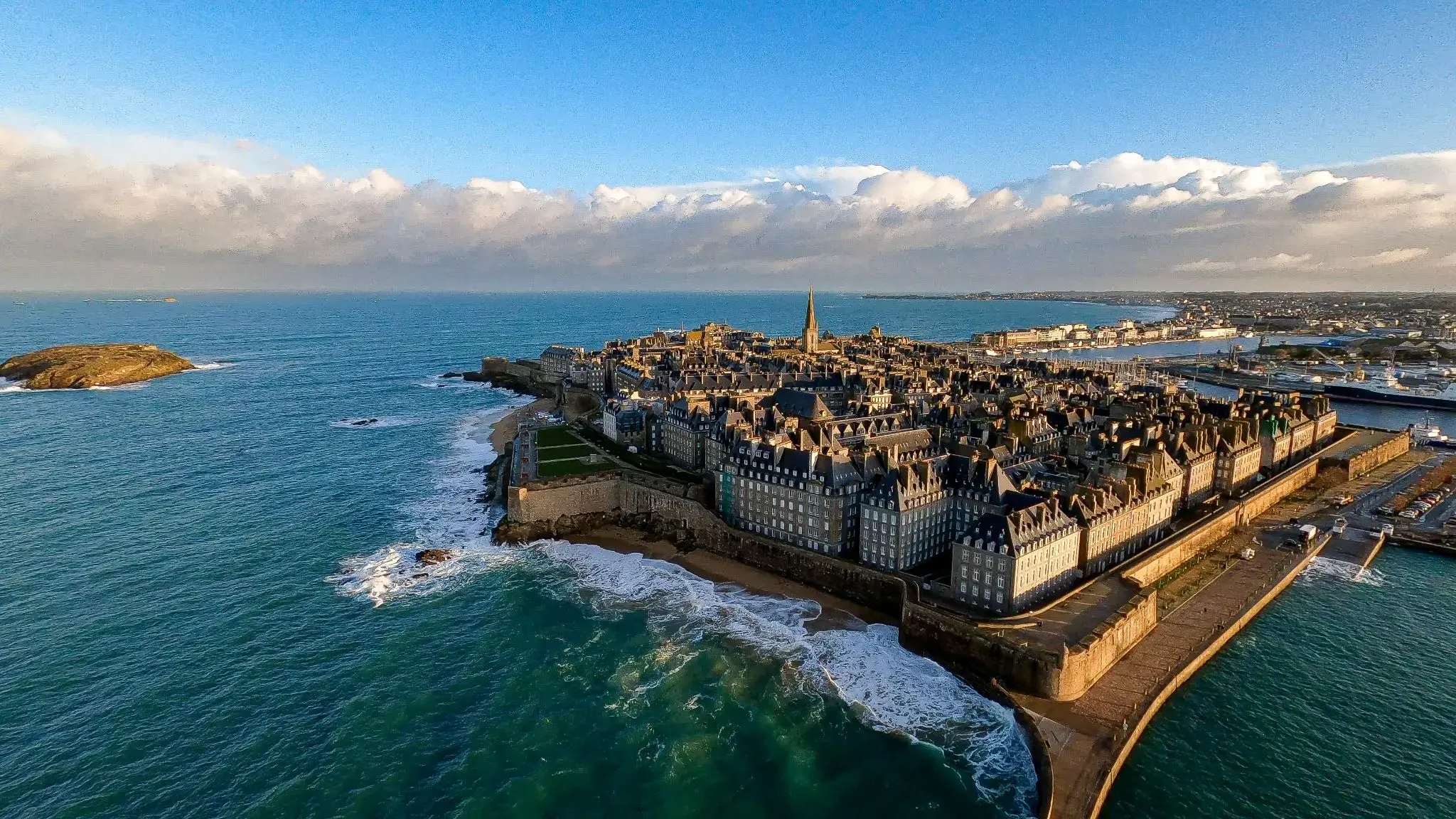
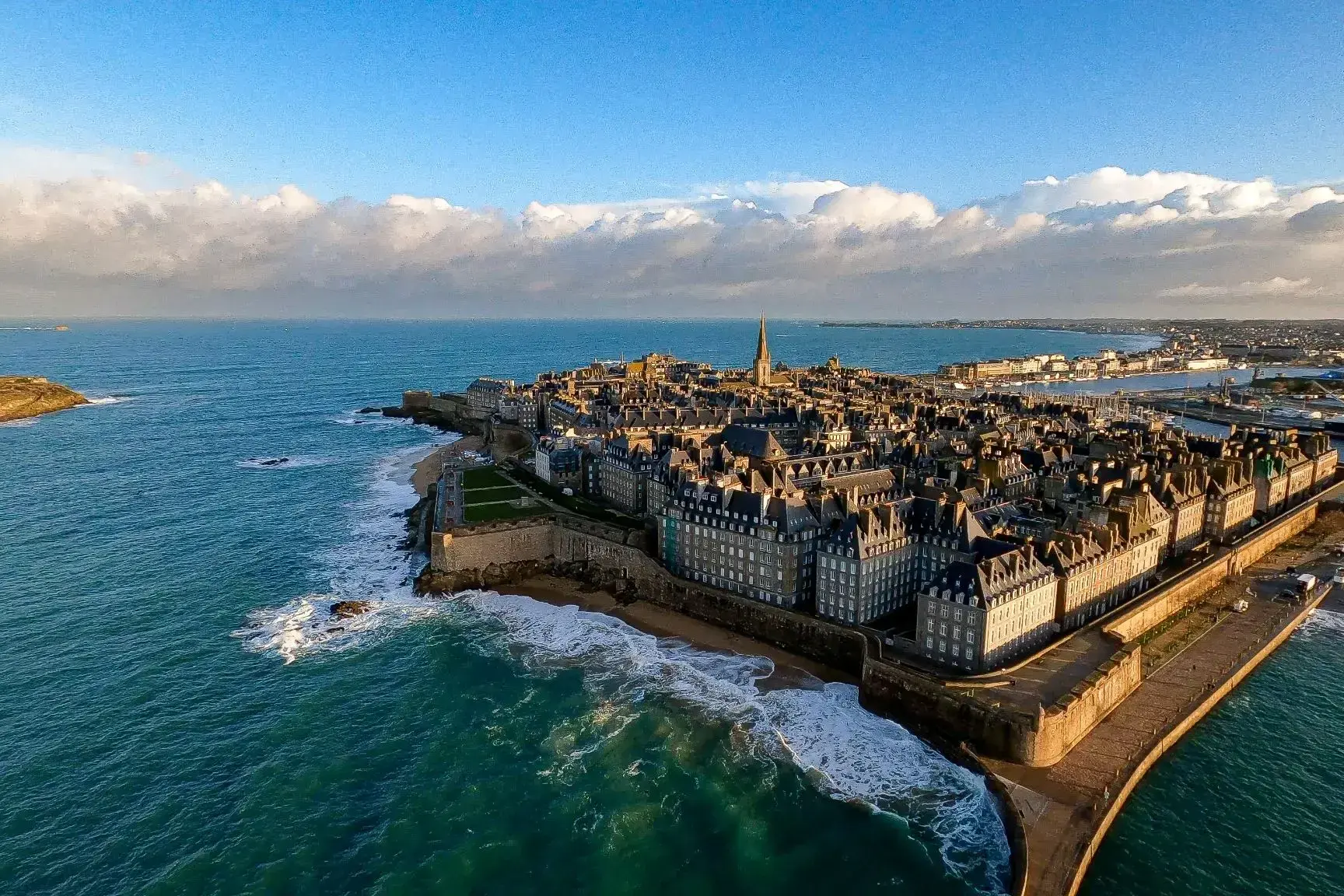
Ծովի զով քամին և ճայերի ճիչերը ուղեկցում են ձեզ Սեն-Մալո քաղաքում, որը գտնվում է Բրետանի ափին և պահպանել է ծովային արկածախնդրության և անկախության ոգին: Այստեղ բարձր պարիսպները գրկում են նեղ փողոցները, իսկ քարե ճանապարհները տանում են հարմարավետ սրճարաններ, որտեղից բացվում է տեսարան օվկիանոսի վրա: Ջրահարսների և ծովագնացների պատմությունը կենդանանում է, երբ քայլում եք բաստիոններով, հետևում եք ինչպես ալիքները փոխում են ափը կամ նավակով ուղևորվում եք հայտնի Գրանդ Բե կղզի, որտեղ թաղված է գրող Շատոբրիանը:
Սեն-Մալո-ում կարող եք վայելել թարմ ծովամթերք տեղական ռեստորաններում, համտեսել ուրցեր, որոնք որսացել են մոտակա ջրերում, կամ պարզապես պիկնիկ անել ավազոտ լողափերում, որոնք բացվում են մակընթացության ժամանակ: Քաղաքը միաժամանակ տալիս է հարմարավետության և ազատության զգացում՝ միախառնելով գեղատեսիլ ճարտարապետությունը Ատլանտյան օվկիանոսի էներգիայի հետ, իսկ ծովի քամին և աղի հոտը հիշեցնում են, որ այստեղ պատմությունը և բնությունը միշտ կողքին են:
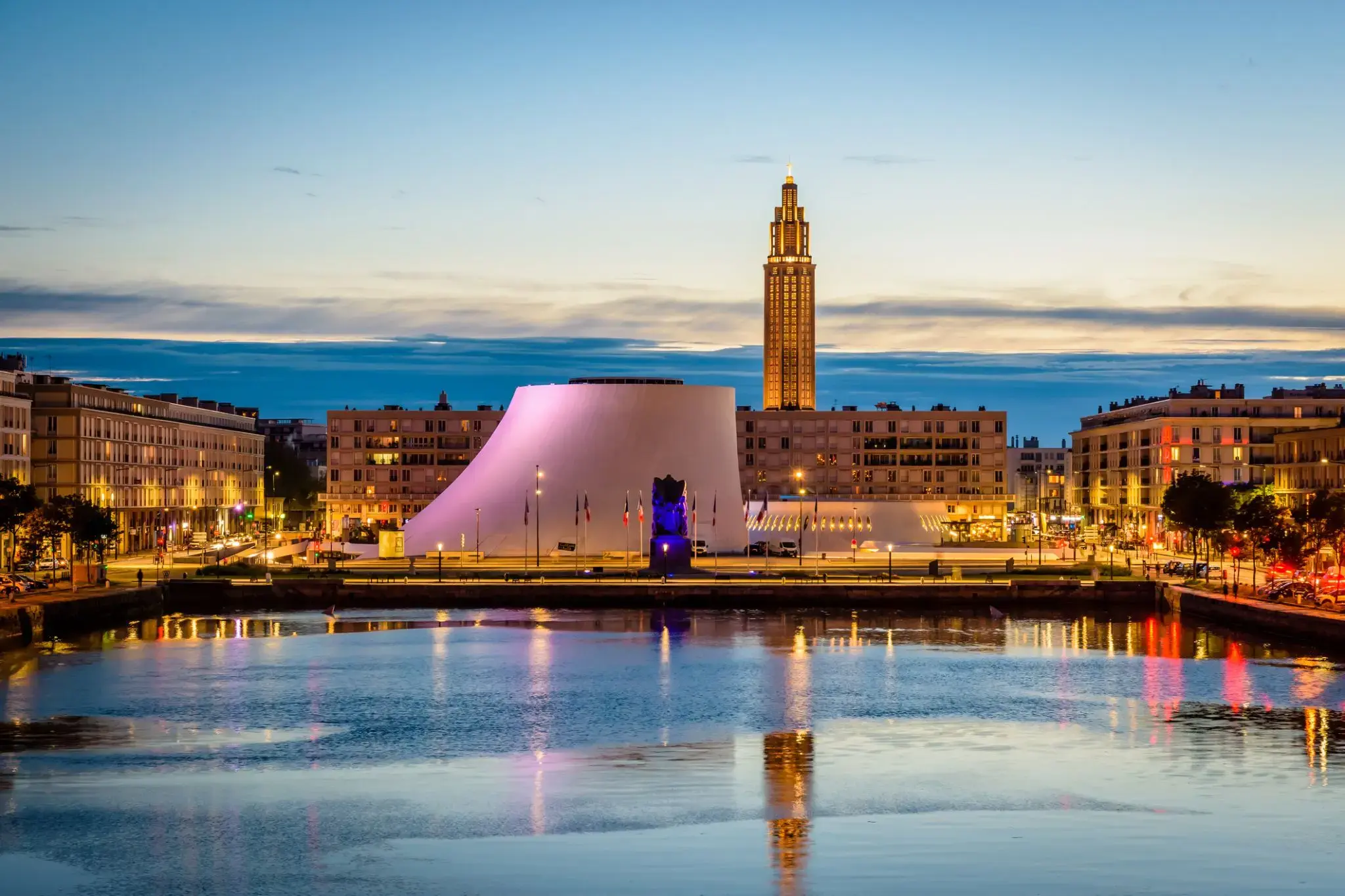
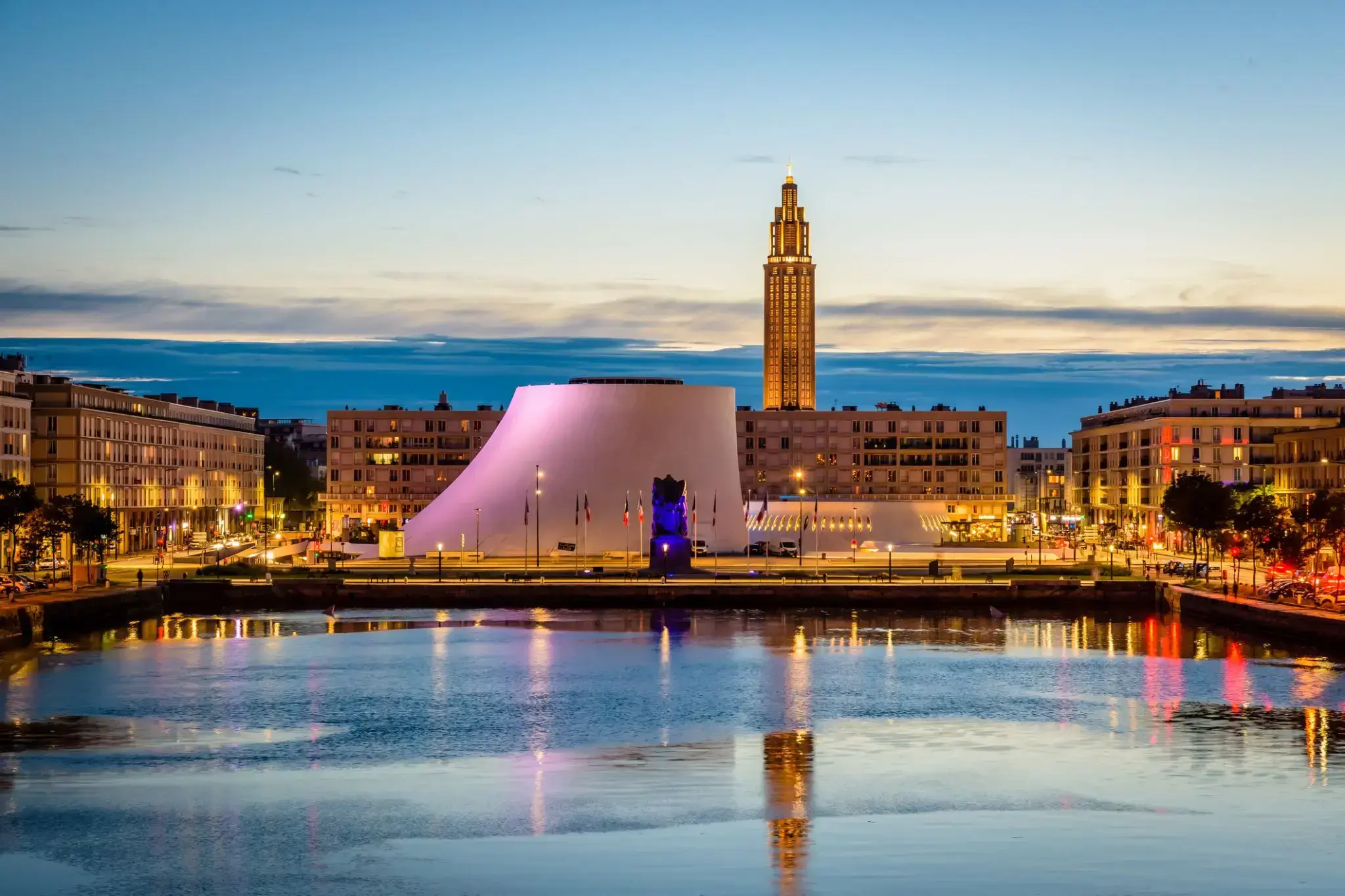
Լե Ավր — նավահանգիստային քաղաք Ֆրանսիայի հյուսիս-արևմուտքում, Լա-Մանշի ափին, որը կարևոր ծովային առևտրի և նավաշինության կենտրոն է։ Հիմնվել է XVI դարում, Լե Ավրը արագ զարգացավ իր ռազմավարական դիրքի շնորհիվ և դարձավ երկրի ամենամեծ նավահանգիստներից մեկը։ Քաղաքը հայտնի է իր մոդեռնիստական ճարտարապետությամբ, որը խնամքով նախագծվել է Երկրորդ համաշխարհային պատերազմի ավերածություններից հետո։ 2005 թվականին քաղաքի պատմական կենտրոնը ներառվել է ՅՈՒՆԵՍԿՕ-ի համաշխարհային ժառանգության ցանկում, և Օգյուստ Պերեի նախագծած նշանավոր ճարտարապետական համալիրն դարձել է քաղաքի ինքնության կարևոր մաս։
Այսօր Լե Ավրն գրավում է զբոսաշրջիկներին իր եզակի մթնոլորտով՝ հին և նոր տարրերի համադրությամբ։ Գլխավոր տեսարժան վայրերից է Նոտր-Դամ-դե-Գրավը, ինչպես նաև Դյունկիրկի մշակույթի կենտրոնը, որտեղ տեղի են ունենում համերգներ, ցուցահանդեսներ և թատրոնական ներկայացումներ։ Մարզային пляժները և promenade-ները իդեալական վայրեր են զբոսանքի և հանգստի համար, իսկ բազմաթիվ ռեստորաններ առաջարկում են թարմ ծովամթերք։ Լե Ավրը նաև դարձել է կարևոր մշակութային և տնտեսական կենտրոն, որը հյուրընկալում է այցելուներին ոչ միայն Ֆրանսիայից, այլև ամբողջ աշխարհից։
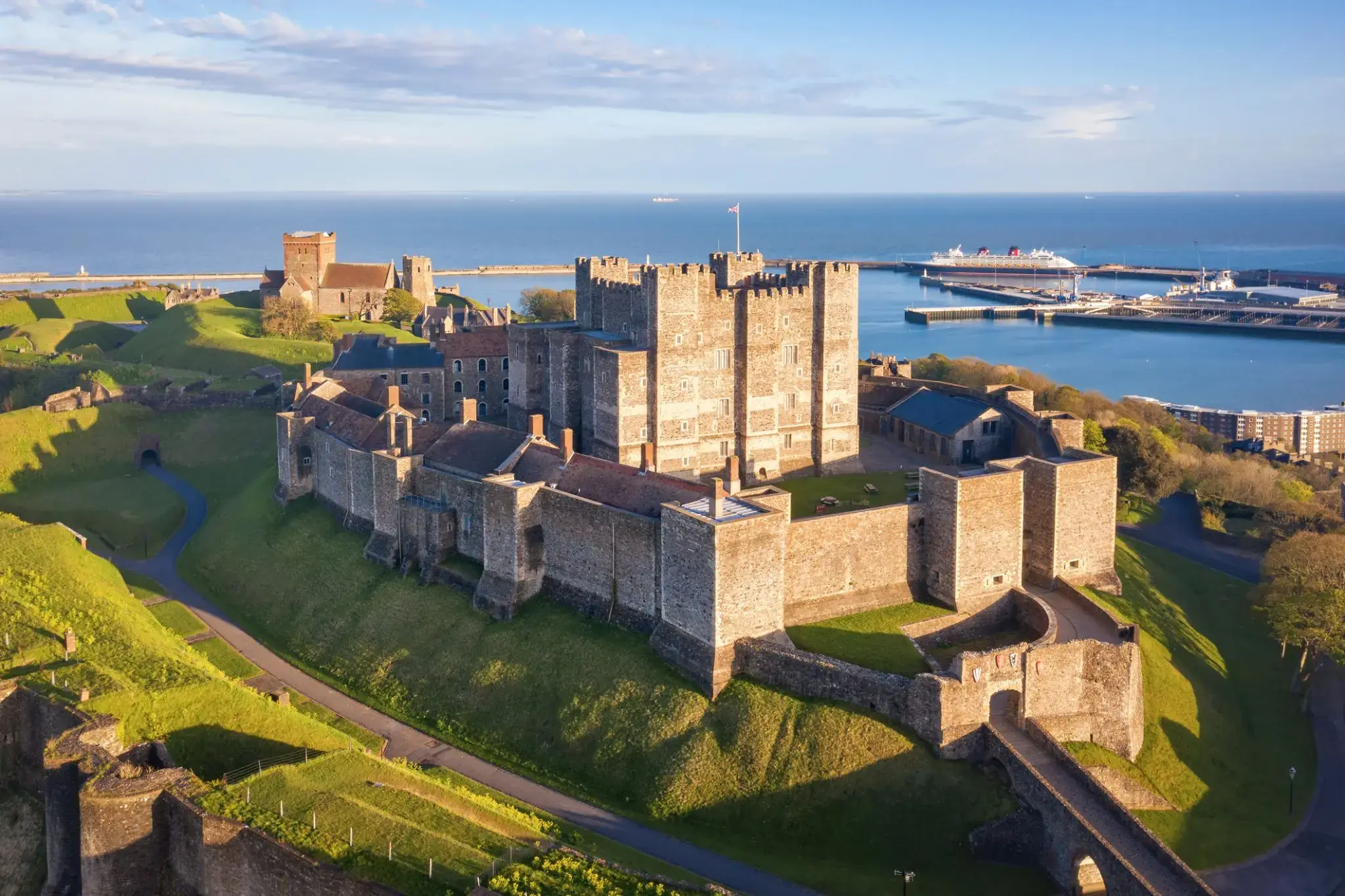
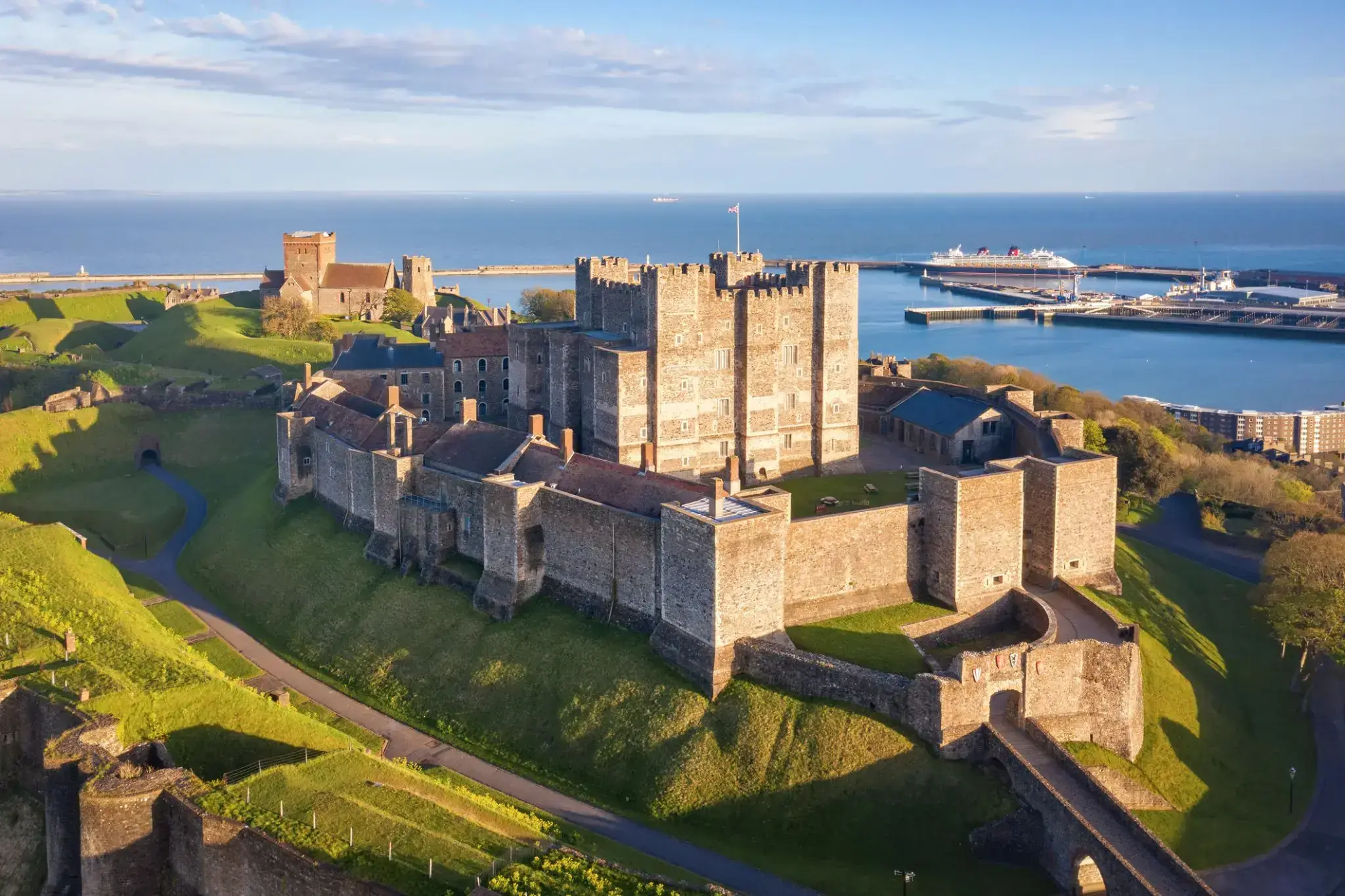
Dover is a major ferry port in Kent, South East England. It faces France across the Strait of Dover, the narrowest part of the English Channel, and lies south-east of Canterbury and east of Maidstone. The town is the administrative centre of the Dover District and home of the Dover Calais ferry through the Port of Dover. The surrounding chalk cliffs are known as the White Cliffs of Dover.
Archaeological finds have revealed that the area has always been a focus for peoples entering and leaving Britain. The name derives from the River Dour that flows through it.
The Port of Dover provides much of the town's employment, as does tourism.
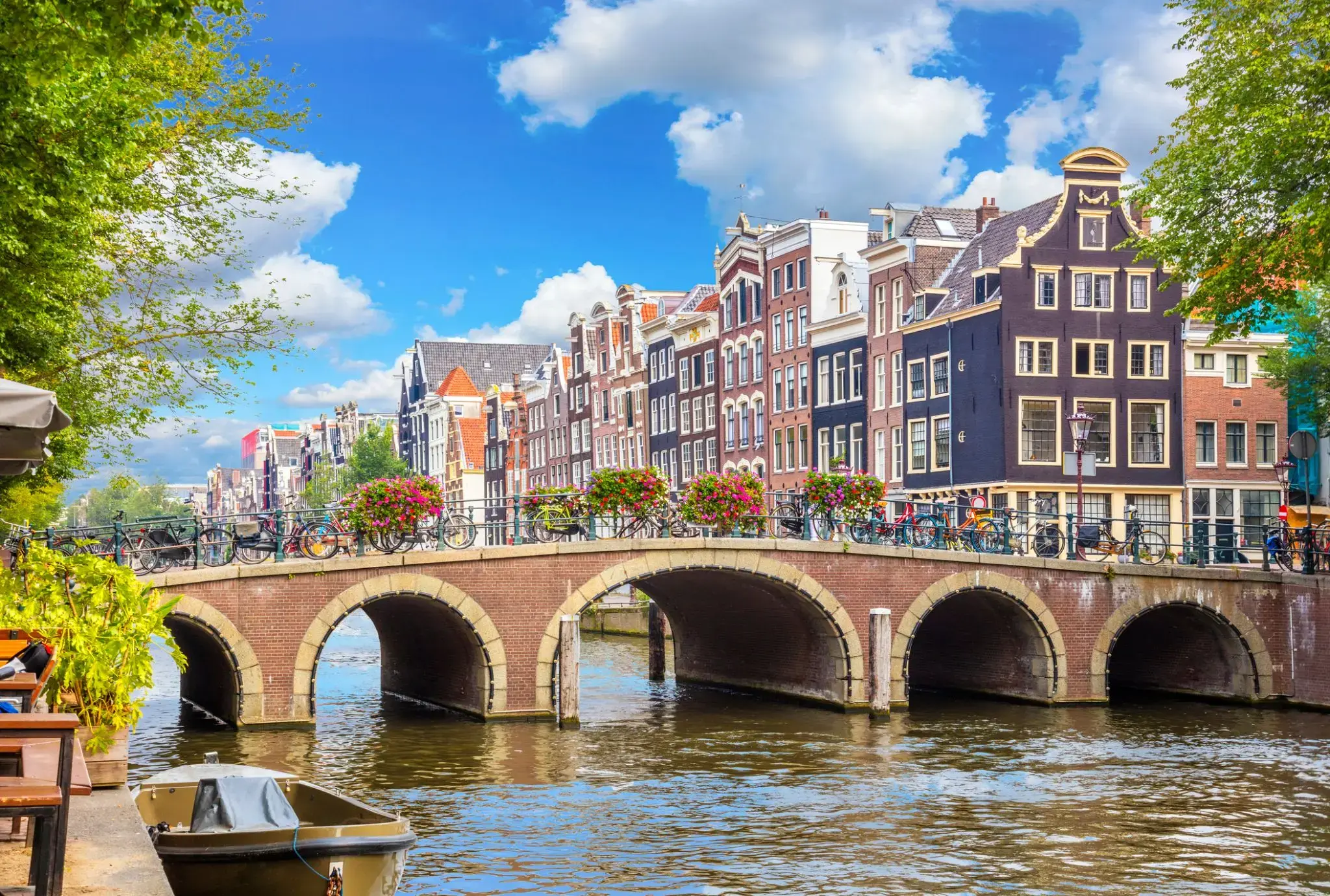
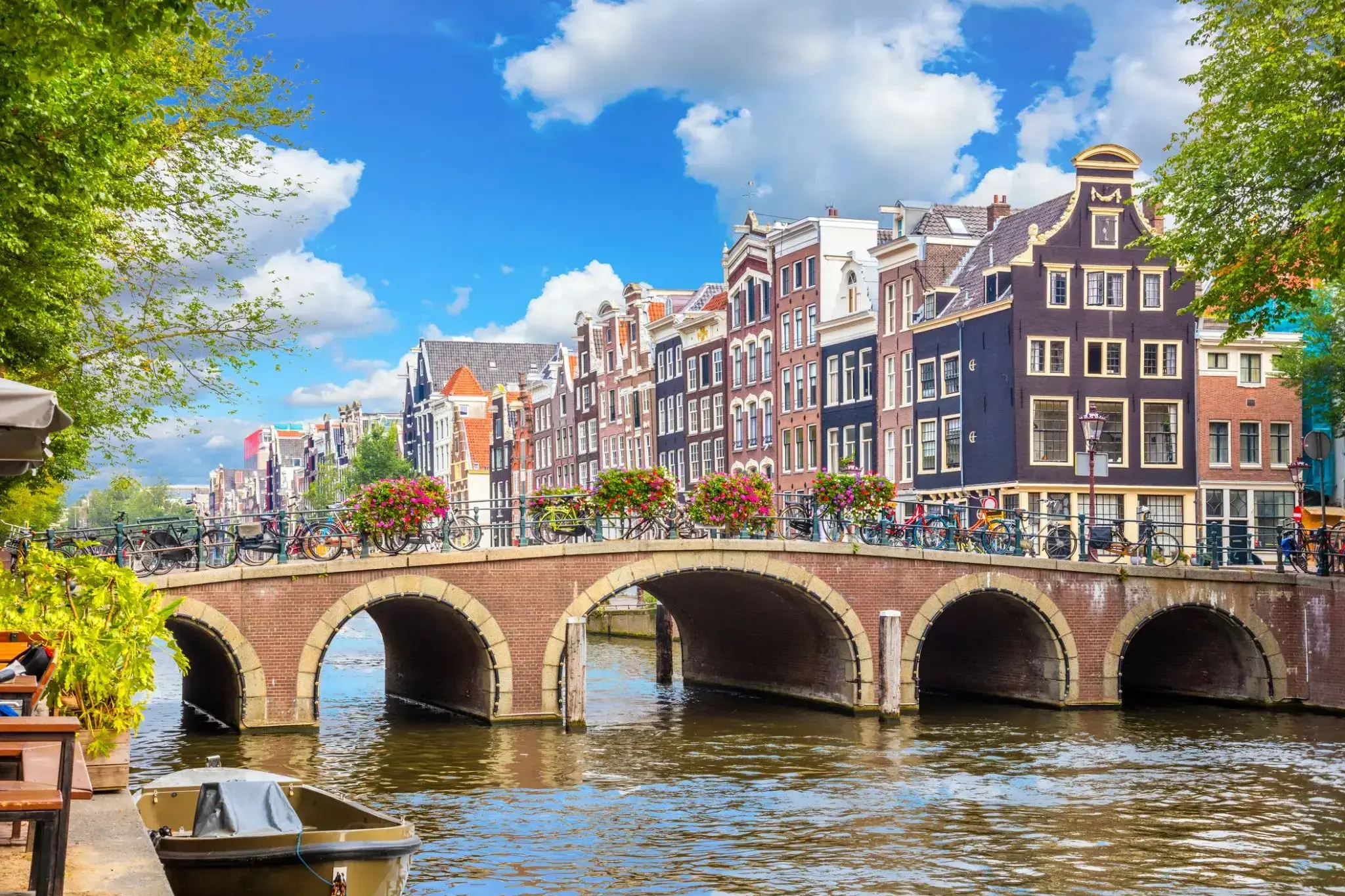
Amsterdam is the capital city and most populous municipality of the Netherlands. Its status as the capital is mandated by the Constitution of the Netherlands, although it is not the seat of the government, which is The Hague. Amsterdam has a population of 851,373 within the city proper, 1,351,587 in the urban area] and 2,410,960 in the metropolitan area. The city is located in the province of North Holland in the west of the country but is not its capital, which is Haarlem. The metropolitan area comprises much of the northern part of the Randstad, one of the larger conurbations in Europe, with a population of approximately 8 million.
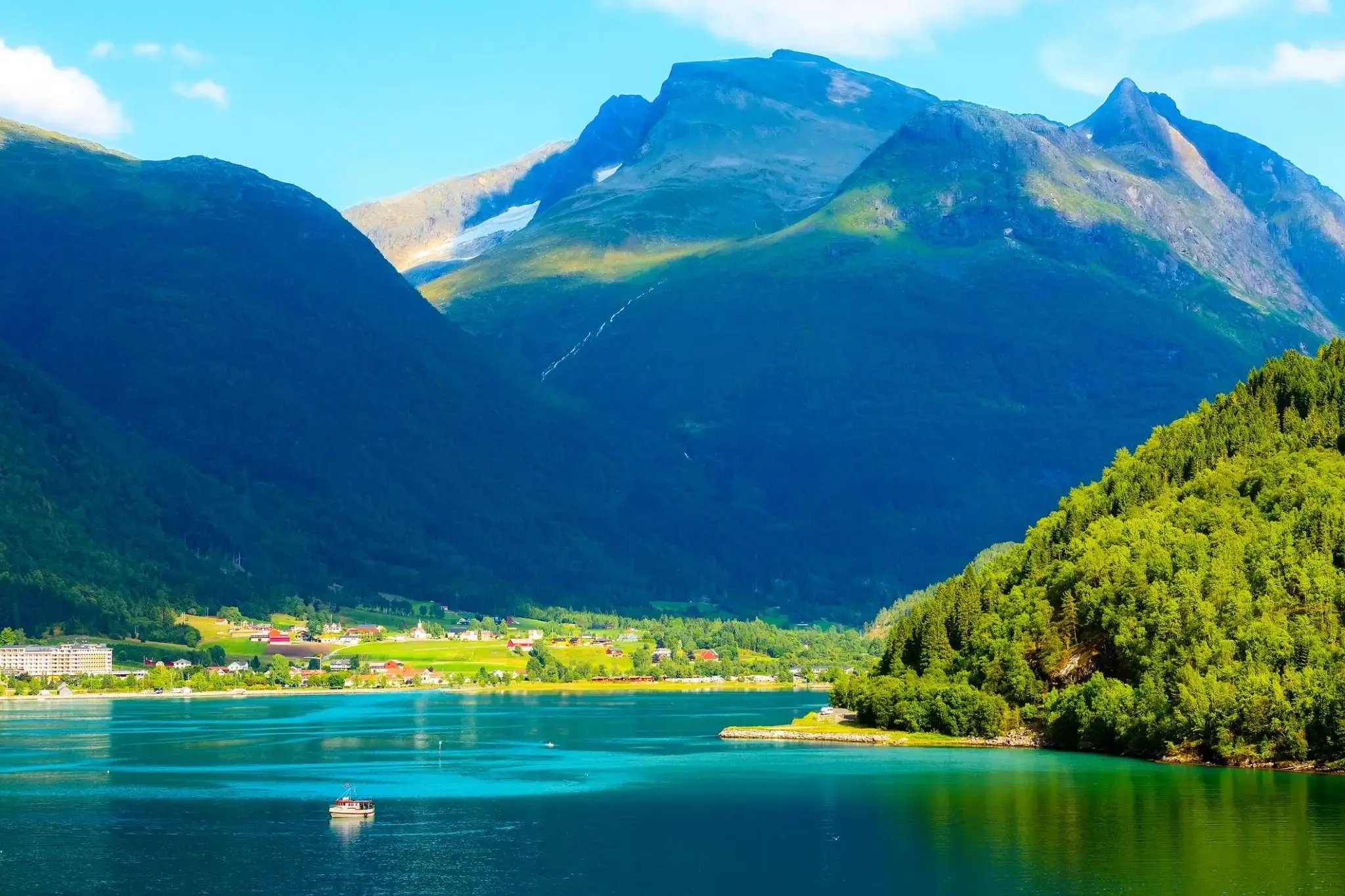
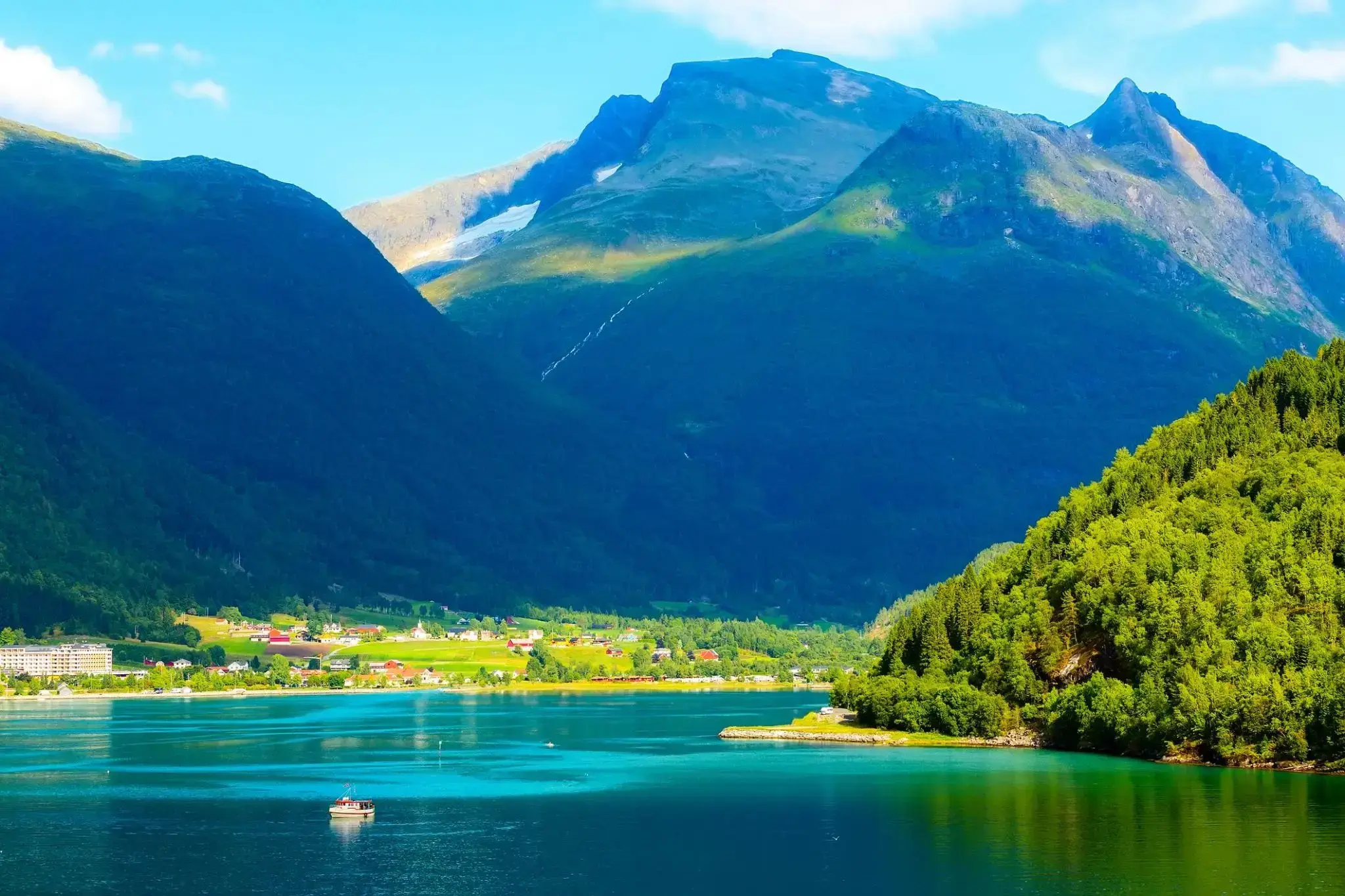
Նուրբ առավոտյան մառախուղն ու հայելիանման ջրի մակերեսը ողջունում են ճանապարհորդներին Օլդեն-ում՝ բացելով սառցադաշտերի և զմրուխտե հովիտների տեսարաններ, որոնք կարծես բնության կողմից ստեղծված լինեն դանդաղ զբոսանքների համար։ Այս փոքրիկ նորվեգական գյուղը Նորդֆյորդի ափին պարգևում է առանձնացման հազվագյուտ զգացողություն, երբ ջրվեժների աղմուկն ու ճայերի ճիչերը դառնում են միակ ձայները շուրջբոլորը, մինչ դուք շնչում եք բյուրեղյա մաքուր օդը։
Օլդեն հայտնի է Բրիկսդալի սառցադաշտի մոտակայքով, որտեղ սկսվում են քայլարշավի ճանապարհներ՝ բացելով շնչառություն կտրող տեսարաններ կապույտ սառցե զանգվածների և լեռների գագաթների վրա։ Ճանապարհին կանցնեք կարմիր տներով փոքրիկ ֆերմաներով, իսկ տեղական սրճարաններում կարող եք վայելել թարմ թխված դարչինով բուլկիներ՝ վայելելով ֆյորդի տեսարանը և այս նորվեգական անկյան դանդաղ ռիթմը։
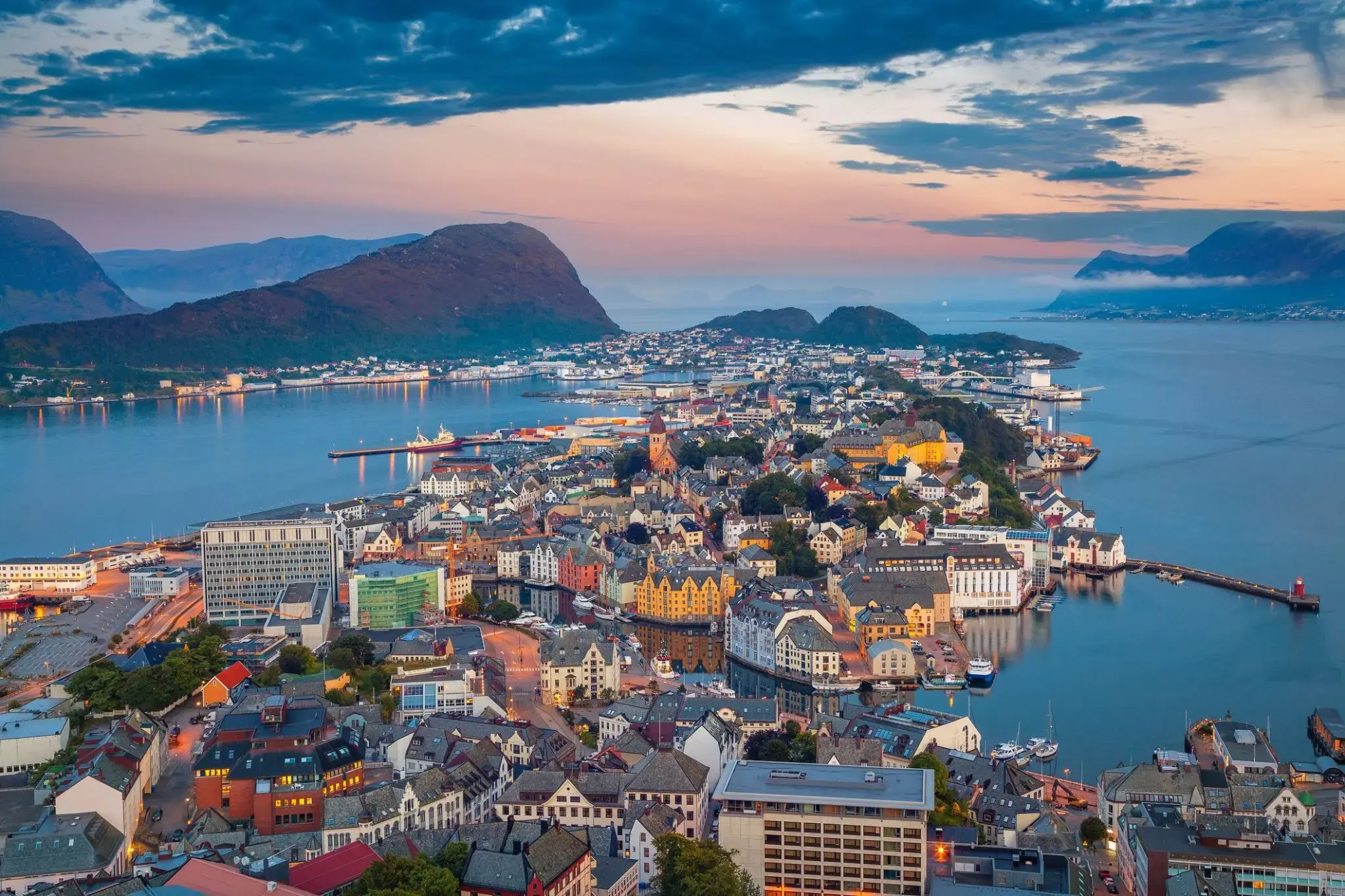
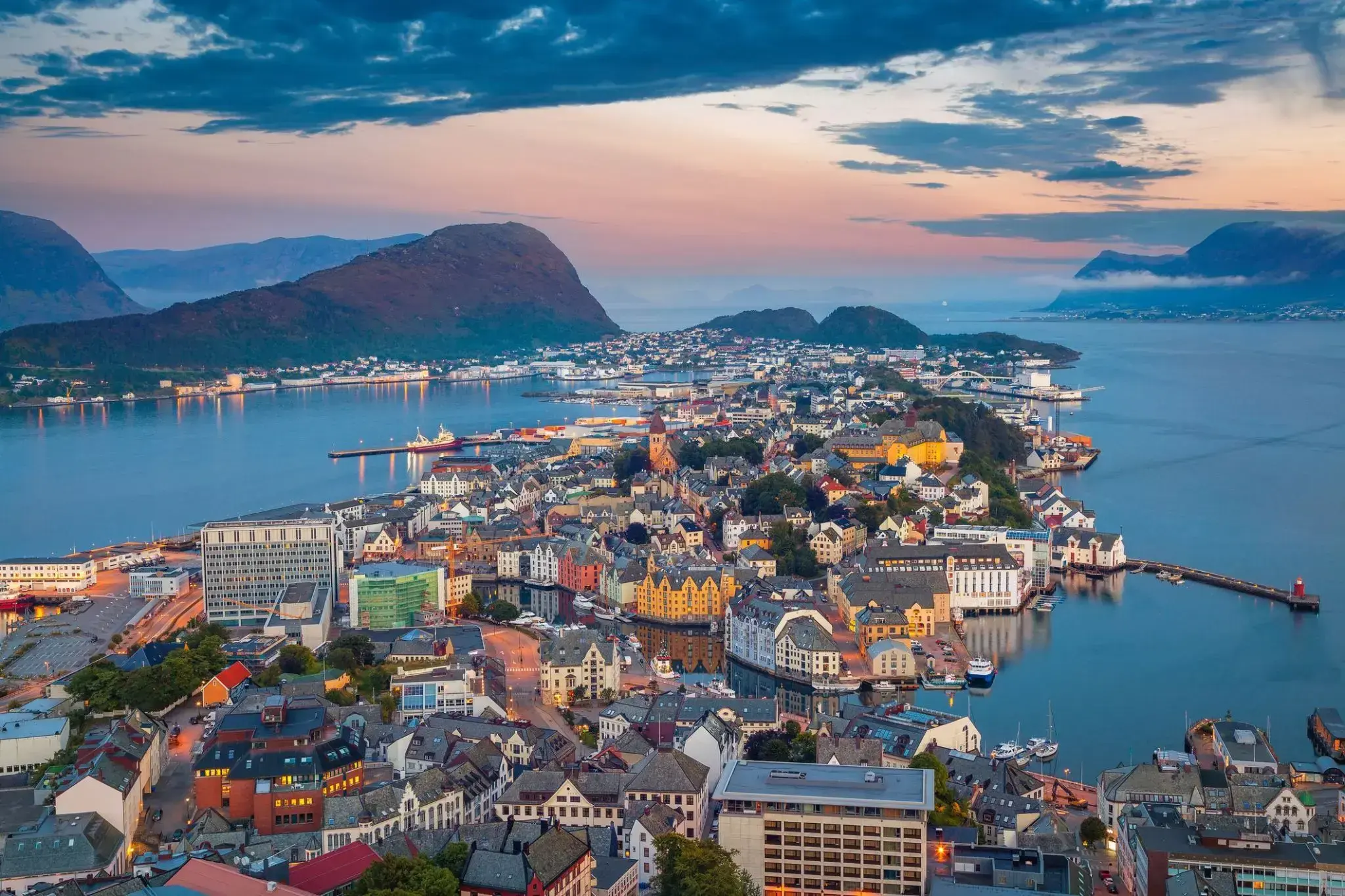
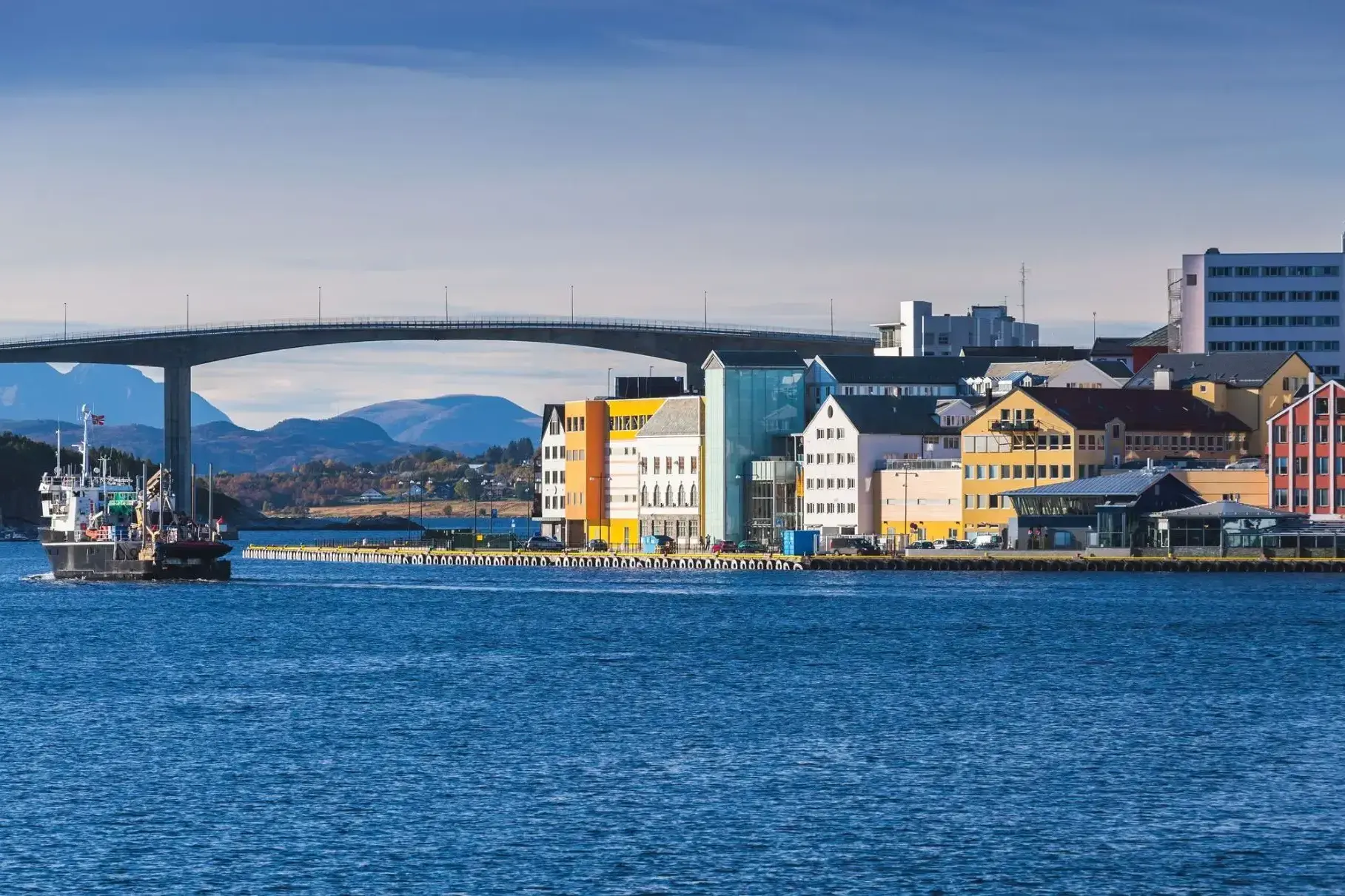
Położone między majestatycznymi fiordami a otwartym morzem, Ålesund zachwyca odwiedzających swoim wyjątkowym połączeniem naturalnego piękna i charakterystycznej architektury. Znane ze swojego imponującego stylu secesyjnego, odbudowanego po niszczącym pożarze w 1904 roku, miasto oferuje urokliwą atmosferę, gdzie kolorowe budynki ciągną się wzdłuż nabrzeża, tworząc malowniczy krajobraz niepodobny do żadnego innego w Norwegii.
Miłośnicy przygód i kultury znajdą w Ålesund wiele atrakcji. Od wspinaczki na punkt widokowy na wzgórzu Aksla z panoramicznym widokiem na archipelag, po zwiedzanie lokalnych muzeów i świeżych targów rybnych – to nadmorskie miasto zaprasza podróżnych do zanurzenia się w morskie dziedzictwo i zapierające dech w piersiach krajobrazy Norwegii. Niezależnie od tego, czy rejsujesz po pobliskich fiordach, czy spacerujesz wąskimi uliczkami, każda chwila w Ålesund obiecuje niezapomniane odkrycia.
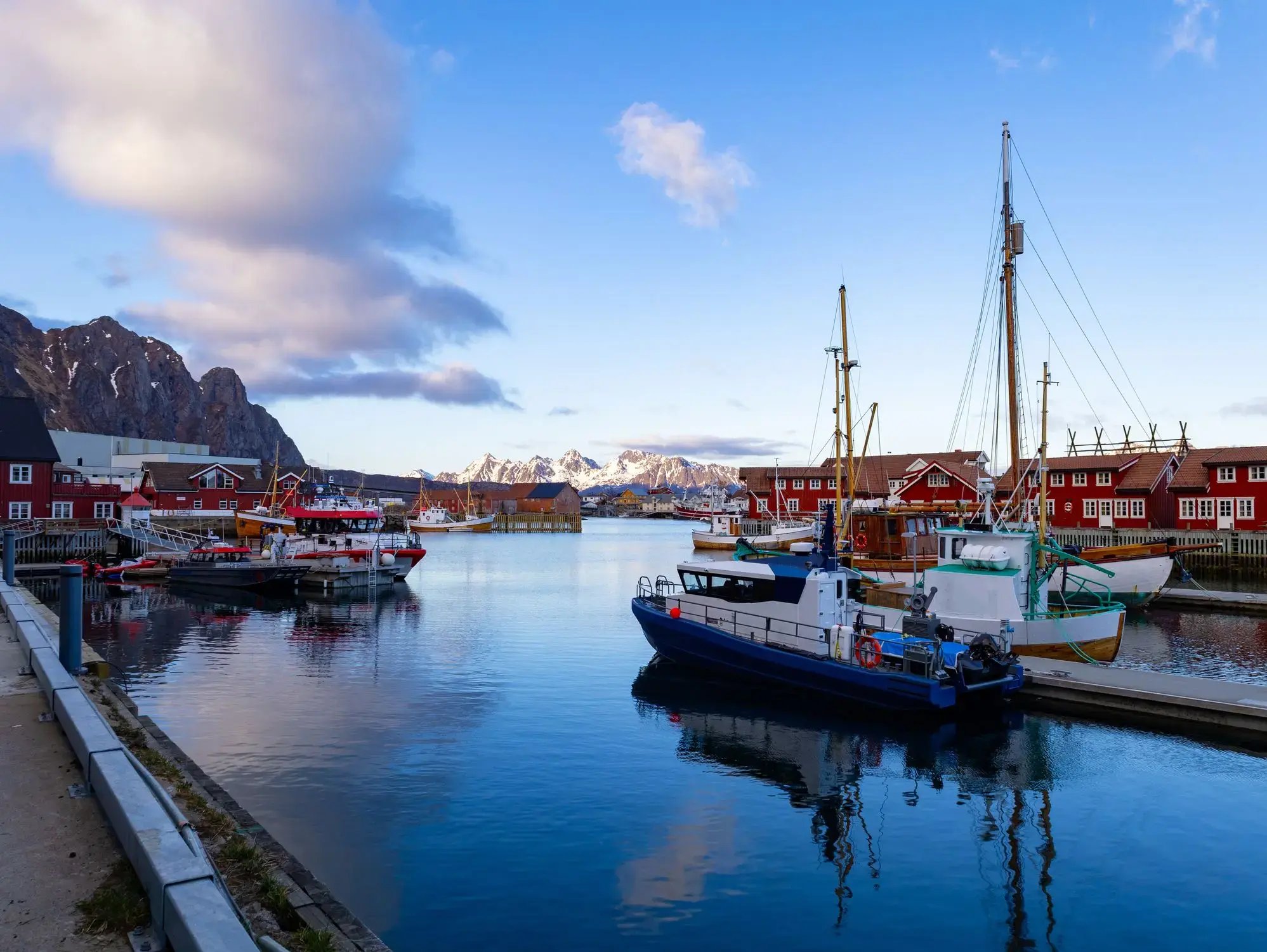
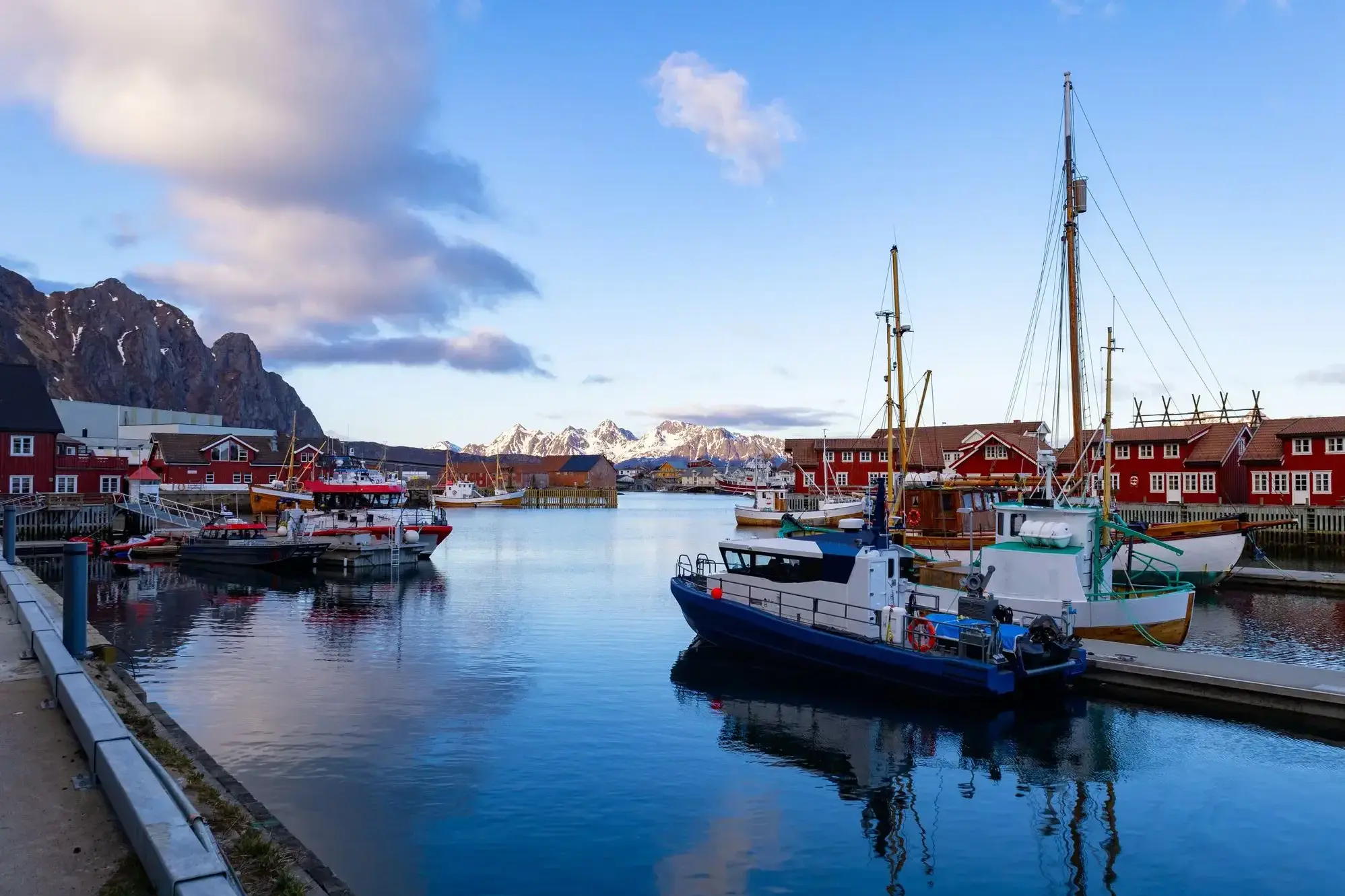
Հայտնի Լոֆոտեն կղզիների արխիպելագի մեջ գտնվում է Սվոլվաերը, որը առաջարկում է բուռն բնական գեղեցկության և կենդանարար մշակութային փորձառությունների յուրահատուկ համադրություն։ Այստեղ այցելուները կարող են հիանալ ծովից սուր բարձրացող ժայռերով, վայելել ծովարշավական գեղատեսիլ ավանդույթները և շրջել ծովածոցն առնչվող գունագեղ փայտե տների լի քաղաքում։
Սվոլվաերը նաև հայտնի է իր հարուստ արվեստարվեստային կյանքով, որտեղ ներկայացված են տեղացի նկարիչների և արհեստավորների ցուցասրահներ։ Արտաքին սիրահարները կարող են զբաղվել ծովային կայակինգով, լեռնագնացությամբ կամ ձմռանը մասնակցել Հյուսիսային լույսերի սափարիին՝ այն դարձնելով կատարյալ վայր արկածախնդիրների և իսկական արևադարձային հմայքի սիրահարների համար։
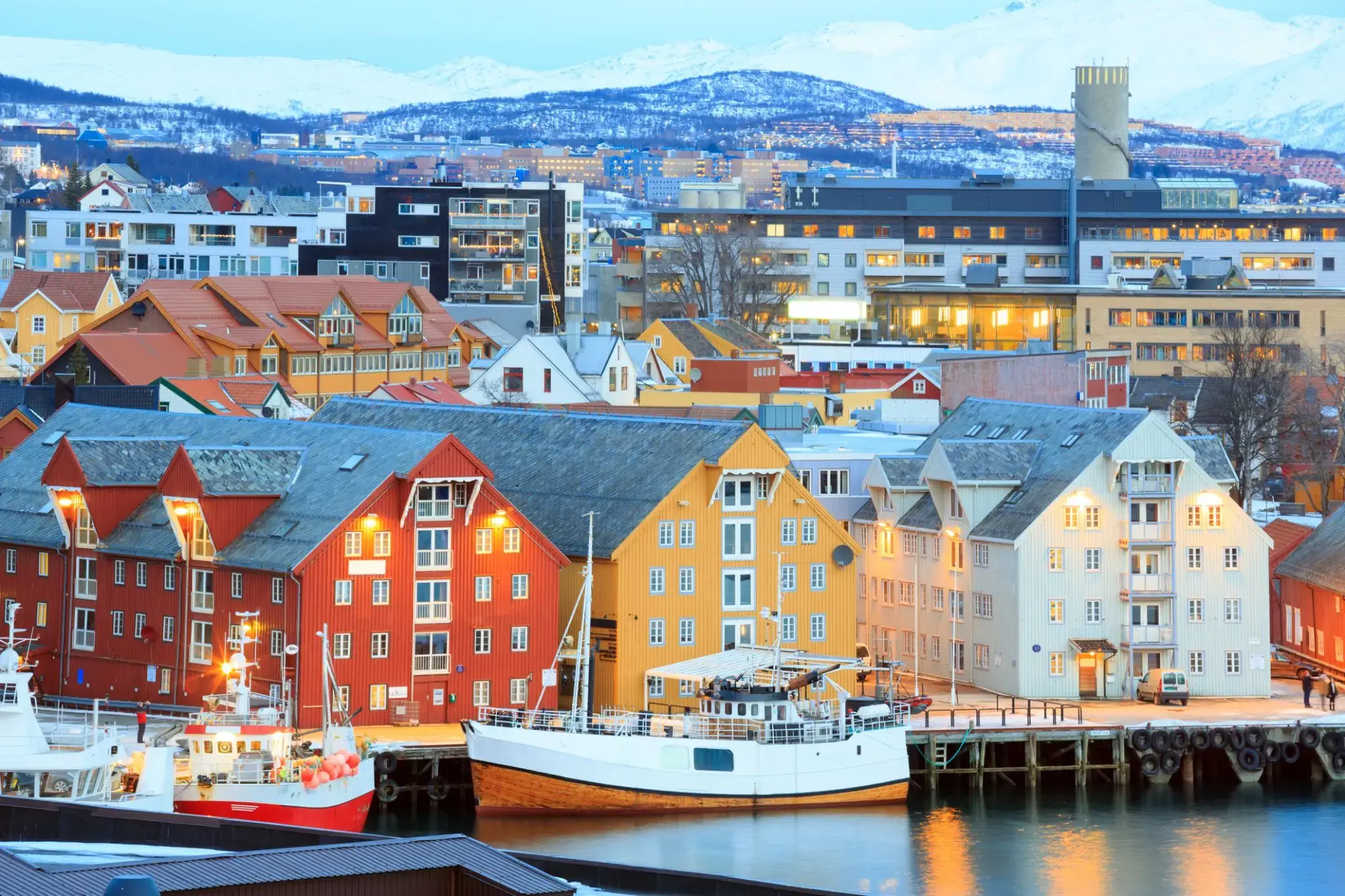
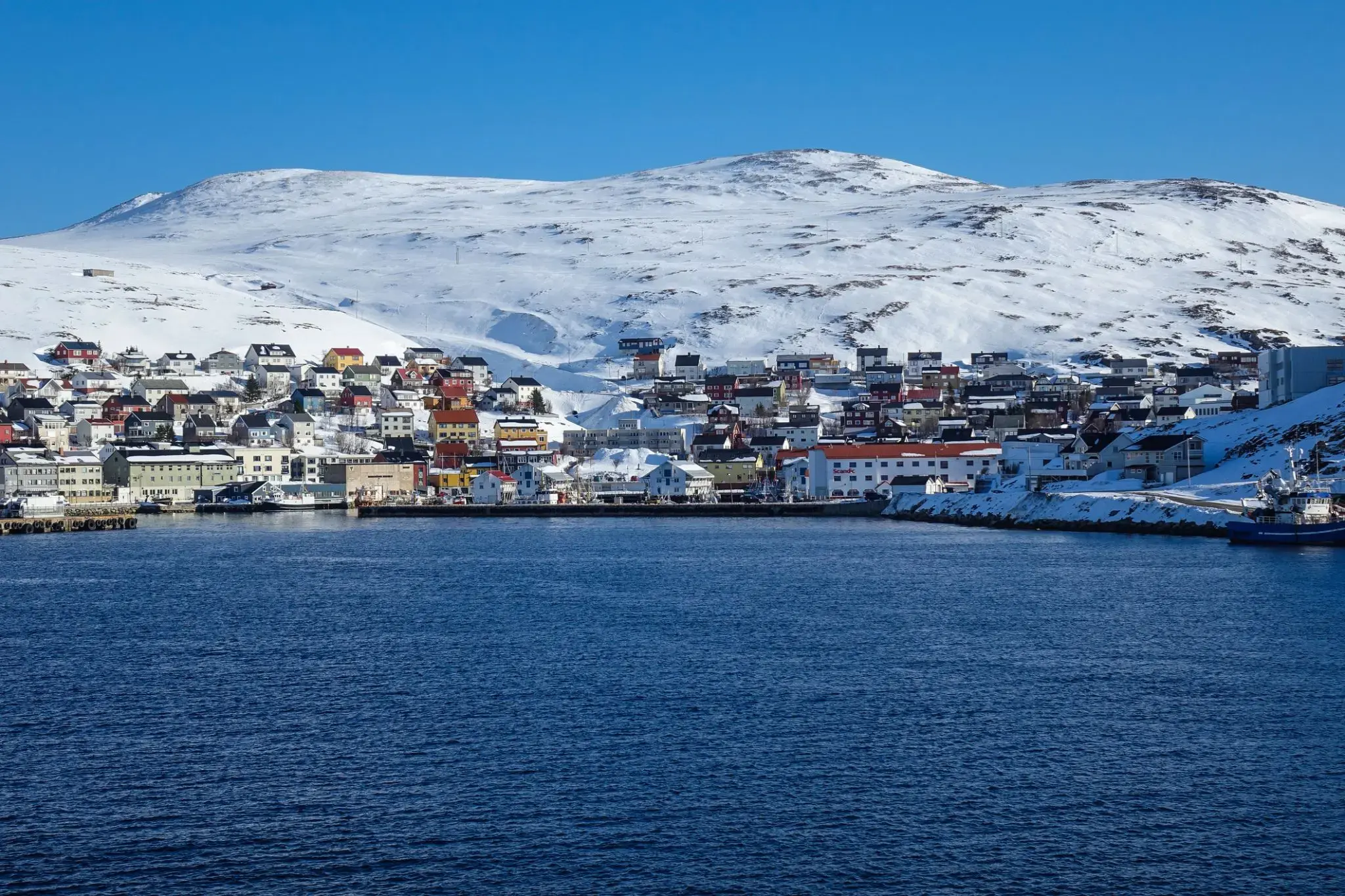
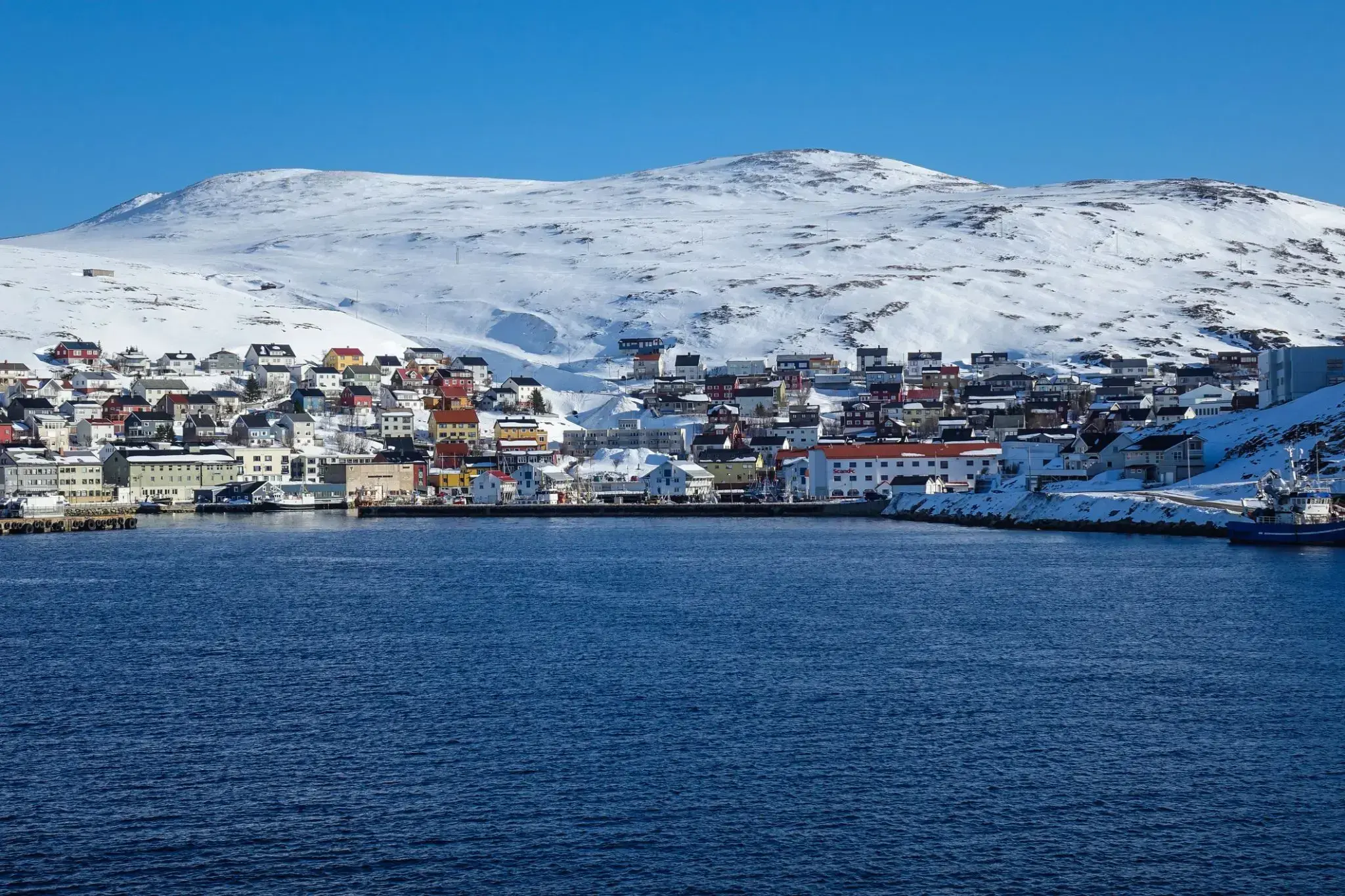
Honningsvåg is the northernmost city in Norway. It is located in Nordkapp Municipality in Finnmark county. Legislation effective in 1997 states that a Norwegian city/town (same word in Norwegian) must have at least 5,000 inhabitants, but Honningsvåg was declared a city in 1996, thus exempt from this legislation, so it is also one of the smallest cities in Norway. The 1.05-square-kilometre (260-acre) town has a population (2017) of 2,484 which gives the town a population density of 2,366 inhabitants per square kilometre (6,130/sq mi).
Honningsvåg is situated at a bay on the southeastern side of the large island of Magerøya, while the famous North Cape and its visitor center is on the northern side of the island. Honningsvåg is a port of call for cruise ships, especially in the summer months. The ice-free ocean (southwestern part of the Barents Sea) provides rich fisheries and tourism is also important to the town. Even at 71°N, many private gardens in Honningsvåg have trees, although rarely more than 3 to 4 metres (9.8 to 13.1 ft) tall.
Honningsvåg is the northernmost city in Norway. It is located in Nordkapp Municipality in Finnmark county. Legislation effective in 1997 states that a Norwegian city/town (same word in Norwegian) must have at least 5,000 inhabitants, but Honningsvåg was declared a city in 1996, thus exempt from this legislation, so it is also one of the smallest cities in Norway. The 1.05-square-kilometre (260-acre) town has a population (2017) of 2,484 which gives the town a population density of 2,366 inhabitants per square kilometre (6,130/sq mi).
Honningsvåg is situated at a bay on the southeastern side of the large island of Magerøya, while the famous North Cape and its visitor center is on the northern side of the island. Honningsvåg is a port of call for cruise ships, especially in the summer months. The ice-free ocean (southwestern part of the Barents Sea) provides rich fisheries and tourism is also important to the town. Even at 71°N, many private gardens in Honningsvåg have trees, although rarely more than 3 to 4 metres (9.8 to 13.1 ft) tall.
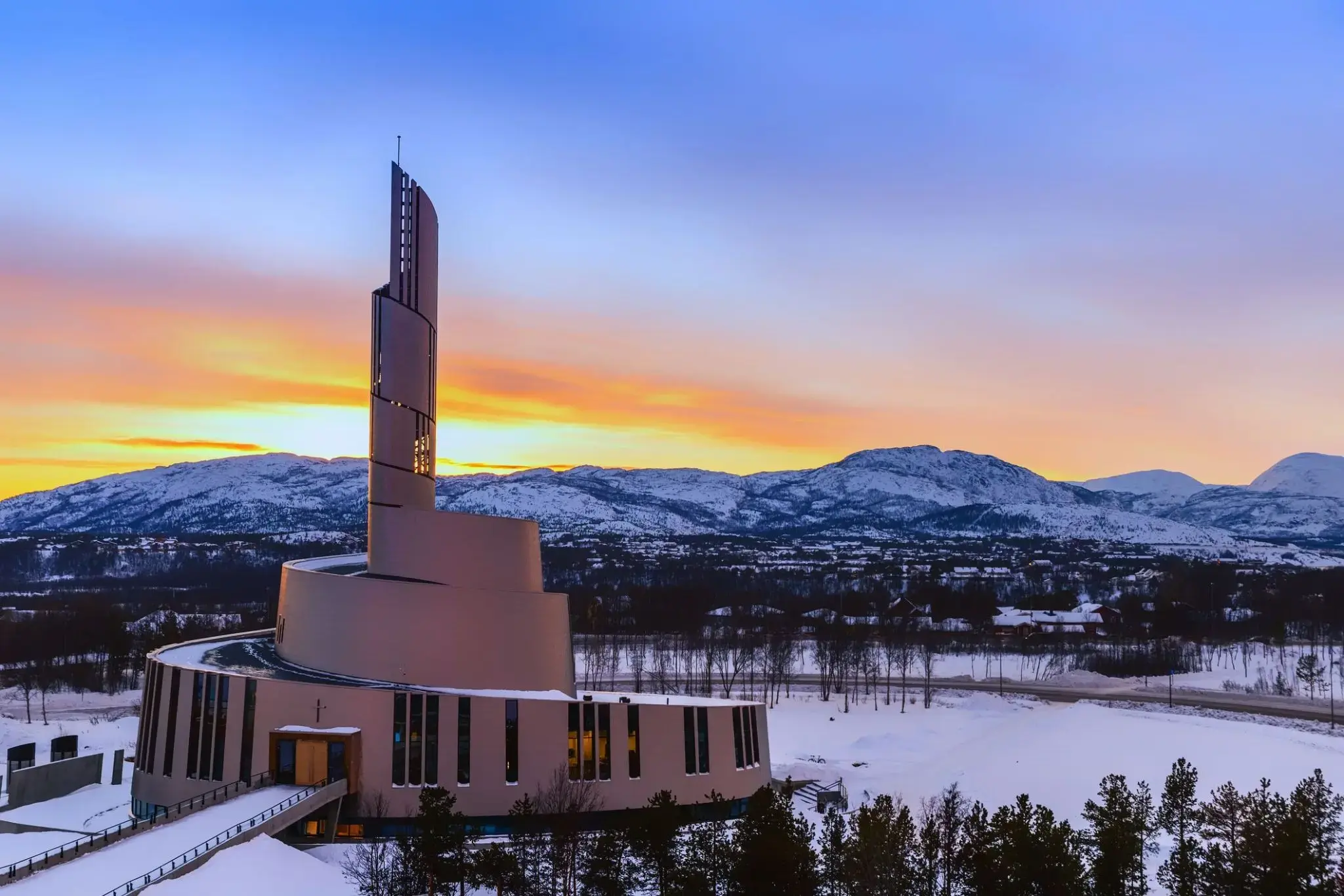
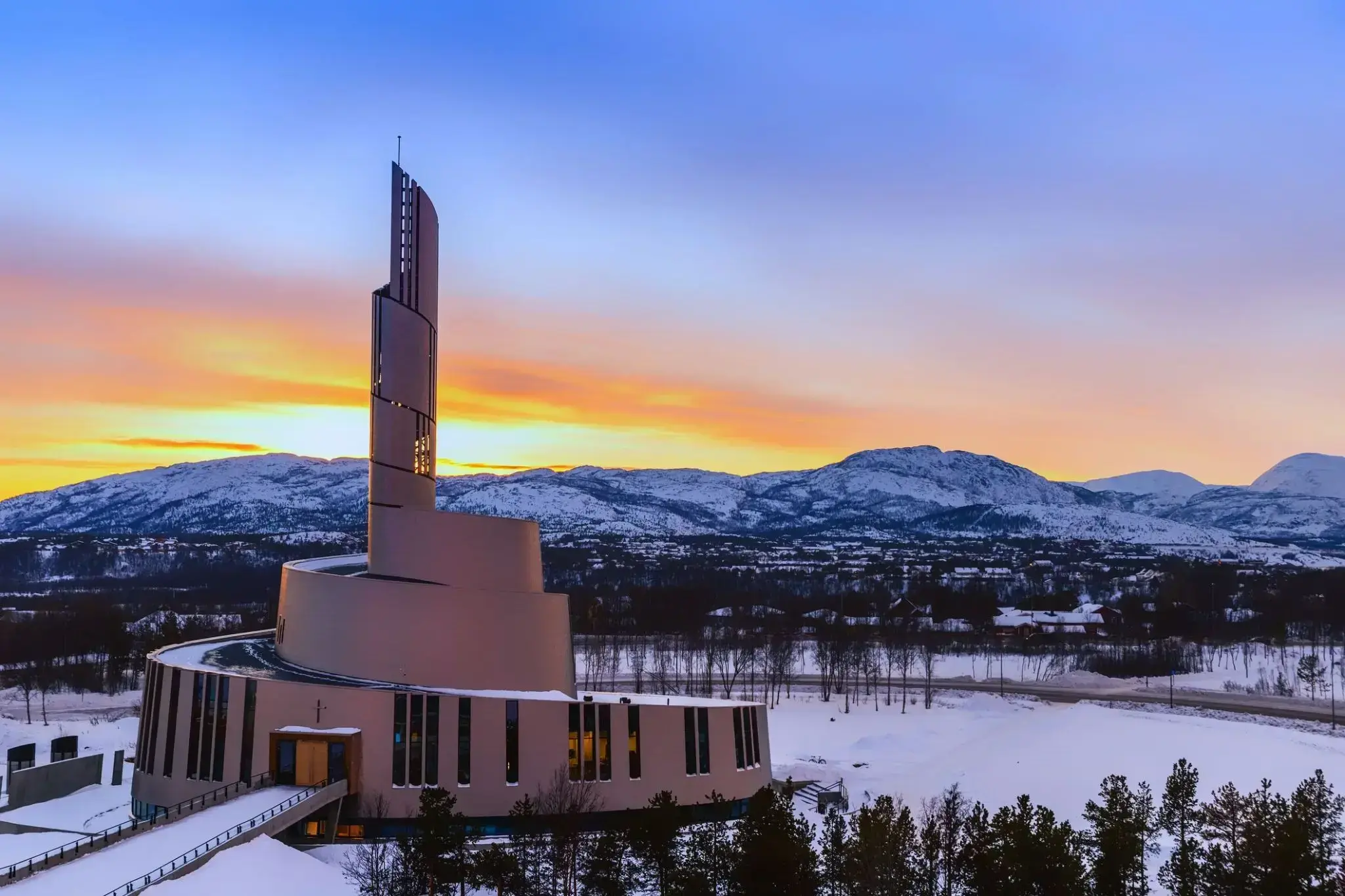
Մեծարաշուք հյուսիսի մթնոլորտում խարիսխ գտած Ալթա քաղաքը Նորվեգիայում առաջարկում է վայրի բնության, մշակութային ժառանգության և արկտիկական հանգստության յուրօրինակ համադրություն։ Ֆինմարկի շրջանում գտնվող այս քաղաքը հայտնի է իր հնագույն ժայռապատկերներով, որոնք ընդգրկված են ՅՈՒՆԵՍԿՕ-ի համաշխարհային ժառանգության ցանկում, ինչպես նաև հյուսիսափայլը դիտելու լավագույն վայրերից մեկն է երկրում։ Ալթա նաև մեկնարկային կետ է արշավների դեպի արկտիկական սարահարթ և սառցե քարանձավներով ու ձյունապատ անտառներով շրջագայությունների համար։
Ալթա ոչ միայն բնական հրաշքների վայր է, այլև ժամանակակից հյուսիսի կենտրոն, որտեղ սամի մշակույթի ավանդույթները ներդաշնակորեն միահյուսվում են նորվեգական նորարարությունների հետ։ Այստեղ կարելի է այցելել հայտնի Sorrisniva սառցե հյուրանոցը, փորձել արկտիկական ձկան ապուր կամ ձյունոտ անտառներով սահել շների սահնակով։ Տարվա ցանկացած ժամանակ քաղաքը հրավիրում է ճանապարհորդներին նորից բացահայտելու հյուսիսը՝ ջերմությամբ, հյուրընկալությամբ և անմոռանալի բևեռային արկածներով։
Honningsvåg is the northernmost city in Norway. It is located in Nordkapp Municipality in Finnmark county. Legislation effective in 1997 states that a Norwegian city/town (same word in Norwegian) must have at least 5,000 inhabitants, but Honningsvåg was declared a city in 1996, thus exempt from this legislation, so it is also one of the smallest cities in Norway. The 1.05-square-kilometre (260-acre) town has a population (2017) of 2,484 which gives the town a population density of 2,366 inhabitants per square kilometre (6,130/sq mi).
Honningsvåg is situated at a bay on the southeastern side of the large island of Magerøya, while the famous North Cape and its visitor center is on the northern side of the island. Honningsvåg is a port of call for cruise ships, especially in the summer months. The ice-free ocean (southwestern part of the Barents Sea) provides rich fisheries and tourism is also important to the town. Even at 71°N, many private gardens in Honningsvåg have trees, although rarely more than 3 to 4 metres (9.8 to 13.1 ft) tall.
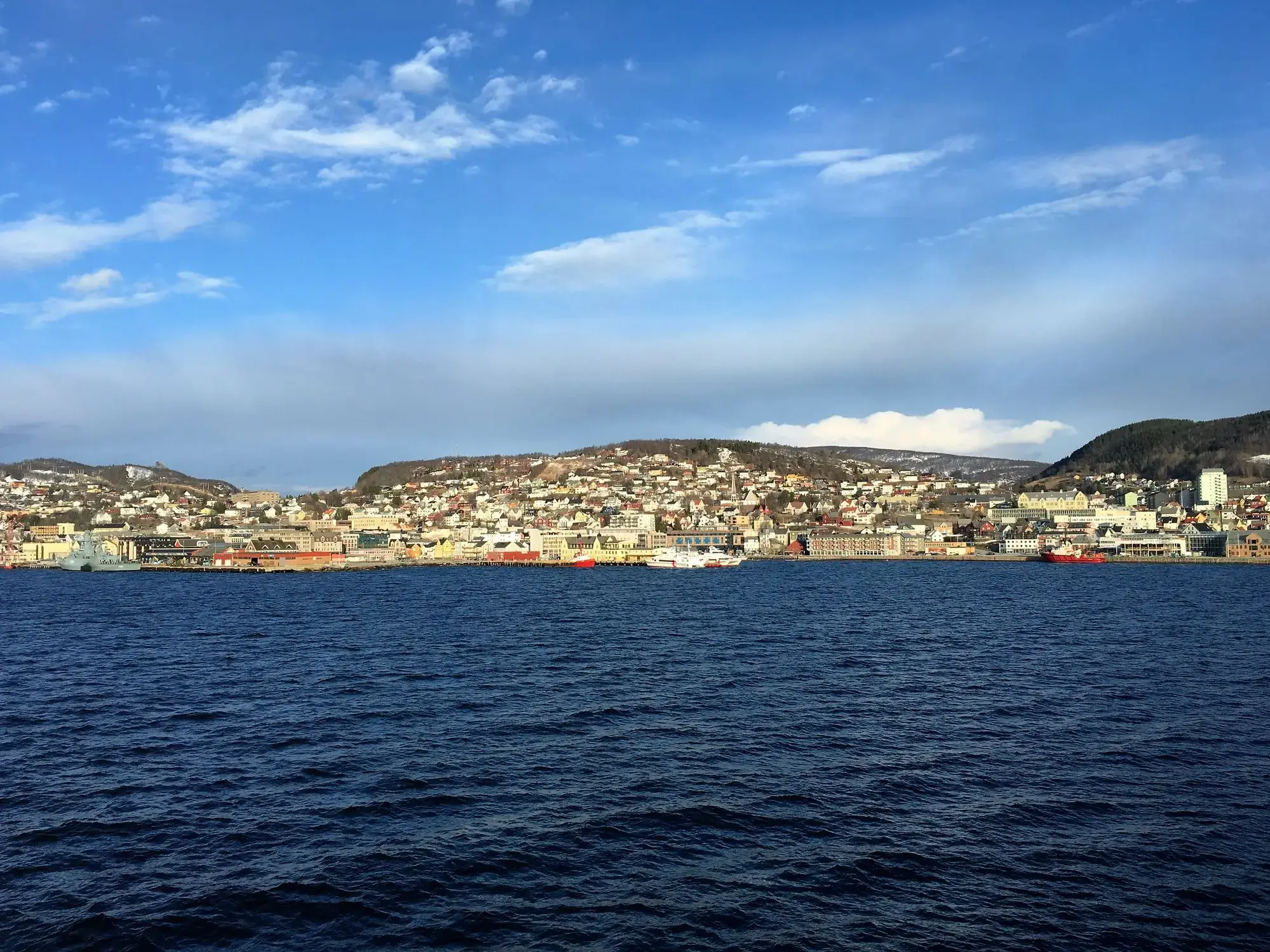
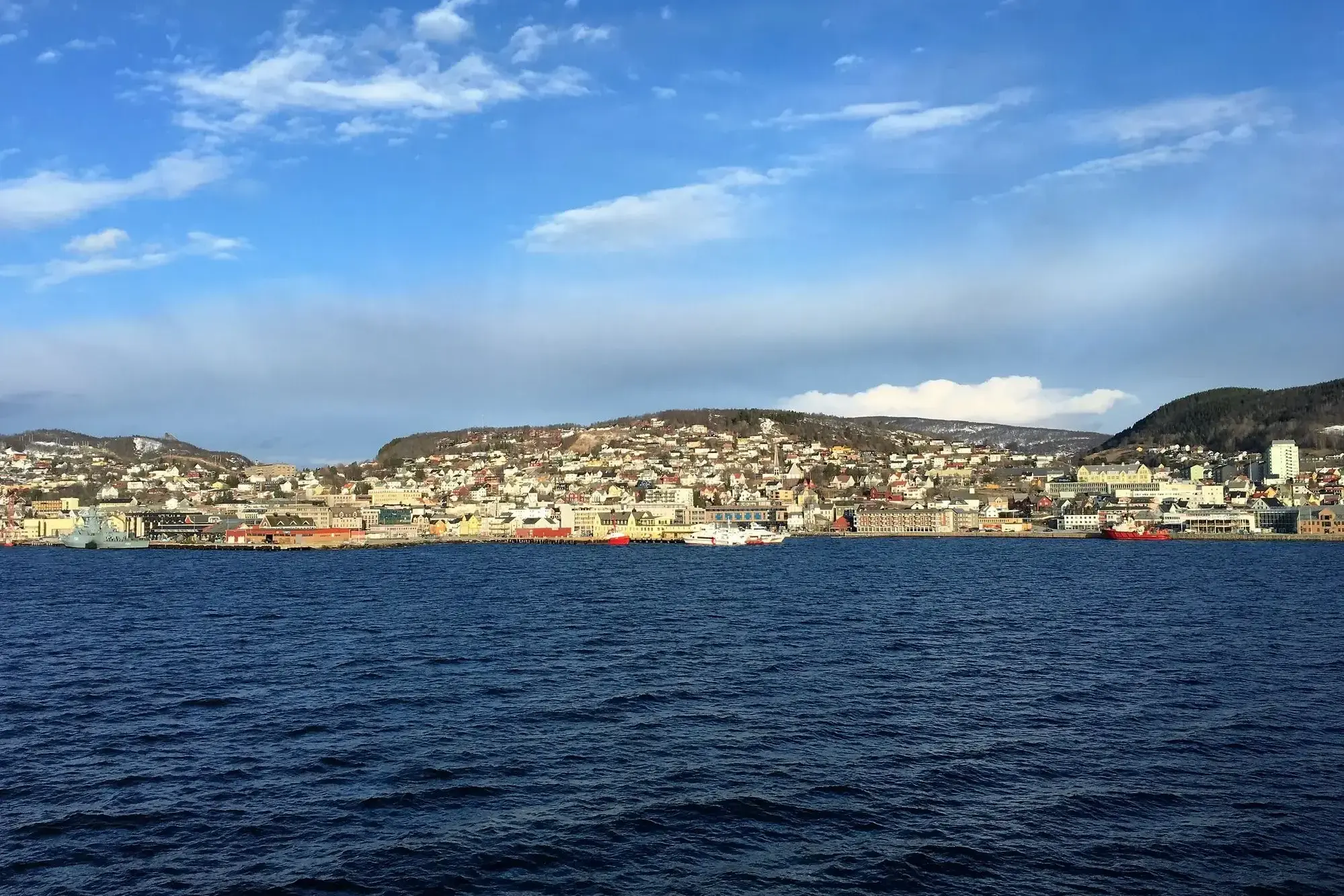
Ֆյորդերի և կանաչ բլուրների միջև, Harstad-ը Հյուսիսային Նորվեգիայում ուրախացնում է այցելուներին հարմարավետ քաղաքային մթնոլորտով և տպավորիչ բևեռային տեսարաններով: Քաղաքը հայտնի է որպես «Հյուսիսային Նորվեգիայի երաժշտական մայրաքաղաք» շնորհիվ ամենամյա Հյուսիսային Նորվեգիայի փառատոնի, որն իր երաժշտությամբ և ստեղծագործական էներգիայով լցնում է փողոցները: Այստեղ կարելի է քայլել գեղեցիկ ծովափնյա գծով, հիանալ նավահանգստում գտնվող ձկնորսական նավերով և վայելել ֆյորդերի տեսարանը, որտեղ հաճախ կարելի է տեսնել ծովային արծիվների:
Harstad այցելողները կարող են բացահայտել հյուսիսային ափերը՝ գնալով ծովային կռուիզի կամ կանոյով շրջագայության, որպեսզի իսկապես զգան բնության հետ կապը: Մոտակայքում գտնվում է Տրոնդելագի պատմական կենտրոնը, ինչպես նաև Հյուսիսային Նորվեգիայի ամենահին եկեղեցու՝ Տրոնդենեսի ավերակները, որտեղ կարելի է դիպչել վիկինգների պատմությանը: Այս վայրը պարգևում է հանգիստ, ոգեշնչում և Հյուսիսային Նորվեգիայի բևեռային գեղեցկությունը:
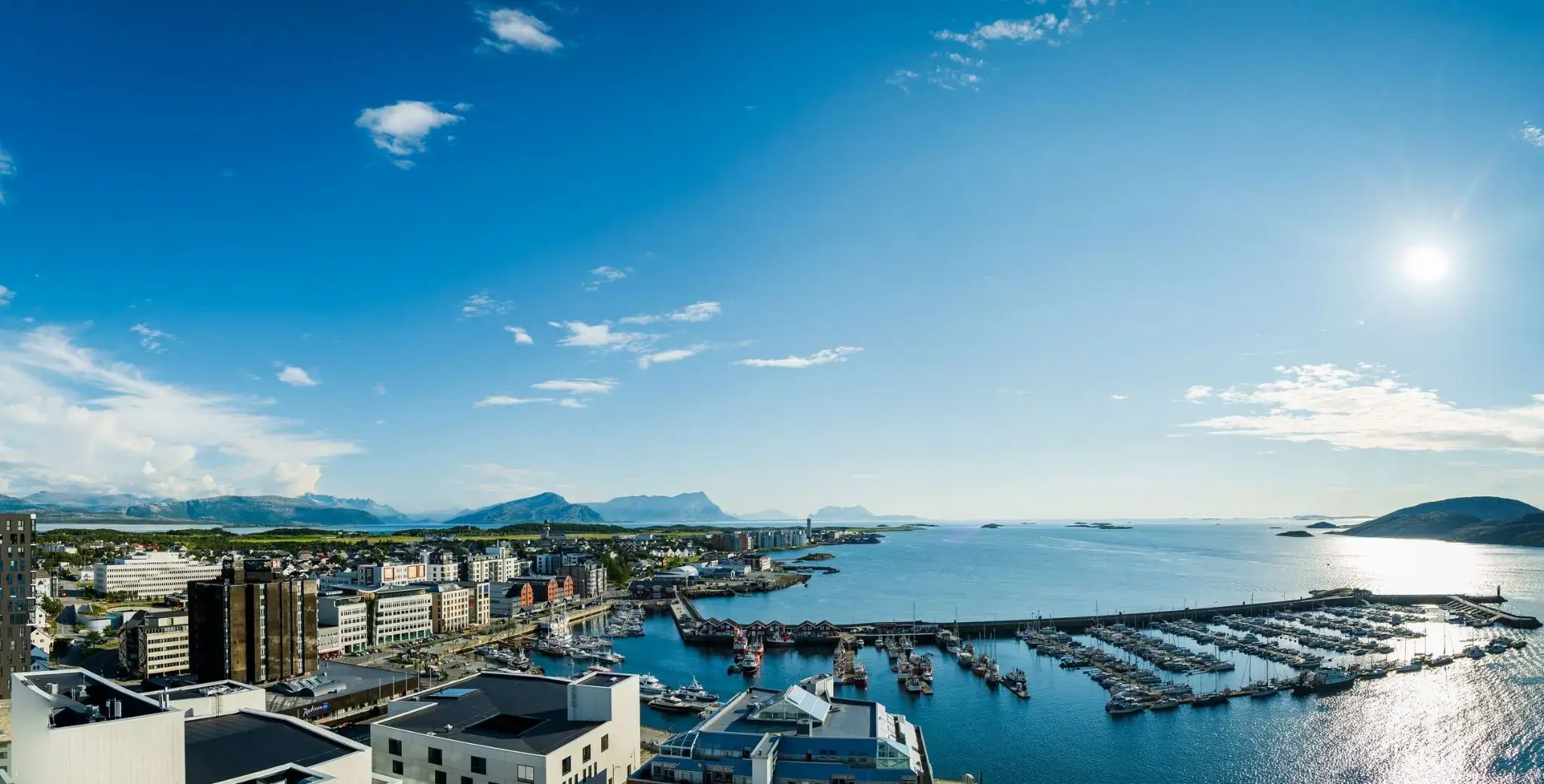
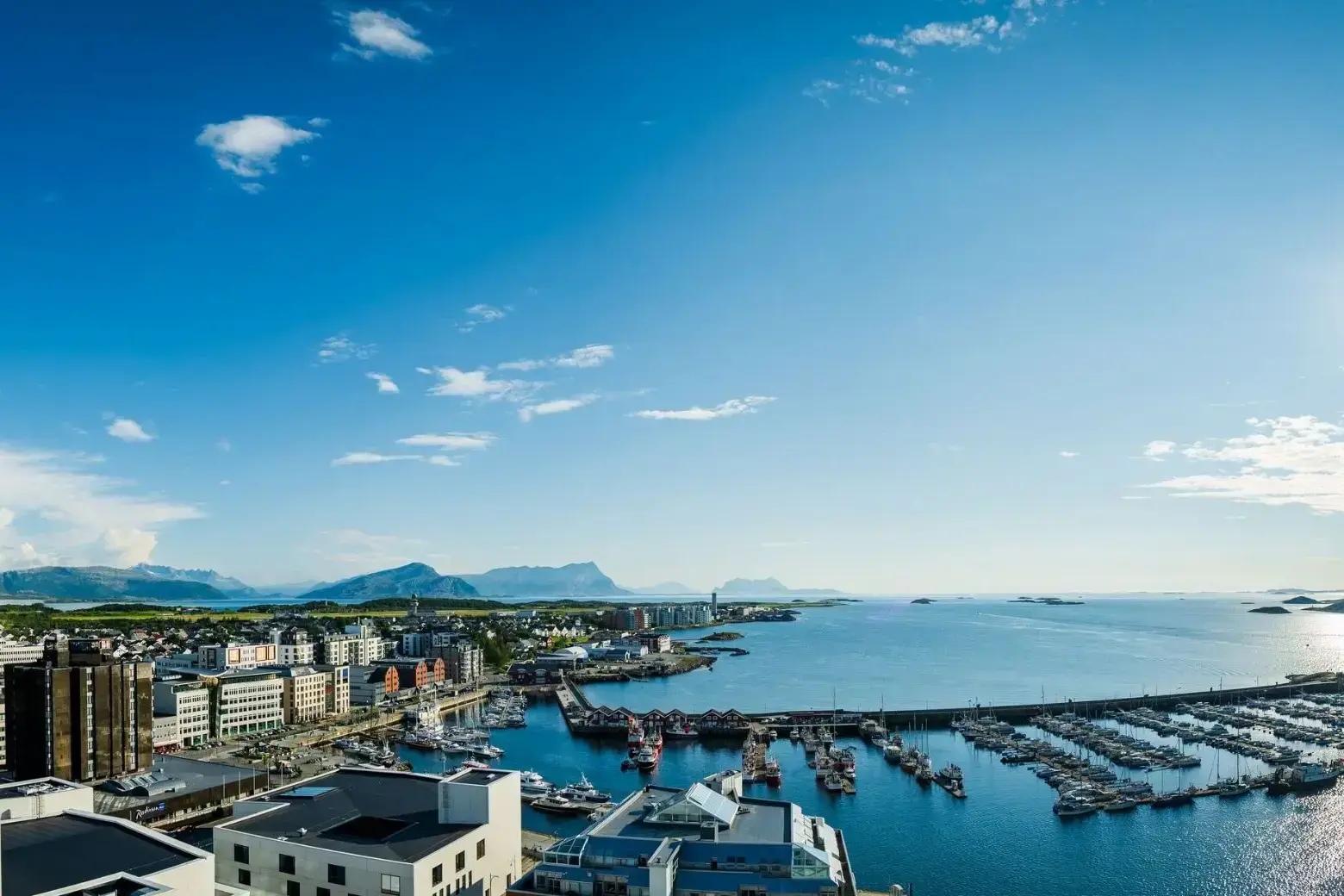
Հյուսիսային Նորվեգիայի գեղեցիկ ծովափին տեղակայված այս քաղաքը գրավում է ճանապարհորդներին իր եզակի բնությամբ և աշխույժ մշակութային կյանքով։ Bodø-ն կարևոր նավահանգիստ է և դեպի Արկտիկա ճանապարհի շեմ, որտեղ այցելուները կարող են վայելել Ֆյորդերի և լեռների տեսարանները, ինչպես նաև տեսնել բնական երևույթներից ամենահետաքրքիրներից մեկը՝ հյուսիսային լուսարձակումը։
Bodø-ում յուրաքանչյուրն իր համար ինչ-որ բան կգտնի՝ բացօթյա գործունեություններից՝ հետիոտն զբոսանքներ, ձկնորսություն և նավարկություն, մինչև տեղական պատմության ուսումնասիրություն թանգարաններում և ժամանակակից արվեստի տարածքներում։ Քաղաքը նաև հայտնի է Սալտֆյելլետ բնության պահպանվող տարածքի և Ռոնդանի ազգային պարկի մոտակայքով, ինչը այն դարձնում է հիանալի սկզբնակետ հյուսիսային տեսարանների ուսումնասիրության համար։
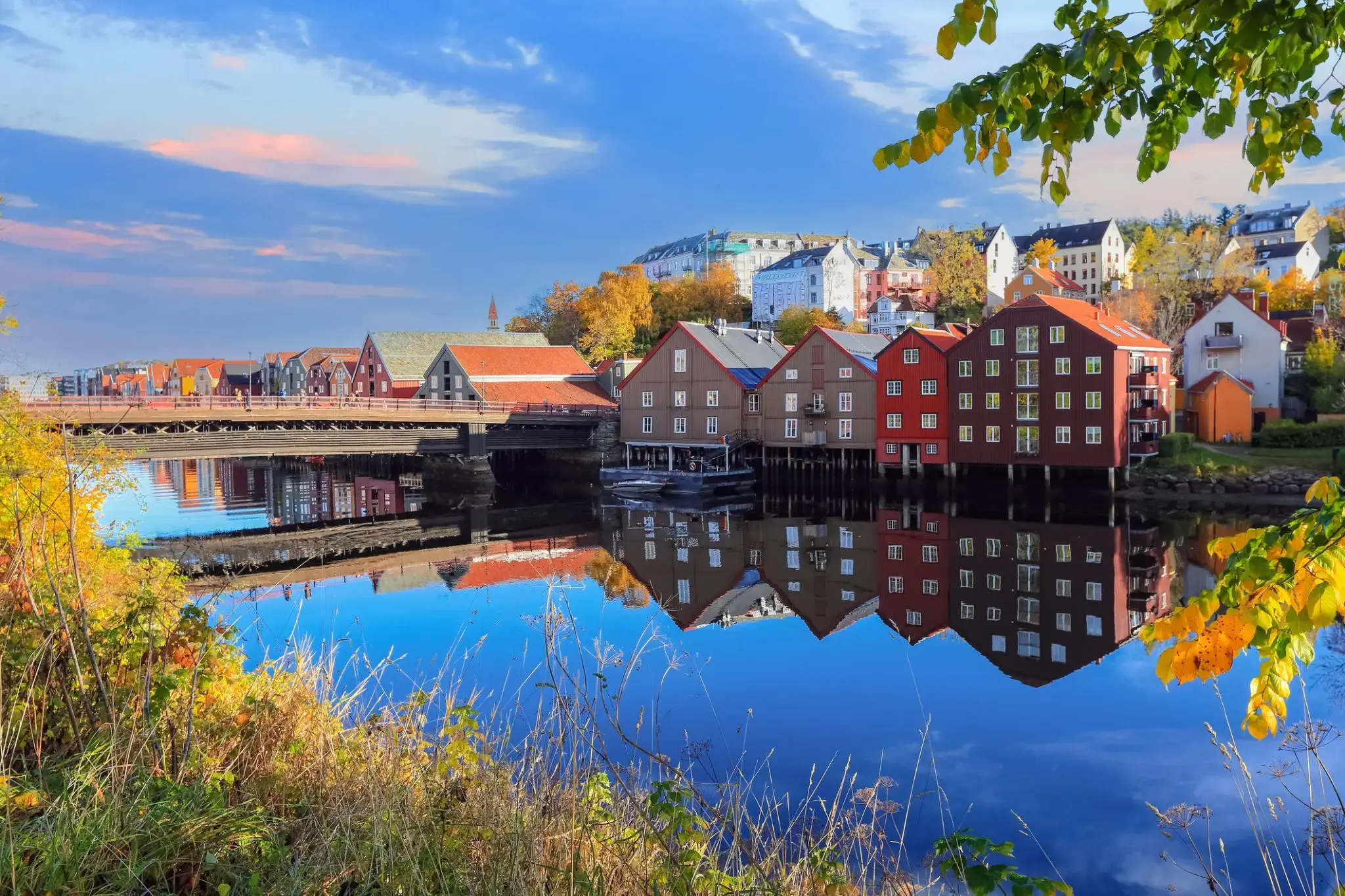
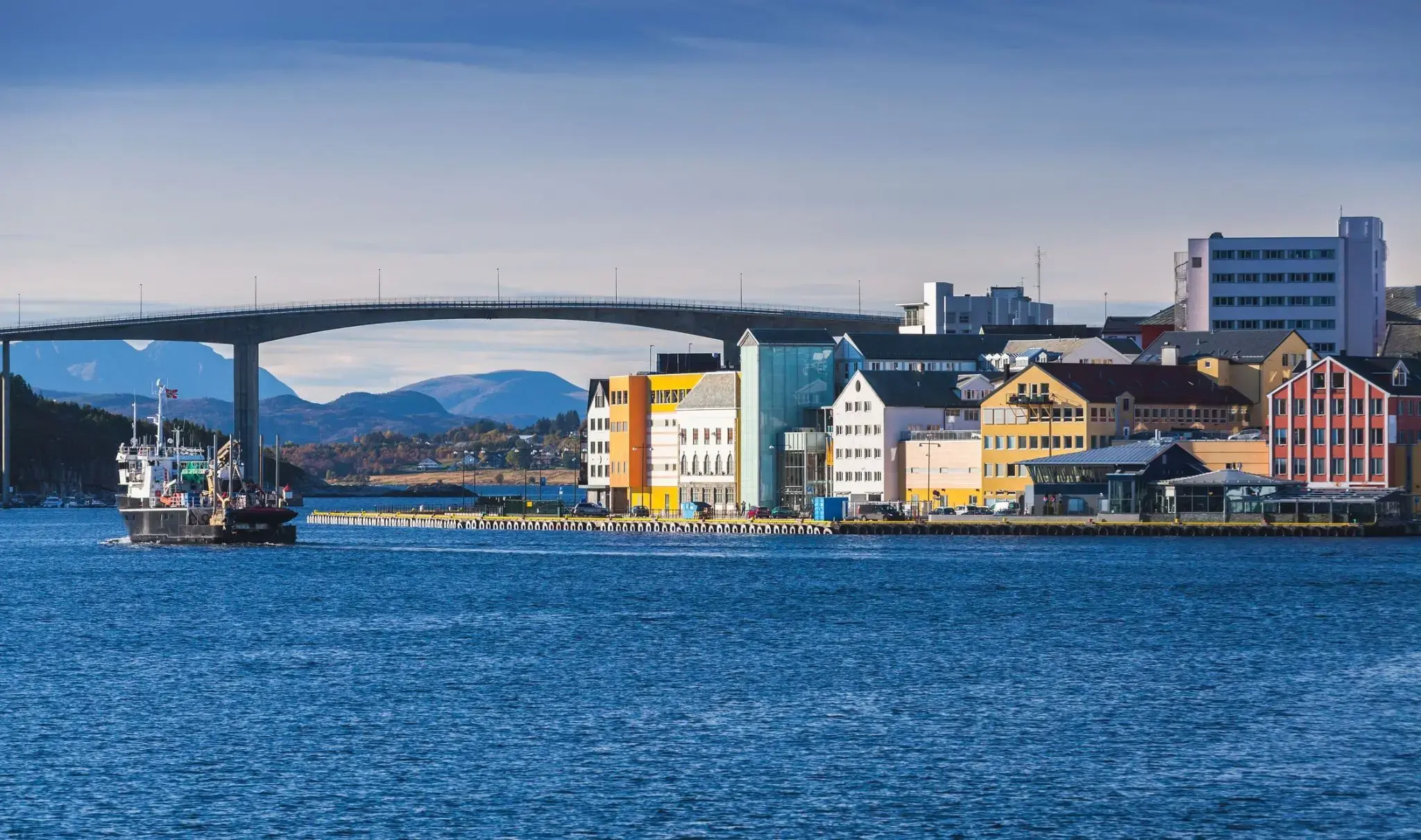
Նորվեգիայի ամենահարավային ափը հրավիրում է ձեզ այցելելու հրաշալի Կրիստիանսանդ քաղաքը։ Այս հիասքանչ քաղաքը երեք կողմերից շրջապատված է ծովով։ Սա երկրի հինգերորդ ամենամեծ քաղաքն է, և, չնայած նրա կենտրոնը զբաղեցնում է ընդամենը 1 կմ² տարածք, Կրիստիանսանդ ունի շատ բան առաջարկելու իր հյուրերին։ Խոսքը միայն չափազանց մաքուր նորվեգական օդի մասին չէ, այլ նաև բազմաթիվ հետաքրքիր տեսարժան վայրերի մասին։
Դրանց թվում է Նորվեգիայի ամենամեծ կենդանաբանական այգին, որտեղ բնակվում է 80 տեսակի կենդանի։ Այցելությունը այստեղ կուրախացնի և երեխաներին, և մեծերին։ Կարող եք նստել կարուսելների վրա, անկեղծ ծիծաղել կրկեսում, ինչպես նաև ամբողջ ընտանիքով գնալ ծովային զբոսանքի կամ խաղահրապարակում անցկացնել ժամանակը։
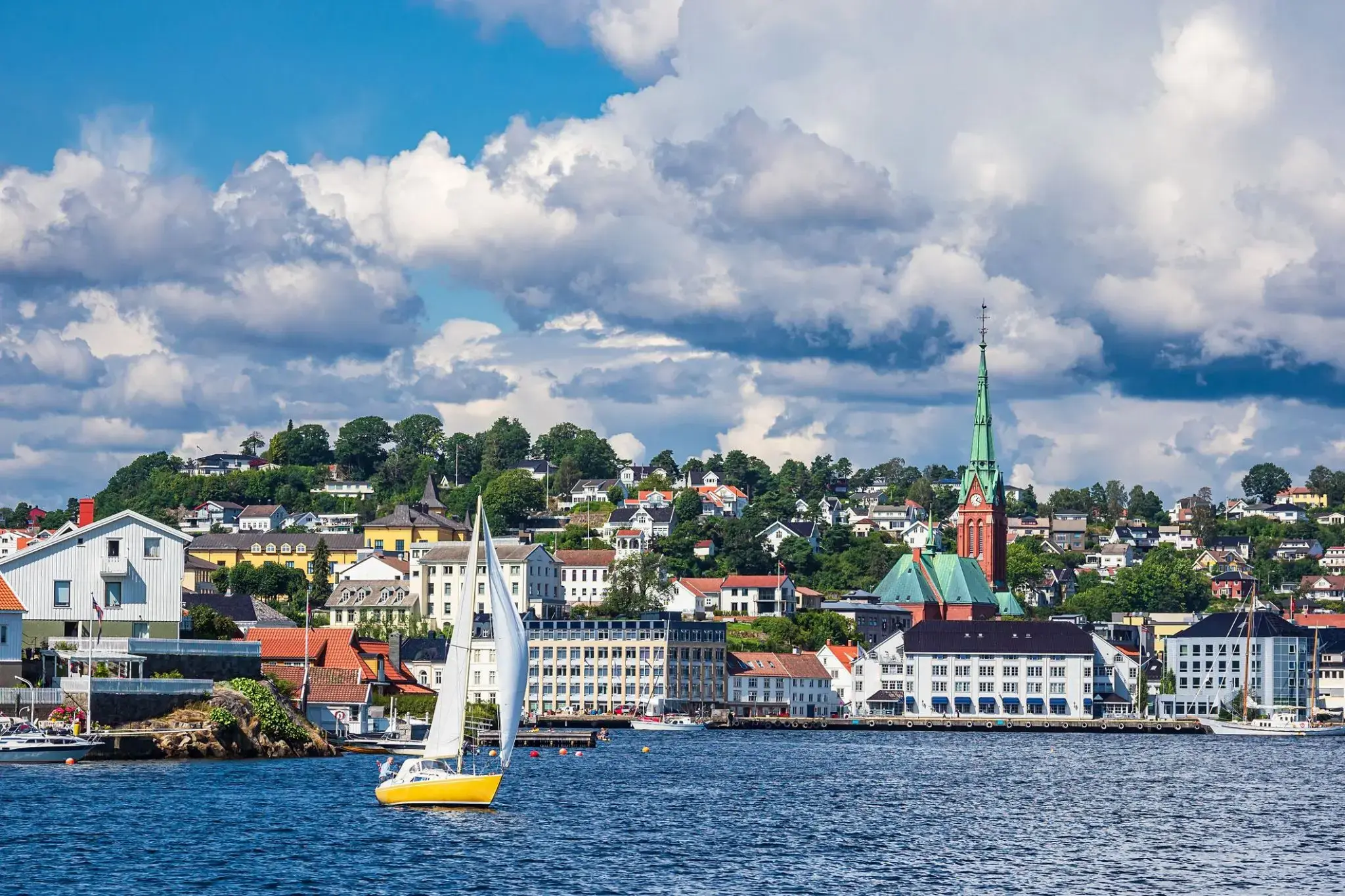
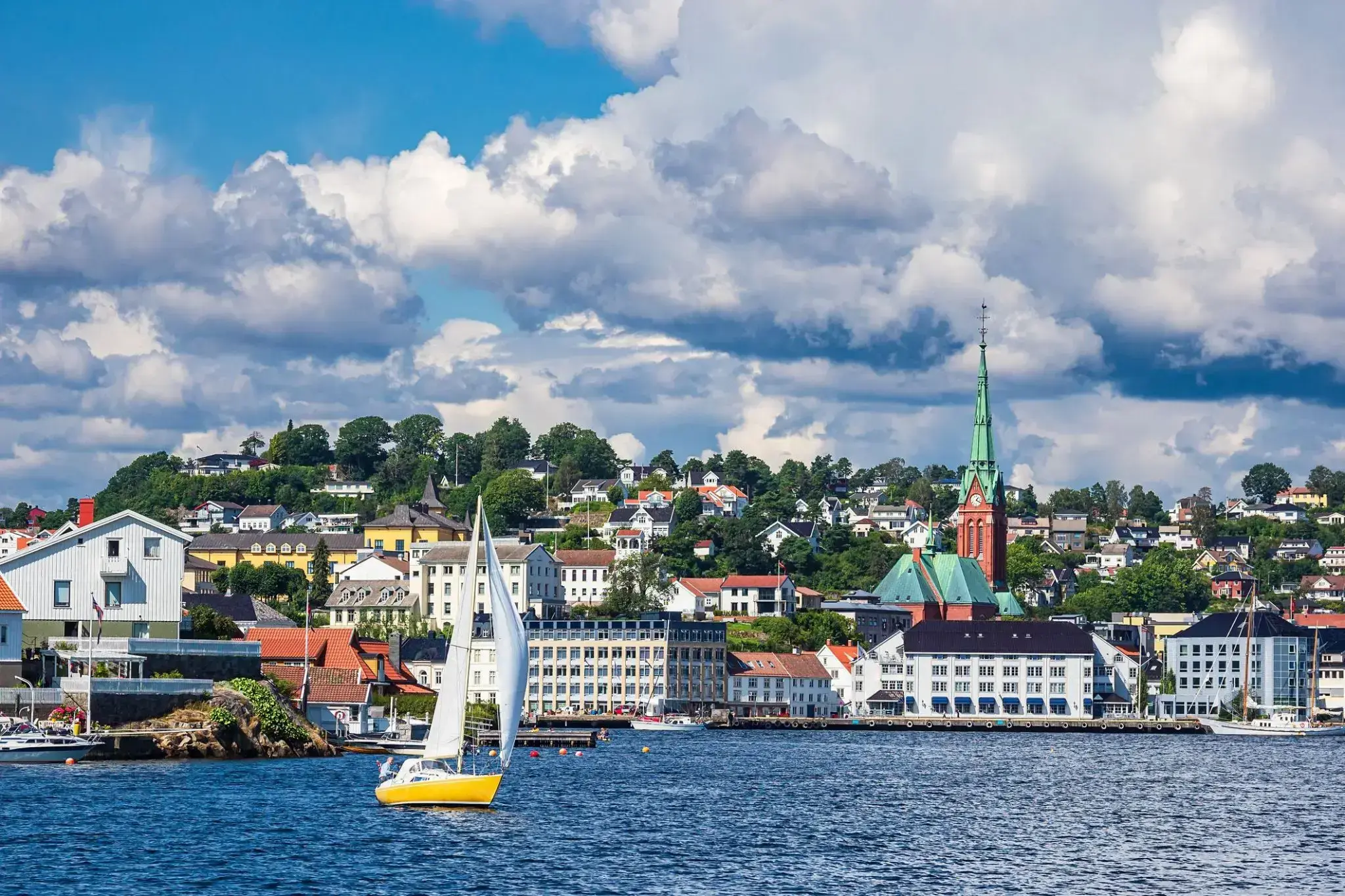
Նորվեգիայի հարավային ծովափին հարմարավետորեն տեղակայված, Արենդալը գրավում է իր ծովային հմայքով և պատմական սկանդինավյան ճաշակով: Այս հրաշալի նավահանգիստ քաղաքը, իր գունագեղ փայտե տներով և նեղ փողոցներով, իդեալական է հանգիստ զբոսանքների և նորվեգական կյանքի ոճի հետ ծանոթանալու համար: Տրեֆոլդիգետեն շրջանը, որը պատկանում է քաղաքի ամենահին բնակելի տարածքներին, ունի XVIII դարից պահպանված շենքեր:
Արենդալը նաև գրավում է իր ծովային փառատոններով, թանգարաններով և մոտակա կղզիների արշավներով նավով: Ամռանը քաղաքը կյանքի է վերադառնում՝ յախտներ, բացօթյա սրճարաններ և բացօթյա ցուցադրություններ ստեղծում են ջերմ և հյուրընկալ մթնոլորտ: Այստեղ բնությունը, պատմությունը և արդի կյանքը ներդաշնակորեն միավորվում են՝ զբոսաշրջիկներին առաջարկելով իսկական մշակութային փորձառություն:
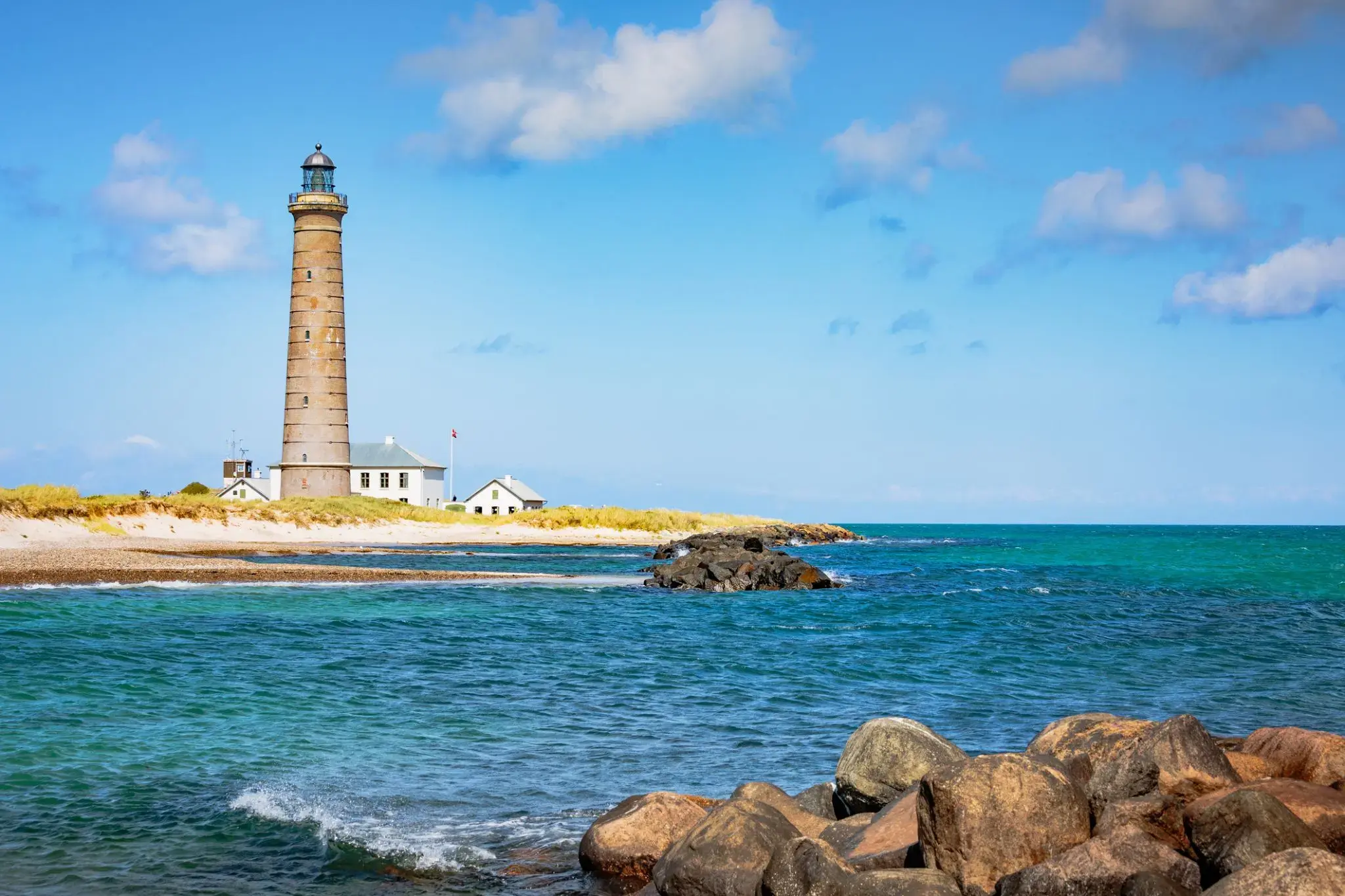
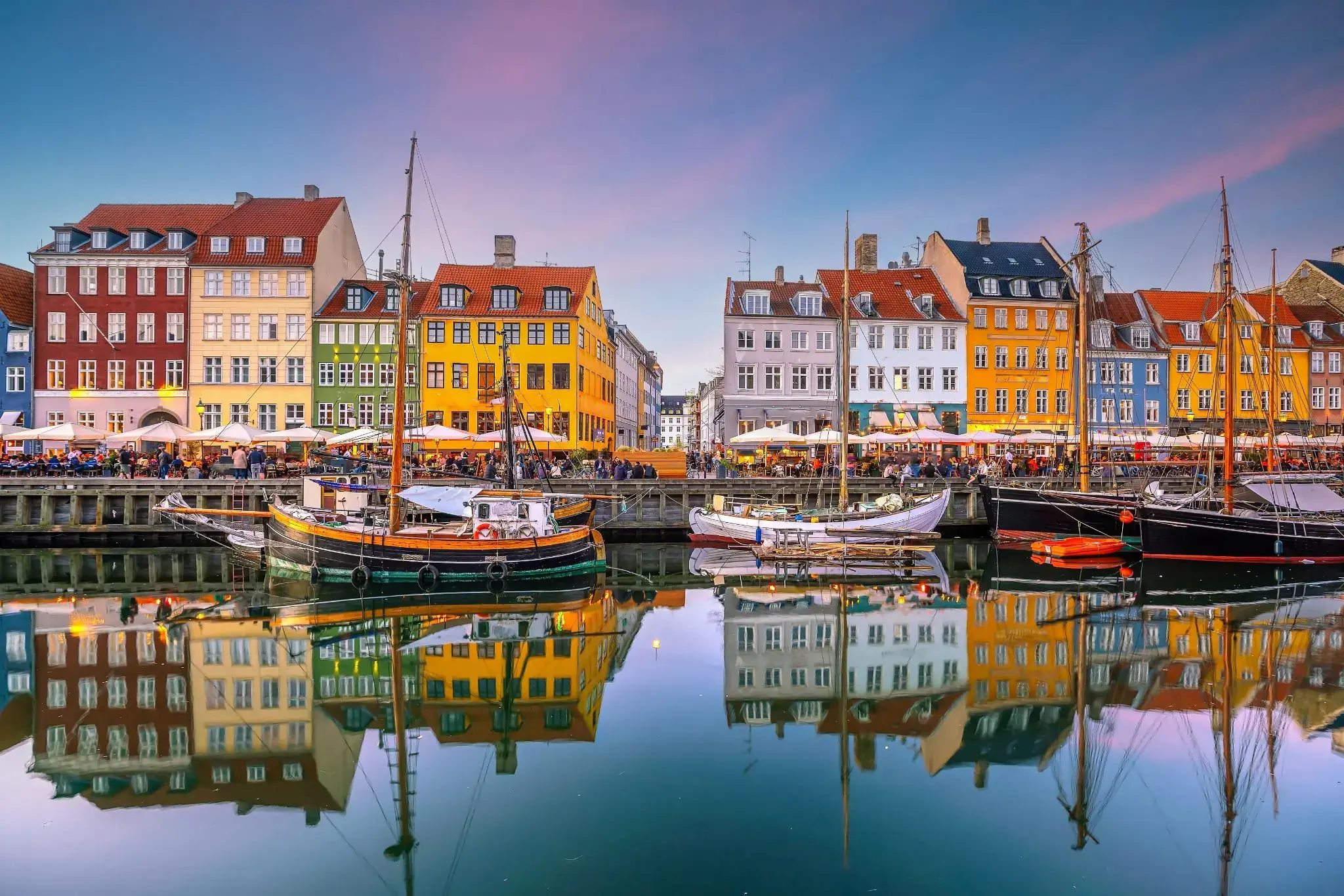
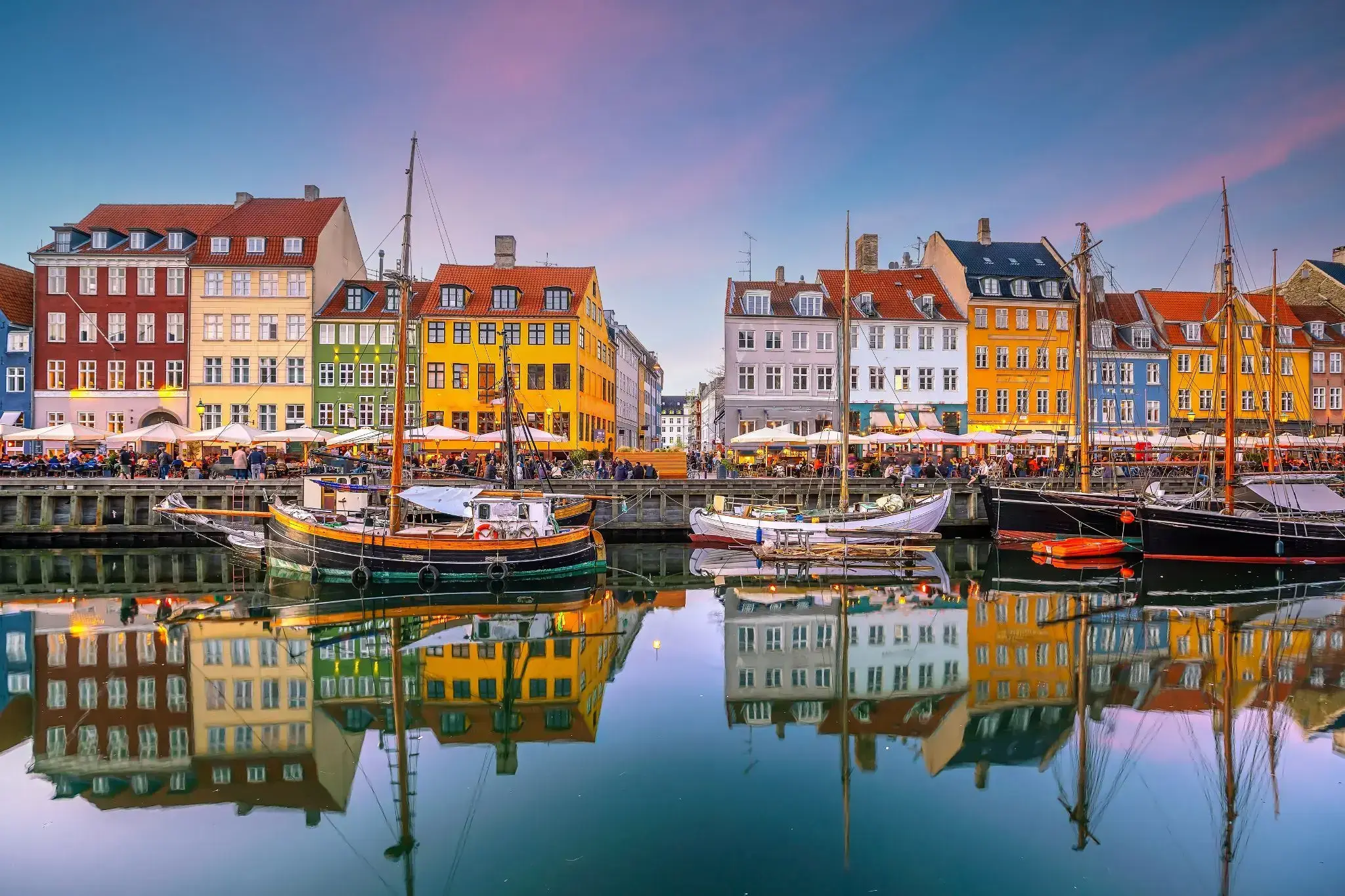
the capital and chief port of Denmark, a city that occupies the eastern part of Zealand and northern part of the island of Amager; population 518,574 (2009).
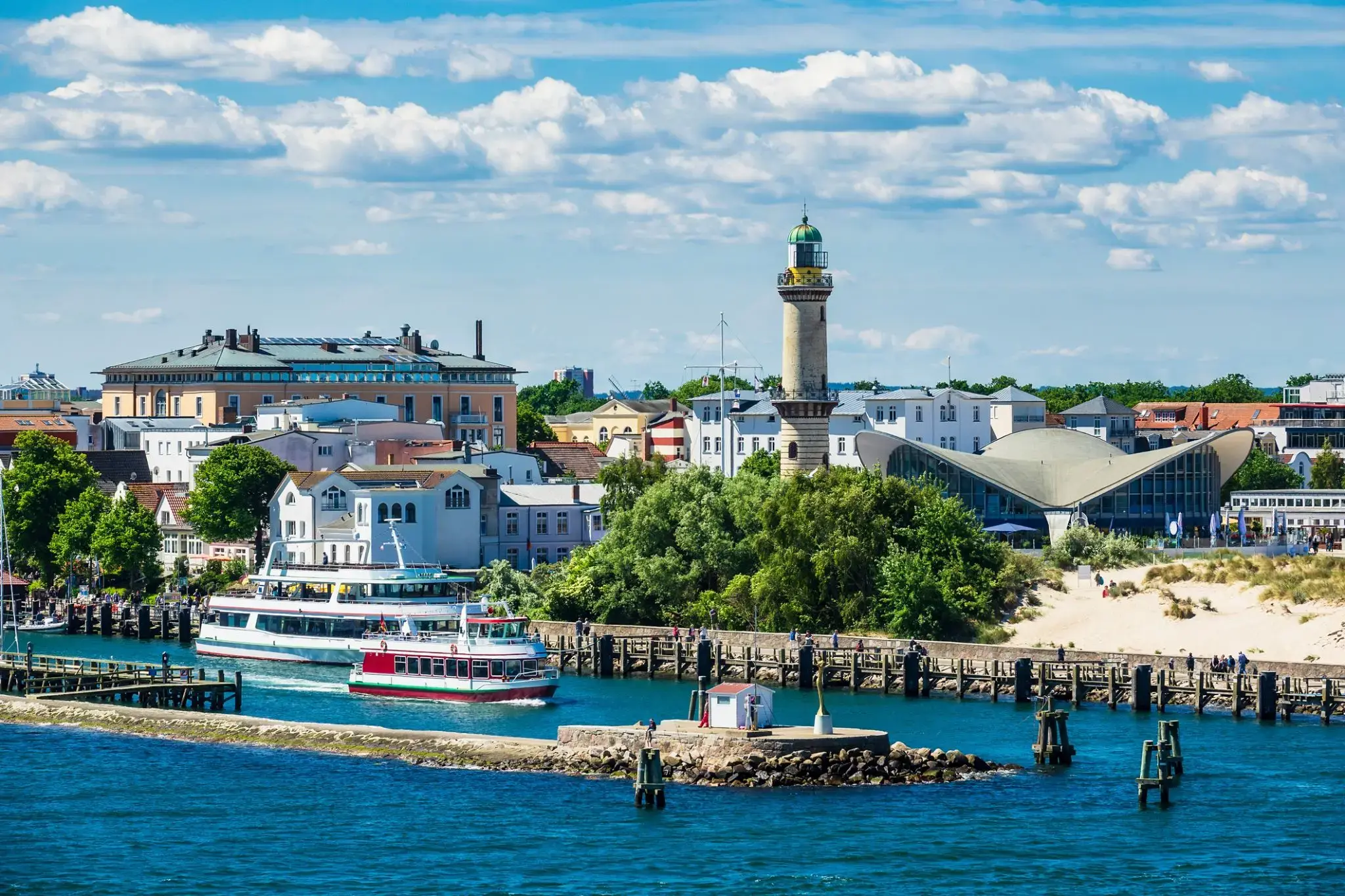
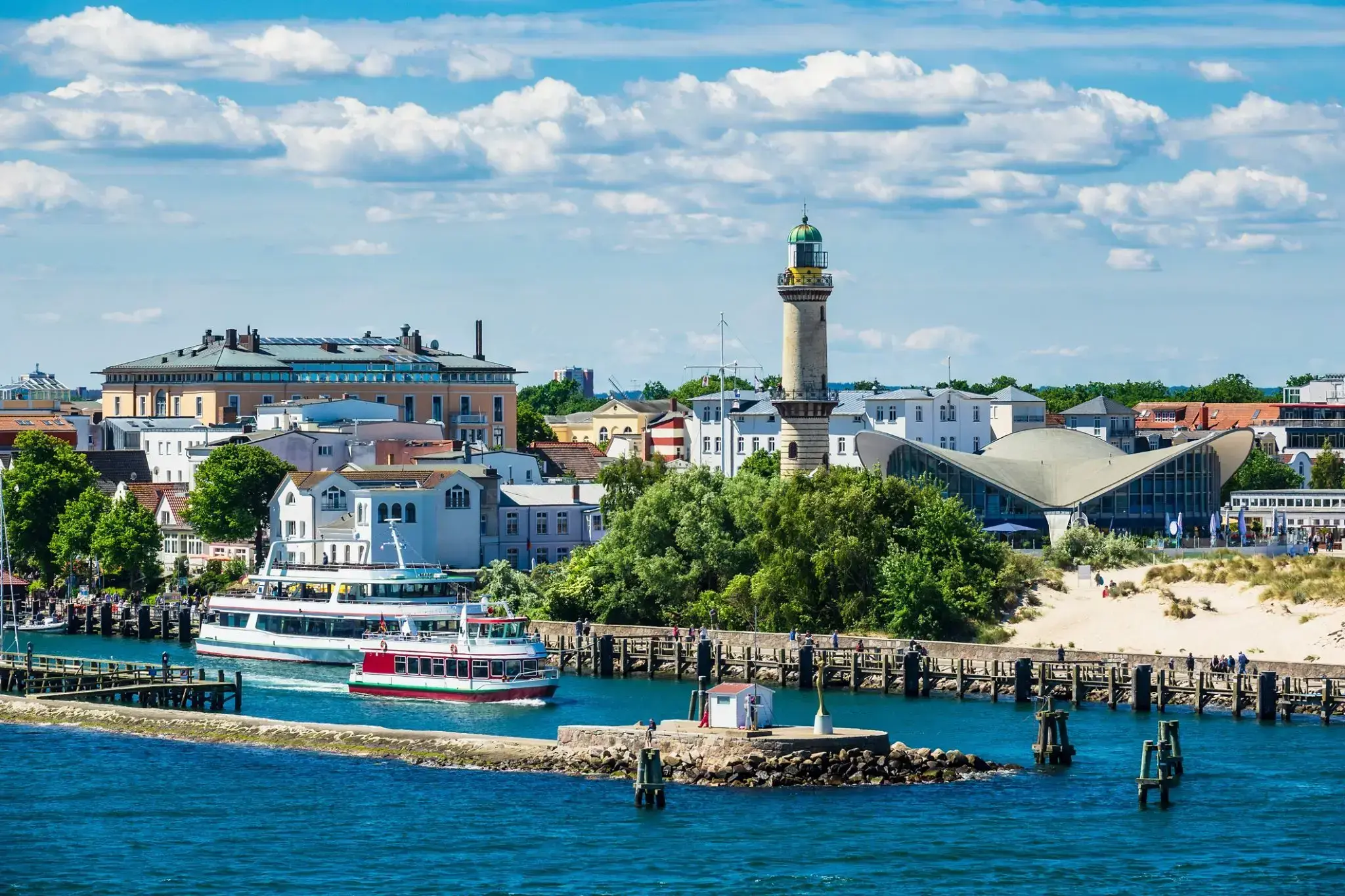
Baltic Sea resort in the northern part of the city of Rostock. The area was named along the Varnov River, which flows into the Baltic Sea here. The sandy beach is Germany's largest Baltic beach.
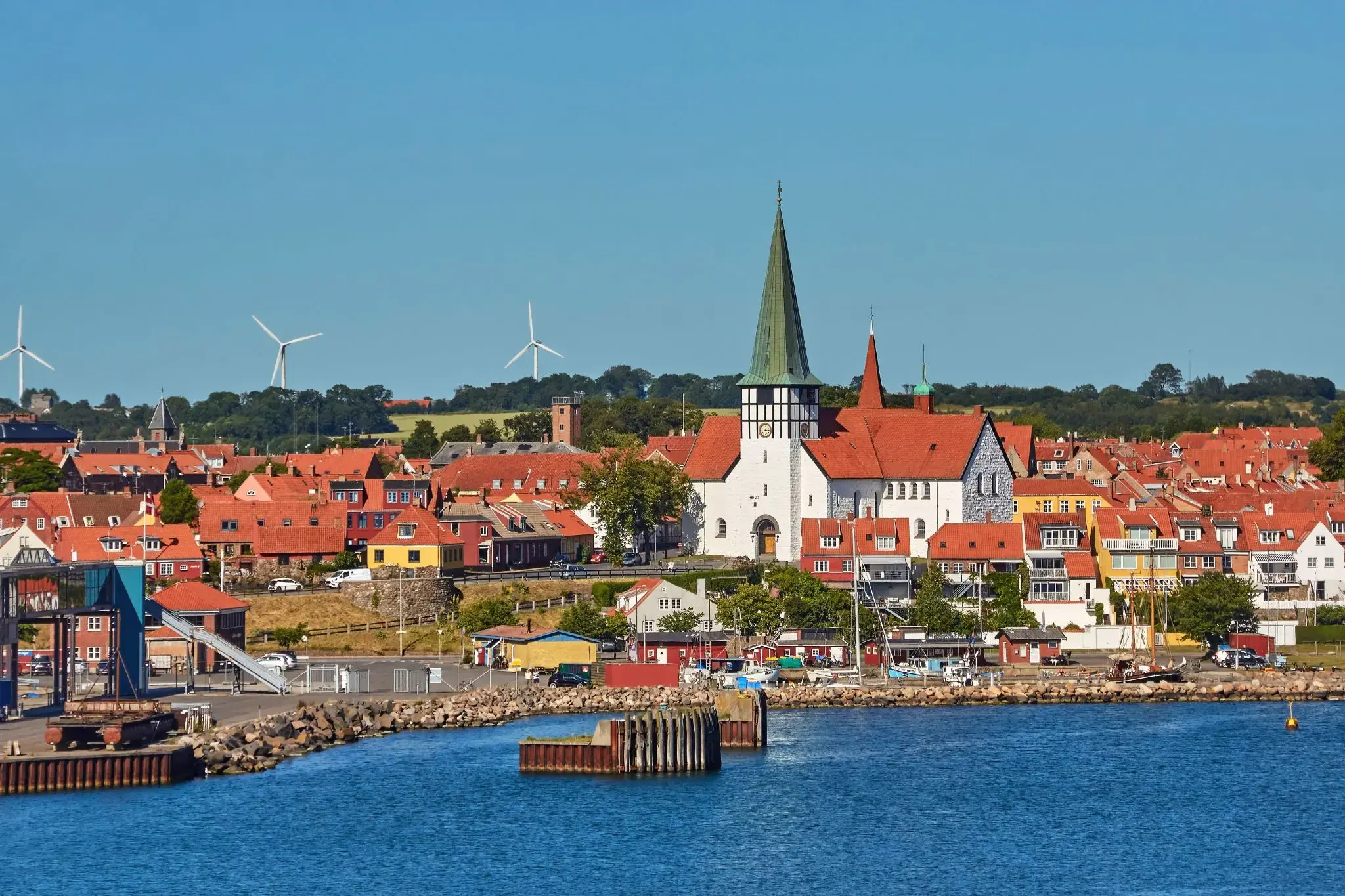
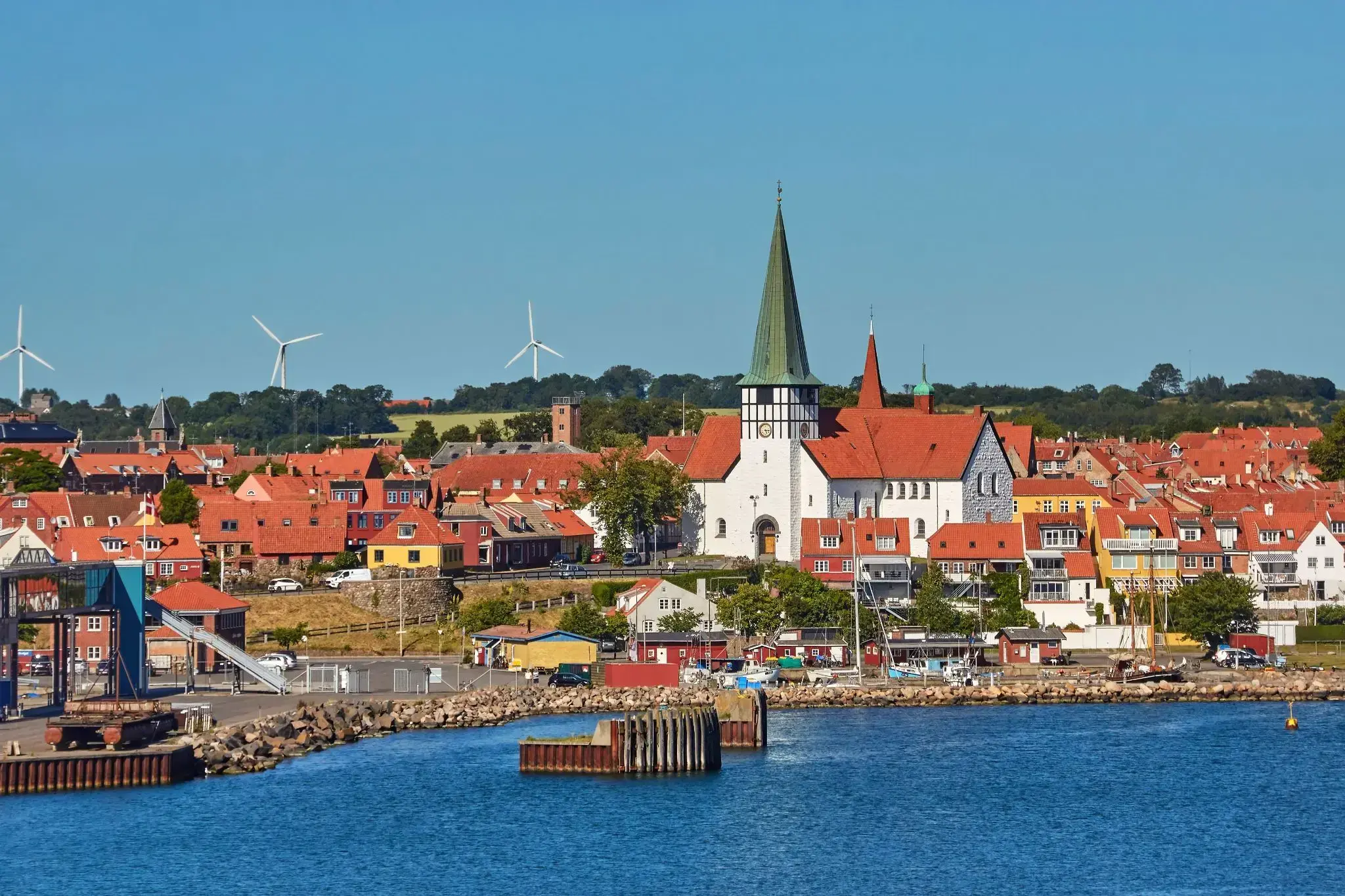
Լուռ փողոցներն իրենց կիսափայտյա տներով Ռեննե-ն դարձնում են հարմարավետ անկյուն Դանիայի Բորնհոլմ կղզում, որտեղ յուրաքանչյուր քայլ լցված է ծովի բույրով և տեղական հացաթխման վայրերից եկող թարմ հացի հոտով։ Քաղաքը հայտնի է իր կերամիկայի և ապակու արվեստանոցներով, ինչպես նաև ձկնորսական նավահանգստի հարմարավետ մթնոլորտով, որտեղ կարելի է համտեսել թարմ ծխեցված ծովախեցգետին և հետևել, թե ինչպես են նավերը դանդաղ մտնում նավահանգիստ։ Այստեղ ժամանակը կարծես դանդաղում է, հնարավորություն տալով վայելել զբոսանքները հին քաղաքի կաղապարված փողոցներով և գեղատեսիլ տներով, որոնք պահպանում են իրենց XVIII դարի հմայքը։
Ռեննե-ում ճանապարհորդներին սպասում է հանգիստ և խաղաղ հանգիստ՝ դանիական հարմարավետության և կղզու ստեղծագործական ոգու ներքո։ Բորնհոլմի թանգարանը բացահայտում է կղզու պատմությունը և ծովային ավանդույթները, իսկ ափամերձ զբոսանքները ցույց են տալիս ժայռոտ ափերը և մաքուր լողափերը, որոնք ողջ տարվա ընթացքում հրավիրում են հանգստի։ Այս քաղաքը իդեալական վայր է նրանց համար, ովքեր ցանկանում են զգալ իսկական Դանիան, շնչել ծովի օդը և բացահայտել Բորնհոլմի ջերմ հյուրընկալությունը։
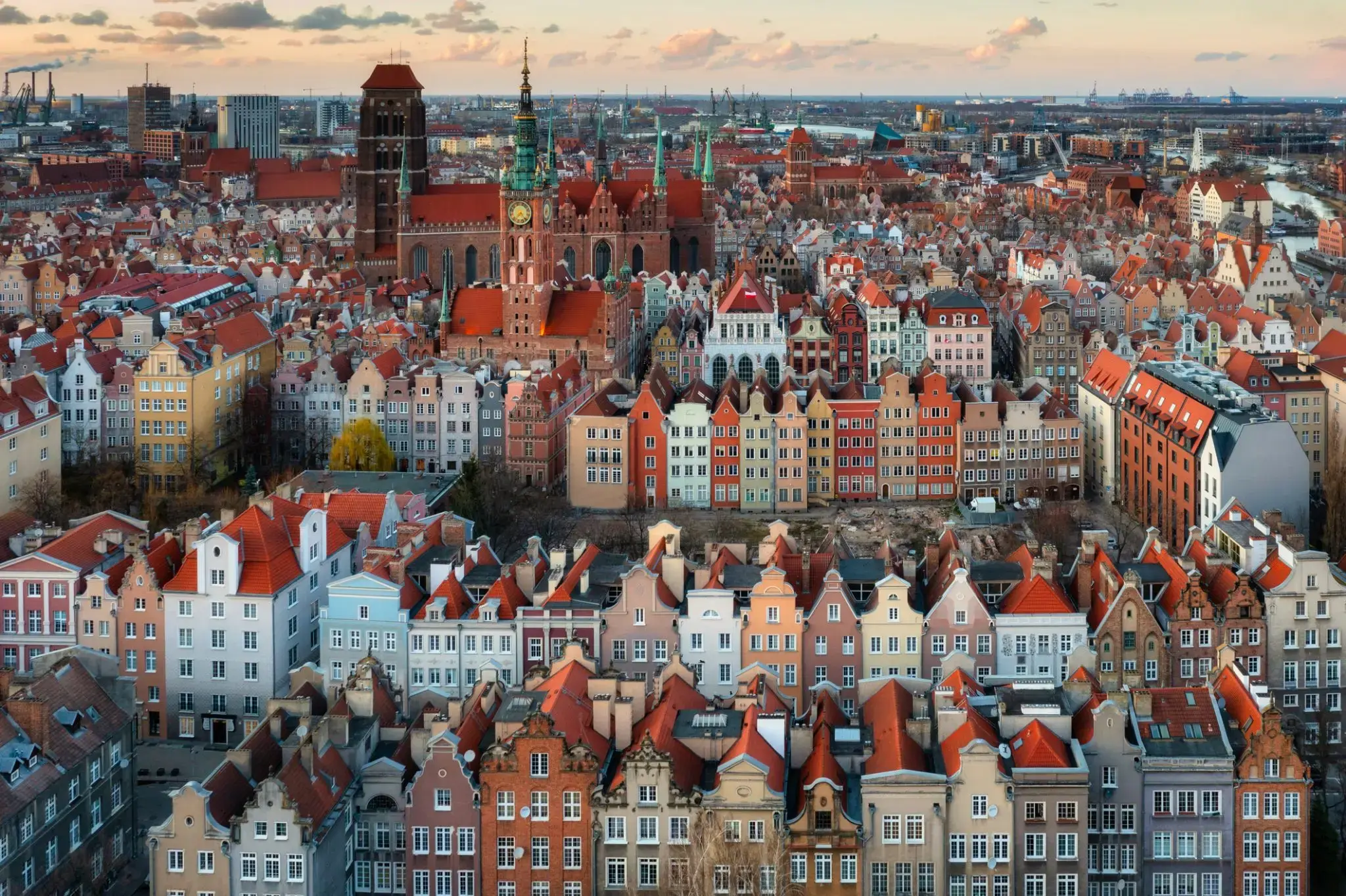
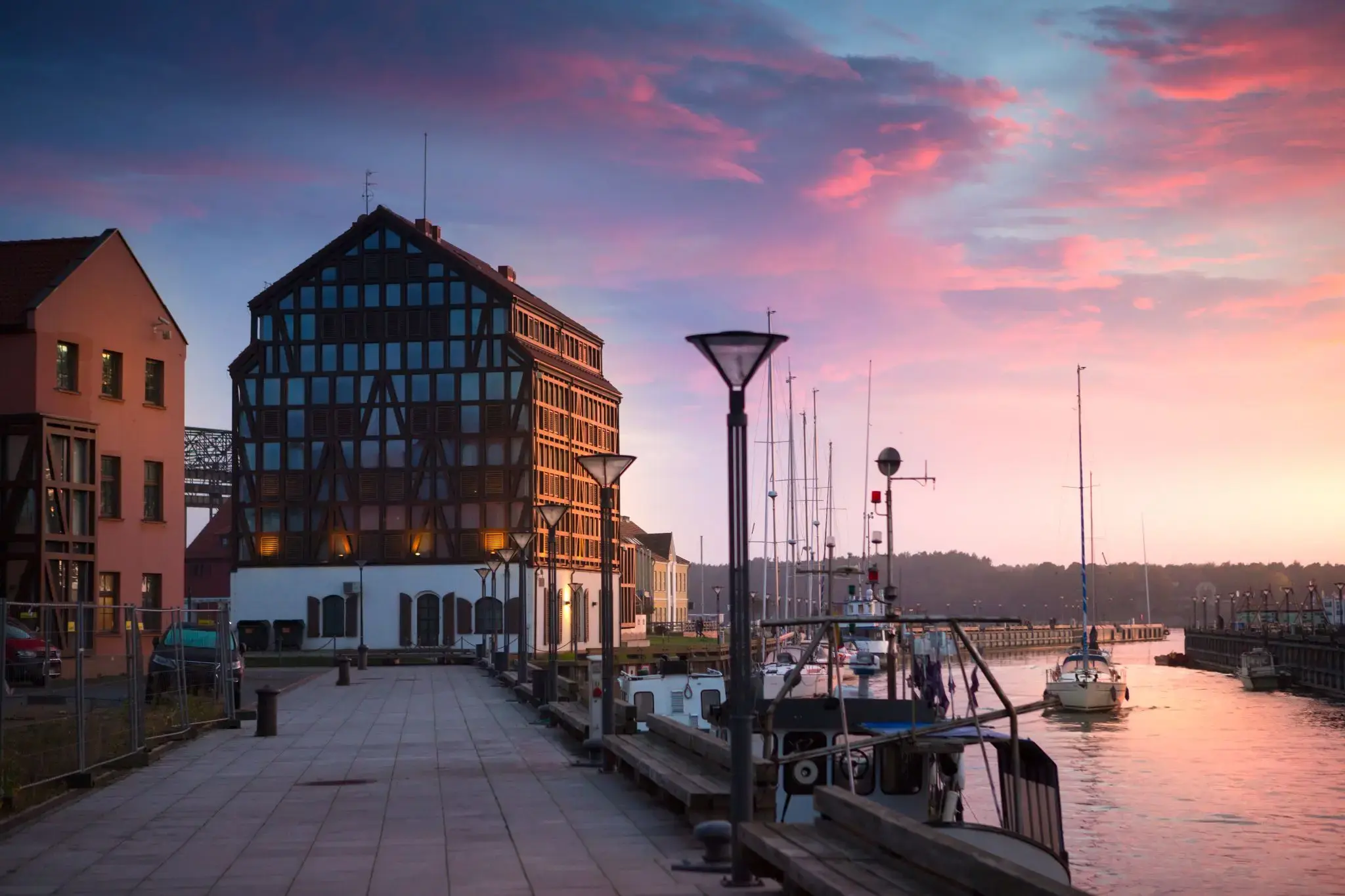
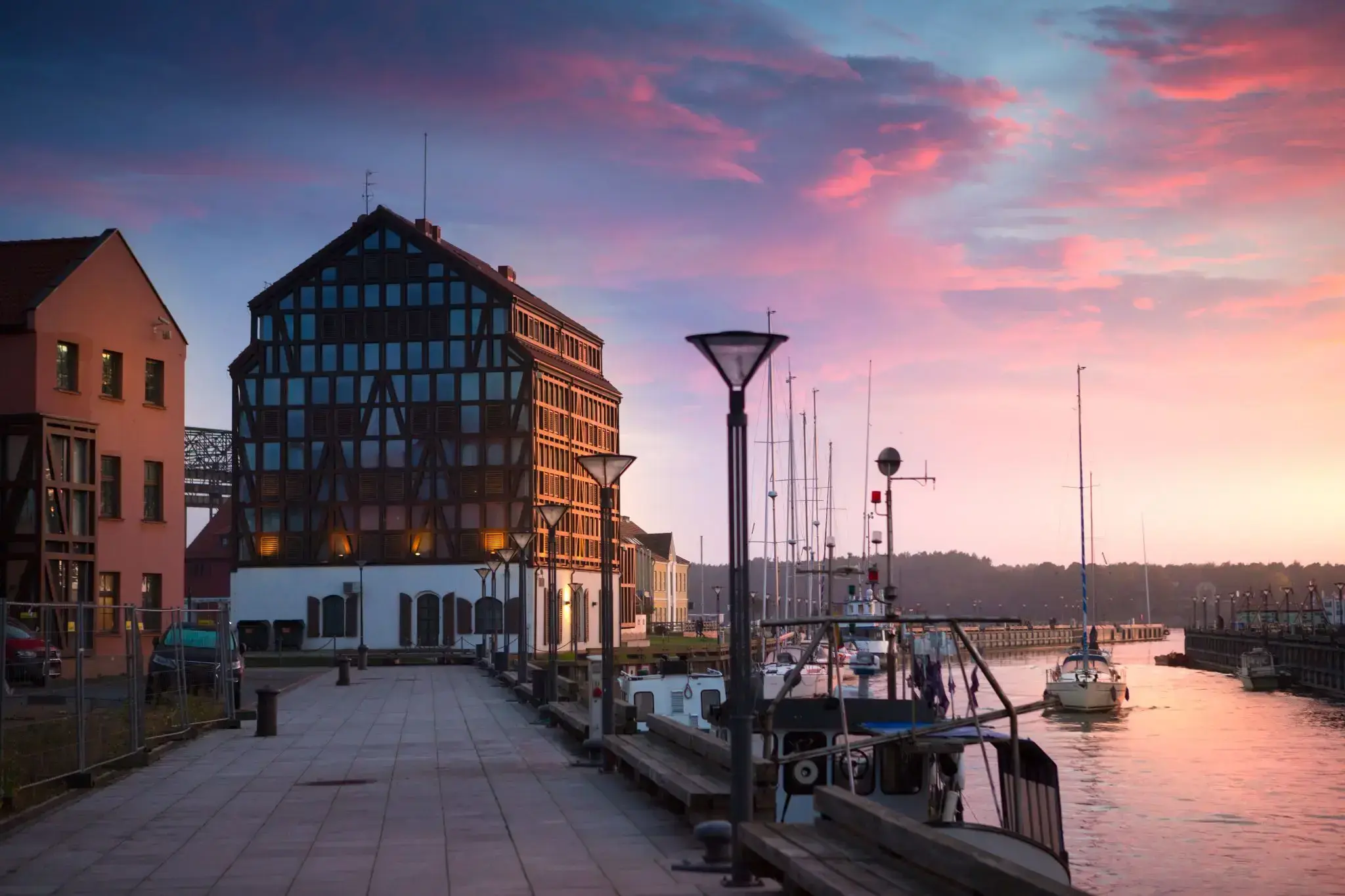
Klaipėda is a city in Lithuania on the Baltic Sea coast. It is the third largest city in Lithuania and the capital of Klaipėda County.
The city has a complex recorded history, partially due to the combined regional importance of the usually ice-free Port of Klaipėda at the mouth of the Akmena-Danė River. It was controlled by successive German states until the 1919 Treaty of Versailles. As a result of the 1923 Klaipėda Revolt it was added to Lithuania and has remained with Lithuania to this day, except for the period between 1939 and 1945 when it returned to Germany following the 1939 German ultimatum to Lithuania and the German–Soviet Union Molotov–Ribbentrop Pact.
The population has shrunk from the city to suburbs and the hinterland. The city had a population of 207,100 in 1992 to 157,350 in 2014 but the city is growing again. Popular seaside resorts found close to Klaipėda are Nida to the south on the Curonian Spit and Palanga to the north.
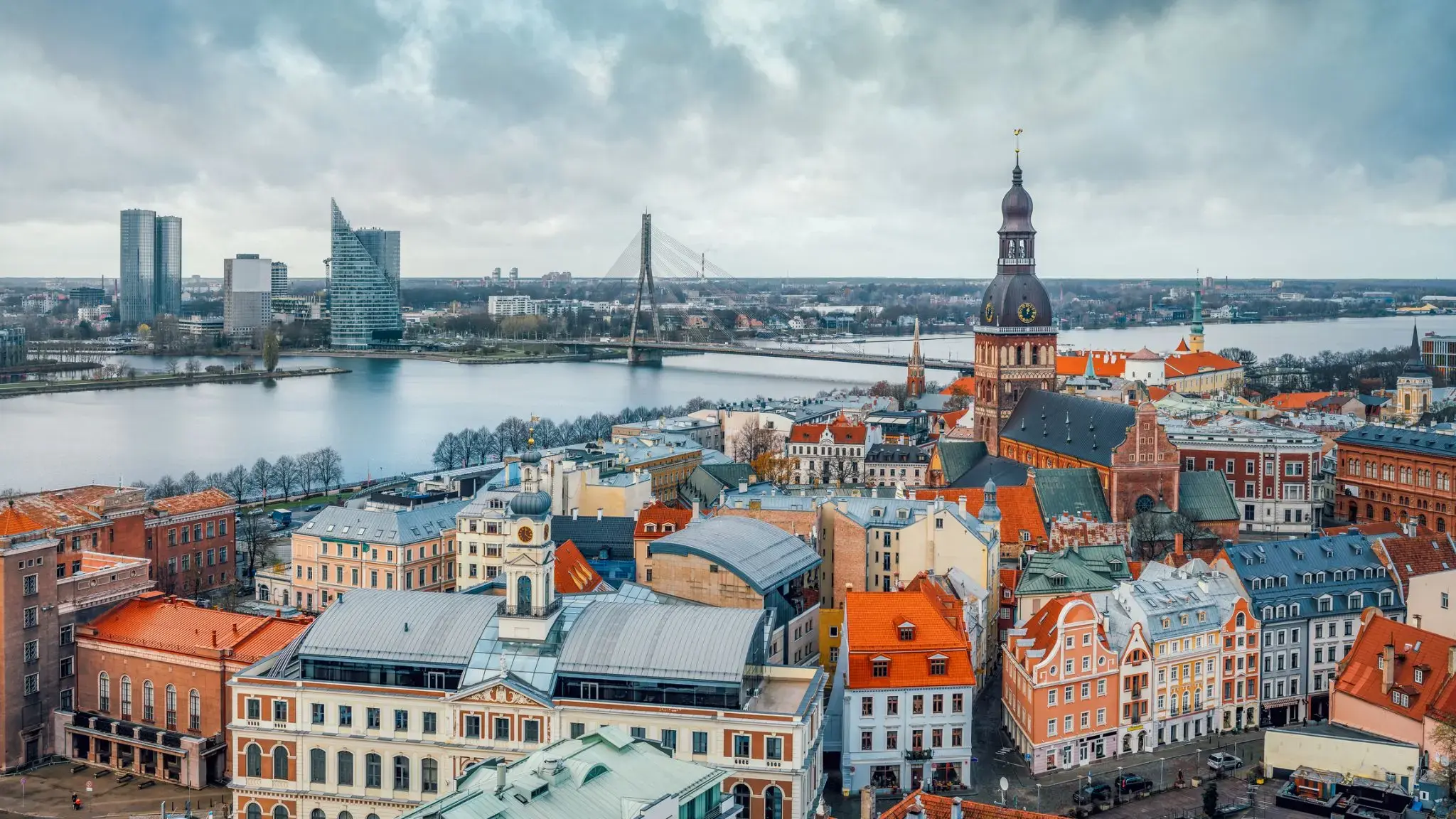
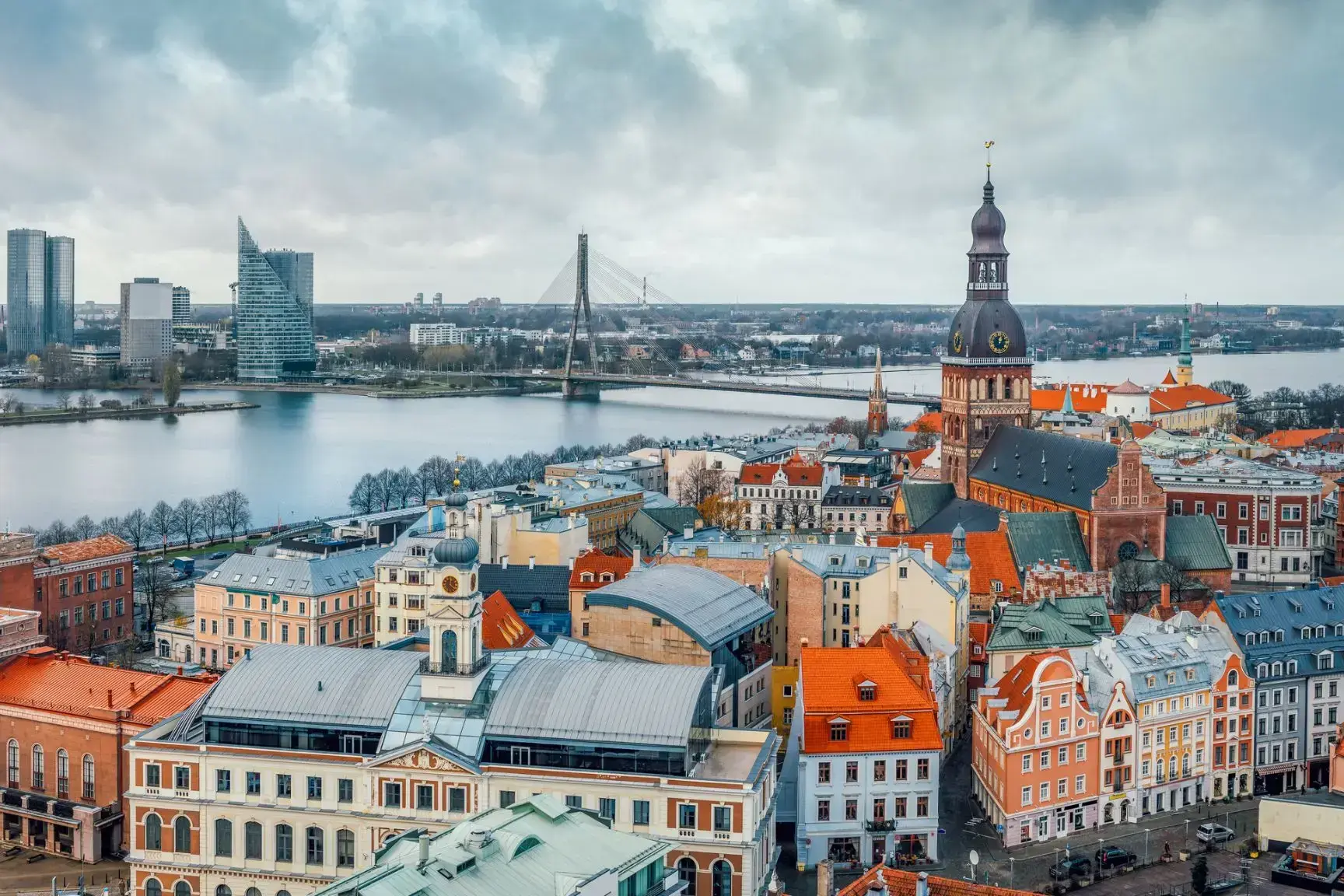
Riga is the capital and largest city of Latvia. With 637,827 inhabitants (2018), it is also the largest city in the three Baltic states, home to one third of Latvia's population and one tenth of the three Baltic states' combined population. The city lies on the Gulf of Riga, at the mouth of the Daugava. Riga's territory covers 307.17 km2 (118.60 sq mi) and lies 1–10 m (3 ft 3 in–32 ft 10 in) above sea level, on a flat and sandy plain.
Riga was founded in 1201 and is a former Hanseatic League member. Riga's historical centre is a UNESCO World Heritage Site, noted for its Art Nouveau/Jugendstil architecture and 19th century wooden architecture. Riga was the European Capital of Culture during 2014, along with Umeå in Sweden. Riga hosted the 2006 NATO Summit, the Eurovision Song Contest 2003, the 2006 IIHF Men's World Ice Hockey Championships and the 2013 World Women's Curling Championship. It is home to the European Union's office of European Regulators for Electronic Communications (BEREC).
In 2016, Riga received over 1.4 million visitors. It is served by Riga International Airport, the largest and busiest airport in the Baltic states. Riga is a member of Eurocities, the Union of the Baltic Cities (UBC) and Union of Capitals of the European Union (UCEU).
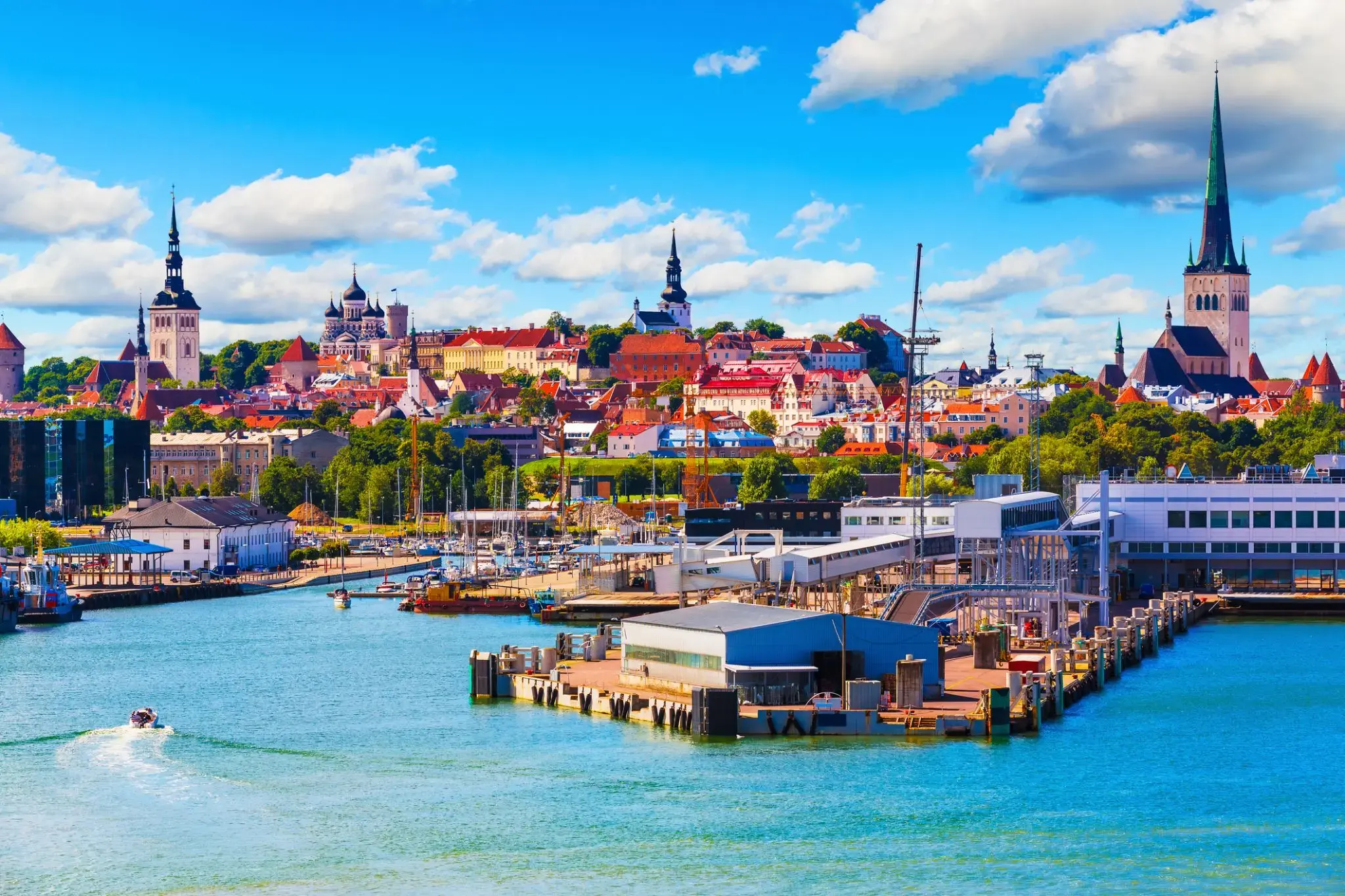
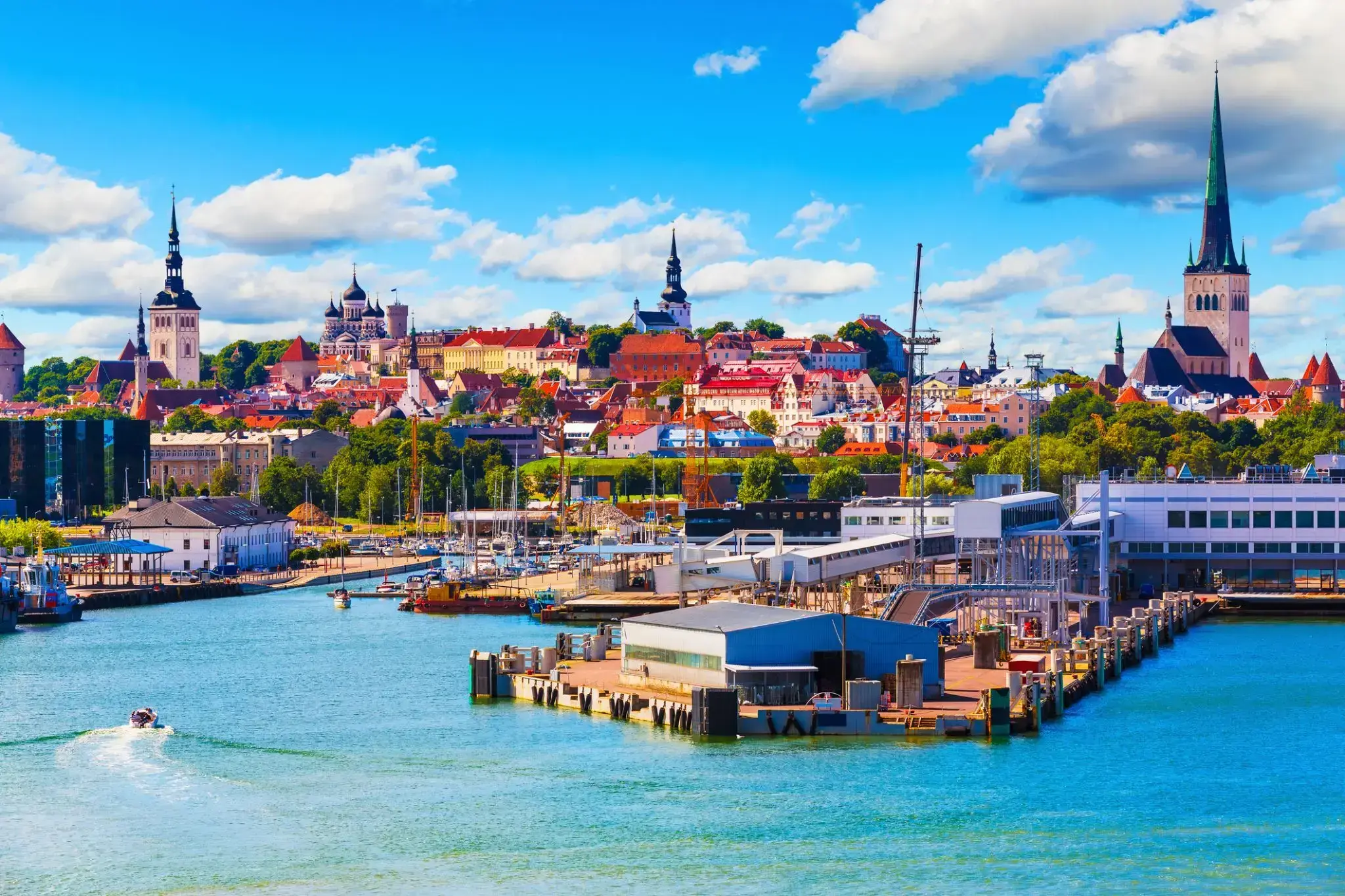
Tallinn is the capital and largest city of Estonia. It is on the northern coast of the country, on the shore of the Gulf of Finland in Harju County. From the 13th century until 1918 (and briefly during the Nazi occupation of Estonia from 1941 to 1944), the city was known as Reval. Tallinn occupies an area of 159.2 km2 (61.5 sq mi) and has a population of 453,033.
Tallinn, first mentioned in 1219, received city rights in 1248, but the earliest human settlements date back 5,000 years. The initial claim over the land was laid by the Danes in 1219, after a successful raid of Lindanise led by Valdemar II of Denmark, followed by a period of alternating Scandinavian and German rule. Due to its strategic location, the city became a major trade hub, especially from the 14th to the 16th century, when it grew in importance as part of the Hanseatic League.
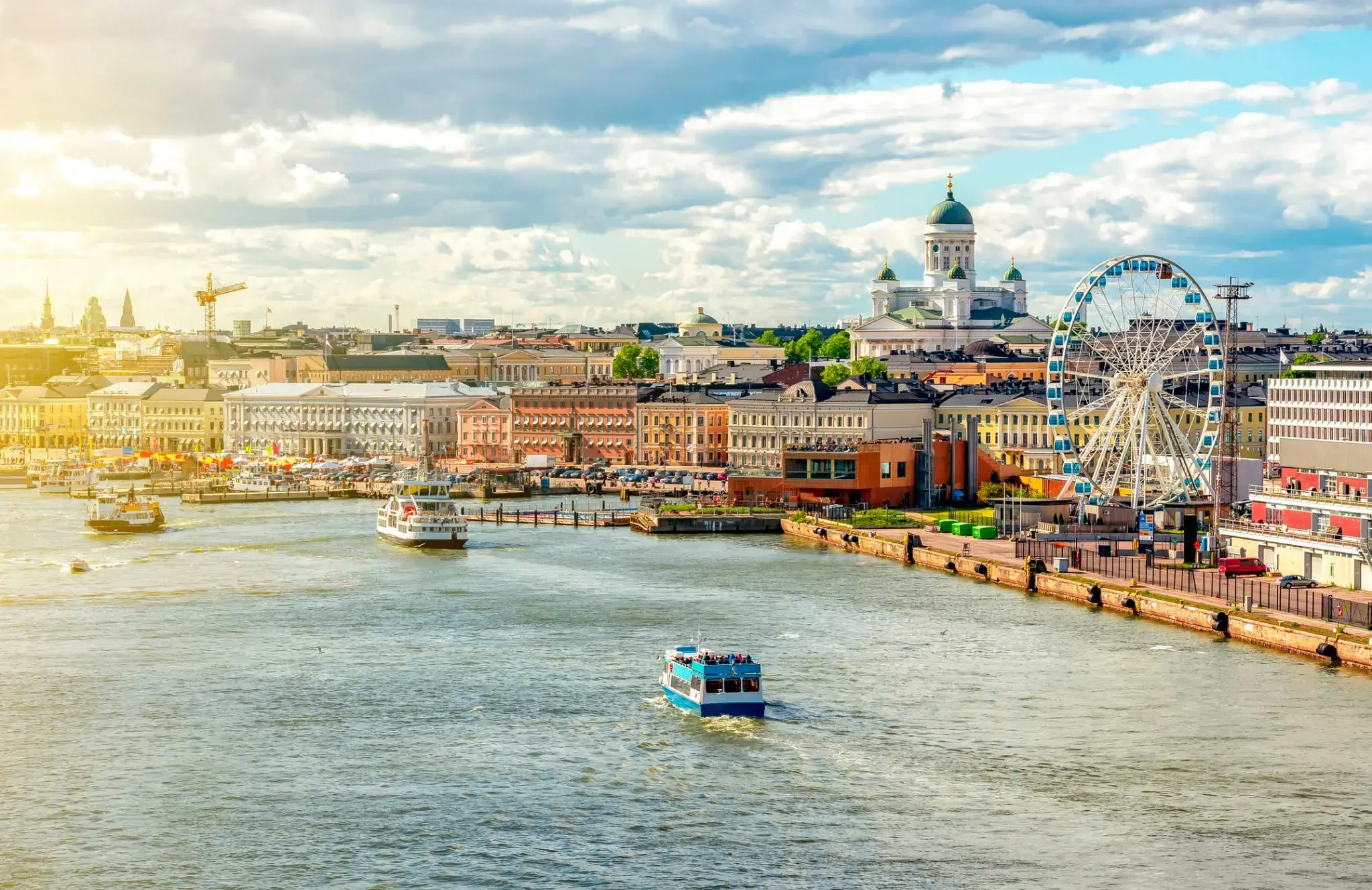
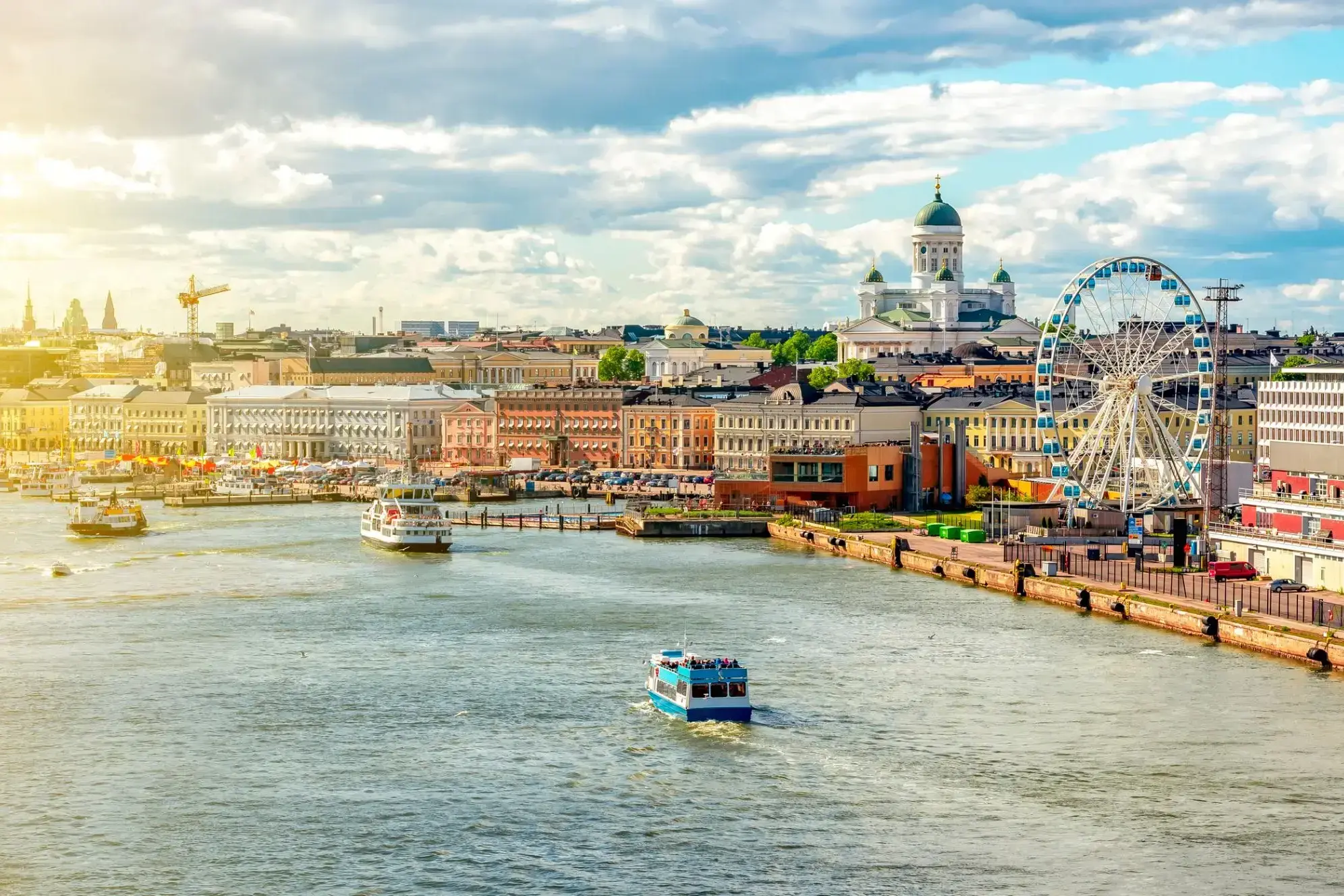
Helsinki located in the southern Finland, and has a population of 648,650. The city's urban area has a population of 1,268,296, it’s the most important center for politics, education, finance, culture, and research. Helsinki is located 80 kilometers (50 mi) north of Tallinn, Estonia, 400 km (250 mi) east of Stockholm, Sweden, and 390 km (240 mi) west of Saint Petersburg, Russia. It has close ties with these three cities.
Together with the cities of Espoo, Vantaa, and Kauniainen, and the surrounding commuter towns, Helsinki forms the Greater Helsinki metropolitan area, which has a population of nearly 1.5 million. Often being considered a metropolis of the EU member state. After Stockholm and Oslo, Helsinki is the third largest city in the Nordic countries. It is located in the city of Vantaa and is located in the city of Vantaa.
Helsinki was the World Design Capital for 2012, the 1952 Summer Olympics and the 52nd Eurovision Song Contest.
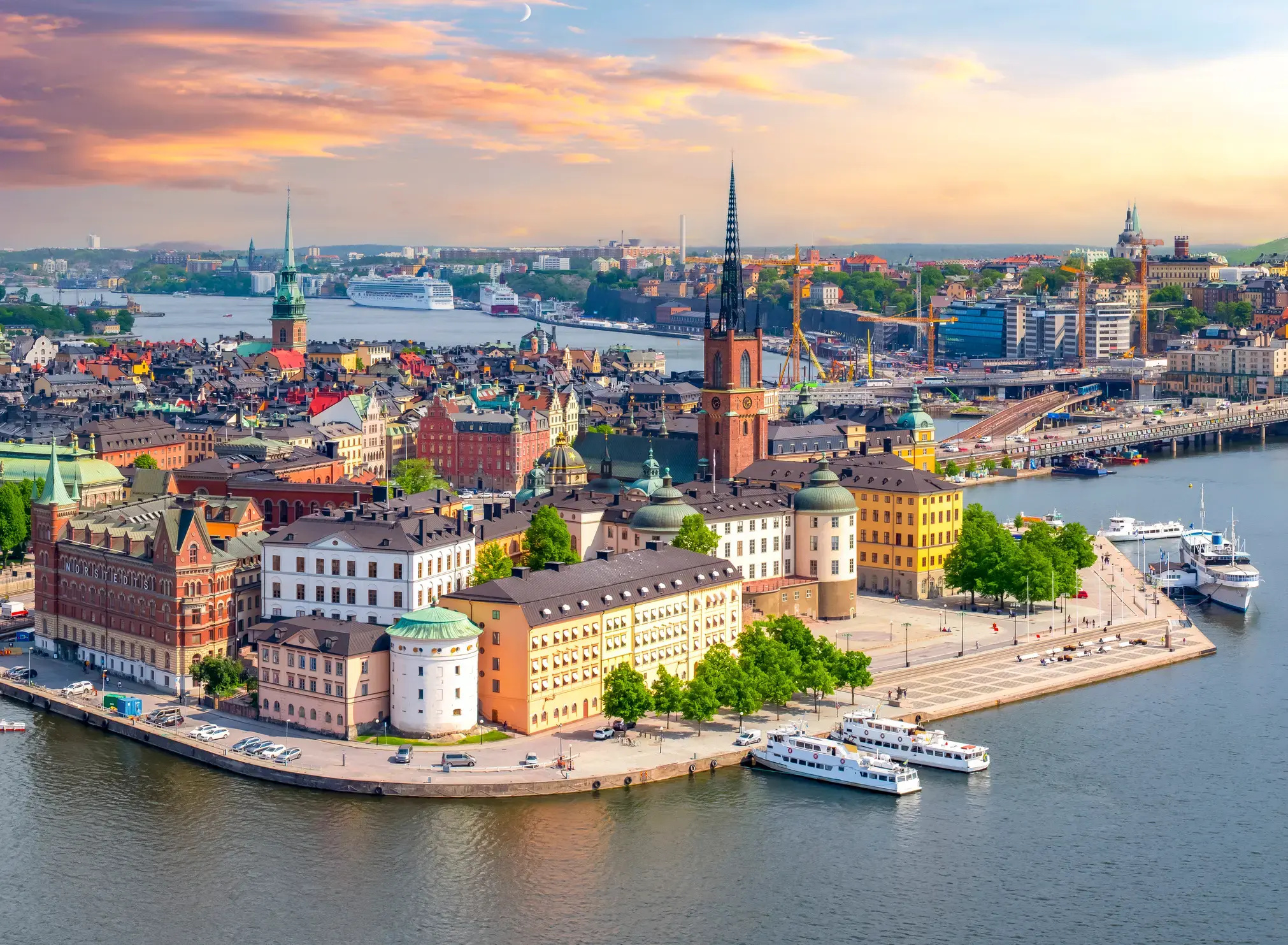
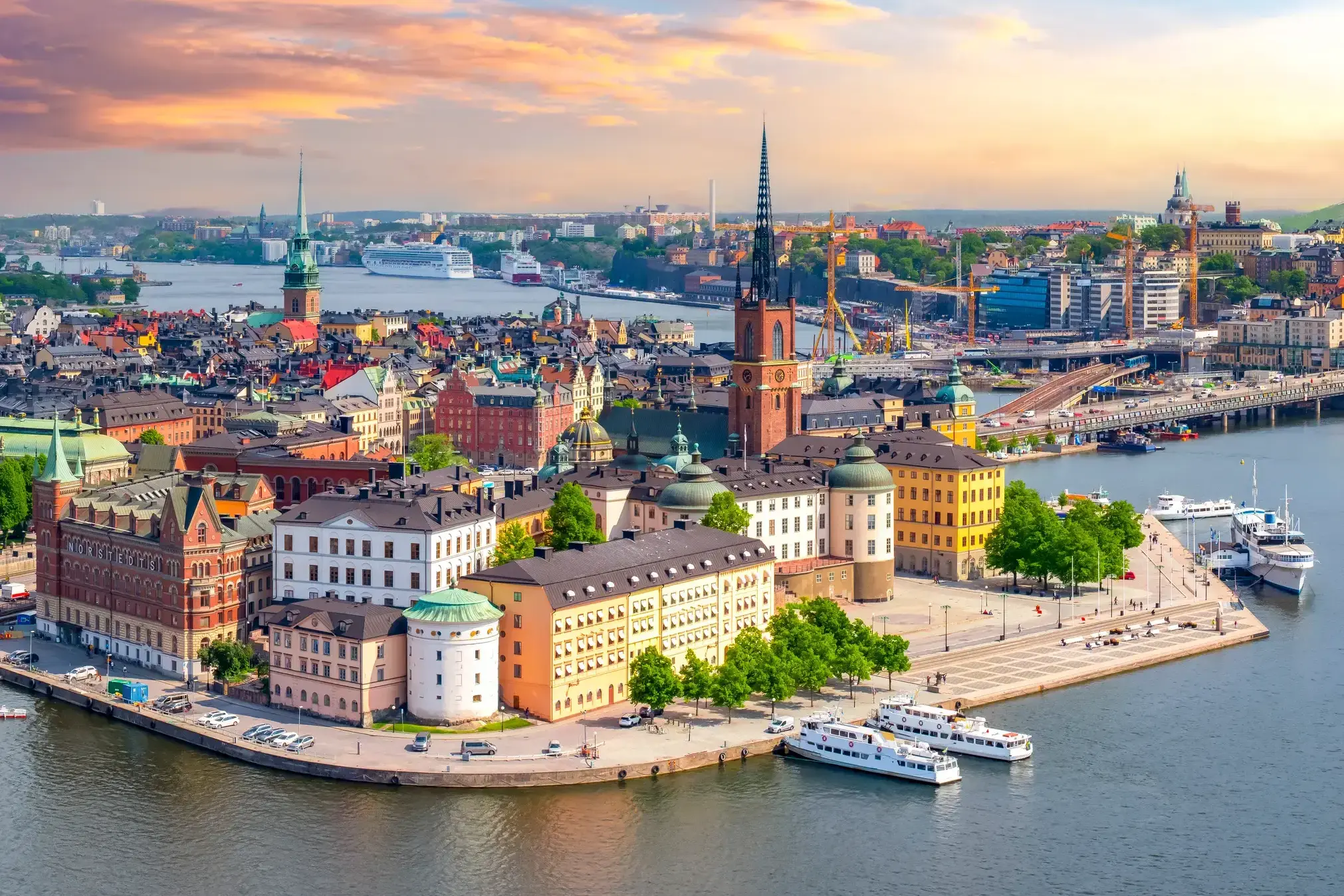
Stockholm is the capital of Sweden and the most populous urban area in the Nordic countries; 960,031 people live in the municipality, approximately 1.5 million in the urban area, and 2.3 million in the metropolitan area. The city stretches across fourteen islands where Lake Mälaren flows into the Baltic Sea. Just outside the city and along the coast is the island chain of the Stockholm archipelago. The area has been settled since the Stone Age, in the 6th millennium BC, and was founded as a city in 1252 by Swedish statesman Birger Jarl. It is also the capital of Stockholm County.
Stockholm is the cultural, media, political, and economic centre of Sweden. The Stockholm region alone accounts for over a third of the country's GDP, and is among the top 10 regions in Europe by GDP per capita. It is an important global city, and the main centre for corporate headquarters in the Nordic region. The city is home to some of Europe's top ranking universities, such as the Stockholm School of Economics, Karolinska Institute and Royal Institute of Technology (KTH). It hosts the annual Nobel Prize ceremonies and banquet at the Stockholm Concert Hall and Stockholm City Hall. One of the city's most prized museums, the Vasa Museum, is the most visited non-art museum in Scandinavia. The Stockholm metro, opened in 1950, is well known for the decor of its stations; it has been called the longest art gallery in the world. Sweden's national football arena is located north of the city centre, in Solna. Ericsson Globe, the national indoor arena, is in the southern part of the city. The city was the host of the 1912 Summer Olympics, and hosted the equestrian portion of the 1956 Summer Olympicsotherwise held in Melbourne, Victoria, Australia.
Stockholm is the seat of the Swedish government and most of its agencies, including the highest courts in the judiciary, and the official residencies of the Swedish monarch and the Prime Minister. The government has its seat in the Rosenbad building, the Riksdag (Swedish parliament) is seated in the Parliament House, and the Prime Minister's residence is adjacent at Sager House. Stockholm Palace is the official residence and principal workplace of the Swedish monarch, while Drottningholm Palace, a World Heritage Site on the outskirts of Stockholm, serves as the Royal Family's private residence.
Stockholm is the capital of Sweden and the most populous urban area in the Nordic countries; 960,031 people live in the municipality, approximately 1.5 million in the urban area, and 2.3 million in the metropolitan area. The city stretches across fourteen islands where Lake Mälaren flows into the Baltic Sea. Just outside the city and along the coast is the island chain of the Stockholm archipelago. The area has been settled since the Stone Age, in the 6th millennium BC, and was founded as a city in 1252 by Swedish statesman Birger Jarl. It is also the capital of Stockholm County.
Stockholm is the cultural, media, political, and economic centre of Sweden. The Stockholm region alone accounts for over a third of the country's GDP, and is among the top 10 regions in Europe by GDP per capita. It is an important global city, and the main centre for corporate headquarters in the Nordic region. The city is home to some of Europe's top ranking universities, such as the Stockholm School of Economics, Karolinska Institute and Royal Institute of Technology (KTH). It hosts the annual Nobel Prize ceremonies and banquet at the Stockholm Concert Hall and Stockholm City Hall. One of the city's most prized museums, the Vasa Museum, is the most visited non-art museum in Scandinavia. The Stockholm metro, opened in 1950, is well known for the decor of its stations; it has been called the longest art gallery in the world. Sweden's national football arena is located north of the city centre, in Solna. Ericsson Globe, the national indoor arena, is in the southern part of the city. The city was the host of the 1912 Summer Olympics, and hosted the equestrian portion of the 1956 Summer Olympicsotherwise held in Melbourne, Victoria, Australia.
Stockholm is the seat of the Swedish government and most of its agencies, including the highest courts in the judiciary, and the official residencies of the Swedish monarch and the Prime Minister. The government has its seat in the Rosenbad building, the Riksdag (Swedish parliament) is seated in the Parliament House, and the Prime Minister's residence is adjacent at Sager House. Stockholm Palace is the official residence and principal workplace of the Swedish monarch, while Drottningholm Palace, a World Heritage Site on the outskirts of Stockholm, serves as the Royal Family's private residence.