| Cruise Region : South America / Antarctica |
| Company : MSC Cruises |
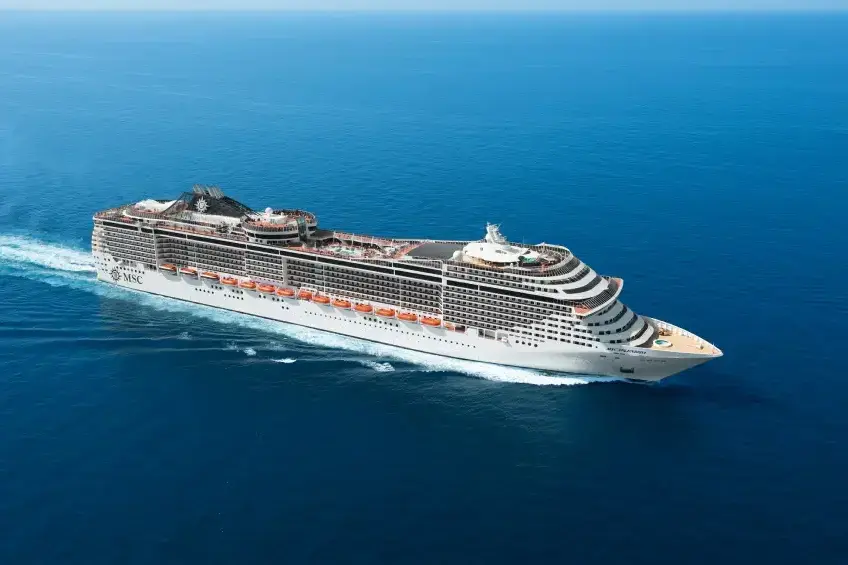
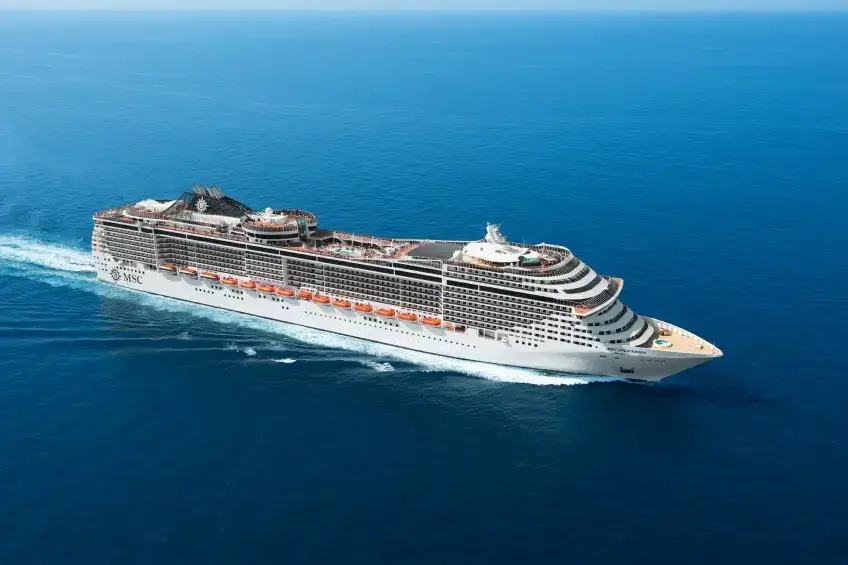
| Ship : MSC Splendida |
| Journey Start : հնգ 31 դեկ 2026 |
| Journey End : ուր 08 հնվ 2027 |
| Count Nights : 8 nights |
| Day | Date | Port | Arrival | Departure |
|---|---|---|---|---|
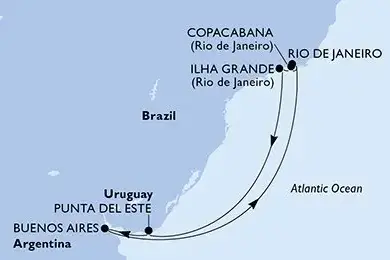
| 1 | 31.12 հնգ | Ռիո դե Ժանեյրո / Brazil | 18:00 | |
| 1 | 31.12 հնգ | Ռիո դե Ժանեյրո / Brazil | 21:00 | 23:59 |
| 2 | 1.01 ուր | Ռիո դե Ժանեյրո / Brazil | 00:01 | 02:00 |
| 2 | 1.01 ուր | Իլյա Գրանդե / Brazil | 08:00 | 18:00 |
| 3 | 2.01 շբթ | Օր ծովում / Sea | ||
| 4 | 3.01 կիր | Օր ծովում / Sea | ||
| 5 | 4.01 երկ | Պունտա դել Էստե / Uruguay | 08:00 | 16:00 |
| 6 | 5.01 երք | Բուենոս Այրես / Argentina | 08:00 | 18:00 |
| 7 | 6.01 չրք | Օր ծովում / Sea | ||
| 8 | 7.01 հնգ | Օր ծովում / Sea | ||
| 9 | 8.01 ուր | Ռիո դե Ժանեյրո / Brazil | 10:00 |
Կարևոր. MSC-ն իրավունք ունի փոխարինել նույն կատեգորիայի կամ ավելի բարձր խցիկը: Այնուամենայնիվ, MSC-ն կգործադրի բոլոր ջանքերը խցիկի փոփոխություններից խուսափելու համար:
Լրացուցիչ ծախսեր.
Լրացուցիչ վճարվում է գծի վրա.
Բարերում, ռեստորաններում, խանութներում, սպա կենտրոնում, վարսավիրանոցում և այլն ծառայությունների ցանկացած գնման համար ձեզանից կգանձվի սպասարկման վճար, որը միջինը կկազմի գնման գնի 15%-ը :
Տուգանքի պայմանները.
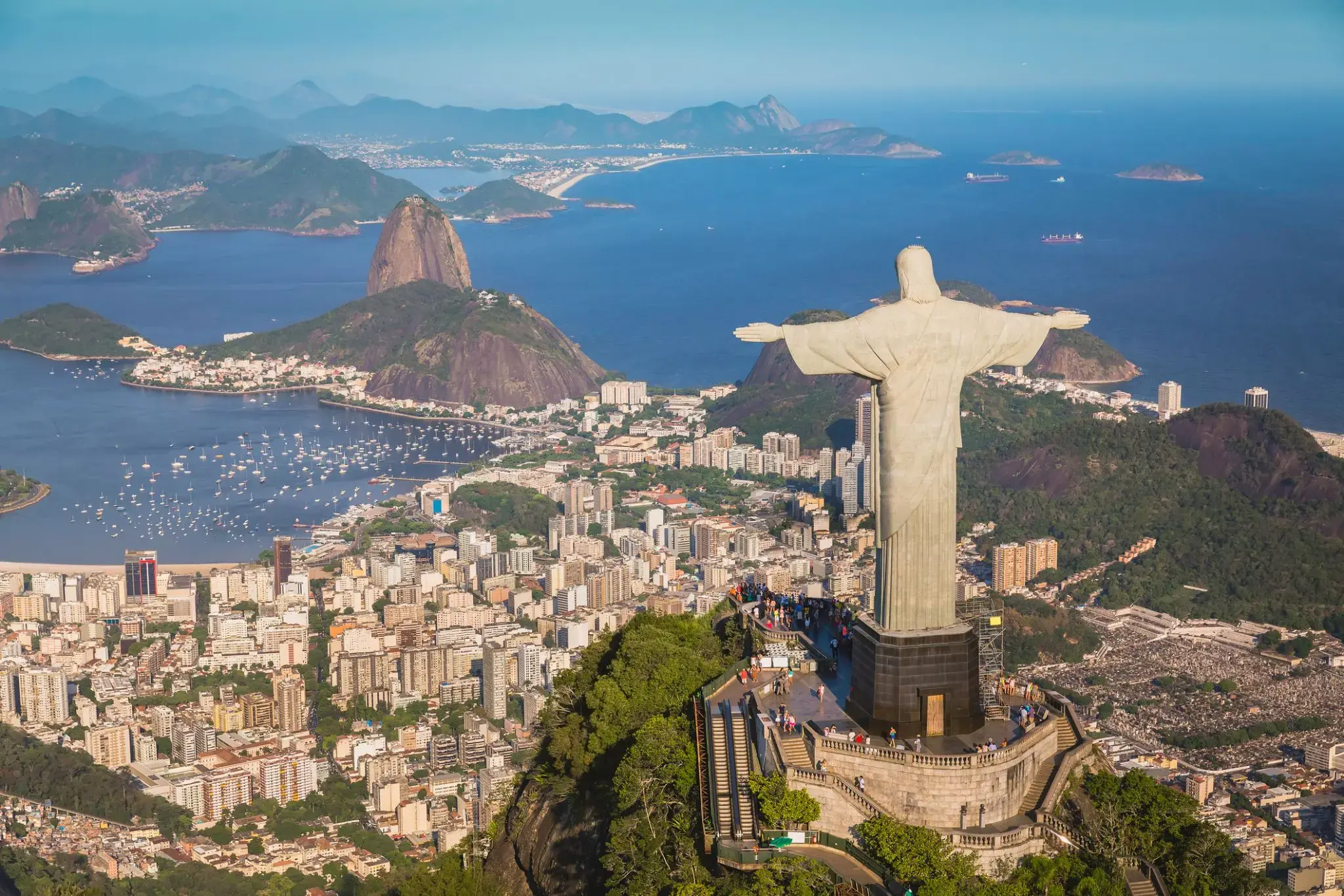
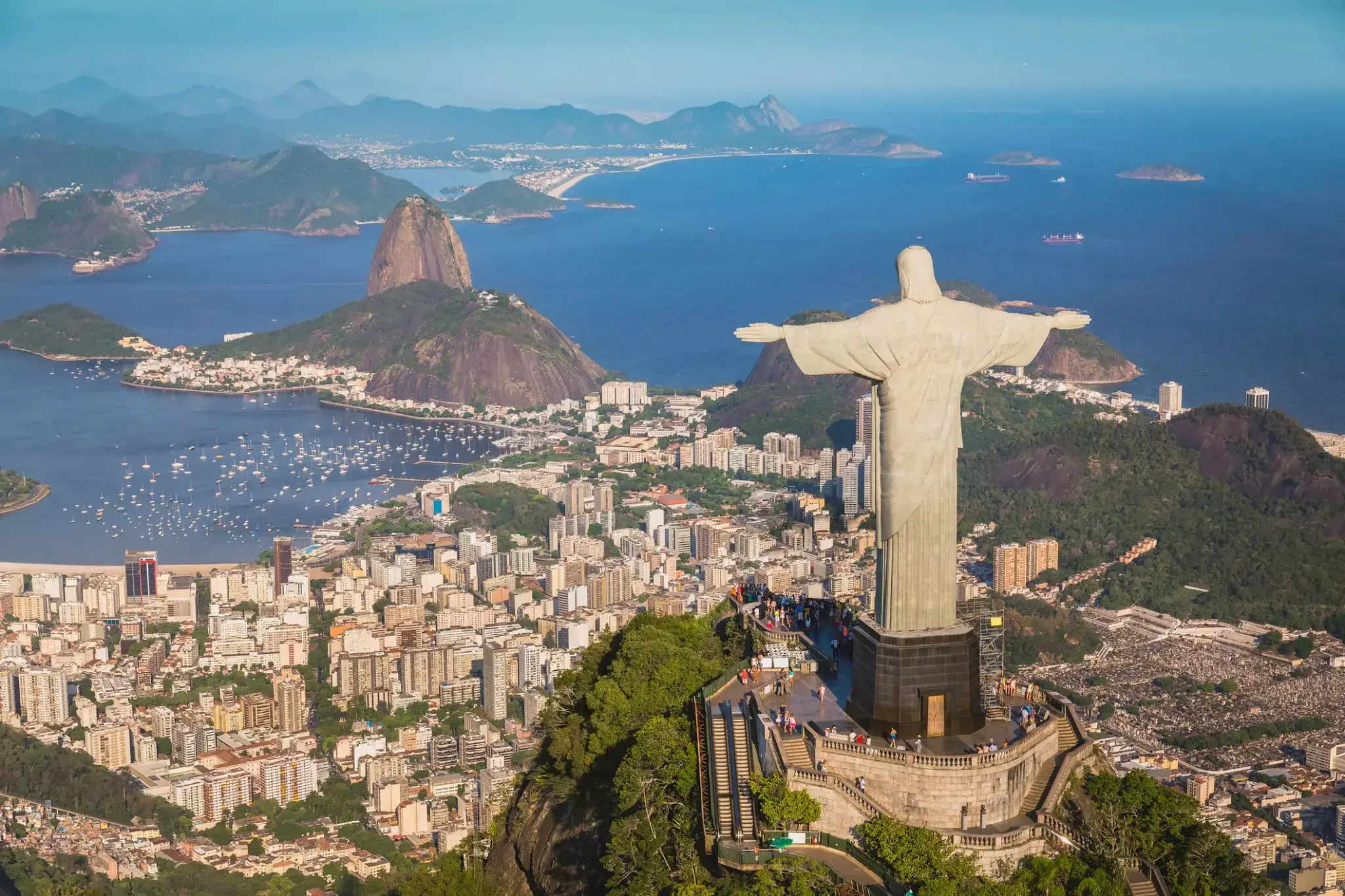
Rio de Janeiro is the second-most populous municipality in Brazil and the sixth-most populous in the Americas. The metropolis is anchor to the Rio de Janeiro metropolitan area, the second-most populous metropolitan area in Brazil and sixth-most populous in the Americas. Rio de Janeiro is the capital of the state of Rio de Janeiro, Brazil's third-most populous state. Part of the city has been designated as a World Heritage Site, named "Rio de Janeiro: CariocaLandscapes between the Mountain and the Sea", by UNESCO on 1 July 2012 as a Cultural Landscape.
Founded in 1565 by the Portuguese, the city was initially the seat of the Captaincy of Rio de Janeiro, a domain of the Portuguese Empire. Later, in 1763, it became the capital of the State of Brazil, a state of the Portuguese Empire. In 1808, when the Portuguese Royal Court transferred itself from Portugal to Brazil, Rio de Janeiro became the chosen seat of the court of Queen Maria I of Portugal, who subsequently, in 1815, under the leadership of her son, the Prince Regent, and future King João VI of Portugal, raised Brazil to the dignity of a kingdom, within the United Kingdom of Portugal, Brazil, and Algarves. Rio stayed the capital of the pluricontinental Lusitanian monarchy until 1822, when the War of Brazilian Independence began. This is one of the few instances in history that the capital of a colonising country officially shifted to a city in one of its colonies. Rio de Janeiro subsequently served as the capital of the independent monarchy, the Empire of Brazil, until 1889, and then the capital of a republican Brazil until 1960 when the capital was transferred to Brasília.
Rio de Janeiro is the second-most populous municipality in Brazil and the sixth-most populous in the Americas. The metropolis is anchor to the Rio de Janeiro metropolitan area, the second-most populous metropolitan area in Brazil and sixth-most populous in the Americas. Rio de Janeiro is the capital of the state of Rio de Janeiro, Brazil's third-most populous state. Part of the city has been designated as a World Heritage Site, named "Rio de Janeiro: CariocaLandscapes between the Mountain and the Sea", by UNESCO on 1 July 2012 as a Cultural Landscape.
Founded in 1565 by the Portuguese, the city was initially the seat of the Captaincy of Rio de Janeiro, a domain of the Portuguese Empire. Later, in 1763, it became the capital of the State of Brazil, a state of the Portuguese Empire. In 1808, when the Portuguese Royal Court transferred itself from Portugal to Brazil, Rio de Janeiro became the chosen seat of the court of Queen Maria I of Portugal, who subsequently, in 1815, under the leadership of her son, the Prince Regent, and future King João VI of Portugal, raised Brazil to the dignity of a kingdom, within the United Kingdom of Portugal, Brazil, and Algarves. Rio stayed the capital of the pluricontinental Lusitanian monarchy until 1822, when the War of Brazilian Independence began. This is one of the few instances in history that the capital of a colonising country officially shifted to a city in one of its colonies. Rio de Janeiro subsequently served as the capital of the independent monarchy, the Empire of Brazil, until 1889, and then the capital of a republican Brazil until 1960 when the capital was transferred to Brasília.
Rio de Janeiro is the second-most populous municipality in Brazil and the sixth-most populous in the Americas. The metropolis is anchor to the Rio de Janeiro metropolitan area, the second-most populous metropolitan area in Brazil and sixth-most populous in the Americas. Rio de Janeiro is the capital of the state of Rio de Janeiro, Brazil's third-most populous state. Part of the city has been designated as a World Heritage Site, named "Rio de Janeiro: CariocaLandscapes between the Mountain and the Sea", by UNESCO on 1 July 2012 as a Cultural Landscape.
Founded in 1565 by the Portuguese, the city was initially the seat of the Captaincy of Rio de Janeiro, a domain of the Portuguese Empire. Later, in 1763, it became the capital of the State of Brazil, a state of the Portuguese Empire. In 1808, when the Portuguese Royal Court transferred itself from Portugal to Brazil, Rio de Janeiro became the chosen seat of the court of Queen Maria I of Portugal, who subsequently, in 1815, under the leadership of her son, the Prince Regent, and future King João VI of Portugal, raised Brazil to the dignity of a kingdom, within the United Kingdom of Portugal, Brazil, and Algarves. Rio stayed the capital of the pluricontinental Lusitanian monarchy until 1822, when the War of Brazilian Independence began. This is one of the few instances in history that the capital of a colonising country officially shifted to a city in one of its colonies. Rio de Janeiro subsequently served as the capital of the independent monarchy, the Empire of Brazil, until 1889, and then the capital of a republican Brazil until 1960 when the capital was transferred to Brasília.
Բրազիլիայի ափամերձ սմարաղդյա ալիքների մեջ թաքնված է Ilha Grande կղզին, որն իր անխաթար բնությամբ ու իրական արկածախնդրության ոգով կախարդում է այցելուներին։ Ռիո դե Ժանեյրոյի նահանգում գտնվող այս կղզին երբևէ ծառայել է որպես բանտ և բորոտների գաղութ, իսկ այսօր այն դարձել է կատարյալ վայր քաղաքային աղմուկից փախչելու համար։ Այստեղ ավտոմեքենաներ չկան՝ փոխարենը՝ արահետներ, որոնք անցնում են ջունգլիներով՝ տանում դեպի սպիտակ ավազով լողափեր, բյուրեղյա պարզություն ունեցող ծովալճակներ և անտառի խորքերում թաքնված ջրվեժներ։
Ուղևորները կարող են բացահայտել ավելի քան 100 լողափ՝ ներառյալ աշխարհում ամենագեղեցիկներից մեկը համարվող Լոպես Մենդեսը։ Նավակներով շրջագայությունները դեպի լքված բանտեր, ջրասուզակություն՝ նավաբեկության վայրերում և արշավները Ատլանտյան անտառով առաջարկում են բազմաթիվ արկածներ։ Ilha Grande-ը պարզապես հանգստի վայր չէ, այլ կենդանի թանգարան՝ լի բնությամբ և պատմությամբ, որտեղ յուրաքանչյուր քայլը նոր բացահայտում է։
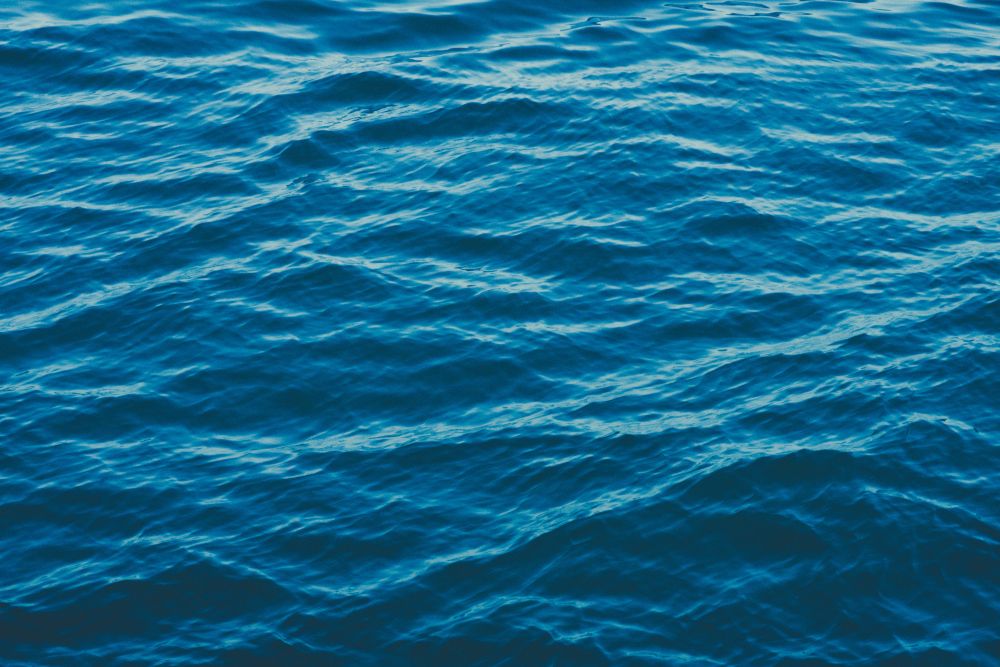
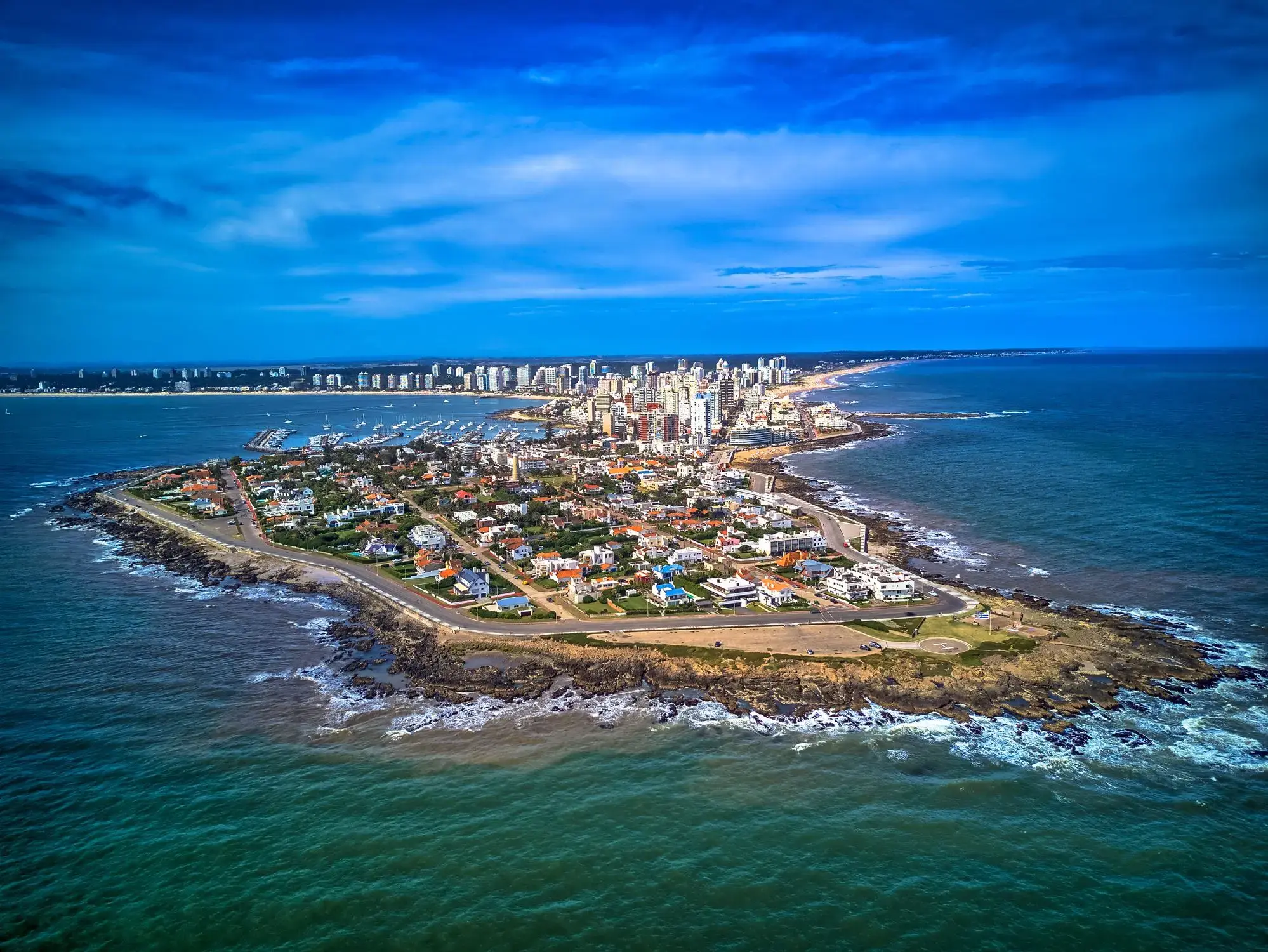
Պունտա դել Էստե — Ուրուգվայի ծովափնյա առողջարան Ատլանտիկի ափին
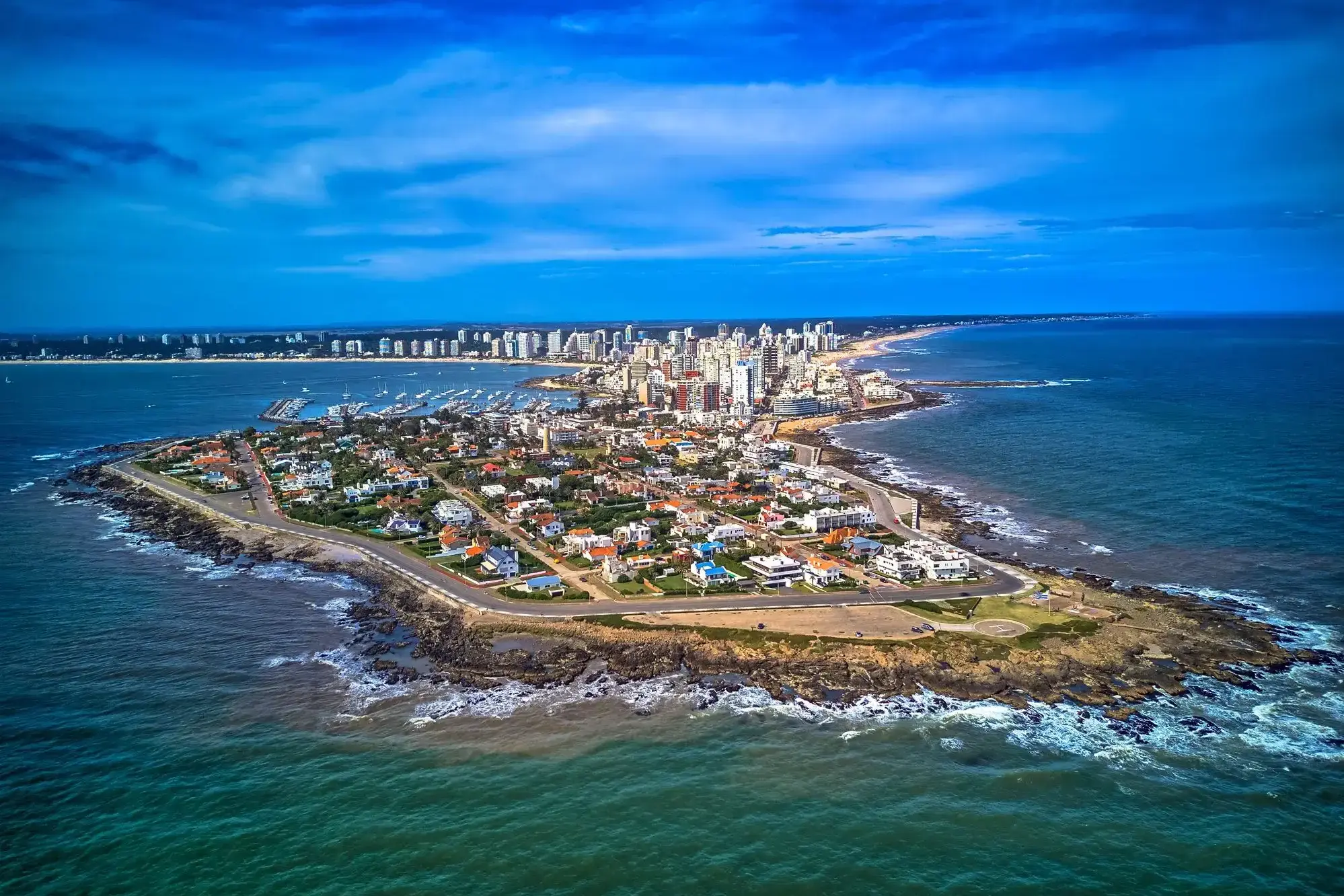
Պունտա դել Էստեն Հարավային Ամերիկայի ամենահայտնի առողջարաններից է, որը գտնվում է Ուրուգվայի հարավային ափին՝ այն տեղում, որտեղ Ատլանտյան օվկիանոսը միանում է Լա Պլատա էստուարի հետ։ Այս քաղաքը հայտնի է իր հակադրություններով. մեկ կողմից՝ շքեղ թաղամասեր, ժամանակակից երկնաքերեր, նավահանգիստներ և բարձրակարգ ռեստորաններ, իսկ մյուս կողմից՝ հանգիստ ավազոտ լողափեր, գեղատեսիլ ավազաթմբեր և ալիքներ, որոնք իդեալական են սերֆինգի համար։ Այն հաճախ անվանում են «Հարավային Ամերիկայի Մոնակո»՝ իր շքեղ ենթակառուցվածքների և համաշխարհային ճանաչում ունեցող հյուրերի շնորհիվ։
Բացի լողափերից՝ քաղաքը առաջարկում է մշակութային և բնական տեսարժան վայրեր՝ "La Mano" քանդակը, որը դարձել է քաղաքի խորհրդանիշը, Ralli ժամանակակից արվեստի թանգարանը, ինչպես նաև ափամերձ կղզիները՝ ծովառյուծներով։ Արժե այցելել նաև Լա Բարրա թաղամասը իր բոհեմյան մթնոլորտով կամ վայելել մայրամուտը Փունտա դել Էստեի փարոսի մոտ։ Ամառային սեզոնին (դեկտեմբեր–փետրվար) քաղաքը դառնում է աշխույժ կենտրոն՝ գրավելով զբոսաշրջիկներին ամբողջ աշխարհից։
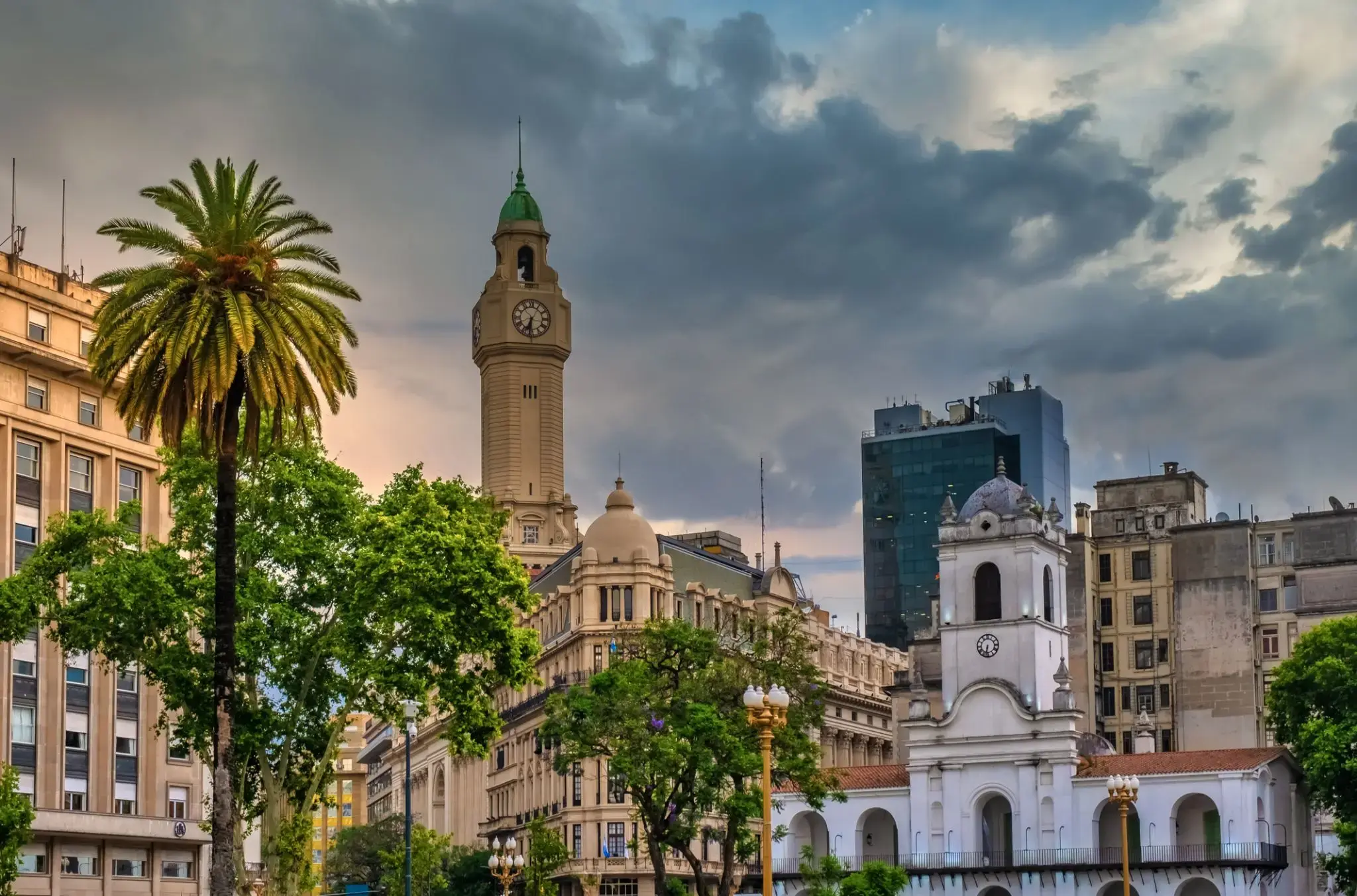
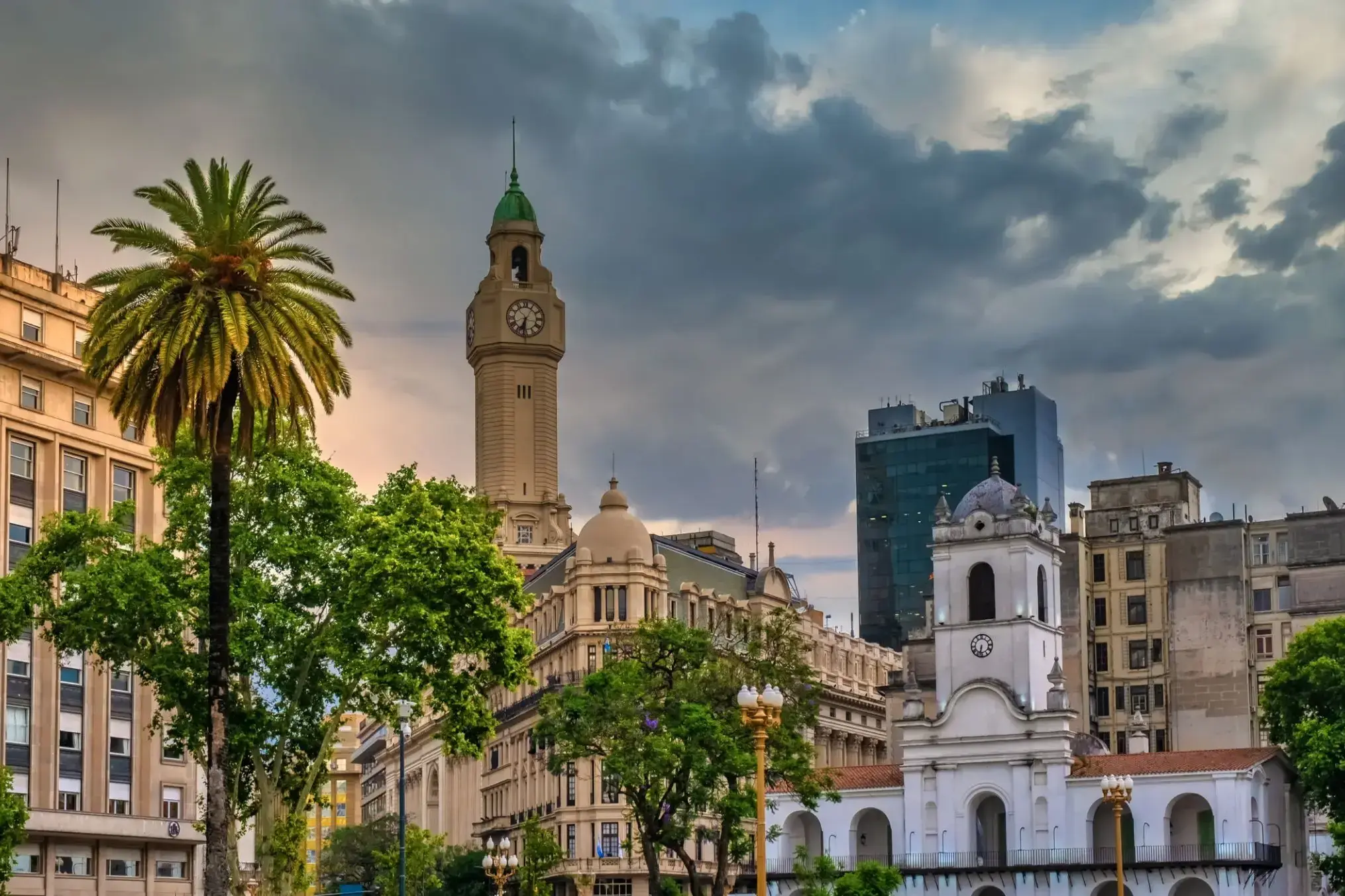
the capital city and chief port of Argentina, in the eastern central part of the country, on the Plata River; population 3,042,600 (est. 2008).
Rio de Janeiro is the second-most populous municipality in Brazil and the sixth-most populous in the Americas. The metropolis is anchor to the Rio de Janeiro metropolitan area, the second-most populous metropolitan area in Brazil and sixth-most populous in the Americas. Rio de Janeiro is the capital of the state of Rio de Janeiro, Brazil's third-most populous state. Part of the city has been designated as a World Heritage Site, named "Rio de Janeiro: CariocaLandscapes between the Mountain and the Sea", by UNESCO on 1 July 2012 as a Cultural Landscape.
Founded in 1565 by the Portuguese, the city was initially the seat of the Captaincy of Rio de Janeiro, a domain of the Portuguese Empire. Later, in 1763, it became the capital of the State of Brazil, a state of the Portuguese Empire. In 1808, when the Portuguese Royal Court transferred itself from Portugal to Brazil, Rio de Janeiro became the chosen seat of the court of Queen Maria I of Portugal, who subsequently, in 1815, under the leadership of her son, the Prince Regent, and future King João VI of Portugal, raised Brazil to the dignity of a kingdom, within the United Kingdom of Portugal, Brazil, and Algarves. Rio stayed the capital of the pluricontinental Lusitanian monarchy until 1822, when the War of Brazilian Independence began. This is one of the few instances in history that the capital of a colonising country officially shifted to a city in one of its colonies. Rio de Janeiro subsequently served as the capital of the independent monarchy, the Empire of Brazil, until 1889, and then the capital of a republican Brazil until 1960 when the capital was transferred to Brasília.