| Cruise Region : Mediterranean Sea |
| Company : Azamara Cruises |
| Ship : Azamara Onward |
| Journey Start : հնգ 11 հնս 2026 |
| Journey End : շբթ 25 հլս 2026 |
| Count Nights : 44 nights |
| Day | Date | Port | Arrival | Departure |
|---|---|---|---|---|
| 1 | 11.06 հնգ | Բարսելոնա / Spain | 17:00 | |
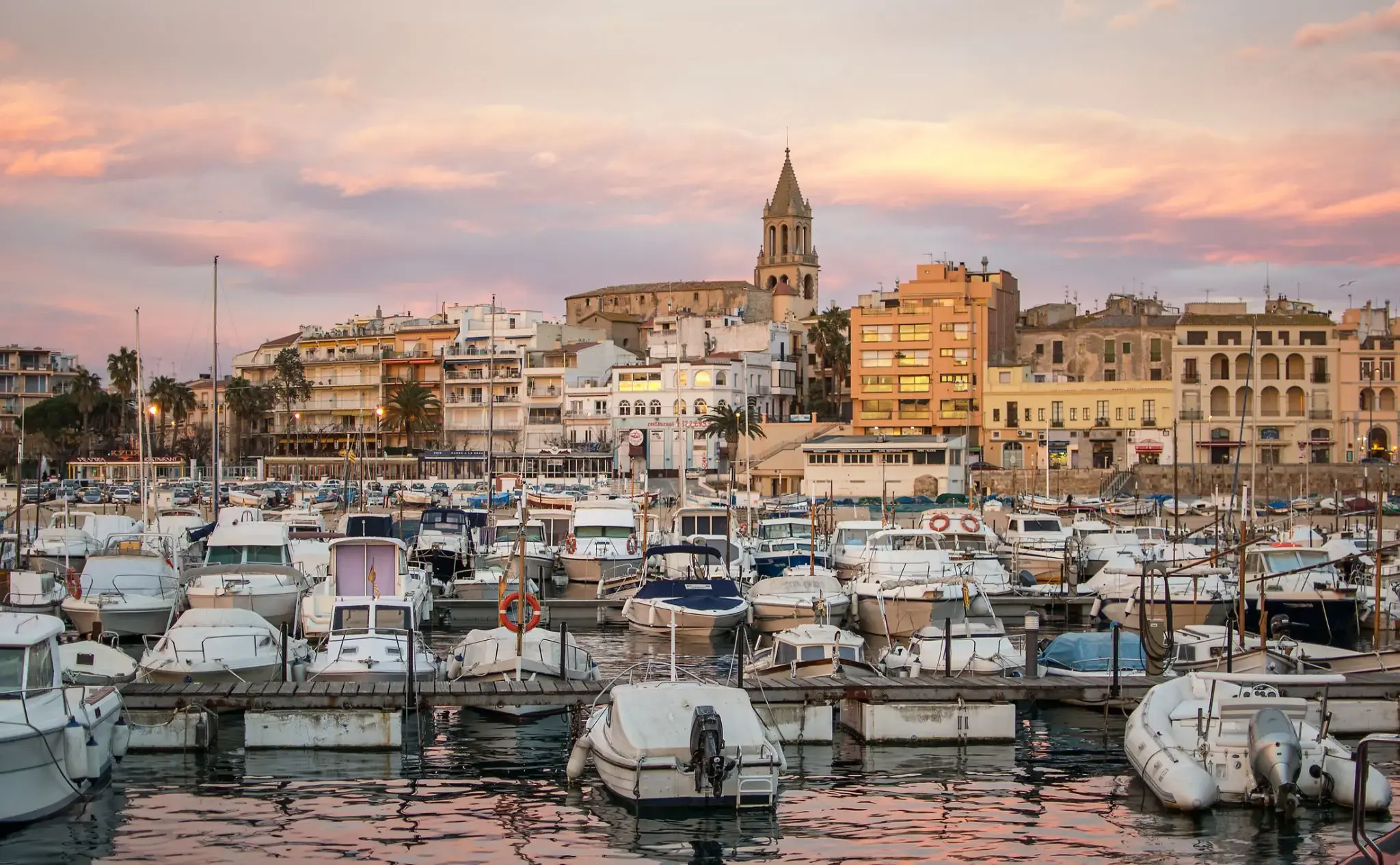
| 2 | 12.06 ուր | Պալամոս / Spain | 08:00 | 18:00 |
| 3 | 13.06 շբթ | Սետ / France | 08:00 | 20:00 |
| 4 | 14.06 կիր | Մարսել / France | 08:00 | 22:00 |
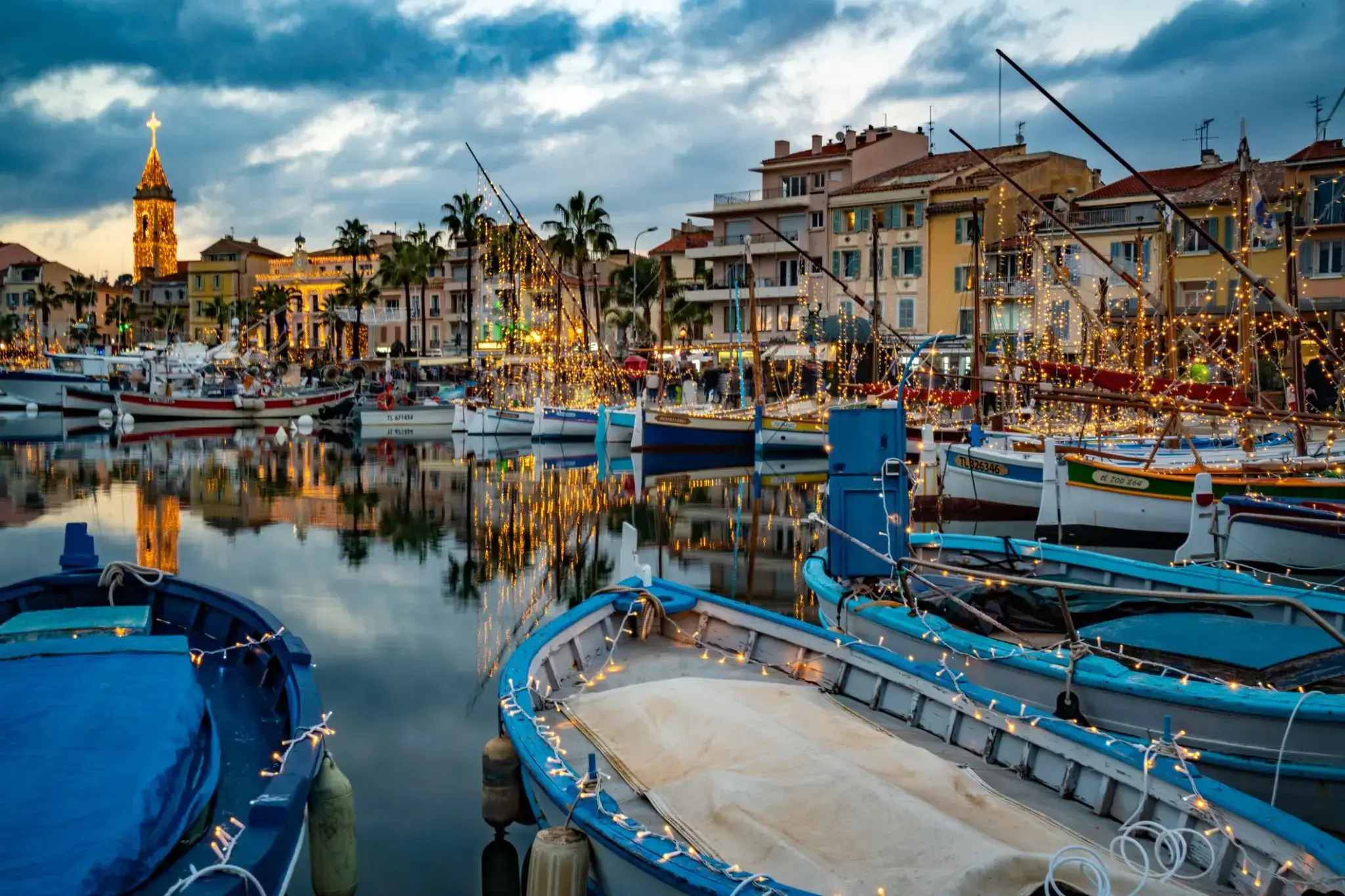
| 5 | 15.06 երկ | Սանար-սյուր-Մեր / France | 08:00 | 18:00 |
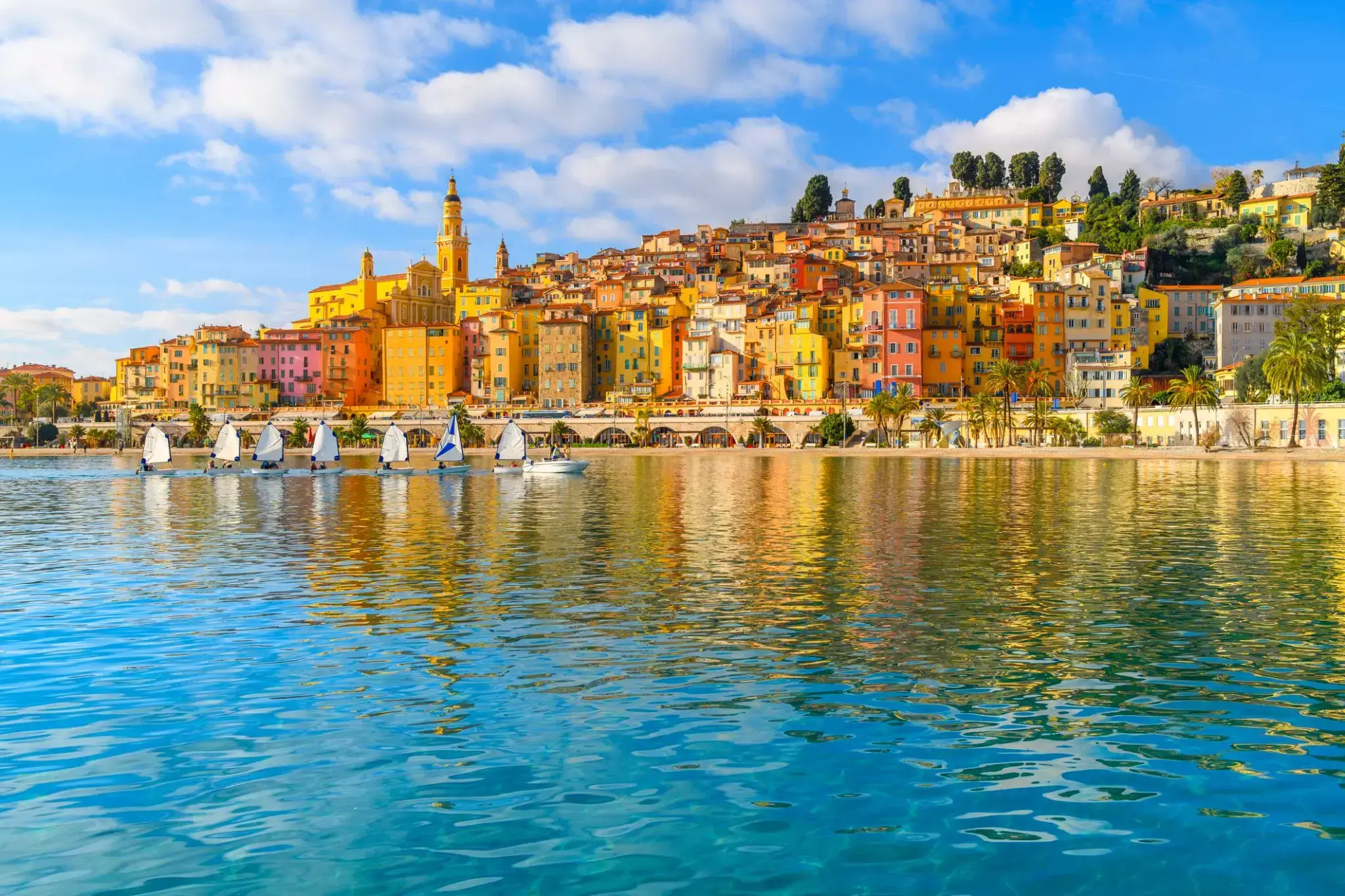
| 6 | 16.06 երք | Հաճելի է / France | 08:00 | 22:00 |
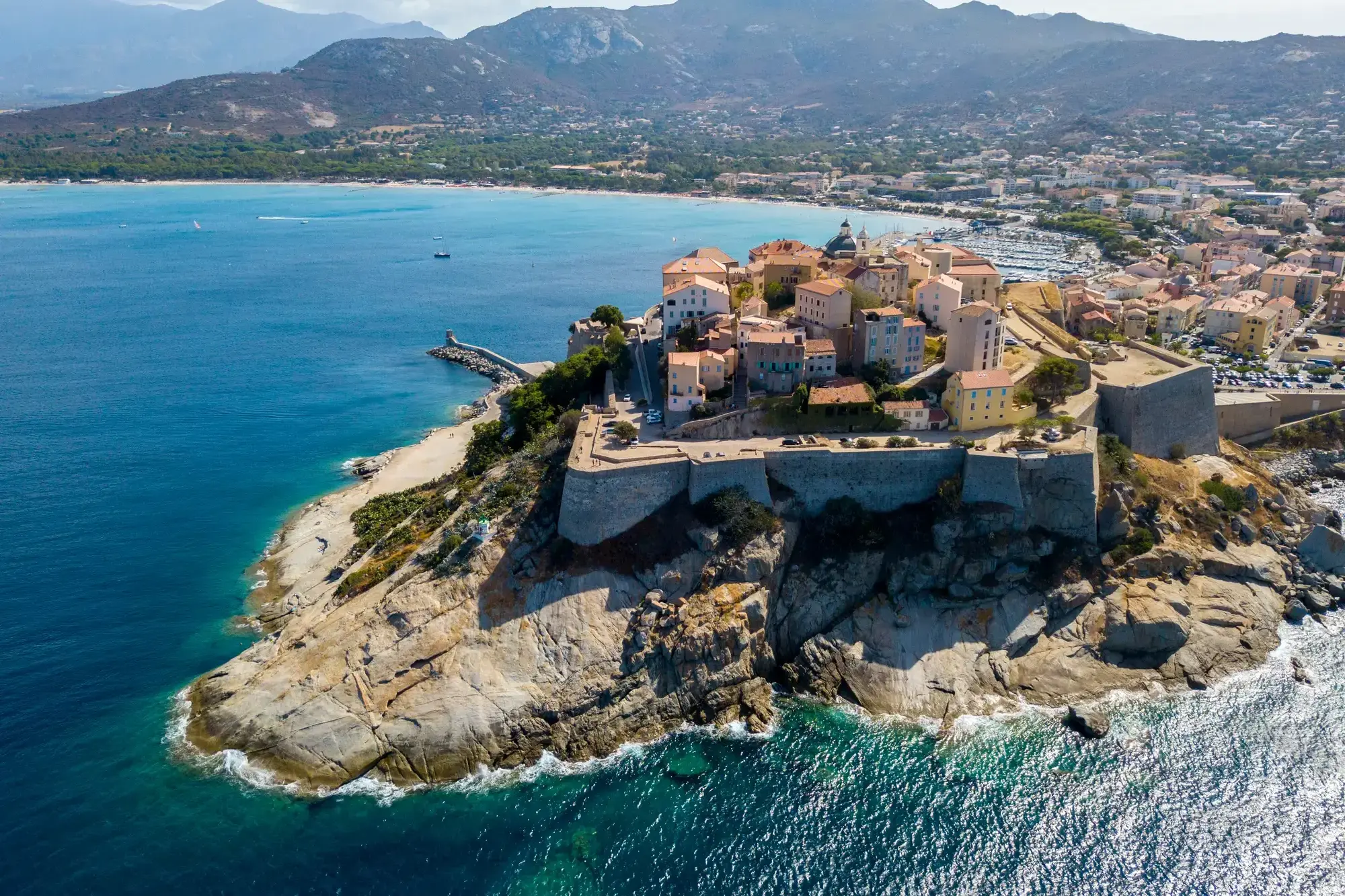
| 7 | 17.06 չրք | Կալվի / France | 08:00 | 18:00 |
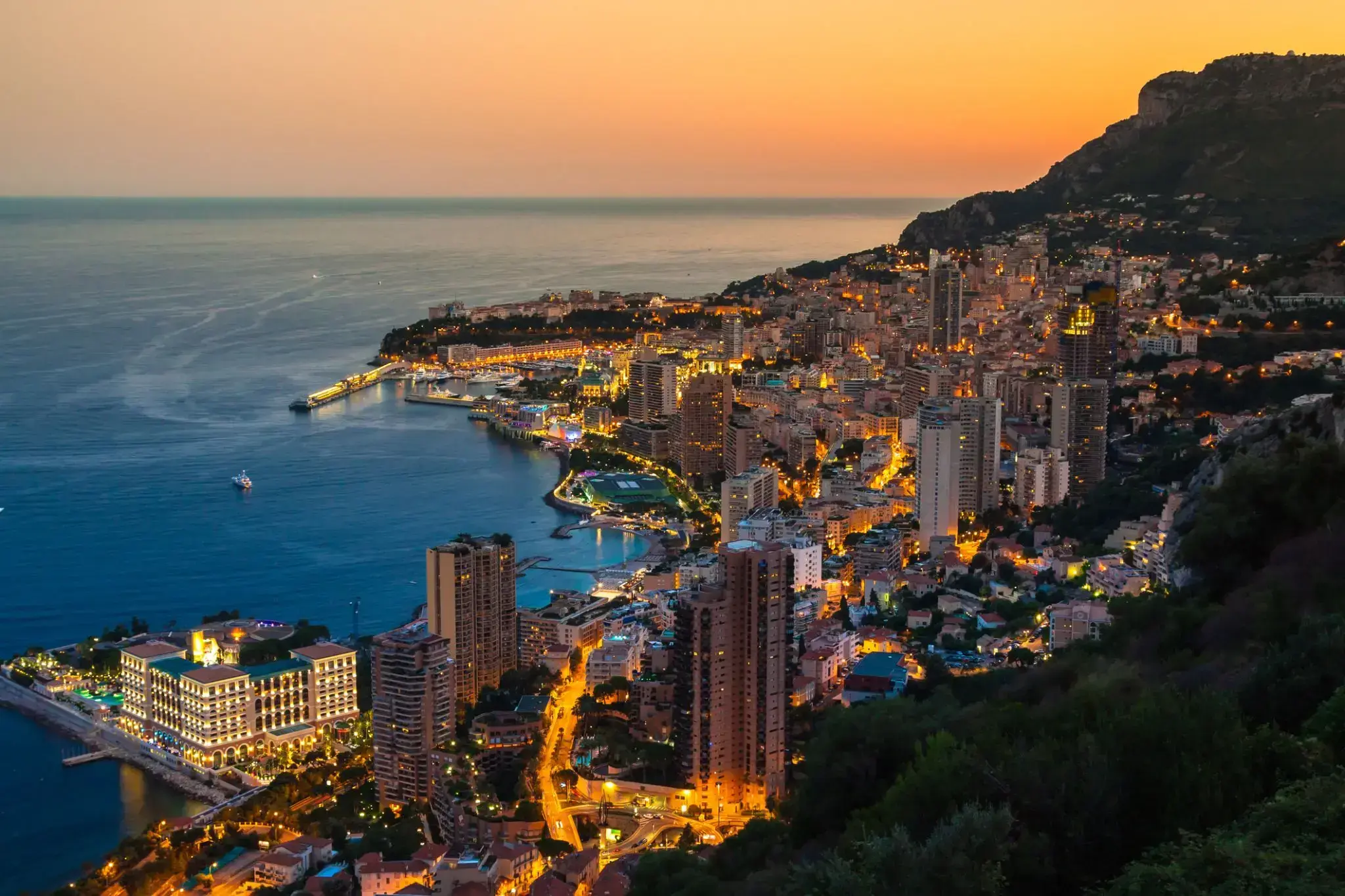
| 8 | 18.06 հնգ | Մոնտե Կառլո / Monaco | 07:00 | 18:00 |
| 9 | 19.06 ուր | Սանտա-Մարգերիտա-Լիգուրե / Italy | 08:00 | 18:00 |
| 10 | 20.06 շբթ | ՖԼՈՐԵՆՑԻԱ ՊԻԶԱ | 08:00 | |
| 11 | 21.06 կիր | ՖԼՈՐԵՆՑԻԱ ՊԻԶԱ | 19:00 | |
| 12 | 22.06 երկ | Հռոմ (Civitavecchia) / Italy | 08:00 | 19:30 |
| 13 | 23.06 երք | Սորենտո, Կապրի / Italy | 08:00 | 20:00 |
| 14 | 24.06 չրք | Օր ծովում / Sea | ||
| 15 | 25.06 հնգ | Կոտոր / Montenegro | 09:30 | 20:00 |
| 16 | 26.06 ուր | Դուբրովնիկ / Croatia | 08:00 | 22:00 |
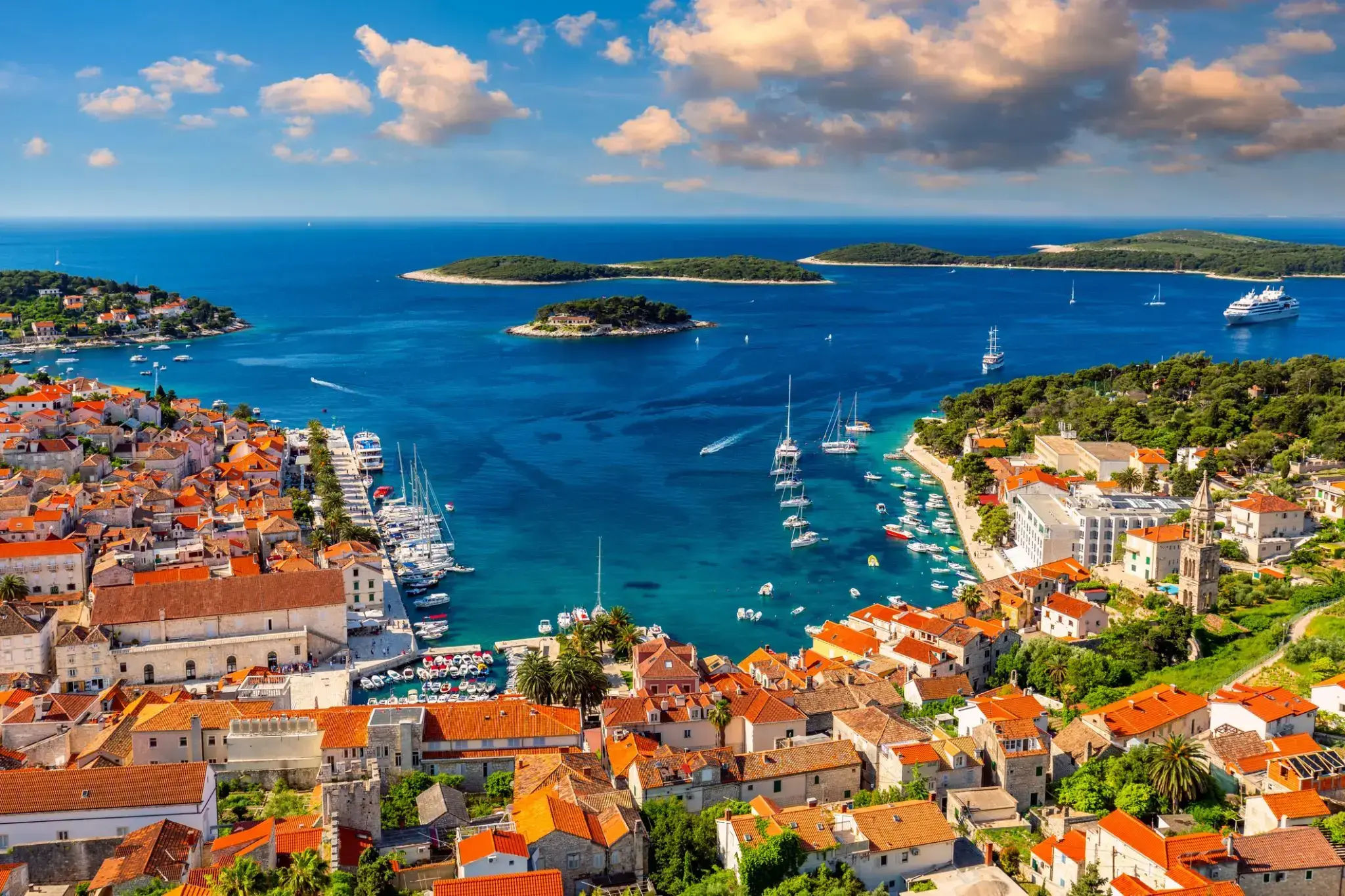
| 17 | 27.06 շբթ | Հվար / Croatia | 08:00 | 16:00 |
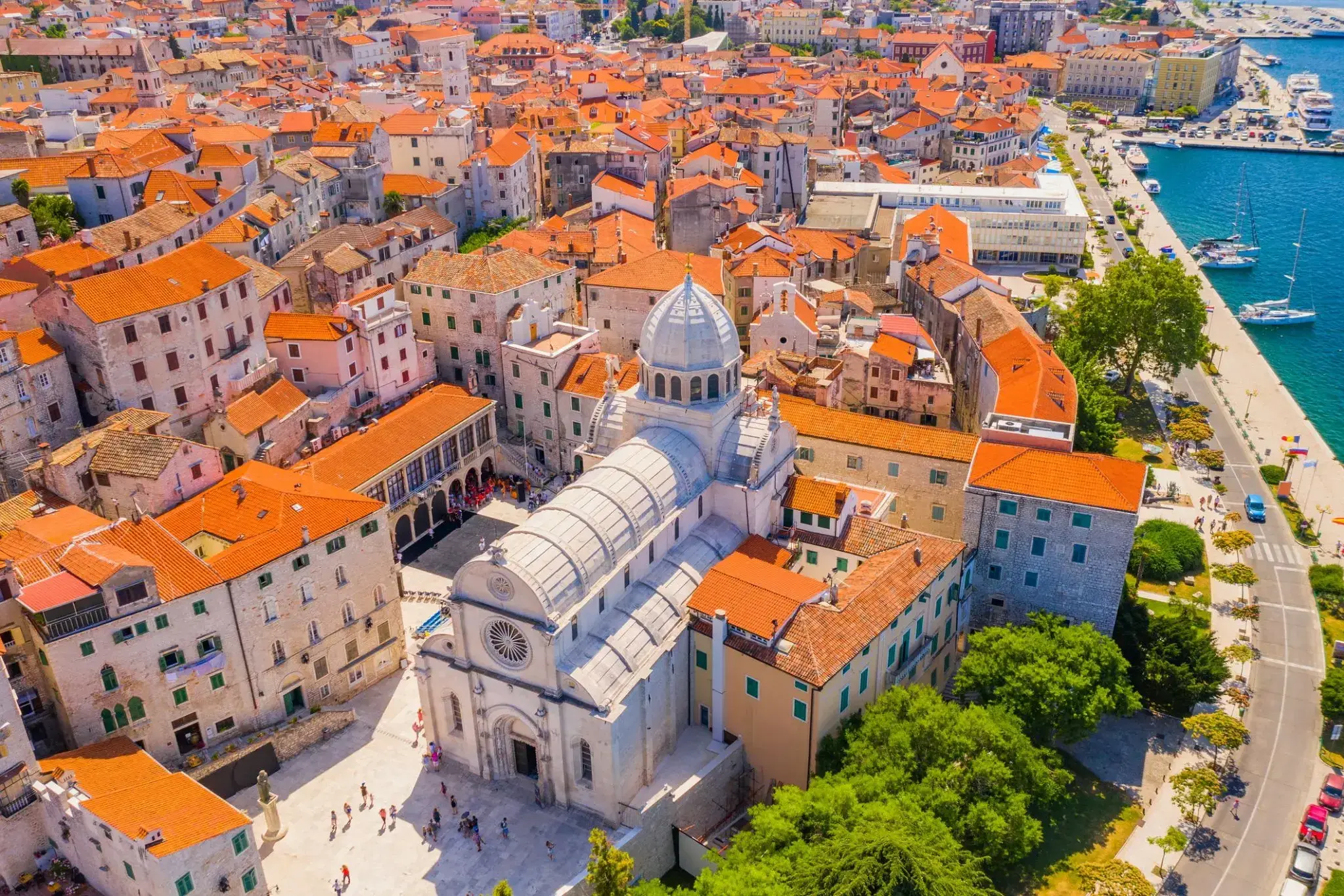
| 18 | 28.06 կիր | Սամիթ / Slovenia | 08:00 | 18:00 |
| 19 | 29.06 երկ | Ֆուսինա / Italy | 06:00 | 18:00 |
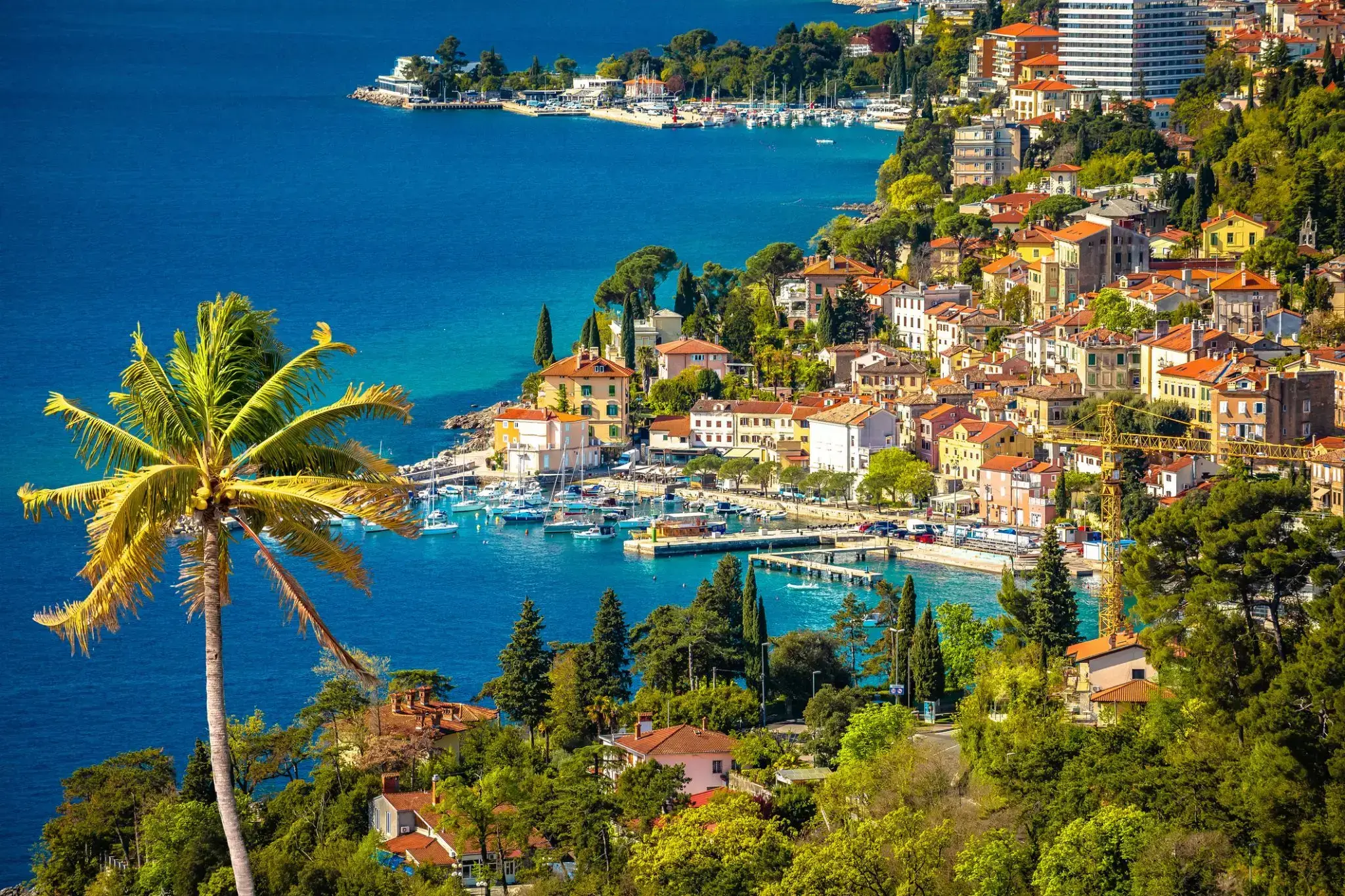
| 20 | 30.06 երք | Աբբայություն / Croatia | 08:00 | 18:00 |
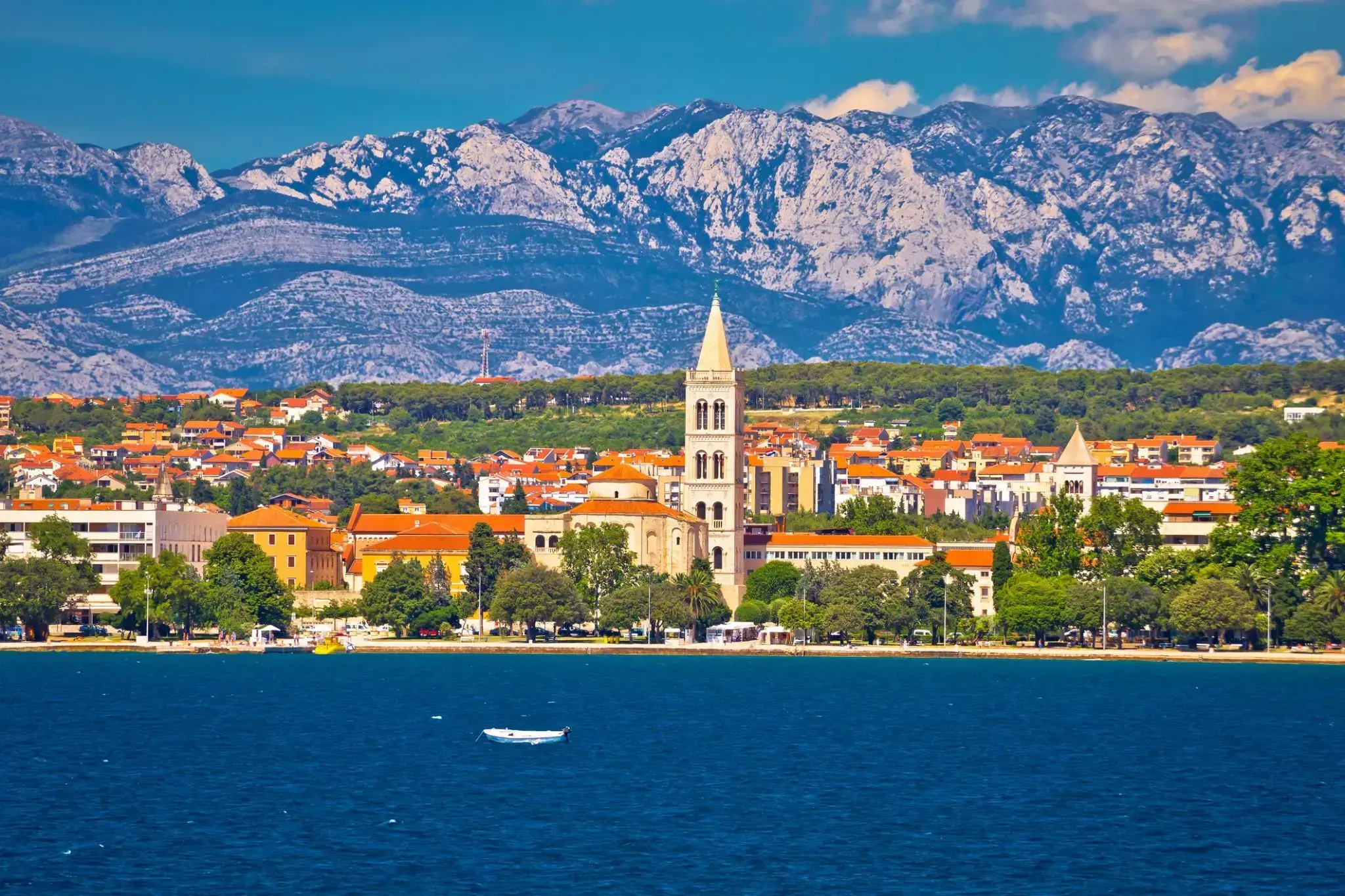
| 21 | 1.07 չրք | Զադար / Croatia | 08:00 | 22:00 |
| 22 | 2.07 հնգ | Դահիճ / Croatia | 08:00 | 21:00 |
| 23 | 3.07 ուր | Կորչուլա / Croatia | 08:00 | 20:00 |
| 24 | 4.07 շբթ | Դուբրովնիկ / Croatia | 08:00 | 22:00 |
| 25 | 5.07 կիր | Կոտոր / Montenegro | 08:00 | 17:00 |
| 26 | 6.07 երկ | Կորֆու / Greece | 08:30 | 22:00 |
| 27 | 7.07 երք | Օր ծովում / Sea | ||
| 28 | 8.07 չրք | Պիրեուս (Աթենք) / Greece | 05:00 | 18:00 |
| 29 | 9.07 հնգ | Սիրոս / Greece | 08:00 | 20:00 |
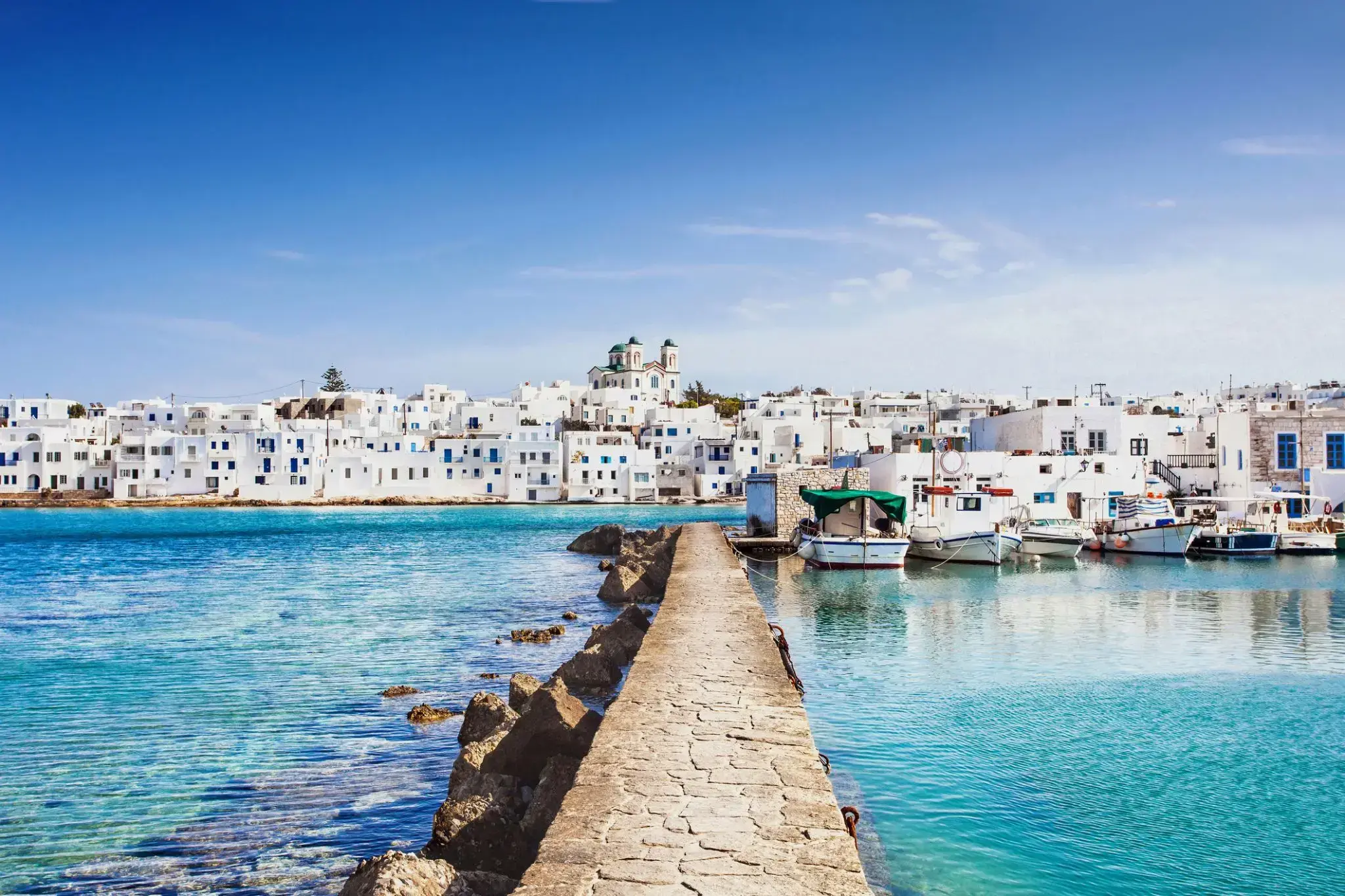
| 30 | 10.07 ուր | Փարոս / Greece | 08:00 | 18:00 |
| 31 | 11.07 շբթ | Սանտորինի, Կիկլադներ / Greece | 08:00 | 20:00 |
| 32 | 12.07 կիր | Սուրբ Նիկողայոս, ո. Կրետե / Greece | 08:00 | 17:00 |
| 33 | 13.07 երկ | Հռոդոս / Greece | 08:00 | 18:00 |
| 34 | 14.07 երք | Կուշադասի (Եփեսոս) / Turkey | 08:00 | 22:30 |
| 35 | 15.07 չրք | Պատմոս / Greece | 08:00 | 18:00 |
| 36 | 16.07 հնգ | Միկոնոս / Greece | 08:00 | 15:00 |
| 37 | 17.07 ուր | Ստամբուլ / Turkey | 13:00 | |
| 38 | 18.07 շբթ | Ստամբուլ / Turkey | 08:00 | 18:00 |
| 39 | 19.07 կիր | Քեպեզ (Չանաքքալե) / Turkey | 08:00 | 16:00 |
| 40 | 20.07 երկ | Սալոնիկ / Greece | 08:00 | |
| 41 | 21.07 երք | Սալոնիկ / Greece | 21:00 | |
| 42 | 22.07 չրք | կամք / Greece | 08:00 | 19:00 |
| 43 | 23.07 հնգ | Միկոնոս / Greece | 08:00 | 21:30 |
| 44 | 24.07 ուր | Նաֆպլիոն / Greece | 08:00 | 18:00 |
| 45 | 25.07 շբթ | Պիրեուս (Աթենք) / Greece | 05:00 |
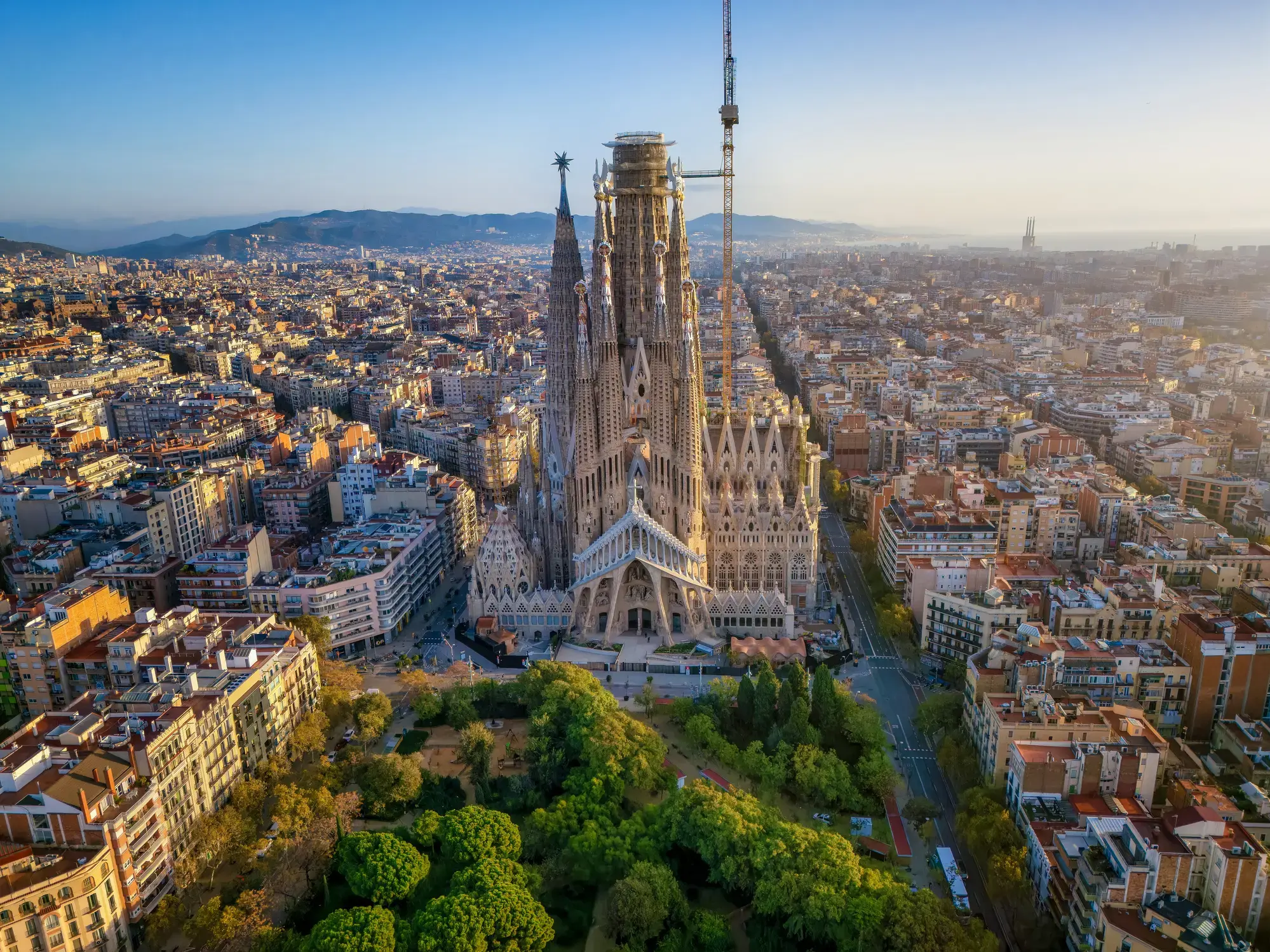
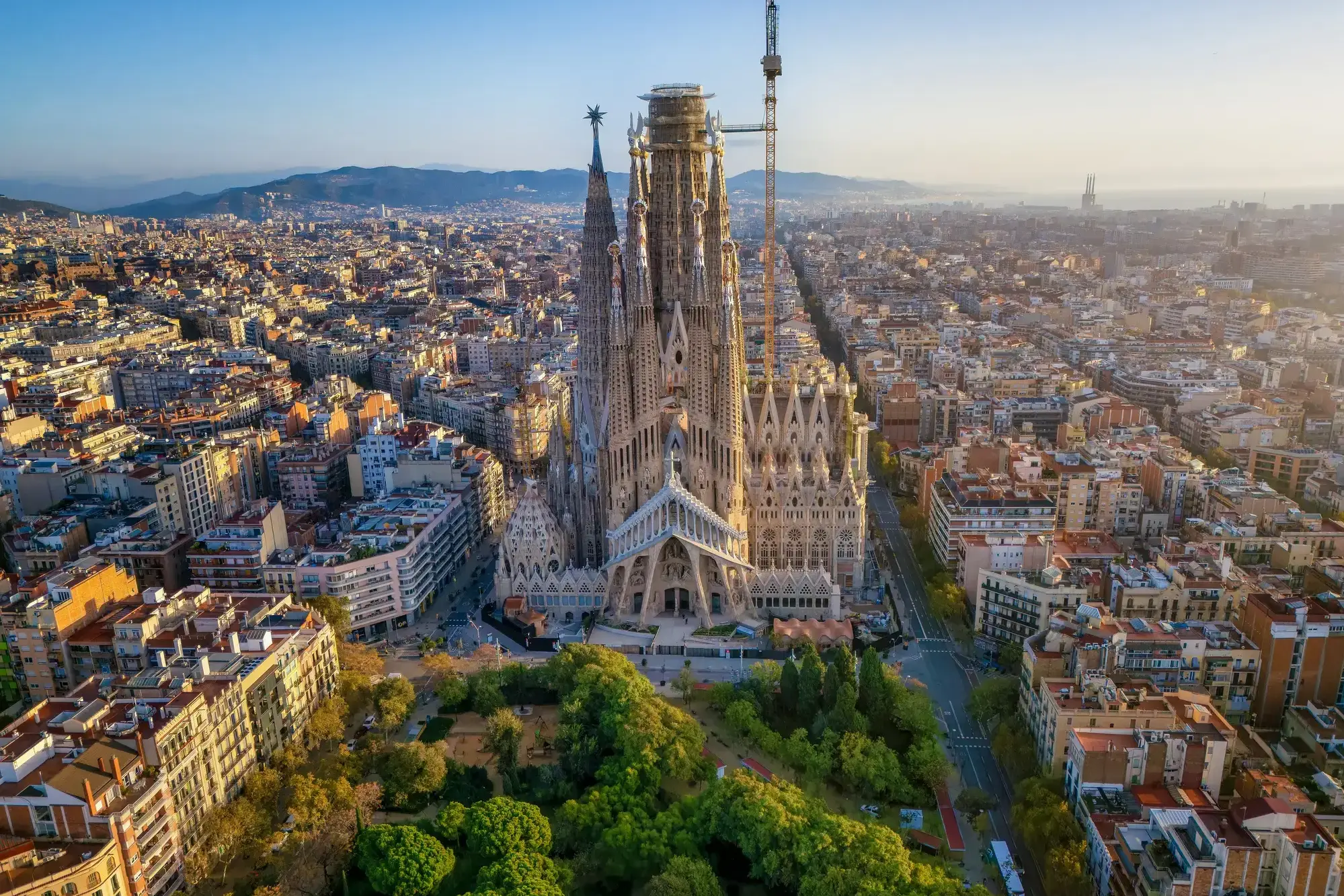
Barcelona is a city in Spain. It is the capital and largest city of Catalonia, as well as the second most populous municipality of Spain. With a population of 1.6 million within city limits, its urban area extends to numerous neighbouring municipalities within the Province of Barcelona and is home to around 4.8 million people, making it the sixth most populous urban area in the European Union after Paris, London, Madrid, the Ruhr area and Milan. It is one of the largest metropolises on the Mediterranean Sea, located on the coast between the mouths of the rivers Llobregat and Besòs, and bounded to the west by the Serra de Collserola mountain range, the tallest peak of which is 512 metres (1,680 feet) high.
Founded as a Roman city, in the Middle Ages Barcelona became the capital of the County of Barcelona. After merging with the Kingdom of Aragon, Barcelona continued to be an important city in the Crown of Aragon as an economic and administrative centre of this Crown and the capital of the Principality of Catalonia. Barcelona has a rich cultural heritage and is today an important cultural centre and a major tourist destination. Particularly renowned are the architectural works of Antoni Gaudí and Lluís Domènech i Montaner, which have been designated UNESCO World Heritage Sites. The headquarters of the Union for the Mediterranean are located in Barcelona. The city is known for hosting the 1992 Summer Olympics as well as world-class conferences and expositions and also many international sport tournaments.
Barcelona is one of the world's leading tourist, economic, trade fair and cultural centres, and its influence in commerce, education, entertainment, media, fashion, science, and the arts all contribute to its status as one of the world's major global cities. It is a major cultural and economic centre in southwestern Europe, 24th in the world (before Zürich, after Frankfurt) and a financial centre. In 2008 it was the fourth most economically powerful city by GDP in the European Union and 35th in the world with GDP amounting to €177 billion. In 2012 Barcelona had a GDP of $170 billion; and it was leading Spain in employment rate in that moment.
In 2009 the city was ranked Europe's third and one of the world's most successful as a city brand. In the same year the city was ranked Europe's fourth best city for business and fastest improving European city, with growth improved by 17% per year, and the city has been experiencing strong and renewed growth for the past three years. Since 2011 Barcelona has been a leading smart city in Europe. Barcelona is a transport hub, with the Port of Barcelona being one of Europe's principal seaports and busiest European passenger port, an international airport, Barcelona–El Prat Airport, which handles over 50 million passengers per year, an extensive motorway network, and a high-speed rail line with a link to France and the rest of Europe.
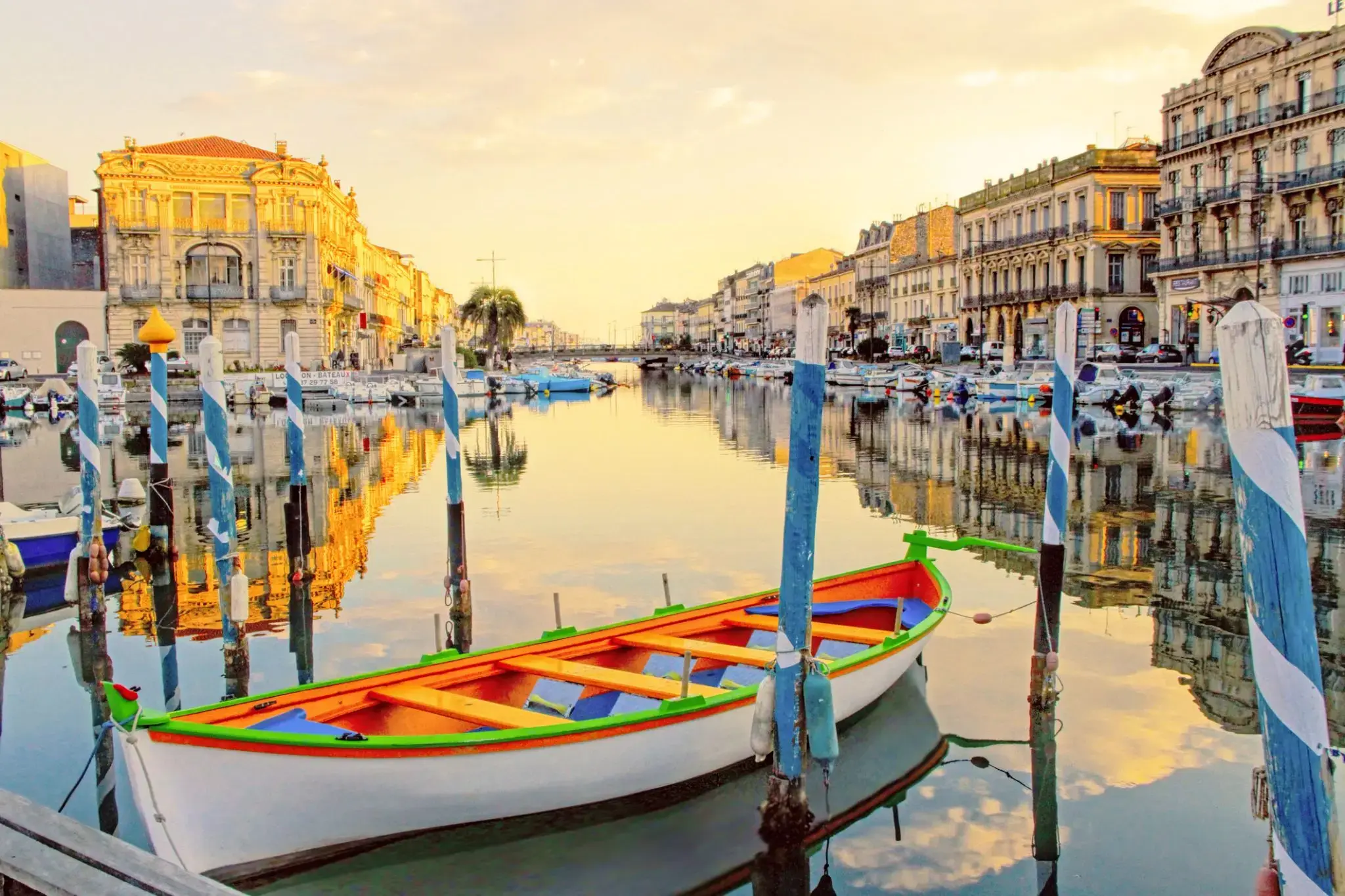
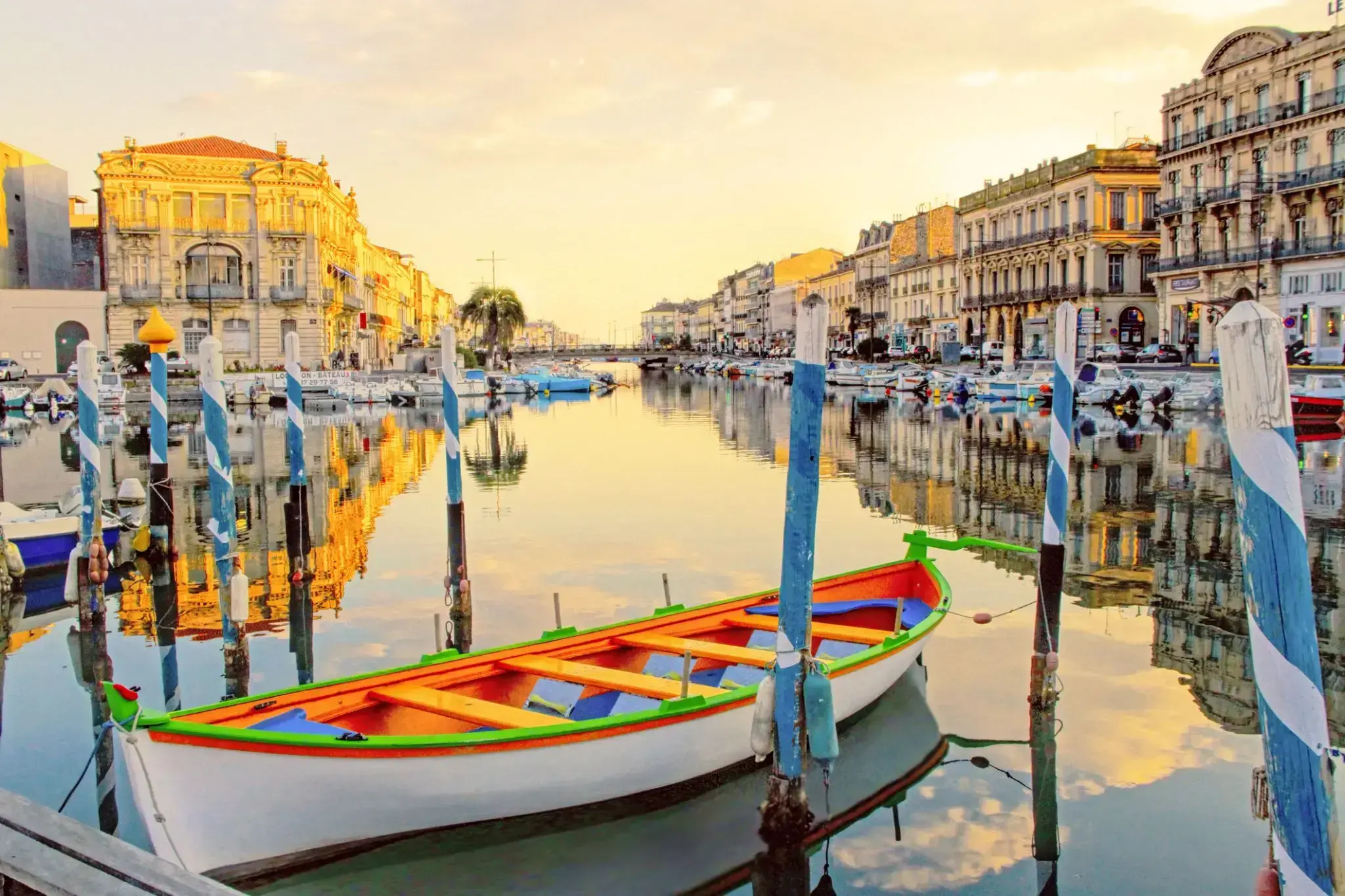
Սետ քաղաքը, որը գտնվում է Ֆրանսիայի հարավում՝ Թու աղի լճի և Միջերկրական ծովի միջև, հաճախ անվանում են «Լանգեդոկի Վենետիկ»՝ իր գեղատեսիլ ջրանցքների շնորհիվ, որտեղ շրջում են ձկնորսական և զբոսաշրջային նավակներ։ Քաղաքը հիմնադրվել է 17-րդ դարում՝ Միջի ջրանցքի նավահանգիստ լինելու համար և մինչ օրս մնում է կարևոր ձկնորսական և առևտրային կենտրոն։ Սուրբ Կլերի լեռը բարձրանում է քաղաքի վերևում՝ բացելով համայնապատկերային տեսարաններ աղուտների և ծովի երկնագույն ջրերի վրա։
Սետը հայտնի է ոչ միայն իր ծովային հմայքով, այլև հարուստ մշակութային կյանքով։ Այն բանաստեղծ Պոլ Վալերի ծննդավայրն է․ նրա անունով անվանվել է թանգարան և ծովափնյա գերեզմանոց, որտեղ էլ նա հուղարկավորված է։ Ամառը քաղաքում անցկացվում է յուրահատուկ փառատոն՝ նավակների վրա միջնադարյան ասպետական մենամարտեր (joutes nautiques), ավանդույթ, որ սկսվել է միջնադարից։ Տեղական խոհանոցը հայտնի է թարմ ծովամթերքով, հատկապես՝ խեցգետիններով և միդիաներով Թու լճից։ Սետը այն վայրն է, որտեղ միաձուլվում են միջերկրածովյան ոգին, պատմությունը, գաստրոնոմիան և պոեզիան։
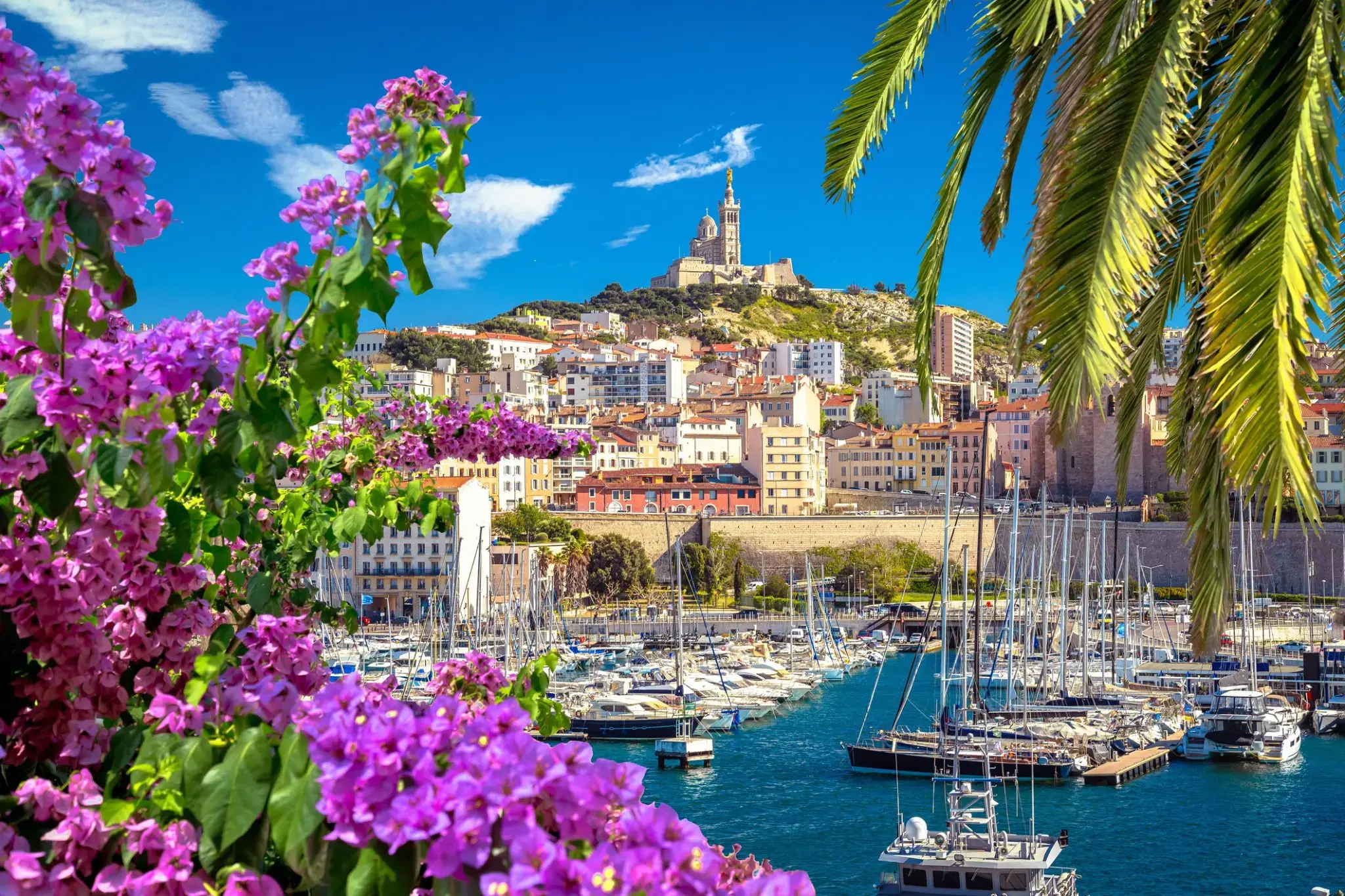
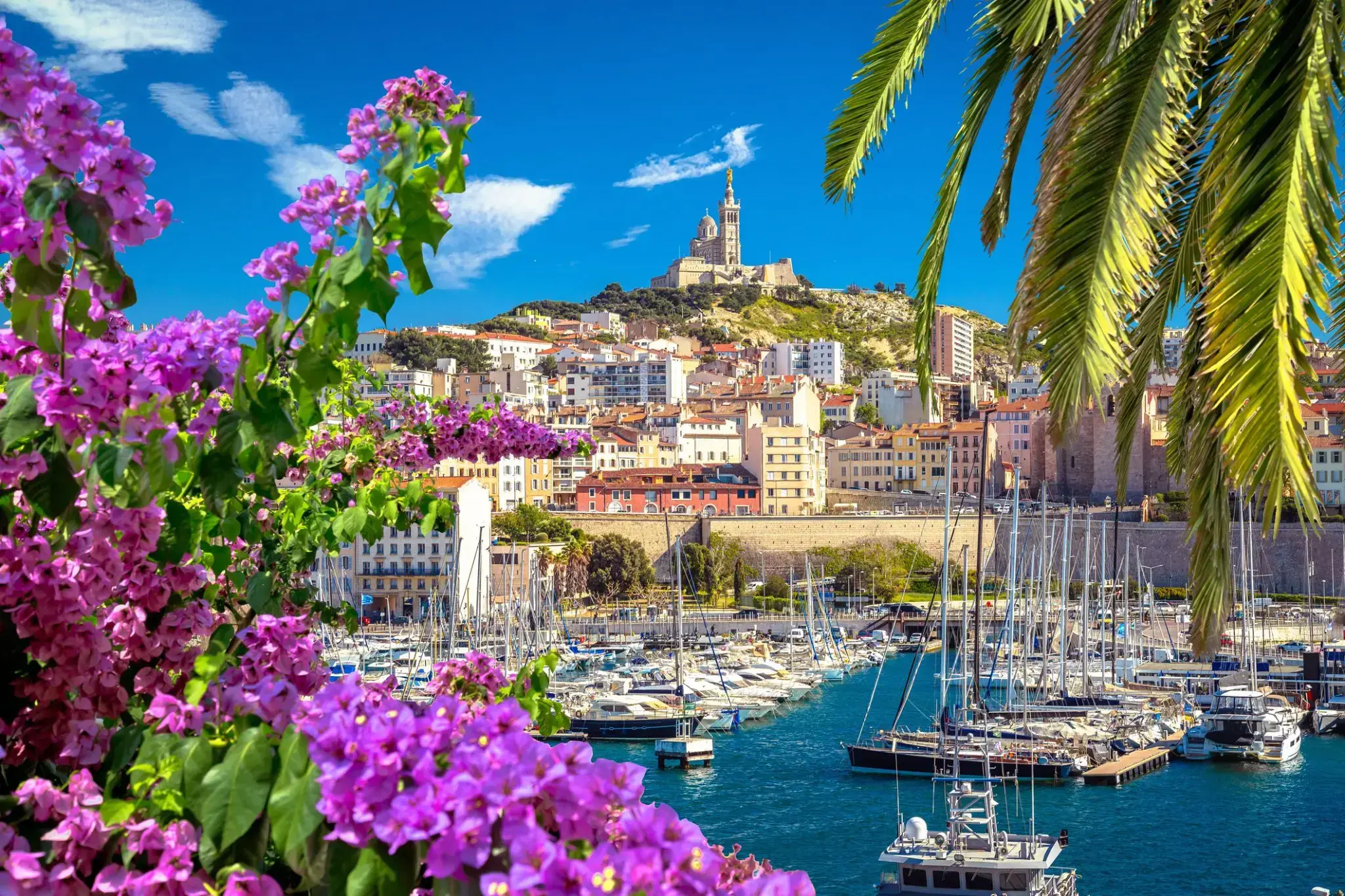
Marseille is the second-largest city of France. The main city of the historical province of Provence, it nowadays is the prefecture of the department of Bouches-du-Rhône and region of Provence-Alpes-Côte d'Azur. It is located on France's south coast near the mouth of the Rhône river. The city covers an area of 241 km2 (93 sq mi) and had a population of 852,516 in 2012. Its metropolitan area, which extends over 3,173 km2 (1,225 sq mi) is the third-largest in France after Paris and Lyon, with a population of 1,831,500 as of 2010.
Known to the ancient Greeks and Romans as Massalia, Marseille was an important European trading centre and remains the main commercial port of the French Republic. Marseille is now France's largest city on the Mediterranean coast and the largest port for commerce, freight and cruise ships. The city was European Capital of Culture in 2013 and European Capital of Sport in 2017; it hosted matches at the 1998 World Cup and Euro 2016. It is home to Aix-Marseille University.
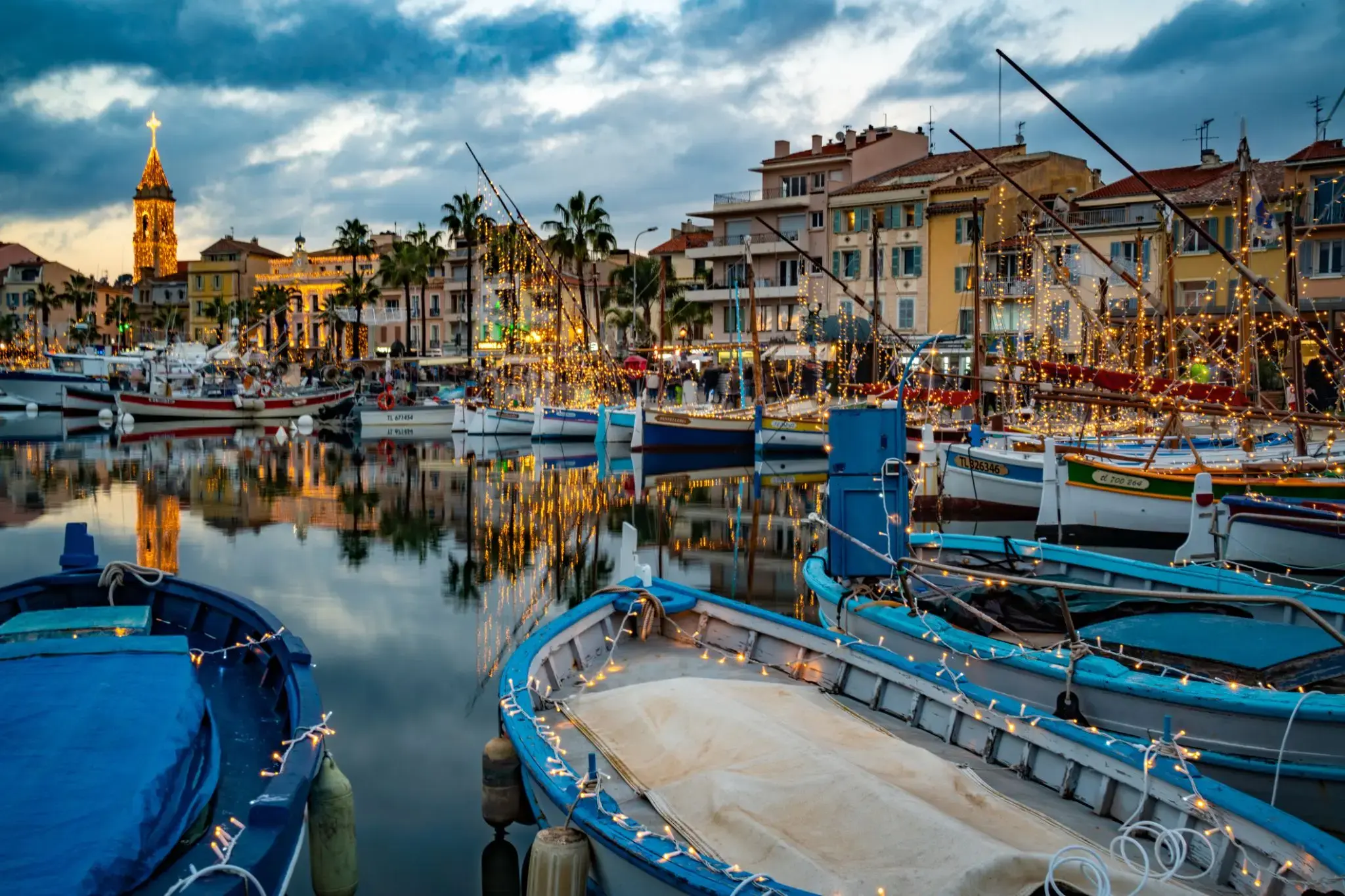
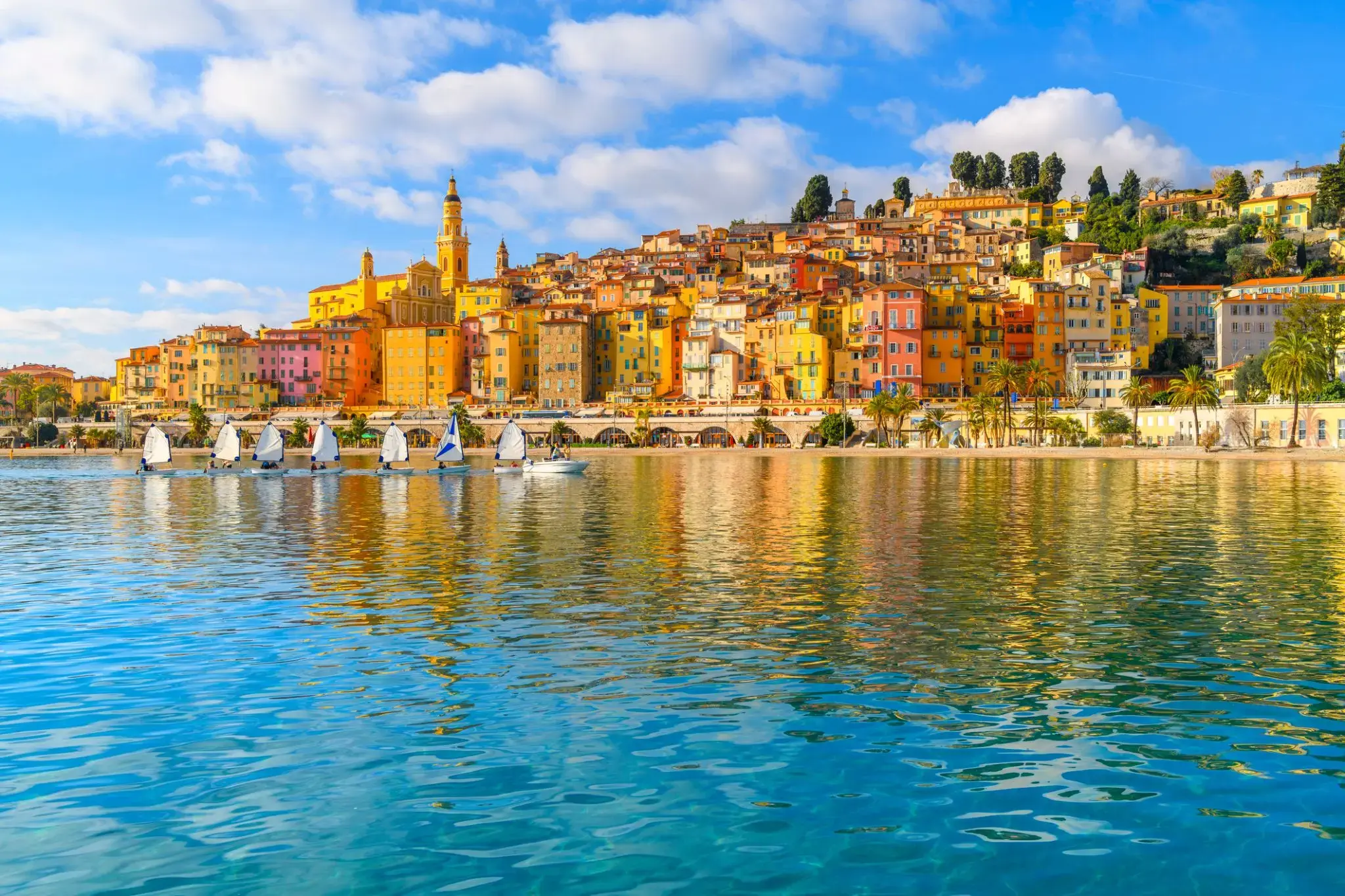
Nice is the seventh most populous urban area in France and the capital of the Alpes-Maritimes département. The metropolitan area of Nice extends beyond the administrative city limits, with a population of about 1 million on an area of 721 km2 (278 sq mi). Located in the French Riviera, on the south east coast of France on the Mediterranean Sea, at the foot of the Alps, Nice is the second-largest French city on the Mediterranean coast and the second-largest city in the Provence-Alpes-Côte d'Azur region after Marseille. Nice is approximately 13 kilometres (8.1 mi) from the principality of Monaco and 30 kilometres (19 mi) from the French-Italian border. Nice's airport serves as a gateway to the region.
The city is nicknamed Nice la Belle (Nissa La Bella in Niçard), which means Nice the Beautiful, which is also the title of the unofficial anthem of Nice, written by Menica Rondelly in 1912.
The area of today's Nice contains Terra Amata, an archaeological site which displays evidence of a very early use of fire. Around 350 BC, Greeks of Marseille founded a permanent settlement and called it Nikaia, after Nike, the goddess of victory. Through the ages, the town has changed hands many times. Its strategic location and port significantly contributed to its maritime strength. For centuries it was a dominion of Savoy, and was then part of France between 1792 and 1815, when it was returned to Piedmont-Sardinia until its re-annexation by France in 1860.
The natural environment of the Nice area and its mild Mediterranean climate came to the attention of the English upper classes in the second half of the 18th century, when an increasing number of aristocratic families took to spending their winters there. The city's main seaside promenade, the Promenade des Anglais ("Walkway of the English") owes its name to visitors to the resort. The clear air and soft light have particularly appealed to notable painters, such as Marc Chagall, Henri Matisse, Niki de Saint Phalle and Arman. Their work is commemorated in many of the city's museums, including Musée Marc Chagall, Musée Matisse and Musée des Beaux-Arts. Nice has the second largest hotel capacity in the country and it is one of its most visited cities, receiving 4 million tourists every year. It also has the third busiest airport in France, after the two main Parisian ones. It is the historical capital city of the County of Nice(Comté de Nice).
Nice is the seventh most populous urban area in France and the capital of the Alpes-Maritimes département. The metropolitan area of Nice extends beyond the administrative city limits, with a population of about 1 million on an area of 721 km2 (278 sq mi). Located in the French Riviera, on the south east coast of France on the Mediterranean Sea, at the foot of the Alps, Nice is the second-largest French city on the Mediterranean coast and the second-largest city in the Provence-Alpes-Côte d'Azur region after Marseille. Nice is approximately 13 kilometres (8.1 mi) from the principality of Monaco and 30 kilometres (19 mi) from the French-Italian border. Nice's airport serves as a gateway to the region.
The city is nicknamed Nice la Belle (Nissa La Bella in Niçard), which means Nice the Beautiful, which is also the title of the unofficial anthem of Nice, written by Menica Rondelly in 1912.
The area of today's Nice contains Terra Amata, an archaeological site which displays evidence of a very early use of fire. Around 350 BC, Greeks of Marseille founded a permanent settlement and called it Nikaia, after Nike, the goddess of victory. Through the ages, the town has changed hands many times. Its strategic location and port significantly contributed to its maritime strength. For centuries it was a dominion of Savoy, and was then part of France between 1792 and 1815, when it was returned to Piedmont-Sardinia until its re-annexation by France in 1860.
The natural environment of the Nice area and its mild Mediterranean climate came to the attention of the English upper classes in the second half of the 18th century, when an increasing number of aristocratic families took to spending their winters there. The city's main seaside promenade, the Promenade des Anglais ("Walkway of the English") owes its name to visitors to the resort. The clear air and soft light have particularly appealed to notable painters, such as Marc Chagall, Henri Matisse, Niki de Saint Phalle and Arman. Their work is commemorated in many of the city's museums, including Musée Marc Chagall, Musée Matisse and Musée des Beaux-Arts. Nice has the second largest hotel capacity in the country and it is one of its most visited cities, receiving 4 million tourists every year. It also has the third busiest airport in France, after the two main Parisian ones. It is the historical capital city of the County of Nice(Comté de Nice).
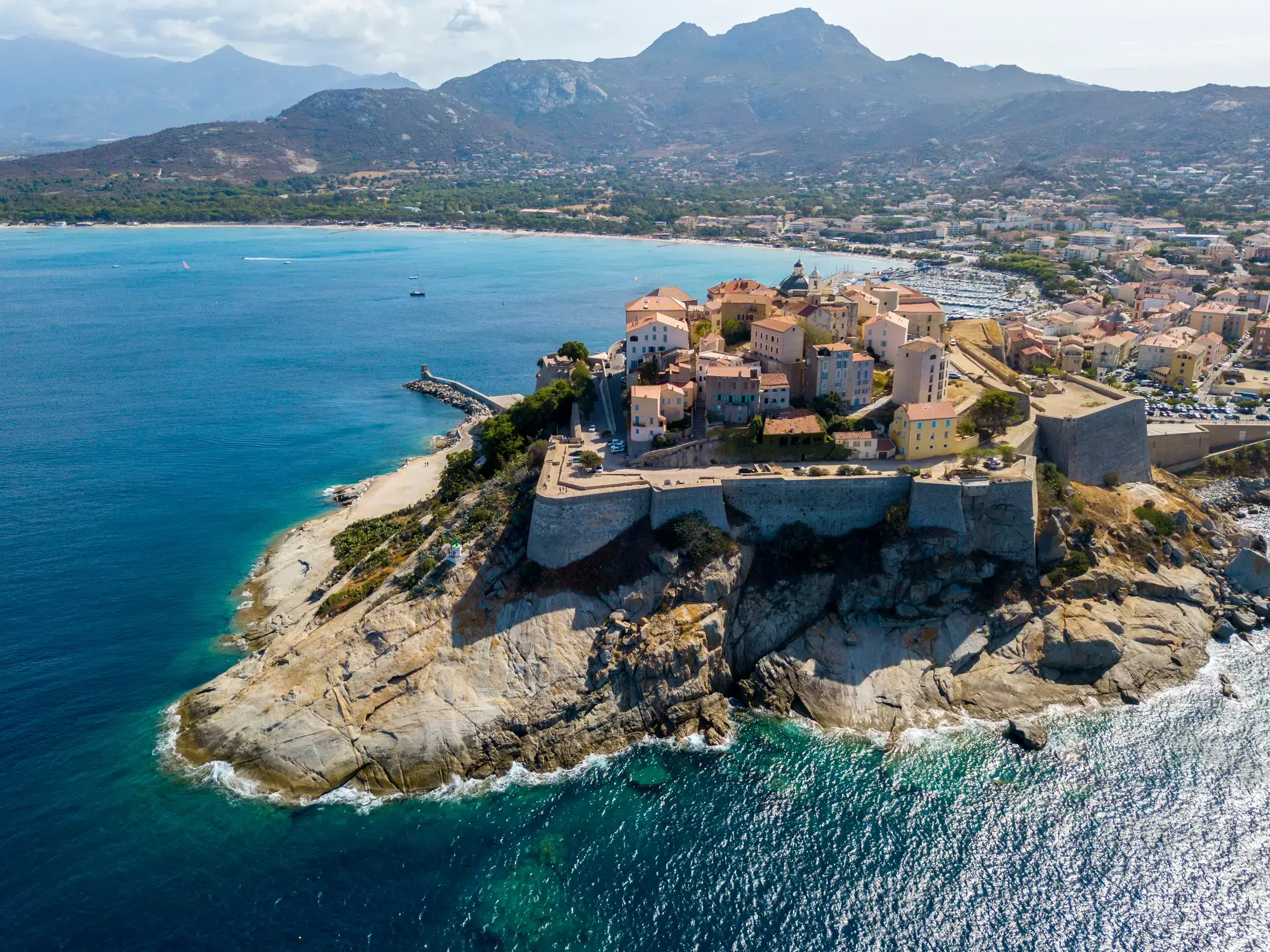

Monte Carlo officially refers to an administrative area of the Principality of Monaco, specifically the ward of Monte Carlo/Spélugues, where the Monte Carlo Casino is located. Informally the name also refers to a larger district, the Monte Carlo Quarter (corresponding to the former municipality of Monte Carlo), which besides Monte Carlo/Spélugues also includes the wards of La Rousse/Saint Roman, Larvotto/Bas Moulins, and Saint Michel. The permanent population of the ward of Monte Carlo is about 3,500, while that of the quarter is about 15,000. Monaco has four traditional quarters. From west to east they are: Fontvieille (the newest), Monaco-Ville (the oldest), La Condamine, and Monte Carlo.
Monte Carlo (literally "Mount Charles") is situated on a prominent escarpment at the base of the Maritime Alpsalong the French Riviera. Near the quarter's western end is the world-famous Place du Casino, the gamblingcenter which has made Monte Carlo "an international byword for the extravagant display and reckless dispersal of wealth". It is also the location of the Hôtel de Paris, the Café de Paris, and the Salle Garnier (the casino theatre which is the home of the Opéra de Monte-Carlo).
The quarter's eastern part includes the community of Larvotto with Monaco's only public beach, as well as its new convention center (the Grimaldi Forum), and the Monte-Carlo Bay Hotel & Resort. At the quarter's eastern border, one crosses into the French town of Beausoleil (sometimes referred to as Monte-Carlo-Supérieur), and just 8 kilometres (5 mi) to its east is the western border of Italy.
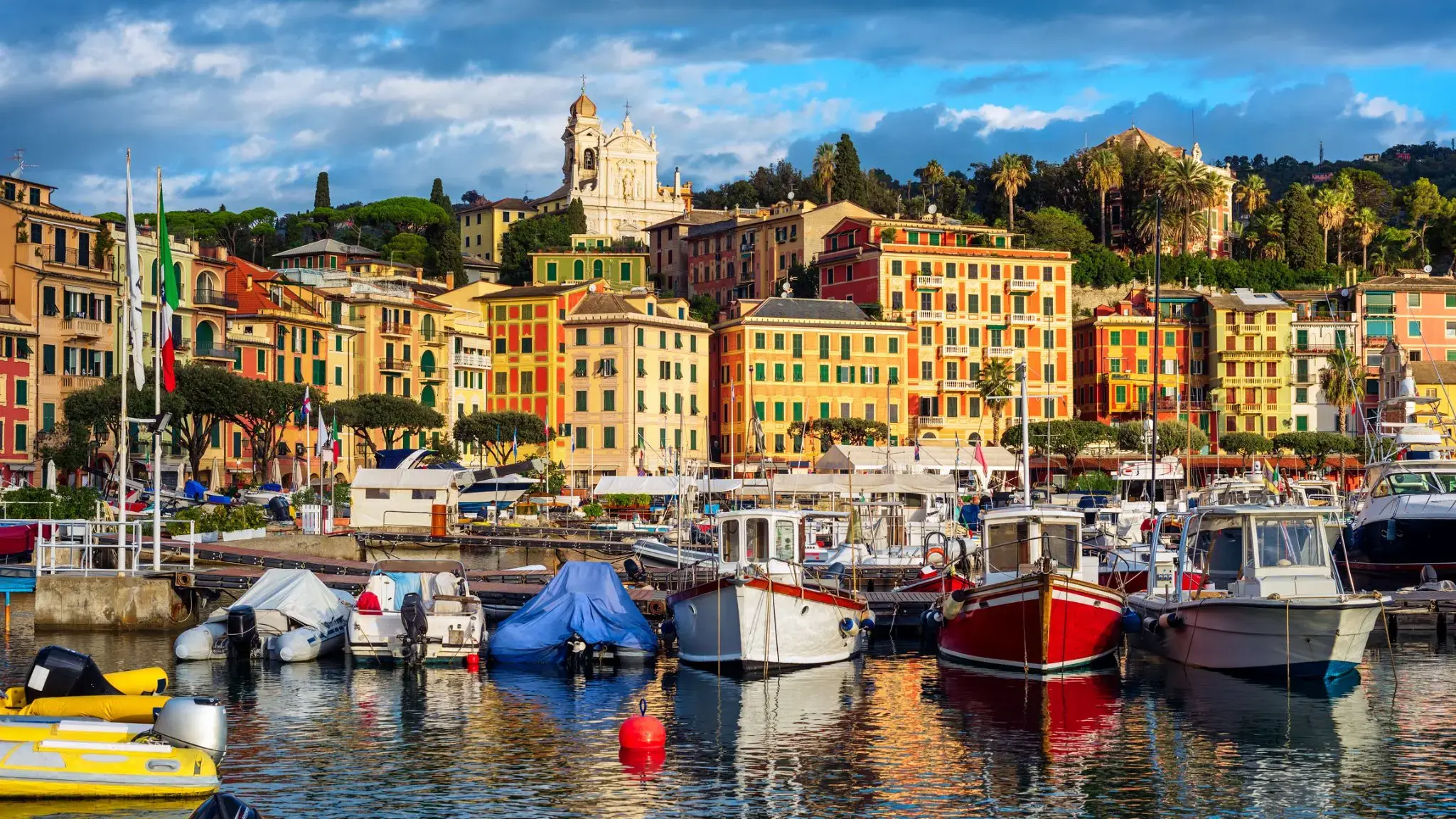
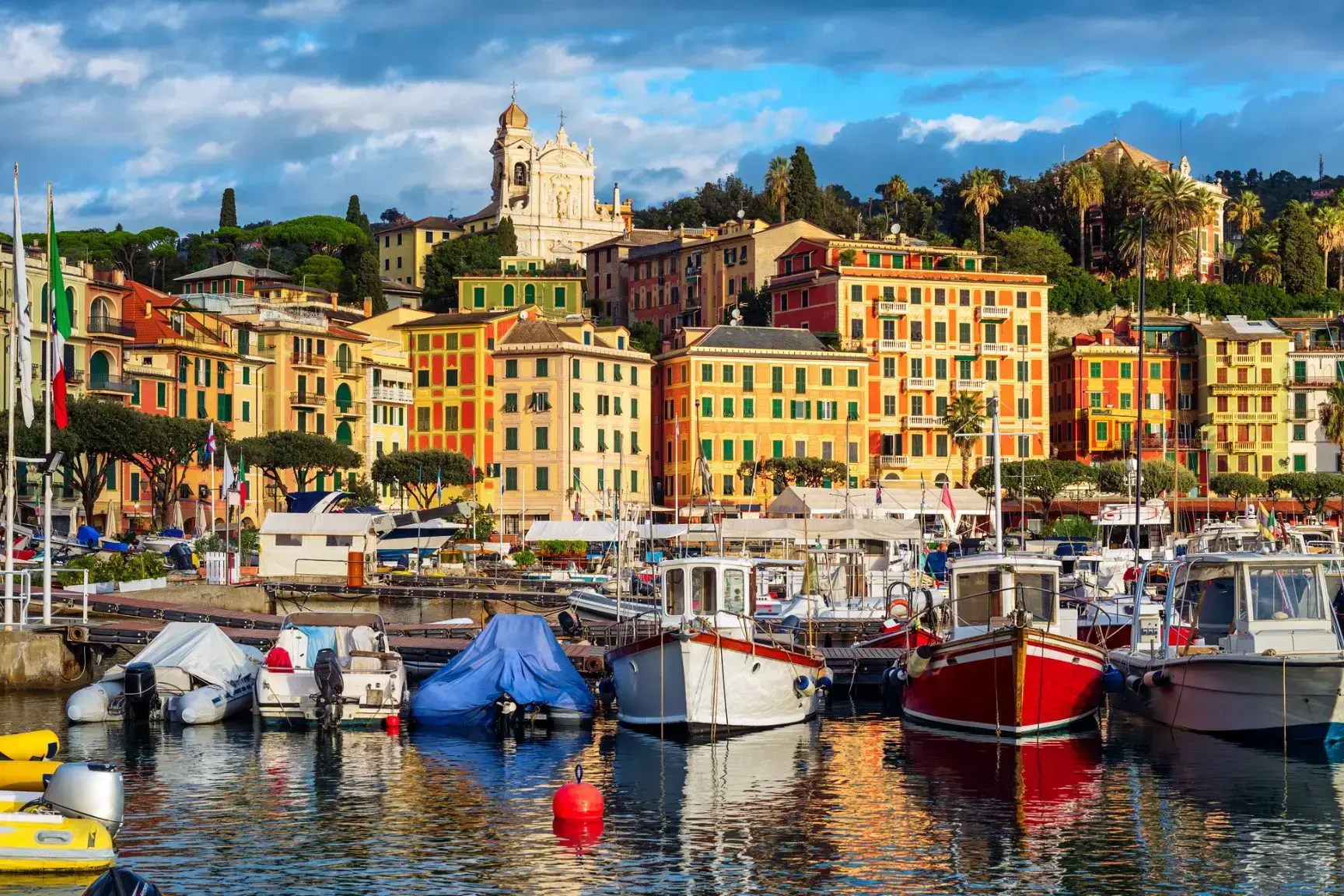
Սանտա Մարգերիտա Լիգուրե՝ Իտալիայի Լիգուրիական ափի վրա գտնվող գեղեցիկ հանգստյան քաղաք է, որը գտնվում է Պորտոֆինոյից մի քանի կիլոմետր հեռավորության վրա։ Նրա հմայիչ փողոցները, պատմական նամուտները և բուրավետ պարտեզները ստեղծում են հանգստի և հարմարավետության մթնոլորտ։ Քաղաքը գրավում է զբոսաշրջիկներին իր համալիրված մթնոլորտով և հիասքանչ տեսարաններով՝ կապույտ ծովի և կանաչ լեռների վրա, որոնք շրջապատում են այն։
Բացի գեղեցիկ բնապատկերներից՝ Սանտա Մարգերիտա Լիգուրեն առաջարկում է բազմաթիվ մշակութային և պատմական տեսարժան վայրեր։ Այնտեղ գտնվում է Սուրբ Մարտին եկեղեցին և ամրոցը, որտեղից բացվում է արտասովոր տեսարան ափի վրա։ Այս վայրը կատարյալ է նրանց համար, ովքեր փնտրում են հանգստություն, սակայն միաժամանակ ցանկանում են վայելել հարուստ մշակութային կյանքն ու խոհանոցը։
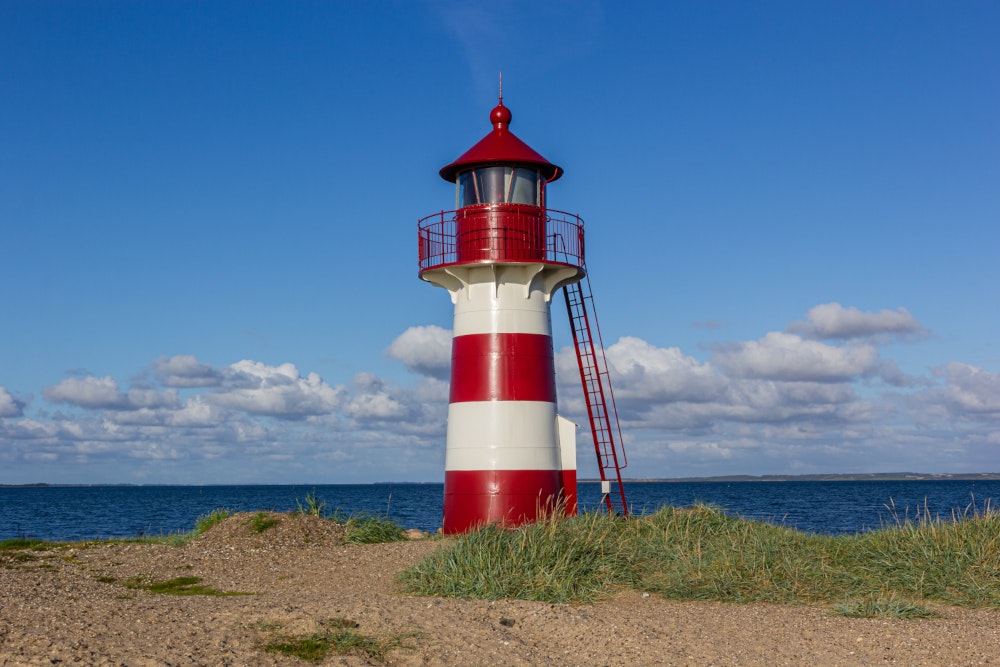

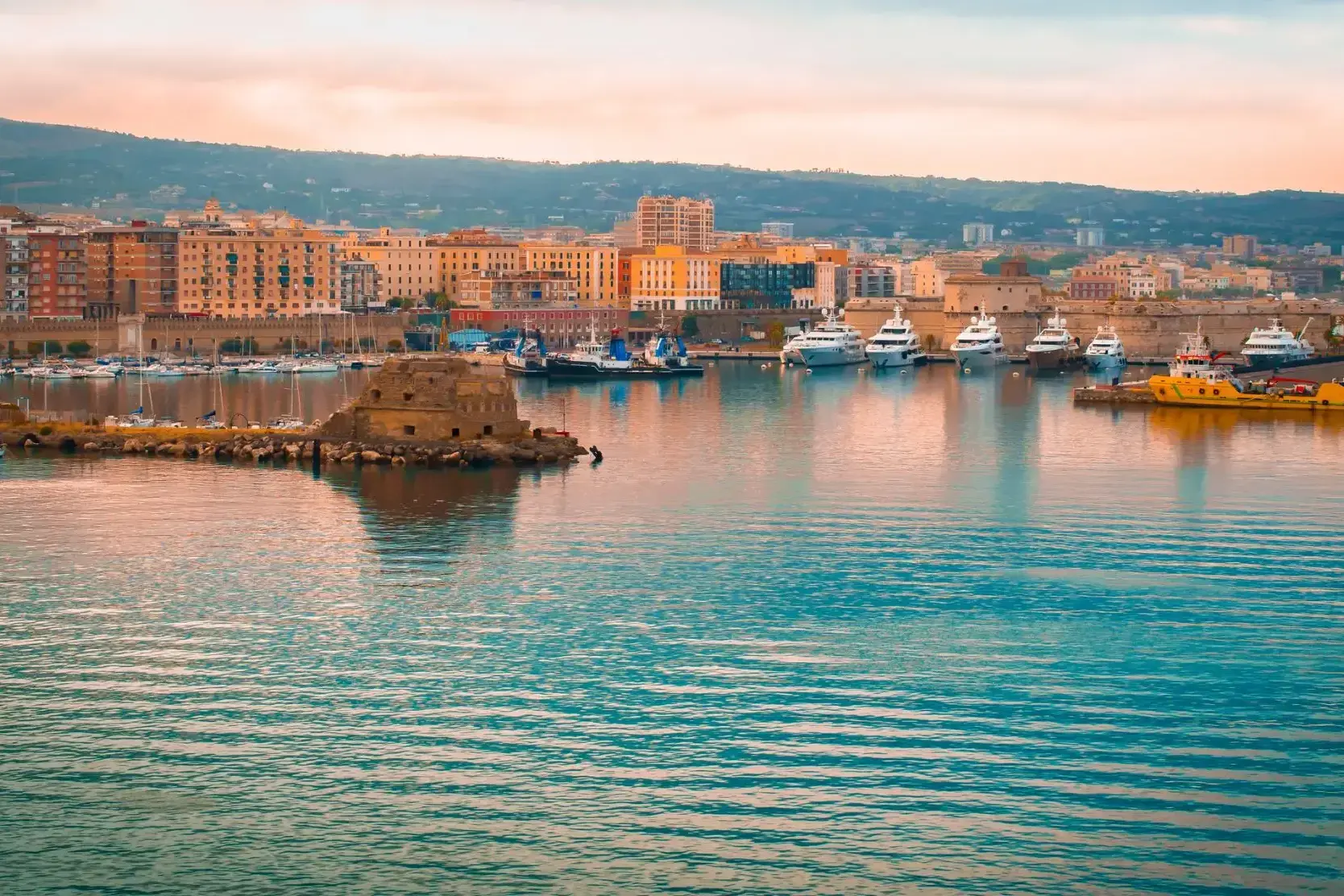
Rome is the capital city and a special comune of Italy (named Comune di Roma Capitale). Rome also serves as the capital of the Lazio region. With 2,872,800 residents in 1,285 km2(496.1 sq mi), it is also the country's most populated comune. It is the fourth-most populous city in the European Union by population within city limits. It is the centre of the Metropolitan City of Rome, which has a population of 4,355,725 residents, thus making it the most populous metropolitan city in Italy. Rome is located in the central-western portion of the Italian Peninsula, within Lazio (Latium), along the shores of the Tiber. The Vatican City (the smallest country in the world) is an independent country inside the city boundaries of Rome, the only existing example of a country within a city: for this reason Rome has been often defined as capital of two states.
Rome's history spans 28 centuries. While Roman mythology dates the founding of Rome at around 753 BC, the site has been inhabited for much longer, making it one of the oldest continuously occupied sites in Europe. The city's early population originated from a mix of Latins, Etruscans, and Sabines. Eventually, the city successively became the capital of the Roman Kingdom, the Roman Republic and the Roman Empire, and is regarded as the birthplace of Western civilization and by some as the first ever metropolis. It was first called The Eternal City (Latin: Urbs Aeterna; Italian: La Città Eterna) by the Roman poet Tibullus in the 1st century BC, and the expression was also taken up by Ovid, Virgil, and Livy. Rome is also called the "Caput Mundi" (Capital of the World). After the fall of the Western Empire, which marked the beginning of the Middle Ages, Rome slowly fell under the political control of the Papacy, which had settled in the city since the 1st century AD, until in the 8th century it became the capital of the Papal States, which lasted until 1870. Beginning with the Renaissance, almost all the popes since Nicholas V (1447–1455) pursued over four hundred years a coherent architectural and urban programme aimed at making the city the artistic and cultural centre of the world. In this way, Rome became first one of the major centres of the Italian Renaissance, and then the birthplace of both the Baroque style and Neoclassicism. Famous artists, painters, sculptors and architects made Rome the centre of their activity, creating masterpieces throughout the city. In 1871, Rome became the capital of the Kingdom of Italy, which, in 1946, became the Italian Republic.
Rome has the status of a global city. In 2016, Rome ranked as the 14th-most-visited city in the world, 3rd most visited in the European Union, and the most popular tourist attraction in Italy. Its historic centre is listed by UNESCO as a World Heritage Site. The famous Vatican Museums are among the world's most visited museums while the Colosseum was the most popular tourist attraction in world with 7.4 million visitors in 2018. Host city for the 1960 Summer Olympics, Rome is the seat of several specialized agencies of the United Nations, such as the Food and Agriculture Organization (FAO), the World Food Programme (WFP) and the International Fund for Agricultural Development (IFAD). The city also hosts the Secretariat of the Parliamentary Assembly of the Union for the Mediterranean (UfM) as well as the headquarters of many international business companies such as Eni, Enel, TIM, Leonardo S.p.A., and national and international banks such as Unicredit and BNL. Its business district, called EUR, is the base of many companies involved in the oil industry, the pharmaceutical industry, and financial services. Rome is also an important fashion and design centre thanks to renowned international brands centered in the city. Rome's Cinecittà Studios have been the set of many Academy Award–winning movies.
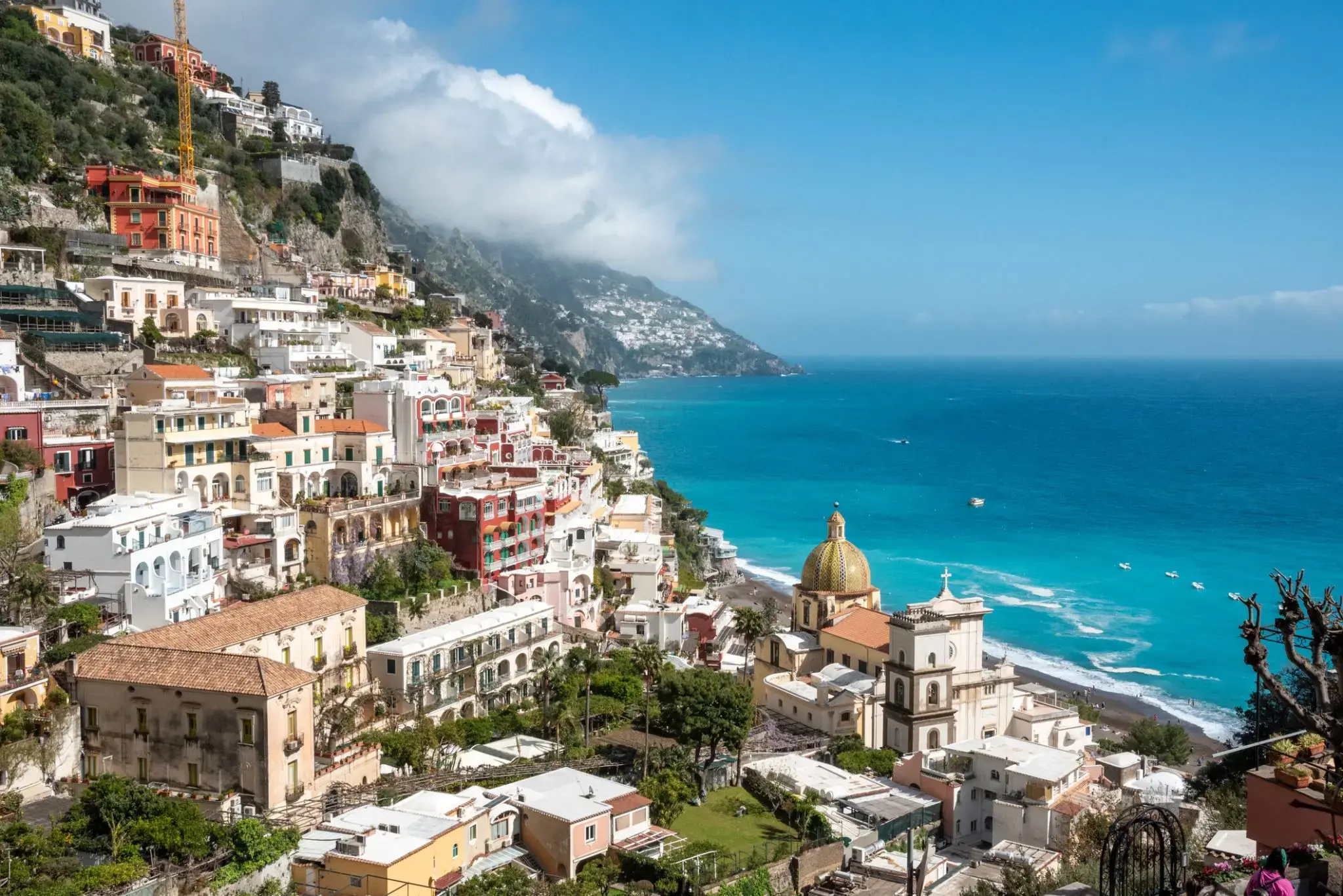
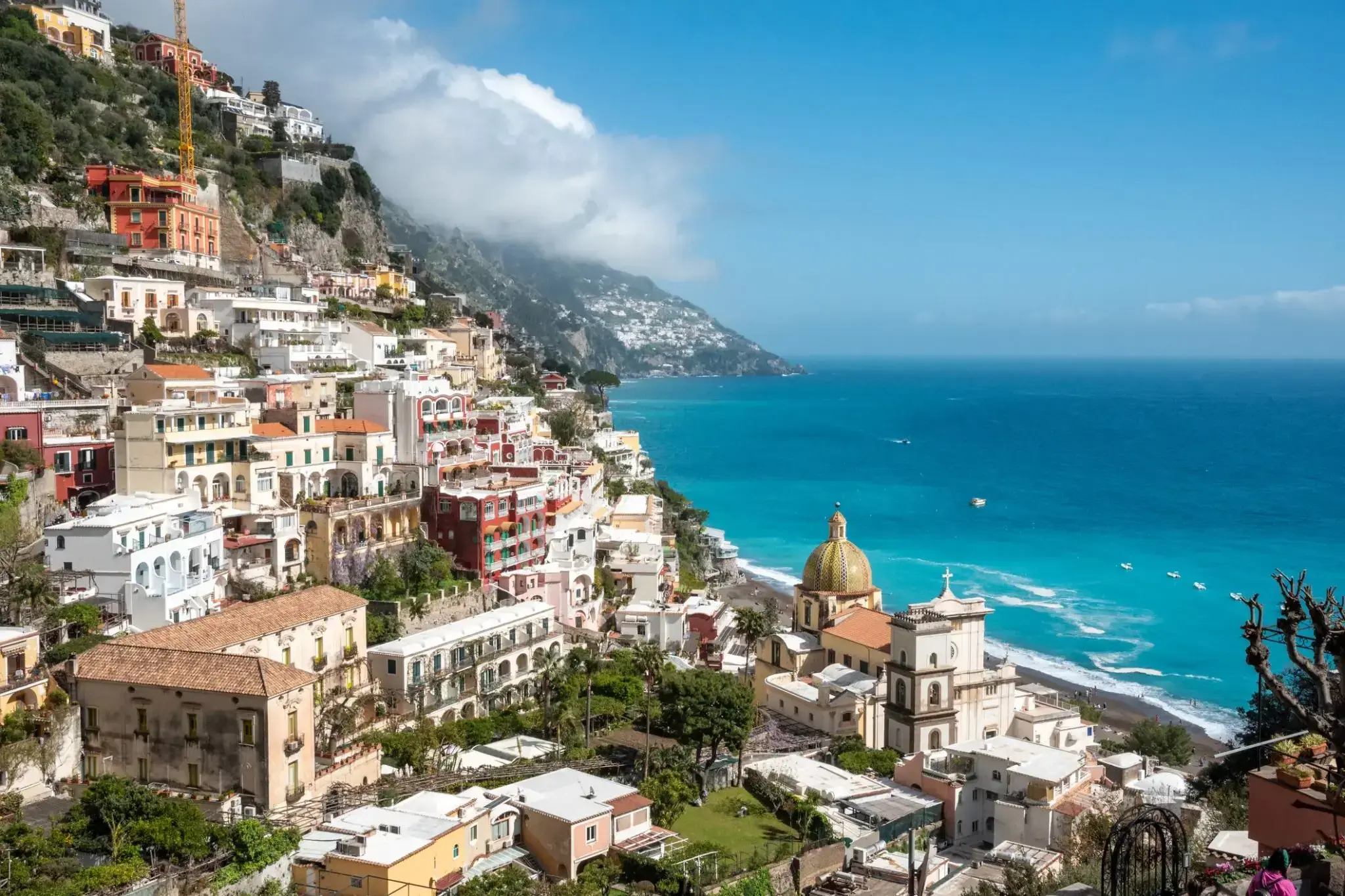
Sorrento is a town overlooking the Bay of Naples in Southern Italy. A popular tourist destination due to its variety of small antique shops and location on the Amalfi Coast, it can be reached easily from Naples and Pompeii as it is at the south-eastern end of the Circumvesuviana rail line. The town is most commonly known for its small shops selling an arrangement of ceramics, lacework and marquetry (woodwork).
The Sorrentine Peninsula has views of Naples, Vesuvius and the Isle of Capri. The Amalfi Drive, connecting Sorrento and Amalfi, is a narrow road that threads along the high cliffs above the Tyrrhenian Sea.
Ferries and hydrofoils connect the town to Naples, Amalfi, Positano, Capri and Ischia. Sorrento's sea cliffs and luxury hotels have attracted celebrities including Enrico Caruso and Luciano Pavarotti.
Limoncello, a digestif made from lemon rinds, alcohol, water and sugar, is produced in Sorrento. Other agricultural production includes citrus fruit, wine, nuts and olives.
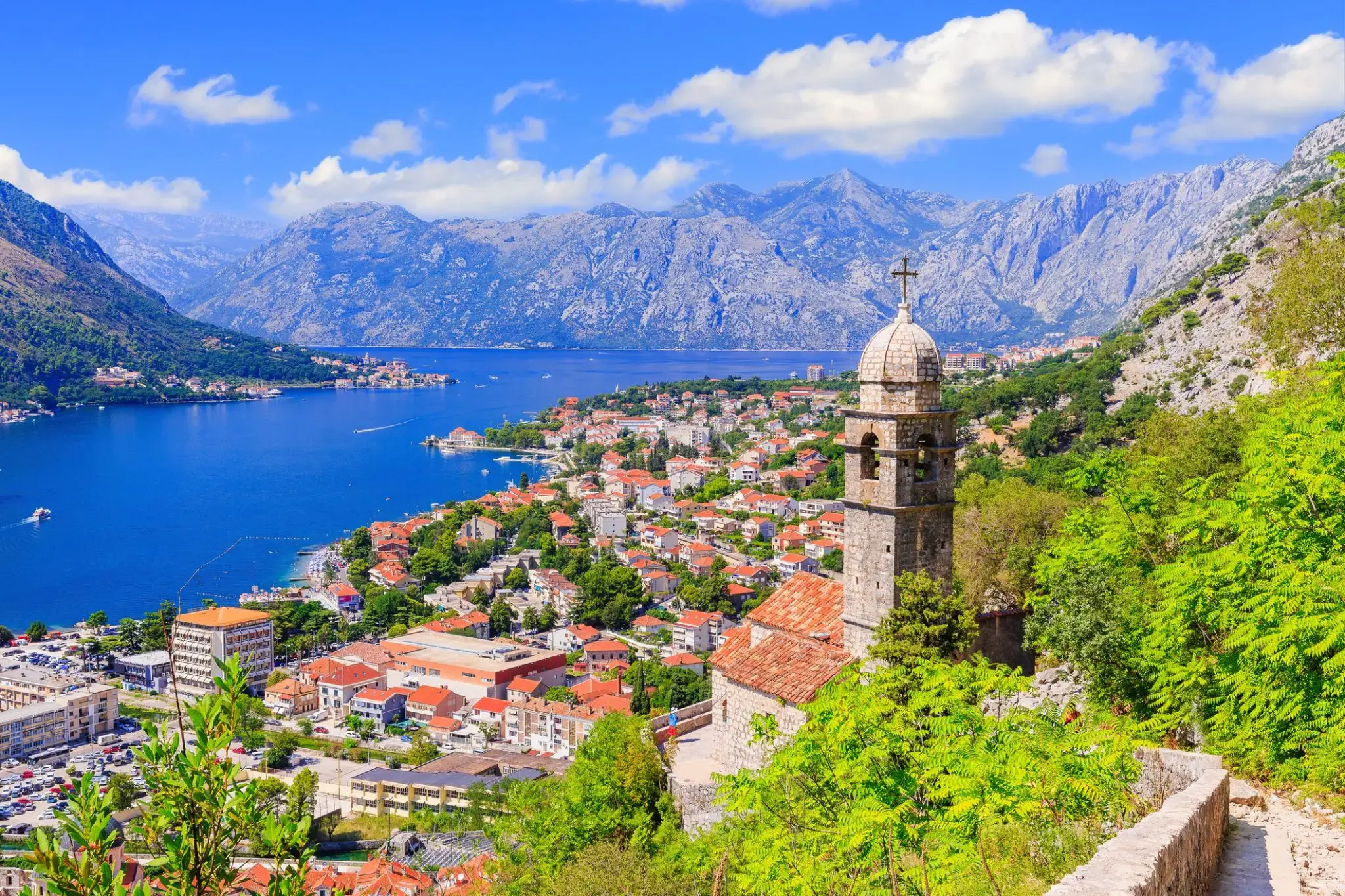
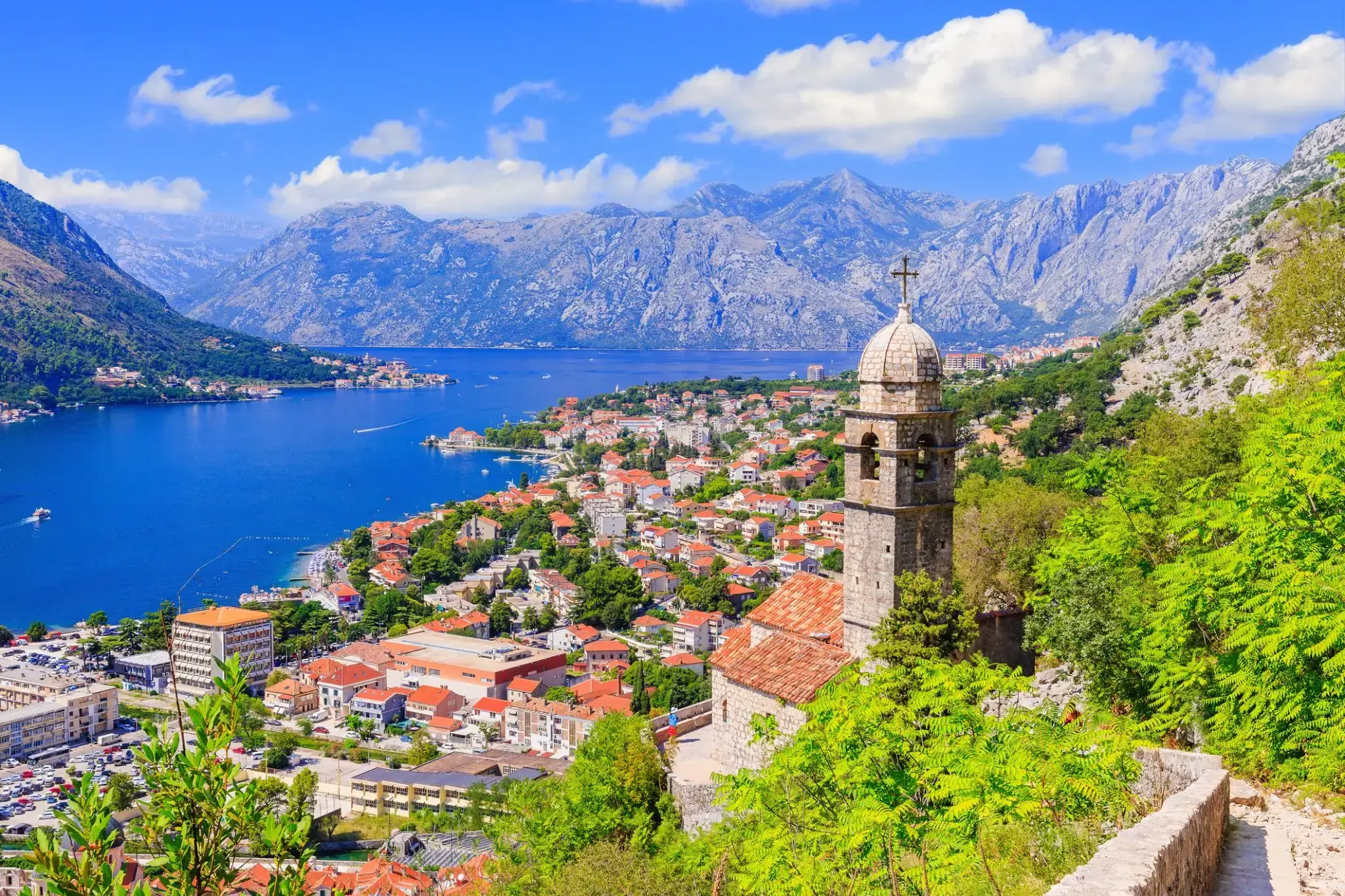
Kotor is a coastal town in Montenegro. It is located in a secluded part of the Gulf of Kotor. The city has a population of 13,510 and is the administrative center of Kotor Municipality.
The old Mediterranean port of Kotor is surrounded by fortifications built during the Venetian period. It is located on the Bay of Kotor (Boka Kotorska), one of the most indented parts of the Adriatic Sea. Some have called it the southern-most fjord in Europe, but it is a ria, a submerged river canyon. Together with the nearly overhanging limestone cliffs of Orjen and Lovćen, Kotor and its surrounding area form an impressive landscape.
Since the early 2000s Kotor has seen an increase in tourists , many of them coming by cruise ship. Visitors are attracted by the natural environment of the Gulf of Kotor and by the old town of Kotor. Kotor is part of the World Heritage Site dubbed the Natural and Culturo-Historical Region of Kotor.
The fortified city of Kotor was also included in UNESCO's World Heritage Site list as part of Venetian Works of Defence between 15th and 17th centuries: Stato da Terra – western Stato da Mar in 201
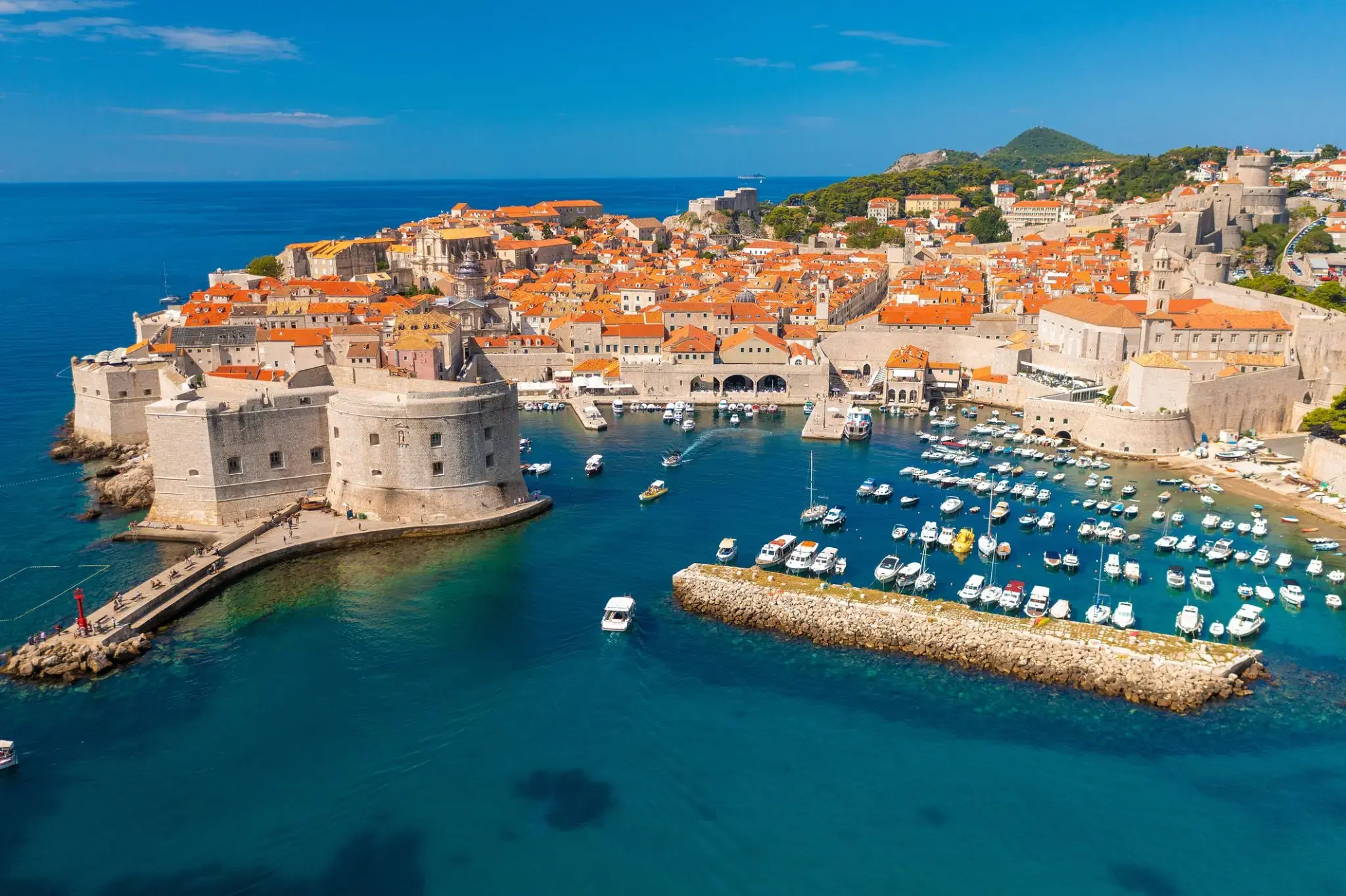
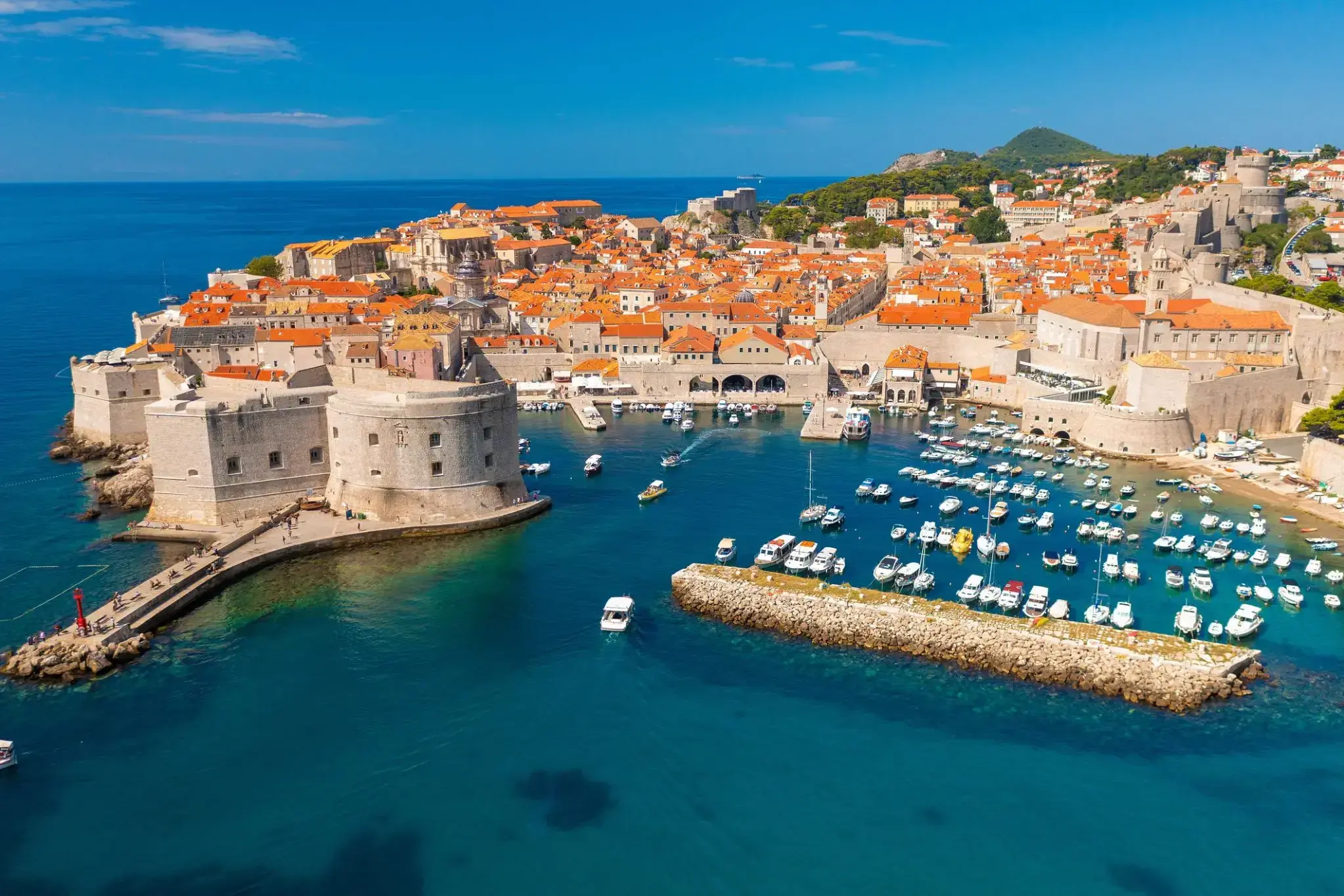
Dubrovnik is a Croatian city on the Adriatic Sea. It is one of the most prominent tourist destinations in the Mediterranean Sea, a seaport and the centre of Dubrovnik-Neretva County. Its total population is 42,615 (census 2011). In 1979, the city of Dubrovnik joined the UNESCO list of World Heritage sites.
The prosperity of the city was historically based on maritime trade; as the capital of the maritime Republic of Ragusa, it achieved a high level of development, particularly during the 15th and 16th centuries, as it became notable for its wealth and skilled diplomacy.
In 1991, after the break-up of Yugoslavia, Dubrovnik was besieged by Serbian and Montenegrin soldiers of the Yugoslav People's Army (JNA) for seven months and suffered significant damage from shelling. After repair and restoration works in the 1990s and early 2000s, Dubrovnik re-emerged as one of the top tourist destinations in the Mediterranean.
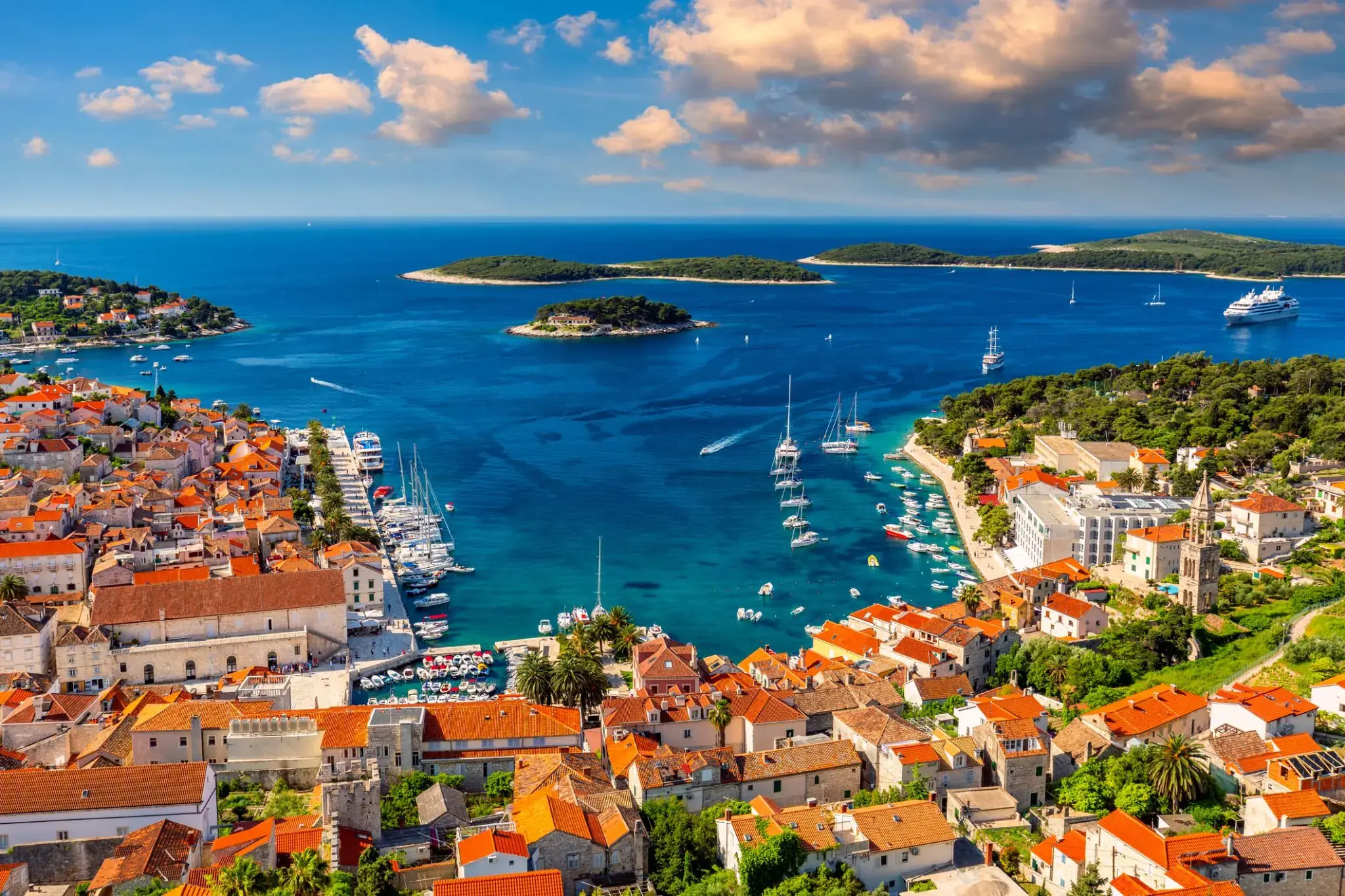

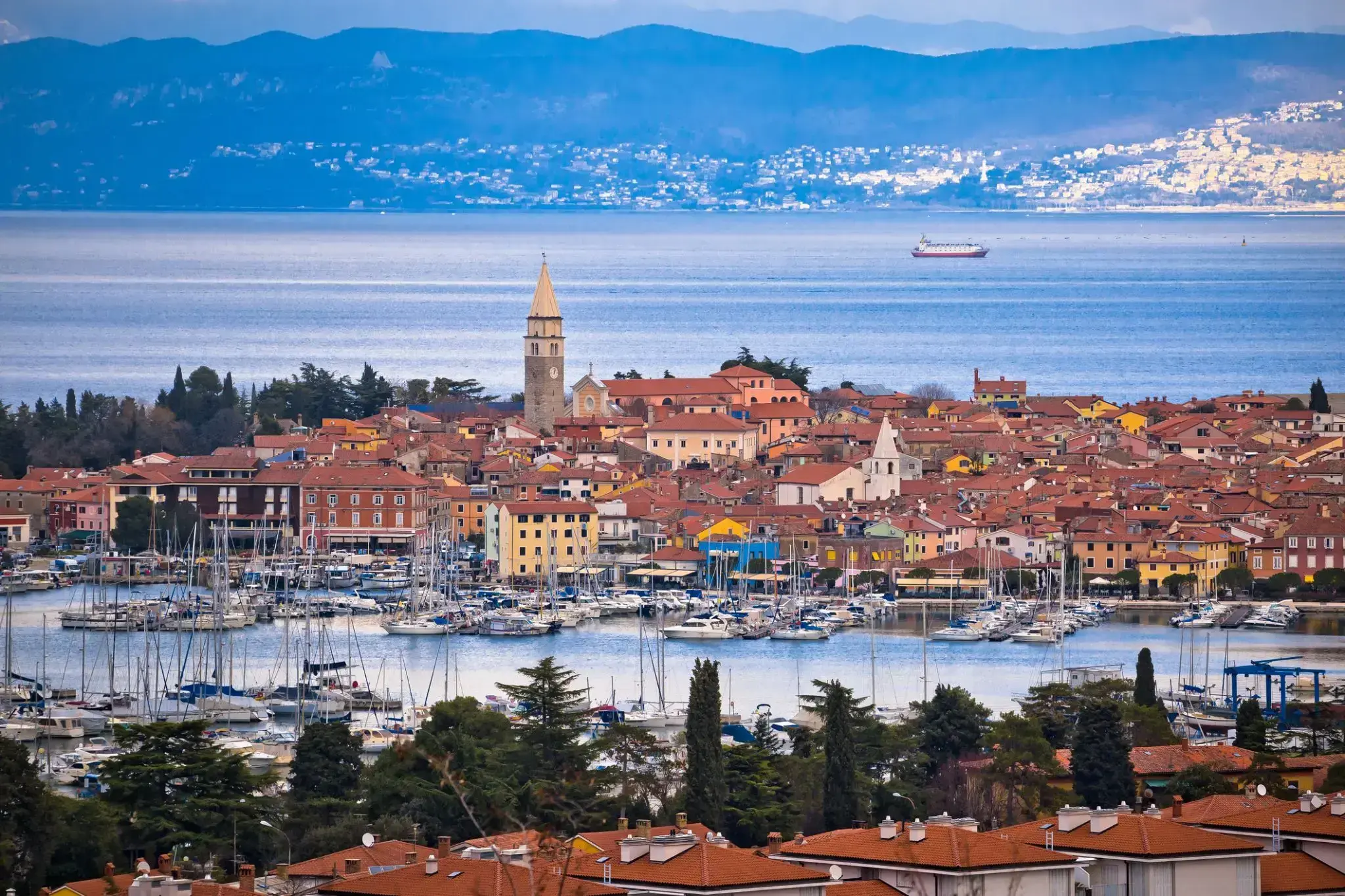
Koper is the fifth largest city in Slovenia. Located in the southwestern part of the country, approximately five kilometres (3.1 miles) south of the border with Italy and 20 kilometers (12 miles) from Trieste, Koper is the largest coastal city in the country. It is bordered by the satellite towns of Izola and Ankaran, and anchors the Istrian region. With a unique ecology and biodiversity, it is considered an important national natural resource. It is the oldest recorded urban settlement in Slovenia. The city's Port of Koper is the major contributor to the economy of the eponymous city municipality. With only one percent of Slovenia having a coastline, the influence that the Port of Koper also has on tourism was a factor in Ankaran deciding to leave the municipality in a referendum in 2011 to establish its own. The city is a destination on a number of Mediterranean cruising lines. In 2016, the city expects 65 cruise ship arrivals (for example: Norwegian Spirit, MSC Magnifica, Norwegian Jade, MS Rhapsody of the Seas...) with the season spanning from March to December. Koper is the main urban centre of the Slovenian Istria, with a population of about 25,000.
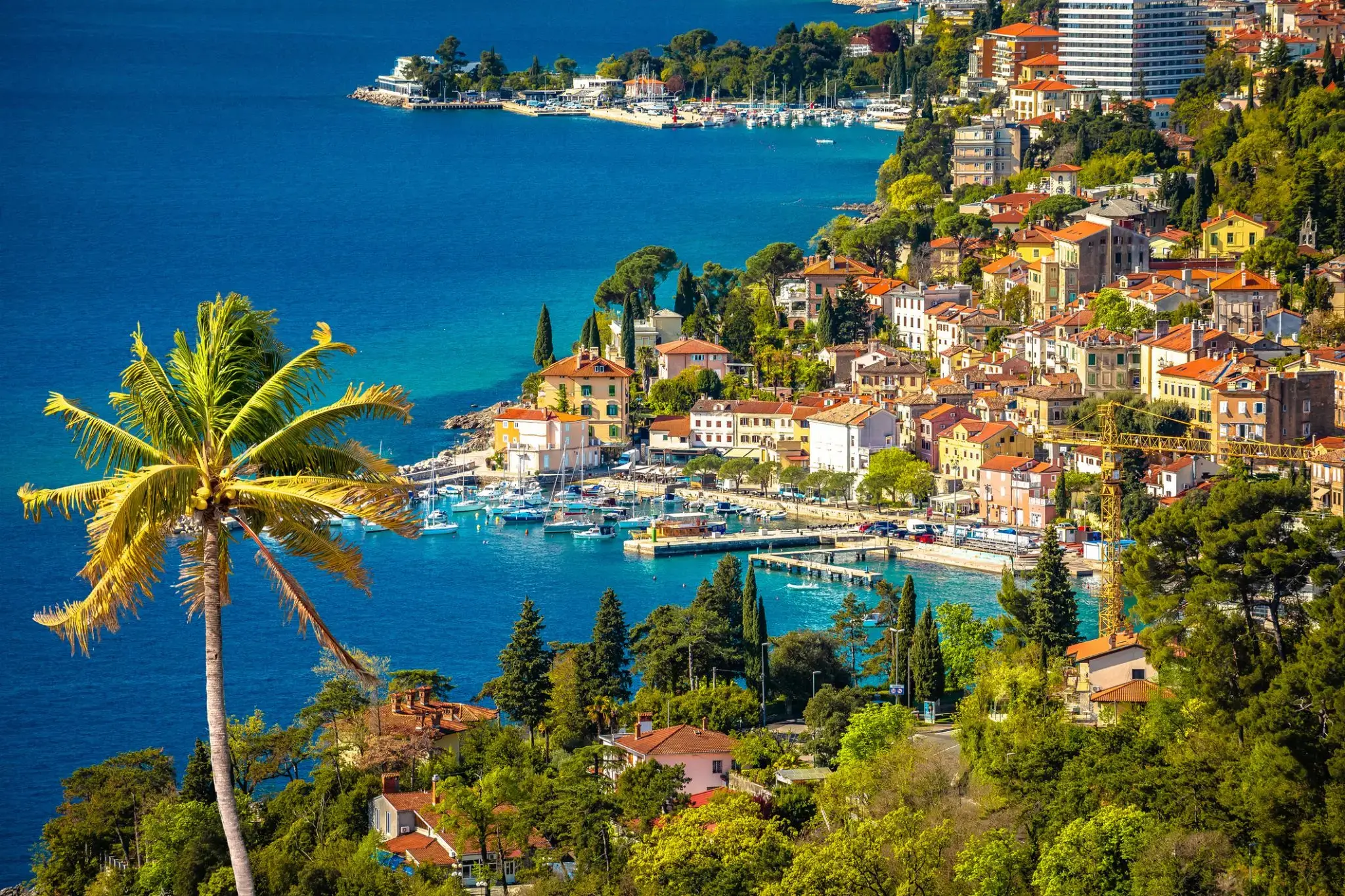
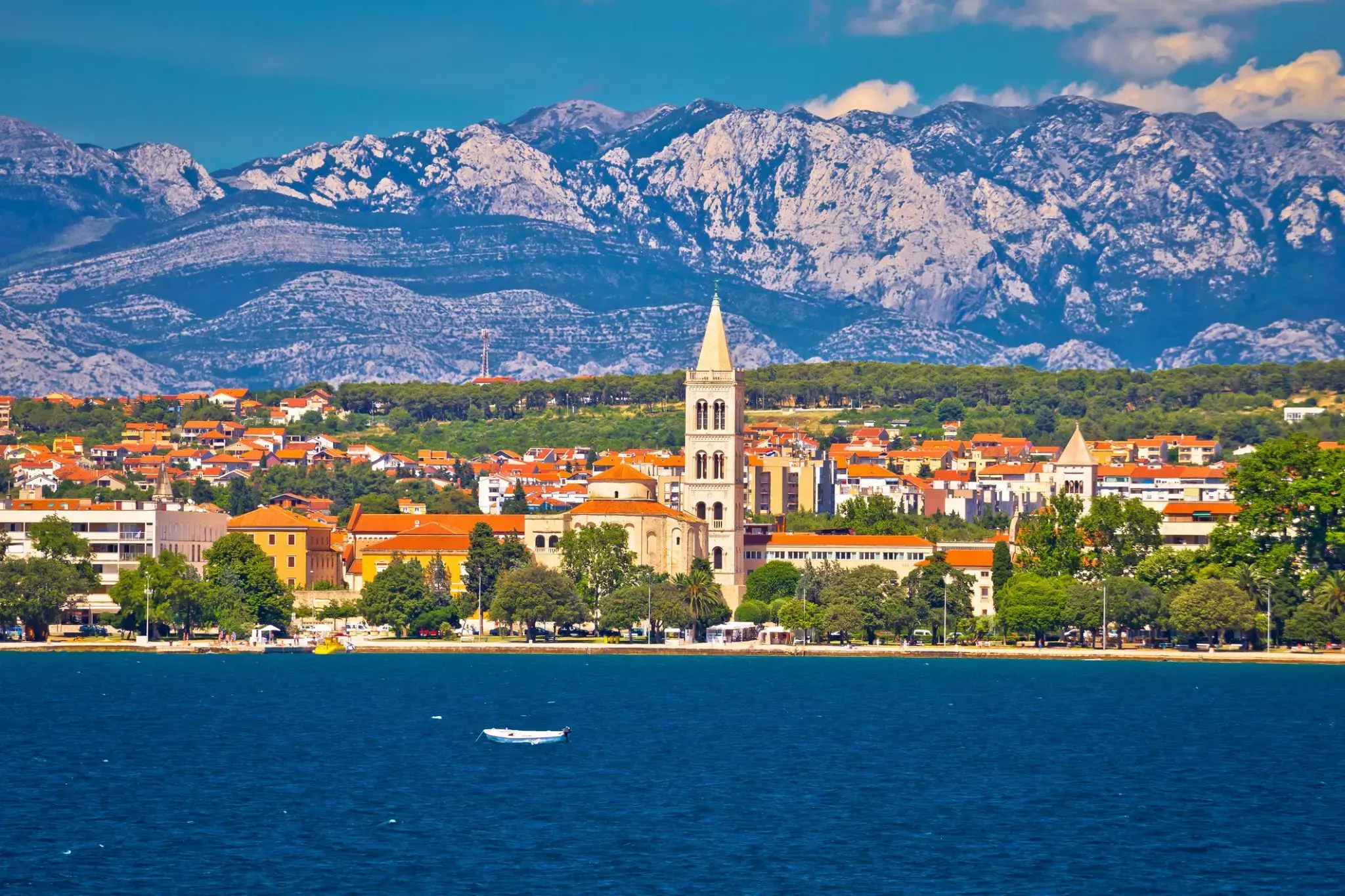
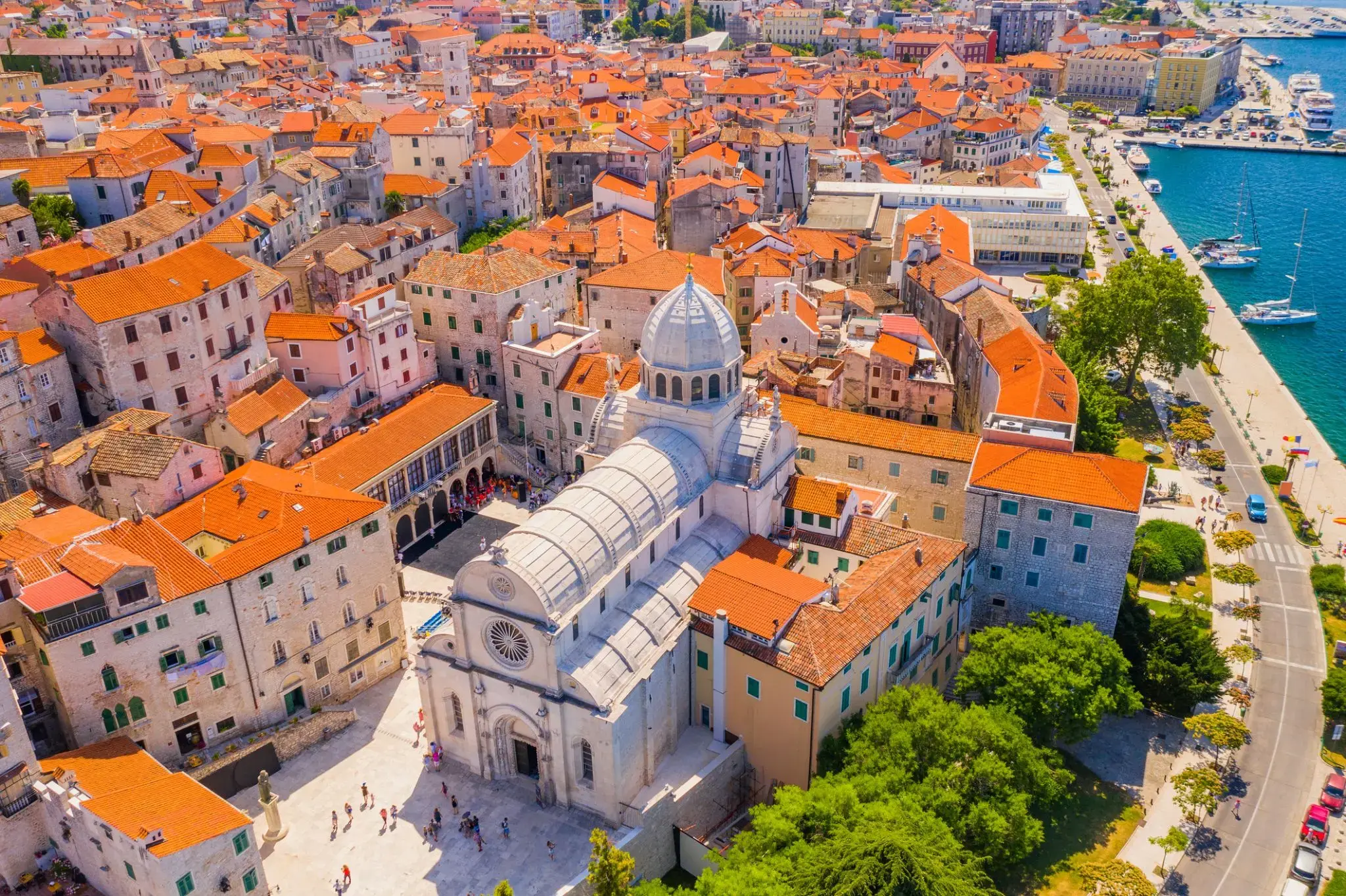
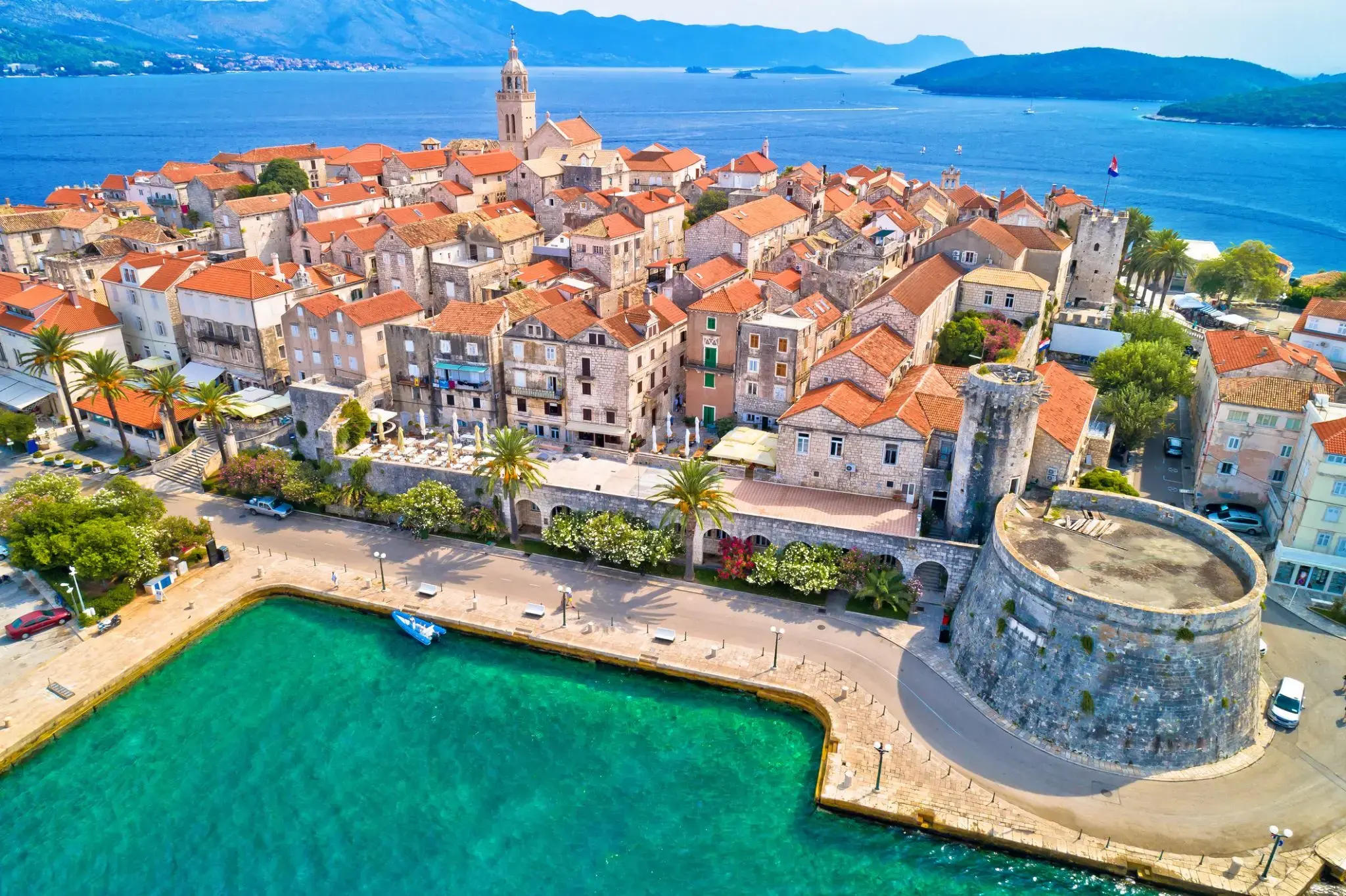
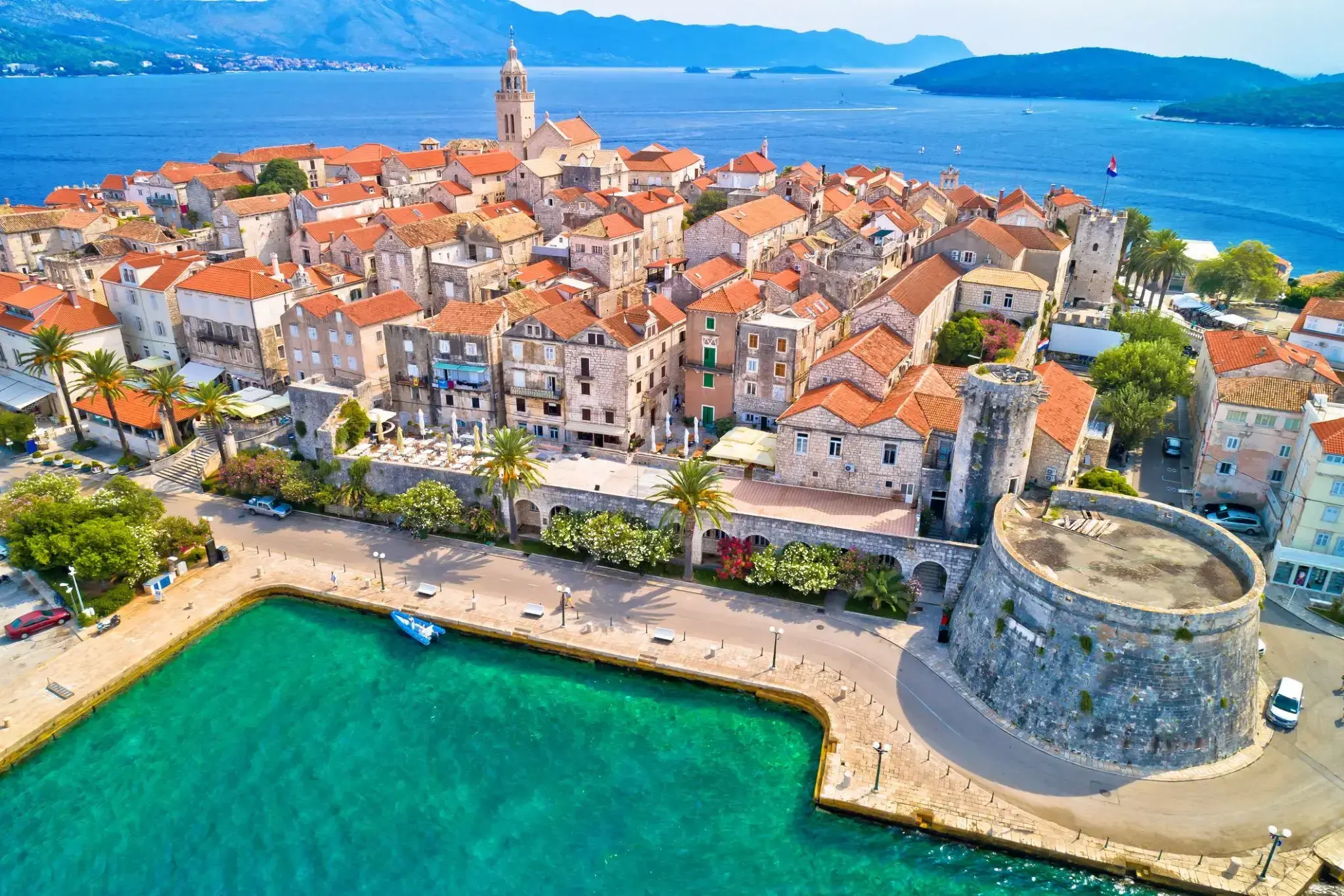
Korčula is a Croatian island in the Adriatic Sea. It has an area of 279 km2 (108 sq mi); 46.8 km (29.1 mi) long and on average 7.8 km (4.8 mi) wide — and lies just off the Dalmatian coast. Its 15,522 inhabitants (2011) make it the second most populous Adriatic island after Krk and the most populous Croatian island not connected to the mainland by a bridge. The population are almost entirely ethnic Croats (95.74%). The island is twinned with Rothesay in Scotland.
Dubrovnik is a Croatian city on the Adriatic Sea. It is one of the most prominent tourist destinations in the Mediterranean Sea, a seaport and the centre of Dubrovnik-Neretva County. Its total population is 42,615 (census 2011). In 1979, the city of Dubrovnik joined the UNESCO list of World Heritage sites.
The prosperity of the city was historically based on maritime trade; as the capital of the maritime Republic of Ragusa, it achieved a high level of development, particularly during the 15th and 16th centuries, as it became notable for its wealth and skilled diplomacy.
In 1991, after the break-up of Yugoslavia, Dubrovnik was besieged by Serbian and Montenegrin soldiers of the Yugoslav People's Army (JNA) for seven months and suffered significant damage from shelling. After repair and restoration works in the 1990s and early 2000s, Dubrovnik re-emerged as one of the top tourist destinations in the Mediterranean.
Kotor is a coastal town in Montenegro. It is located in a secluded part of the Gulf of Kotor. The city has a population of 13,510 and is the administrative center of Kotor Municipality.
The old Mediterranean port of Kotor is surrounded by fortifications built during the Venetian period. It is located on the Bay of Kotor (Boka Kotorska), one of the most indented parts of the Adriatic Sea. Some have called it the southern-most fjord in Europe, but it is a ria, a submerged river canyon. Together with the nearly overhanging limestone cliffs of Orjen and Lovćen, Kotor and its surrounding area form an impressive landscape.
Since the early 2000s Kotor has seen an increase in tourists , many of them coming by cruise ship. Visitors are attracted by the natural environment of the Gulf of Kotor and by the old town of Kotor. Kotor is part of the World Heritage Site dubbed the Natural and Culturo-Historical Region of Kotor.
The fortified city of Kotor was also included in UNESCO's World Heritage Site list as part of Venetian Works of Defence between 15th and 17th centuries: Stato da Terra – western Stato da Mar in 201
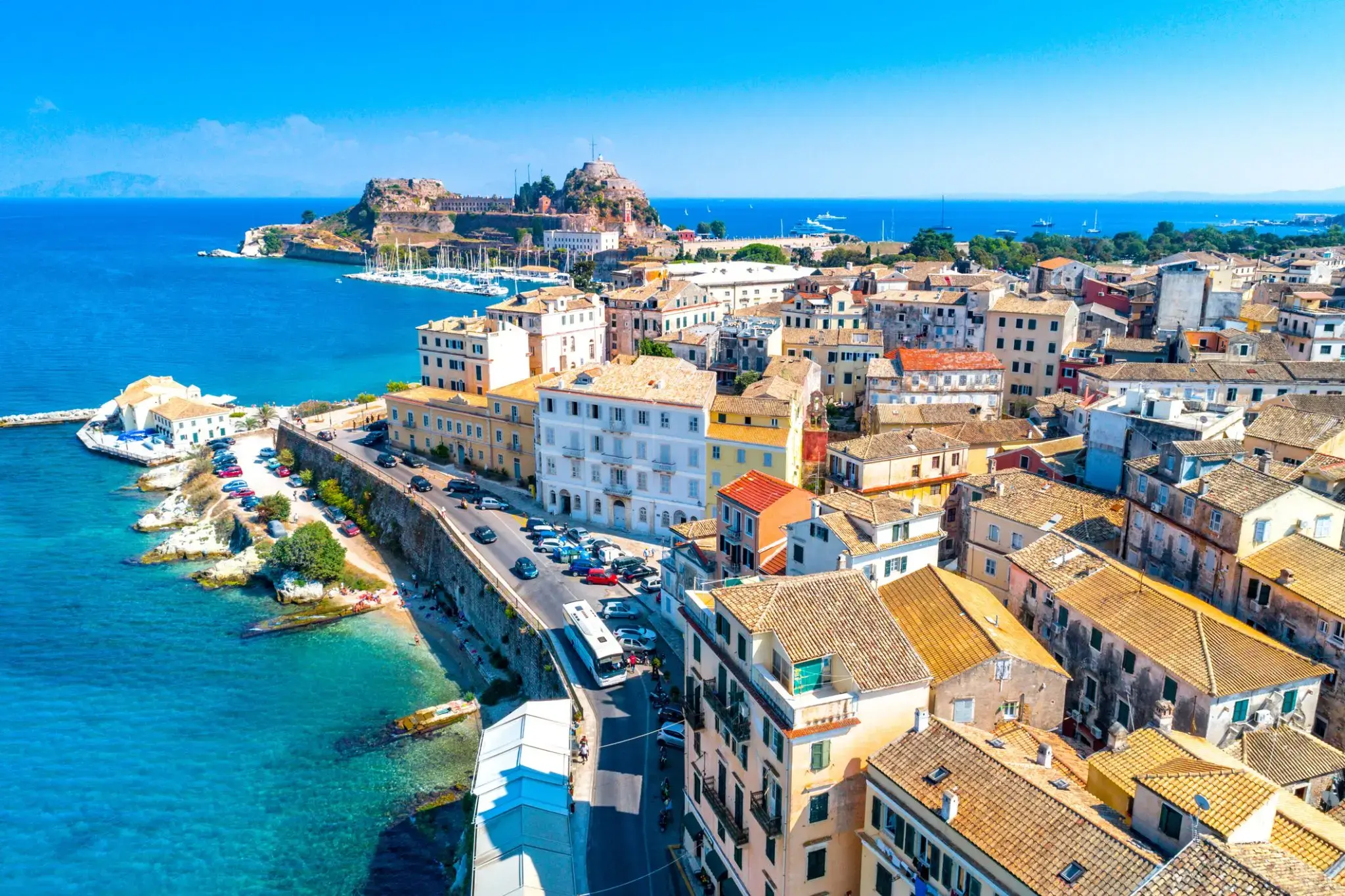
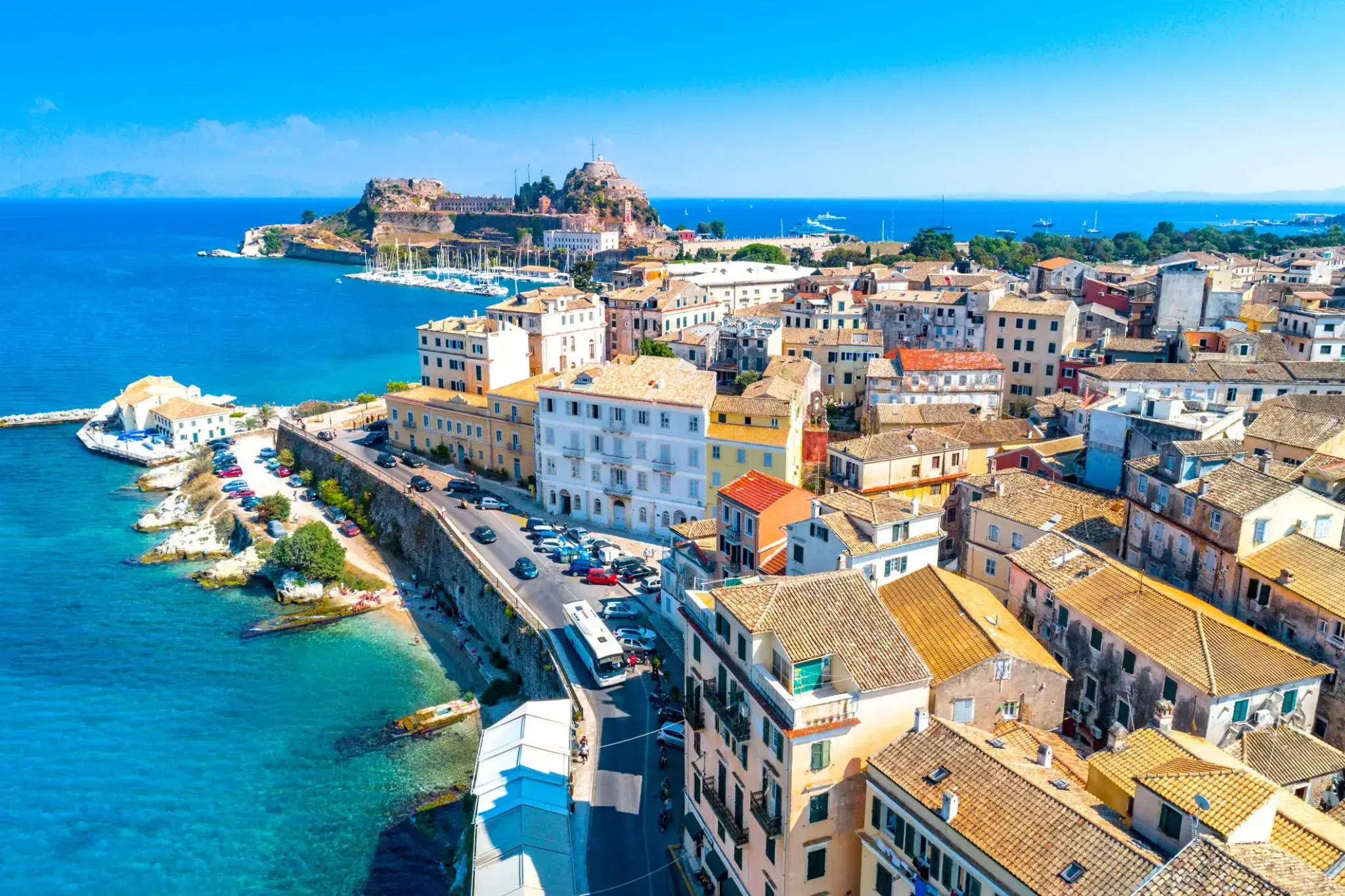
Corfu or Kerkyra is a Greek island in the Ionian Sea. It is the second largest of the Ionian Islands, and, including its small satellite islands, forms the northwesternmost part of Greece. The island is part of the Corfu regional unit, and is administered as a single municipality, which also includes the smaller islands of Ereikoussa, Mathraki and Othonoi. The municipality has an area of 610,9 km2, the island proper 592,8 km2. The principal city of the island and seat of the municipality (pop. 32,095) is also named Corfu. Corfu is home to the Ionian University.
The island is bound up with the history of Greece from the beginnings of Greek mythology. Its history is full of battles and conquests. Ancient Korkyra took part in the Battle of Sybota which was a catalyst for the Peloponnesian War, and, according to Thucydides, the largest naval battle between Greek city states until that time. Thucydides also reports that Korkyra was one of the three great naval powers of fifth century BC Greece, along with Athens and Corinth. Medieval castles punctuating strategic locations across the island are a legacy of struggles in the Middle Ages against invasions by pirates and the Ottomans. Two of these castles enclose its capital, which is the only city in Greece to be surrounded in such a way. As a result, Corfu's capital has been officially declared a Kastropolis ("castle city") by the Greek government. From medieval times and into the 17th century, the island, having successfully repulsed the Ottomans during several sieges, was recognised as a bulwark of the European States against the Ottoman Empireand became one of the most fortified places in Europe. The fortifications of the island were used by the Venetians to defend against Ottoman intrusion into the Adriatic. Corfu eventually fell under British rule following the Napoleonic Wars. Corfu was eventually ceded by the British Empire along with the remaining islands of the United States of the Ionian Islands, and unification with modern Greece was concluded in 1864 under the Treaty of London.
In 2007, the city's old quarter was added to the UNESCO World Heritage List, following a recommendation by ICOMOS.
Corfu is a very popular tourist destination. The island was the location of the 1994 European Union summit.
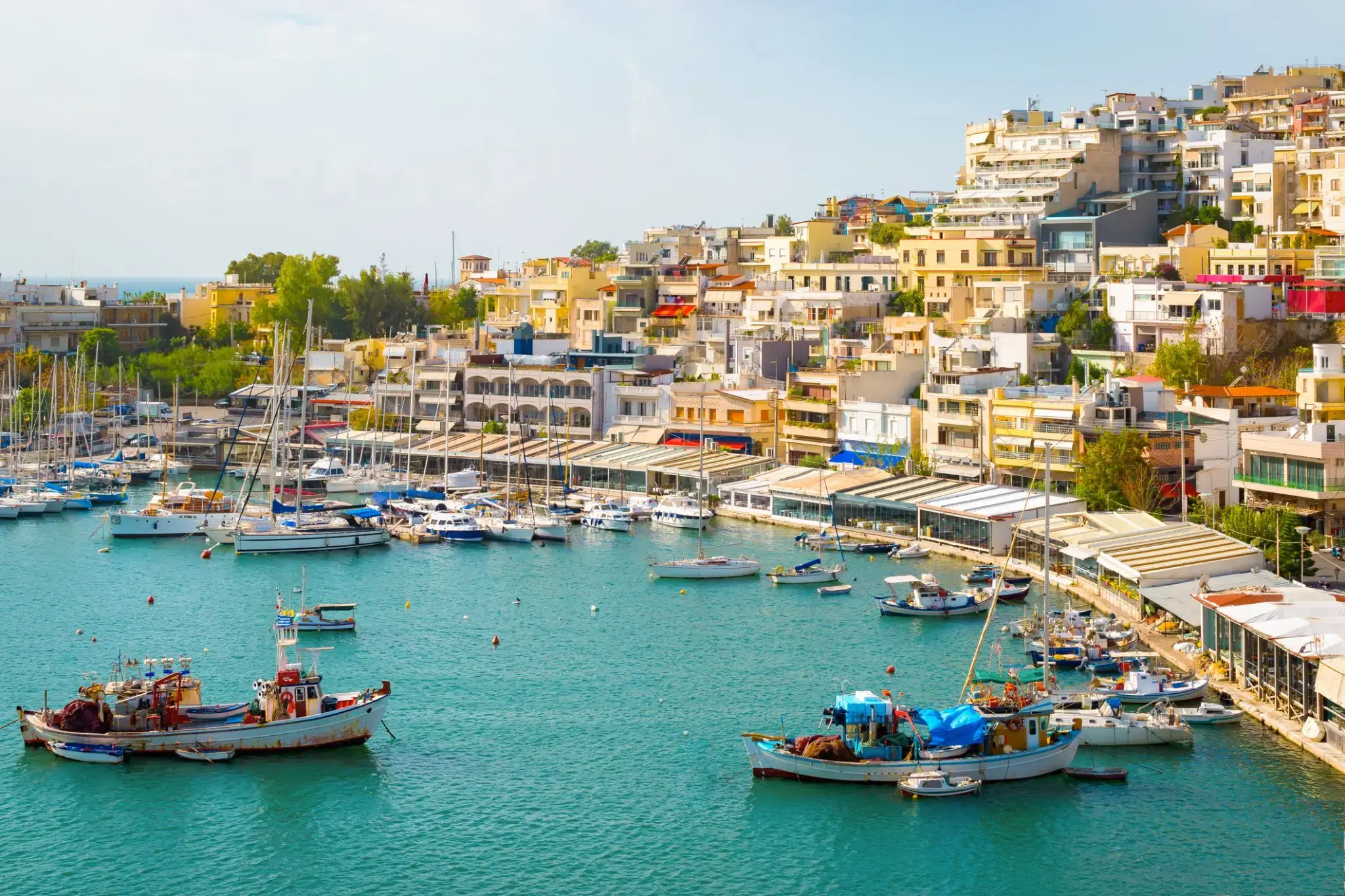
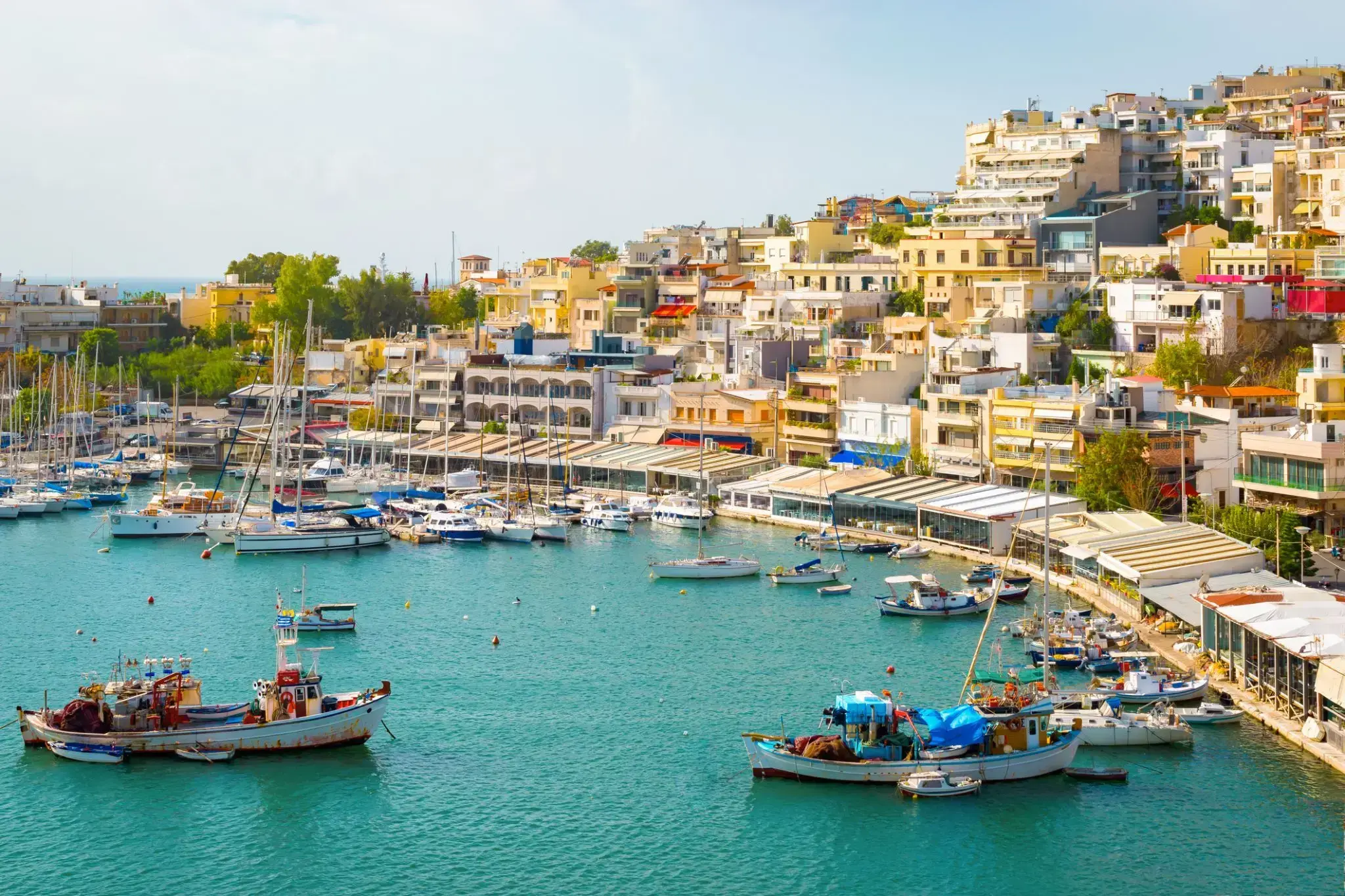
Piraeus is the gateway to Athens , which, in turn, is rightfully considered the center of the centers of the whole world, with the main attraction - the acropolis. Piraeus is an old port city serving the port of Athens, the largest port in Greece to date. Piraeus is part of the great Athens, which boasts an abundance of attractions, including unique monuments of national fine art. More than two hundred museums and galleries, including the University History Museum, the Ceramics Archaeological Museum and many others, will hospitably welcome you within their walls and familiarize themselves with the culture of this area.
Սիրոսը Կիկլադյան կղզիների գեղատեսիլ կղզի է Հունաստանում, որն առանձնանում է իր հարուստ պատմությամբ և ճարտարապետական բազմազանությամբ։ Նրա մայրաքաղաք Էրմուպոլին Հունաստանի այն քիչ քաղաքներից է, որտեղ բյուզանդական եկեղեցիները համադրվում են նեոկլասիկական շքեղ առանձնատների հետ։ Երբեմնի կարևորագույն նավահանգստային կենտրոնը մինչ օրս պահպանում է իր նրբաճաշակ և մշակութային մթնոլորտը։
Կղզին իդեալական է նրանց համար, ովքեր փնտրում են ոչ միայն լողափային հանգիստ, այլև իսկական տպավորություններ։ Հանգիստ ծովախորշեր, գեղատեսիլ արահետներ և համեղ տեղական խոհանոց՝ թարմ ծովամթերքից մինչև "լագանո"՝ ավանդական ձեթով հաց։ Հետաքրքիր փաստ՝ Էրմուպոլիում է գտնվում Հունաստանի ամենահին թատրոններից մեկը՝ "Ապոլլոն"-ը, կառուցված Միլանի Լա Սկալայի օրինակով։
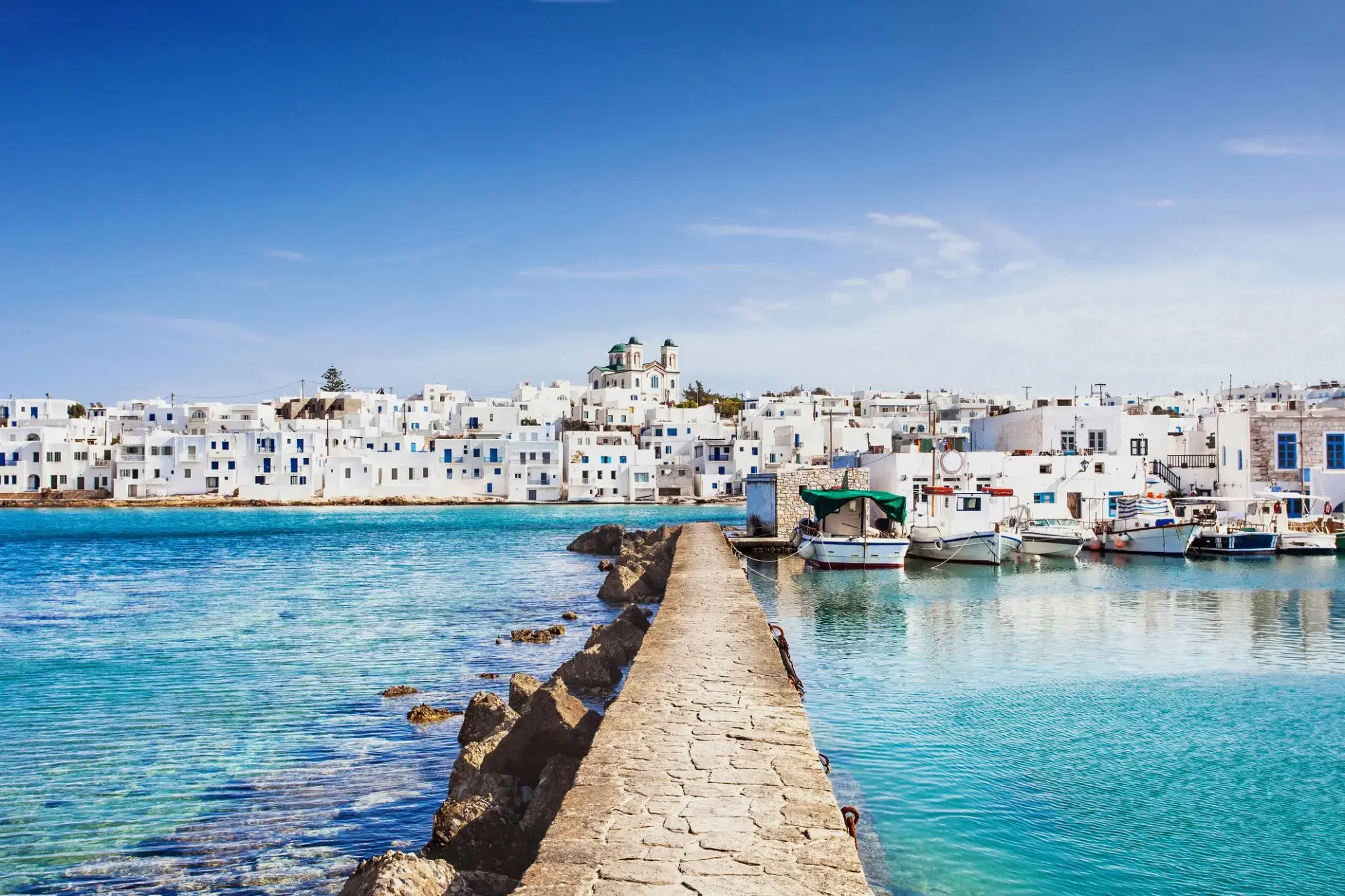
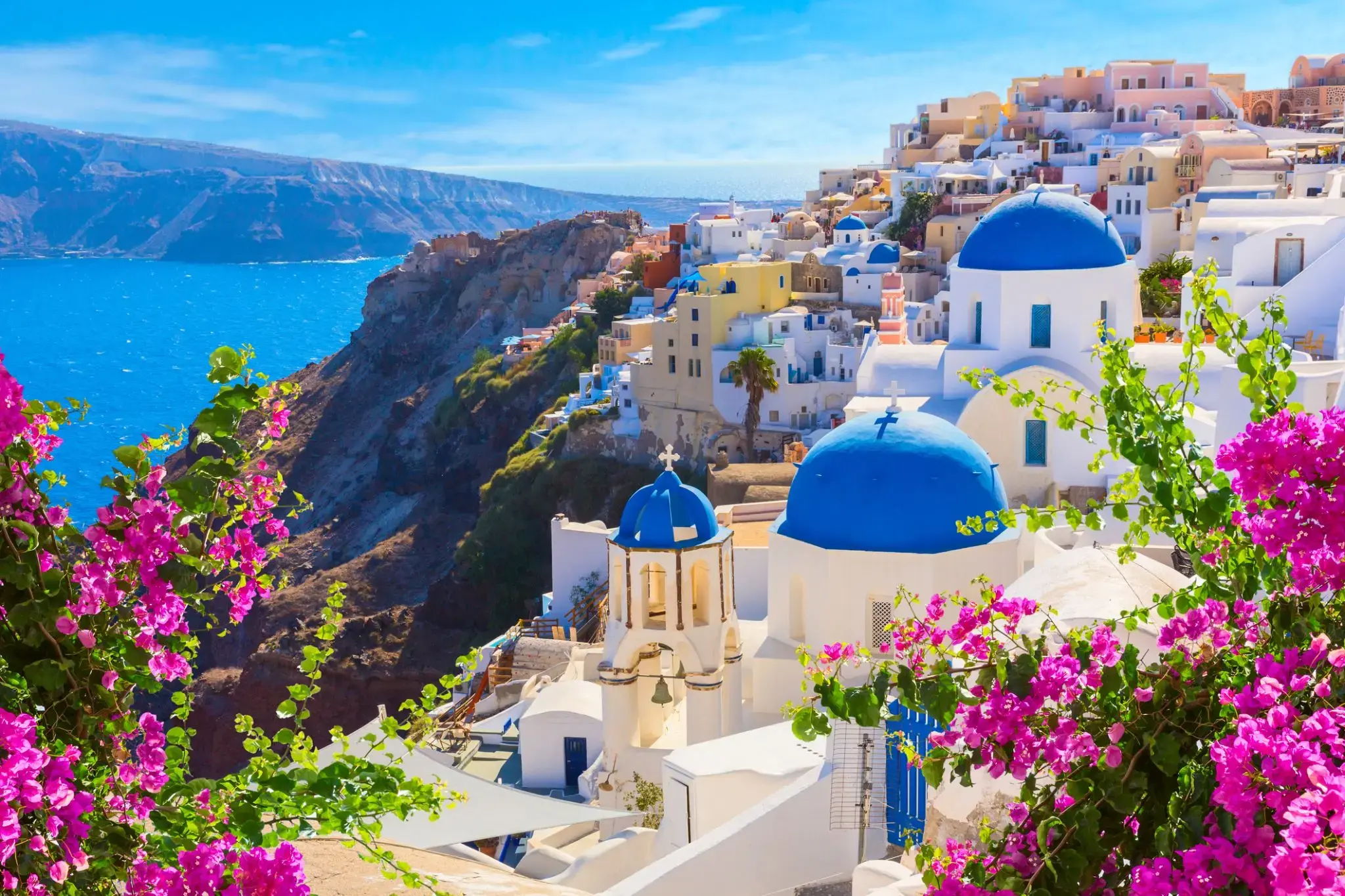
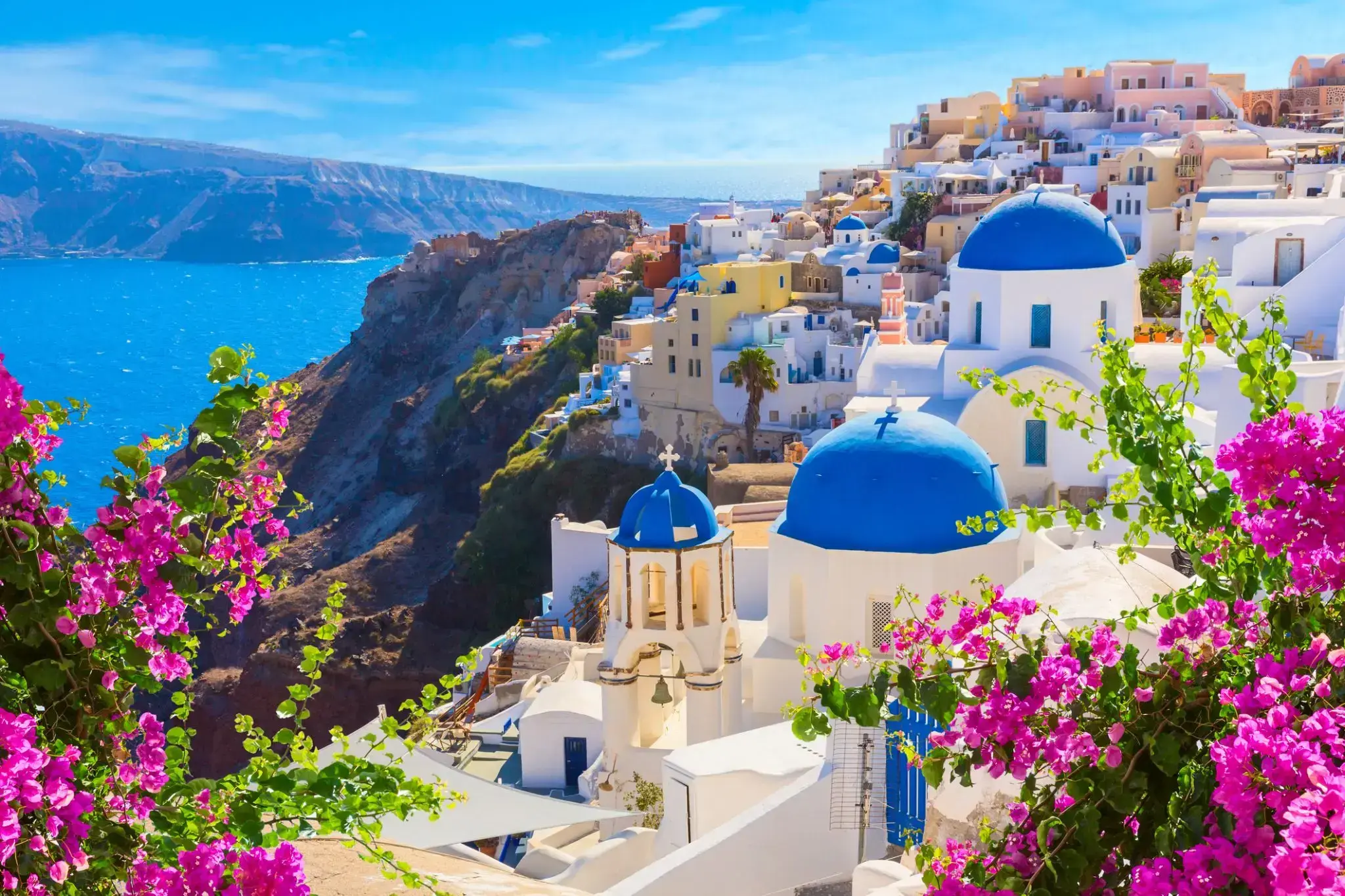
Santorini, classically Thera, and officially Thira, is an island in the southern Aegean Sea, about 200 km (120 mi) southeast of Greece's mainland. It is the largest island of a small, circular archipelago, which bears the same name and is the remnant of a volcanic caldera. It forms the southernmost member of the Cyclades group of islands, with an area of approximately 73 km2 (28 sq mi) and a 2011 census population of 15,550. The municipality of Santorini includes the inhabited islands of Santorini and Therasia and the uninhabited islands of Nea Kameni, Palaia Kameni, Aspronisi, and Christiana. The total land area is 90.623 km2 (34.990 sq mi).Santorini is part of the Thira regional unit.
The island was the site of one of the largest volcanic eruptions in recorded history: the Minoan eruption(sometimes called the Thera eruption), which occurred about 3,600 years ago at the height of the Minoan civilization. The eruption left a large caldera surrounded by volcanic ash deposits hundreds of metres deep. It may have led indirectly to the collapse of the Minoan civilization on the island of Crete, 110 km (68 mi) to the south, through a gigantic tsunami. Another popular theory holds that the Thera eruption is the source of the legend of Atlantis.
It is the most active volcanic centre in the South Aegean Volcanic Arc, though what remains today is chiefly a water-filled caldera. The volcanic arc is approximately 500 km (310 mi) long and 20 to 40 km (12 to 25 mi) wide. The region first became volcanically active around 3–4 million years ago[citation needed], though volcanism on Thera began around 2 million years ago with the extrusion of dacitic lavas from vents around the Akrotiri.
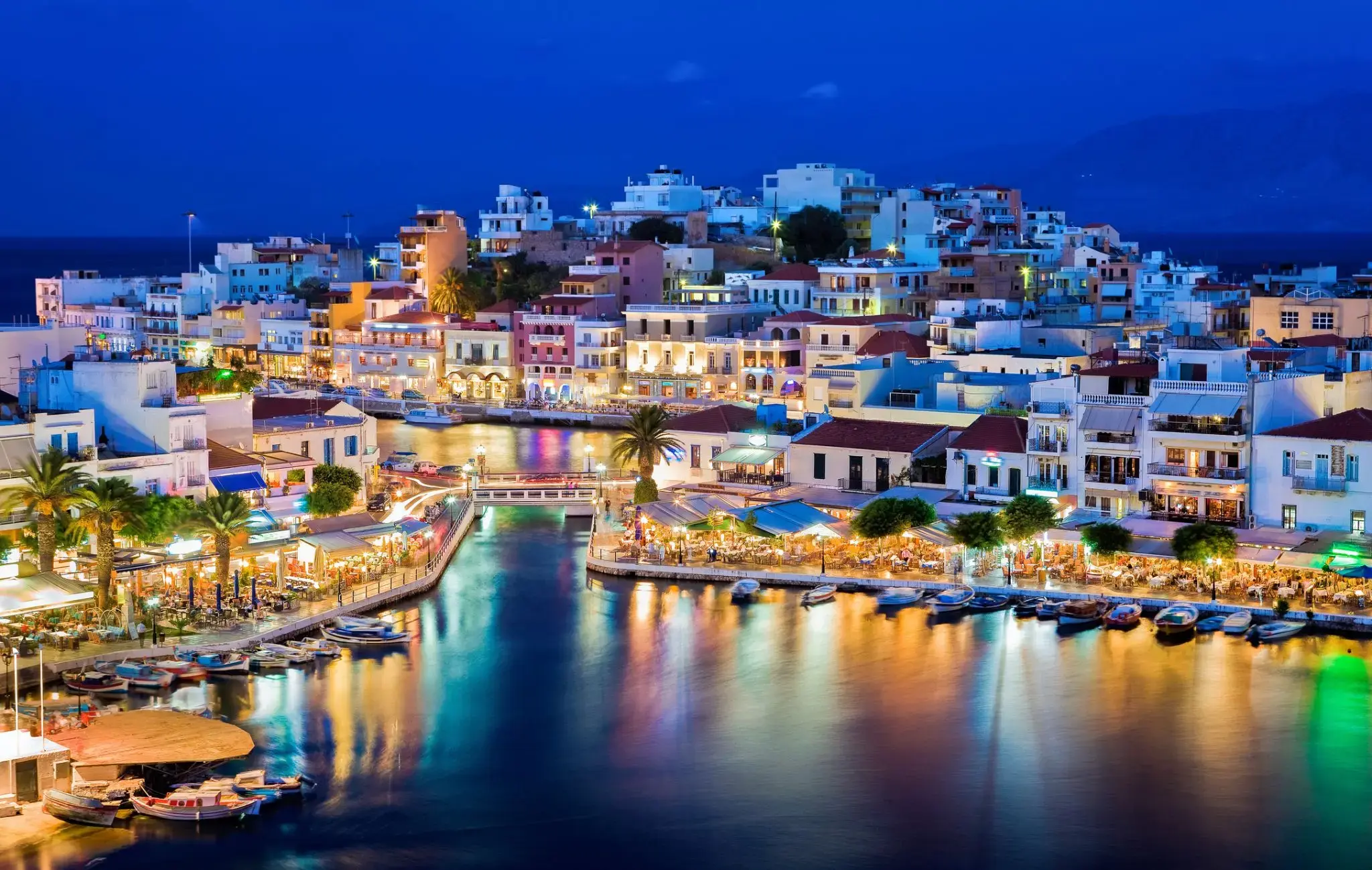
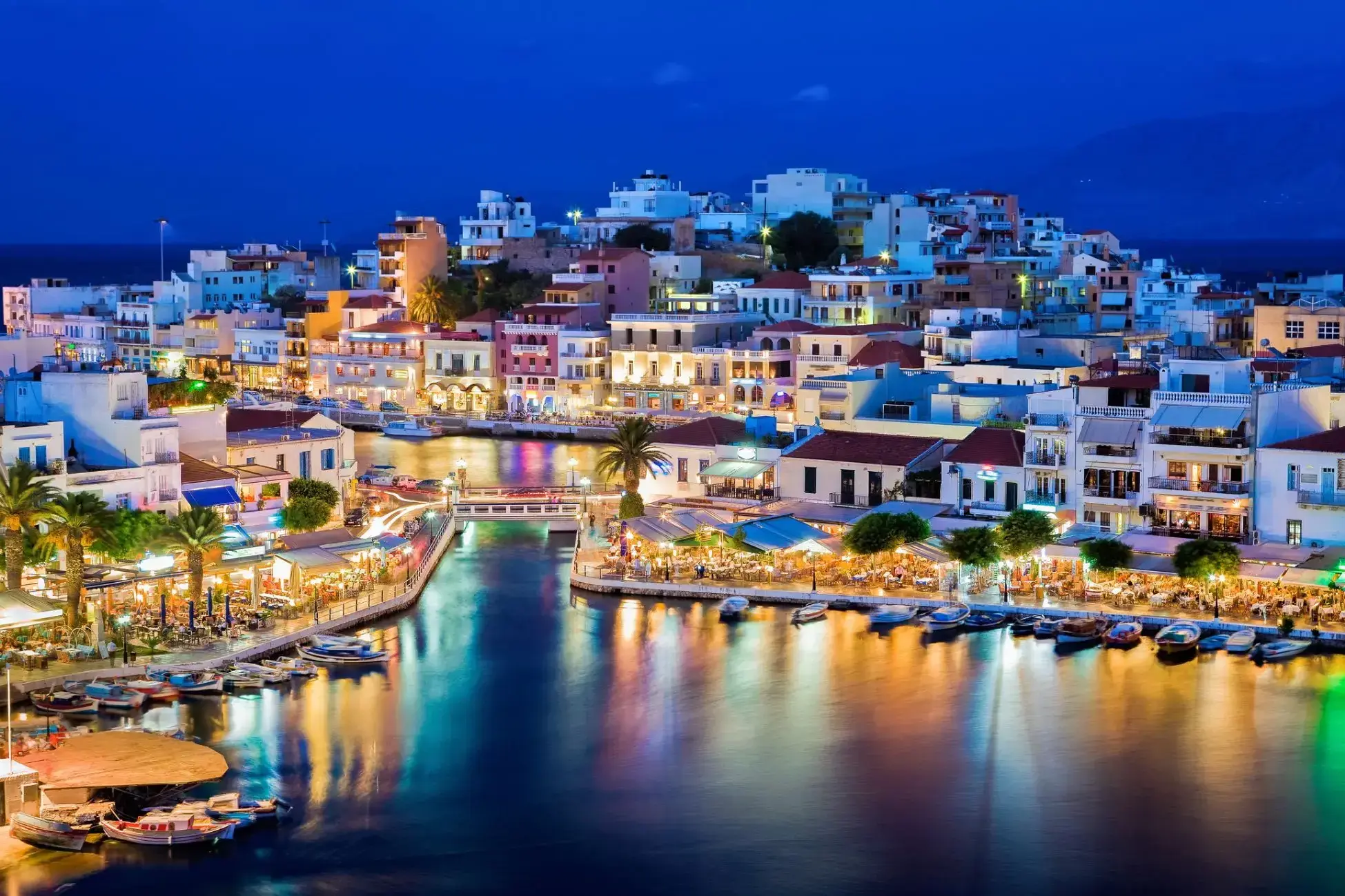
Agios Nikolaos or Aghios Nikolaos is a coastal town on the Greek island of Crete, lying east of the island's capital Heraklion, north of the town of Ierapetra and west of the town of Sitia.
In the year 2011, the Municipality of Agios Nikolaos, which takes in part of the surrounding villages, claimed 27,074 inhabitants. The town is a municipality of the Crete region and sits partially upon the ruins of the ancient city of Lato pros Kamara.
Agios Nikolaos was settled in the late Bronze Age by Dorian occupants of Lato, at a time when the security of the Lato hillfort became a lesser concern and easy access to the harbour at Agios Nikolaos became more important.
The name Agios Nikolaos means Saint Nicholas. Its stress lies on the second syllable of the word "Nikolaos". Agios Nikolaos or Ayios Nikolaos (alternative romanizations of the Greek Άγιος Νικόλαος) is a common placename in Greece and Cyprus, since Saint Nicholas is the patron saint of sailors and of all of Greece.
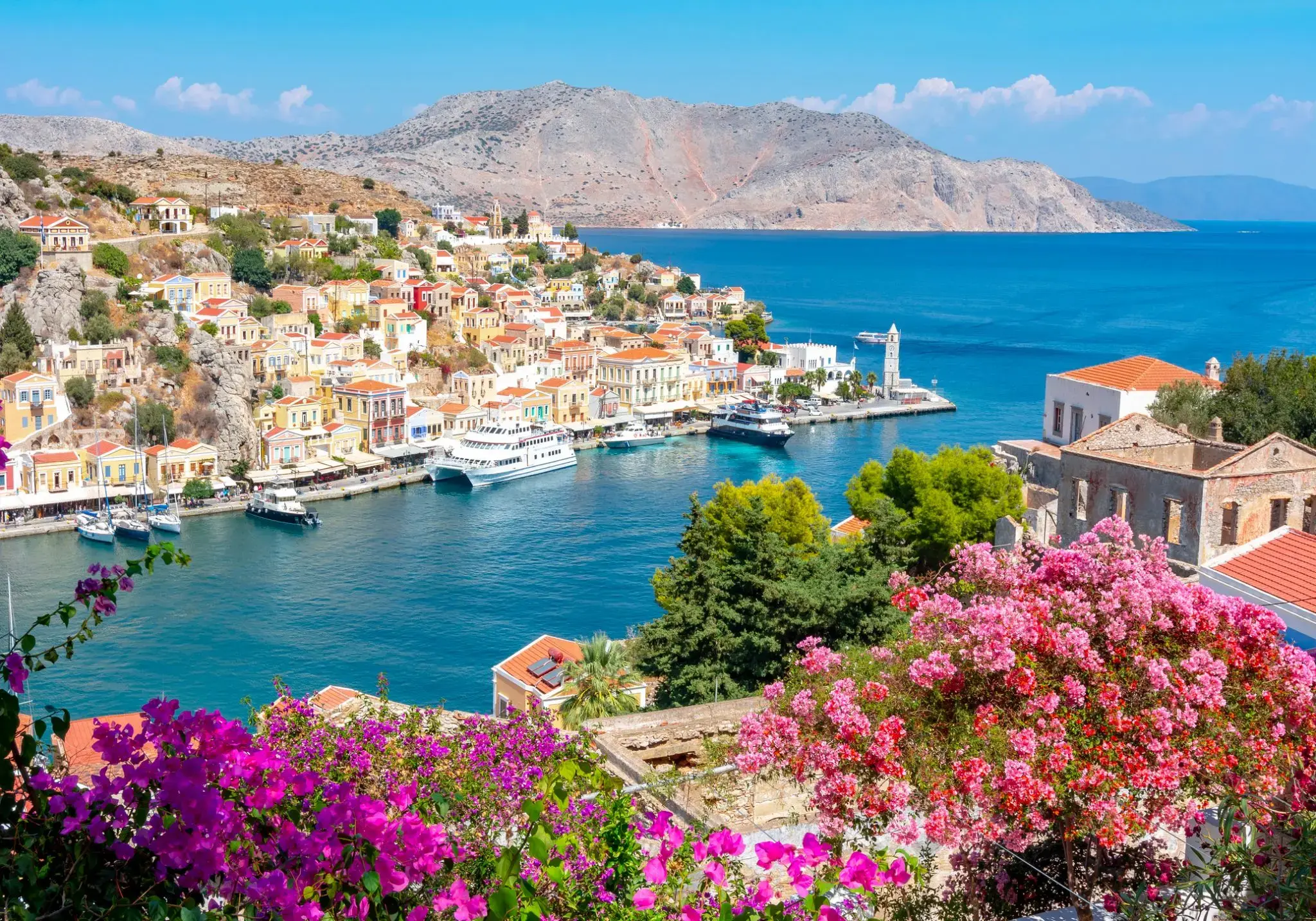
Rhodes is the largest of the Dodecanese islands of Greece and is also the island group's historical capital. Administratively the island forms a separate municipality within the Rhodes regional unit, which is part of the South Aegean administrative region. The principal town of the island and seat of the municipality is Rhodes. The city of Rhodes had 50,636 inhabitants in 2011. It is located northeast of Crete, southeast of Athens and just off the Anatolian coast of Turkey. Rhodes' nickname is The island of the Knights, named after the Knights of Saint John of Jerusalem, who once conquered the land.
Historically, Rhodes was famous worldwide for the Colossus of Rhodes, one of the Seven Wonders of the Ancient World. The Medieval Old Town of the City of Rhodes has been declared a World Heritage Site. Today, it is one of the most popular tourist destinations in Europe. The name of the U.S. state of Rhode Island is thought to be based on this island.
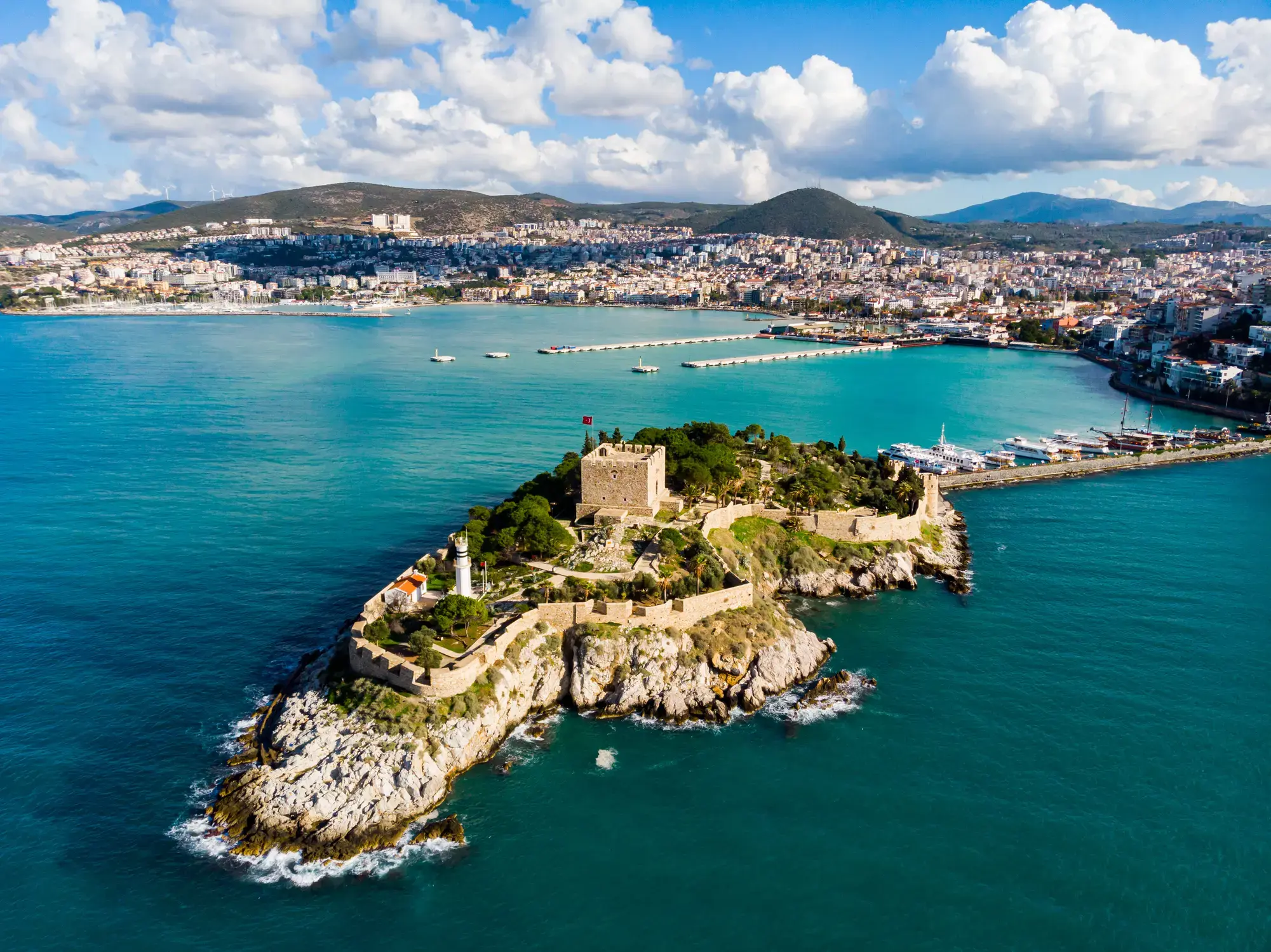
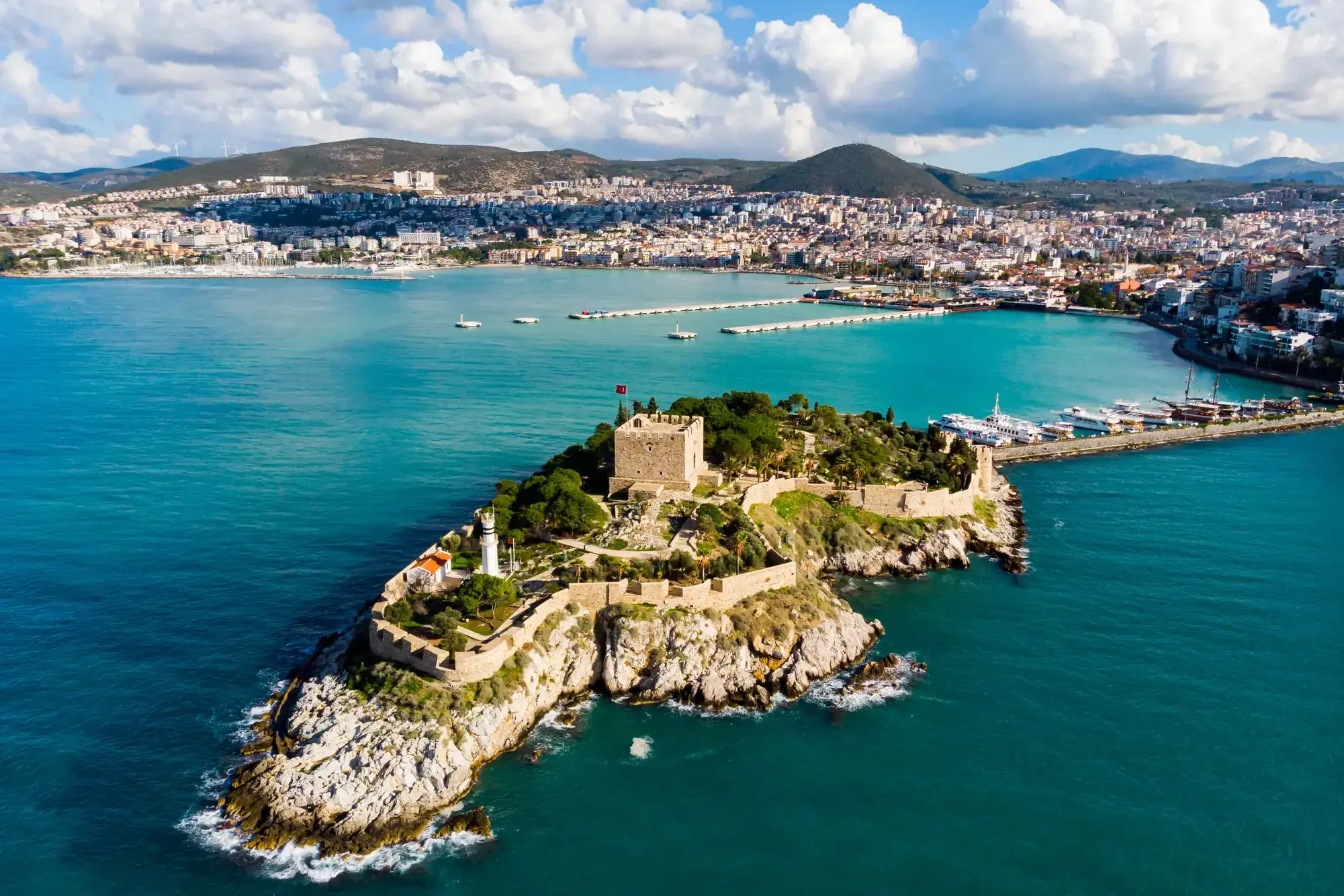
Kuşadası is a resort town on Turkey's Aegean coast, and the center of the seaside district of the same name within Aydın Province. Kuşadası is 95 km (59 mi) south of İzmir, and 71 km (44 mi) from Aydın. The municipality's primary industry is tourism.
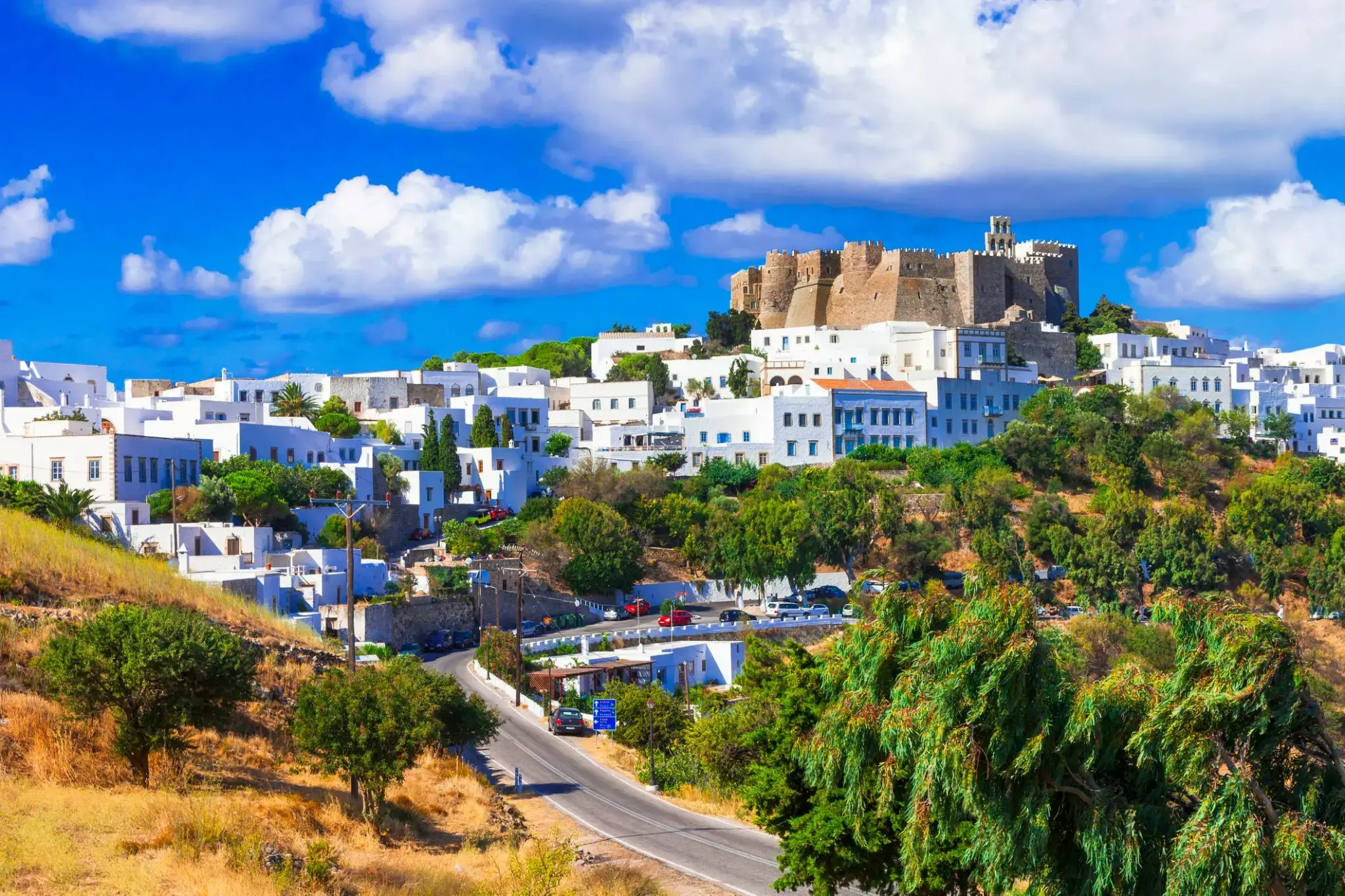
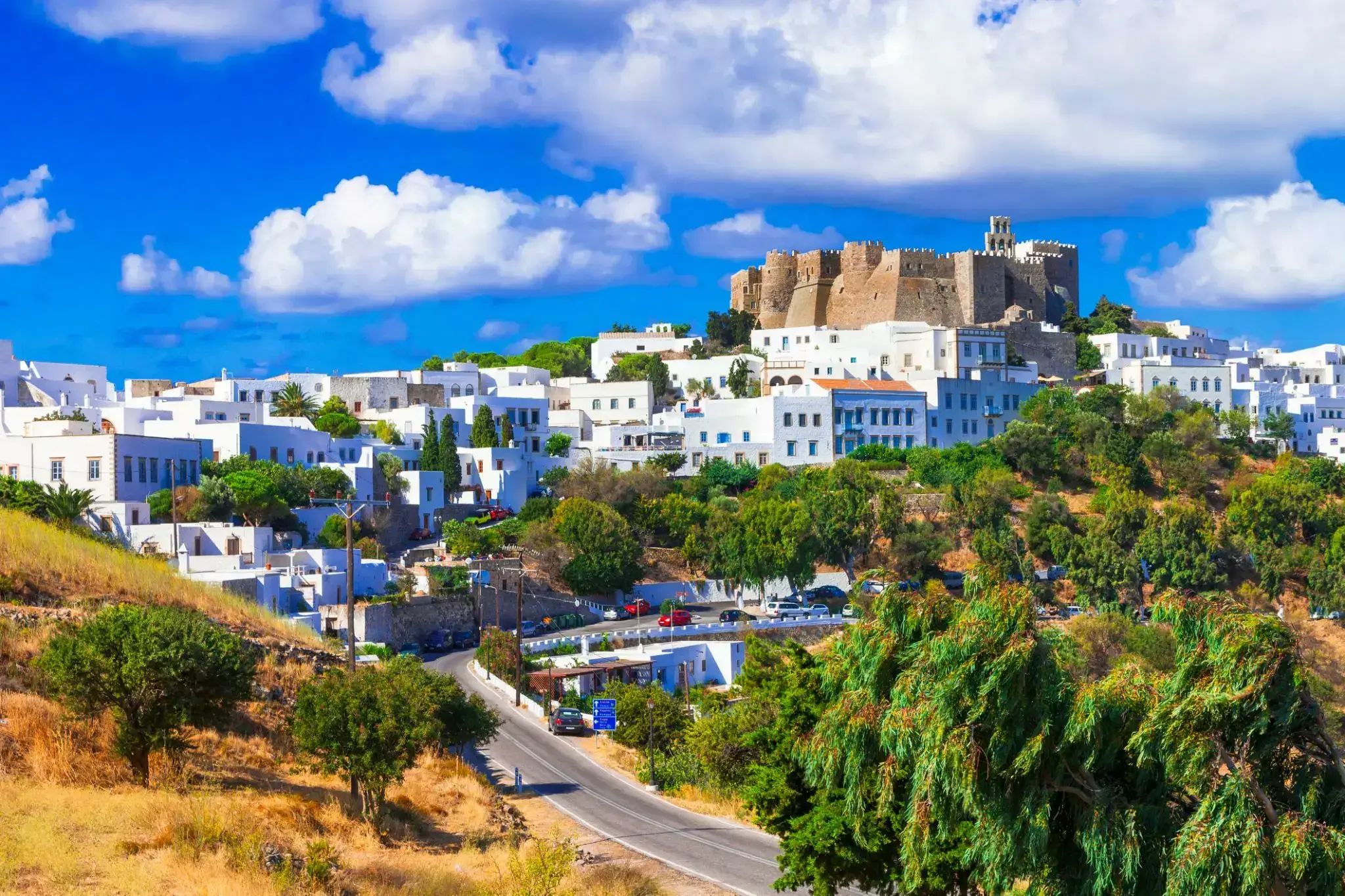
Patmos is a small Greek island in the Aegean Sea, most famous for being the location of the vision given to the disciple John in the Book of Revelation in the New Testament, and where the book was written.
One of the northernmost islands of the Dodecanese complex, it has a population of 2,998 and an area of 34.05 km2(13.15 sq mi). The highest point is Profitis Ilias, 269 metres (883 ft) above sea level. The municipality of Patmos, which includes the offshore islands of Arkoi (pop. 44), Marathos (pop. 5), and several uninhabited islets, has a total population of 3,047 (2011 census) and a combined land area of 45.039 square kilometres (17.390 sq mi). It is part of the Kalymnos regional unit.
Patmos' main communities are Chora (the capital city), and Skala, the only commercial port. Other settlements are Grikou and Kampos. The churches and communities on Patmos are of the Eastern Orthodox tradition. The mayor of Patmos is Gregory Stoikos.
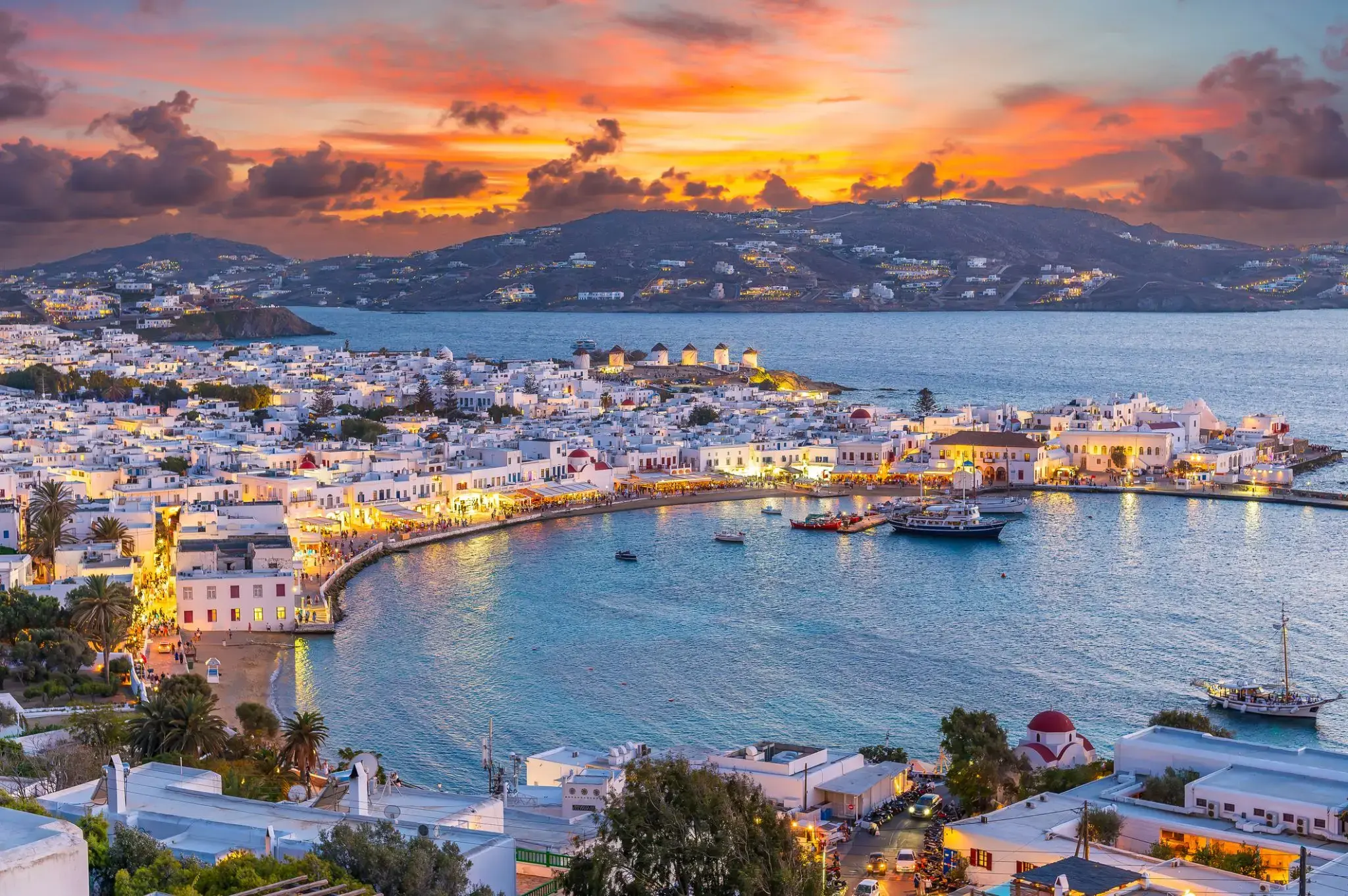
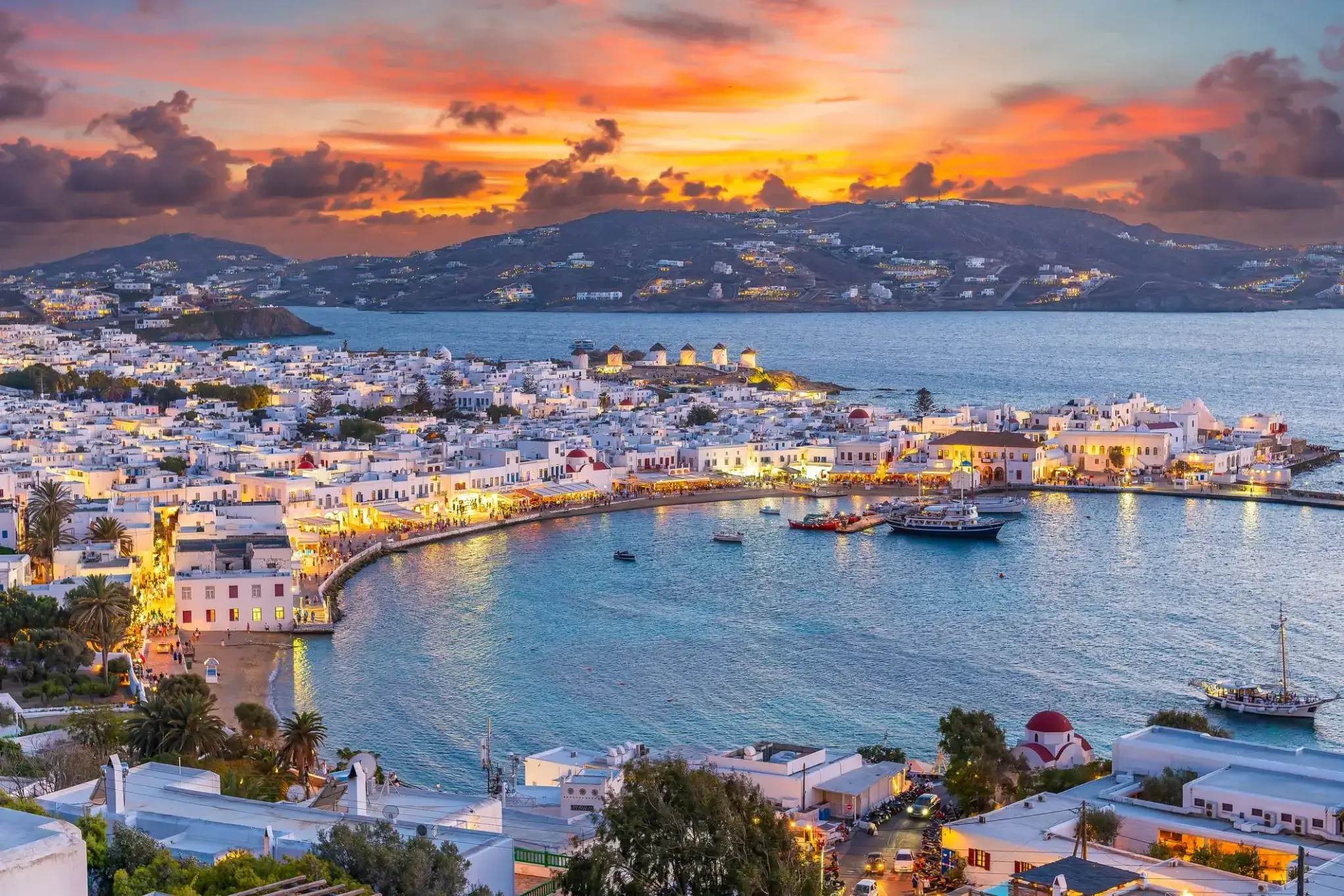
Mykonos is a Greek island, part of the Cyclades, lying between Tinos, Syros, Paros and Naxos. The island spans an area of 85.5 square kilometres (33.0 sq mi) and rises to an elevation of 341 metres (1,119 feet) at its highest point. There are 10,134 inhabitants (2011 census), most of whom live in the largest town, Mykonos, which lies on the west coast. The town is also known as Chora (i.e. the Town in Greek, following the common practice in Greece when the name of the island itself is the same as the name of the principal town).

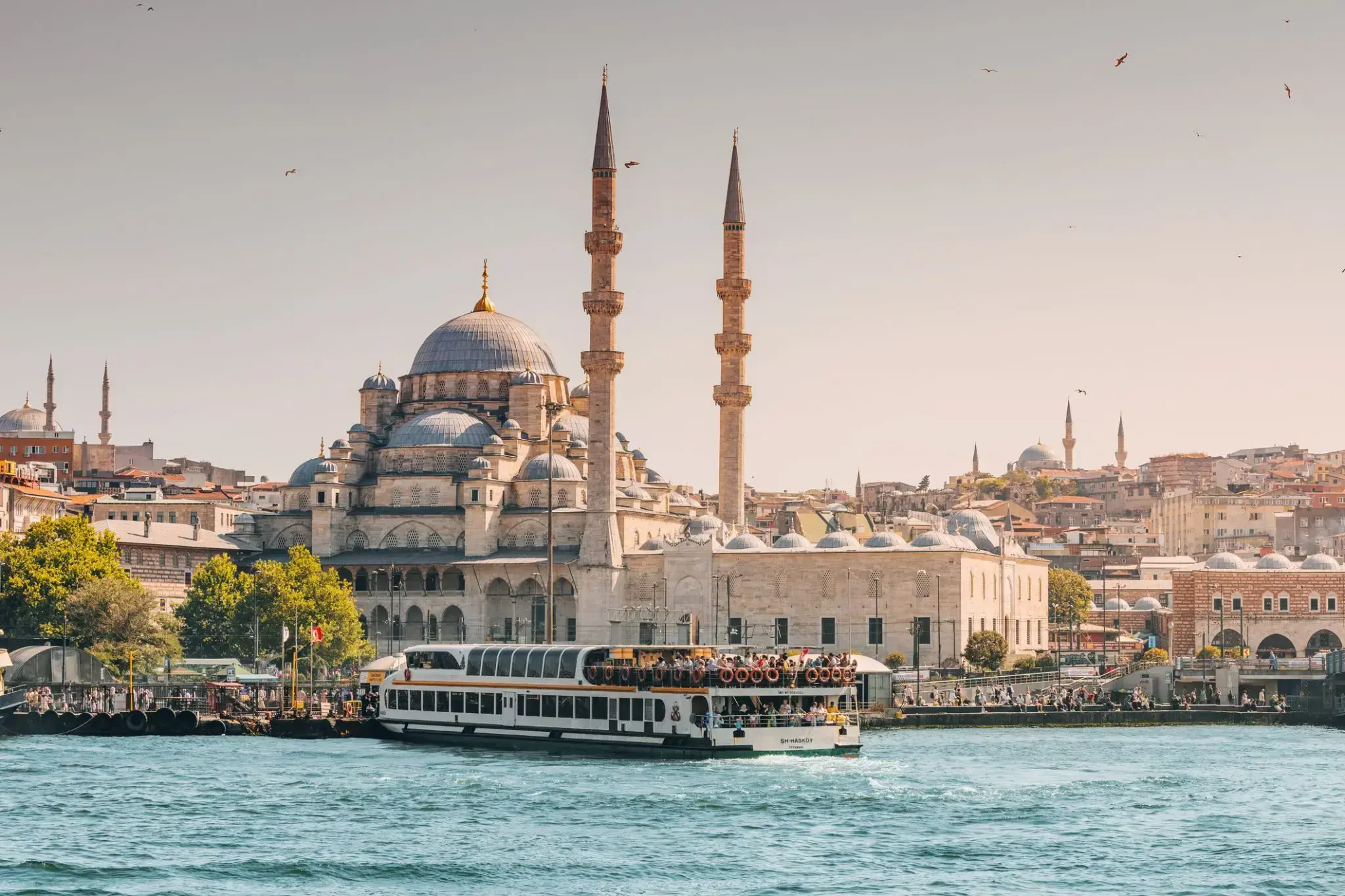
Istanbul – the largest city in Turkey, located on the Bosphorus. Until 1930 it was known as Constantinople and served as the capital of the Roman, Byzantine, Latin and Ottoman Empires. The city and its surroundings preserve monuments of ancient civilizations, including temples, palaces and fortifications. Today Istanbul is an important cultural, commercial and industrial hub. Tourists come not only to admire its historic landmarks, but also to shop at world-famous Turkish bazaars, where you can buy spices, jewelry, antiques, colorful hookahs and bargain like a local.
Istanbul – the largest city in Turkey, located on the Bosphorus. Until 1930 it was known as Constantinople and served as the capital of the Roman, Byzantine, Latin and Ottoman Empires. The city and its surroundings preserve monuments of ancient civilizations, including temples, palaces and fortifications. Today Istanbul is an important cultural, commercial and industrial hub. Tourists come not only to admire its historic landmarks, but also to shop at world-famous Turkish bazaars, where you can buy spices, jewelry, antiques, colorful hookahs and bargain like a local.
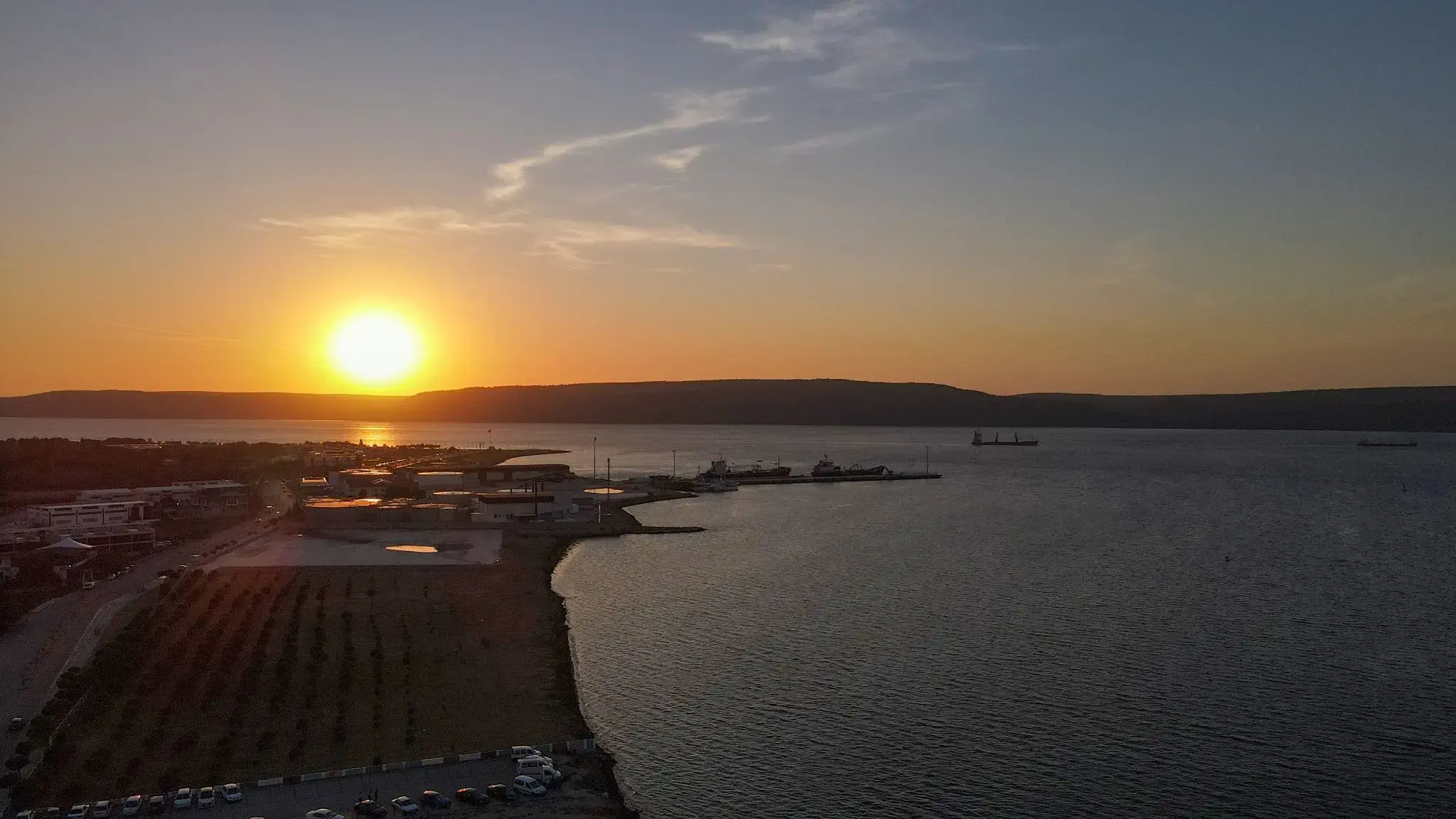
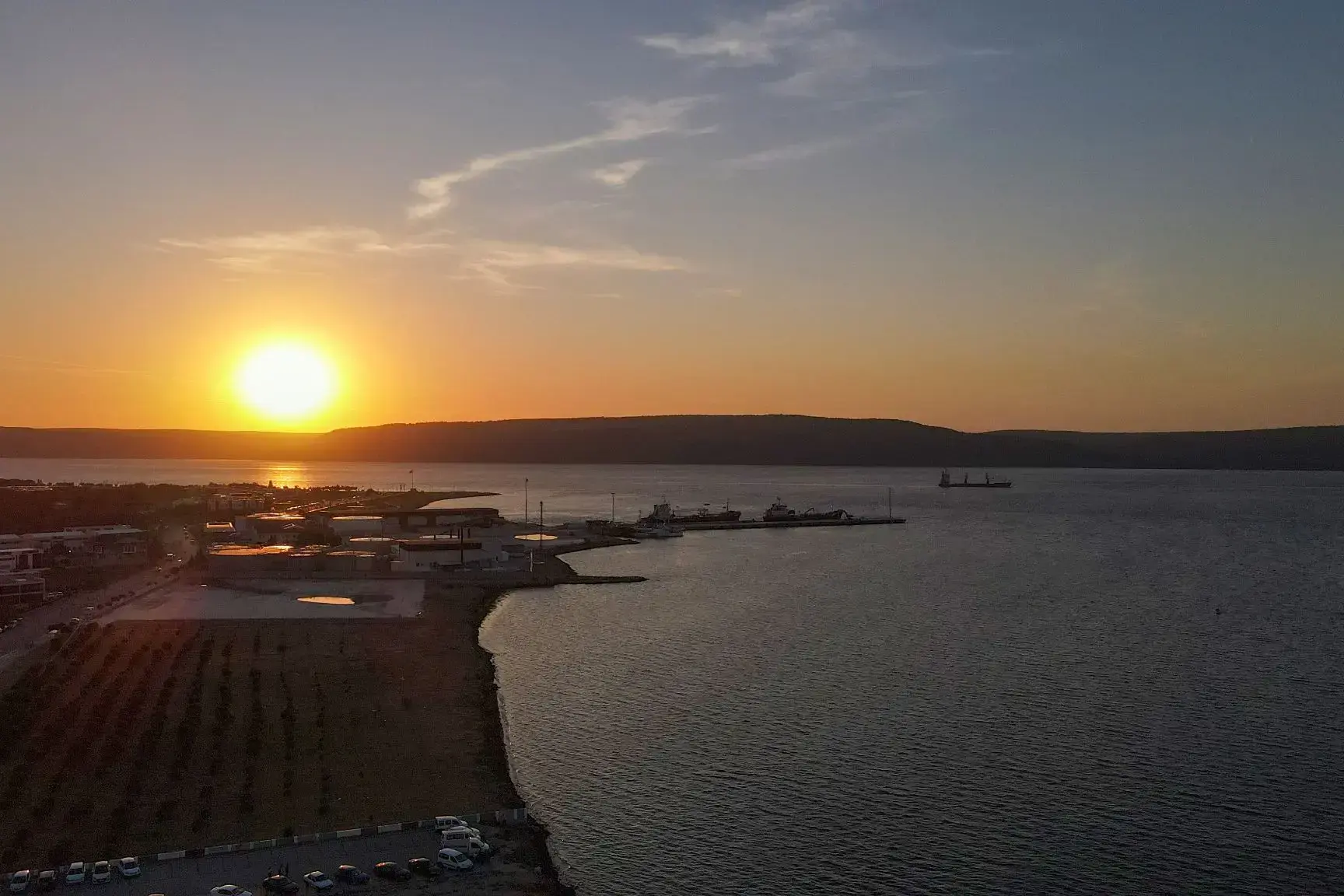
Քեպեզը Թուրքիայում՝ Չանաքքալեի նահանգում գտնվող ծովափնյա քաղաք է, որը գտնվում է 3 կմ հեռավորության վրա Չանաքքալե քաղաքի կենտրոնից։ 2010 թվականի տվյալներով քաղաքի բնակչությունը կազմում էր 11,744 մարդ։ Քեպեզի հարավում գտնվել է հին Դարդանոս քաղաքը։ Դարդանոսի հյուսիսում գտնվում է Դարդանոսի թումբը, որտեղ 1959 թվականի վերջին պատահաբար հայտնաբերվել է մոնումենտալ դամբարանի մուտքը։ Այն կառուցված է մանրակրկիտ մշակված քարե բլոկներից և բաղկացած է 5,20 մ երկարությամբ ծածկված դրոմոսից, նախասրահից և թաղման սրահից։
Չանաքքալեն, որը թարգմանաբար նշանակում է «կավագործների բերդ», հայտնի է դարձել իր կավագործությամբ։ Դարդանելների նեղուցի ափին գտնվելու շնորհիվ քաղաքը ստացել է «Էգեյան ծովափի դարպասներ» մականունը։ Լեգենդի համաձայն՝ հենց այստեղից է անցել Ալեքսանդր Մակեդոնացին, իսկ հետագայում՝ օսմանյան նվաճող բանակը։
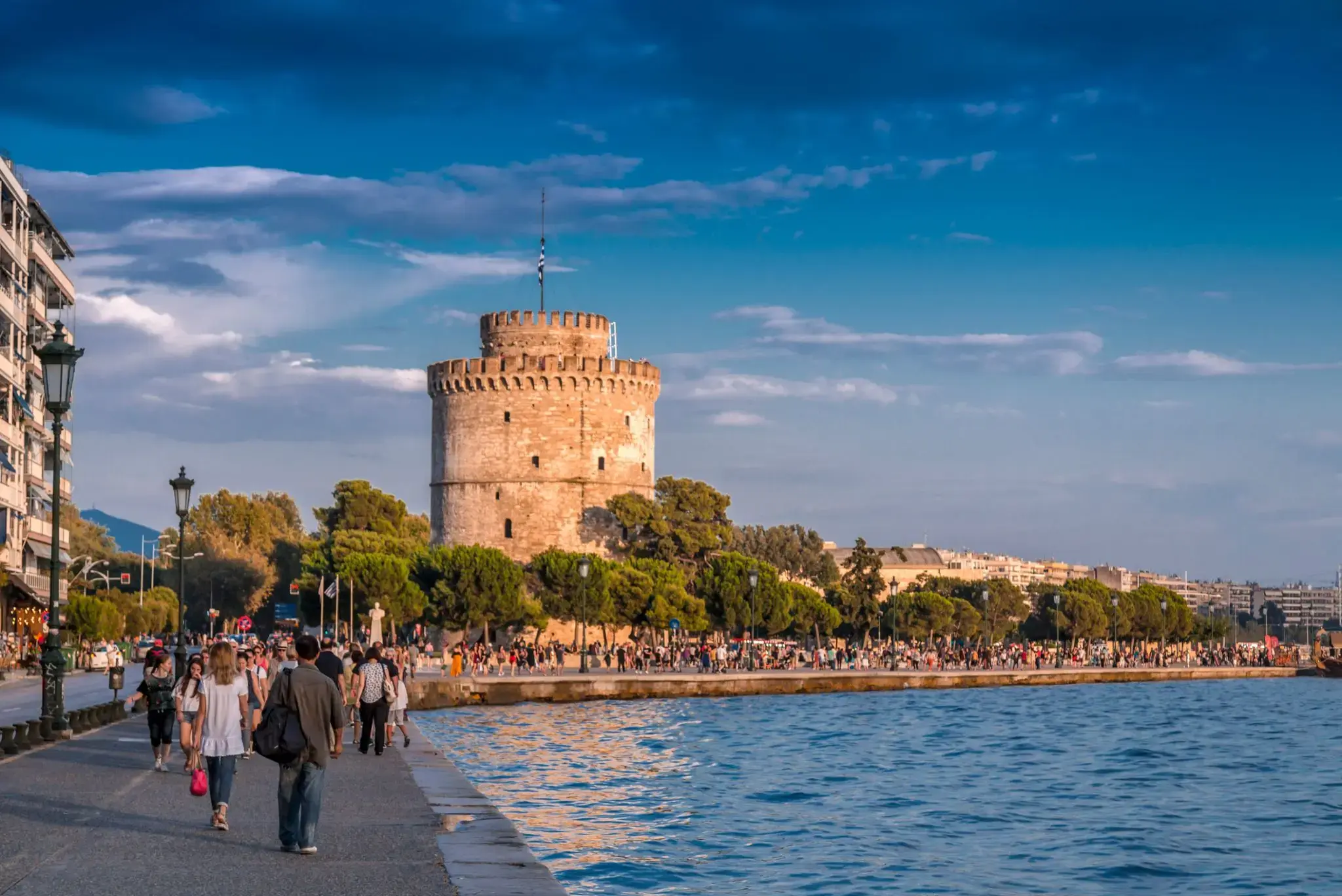
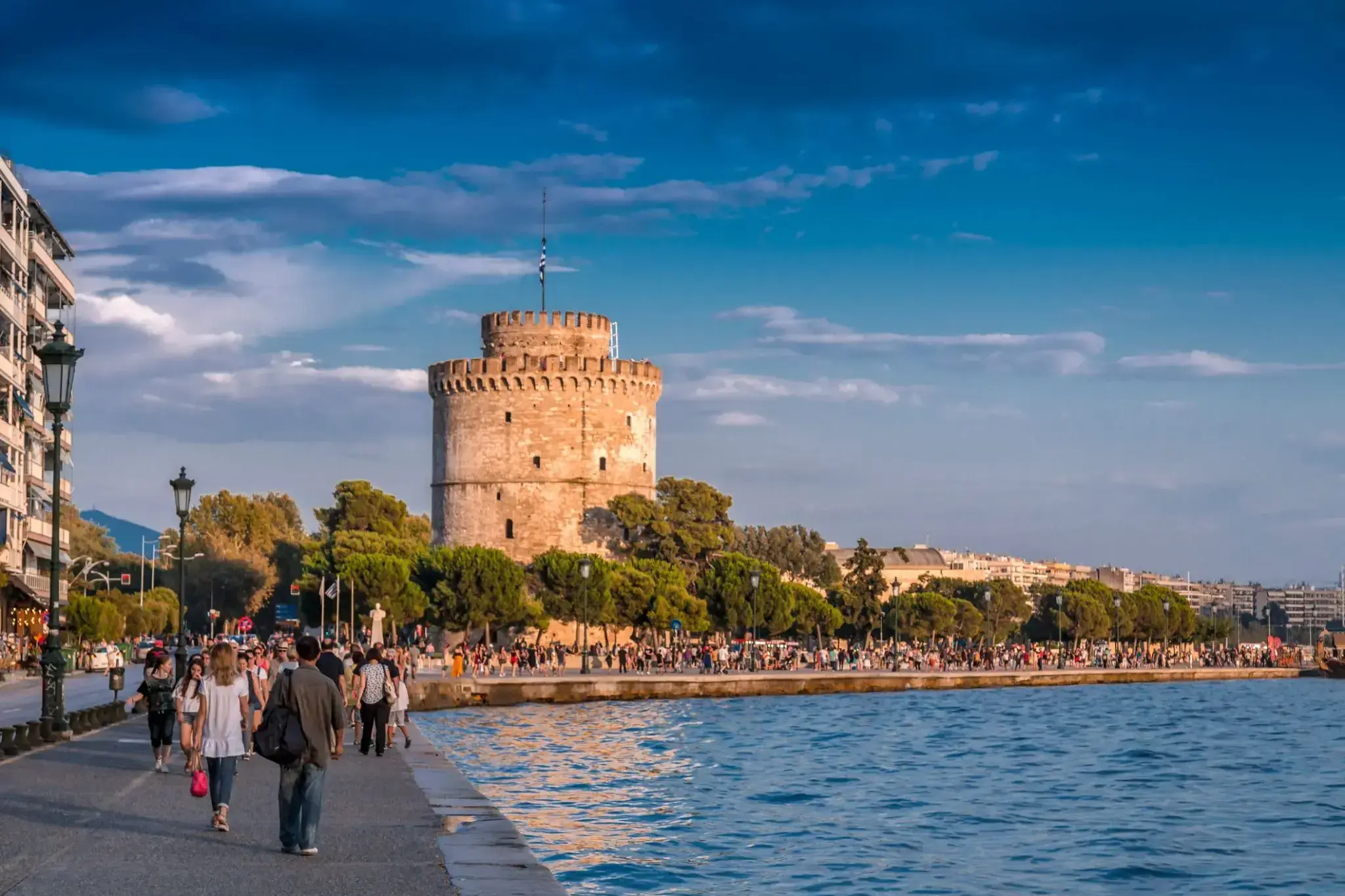
The second-largest city in Greece and the capital of Central Macedonia, Thessaloniki (more correctly in Greek, "Thessaloniki"), is today the cultural capital of the country: the city is known for its festivals and events. Moreover, it is also a city with over 3,000 years of history, where traces of the Roman, Byzantine, and Ottoman empires, as well as the once-dominant Jewish population, have been preserved. The old city center, located north of the modern center, miraculously 1 survived the great fire of 1917. 2 It is now a UNESCO World Heritage.
The second-largest city in Greece and the capital of Central Macedonia, Thessaloniki (more correctly in Greek, "Thessaloniki"), is today the cultural capital of the country: the city is known for its festivals and events. Moreover, it is also a city with over 3,000 years of history, where traces of the Roman, Byzantine, and Ottoman empires, as well as the once-dominant Jewish population, have been preserved. The old city center, located north of the modern center, miraculously 1 survived the great fire of 1917. 2 It is now a UNESCO World Heritage.
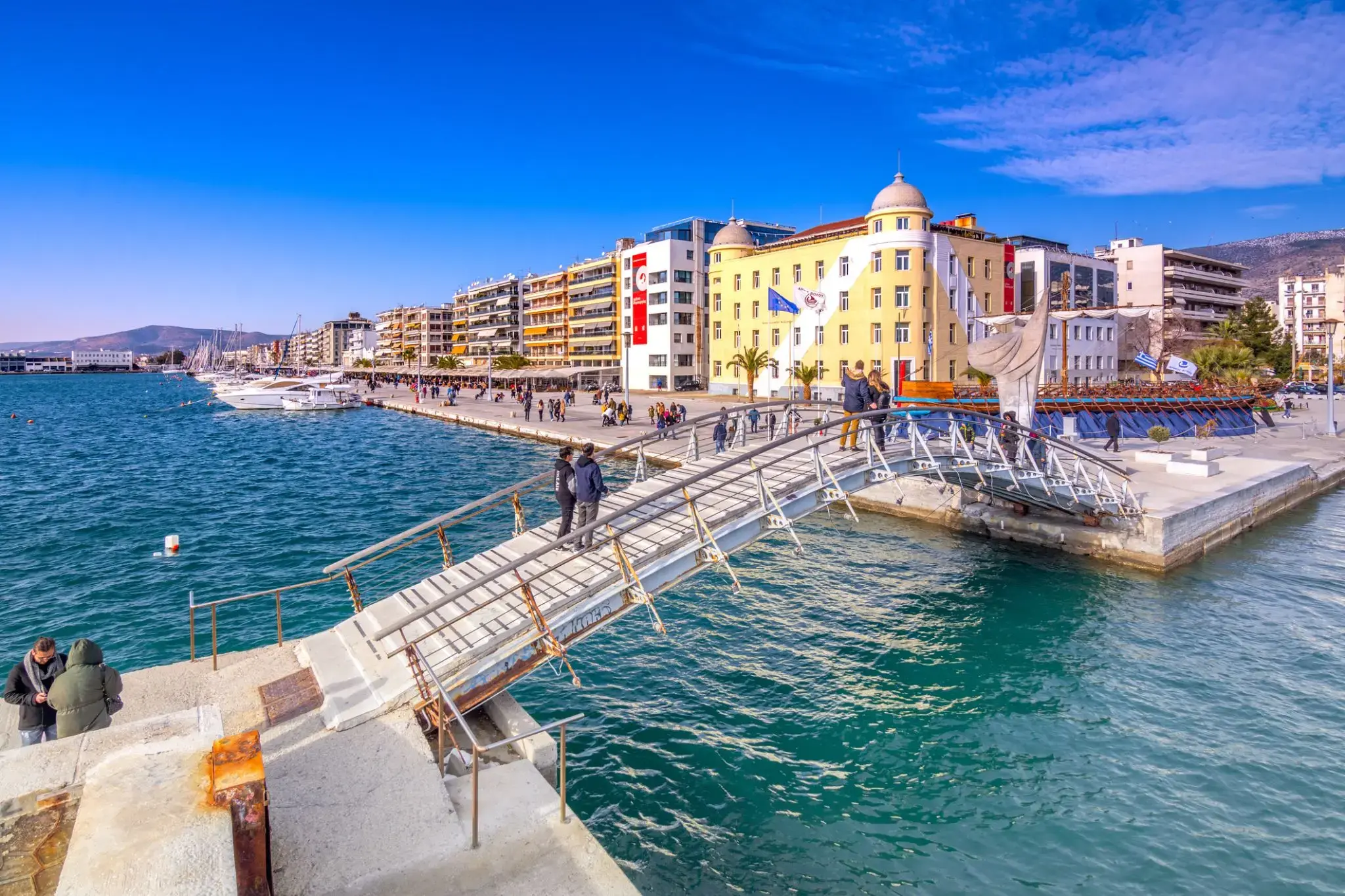
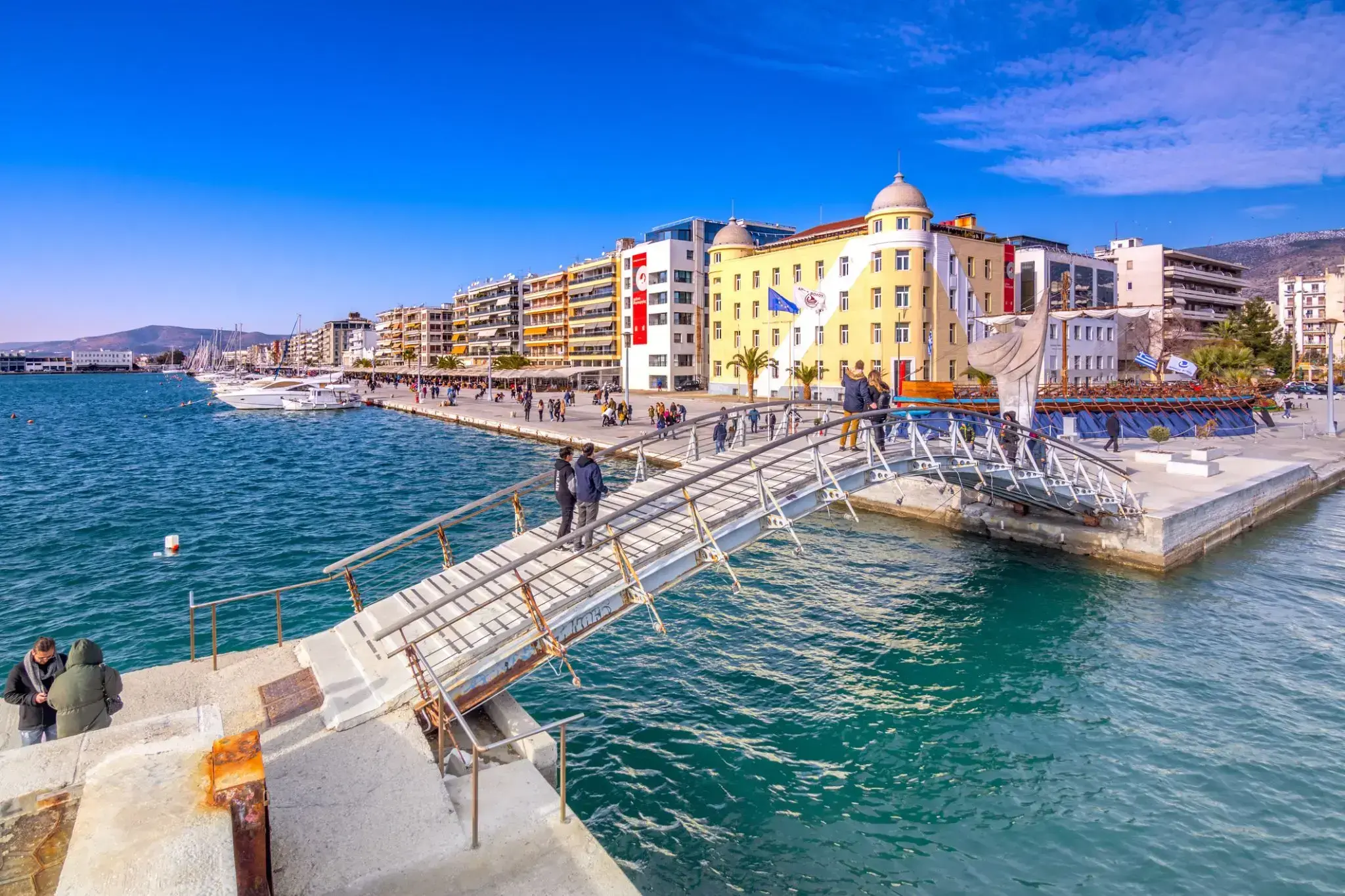
Volos (Greek: Βόλος) is a coastal port city in Thessaly situated midway on the Greek mainland, about 330 kilometres (205 miles) north of Athens and 220 kilometres (137 miles) south of Thessaloniki. It is the capital of the Magnesiaregional unit. Volos is the only outlet to the sea from Thessaly, the country's largest agricultural region. With a population of 144,449 (2011), it is an important industrial centre, while its port provides a bridge between Europe, the Middle East and Asia.
Volos is the newest of the Greek port cities, with a large proportion of modern buildings erected following the catastrophic earthquakes of 1955. It includes the municipal units of Volos, Nea Ionia and Iolkos, as well as smaller suburban communities. The economy of the city is based on manufacturing, trade, services and tourism. Home to the University of Thessaly, the city also offers facilities for conferences, exhibitions and major sporting, cultural and scientific events. Volos participated in the 2004 Olympic Games, and the city has since played host to other athletic events, such as the European Athletic Championships. Volos hosted the 7th International Olympiad on Astronomy and Astrophysics from 27 July to 5 August 2013.
Mykonos is a Greek island, part of the Cyclades, lying between Tinos, Syros, Paros and Naxos. The island spans an area of 85.5 square kilometres (33.0 sq mi) and rises to an elevation of 341 metres (1,119 feet) at its highest point. There are 10,134 inhabitants (2011 census), most of whom live in the largest town, Mykonos, which lies on the west coast. The town is also known as Chora (i.e. the Town in Greek, following the common practice in Greece when the name of the island itself is the same as the name of the principal town).
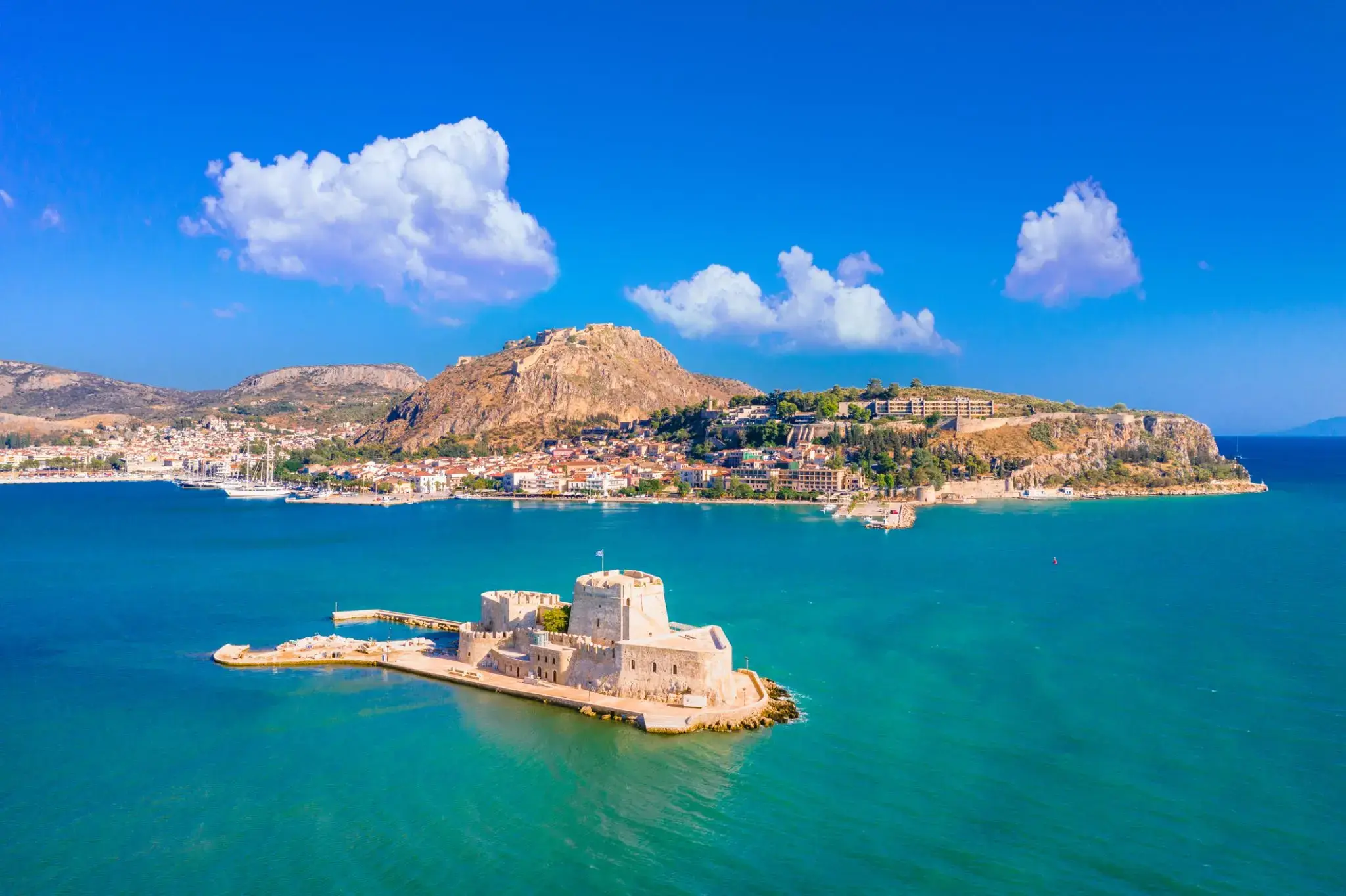
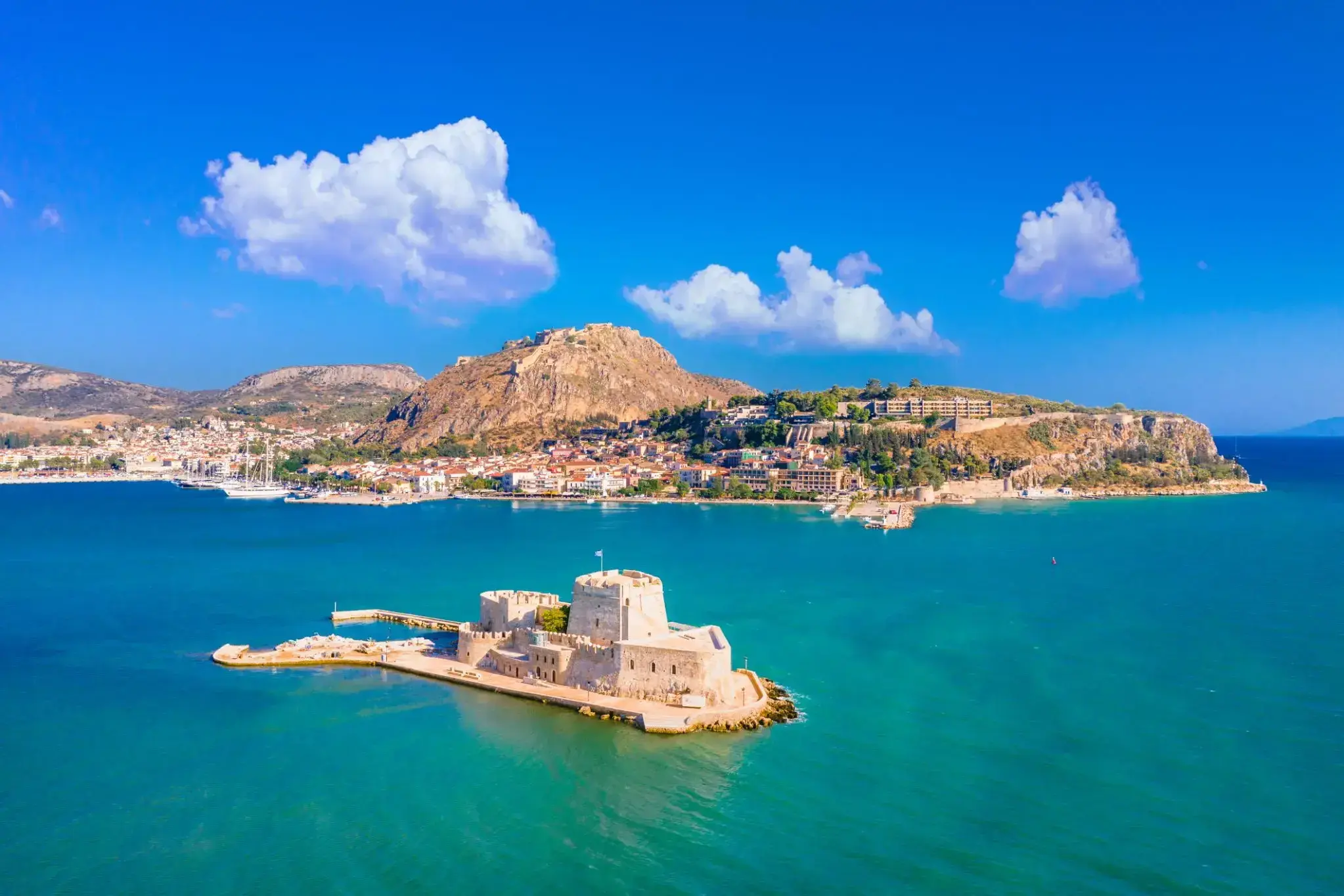
Nafplio (Greek: Ναύπλιο, Nauplio or Nauplion in Italian and other Western European languages) is a seaport town in the Peloponnese in Greece that has expanded up the hillsides near the north end of the Argolic Gulf. The town was an important seaport held under a succession of royal houses in the Middle Ages as part of the lordship of Argos and Nauplia, held initially by the de la Roche following the Fourth Crusade before coming under the Republic of Veniceand, lastly, the Ottoman Empire. The town was the capital of the First Hellenic Republic and of the Kingdom of Greece, from the start of the Greek Revolution in 1821 until 1834. Nafplio is now the capital of the regional unit of Argolis.
Piraeus is the gateway to Athens , which, in turn, is rightfully considered the center of the centers of the whole world, with the main attraction - the acropolis. Piraeus is an old port city serving the port of Athens, the largest port in Greece to date. Piraeus is part of the great Athens, which boasts an abundance of attractions, including unique monuments of national fine art. More than two hundred museums and galleries, including the University History Museum, the Ceramics Archaeological Museum and many others, will hospitably welcome you within their walls and familiarize themselves with the culture of this area.