| Cruise Region : Mediterranean Sea |
| Company : Azamara Cruises |
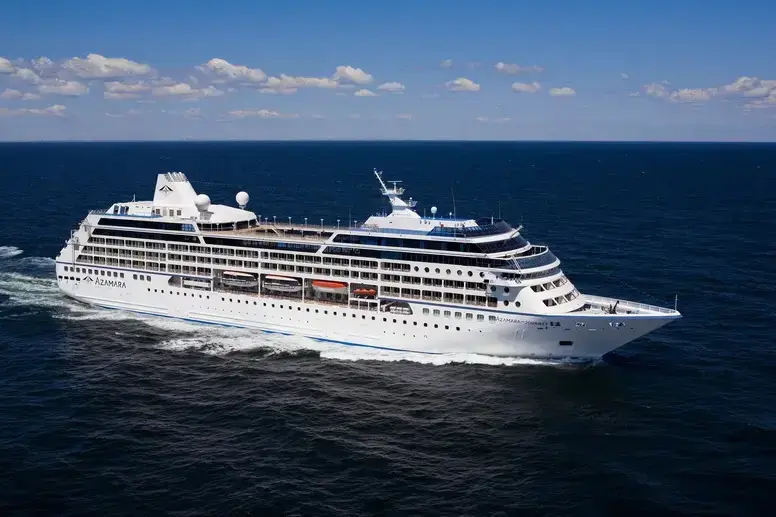
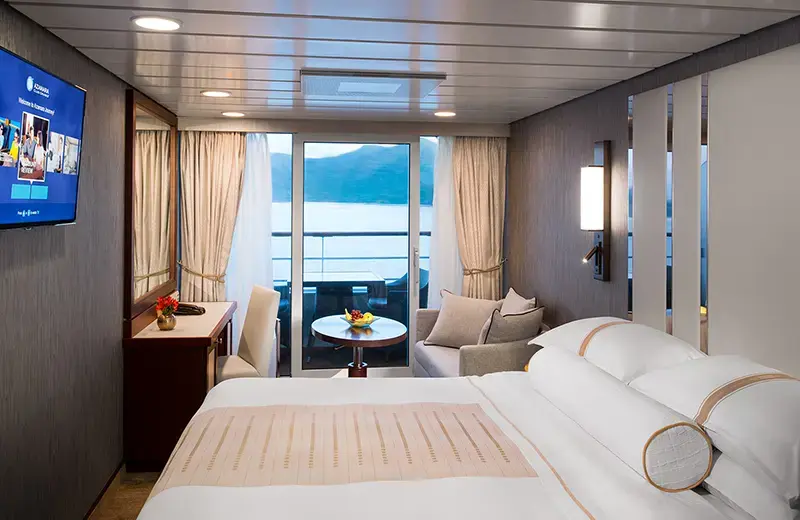
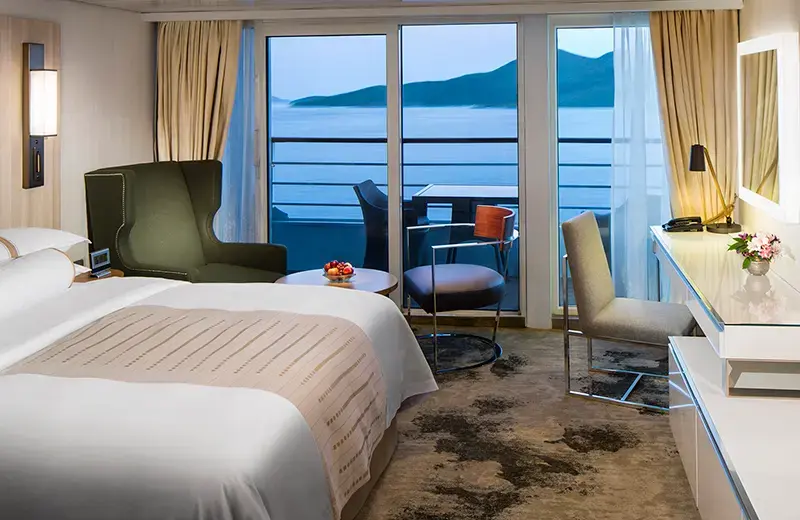
| Ship : Azamara Journey |
| Journey Start : շբթ 22 հնվ 2028 |
| Journey End : երք 15 փտվ 2028 |
| Count Nights : 24 nights |
| Day | Date | Port | Arrival | Departure |
|---|---|---|---|---|
| 1 | 22.01 շբթ | Լիսաբոն / Portugal | 18:00 | |
| 2 | 23.01 կիր | Պորտման / Portugal | 08:00 | 18:00 |
| 3 | 24.01 երկ | Սևիլիա / Spain | 14:00 | |
| 4 | 25.01 երք | Սևիլիա / Spain | ||
| 5 | 26.01 չրք | Սևիլիա / Spain | 14:00 | |
| 6 | 27.01 հնգ | Ջիբրալթար / Great Britain | 08:00 | 22:00 |
| 7 | 28.01 ուր | Սեուտա / Spain | 08:00 | 18:00 |
| 8 | 29.01 շբթ | Մալագա / Spain | 06:00 | 17:00 |
| 9 | 30.01 կիր | Կարթախենա (Բոլիվար) / Colombia | 08:30 | 16:00 |
| 10 | 31.01 երկ | Ալժիր / Algeria | 08:00 | 18:00 |
| 11 | 1.02 երք | Օր ծովում / Sea | ||
| 12 | 2.02 չրք | Թունիս Լա Գուլետ | 08:00 | 16:00 |
| 13 | 3.02 հնգ | Վալետտա / Malta | 09:30 | 22:00 |
| 14 | 4.02 ուր | Սիրակուզա / Italy | 08:00 | 20:00 |
| 15 | 5.02 շբթ | Օր ծովում / Sea | ||
| 16 | 6.02 կիր | Պիրեուս (Աթենք) / Greece | 09:00 | |
| 17 | 7.02 երկ | Պիրեուս (Աթենք) / Greece | 09:00 | 17:00 |
| 18 | 8.02 երք | Քեպեզ (Չանաքքալե) / Turkey | 10:30 | 18:00 |
| 19 | 9.02 չրք | Ստամբուլ / Turkey | 08:00 | |
| 20 | 10.02 հնգ | Ստամբուլ / Turkey | 17:00 | |
| 21 | 11.02 ուր | Կավալա / Greece | 12:00 | 18:00 |
| 22 | 12.02 շբթ | Սալոնիկ / Greece | 08:00 | 20:00 |
| 23 | 13.02 կիր | կամք / Greece | 07:30 | 18:00 |
| 24 | 14.02 երկ | Պիրեուս (Աթենք) / Greece | 09:00 | |
| 25 | 15.02 երք | Պիրեուս (Աթենք) / Greece | 09:30 |
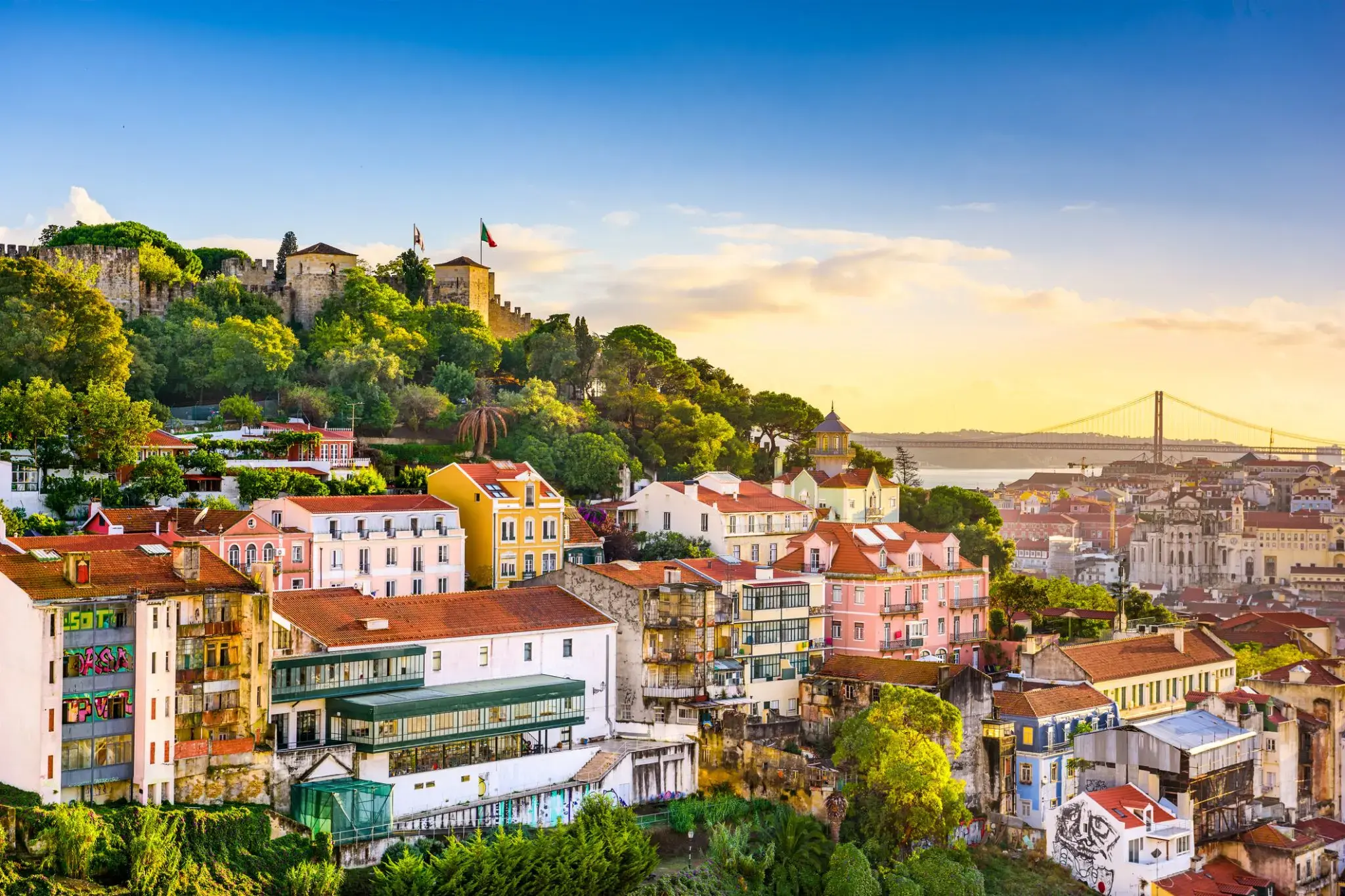
Lisbon is the capital and the largest city of Portugal, with an estimated population of 505,526 within its administrative limits in an area of 100.05 km2. Its urban area extends beyond the city's administrative limits with a population of around 2.8 million people, being the 11th-most populous urban area in the European Union. About 3 million people live in the Lisbon Metropolitan Area (which represents approximately 27% of the country's population). It is mainland Europe's westernmost capital city and the only one along the Atlantic coast. Lisbon lies in the western Iberian Peninsula on the Atlantic Ocean and the River Tagus. The westernmost areas of its metro area form the westernmost point of Continental Europe, which is known as Cabo da Roca, located in the Sintra Mountains.
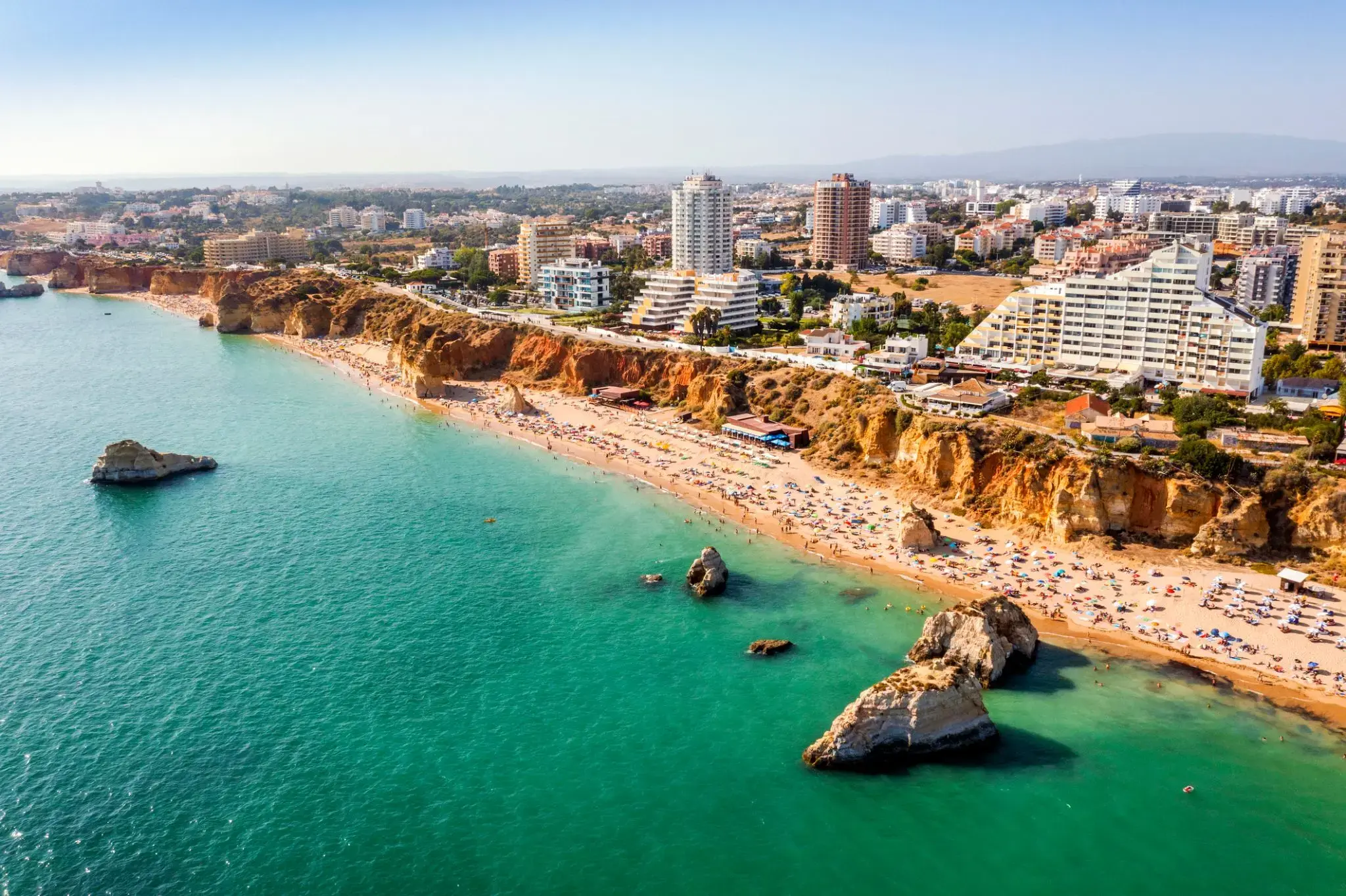
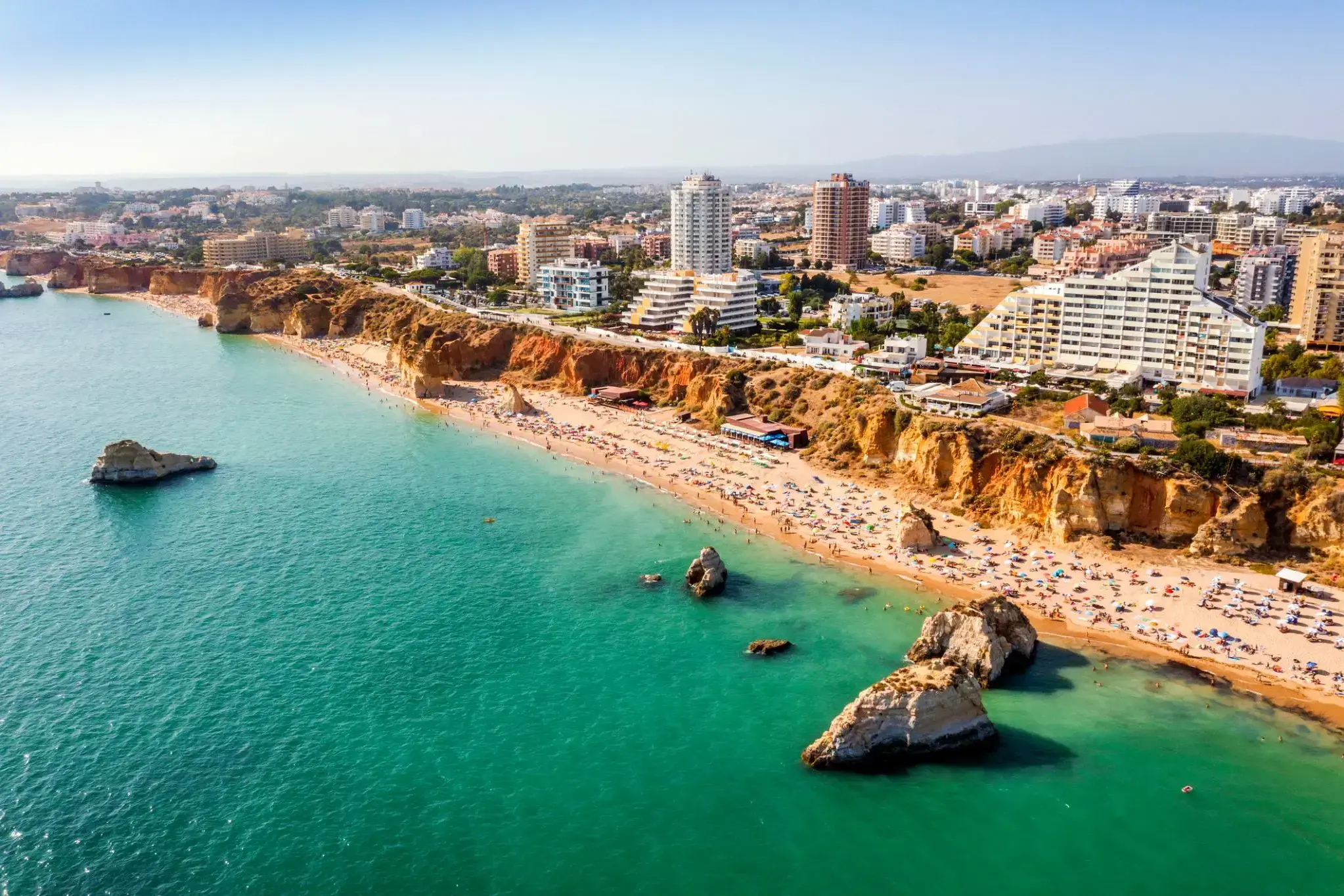
Portimão is a town and a municipality in the district of Faro, in the Algarve region of southern Portugal. The population in 2011 was 55,614, in an area of 182.06 km². It was formerly known as Vila Nova de Portimão. In 1924, it was incorporated as a cidadeand became known merely as Portimão. Historically a fishing and shipbuilding centre, it has nonetheless developed into a strong tourist centre oriented along its beaches and southern coast. The two most populous towns in the Algarve are Portimão and Faro.
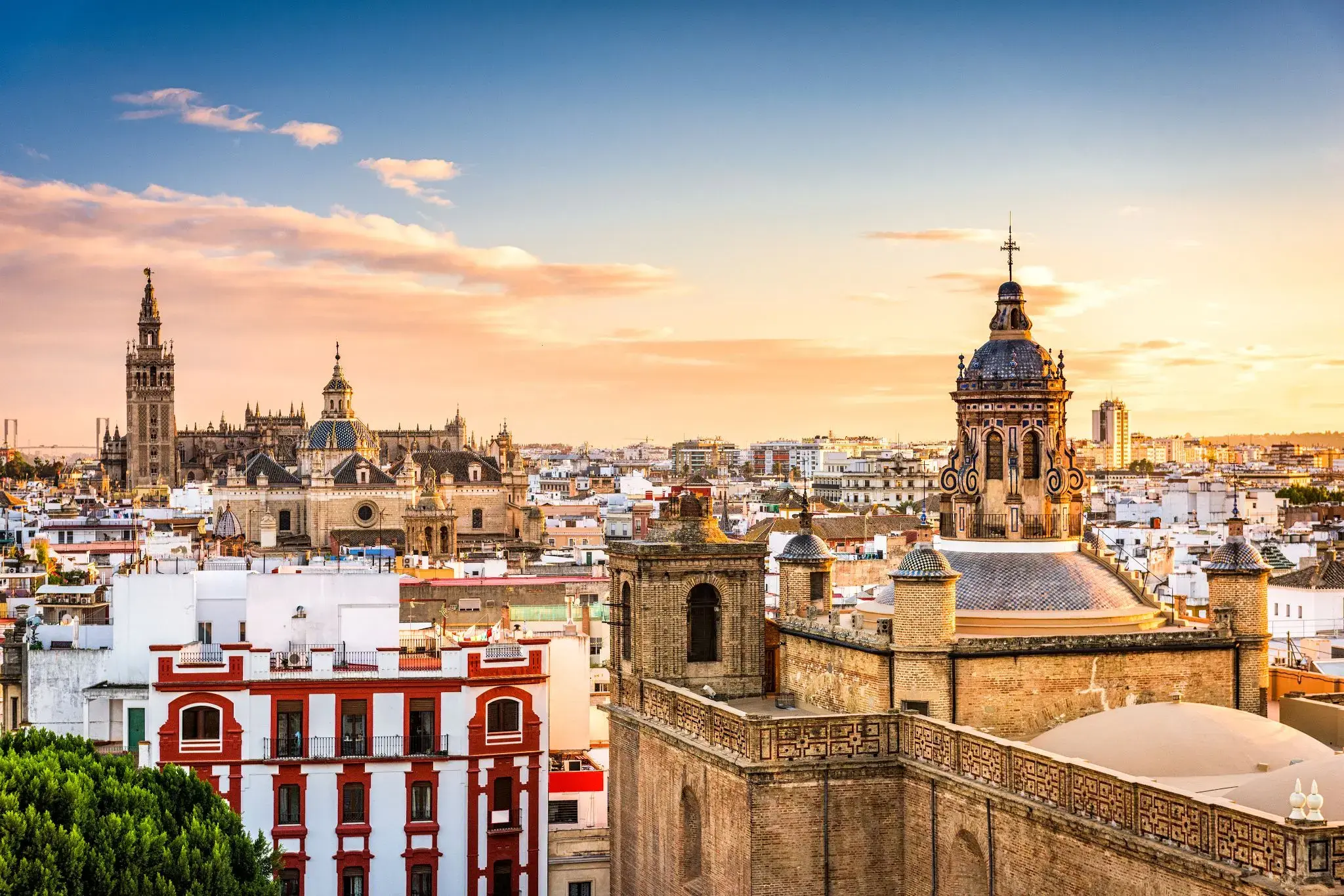
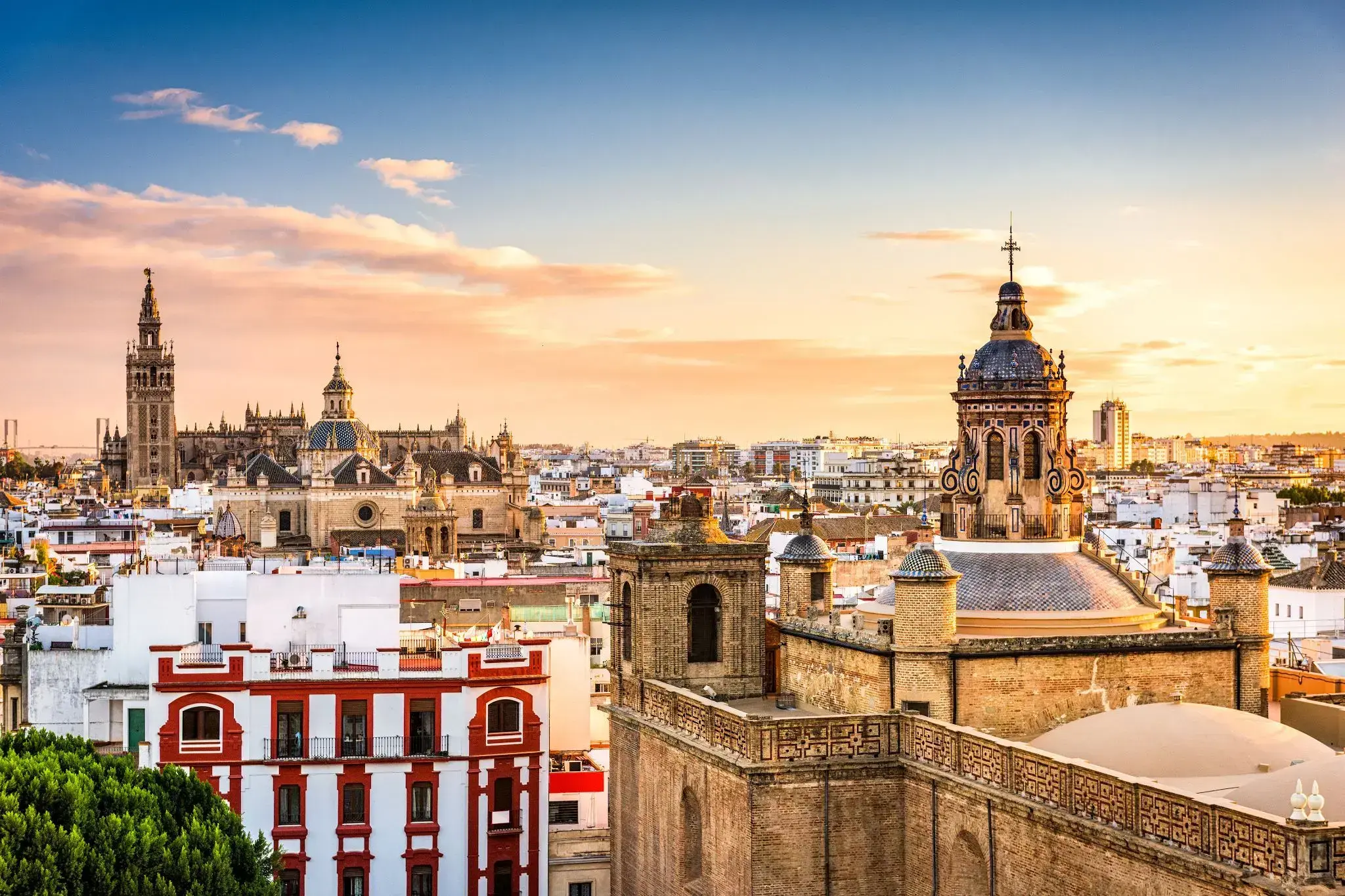
Seville is the capital and largest city of the autonomous community of Andalusia and the province of Seville, Spain. It is situated on the plain of the river Guadalquivir. The inhabitants of the city are known as sevillanos (feminine form: sevillanas) or hispalenses, after the Roman name of the city, Hispalis. Seville has a municipal population of about 690,000 as of 2016, and a metropolitan population of about 1.5 million, making it the fourth-largest city in Spain and the 30th most populous municipality in the European Union. Its Old Town, with an area of 4 square kilometres (2 sq mi), contains three UNESCO World Heritage Sites: the Alcázar palace complex, the Cathedral and the General Archive of the Indies. The Seville harbour, located about 80 kilometres (50 miles) from the Atlantic Ocean, is the only river port in Spain. Seville is also the hottest major metropolitan area in the geographical Southwestern Europe, with summer average high temperatures of above 35 °C (95 °F).
Seville was founded as the Roman city of Hispalis. It later became known as Ishbiliyya after the Muslim conquest in 712. During the Muslim rule in Spain, Seville came under the jurisdiction of the Caliphate of Córdoba before becoming the independent Taifa of Seville; later it was ruled by the Muslim Almoravids and the Almohads until finally being incorporated into the Christian Kingdom of Castile under Ferdinand III in 1248. After the discovery of the Americas, Seville became one of the economic centres of the Spanish Empire as its port monopolised the trans-oceanic trade and the Casa de Contratación (House of Trade) wielded its power, opening a Golden Age of arts and literature. In 1519, Ferdinand Magellan departed from Seville for the first circumnavigation of the Earth. Coinciding with the Baroque period of European history, the 17th century in Seville represented the most brilliant flowering of the city's culture; then began a gradual economic and demographic decline as silting in the Guadalquivirforced the trade monopoly to relocate to the nearby port of Cádiz.
The 20th century in Seville saw the tribulations of the Spanish Civil War, decisive cultural milestones such as the Ibero-American Exposition of 1929 and Expo '92, and the city's election as the capital of the Autonomous Community of Andalusia.
Seville is the capital and largest city of the autonomous community of Andalusia and the province of Seville, Spain. It is situated on the plain of the river Guadalquivir. The inhabitants of the city are known as sevillanos (feminine form: sevillanas) or hispalenses, after the Roman name of the city, Hispalis. Seville has a municipal population of about 690,000 as of 2016, and a metropolitan population of about 1.5 million, making it the fourth-largest city in Spain and the 30th most populous municipality in the European Union. Its Old Town, with an area of 4 square kilometres (2 sq mi), contains three UNESCO World Heritage Sites: the Alcázar palace complex, the Cathedral and the General Archive of the Indies. The Seville harbour, located about 80 kilometres (50 miles) from the Atlantic Ocean, is the only river port in Spain. Seville is also the hottest major metropolitan area in the geographical Southwestern Europe, with summer average high temperatures of above 35 °C (95 °F).
Seville was founded as the Roman city of Hispalis. It later became known as Ishbiliyya after the Muslim conquest in 712. During the Muslim rule in Spain, Seville came under the jurisdiction of the Caliphate of Córdoba before becoming the independent Taifa of Seville; later it was ruled by the Muslim Almoravids and the Almohads until finally being incorporated into the Christian Kingdom of Castile under Ferdinand III in 1248. After the discovery of the Americas, Seville became one of the economic centres of the Spanish Empire as its port monopolised the trans-oceanic trade and the Casa de Contratación (House of Trade) wielded its power, opening a Golden Age of arts and literature. In 1519, Ferdinand Magellan departed from Seville for the first circumnavigation of the Earth. Coinciding with the Baroque period of European history, the 17th century in Seville represented the most brilliant flowering of the city's culture; then began a gradual economic and demographic decline as silting in the Guadalquivirforced the trade monopoly to relocate to the nearby port of Cádiz.
The 20th century in Seville saw the tribulations of the Spanish Civil War, decisive cultural milestones such as the Ibero-American Exposition of 1929 and Expo '92, and the city's election as the capital of the Autonomous Community of Andalusia.
Seville is the capital and largest city of the autonomous community of Andalusia and the province of Seville, Spain. It is situated on the plain of the river Guadalquivir. The inhabitants of the city are known as sevillanos (feminine form: sevillanas) or hispalenses, after the Roman name of the city, Hispalis. Seville has a municipal population of about 690,000 as of 2016, and a metropolitan population of about 1.5 million, making it the fourth-largest city in Spain and the 30th most populous municipality in the European Union. Its Old Town, with an area of 4 square kilometres (2 sq mi), contains three UNESCO World Heritage Sites: the Alcázar palace complex, the Cathedral and the General Archive of the Indies. The Seville harbour, located about 80 kilometres (50 miles) from the Atlantic Ocean, is the only river port in Spain. Seville is also the hottest major metropolitan area in the geographical Southwestern Europe, with summer average high temperatures of above 35 °C (95 °F).
Seville was founded as the Roman city of Hispalis. It later became known as Ishbiliyya after the Muslim conquest in 712. During the Muslim rule in Spain, Seville came under the jurisdiction of the Caliphate of Córdoba before becoming the independent Taifa of Seville; later it was ruled by the Muslim Almoravids and the Almohads until finally being incorporated into the Christian Kingdom of Castile under Ferdinand III in 1248. After the discovery of the Americas, Seville became one of the economic centres of the Spanish Empire as its port monopolised the trans-oceanic trade and the Casa de Contratación (House of Trade) wielded its power, opening a Golden Age of arts and literature. In 1519, Ferdinand Magellan departed from Seville for the first circumnavigation of the Earth. Coinciding with the Baroque period of European history, the 17th century in Seville represented the most brilliant flowering of the city's culture; then began a gradual economic and demographic decline as silting in the Guadalquivirforced the trade monopoly to relocate to the nearby port of Cádiz.
The 20th century in Seville saw the tribulations of the Spanish Civil War, decisive cultural milestones such as the Ibero-American Exposition of 1929 and Expo '92, and the city's election as the capital of the Autonomous Community of Andalusia.
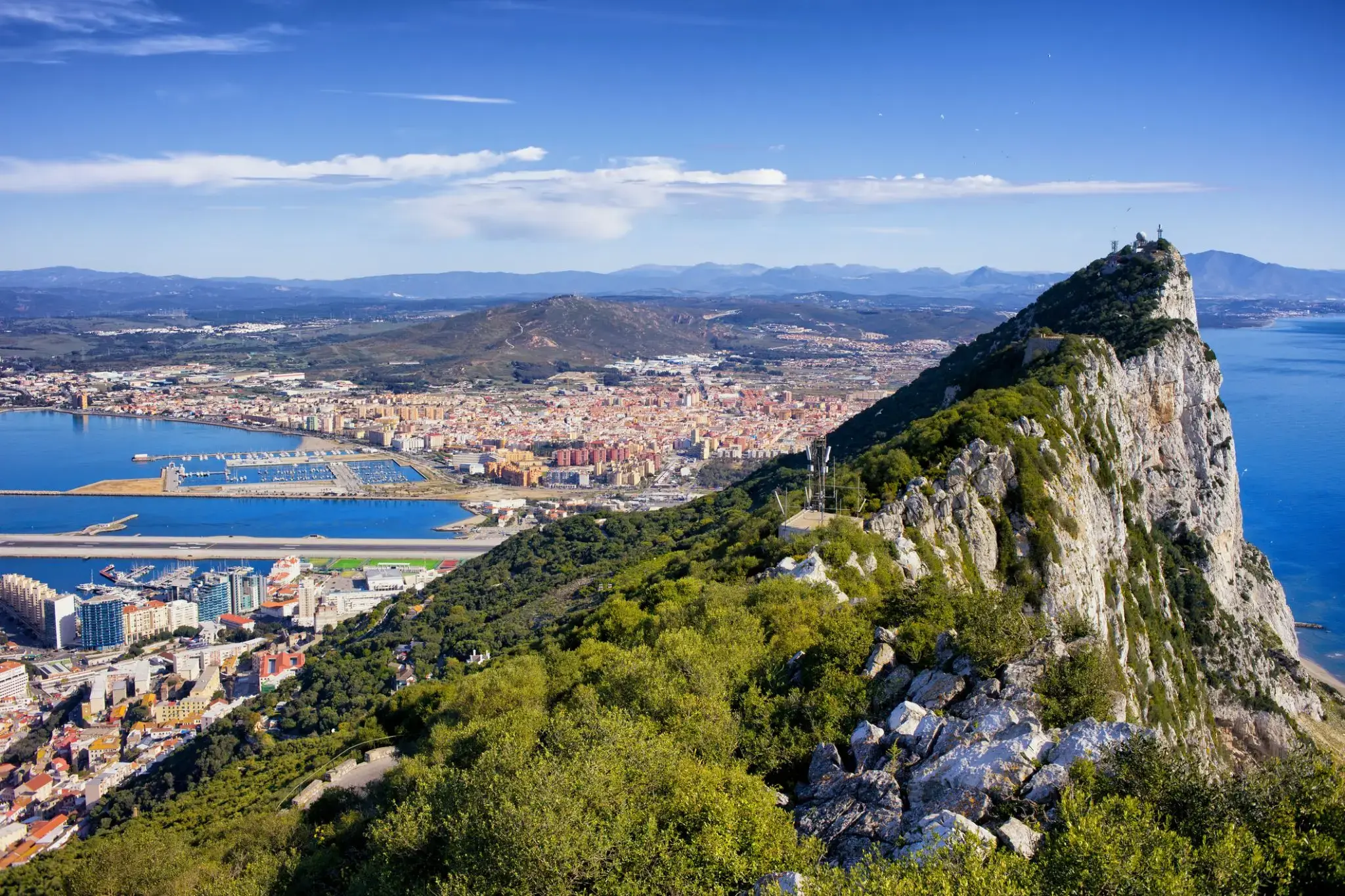
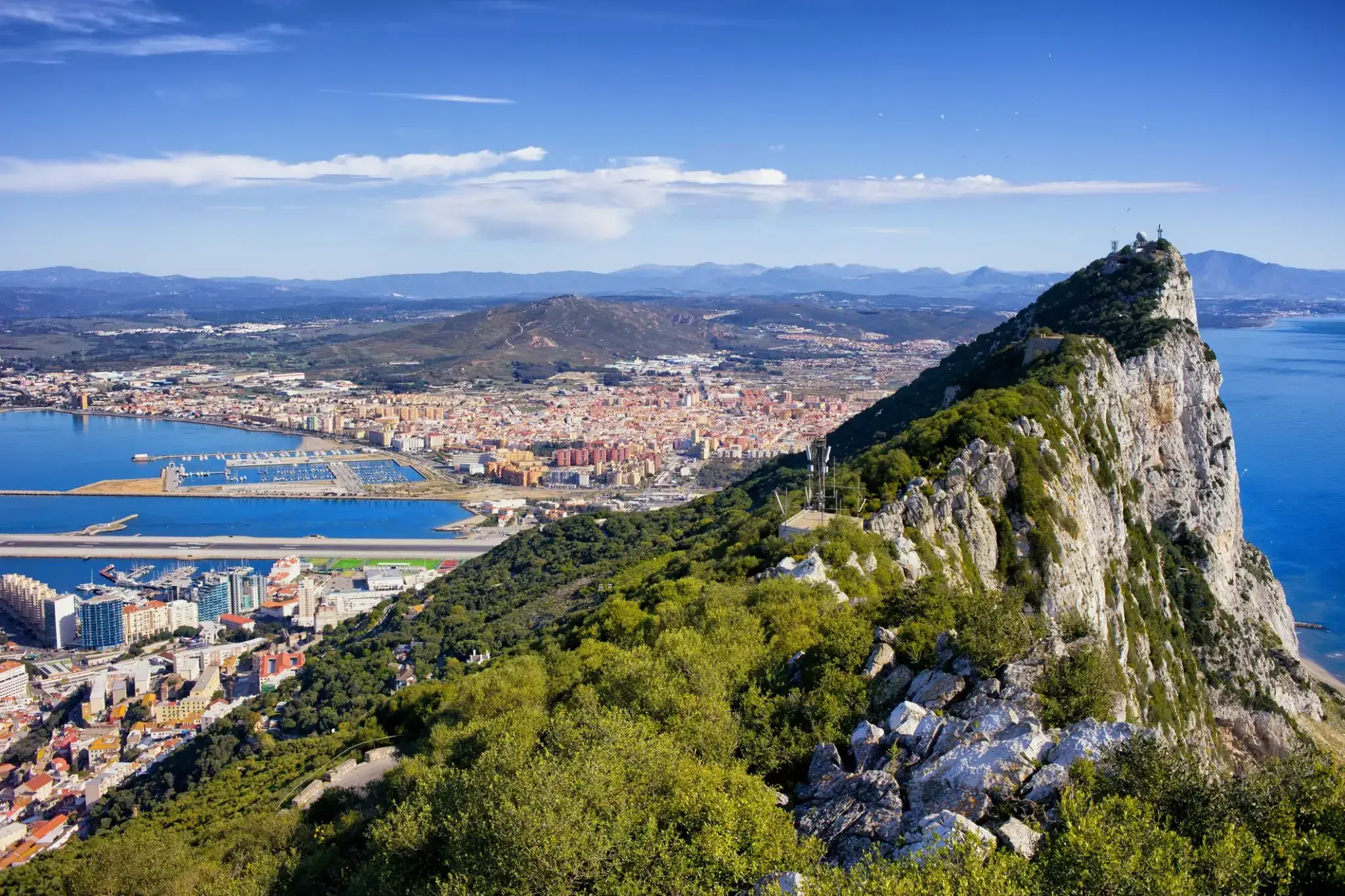
Gibraltar is a British Overseas Territory located at the southern tip of the Iberian Peninsula. It has an area of 6.7 km2 (2.6 sq mi) and is bordered to the north by Spain. The landscape is dominated by the Rock of Gibraltar at the foot of which is a densely populated town area, home to over 30,000 people, primarily Gibraltarians. It shares a maritime border with Morocco.
In 1704, Anglo-Dutch forces captured Gibraltar from Spain during the War of the Spanish Succession on behalf of the Habsburg claim to the Spanish throne. The territory was ceded to Great Britain in perpetuity under the Treaty of Utrechtin 1713. During World War II it was an important base for the Royal Navy as it controlled the entrance and exit to the Mediterranean Sea, which is only 8 miles (13 km) wide at this naval choke point. It remains strategically important, with half the world's seaborne trade passing through the strait. Today Gibraltar's economy is based largely on tourism, online gambling, financial services and cargo ship refuelling.
The sovereignty of Gibraltar is a point of contention in Anglo-Spanish relations because Spain asserts a claim to the territory. Gibraltarians rejected proposals for Spanish sovereignty in a 1967 referendum and, in a 2002 referendum, the idea of shared sovereignty was also rejected.
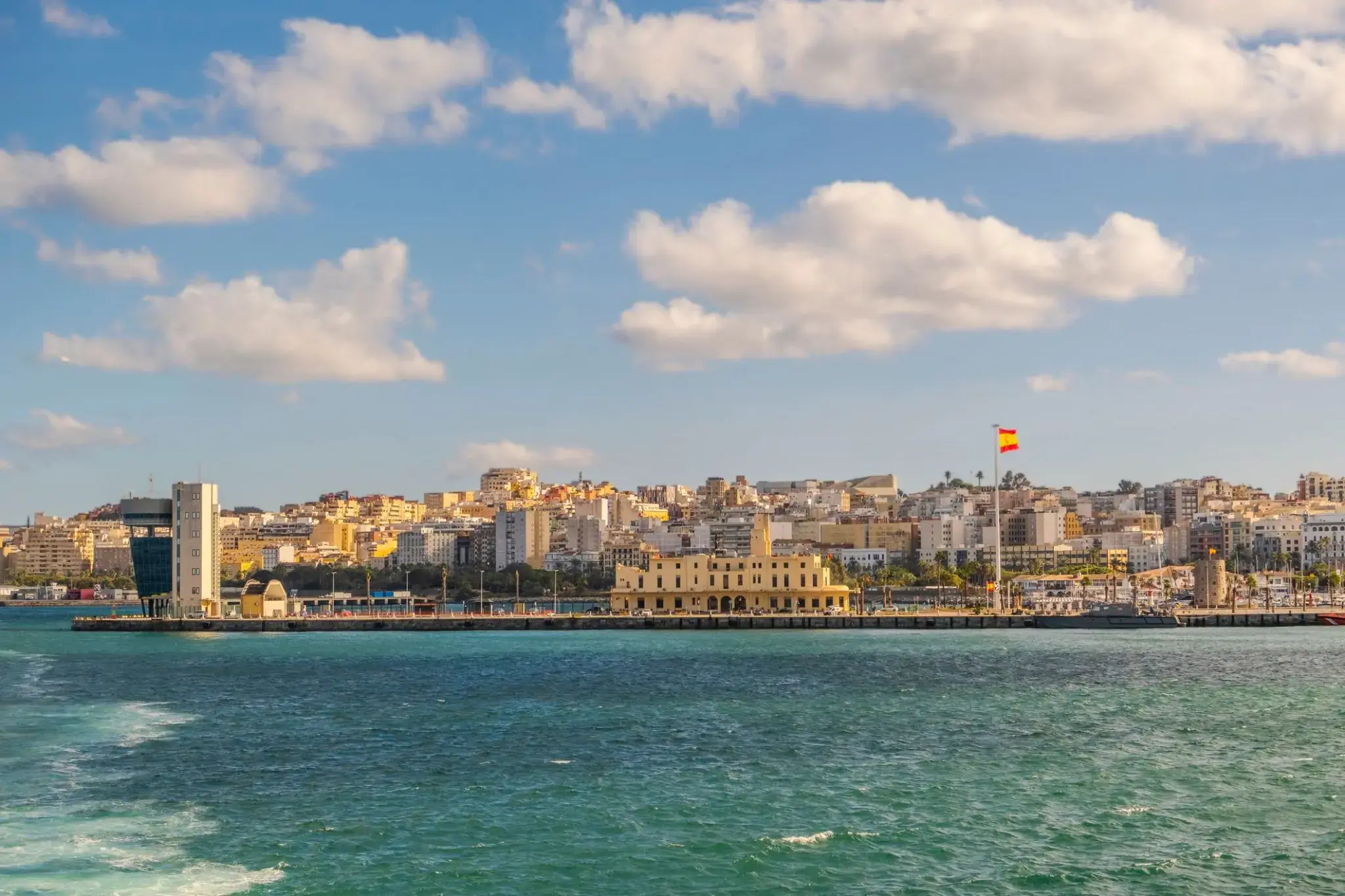
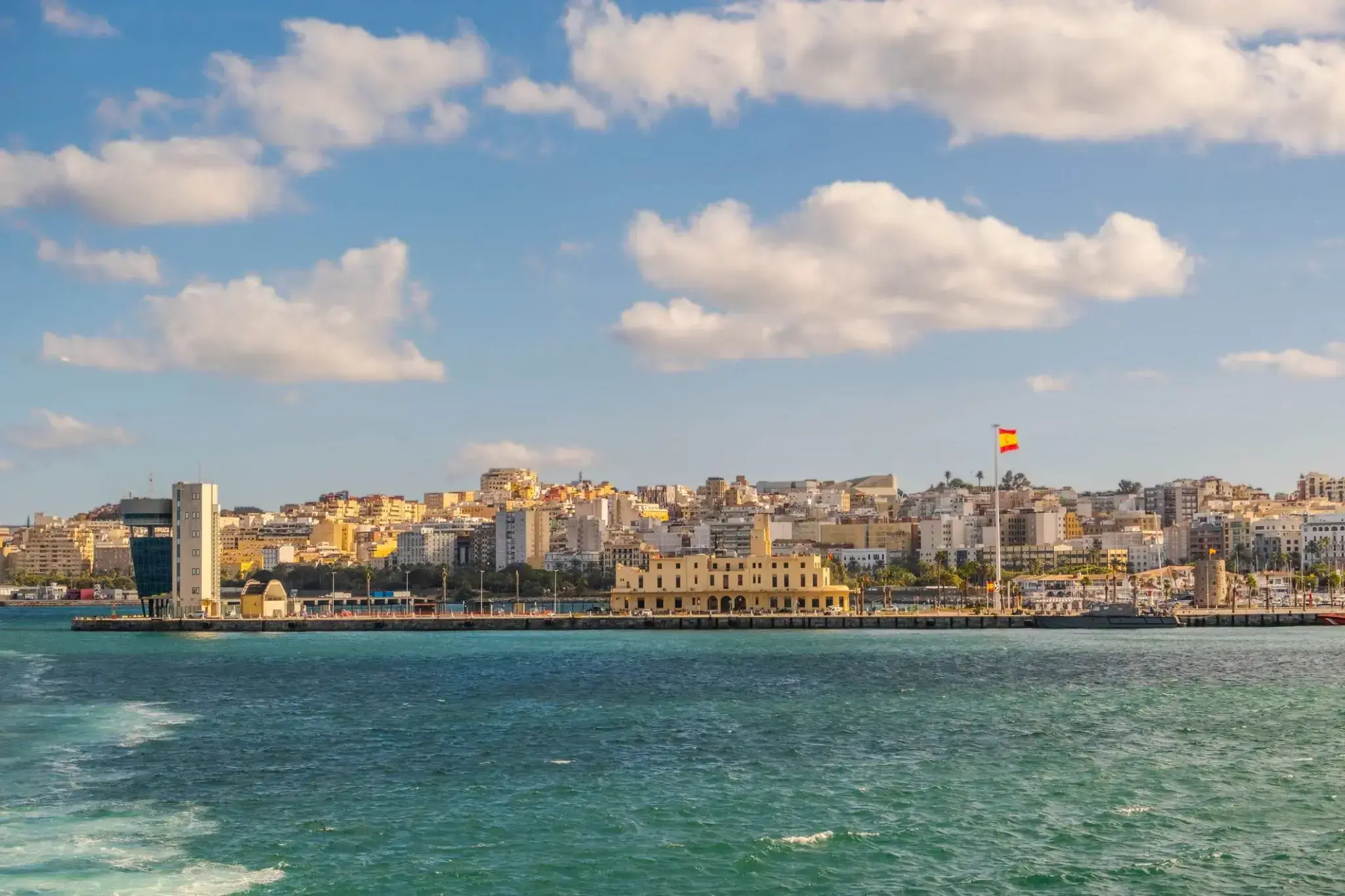
Եվրոփայի և Աֆրիկայի սահմանին, Միջերկրական ծովի ափին տեղակայված է եզակի քաղաք՝ Սեուտա։ Այս իսպանական անքլավը հայտնի է իր հարուստ պատմական ժառանգությամբ, որտեղ խառնվում են մշակույթներն ու դարաշրջանները։ Հին քաղաքի նեղ փողոցները տանում են դեպի շքեղ ամրոցներ, իսկ գեղեցիկ սայլակները բացում են տեսարան դեպի անհատույց ծովերը և հարևան Մարոկկոն։
Սեուտայում զբոսաշրջիկները կգտնեն բազմազան ժամանցային հնարավորություններ՝ թանգարանների և պատմական հուշարձանների այցելություններից մինչև ոսկեգույն ավազի լողափերի վայելք։ Այստեղ կարող եք նաև փորձել իսկական Միջերկրածովյան խոհանոց, որտեղ մթերային ծովամթերքը խաղում է կենտրոնական դերում։ Այս քաղաքը հիանալի տեղ է նրանց համար, ովքեր ցանկանում են համատեղել ծովափնյա հանգիստը կրթական էքսկուրսիաների հետ և զգալ մշակութային միախառնումի ոգին։

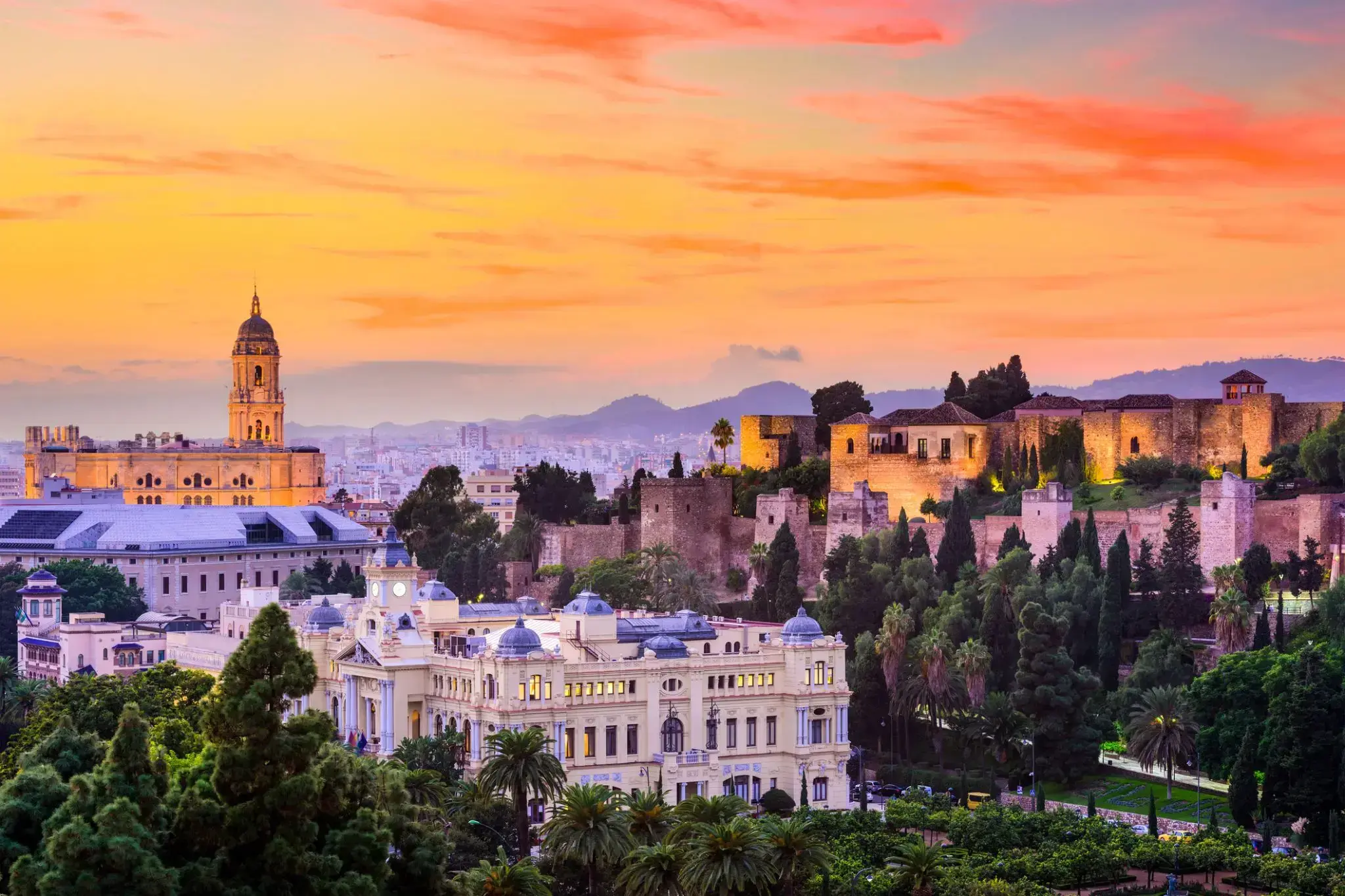
Málaga is a municipality, capital of the Province of Málaga, in the Autonomous Community of Andalusia, Spain. With a population of 569,130 in 2015, it is the second-most populous city of Andalusia and the sixth-largest in Spain. The southernmost large city in Europe, it lies on the Costa del Sol (Coast of the Sun) of the Mediterranean, about 100 kilometres (62.14 miles) east of the Strait of Gibraltar and about 130 km (80.78 mi) north of Africa.
Málaga's history spans about 2,800 years, making it one of the oldest cities in the world. According to most scholars, it was founded about 770 BC by the Phoenicians as Malaka From the 6th century BC the city was under the hegemony of Ancient Carthage, and from 218 BC, it was ruled by the Roman Republic and then empire as Malaca (Latin). After the fall of the empire and the end of Visigothic rule, it was under Islamic rule as Mālaqah for 800 years, but in 1487, the Crown of Castille gained control after the Reconquista. The archaeological remains and monuments from the Phoenician, Roman, Arabic and Christian eras make the historic center of the city an "open museum", displaying its history of nearly 3,000 years.
This important cultural infrastructure and the artistic heritage have culminated in the nomination of Málaga as a candidate for the 2016 European Capital of Culture.
The painter and sculptor Pablo Picasso, Hebrew poet and Jewish philosopher Solomon Ibn Gabirol and the actor Antonio Banderas were born in Málaga. The magnum opus of Cuban composer Ernesto Lecuona, "Malagueña", is named after the music of this region of Spain.
The most important business sectors in Málaga are tourism, construction and technology services, but other sectors such as transportation and logistics are beginning to expand. The Andalusia Technology Park (PTA), located in Málaga, has enjoyed significant growth since its inauguration in 1992. Málaga is the main economic and financial centre of southern Spain, home of the region's largest bank, Unicaja, and the fourth-ranking city in economic activity in Spain behind Madrid, Barcelona and Valencia.
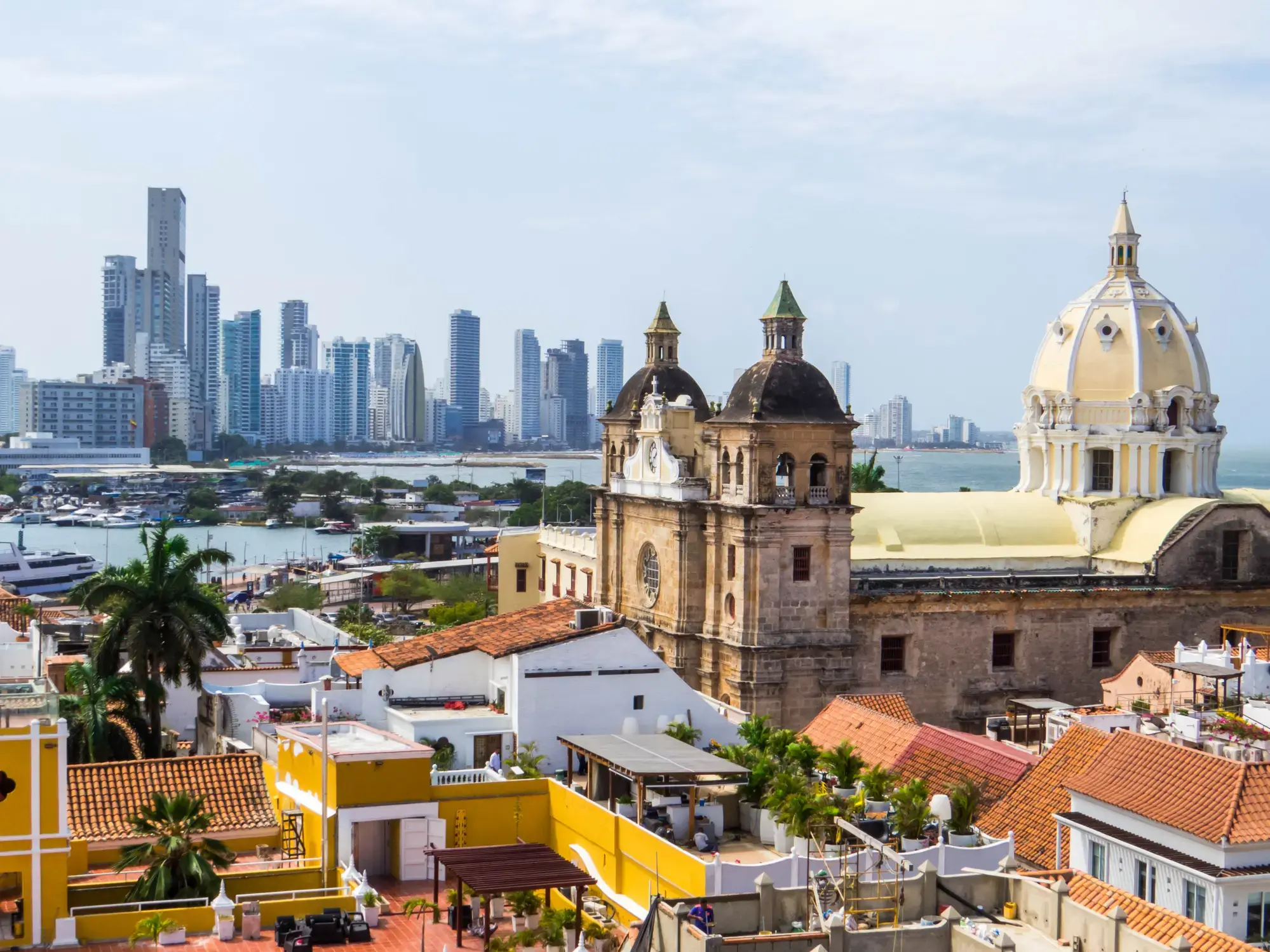
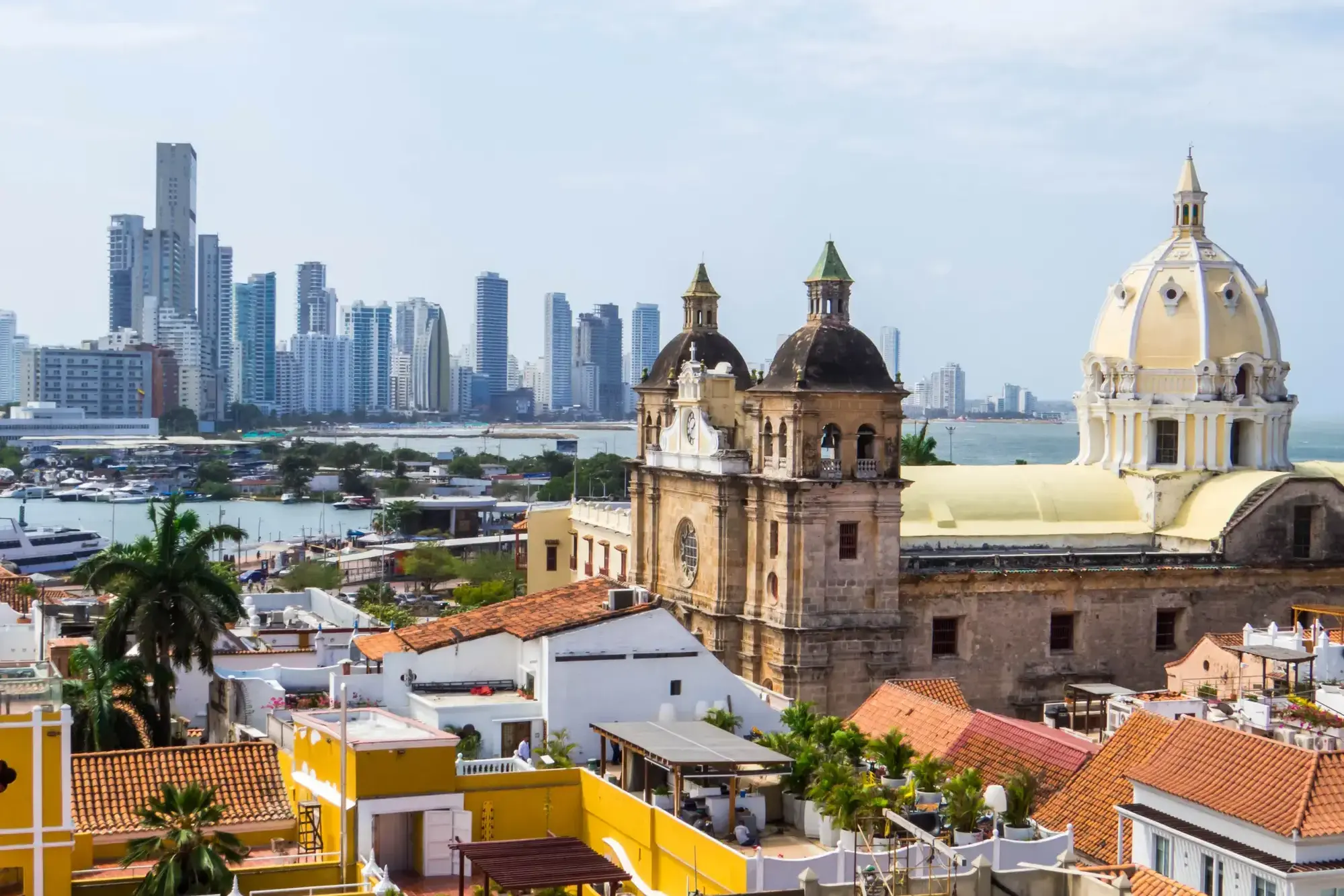
Հին ամրոցի պատերը, փողոցի երաժիշտները և Կարիբյան արևը ստեղծում են անզուգական մթնոլորտ Կարթախենայում (Բոլիվար)՝ Կոլումբիայի ափի մարգարիտում։ Այս քաղաքը, որը ներառված է ՅՈՒՆԵՍԿՕ-ի Համաշխարհային ժառանգության ցանկում, հմայում է այցելուներին իր գաղութային ճարտարապետությամբ, հարմարավետ բակերով և թարմ սուրճի բույրով, որը տարածվում է անթիվ սրճարաններից։
Ներծծվեք Կարթախենայի կենդանի ռիթմի մեջ՝ զբոսնելով Հին քաղաքի քարե փողոցներով, որտեղ յուրաքանչյուր անկյունը կրում է ծովահենների ու իսպանացի նվաճողների պատմությունները։ Միջնադարյան Castillo San Felipe de Barajas ամրոցի մոտ արևամուտը իդեալական ավարտ է լի մշակույթով, պատմությամբ և արևադարձային ռոմանտիկայով օրվա։
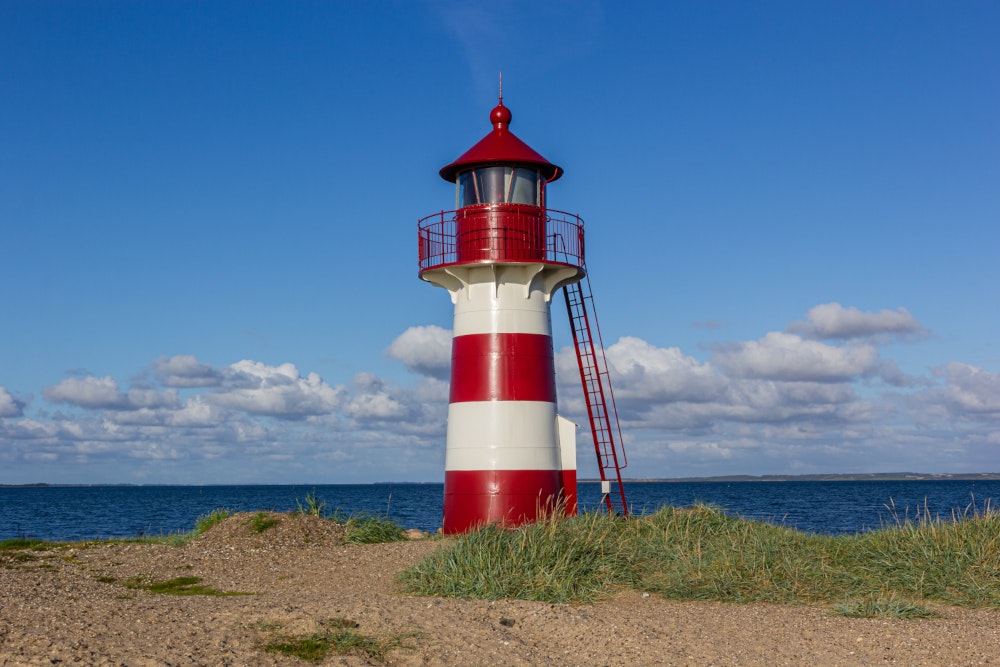
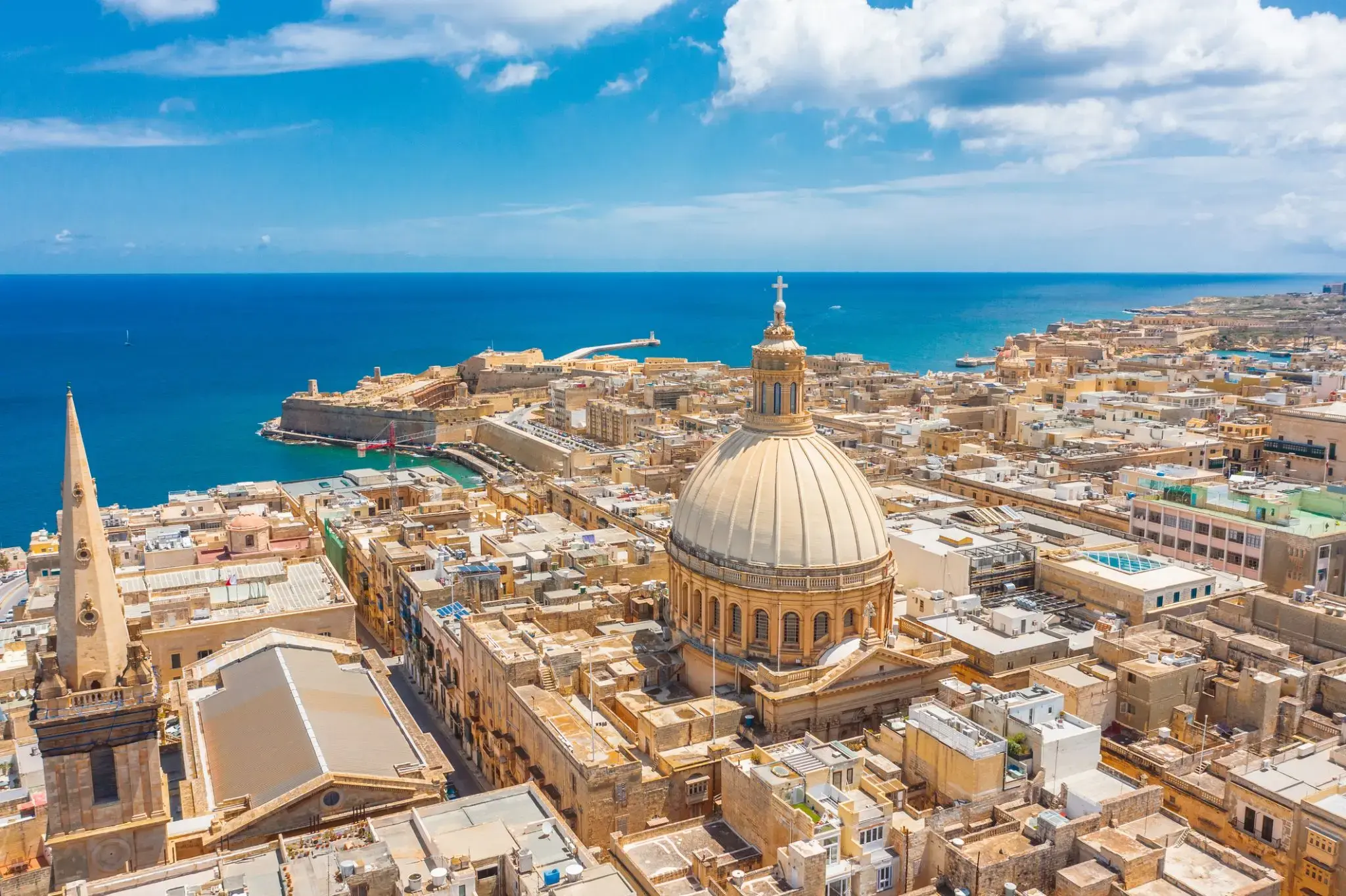
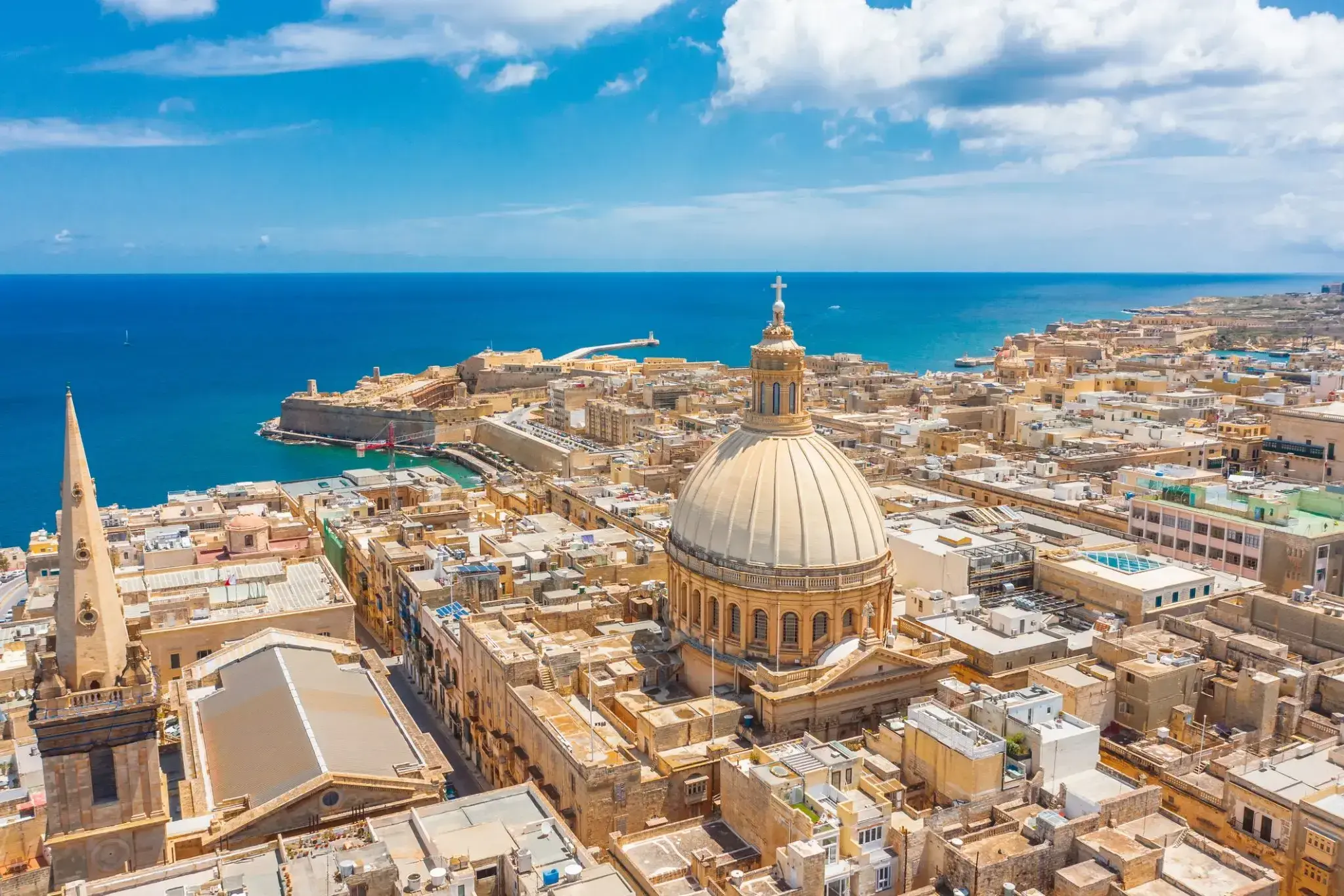
The capital of Malta - Valletta , is the first and almost the only city in Europe, which was once designed by architects and built according to all the rules and norms of construction. Valletta is considered to be one of the most beautiful cities on the Mediterranean. Klaipeda is on the list of the few remaining fortified towns. The center of the city is the Palace of the Grand Master of the Order of Malta, and today the residence of the President of the country, here is the seat of the Maltese Parliament. The list of places to visit in Valletta includes the Castilla Palace, the Admiralty (where the National Museum of Fine Arts is now located, with the largest painting collection in the country), a charming place in the city - the beautiful Hastings Gardens, and this is not the whole list of the riches of the capital of Malta .

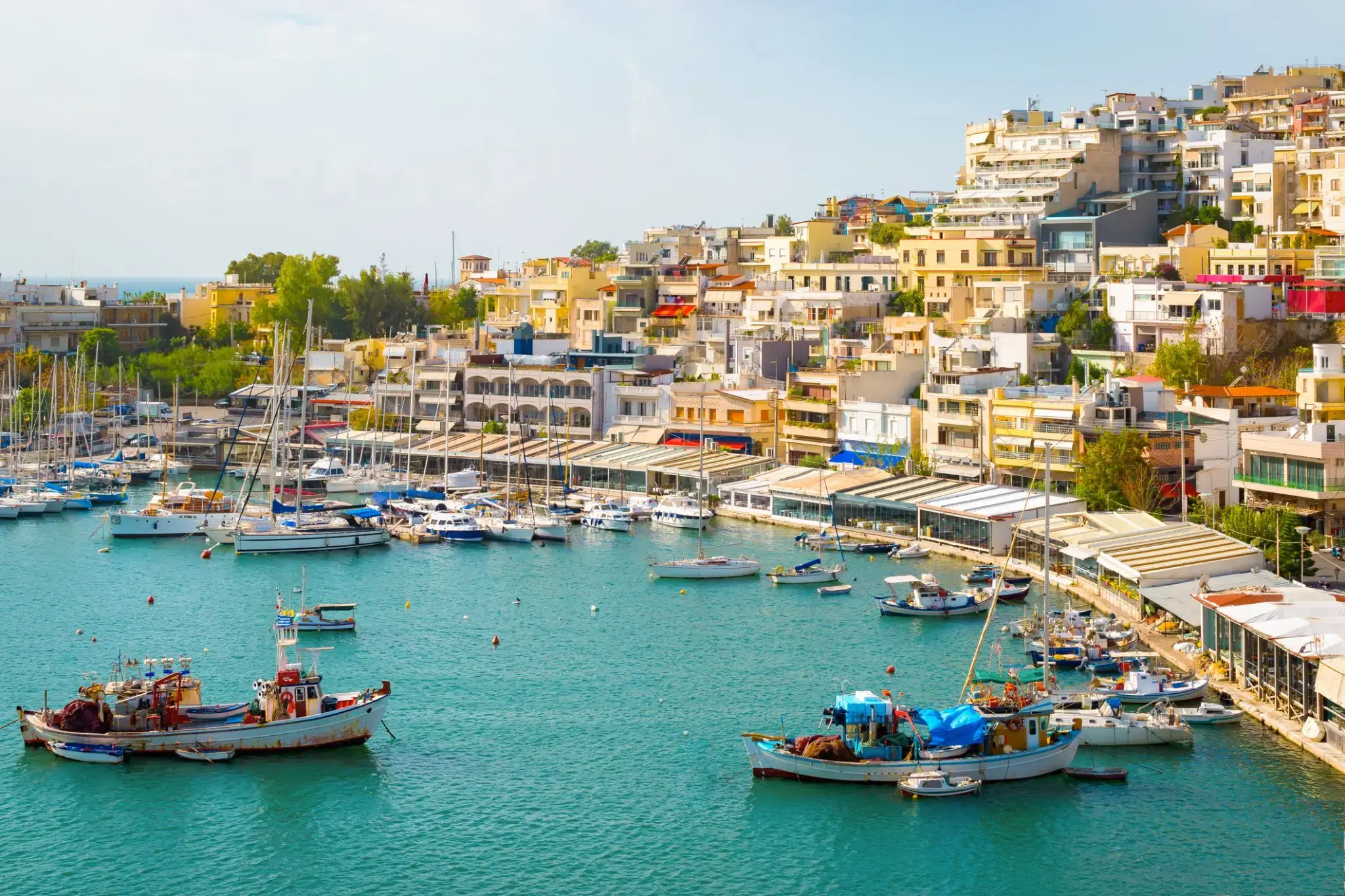
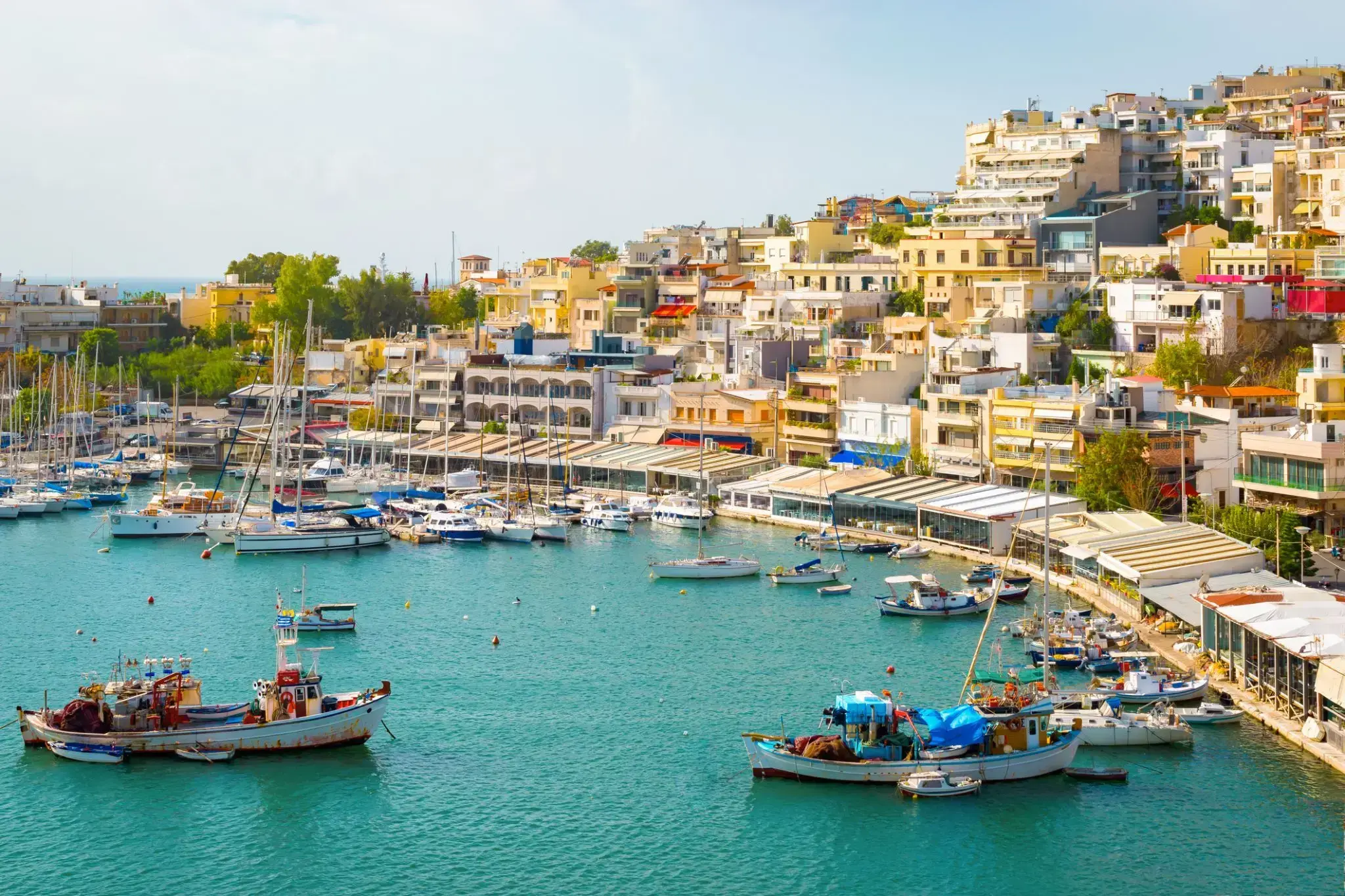
Piraeus is the gateway to Athens , which, in turn, is rightfully considered the center of the centers of the whole world, with the main attraction - the acropolis. Piraeus is an old port city serving the port of Athens, the largest port in Greece to date. Piraeus is part of the great Athens, which boasts an abundance of attractions, including unique monuments of national fine art. More than two hundred museums and galleries, including the University History Museum, the Ceramics Archaeological Museum and many others, will hospitably welcome you within their walls and familiarize themselves with the culture of this area.
Piraeus is the gateway to Athens , which, in turn, is rightfully considered the center of the centers of the whole world, with the main attraction - the acropolis. Piraeus is an old port city serving the port of Athens, the largest port in Greece to date. Piraeus is part of the great Athens, which boasts an abundance of attractions, including unique monuments of national fine art. More than two hundred museums and galleries, including the University History Museum, the Ceramics Archaeological Museum and many others, will hospitably welcome you within their walls and familiarize themselves with the culture of this area.
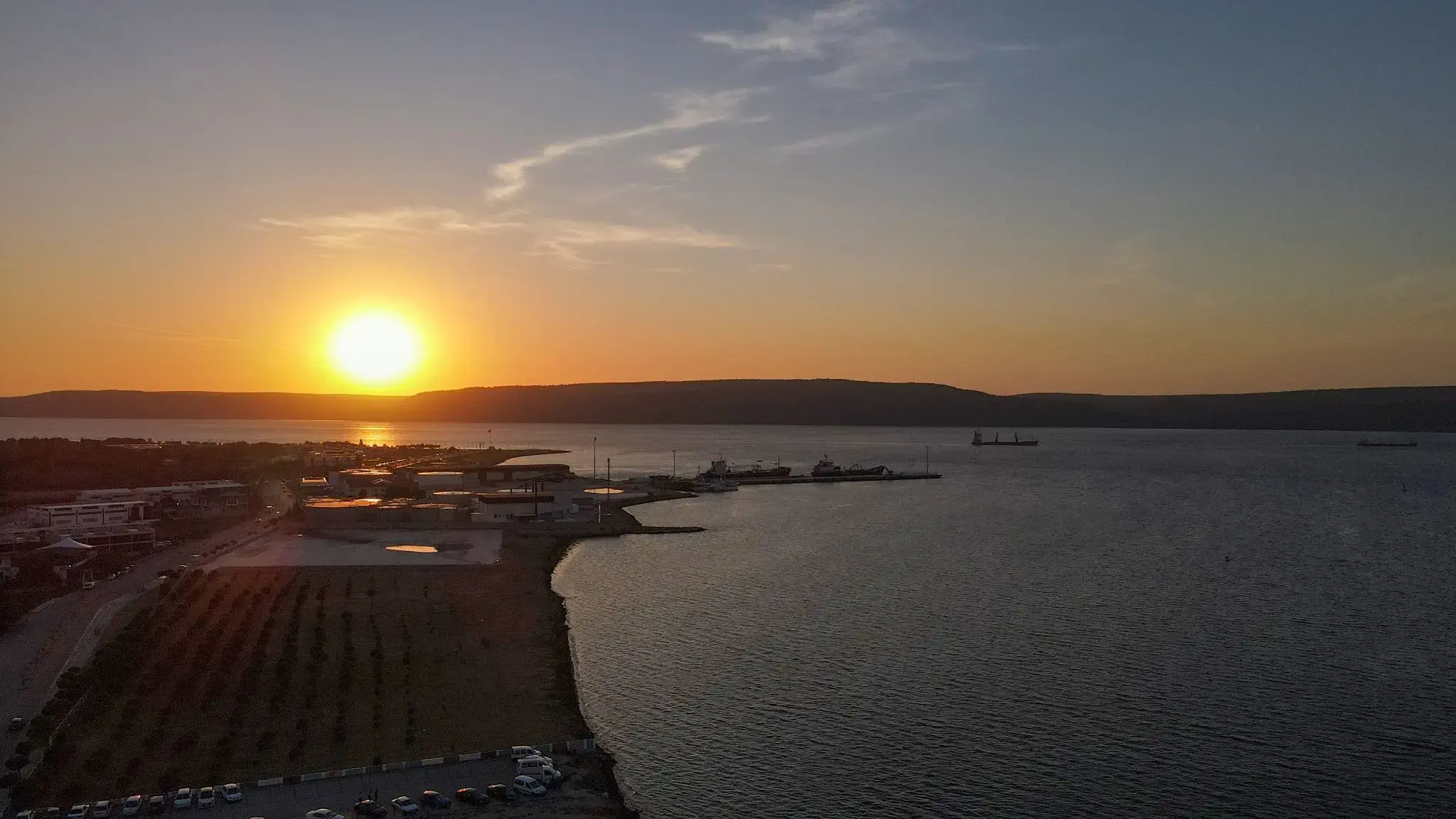
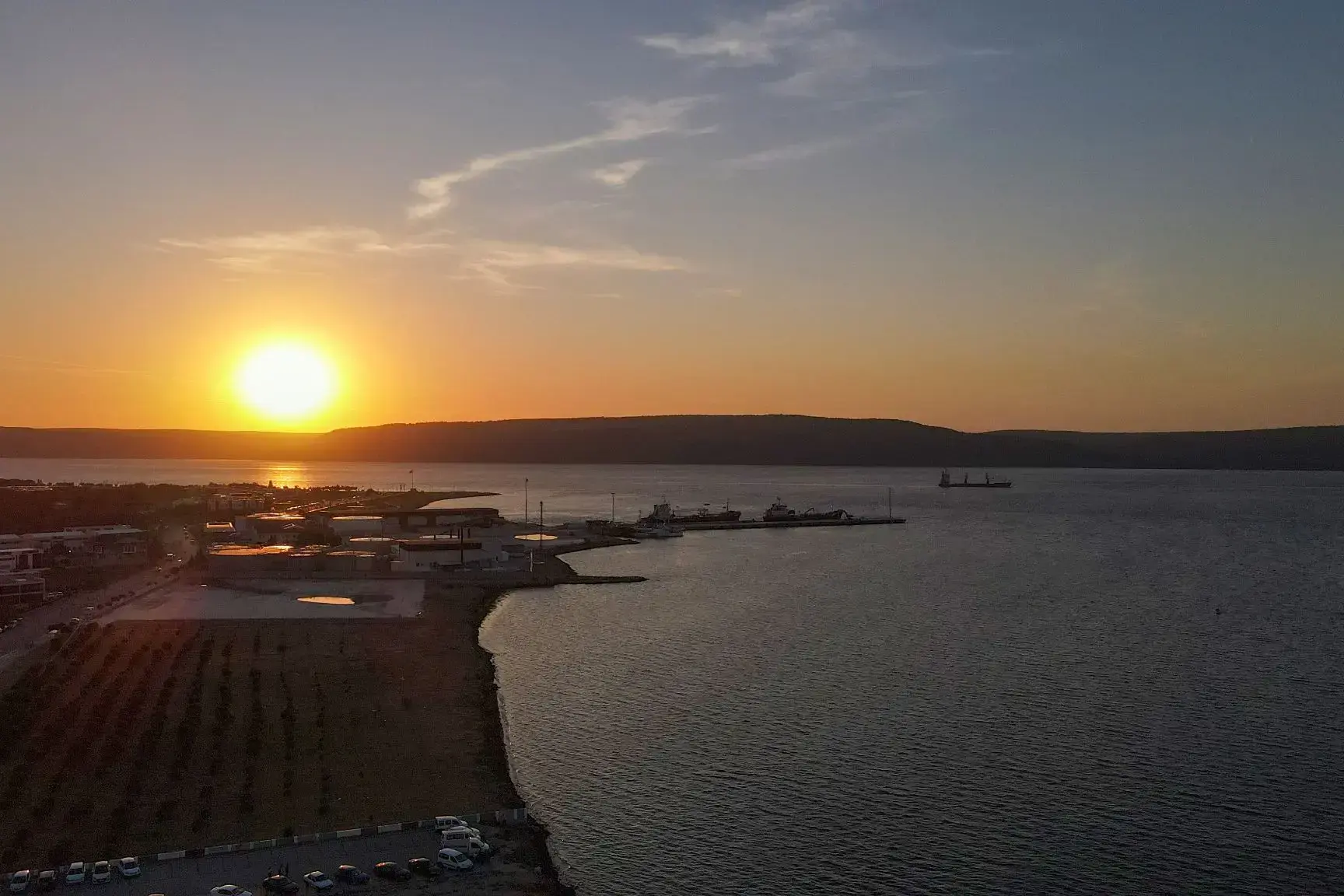
Քեպեզը Թուրքիայում՝ Չանաքքալեի նահանգում գտնվող ծովափնյա քաղաք է, որը գտնվում է 3 կմ հեռավորության վրա Չանաքքալե քաղաքի կենտրոնից։ 2010 թվականի տվյալներով քաղաքի բնակչությունը կազմում էր 11,744 մարդ։ Քեպեզի հարավում գտնվել է հին Դարդանոս քաղաքը։ Դարդանոսի հյուսիսում գտնվում է Դարդանոսի թումբը, որտեղ 1959 թվականի վերջին պատահաբար հայտնաբերվել է մոնումենտալ դամբարանի մուտքը։ Այն կառուցված է մանրակրկիտ մշակված քարե բլոկներից և բաղկացած է 5,20 մ երկարությամբ ծածկված դրոմոսից, նախասրահից և թաղման սրահից։
Չանաքքալեն, որը թարգմանաբար նշանակում է «կավագործների բերդ», հայտնի է դարձել իր կավագործությամբ։ Դարդանելների նեղուցի ափին գտնվելու շնորհիվ քաղաքը ստացել է «Էգեյան ծովափի դարպասներ» մականունը։ Լեգենդի համաձայն՝ հենց այստեղից է անցել Ալեքսանդր Մակեդոնացին, իսկ հետագայում՝ օսմանյան նվաճող բանակը։

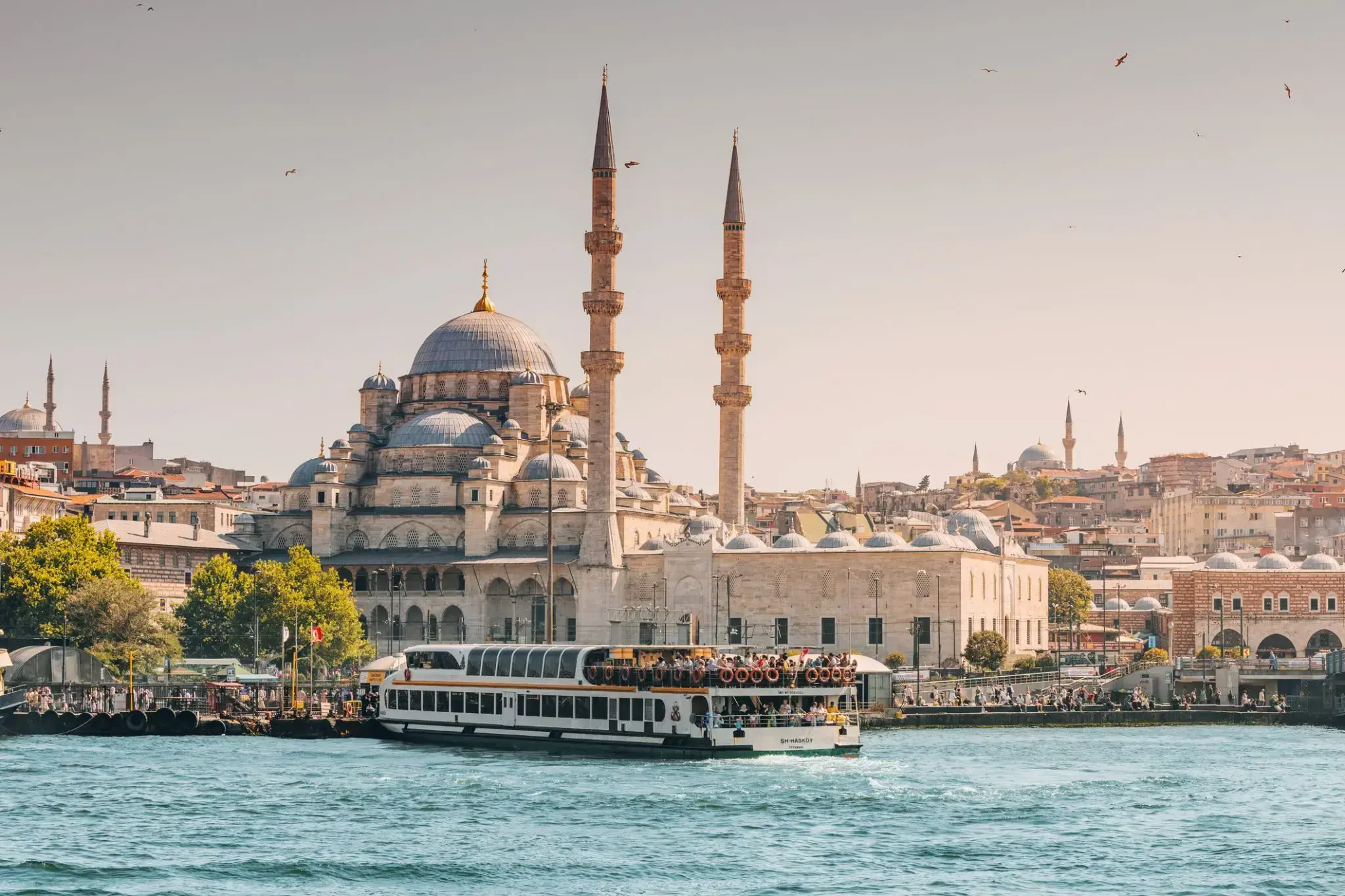
Istanbul – the largest city in Turkey, located on the Bosphorus. Until 1930 it was known as Constantinople and served as the capital of the Roman, Byzantine, Latin and Ottoman Empires. The city and its surroundings preserve monuments of ancient civilizations, including temples, palaces and fortifications. Today Istanbul is an important cultural, commercial and industrial hub. Tourists come not only to admire its historic landmarks, but also to shop at world-famous Turkish bazaars, where you can buy spices, jewelry, antiques, colorful hookahs and bargain like a local.
Istanbul – the largest city in Turkey, located on the Bosphorus. Until 1930 it was known as Constantinople and served as the capital of the Roman, Byzantine, Latin and Ottoman Empires. The city and its surroundings preserve monuments of ancient civilizations, including temples, palaces and fortifications. Today Istanbul is an important cultural, commercial and industrial hub. Tourists come not only to admire its historic landmarks, but also to shop at world-famous Turkish bazaars, where you can buy spices, jewelry, antiques, colorful hookahs and bargain like a local.
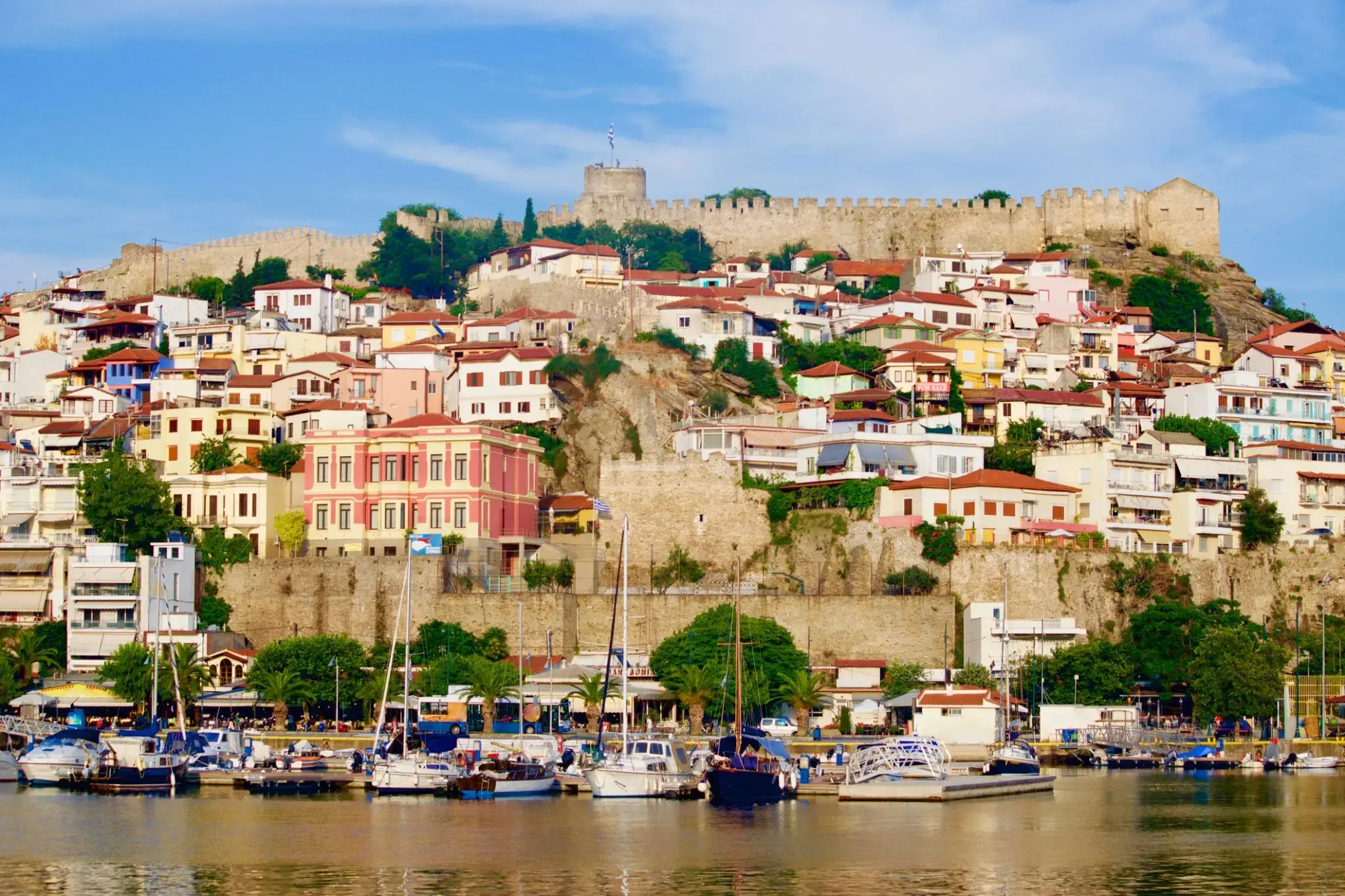
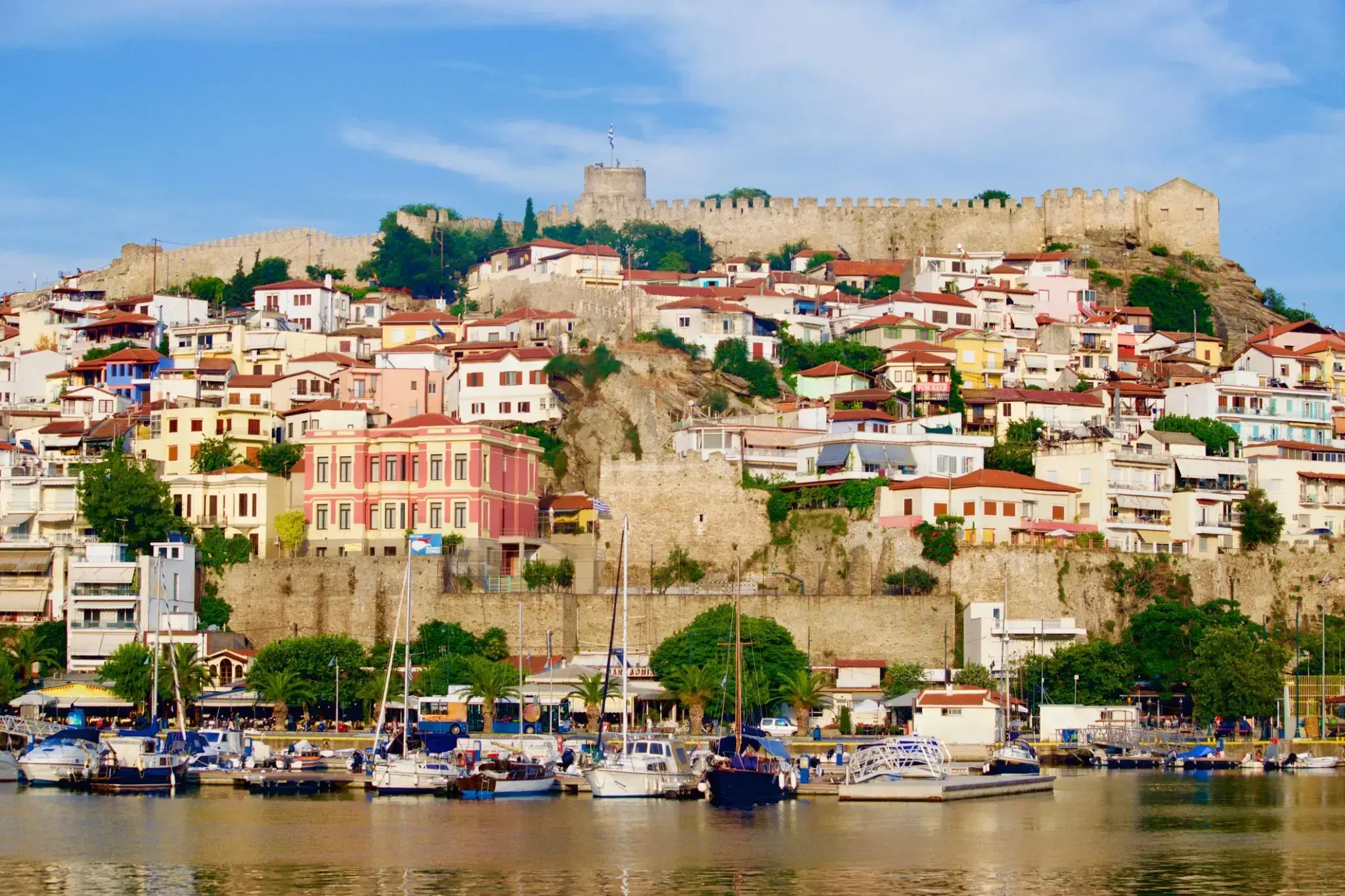
Kavala is a large, picturesque Greek city on the shores of the Aegean Sea. From a bird's-eye view, it appears as if the blue waters are framed by a marble amphitheater – that's how the cozy houses of Kavala's residents are situated. Natural beauty and architectural elegance – all this awaits you in this amazing corner of the birthplace of the Olympic Games.
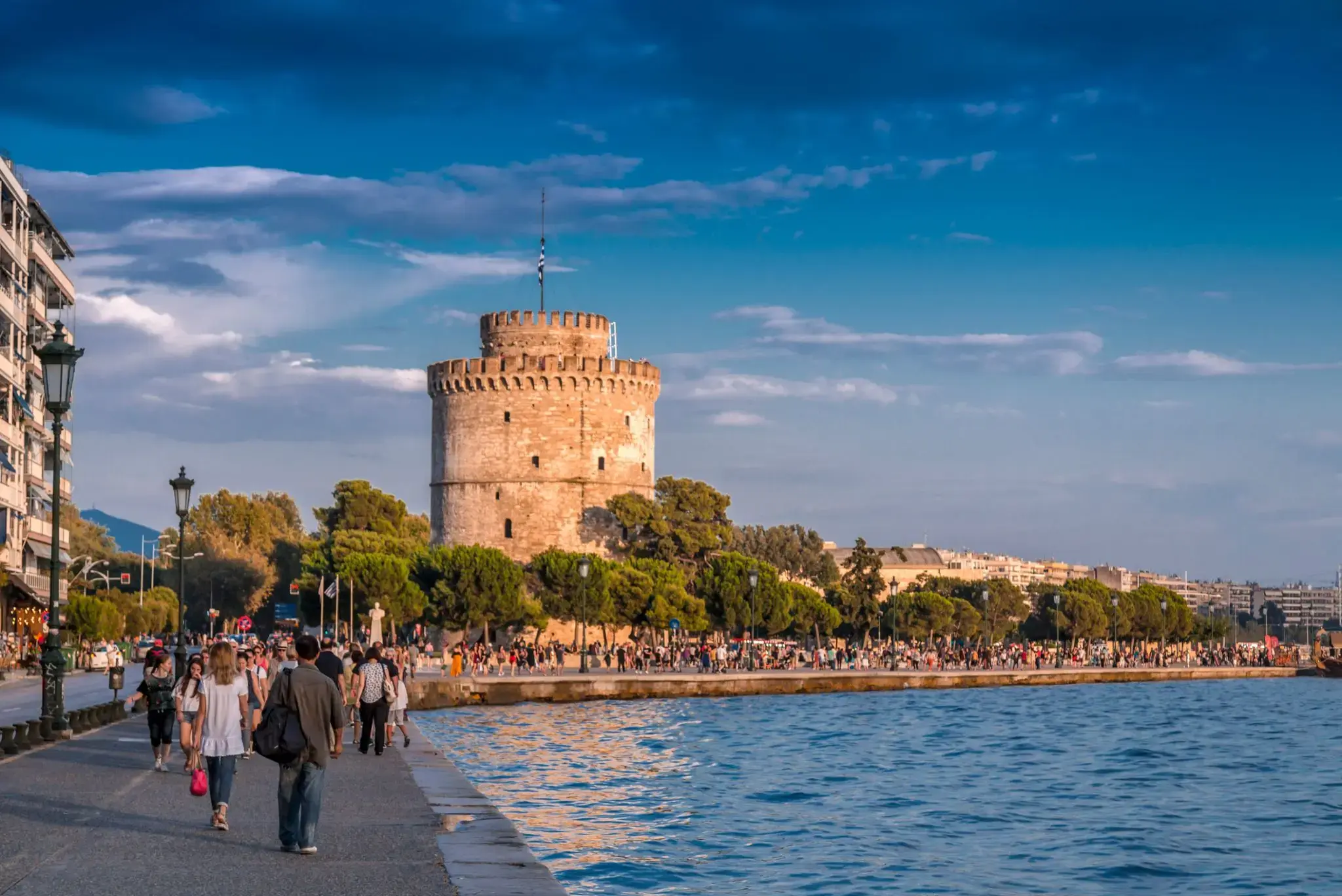
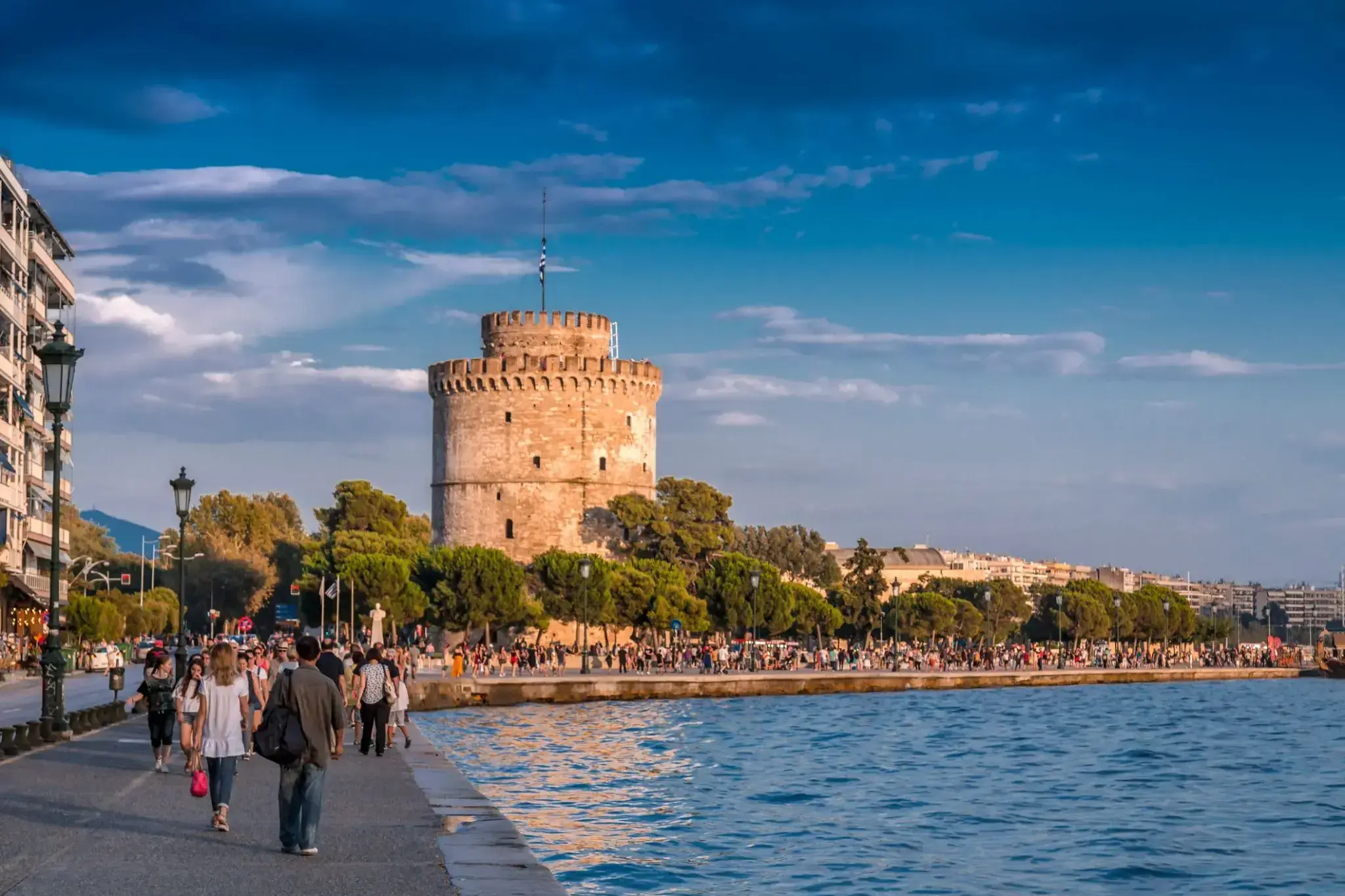
The second-largest city in Greece and the capital of Central Macedonia, Thessaloniki (more correctly in Greek, "Thessaloniki"), is today the cultural capital of the country: the city is known for its festivals and events. Moreover, it is also a city with over 3,000 years of history, where traces of the Roman, Byzantine, and Ottoman empires, as well as the once-dominant Jewish population, have been preserved. The old city center, located north of the modern center, miraculously 1 survived the great fire of 1917. 2 It is now a UNESCO World Heritage.
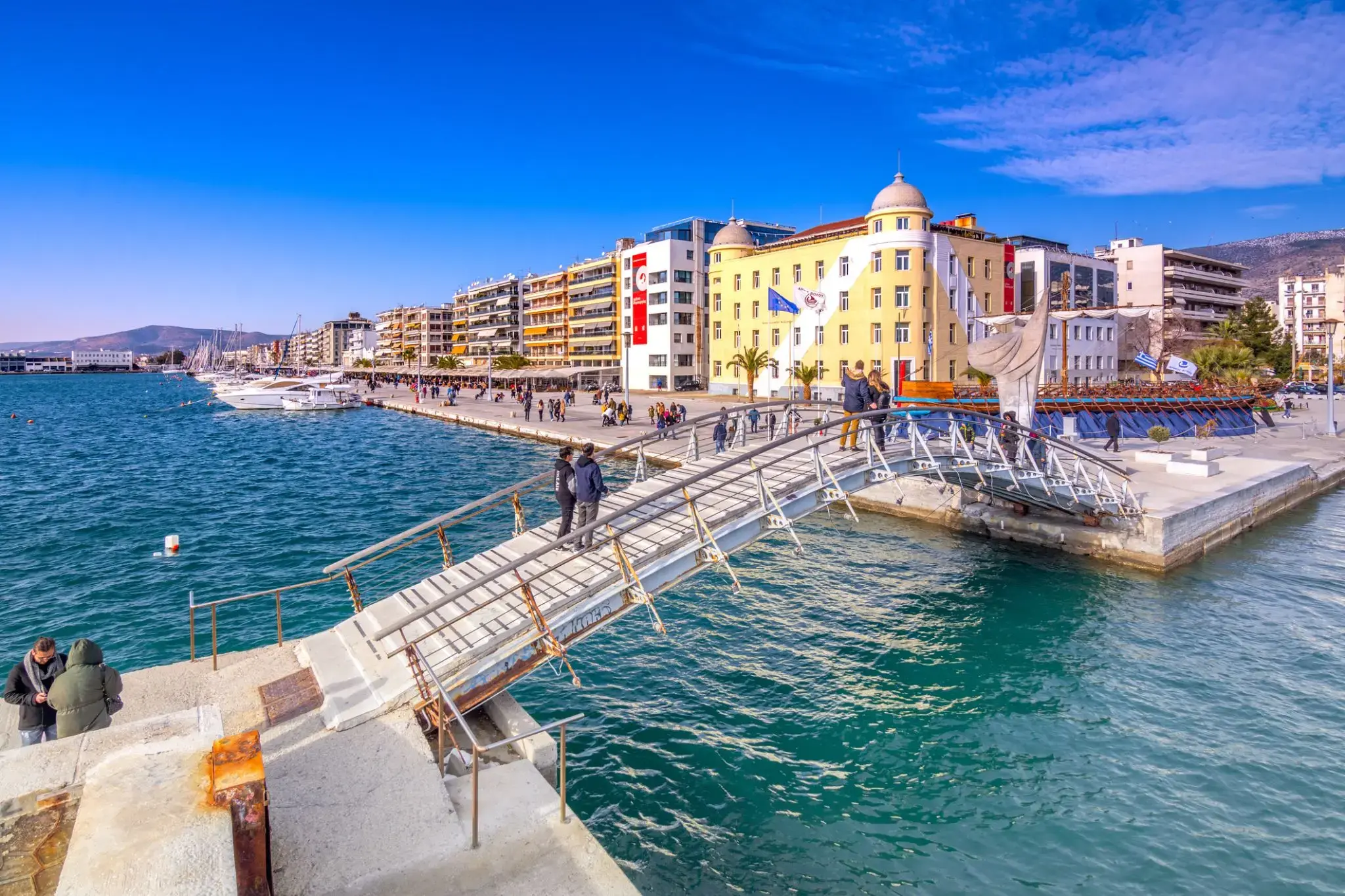
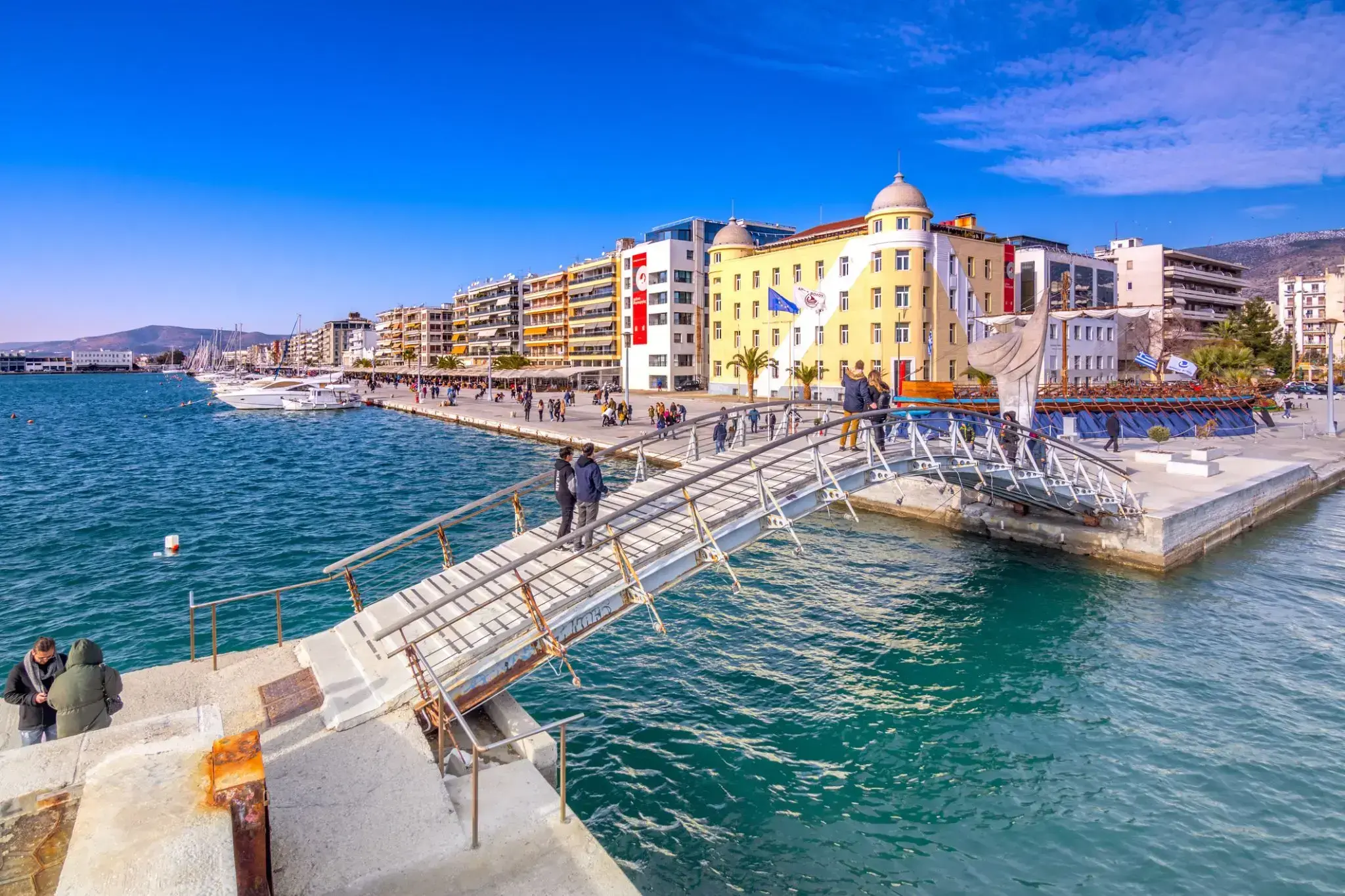
Volos (Greek: Βόλος) is a coastal port city in Thessaly situated midway on the Greek mainland, about 330 kilometres (205 miles) north of Athens and 220 kilometres (137 miles) south of Thessaloniki. It is the capital of the Magnesiaregional unit. Volos is the only outlet to the sea from Thessaly, the country's largest agricultural region. With a population of 144,449 (2011), it is an important industrial centre, while its port provides a bridge between Europe, the Middle East and Asia.
Volos is the newest of the Greek port cities, with a large proportion of modern buildings erected following the catastrophic earthquakes of 1955. It includes the municipal units of Volos, Nea Ionia and Iolkos, as well as smaller suburban communities. The economy of the city is based on manufacturing, trade, services and tourism. Home to the University of Thessaly, the city also offers facilities for conferences, exhibitions and major sporting, cultural and scientific events. Volos participated in the 2004 Olympic Games, and the city has since played host to other athletic events, such as the European Athletic Championships. Volos hosted the 7th International Olympiad on Astronomy and Astrophysics from 27 July to 5 August 2013.
Piraeus is the gateway to Athens , which, in turn, is rightfully considered the center of the centers of the whole world, with the main attraction - the acropolis. Piraeus is an old port city serving the port of Athens, the largest port in Greece to date. Piraeus is part of the great Athens, which boasts an abundance of attractions, including unique monuments of national fine art. More than two hundred museums and galleries, including the University History Museum, the Ceramics Archaeological Museum and many others, will hospitably welcome you within their walls and familiarize themselves with the culture of this area.
Piraeus is the gateway to Athens , which, in turn, is rightfully considered the center of the centers of the whole world, with the main attraction - the acropolis. Piraeus is an old port city serving the port of Athens, the largest port in Greece to date. Piraeus is part of the great Athens, which boasts an abundance of attractions, including unique monuments of national fine art. More than two hundred museums and galleries, including the University History Museum, the Ceramics Archaeological Museum and many others, will hospitably welcome you within their walls and familiarize themselves with the culture of this area.