| Cruise Region : Mediterranean Sea |
| Company : Azamara Cruises |
| Ship : Azamara Onward |
| Journey Start : ուր 08 հնվ 2027 |
| Journey End : ուր 22 հնվ 2027 |
| Count Nights : 14 nights |
| Day | Date | Port | Arrival | Departure |
|---|---|---|---|---|
| 1 | 8.01 ուր | Լիսաբոն / Portugal | 18:00 | |
| 2 | 9.01 շբթ | Կադիս / Spain | 13:00 | 22:00 |
| 3 | 10.01 կիր | Տանջեր / Morocco | 07:30 | 14:00 |
| 4 | 11.01 երկ | Օր ծովում / Sea | 15:00 | |
| 5 | 12.01 երք | Տարագոնա / Spain | 13:00 | |
| 6 | 13.01 չրք | Տարագոնա / Spain | 22:00 | |
| 7 | 14.01 հնգ | Սան Սեբաստիան դե Լա Գոմերա / Spain | 08:00 | 18:00 |
| 8 | 15.01 ուր | Լաս Պալմաս (Գրան Կանարիա) / Spain | 06:00 | 20:00 |
| 9 | 16.01 շբթ | Արրեսիֆե / Spain | 08:00 | 16:00 |
| 10 | 17.01 կիր | Ագադիր / Morocco | 08:00 | 14:00 |
| 11 | 18.01 երկ | Կազաբլանկա / Morocco | 09:00 | 18:00 |
| 12 | 19.01 երք | Սևիլիա / Spain | 18:00 | |
| 13 | 20.01 չրք | Սևիլիա / Spain | ||
| 14 | 21.01 հնգ | Սևիլիա / Spain | 05:30 | |
| 15 | 22.01 ուր | Լիսաբոն / Portugal | 07:00 |
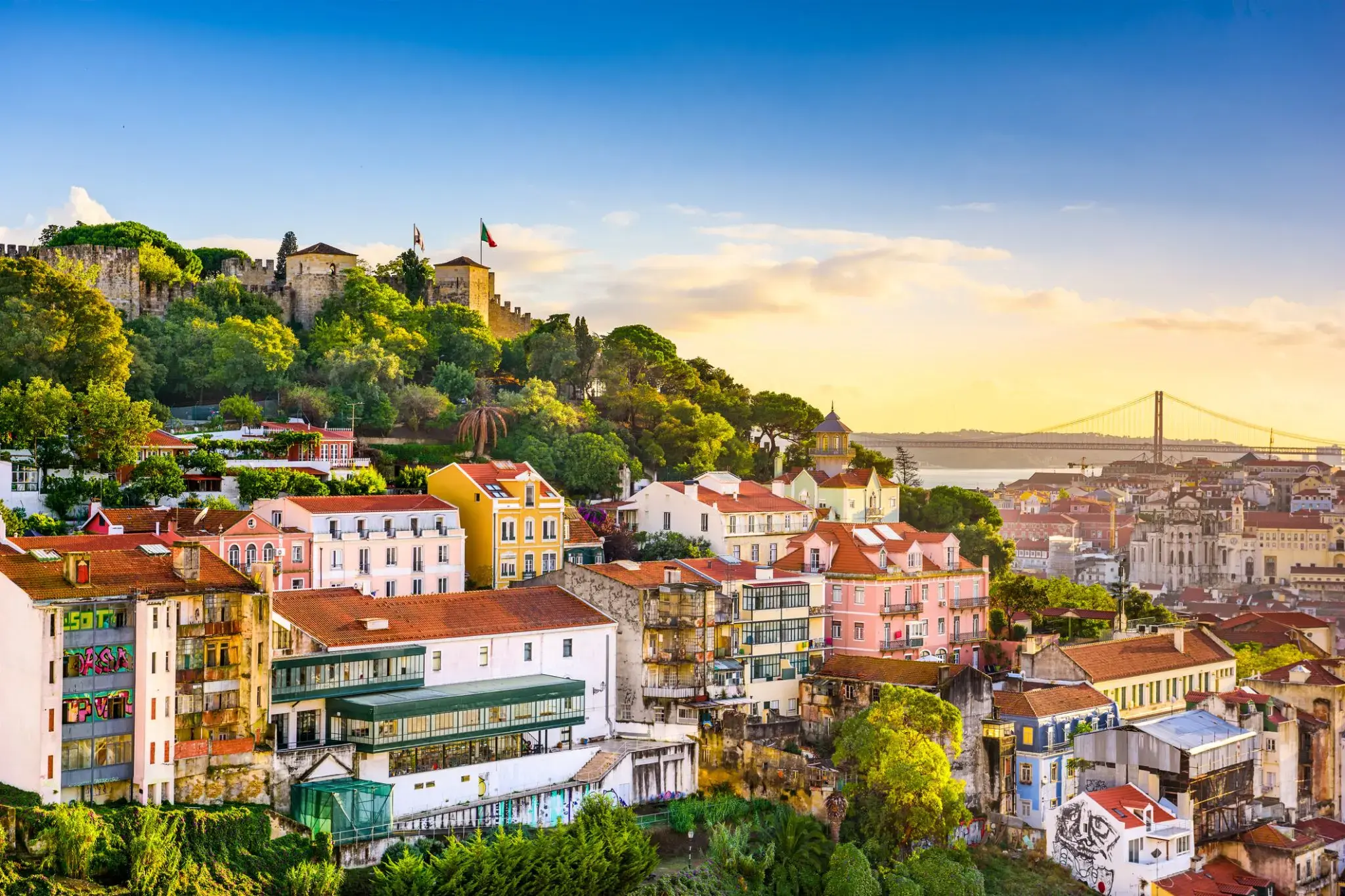
Lisbon is the capital and the largest city of Portugal, with an estimated population of 505,526 within its administrative limits in an area of 100.05 km2. Its urban area extends beyond the city's administrative limits with a population of around 2.8 million people, being the 11th-most populous urban area in the European Union. About 3 million people live in the Lisbon Metropolitan Area (which represents approximately 27% of the country's population). It is mainland Europe's westernmost capital city and the only one along the Atlantic coast. Lisbon lies in the western Iberian Peninsula on the Atlantic Ocean and the River Tagus. The westernmost areas of its metro area form the westernmost point of Continental Europe, which is known as Cabo da Roca, located in the Sintra Mountains.
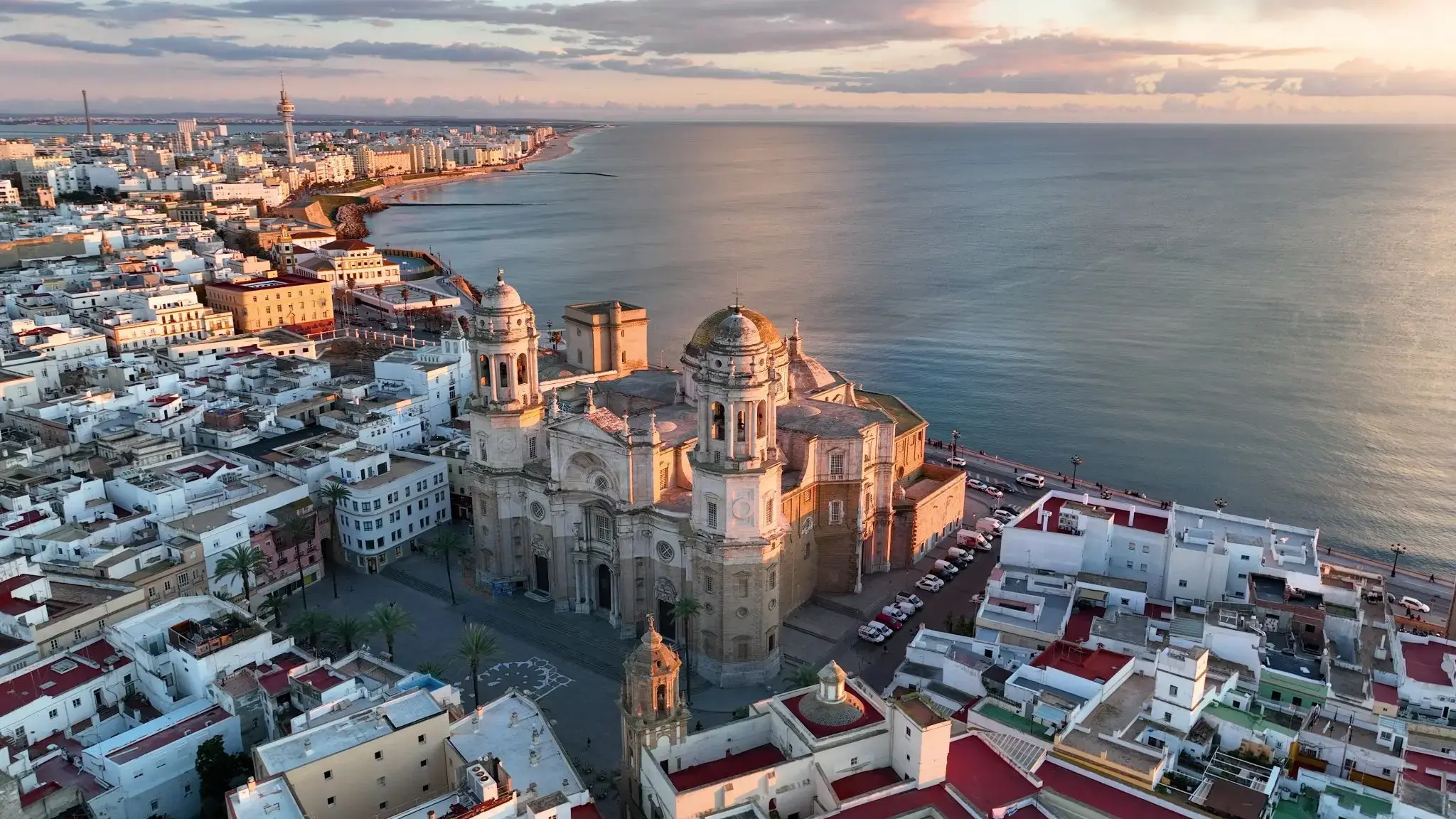
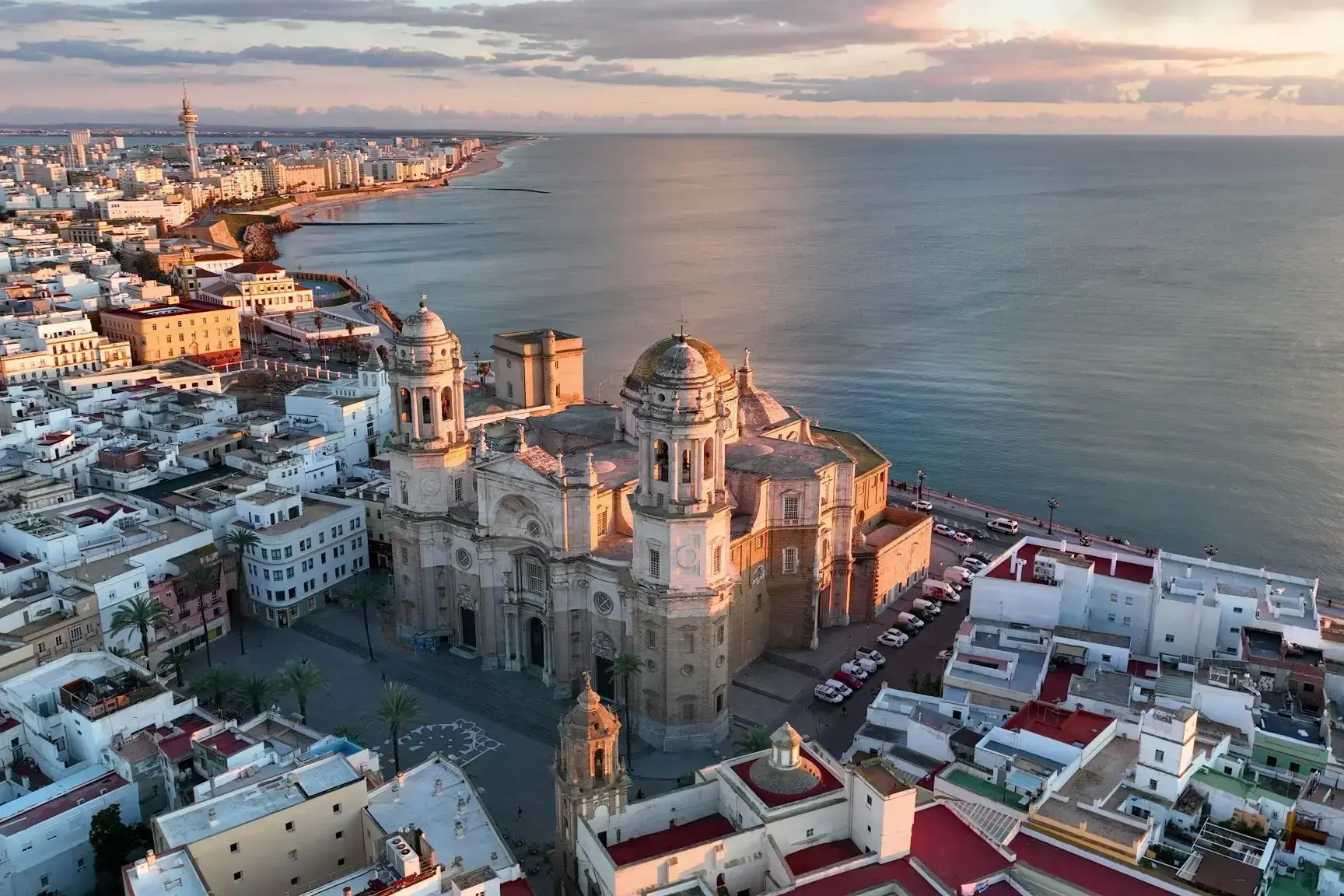
Կադիսը Եվրոպայի ամենահին քաղաքներից մեկն է, որը գտնվում է Իսպանիայի հարավարևմտյան ափին, Անդալուսիայի կենտրոնում: Քաղաքը գտնվում է կղզում, շրջապատված է Ատլանտյան օվկիանոսով, ինչը հաղորդում է այն բացառիկ մթնոլորտ: Կադիսը հայտնի է իր գեղեցիկ լողափերով, ինչպիսիք են Playa de la Victoria-ը, ինչպես նաև իր հնագույն փողոցներով՝ սպիտակ տներում և շքեղ ֆասադներով, որոնք հիշեցնում են մավրիտանական և գաղութային պատմություն: Քաղաքի պատմական կենտրոնում գտնվում է հանրահայտ կաթեդրալը, որի շինարարությունը տևել է ավելի քան հարյուր տարի, և որի գագաթից բացվում է փայլուն տեսարան օվկիանոսին:
Քաղաքը նաև հայտնի է իր կարմիր ավանդույթներով և համեղ խոհանոցով, որտեղ գերիշխում են ծովամթերքները: Այստեղյան կարմիր ավանդույթը համարվում է Իսպանիայում ամենաառողջներից մեկը, որը ամեն տարի գրավում է հազարավոր զբոսաշրջիկներ:
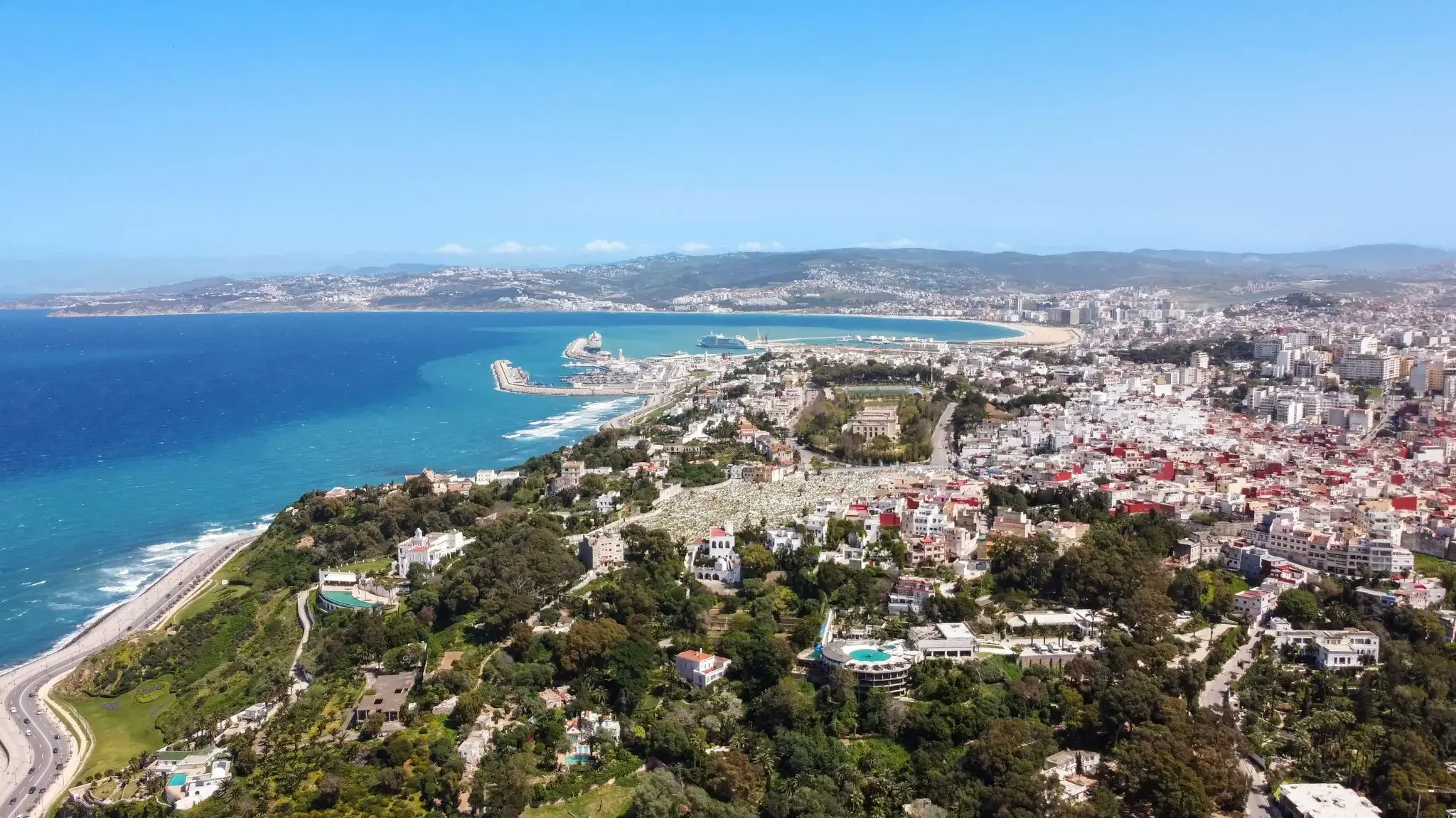
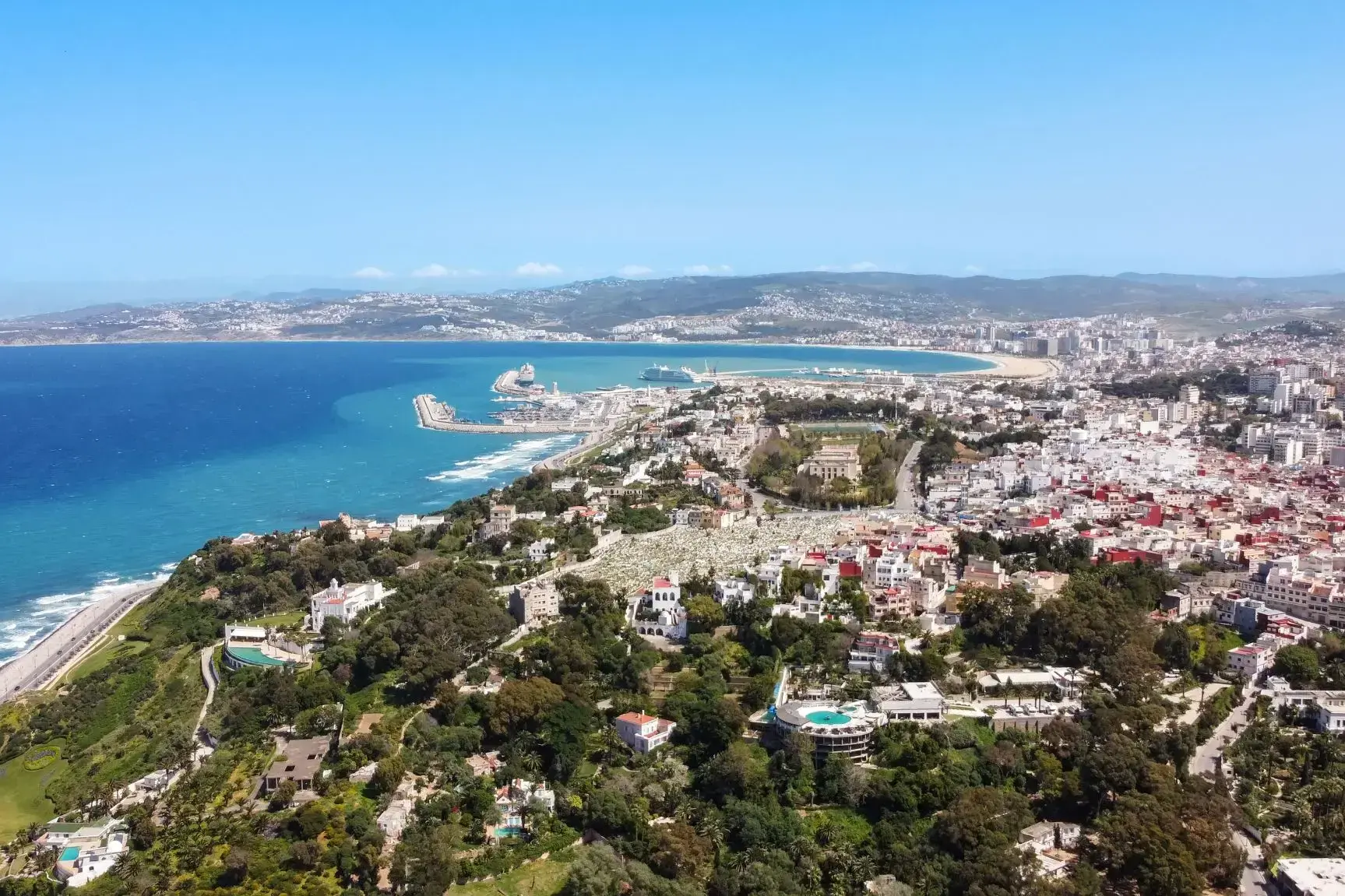
Տանժեր – Մշակույթների և ծովային ուղիների խաչմերուկ
Տանժեր, որը գտնվում է Մարոկկոյի հյուսիսում, միավորում է Եվրոպան և Աֆրիկան։ Քաղաքը հայտնի է իր մավրական ճարտարապետությամբ և պատմությամբ, իսկ նրա հին քաղաքը (մեդինա) ընդգրկված է ՅՈՒՆԵՍԿՕ-ի Համաշխարհային ժառանգության ցանկում։ Այստեղ կարելի է վայելել կենդանի շուկաներ, գեղեցիկ լողափեր և շնչահեղձ vistas, ինչպես նաև զգալ մթնոլորտ, որտեղ խաչվում են տարբեր մշակույթներ։
Մեկնորդների համար Տանժերը բացառիկ հնարավորություններ է առաջարկում բացահայտելու մարոկկյան մշակույթը, պատմությունն ու խոհանոցը։ Մեդինայում զբոսանքները, Կասբայի այցելությունները և շուկաներում գնումներ կատարելը թույլ են տալիս զգալ քաղաքի ոգին, որտեղ Արևելքը հանդիպում է Արևմուտքին։
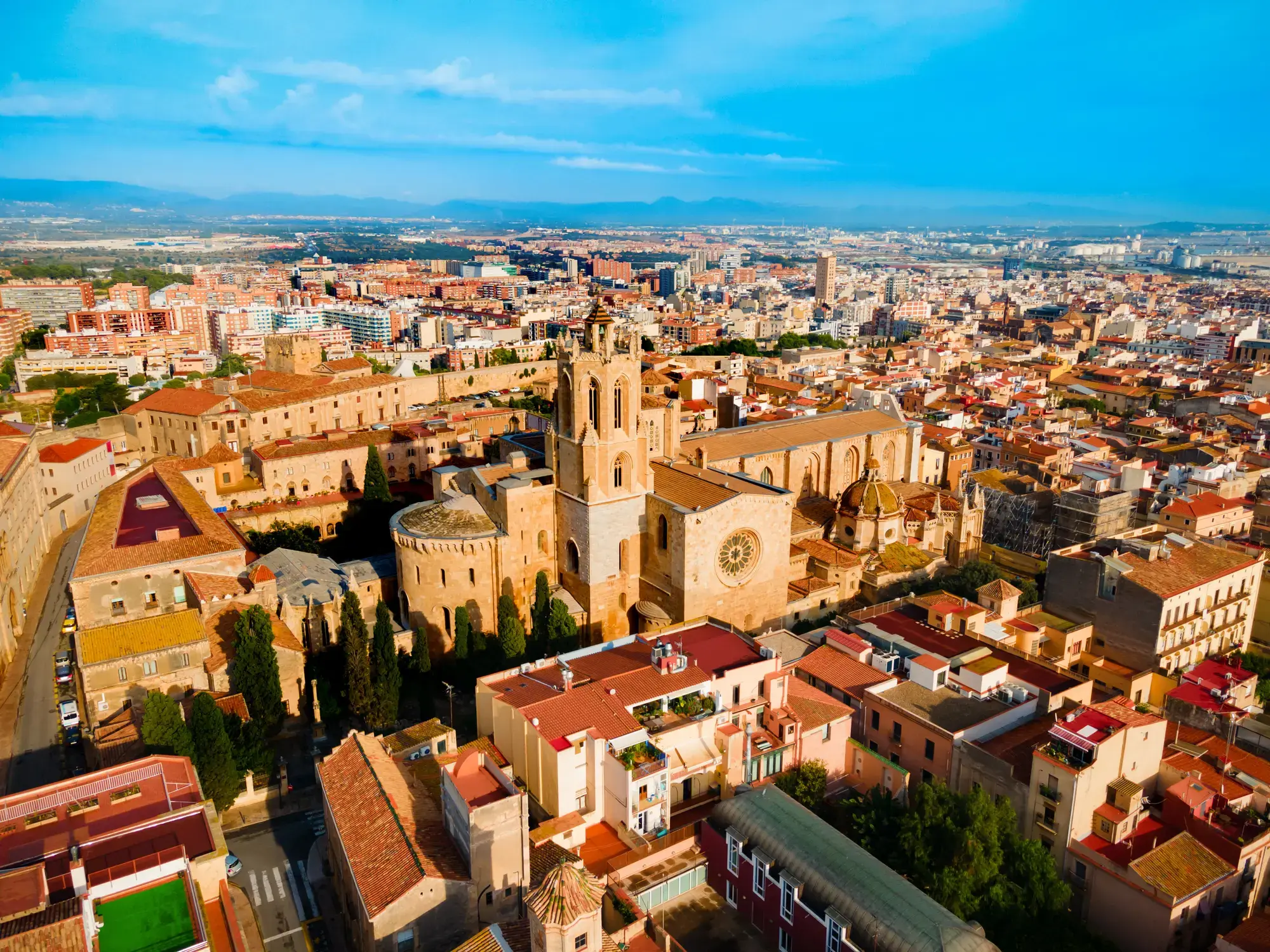
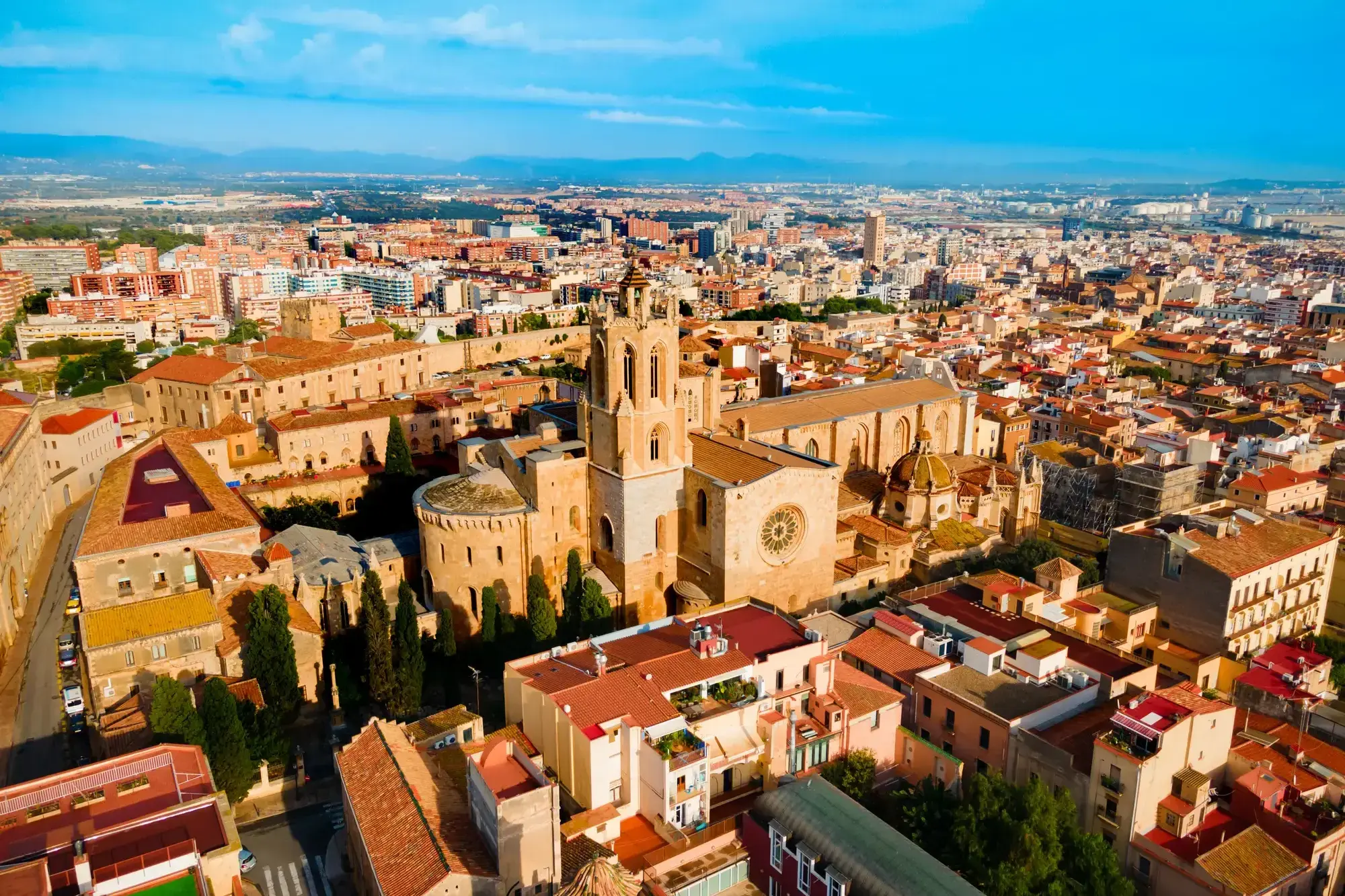
Tarragona is a port city located in northeast Spain on the Costa Daurada by the Mediterranean Sea. Founded before the 5th century BC, it is the capital of the Province of Tarragona, and part of Tarragonès and Catalonia. Geographically, it is bordered on the north by the Province of Barcelona and the Province of Lleida. The city has a population of 201,199 (2014).
Tarragona is a port city located in northeast Spain on the Costa Daurada by the Mediterranean Sea. Founded before the 5th century BC, it is the capital of the Province of Tarragona, and part of Tarragonès and Catalonia. Geographically, it is bordered on the north by the Province of Barcelona and the Province of Lleida. The city has a population of 201,199 (2014).

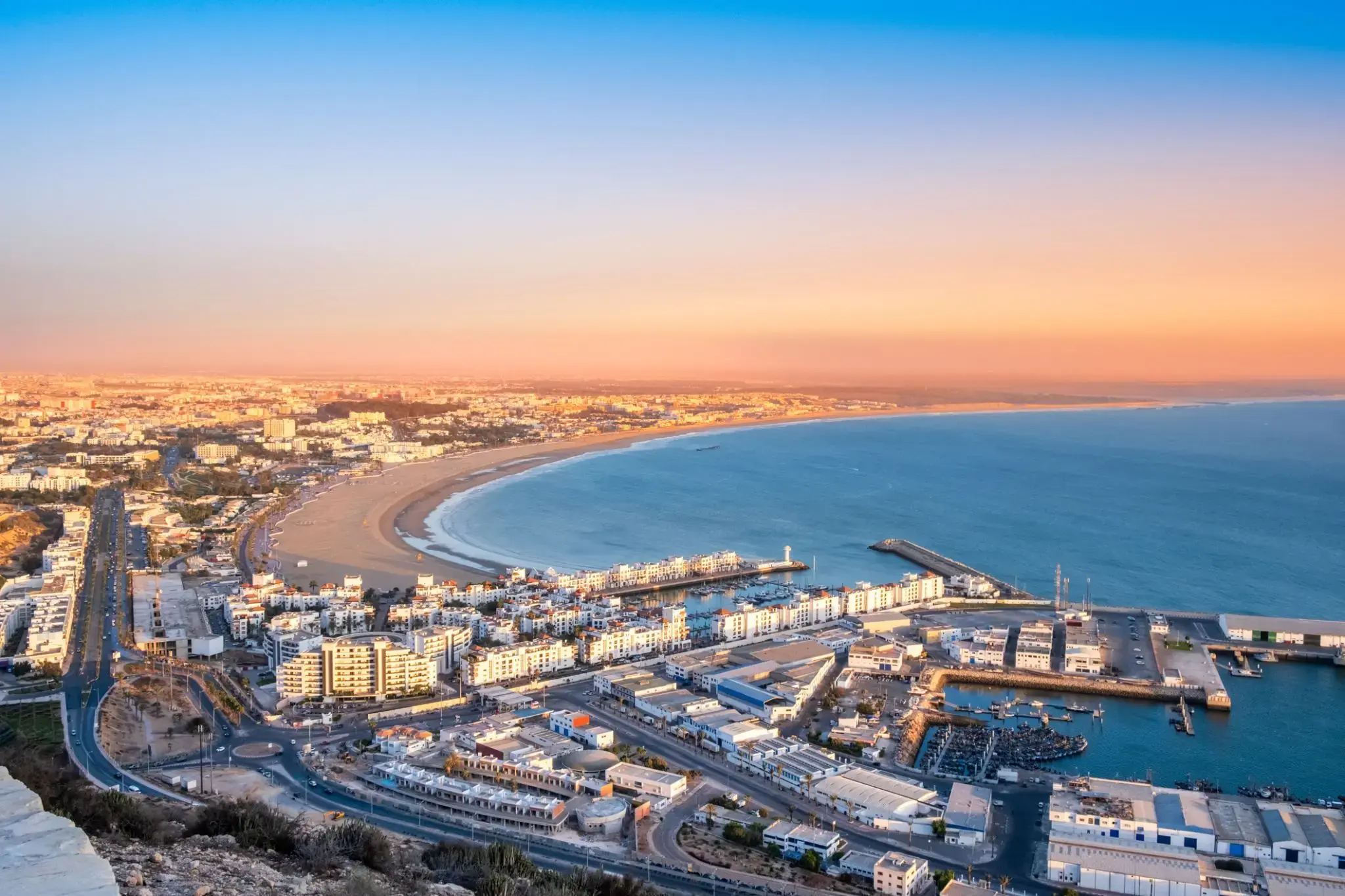
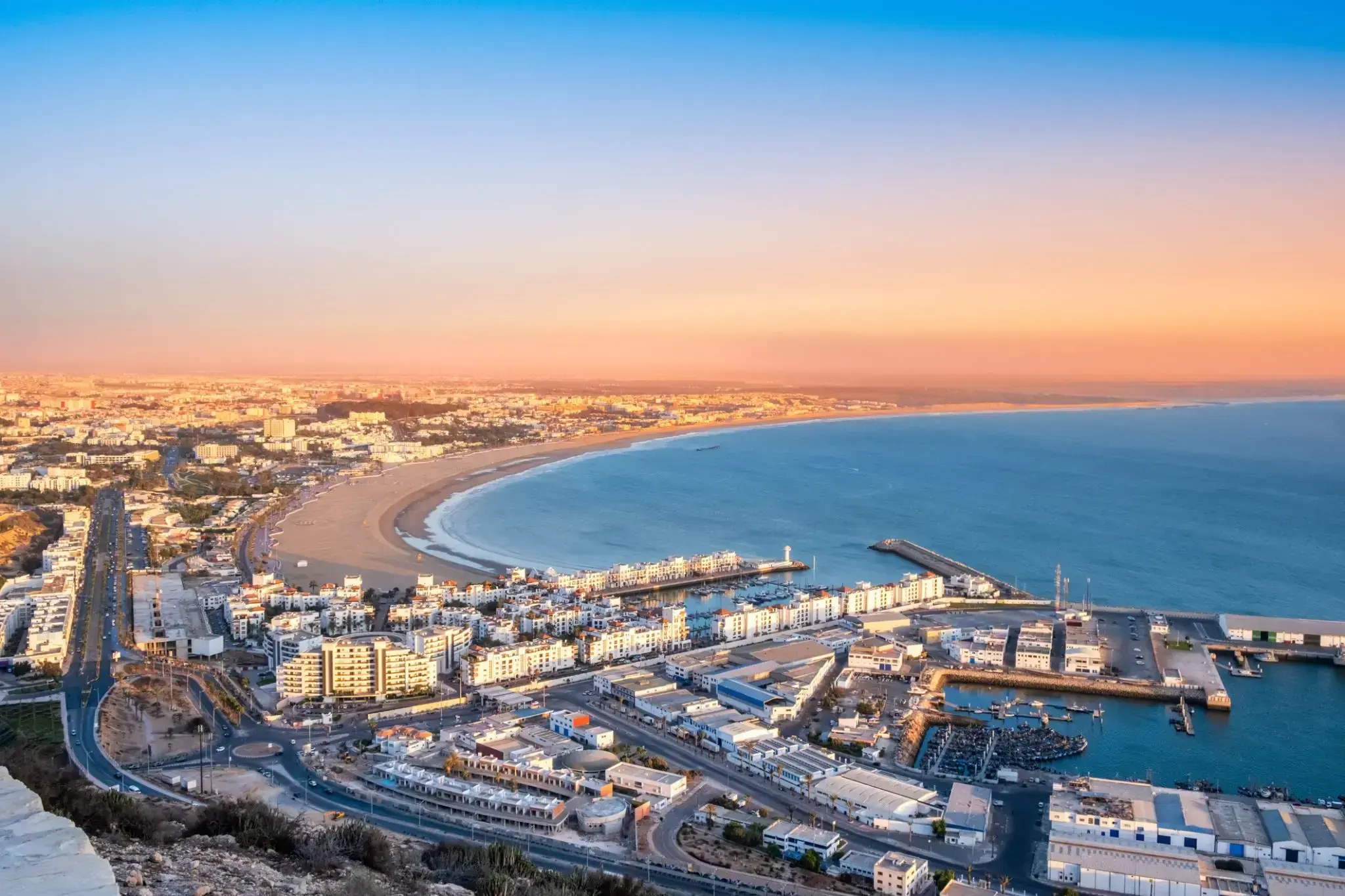
Agadir is the center of modern tourism in Morocco. Agadir Beach stretches for 10 km. The beautiful golden beach, surrounded by eucalyptus greenery and pine trees, is the most beautiful place among all Moroccan resorts. In Agadir, tourists will always find entertainment to their liking. Here you can ride camels or thoroughbred horses, play golf and tennis, smoke hookah, or experience all the delights of sea fishing. In the city's restaurants, you can taste the freshest and most delicious seafood, the assortment of which is simply magnificent: sea bass, sardines, tuna, shrimp, lobsters, crayfish. You can buy alcohol everywhere, but remember to do it before eight in the evening. And don't forget to visit the Medina of Agadir – a city built by an Italian architect. Inside the Medina, there are more than 30 shops and workshops.
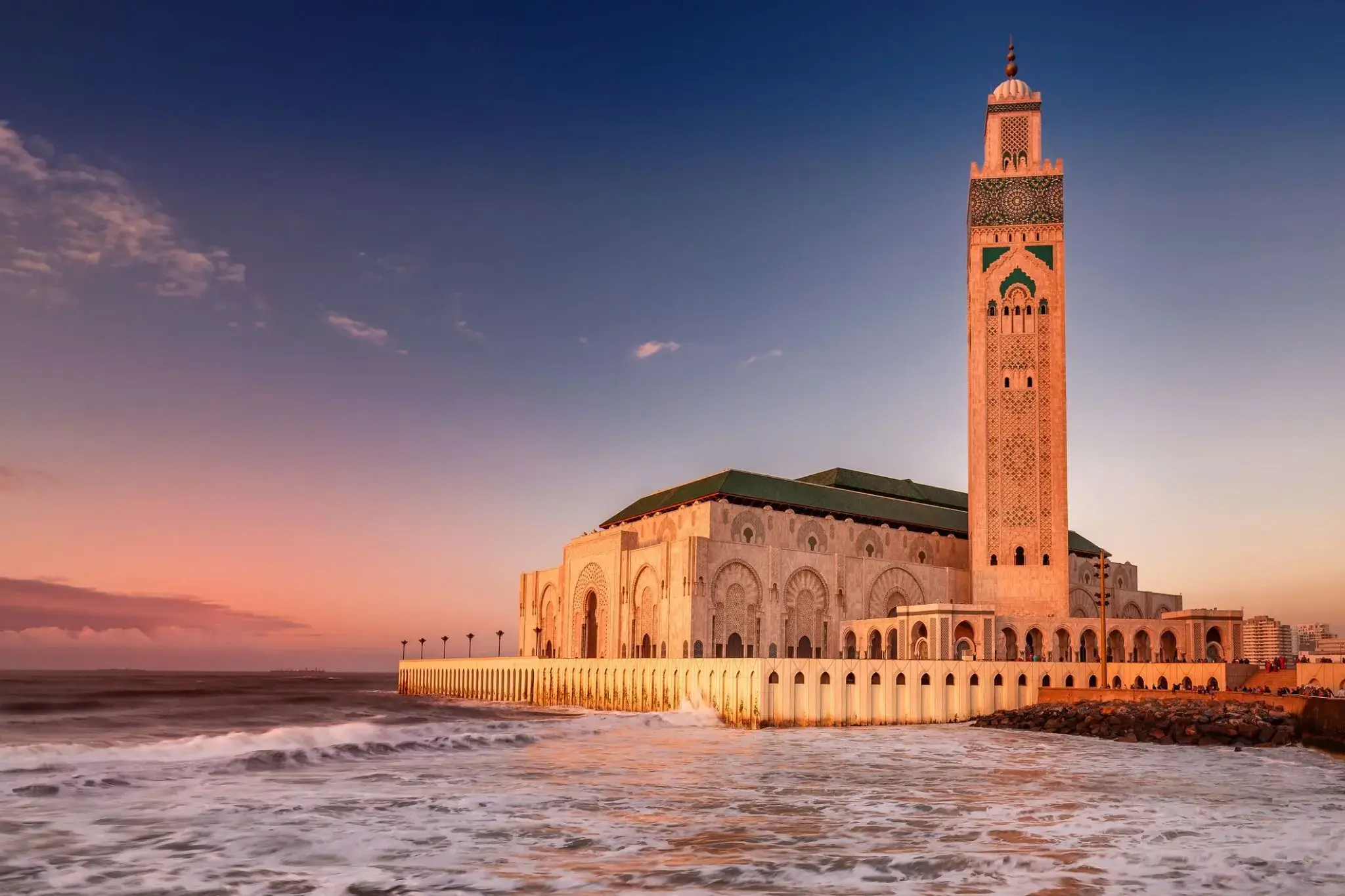
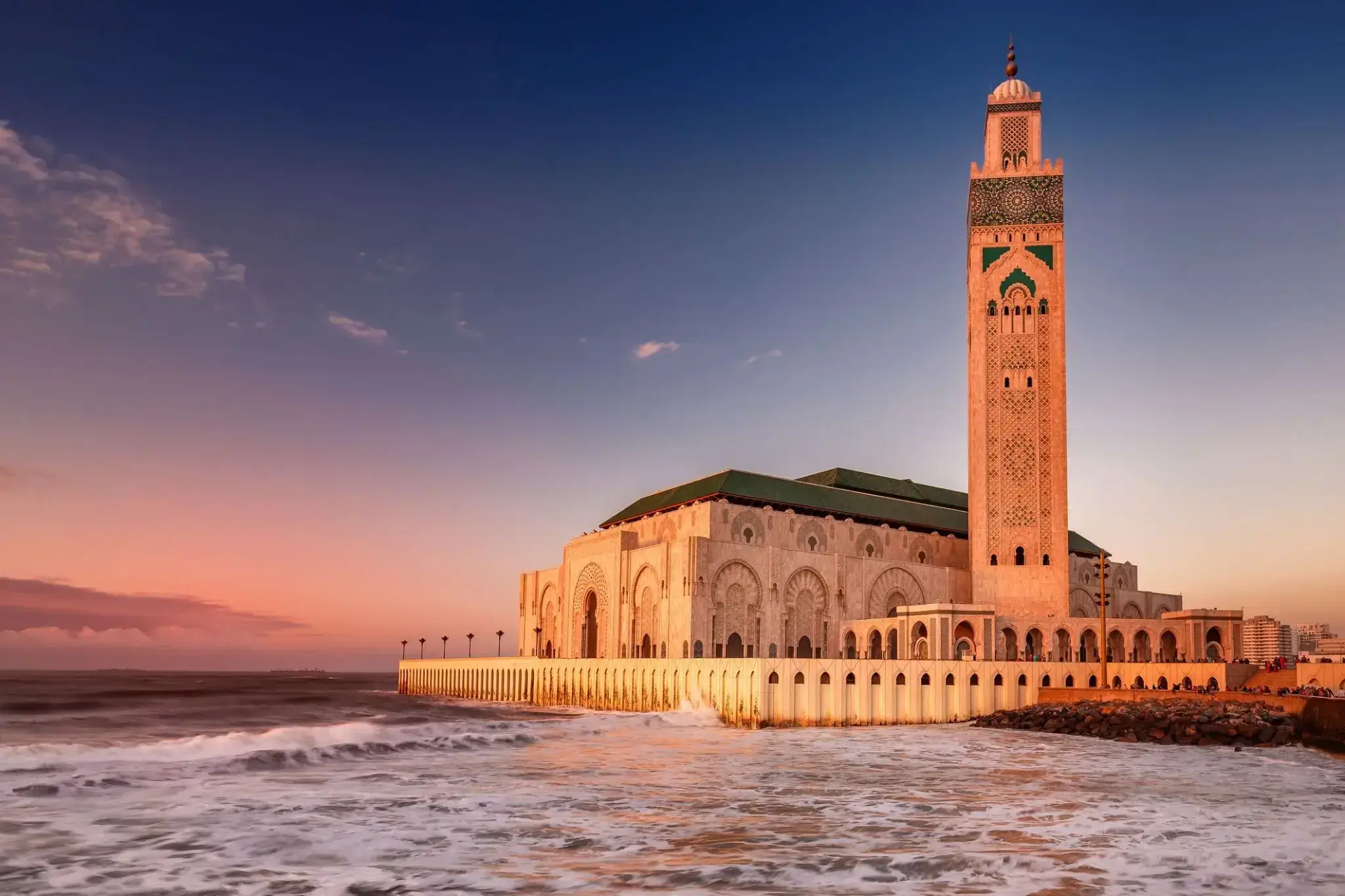
Կասաբլանկա գտնվում է Մարոկկոյի կենտրոն-արևմտյան հատվածում և սահմանակից է Ատլանտյան օվկիանոսին։ Այն Մարոկկոյի ամենամեծ քաղաքն է։ Միևնույն ժամանակ, այն Մաղրիբի տարածաշրջանի ամենամեծ քաղաքն է, ինչպես նաև Աֆրիկայի կարևորագույն և խոշոր քաղաքներից մեկը՝ տնտեսական և ժողովրդագրական առումով։
Կասաբլանկա Մարոկկոյի գլխավոր նավահանգիստն է և մայրցամաքի ամենամեծ ֆինանսական կենտրոններից մեկը։ 2014 թվականի բնակչության գնահատման համաձայն՝ քաղաքը ունի մոտ 3.35 միլիոն բնակչություն քաղաքային հատվածում և ավելի քան 6.8 միլիոն բնակչություն Կասաբլանկա-Սեթթաթ շրջանում։ Կասաբլանկա համարվում է Մարոկկոյի տնտեսական և գործարար կենտրոնը, չնայած երկրի քաղաքական մայրաքաղաքը Ռաբաթն է։
Մարոկկոյի առաջատար ընկերությունները և երկրում գործունեություն իրականացնող բազմաթիվ միջազգային կորպորացիաներ իրենց գլխավոր գրասենյակներն ու հիմնական արդյունաբերական օբյեկտները տեղակայել են Կասաբլանկա քաղաքում։ Վերջին արդյունաբերական տվյալները ցույց են տալիս, որ Կասաբլանկա շարունակում է պահպանել իր պատմական դիրքը որպես երկրի հիմնական արդյունաբերական գոտի։ Կասաբլանկայի նավահանգիստը աշխարհի ամենամեծ արհեստական նավահանգիստներից է և Հյուսիսային Աֆրիկայի երկրորդ ամենամեծ նավահանգիստը՝ Տանգեր քաղաքից 40 կմ դեպի արևելք գտնվող Tanger-Med-ից հետո։ Կասաբլանկա նաև հանդիսանում է Մարոկկոյի Թագավորական Ռազմածովային ուժերի հիմնական ռազմածովային բազան։
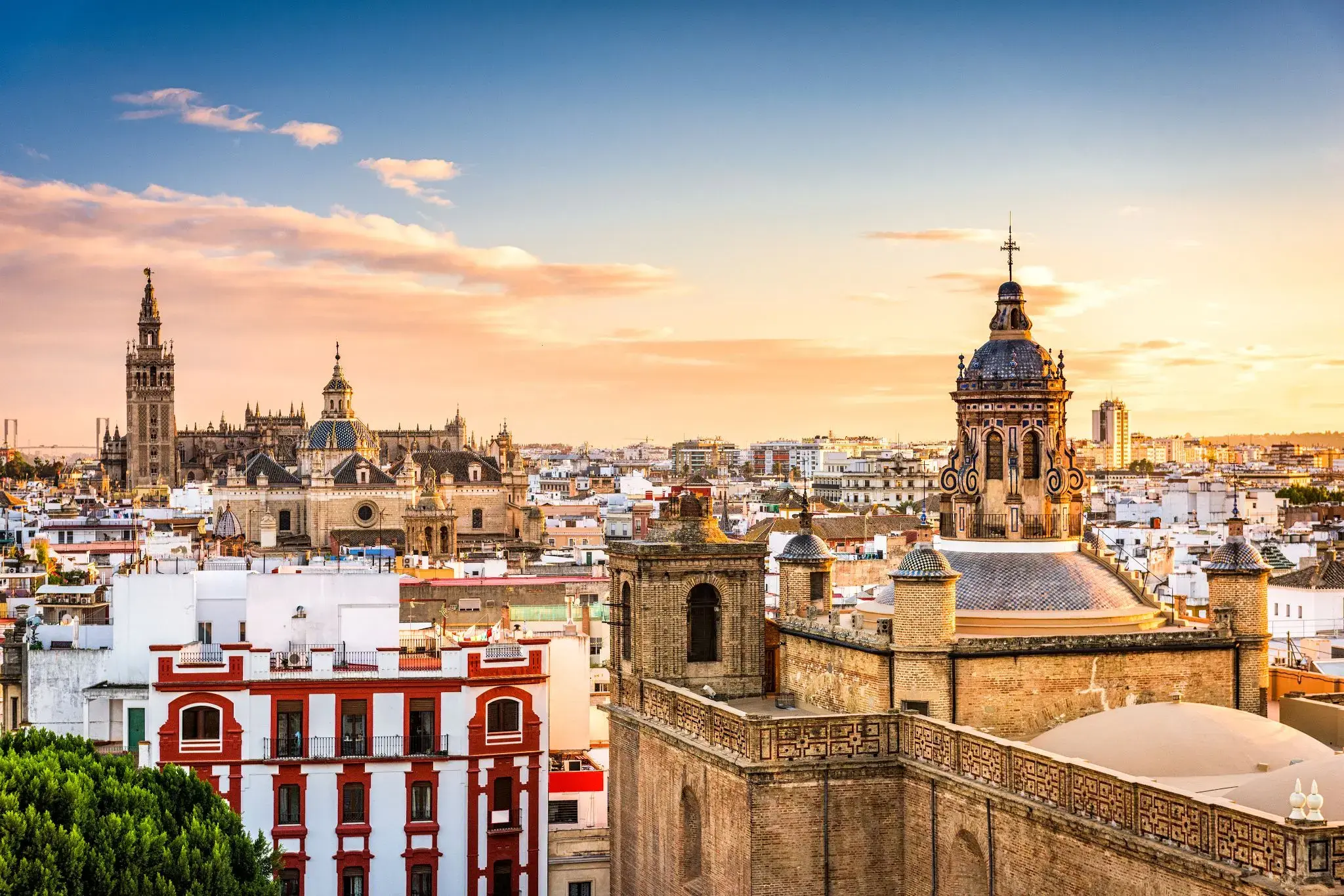
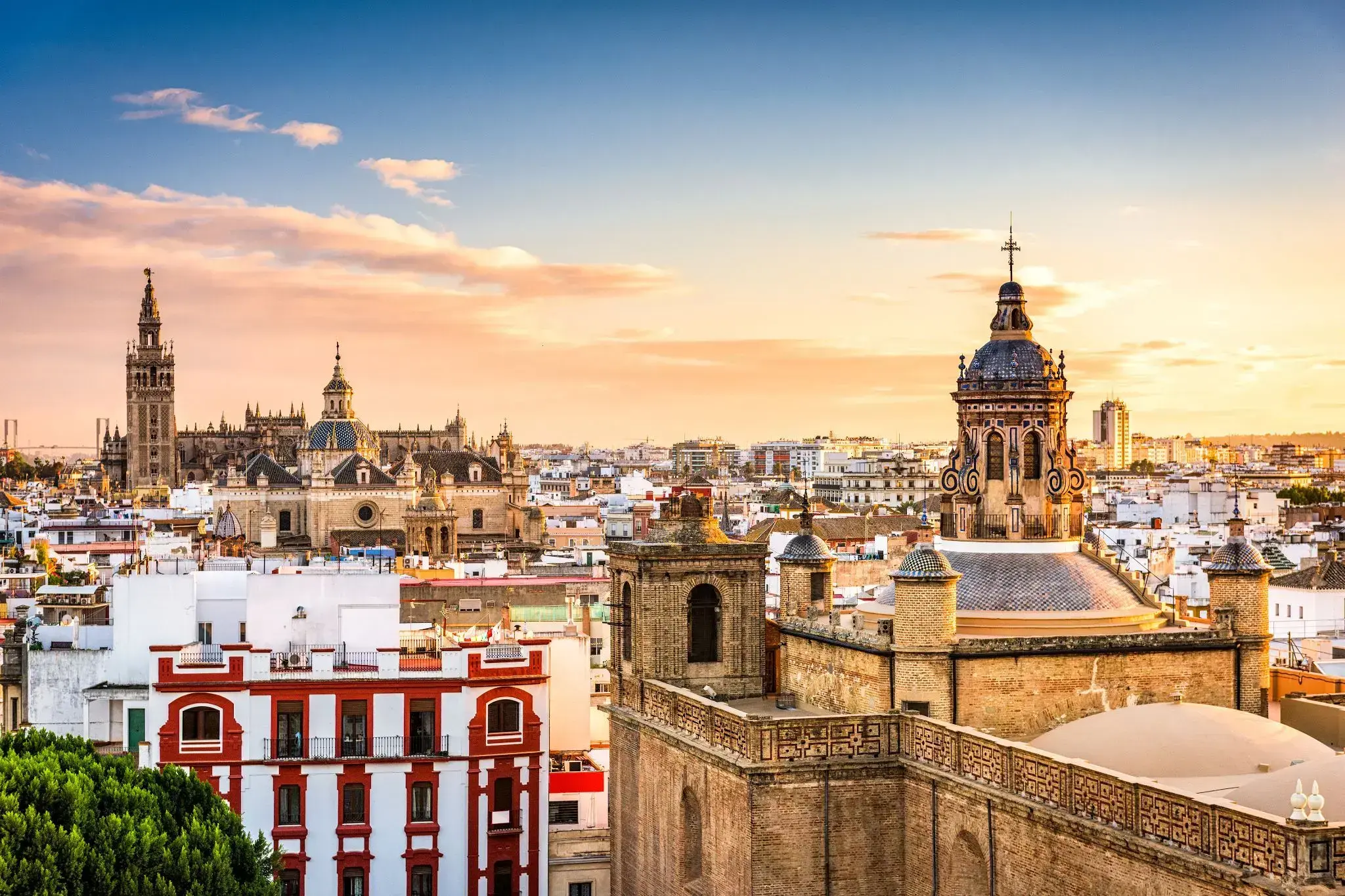
Seville is the capital and largest city of the autonomous community of Andalusia and the province of Seville, Spain. It is situated on the plain of the river Guadalquivir. The inhabitants of the city are known as sevillanos (feminine form: sevillanas) or hispalenses, after the Roman name of the city, Hispalis. Seville has a municipal population of about 690,000 as of 2016, and a metropolitan population of about 1.5 million, making it the fourth-largest city in Spain and the 30th most populous municipality in the European Union. Its Old Town, with an area of 4 square kilometres (2 sq mi), contains three UNESCO World Heritage Sites: the Alcázar palace complex, the Cathedral and the General Archive of the Indies. The Seville harbour, located about 80 kilometres (50 miles) from the Atlantic Ocean, is the only river port in Spain. Seville is also the hottest major metropolitan area in the geographical Southwestern Europe, with summer average high temperatures of above 35 °C (95 °F).
Seville was founded as the Roman city of Hispalis. It later became known as Ishbiliyya after the Muslim conquest in 712. During the Muslim rule in Spain, Seville came under the jurisdiction of the Caliphate of Córdoba before becoming the independent Taifa of Seville; later it was ruled by the Muslim Almoravids and the Almohads until finally being incorporated into the Christian Kingdom of Castile under Ferdinand III in 1248. After the discovery of the Americas, Seville became one of the economic centres of the Spanish Empire as its port monopolised the trans-oceanic trade and the Casa de Contratación (House of Trade) wielded its power, opening a Golden Age of arts and literature. In 1519, Ferdinand Magellan departed from Seville for the first circumnavigation of the Earth. Coinciding with the Baroque period of European history, the 17th century in Seville represented the most brilliant flowering of the city's culture; then began a gradual economic and demographic decline as silting in the Guadalquivirforced the trade monopoly to relocate to the nearby port of Cádiz.
The 20th century in Seville saw the tribulations of the Spanish Civil War, decisive cultural milestones such as the Ibero-American Exposition of 1929 and Expo '92, and the city's election as the capital of the Autonomous Community of Andalusia.
Seville is the capital and largest city of the autonomous community of Andalusia and the province of Seville, Spain. It is situated on the plain of the river Guadalquivir. The inhabitants of the city are known as sevillanos (feminine form: sevillanas) or hispalenses, after the Roman name of the city, Hispalis. Seville has a municipal population of about 690,000 as of 2016, and a metropolitan population of about 1.5 million, making it the fourth-largest city in Spain and the 30th most populous municipality in the European Union. Its Old Town, with an area of 4 square kilometres (2 sq mi), contains three UNESCO World Heritage Sites: the Alcázar palace complex, the Cathedral and the General Archive of the Indies. The Seville harbour, located about 80 kilometres (50 miles) from the Atlantic Ocean, is the only river port in Spain. Seville is also the hottest major metropolitan area in the geographical Southwestern Europe, with summer average high temperatures of above 35 °C (95 °F).
Seville was founded as the Roman city of Hispalis. It later became known as Ishbiliyya after the Muslim conquest in 712. During the Muslim rule in Spain, Seville came under the jurisdiction of the Caliphate of Córdoba before becoming the independent Taifa of Seville; later it was ruled by the Muslim Almoravids and the Almohads until finally being incorporated into the Christian Kingdom of Castile under Ferdinand III in 1248. After the discovery of the Americas, Seville became one of the economic centres of the Spanish Empire as its port monopolised the trans-oceanic trade and the Casa de Contratación (House of Trade) wielded its power, opening a Golden Age of arts and literature. In 1519, Ferdinand Magellan departed from Seville for the first circumnavigation of the Earth. Coinciding with the Baroque period of European history, the 17th century in Seville represented the most brilliant flowering of the city's culture; then began a gradual economic and demographic decline as silting in the Guadalquivirforced the trade monopoly to relocate to the nearby port of Cádiz.
The 20th century in Seville saw the tribulations of the Spanish Civil War, decisive cultural milestones such as the Ibero-American Exposition of 1929 and Expo '92, and the city's election as the capital of the Autonomous Community of Andalusia.
Seville is the capital and largest city of the autonomous community of Andalusia and the province of Seville, Spain. It is situated on the plain of the river Guadalquivir. The inhabitants of the city are known as sevillanos (feminine form: sevillanas) or hispalenses, after the Roman name of the city, Hispalis. Seville has a municipal population of about 690,000 as of 2016, and a metropolitan population of about 1.5 million, making it the fourth-largest city in Spain and the 30th most populous municipality in the European Union. Its Old Town, with an area of 4 square kilometres (2 sq mi), contains three UNESCO World Heritage Sites: the Alcázar palace complex, the Cathedral and the General Archive of the Indies. The Seville harbour, located about 80 kilometres (50 miles) from the Atlantic Ocean, is the only river port in Spain. Seville is also the hottest major metropolitan area in the geographical Southwestern Europe, with summer average high temperatures of above 35 °C (95 °F).
Seville was founded as the Roman city of Hispalis. It later became known as Ishbiliyya after the Muslim conquest in 712. During the Muslim rule in Spain, Seville came under the jurisdiction of the Caliphate of Córdoba before becoming the independent Taifa of Seville; later it was ruled by the Muslim Almoravids and the Almohads until finally being incorporated into the Christian Kingdom of Castile under Ferdinand III in 1248. After the discovery of the Americas, Seville became one of the economic centres of the Spanish Empire as its port monopolised the trans-oceanic trade and the Casa de Contratación (House of Trade) wielded its power, opening a Golden Age of arts and literature. In 1519, Ferdinand Magellan departed from Seville for the first circumnavigation of the Earth. Coinciding with the Baroque period of European history, the 17th century in Seville represented the most brilliant flowering of the city's culture; then began a gradual economic and demographic decline as silting in the Guadalquivirforced the trade monopoly to relocate to the nearby port of Cádiz.
The 20th century in Seville saw the tribulations of the Spanish Civil War, decisive cultural milestones such as the Ibero-American Exposition of 1929 and Expo '92, and the city's election as the capital of the Autonomous Community of Andalusia.
Lisbon is the capital and the largest city of Portugal, with an estimated population of 505,526 within its administrative limits in an area of 100.05 km2. Its urban area extends beyond the city's administrative limits with a population of around 2.8 million people, being the 11th-most populous urban area in the European Union. About 3 million people live in the Lisbon Metropolitan Area (which represents approximately 27% of the country's population). It is mainland Europe's westernmost capital city and the only one along the Atlantic coast. Lisbon lies in the western Iberian Peninsula on the Atlantic Ocean and the River Tagus. The westernmost areas of its metro area form the westernmost point of Continental Europe, which is known as Cabo da Roca, located in the Sintra Mountains.