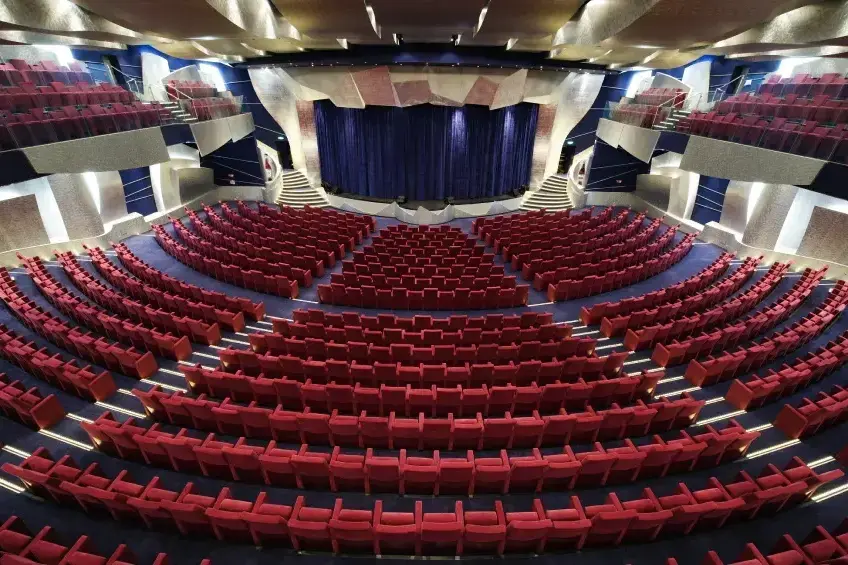
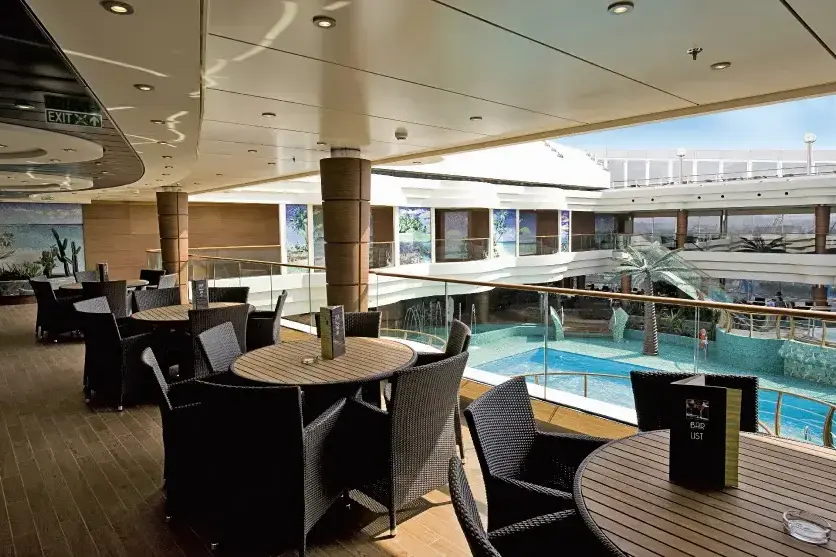
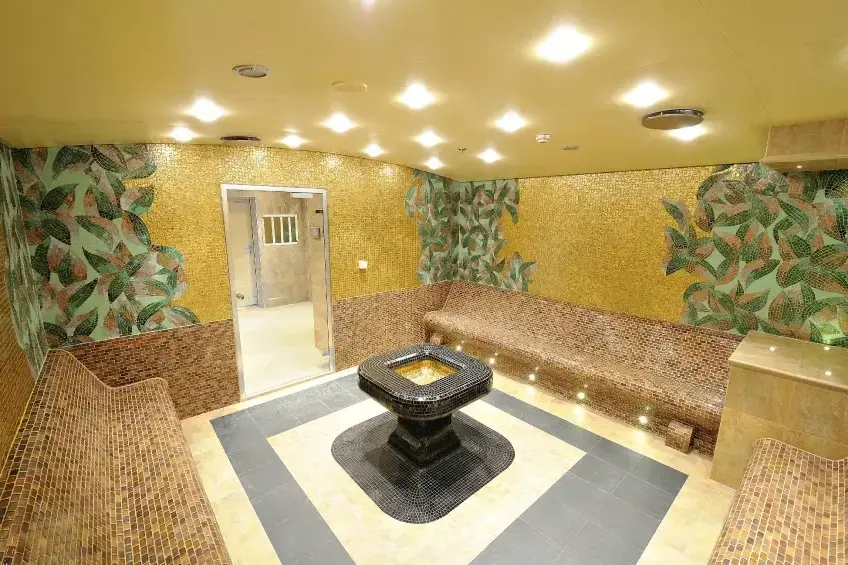
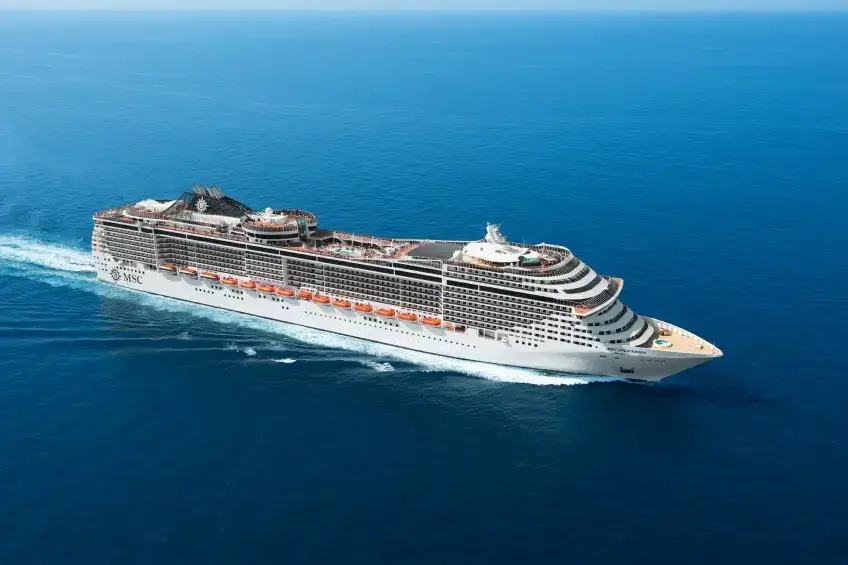
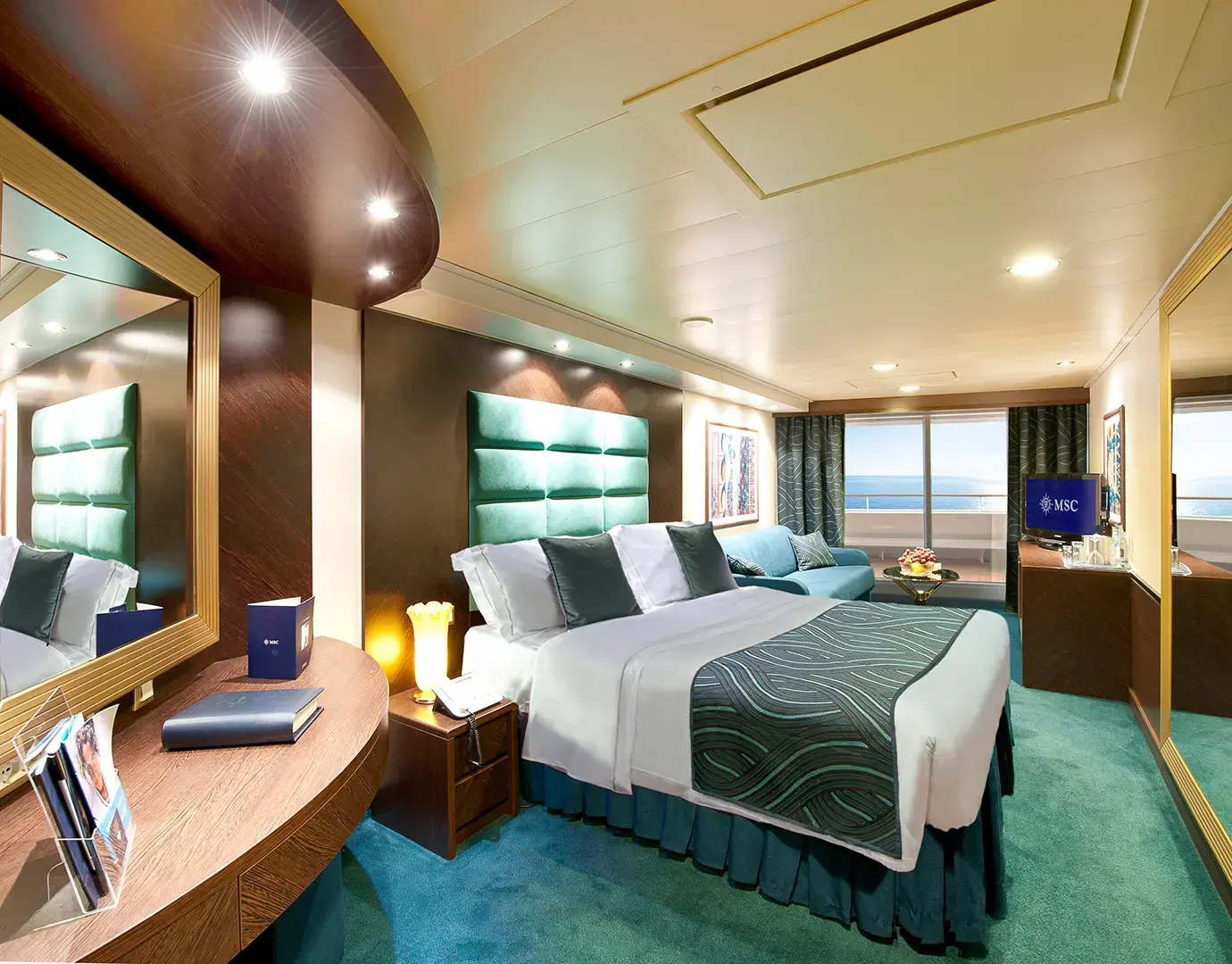
| Cruise Region : Mediterranean Sea, Europe |
| Company : MSC Cruises |
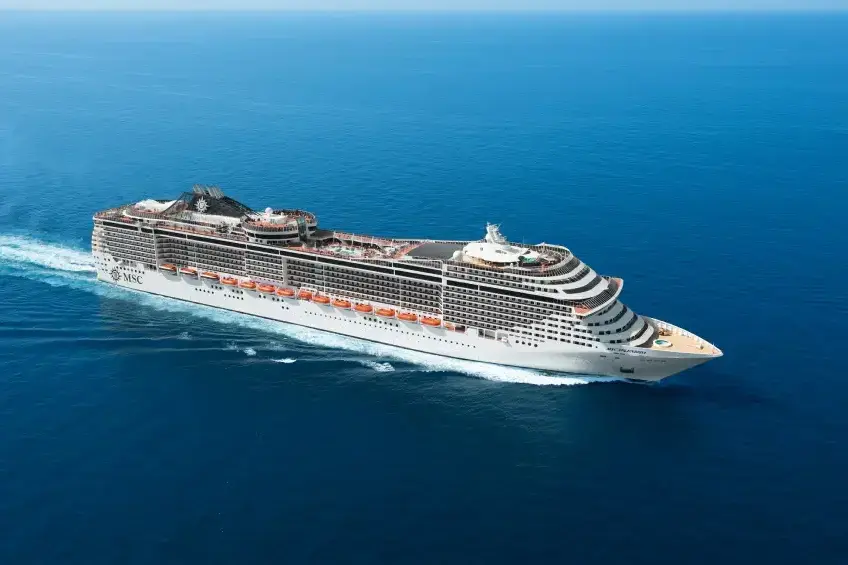
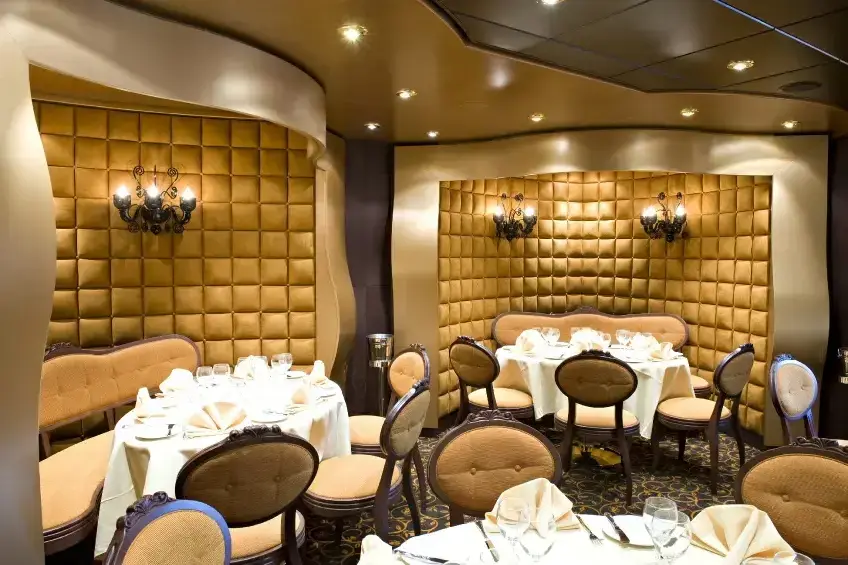
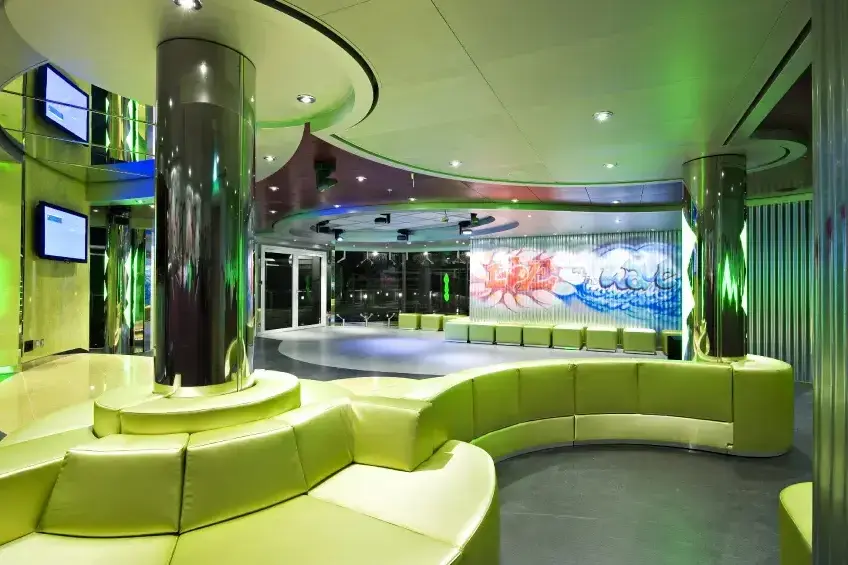
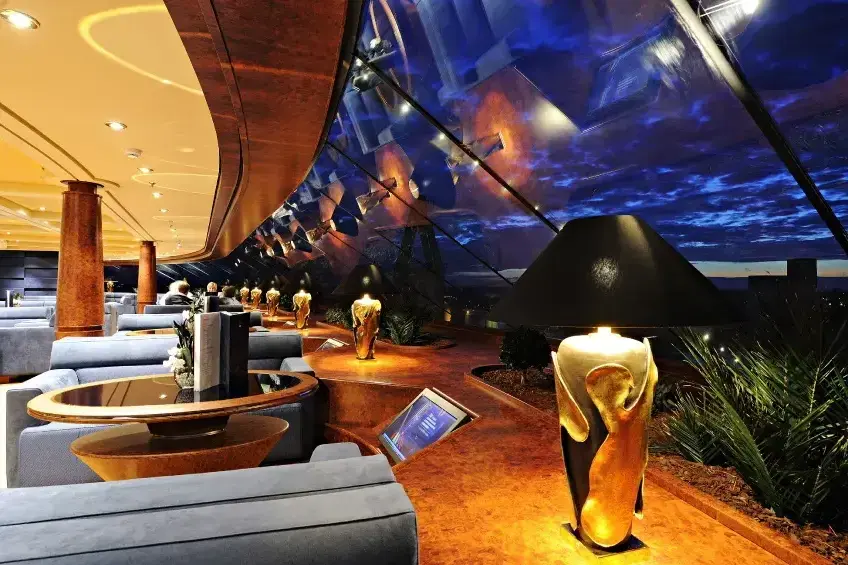
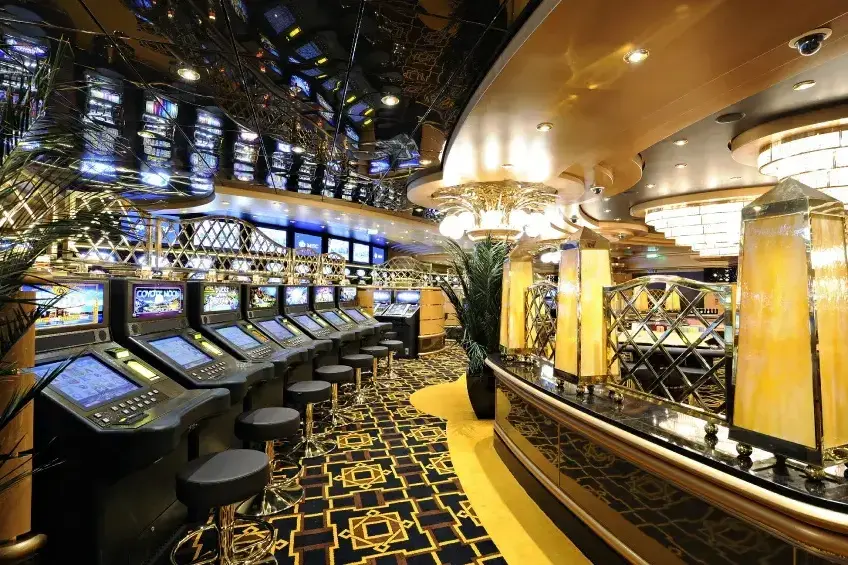
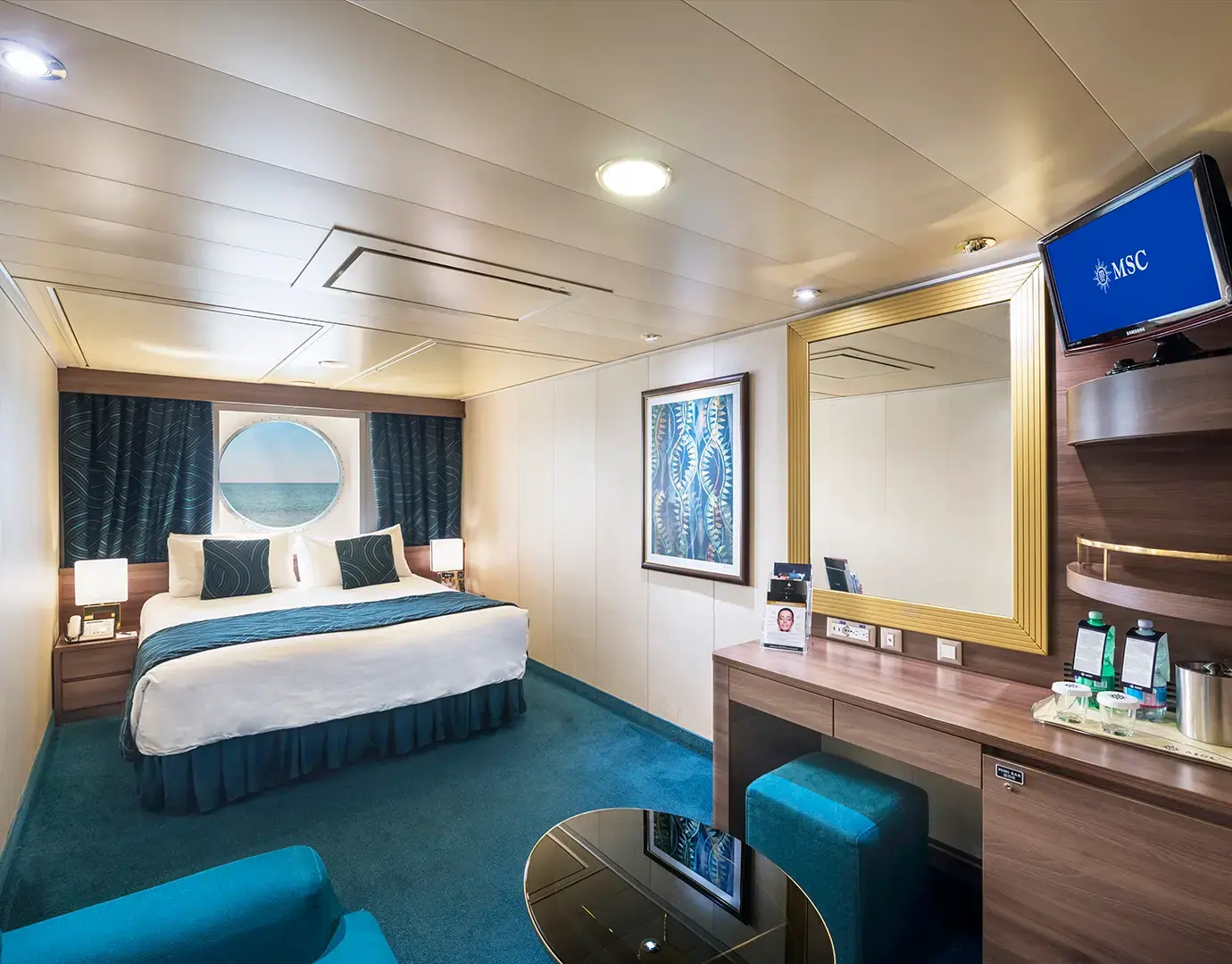
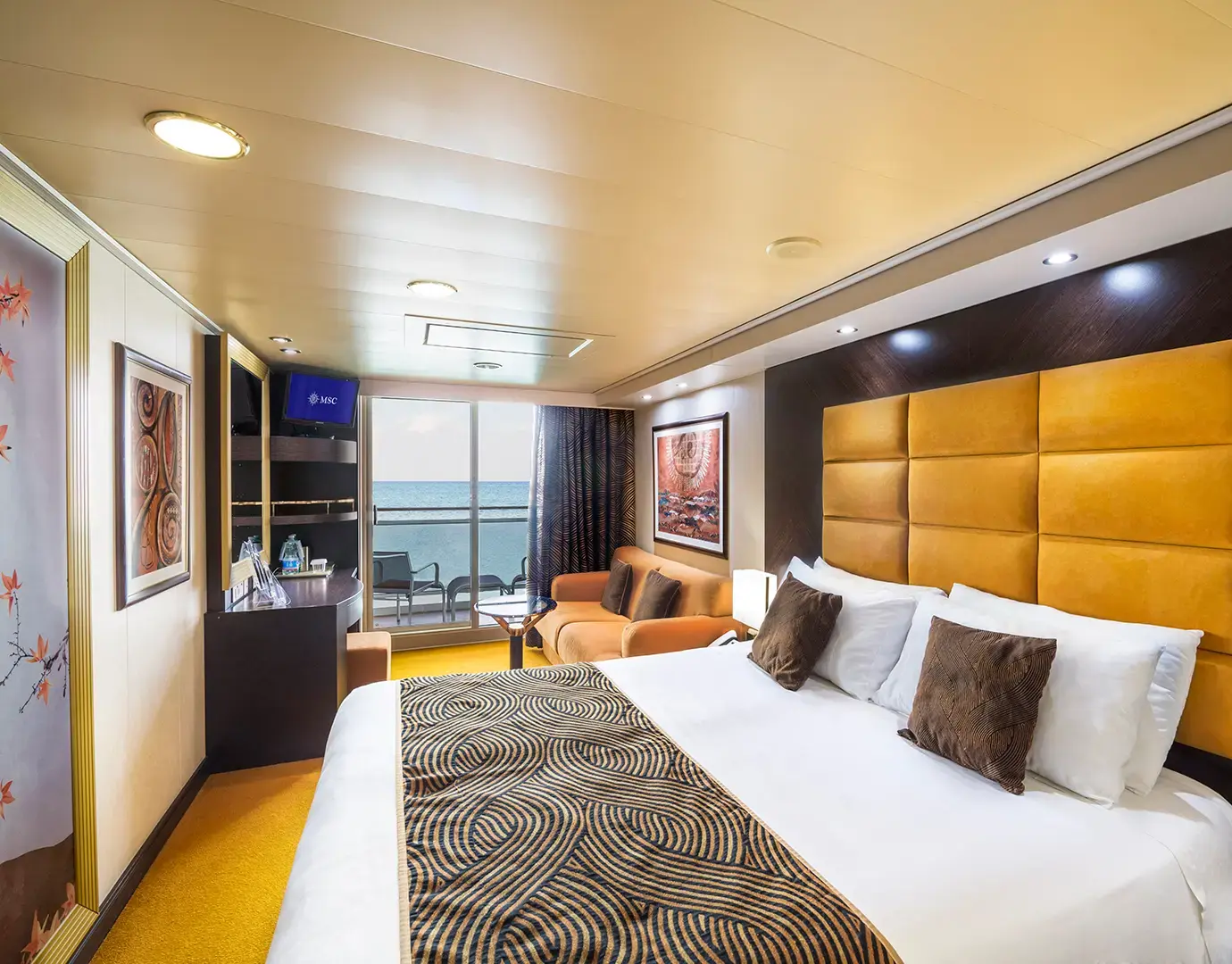
| Ship : MSC Splendida |
| Journey Start : ուր 05 նոյ 2027 |
| Journey End : երք 16 նոյ 2027 |
| Count Nights : 11 nights |
| Day | Date | Port | Arrival | Departure |
|---|---|---|---|---|
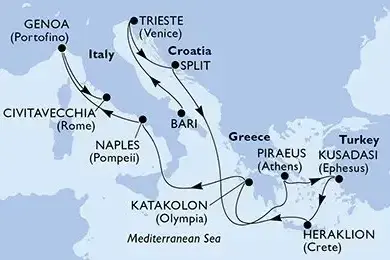
| 1 | 5.11 ուր | Ամեն ինչ / Italy | 14:00 | |
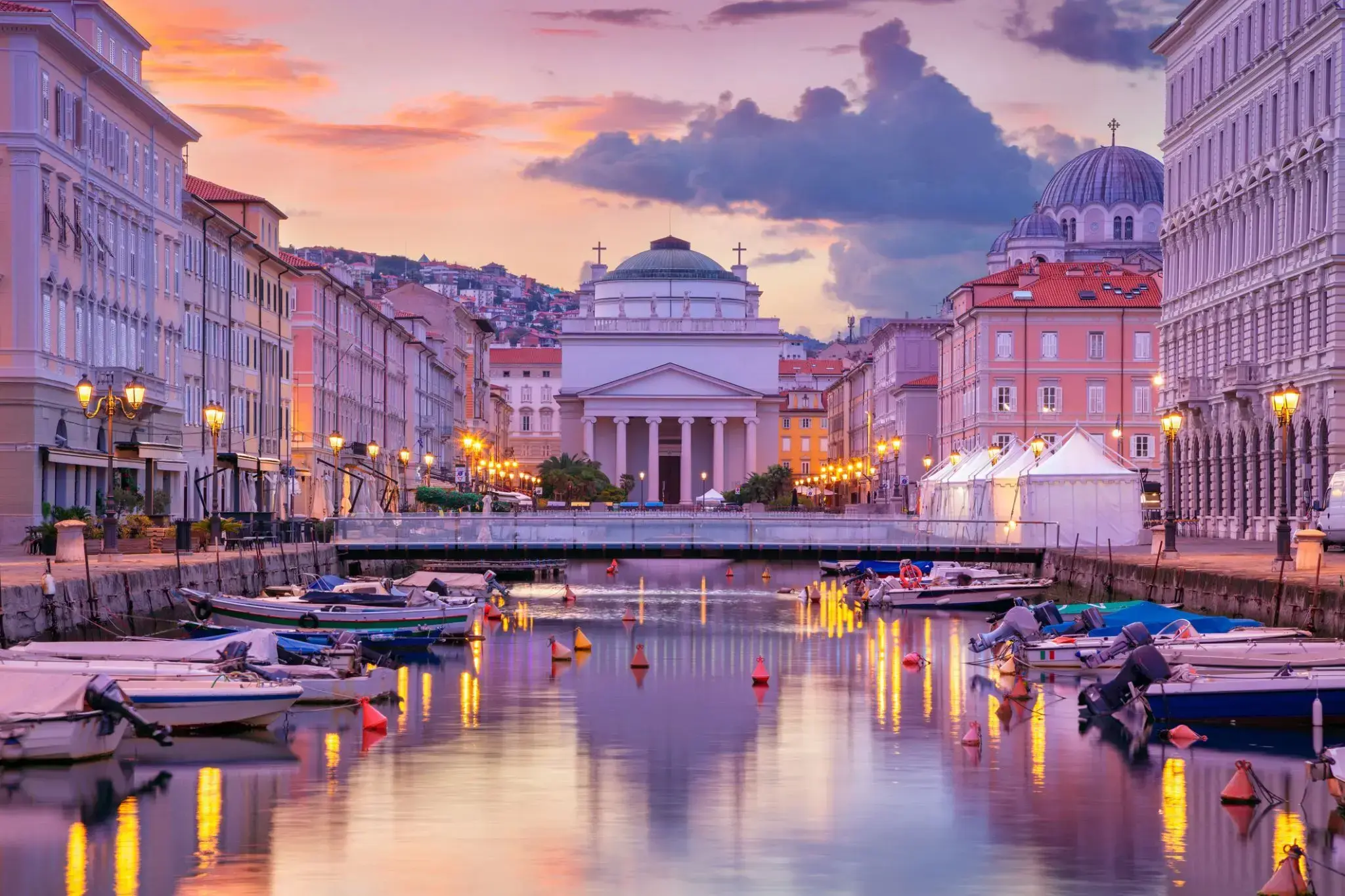
| 2 | 6.11 շբթ | Տրիեստ / Italy | 09:00 | 18:00 |
| 3 | 7.11 կիր | Պառակտում / Croatia | 08:00 | 18:00 |
| 4 | 8.11 երկ | Օր ծովում / Sea | ||
| 5 | 9.11 երք | Պիրեուս (Աթենք) / Greece | 07:30 | 16:30 |
| 6 | 10.11 չրք | Կուշադասի (Եփեսոս) / Turkey | 08:00 | 18:00 |
| 7 | 11.11 հնգ | Հերակլիոն / Greece | 08:00 | 18:00 |
| 8 | 12.11 ուր | Կատակոլոն / Greece | 10:00 | 17:00 |
| 9 | 13.11 շբթ | Օր ծովում / Sea | ||
| 10 | 14.11 կիր | Նեապոլ / Italy | 07:00 | 13:00 |
| 11 | 15.11 երկ | Ջենովա / Italy | 09:00 | 18:00 |
| 12 | 16.11 երք | Հռոմ (Civitavecchia) / Italy | 08:00 |
Կարևոր. MSC-ն իրավունք ունի փոխարինել նույն կատեգորիայի կամ ավելի բարձր խցիկը: Այնուամենայնիվ, MSC-ն կգործադրի բոլոր ջանքերը խցիկի փոփոխություններից խուսափելու համար:
Լրացուցիչ ծախսեր.
Լրացուցիչ վճարվում է գծի վրա.
Բարերում, ռեստորաններում, խանութներում, սպա կենտրոնում, վարսավիրանոցում և այլն ծառայությունների ցանկացած գնման համար ձեզանից կգանձվի սպասարկման վճար, որը միջինը կկազմի գնման գնի 15%-ը :
Տուգանքի պայմանները.
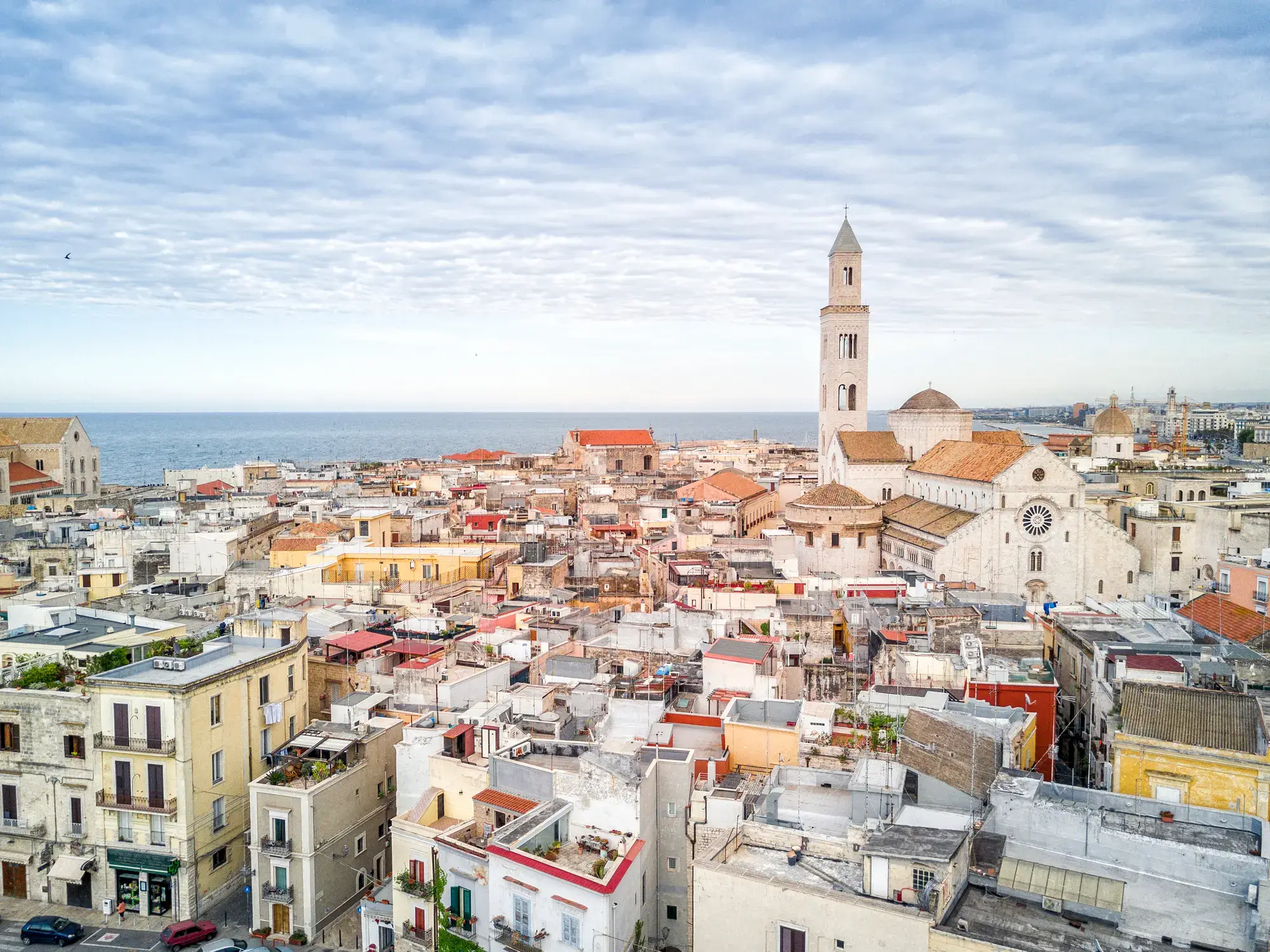
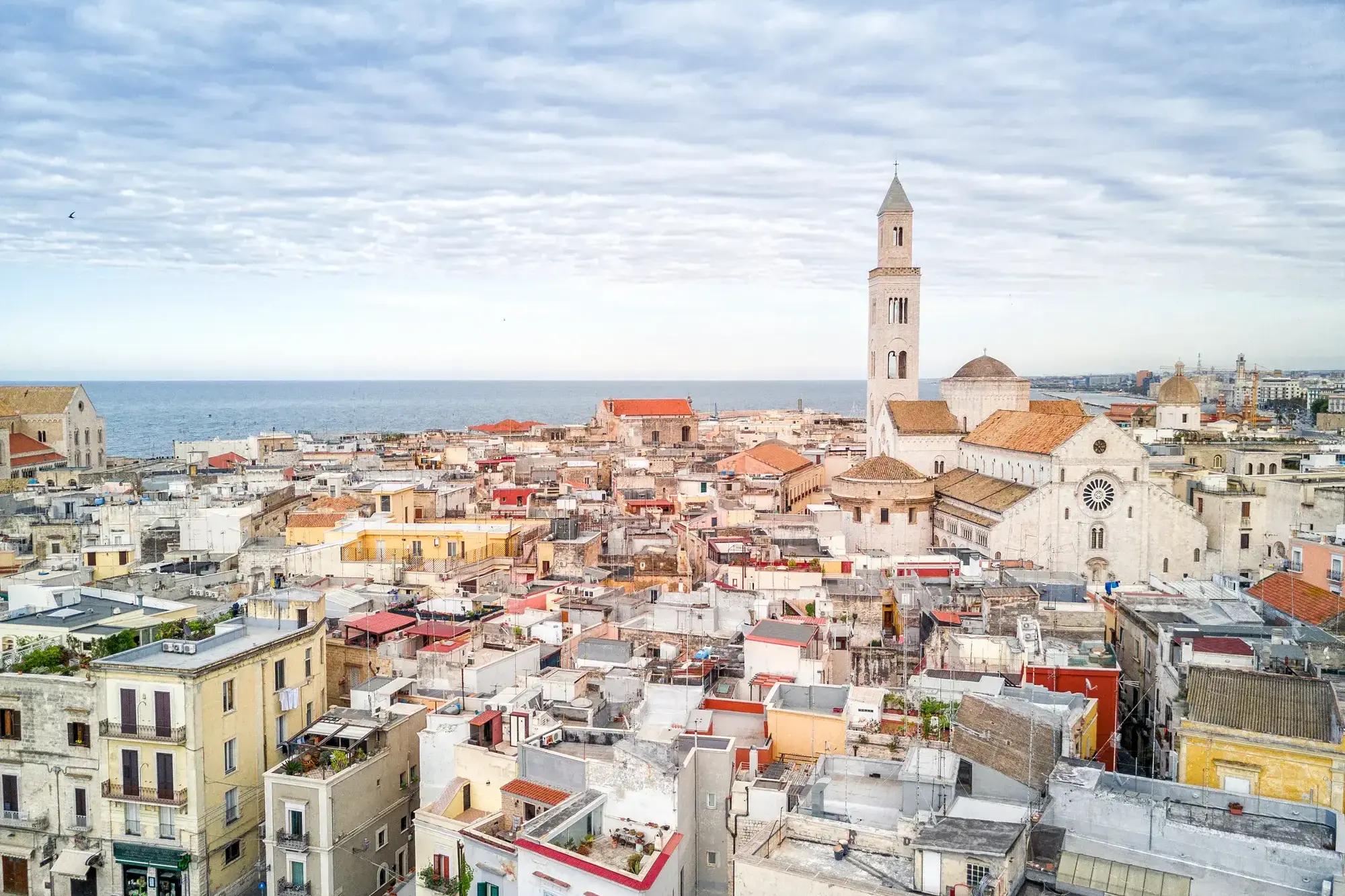
Bari is the capital city of the Metropolitan City of Bari and of the Apulia region, on the Adriatic Sea, in southern Italy. It is the second most important economic centre of mainland Southern Italy after Naples and Palermo, a port and universitycity, as well as the city of Saint Nicholas. The city itself has a population of 326,799, as of 2015, over 116 square kilometres (45 sq mi), while the urban area has 700,000 inhabitants. The metropolitan area has 1.3 million inhabitants.
Bari is made up of four different urban sections. To the north is the closely built old town on the peninsula between two modern harbours, with the Basilica of Saint Nicholas, the Cathedral of San Sabino (1035–1171) and the Hohenstaufen Castle built for Frederick II, which is now also a major nightlife district. To the south is the Murat quarter (erected by Joachim Murat), the modern heart of the city, which is laid out on a rectangular grid-plan with a promenade on the sea and the major shopping district (the via Sparano and via Argiro).
Modern residential zones surrounding the centre of Bari were built during the 1960s and 1970s replacing the old suburbs that had developed along roads splaying outwards from gates in the city walls. In addition, the outer suburbs developed rapidly during the 1990s. The city has a redeveloped airport named after Pope John Paul II, Karol Wojtyła Airport, with connections to several European cities.

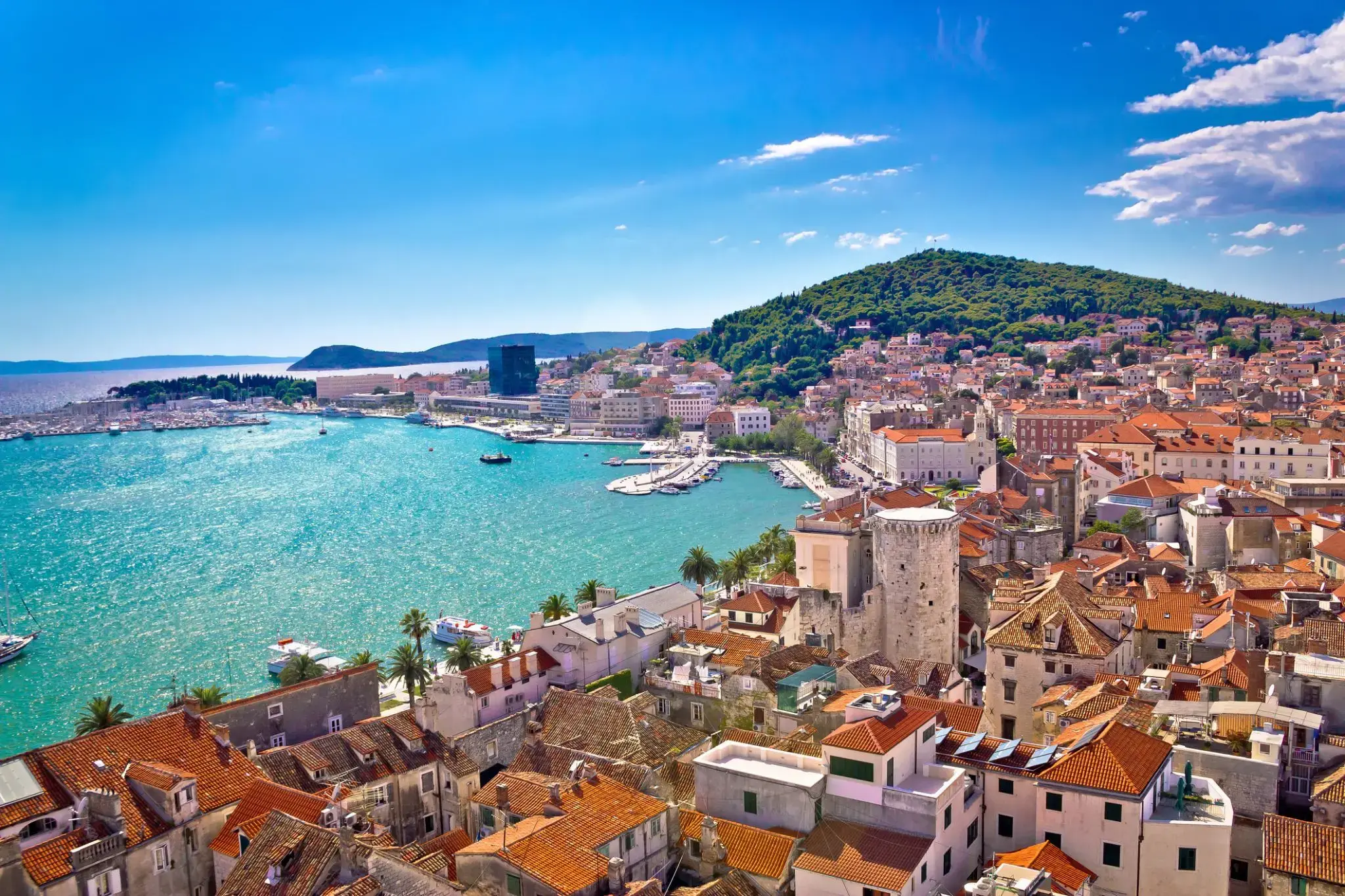
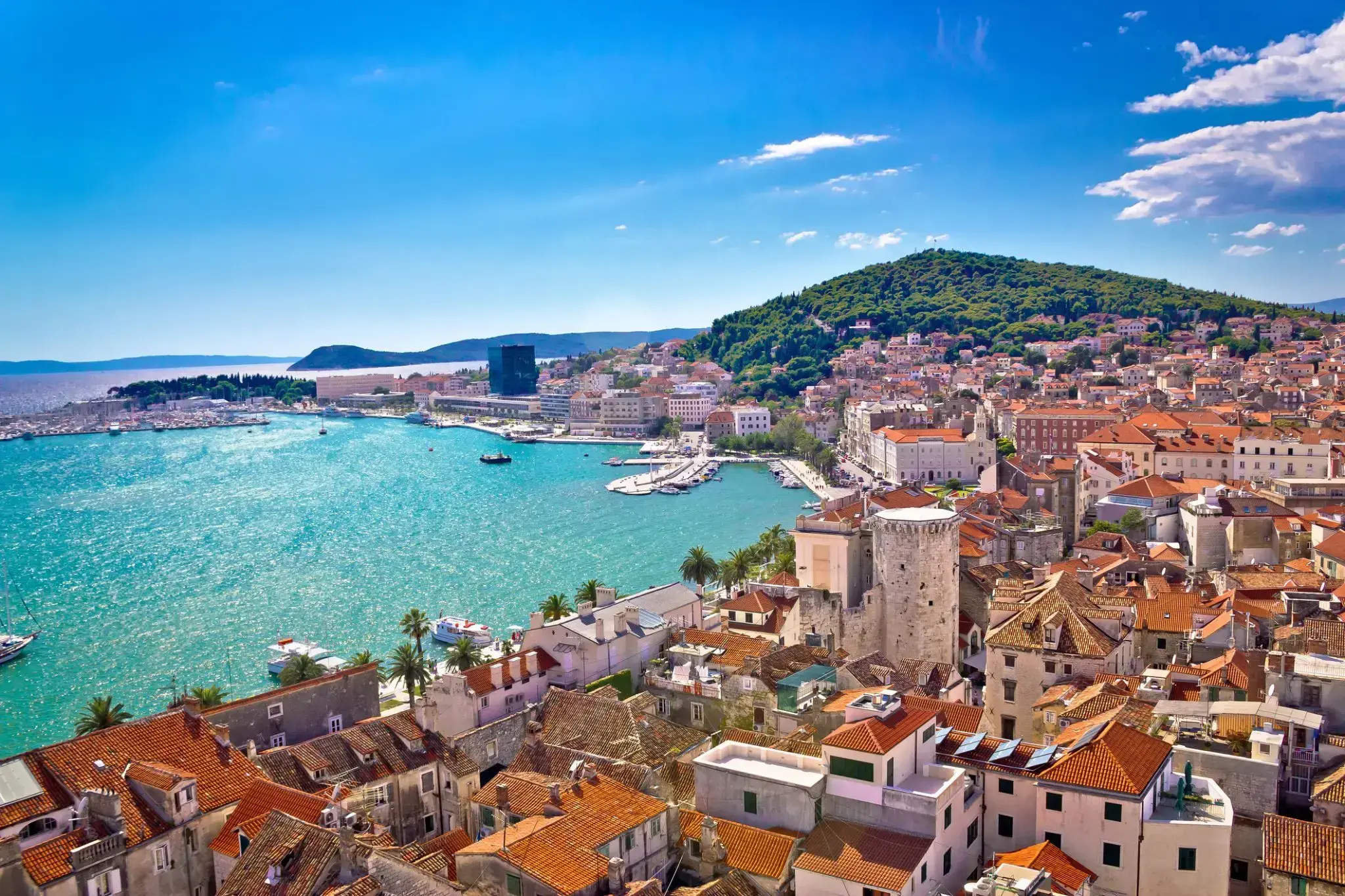
Split – the Pearl of Dalmatia
Split is Croatia’s second-largest city on the Adriatic coast. Its landmark is the Diocletian’s Palace, a UNESCO site, surrounded by narrow streets and the Cathedral of St. Domnius.
Life pulses along the Riva promenade, lined with cafés and restaurants. Nearby are beaches, including the famous Bacvice.
Split is also an important port, offering easy access to Croatian islands such as Hvar, Brač and Korčula. Its Mediterranean atmosphere and Dalmatian cuisine make it a perfect holiday destination.
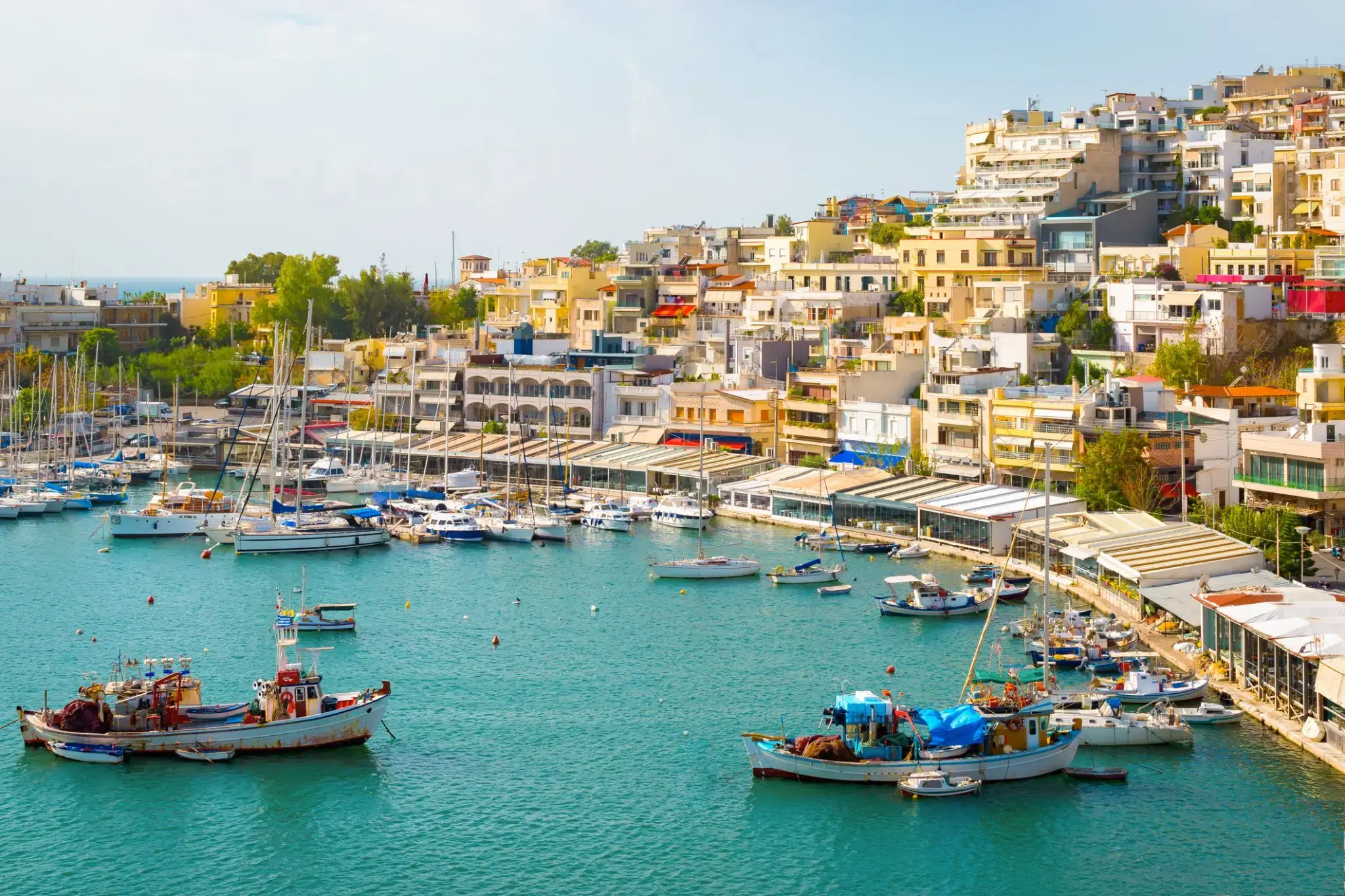
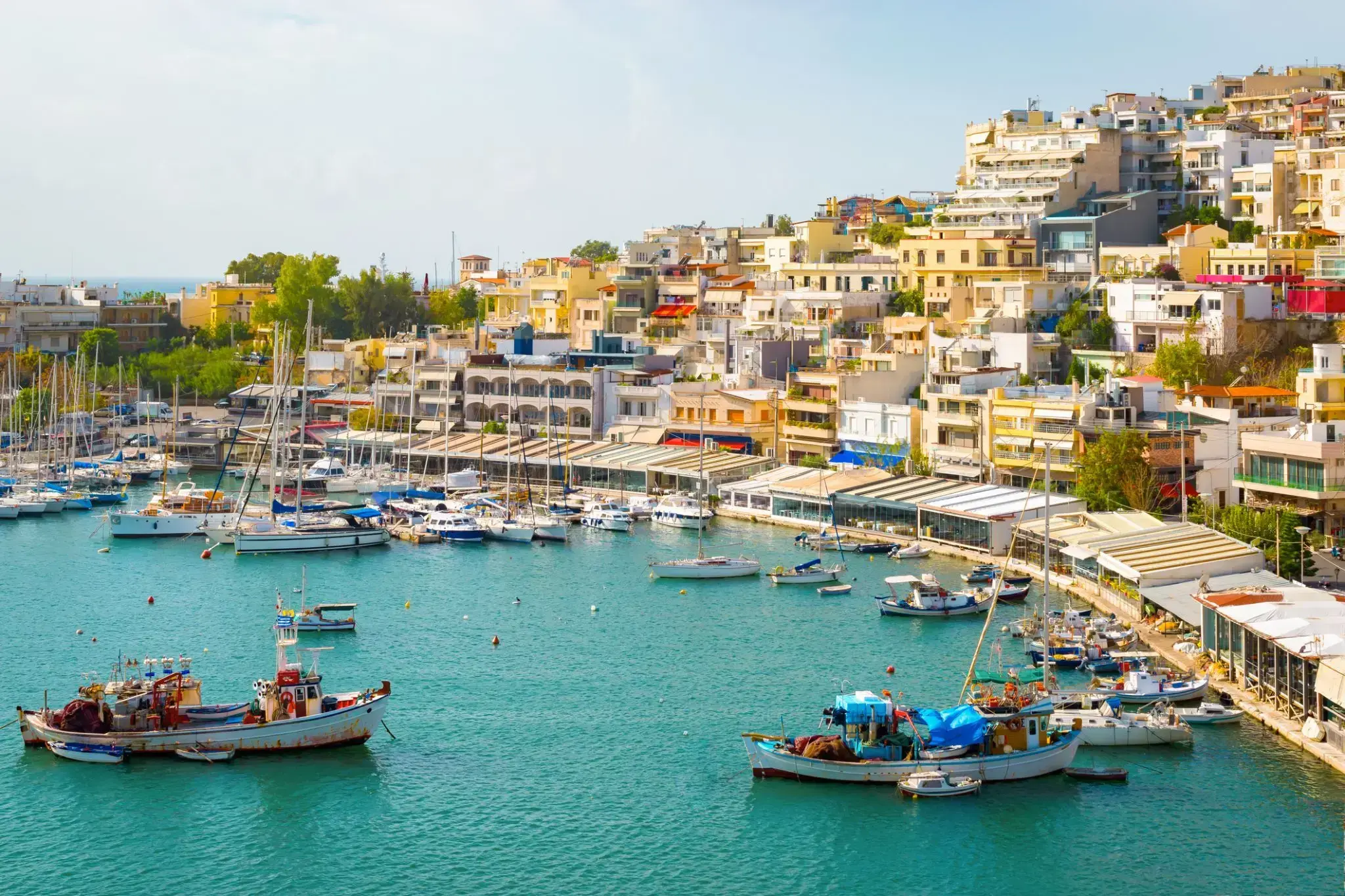
Piraeus is the gateway to Athens , which, in turn, is rightfully considered the center of the centers of the whole world, with the main attraction - the acropolis. Piraeus is an old port city serving the port of Athens, the largest port in Greece to date. Piraeus is part of the great Athens, which boasts an abundance of attractions, including unique monuments of national fine art. More than two hundred museums and galleries, including the University History Museum, the Ceramics Archaeological Museum and many others, will hospitably welcome you within their walls and familiarize themselves with the culture of this area.
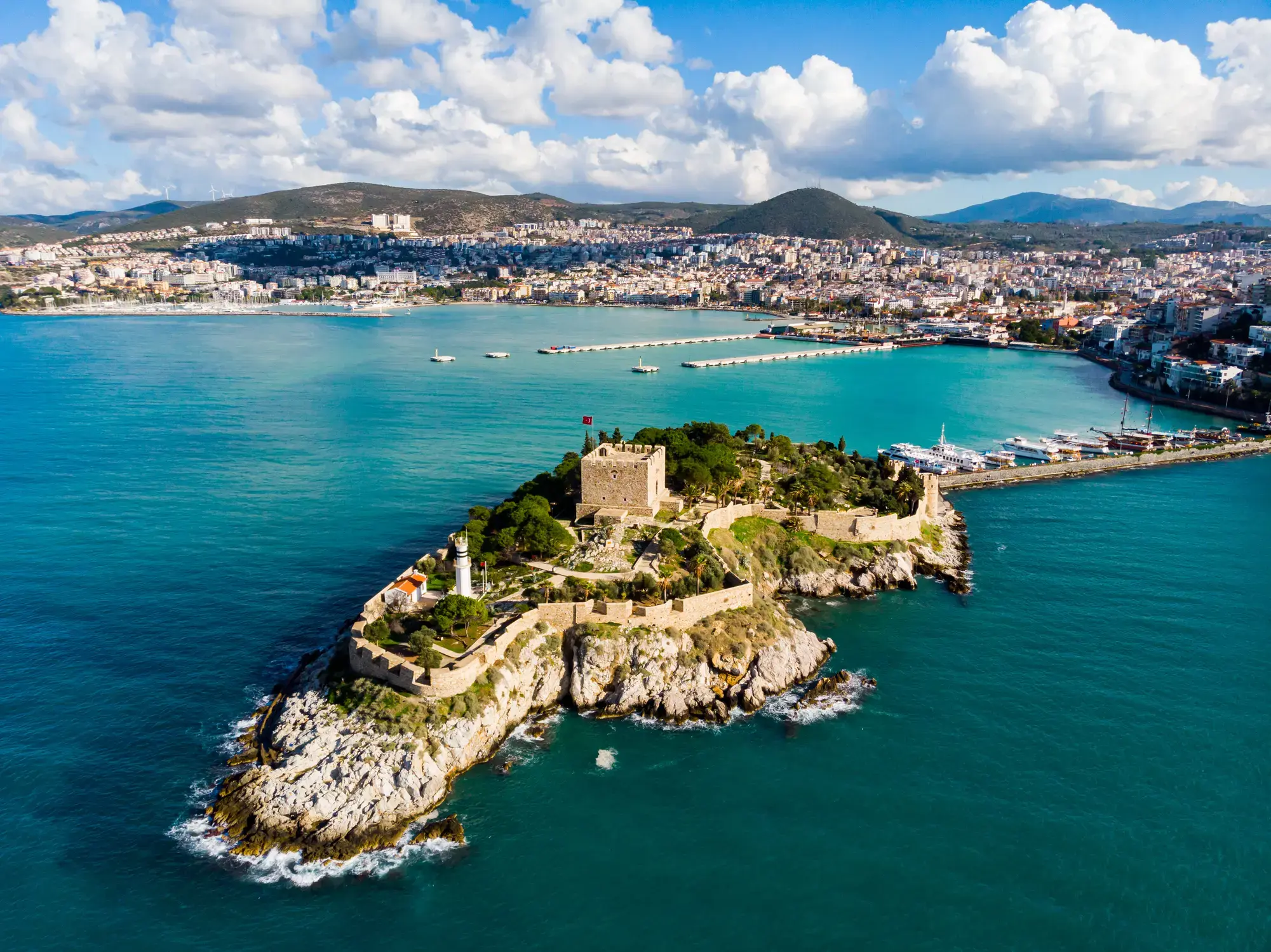
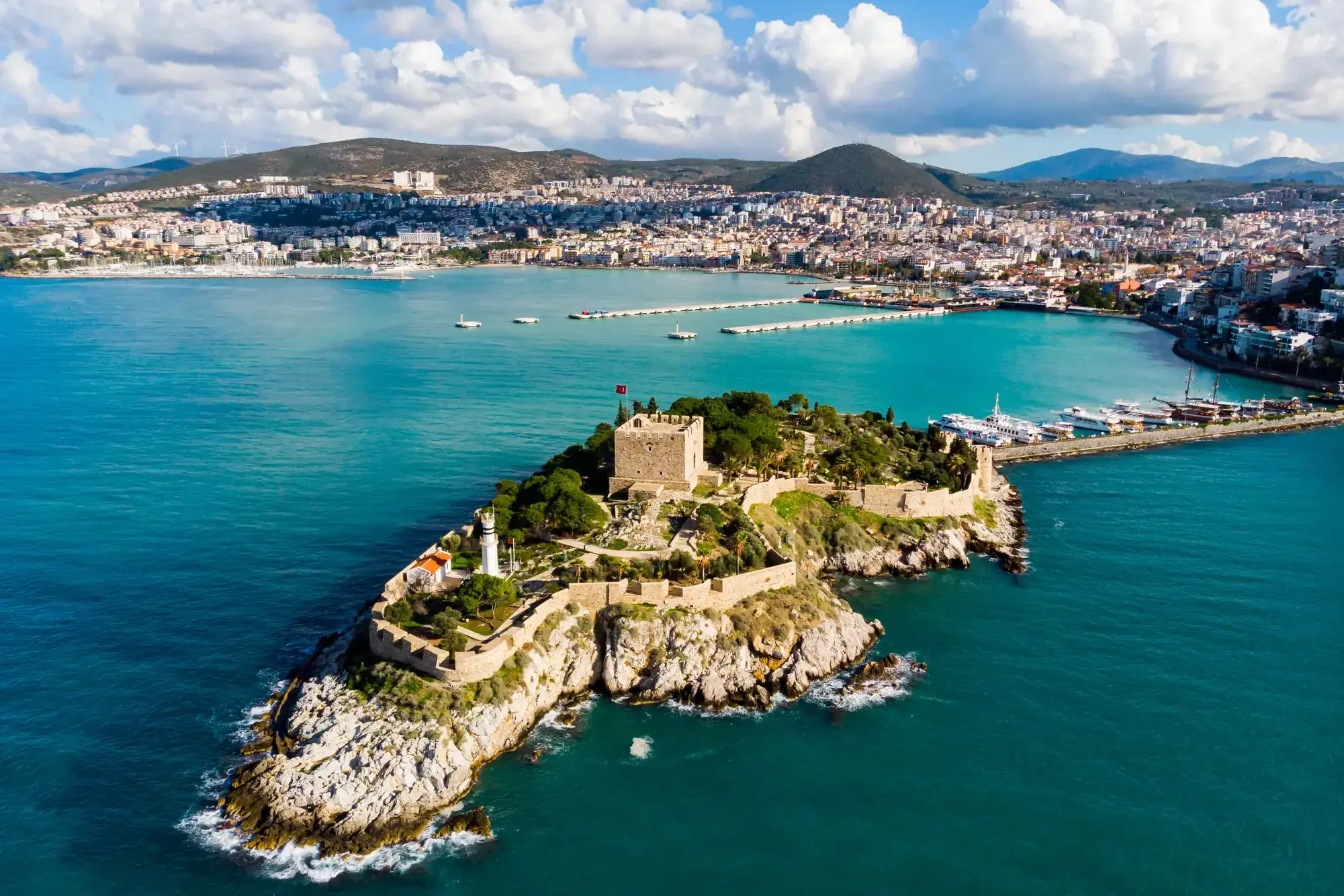
Kuşadası is a resort town on Turkey's Aegean coast, and the center of the seaside district of the same name within Aydın Province. Kuşadası is 95 km (59 mi) south of İzmir, and 71 km (44 mi) from Aydın. The municipality's primary industry is tourism.
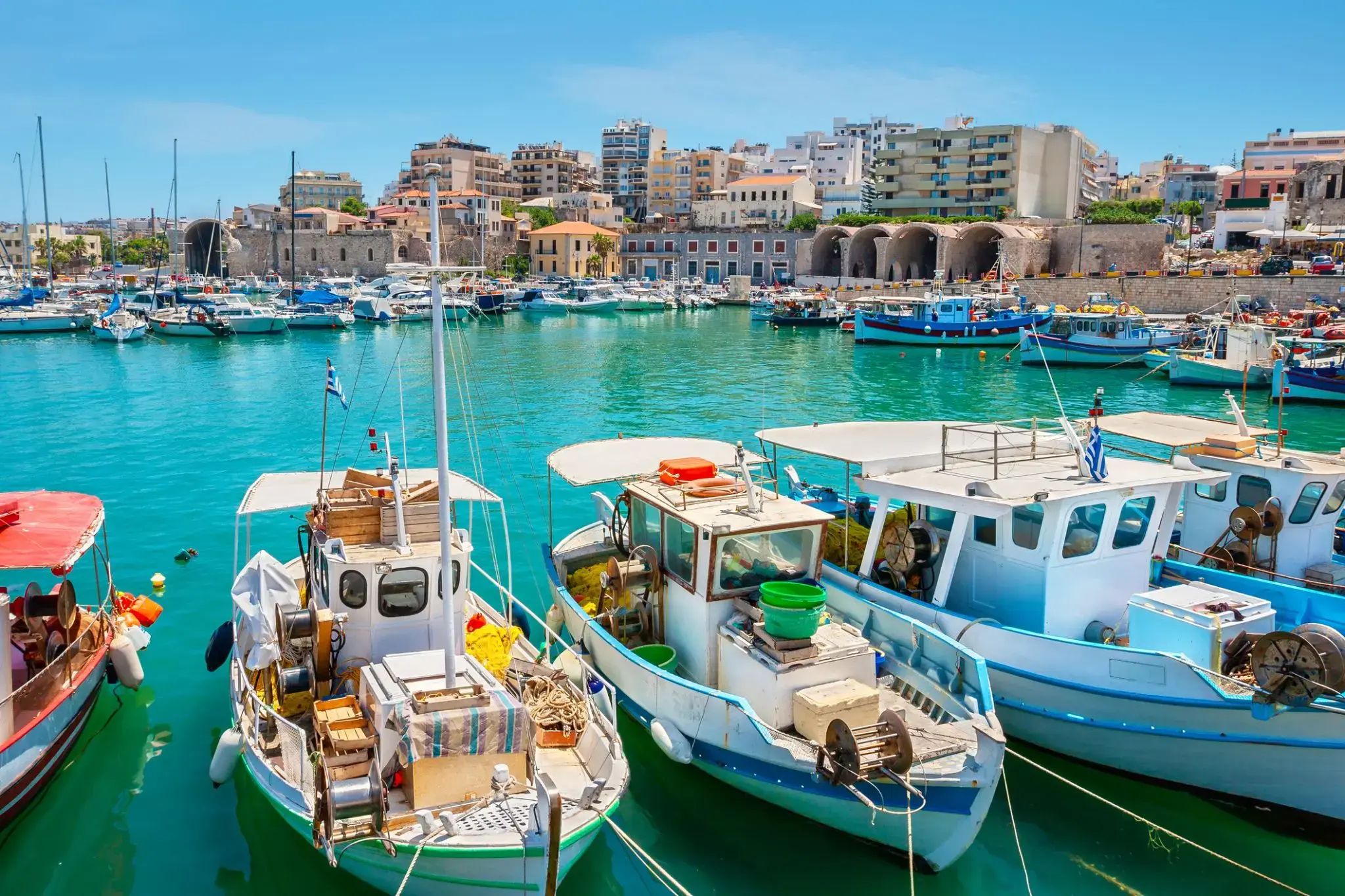
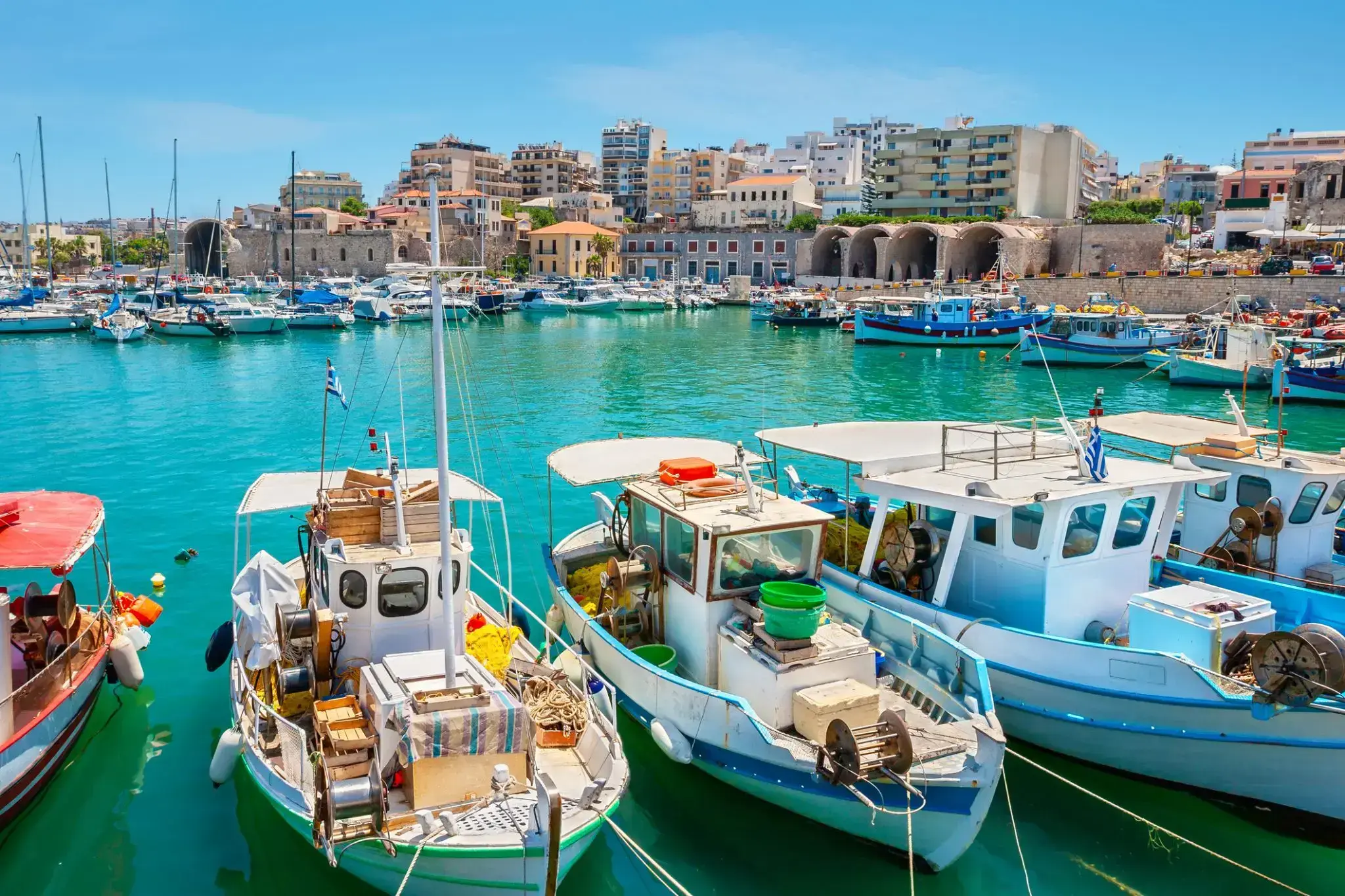
Heraklion or Heraclion is the largest city and the administrative capital of the island of Crete. It is the fourth largest city in Greece. According to the results of the 2011 census, the population of the city proper was 166,209 inhabitants, the municipality's was 173,993 while the Heraklion urban area has a population of 225,574 and it extends over an area of 684.3 km2 (264.2 sq mi).
Heraklion is the capital of Heraklion regional unit.
The Bronze Age palace of Knossos, also known as the Palace of Minos, is located nearby.
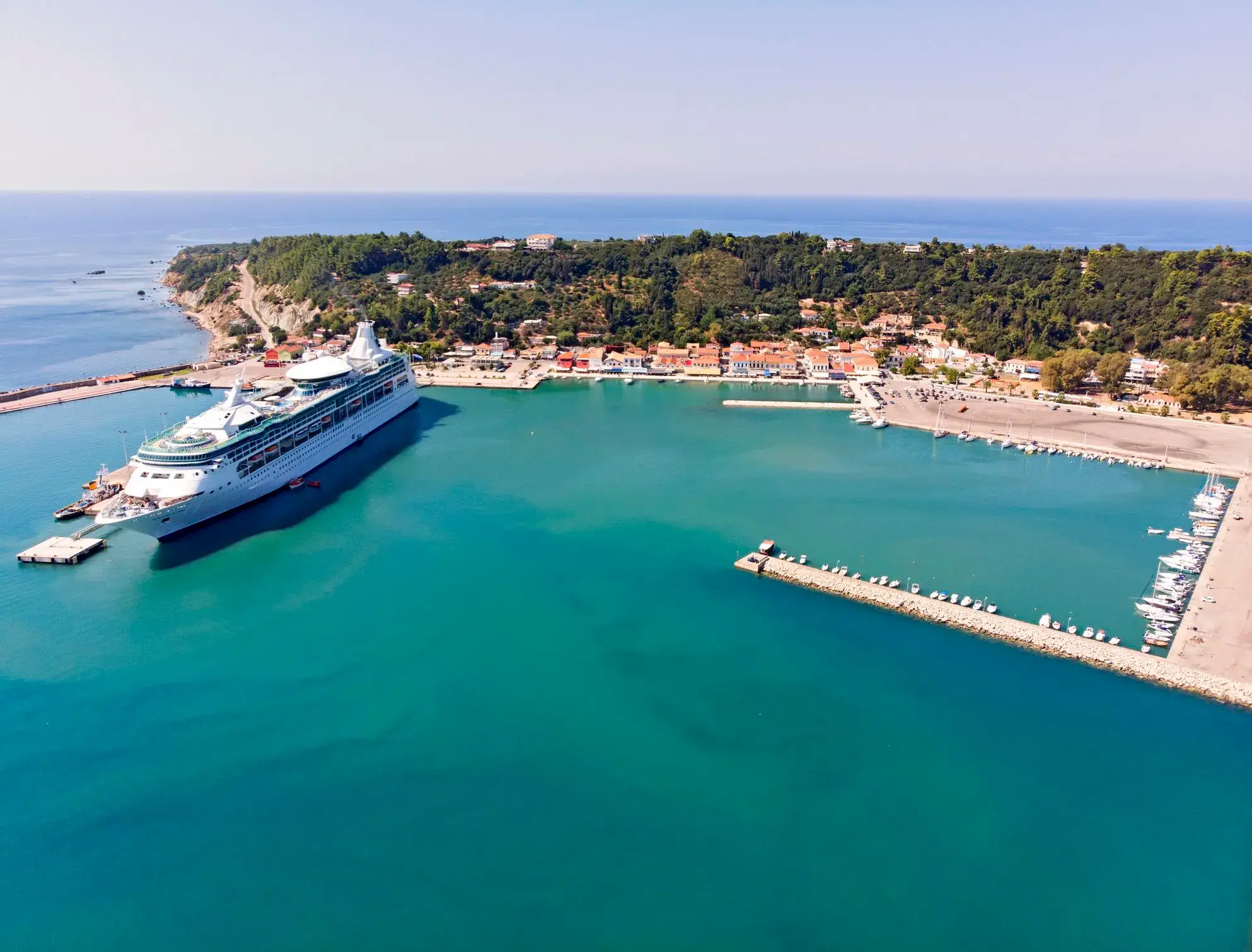
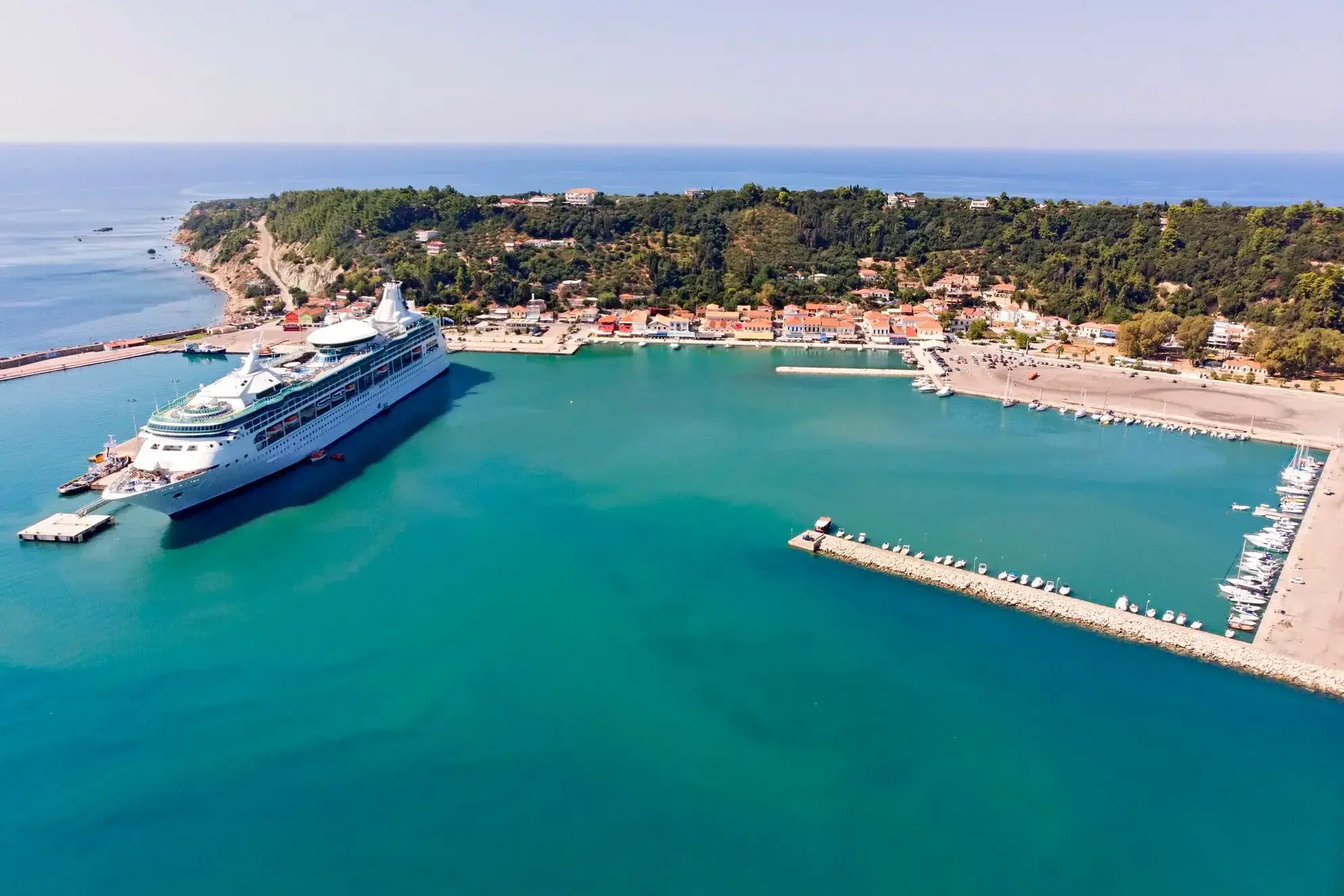
Կատակոլոնը փոքրափափ քաղաք է Հունաստանի Պելոպոնեսի արևմտյան ափին՝ ծառայում է որպես դարպաս դեպի լեգենդար Հին Օլիմպիա՝ Օլիմպիական խաղերի ծննդավայրը։ Իր հարմար դիրքի շնորհիվ Կատակոլոնը դարձել է սիրված նավարկային նավահանգիստ։ Նավահանգիստը շրջապատված է գեղեցիկ բլուրներով, իսկ ծովափին կգտնեք հարմարավետ սրճարաններ, խանութներ տեղական համեղ ուտեստներով և հուշանվերներով։ Զբոսաշրջիկները հաճախ սկսում են իրենց ճանապարհորդությունը այս վայրից՝ ուղևորվելով Օլիմպիայի հնագիտական վայրեր, որոնք մոտ 30 կմ հեռավորության վրա են։
Կատակոլոնը առաջարկում է հանգիստ մթնոլորտ և ավանդական հույն հմայք՝ նեղ փողոցներ, կղմինդրով ծածկված տներ և Իոնական ծովի երկնագույն ջրերը։ Մերձակայքում կան գինեգործարաններ, որտեղ պատրաստվում է տեղական գինի, ինչպես նաև փոքրիկ լողափեր՝ հանգստի և լողալու համար։ Քաղաքում գործում է Հին հունական տեխնոլոգիայի թանգարանը, որտեղ ներկայացված են հին գյուտերի եզակի մոդելներ՝ ավտոմատ դռներից մինչև համակարգիչների նախատիպեր։ Կատակոլոնը պատմության, բնության և իսկական հույն հյուրընկալության ներդաշնակ համադրություն է։
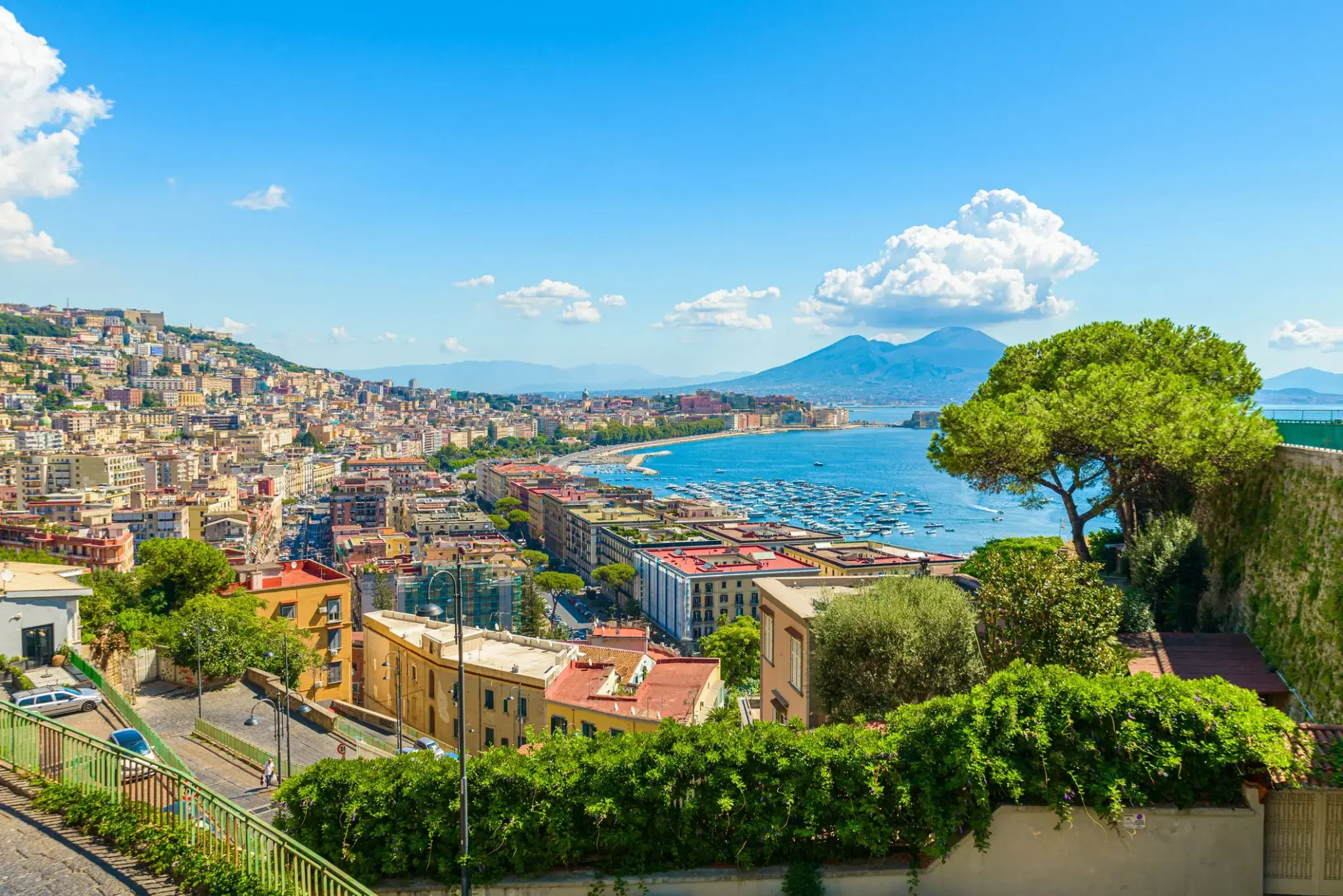
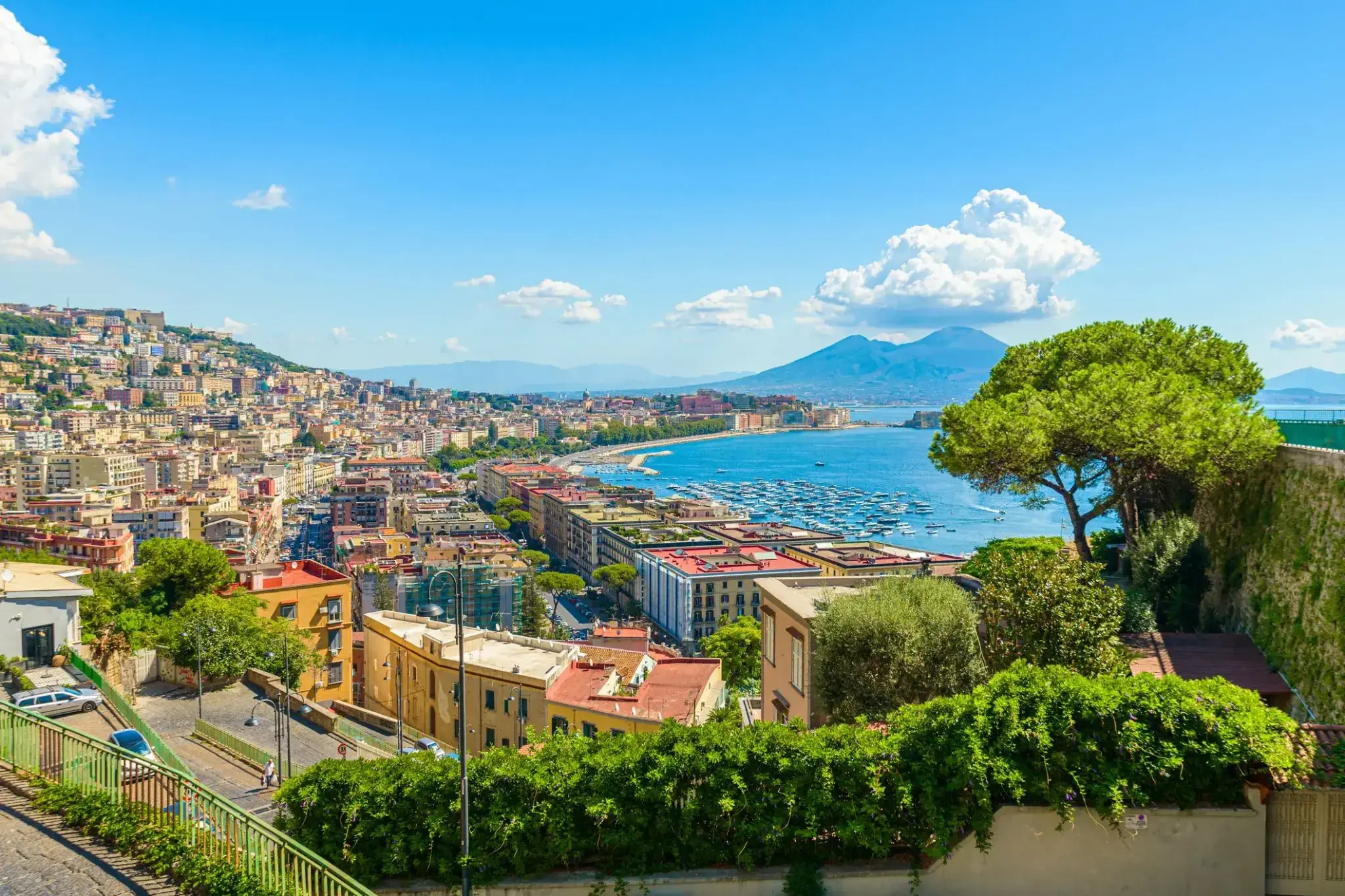
Naples is the regional capital of Campania and the third-largest municipality in Italyafter Rome and Milan. In 2017, around 967,069 people lived within the city's administrative limits while its province-level municipality has a population of 3,115,320 residents. Its continuously built-up metropolitan area (that stretches beyond the boundaries of the Metropolitan City of Naples) is the second or third largest metropolitan area in Italy and one of the most densely populated cities in Europe.
First settled by Greeks in the second millennium BC, Naples is one of the oldest continuously inhabited urban areas in the world. In the ninth century BC, a colony known as Parthenope or Παρθενόπη was established on the Island of Megaride, later refounded as Neápolis in the sixth century BC. The city was an important part of Magna Graecia, played a major role in the merging of Greek and Roman society and a significant cultural centre under the Romans. It served as the capital of the Duchy of Naples (661–1139), then of the Kingdom of Naples (1282–1816) and finally of the Two Sicilies until the unification of Italy in 1861.
Between 1925 and 1936, Naples was expanded and upgraded by Benito Mussolini's government but subsequently sustained severe damage from Allied bombing during World War II, which led to extensive post-1945 reconstruction work. Naples has experienced significant economic growth in recent decades, helped by the construction of the Centro Direzionale business district and an advanced transportation network, which includes the Alta Velocità high-speed rail link to Rome and Salerno and an expanded subway network. Naples is the third-largest urban economy in Italy, after Milan and Rome. The Port of Naples is one of the most important in Europe and home of the Allied Joint Force Command Naples, the NATO body that oversees North Africa, the Sahel and Middle East.
Naples' historic city centre is the largest in Europe and a UNESCO World Heritage Site, with a wide range of culturally and historically significant sites nearby, including the Palace of Caserta and the Roman ruins of Pompeii and Herculaneum. Naples is also known for its natural beauties such as Posillipo, Phlegraean Fields, Nisida, and Vesuvius.
Neapolitan cuisine is synonymous with pizza – which originated in the city – but it also includes many lesser-known dishes; Naples has the greatest number of accredited stars from the Michelin Guide of any Italian city.
The best-known sports team in Naples is the Serie A club S.S.C. Napoli, two-time Italian champions who play at the San Paolo Stadium in the southwest of the city, in the Fuorigrotta quarter.
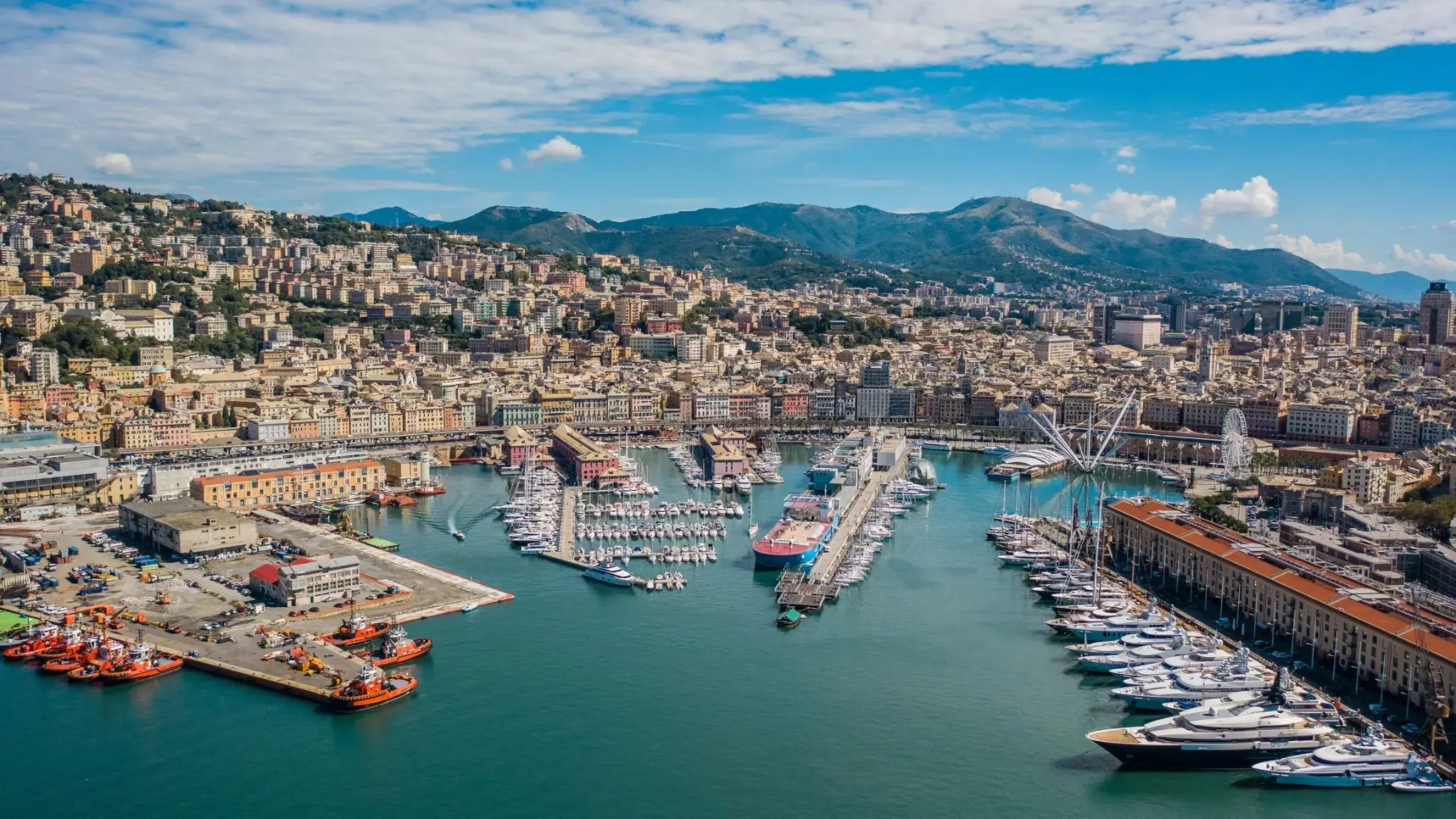
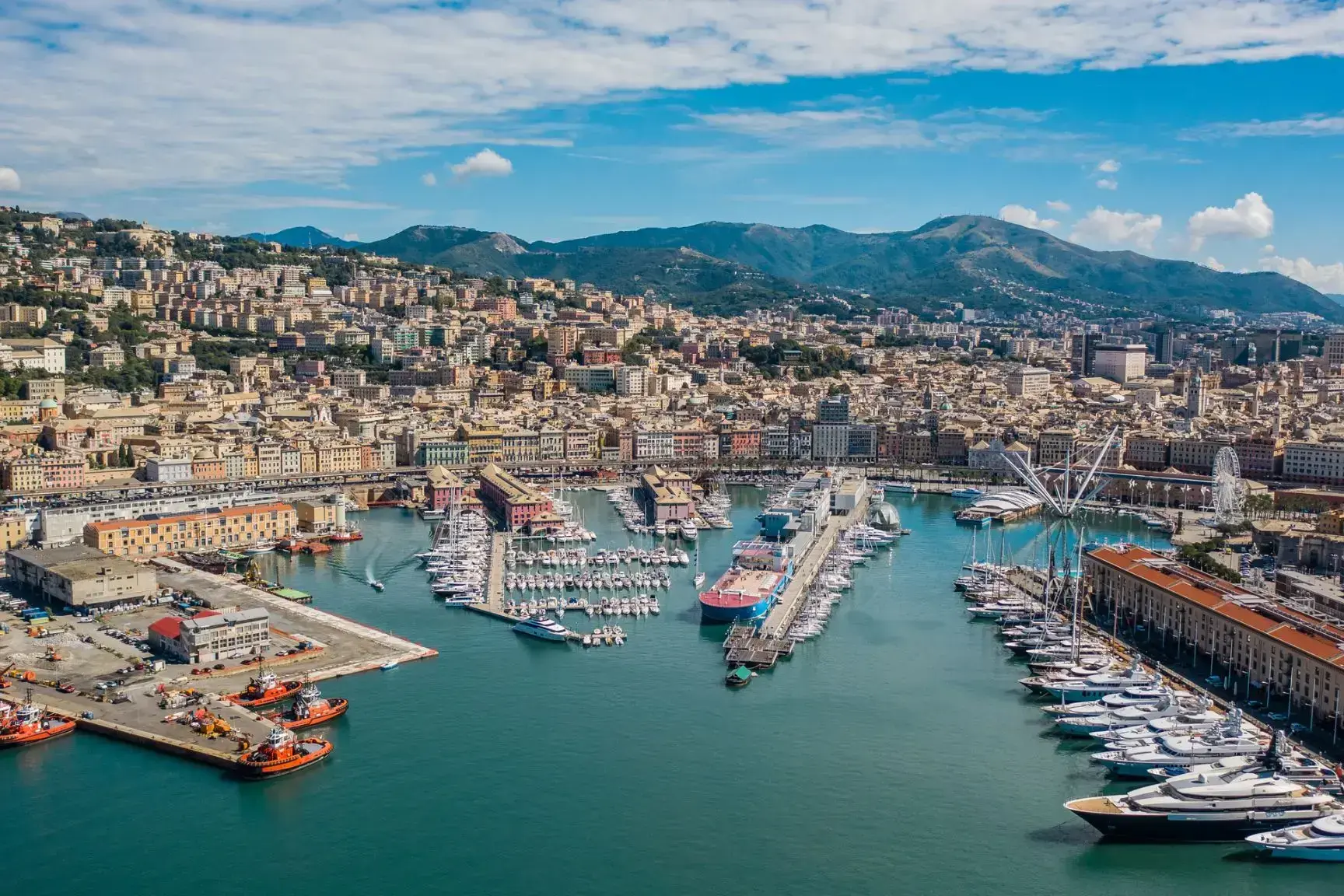
Genoa is the capital of the Italian region of Liguria and the sixth-largest city in Italy. In 2015, 594,733 people lived within the city's administrative limits. As of the 2011 Italian census, the Province of Genoa, which in 2015 became the Metropolitan City of Genoa, counted 855,834 resident persons. Over 1.5 million people live in the wider metropolitan area stretching along the Italian Riviera.
Located on the Gulf of Genoa in the Ligurian Sea, Genoa has historically been one of the most important ports on the Mediterranean: it is currently the busiest in Italy and in the Mediterranean Sea and twelfth-busiest in the European Union. Genoa has been nicknamed la Superba ("the proud one") due to its glorious past and impressive landmarks. Part of the old town of Genoa was inscribed on the World Heritage List (UNESCO) in 2006 as Genoa: Le Strade Nuove and the system of the Palazzi dei Rolli. The city's rich cultural history in art, music and cuisine allowed it to become the 2004 European Capital of Culture. It is the birthplace of Christopher Columbus, Andrea Doria, Niccolò Paganini, Giuseppe Mazzini, Renzo Piano and Grimaldo Canella, founder of the House of Grimaldi, among others.
Genoa, which forms the southern corner of the Milan-Turin-Genoa industrial triangle of Northwest Italy, is one of the country's major economic centers. The city has hosted massive shipyards and steelworks since the 19th century, and its solid financial sector dates back to the Middle Ages. The Bank of Saint George, founded in 1407, is among the oldest in the world and has played an important role in the city's prosperity since the middle of the 15th century. Today a number of leading Italian companies are based in the city, including Fincantieri, Selex ES, Ansaldo Energia, Ansaldo STS, Edoardo Raffinerie Garrone, Piaggio Aerospace, Mediterranean Shipping Company and Costa Cruises.

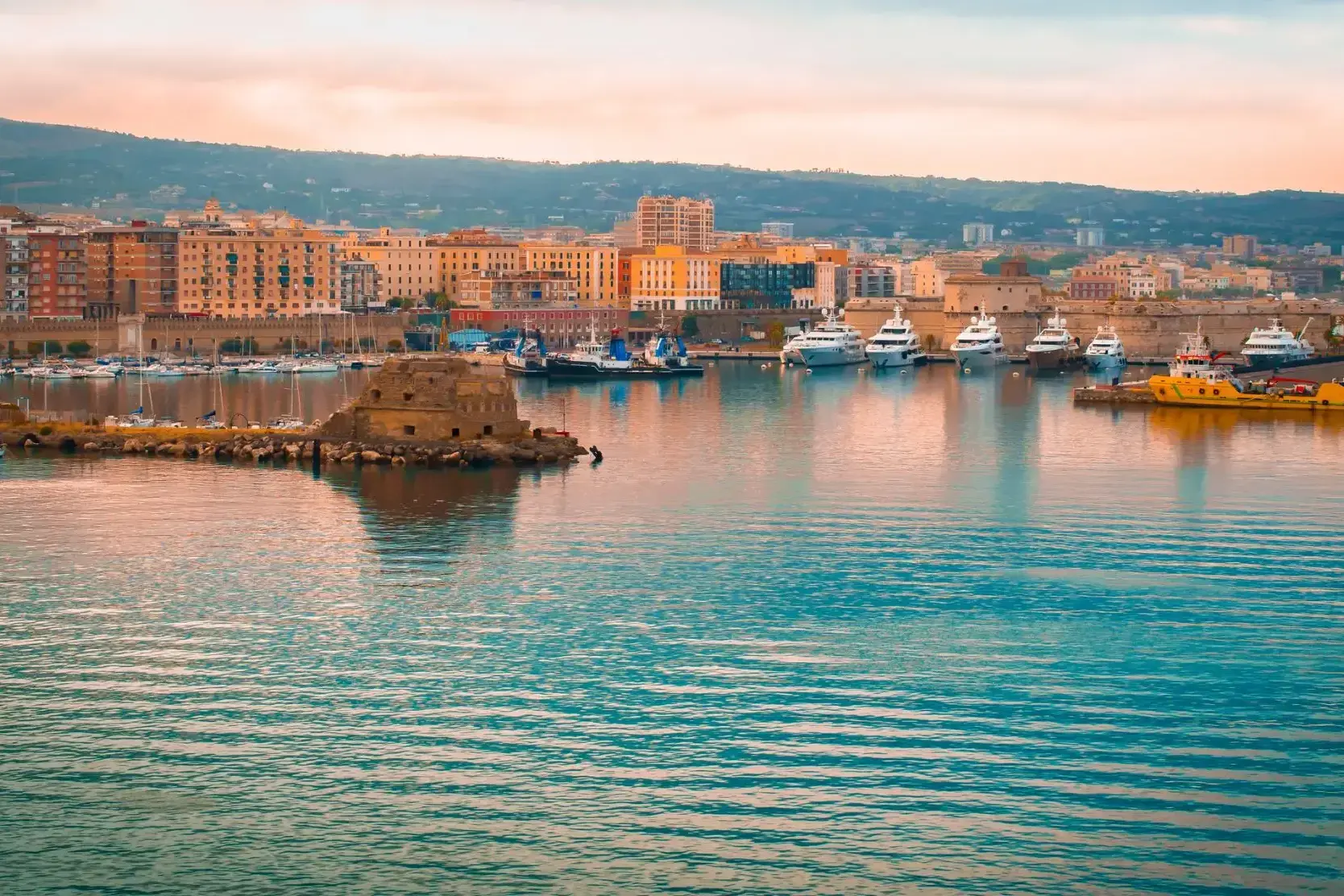
Rome is the capital city and a special comune of Italy (named Comune di Roma Capitale). Rome also serves as the capital of the Lazio region. With 2,872,800 residents in 1,285 km2(496.1 sq mi), it is also the country's most populated comune. It is the fourth-most populous city in the European Union by population within city limits. It is the centre of the Metropolitan City of Rome, which has a population of 4,355,725 residents, thus making it the most populous metropolitan city in Italy. Rome is located in the central-western portion of the Italian Peninsula, within Lazio (Latium), along the shores of the Tiber. The Vatican City (the smallest country in the world) is an independent country inside the city boundaries of Rome, the only existing example of a country within a city: for this reason Rome has been often defined as capital of two states.
Rome's history spans 28 centuries. While Roman mythology dates the founding of Rome at around 753 BC, the site has been inhabited for much longer, making it one of the oldest continuously occupied sites in Europe. The city's early population originated from a mix of Latins, Etruscans, and Sabines. Eventually, the city successively became the capital of the Roman Kingdom, the Roman Republic and the Roman Empire, and is regarded as the birthplace of Western civilization and by some as the first ever metropolis. It was first called The Eternal City (Latin: Urbs Aeterna; Italian: La Città Eterna) by the Roman poet Tibullus in the 1st century BC, and the expression was also taken up by Ovid, Virgil, and Livy. Rome is also called the "Caput Mundi" (Capital of the World). After the fall of the Western Empire, which marked the beginning of the Middle Ages, Rome slowly fell under the political control of the Papacy, which had settled in the city since the 1st century AD, until in the 8th century it became the capital of the Papal States, which lasted until 1870. Beginning with the Renaissance, almost all the popes since Nicholas V (1447–1455) pursued over four hundred years a coherent architectural and urban programme aimed at making the city the artistic and cultural centre of the world. In this way, Rome became first one of the major centres of the Italian Renaissance, and then the birthplace of both the Baroque style and Neoclassicism. Famous artists, painters, sculptors and architects made Rome the centre of their activity, creating masterpieces throughout the city. In 1871, Rome became the capital of the Kingdom of Italy, which, in 1946, became the Italian Republic.
Rome has the status of a global city. In 2016, Rome ranked as the 14th-most-visited city in the world, 3rd most visited in the European Union, and the most popular tourist attraction in Italy. Its historic centre is listed by UNESCO as a World Heritage Site. The famous Vatican Museums are among the world's most visited museums while the Colosseum was the most popular tourist attraction in world with 7.4 million visitors in 2018. Host city for the 1960 Summer Olympics, Rome is the seat of several specialized agencies of the United Nations, such as the Food and Agriculture Organization (FAO), the World Food Programme (WFP) and the International Fund for Agricultural Development (IFAD). The city also hosts the Secretariat of the Parliamentary Assembly of the Union for the Mediterranean (UfM) as well as the headquarters of many international business companies such as Eni, Enel, TIM, Leonardo S.p.A., and national and international banks such as Unicredit and BNL. Its business district, called EUR, is the base of many companies involved in the oil industry, the pharmaceutical industry, and financial services. Rome is also an important fashion and design centre thanks to renowned international brands centered in the city. Rome's Cinecittà Studios have been the set of many Academy Award–winning movies.